Most Affordable Sterile Processing Technician Schools & Training - Budget-Friendly Sterile Processing Tech Trade Programs in New Jersey for 2026

Co-Founder and Chief Data Scientist
Choosing the right sterile processing technician trade school in New Jersey can feel overwhelming. That's why this article offers a carefully crafted ranking of top programs, created by the Research.com team of data scientists. It’s designed to help you make an informed decision about which schools truly stand out.
By exploring these options, you’ll discover affordable paths to earning a valuable diploma or certification. This can open doors to a rewarding healthcare career with strong job prospects. Whether you’re just starting out or considering a change, this guide supports your journey toward success.
Key benefits of finishing sterile processing technician trade school in New Jersey
- Graduates can expect competitive salaries, with averages around $27.91 per hour and potential to earn up to $34.33 per hour in New Jersey, reflecting strong local demand.
- Career paths include roles in hospitals, outpatient centers, and specialized healthcare facilities, offering steady employment and opportunities for growth after completing a reputable trade school program.
- Completing a sterile processing technician program online provides flexibility and convenience, allowing students to balance work or family while gaining skills quickly, as many successful graduates report.
- Most Affordable Sterile Processing Technician Schools & Training - Budget-Friendly Sterile Processing Tech Trade Programs in New Jersey for 2026
- What can I expect from sterile processing technician trade schools in New Jersey?
- Where can I work after finishing sterile processing technician trade schools in New Jersey?
What can I expect from sterile processing technician trade schools in New Jersey?
Students enrolled in sterile processing technician programs in New Jersey can expect a blend of classroom instruction and hands-on clinical training. Graduates from popular trade schools describe the experience as both challenging and rewarding, with lectures covering medical terminology, infection control, sterilization methods, and surgical instrument identification. Many programs, like those at AIMS Education, include a 400-hour clinical externship that places students in real hospital or surgical center environments, giving them practical exposure that builds confidence and job readiness.
The program duration typically spans several months up to about a year, with flexible schedules including day and evening classes. Students appreciate schools that offer online coursework options combined with required clinical hours, which accommodate different learning styles and life commitments.
Admission usually requires a high school diploma or GED, and some schools ask for vaccination proof before clinical placements, reflecting the real-world standards students will face. Graduates often feel well-prepared for national certification exams, which are mandatory in New Jersey, and value the supportive environment trade schools provide throughout the process.
Where can I work after finishing sterile processing technician trade schools in New Jersey?
After finishing a sterile processing technician trade school program in New Jersey, graduates find a wide range of employment opportunities across the state. Many secure positions in hospitals, surgical centers, outpatient clinics, and specialty care facilities. Large hospital networks like Hackensack Meridian Health and Morristown Medical Center frequently hire new graduates, offering roles that fit various schedules including day, evening, night, or weekend shifts. This flexibility helps students balance work with personal life after school.
Graduates from popular New Jersey trade schools often share how their hands-on training prepared them well for roles involving cleaning, sterilizing, and assembling surgical instruments. Some find jobs in ambulatory surgical centers or private medical practices that need sterile processing expertise. Others advance into dental surgery practices or endoscopy centers, showing the diverse career paths available.
Many graduates express excitement about entering a field with steady demand and competitive wages, ranging from $30 to $50 per hour. The experience gained also opens doors for certification and career growth within healthcare facilities statewide.
After finishing a sterile processing technician trade school program in New Jersey, graduates can expect to earn an average hourly wage of about $27.91. Many students from popular local trade schools have shared how this competitive pay helped them quickly gain financial independence. For example, entry-level salaries typically start around $20.24 per hour, which is higher than many other entry-level healthcare roles in the region.
Graduates often find jobs in well-known hospital systems, where wages can rise to nearly $29 per hour with experience and certifications. This steady increase makes the career path attractive for those motivated to grow professionally. One graduate mentioned how starting at around $25 per hour allowed them to comfortably manage living expenses in New Jersey while pursuing additional credentials.
The higher wages reflect New Jersey's cost of living and strong healthcare demand. For many, completing a sterile processing technician program at a reputable New Jersey trade school translates directly into a stable, well-paying job that supports both career growth and personal goals.
- Applicants need a high school diploma or GED to enroll in most sterile processing technician programs in New Jersey.
- Programs usually last 10 months to 1 year for a certificate and include about 400 hours of clinical externship.
- Tuition ranges from $23,200 for certificate programs to $26,900 per year for associate degrees, with some schools covering textbooks and certification exam fees.
- There is no state licensure, but national certification (CRCST) must be obtained within three years of employment.
- Entry-level salaries range from $38,000 to $44,000 per year, with experienced technicians earning up to $55,000 or more annually.
Completing a sterile processing technician trade school program in New Jersey typically takes about 6 to 12 months, depending on whether you attend full-time or part-time. Many graduates from popular trade schools in the state share how quickly they were able to finish the program while balancing work or family responsibilities.
One graduate described the experience as intense but rewarding, noting that the hands-on training and real-world simulations at their New Jersey trade school made the learning process feel practical and engaging. This approach helped them gain confidence early, which made the time commitment feel worthwhile.
Another graduate appreciated the flexible scheduling options, allowing them to complete the program without putting their life on hold. This flexibility is common among New Jersey trade schools, making it easier for students to pursue certification efficiently.
For those eager to start a new career quickly, these programs offer a clear timeline and focused curriculum that can have you job-ready in under a year.
The key difference between online and on-campus sterile processing technician trade school programs in New Jersey is how the training is delivered and how hands-on experience is gained. Online students, such as those enrolled through Herzing University or ed2go with Rowan University, benefit from flexible schedules that fit around work or family commitments. They access lectures and coursework digitally but must independently arrange their clinical externships, which can be challenging yet rewarding for self-motivated learners.
On-campus programs at schools like AIMS Education or Rowan College at Burlington County offer a structured routine with fixed class times and direct access to medical equipment. Graduates often highlight the value of immediate instructor feedback and peer collaboration during labs, which boost confidence and sharpen skills before clinical rotations. These programs typically manage clinical placements, easing the path to certification.
Both formats require a 400-hour clinical externship to meet New Jersey's certification standards, but choosing between them depends on your learning style and life situation. Many students appreciate the flexibility of online options, while others thrive in the immersive, hands-on environment of on-campus training.
The average tuition for sterile processing programs in New Jersey varies depending on the trade school and program level chosen. Graduates from local trade schools often report tuition fees ranging from $5,000 to $15,000 for diploma or certification programs. For those pursuing an associate degree, the cost typically rises to between $10,000 and $25,000. This range reflects variations in program length, institution type, and included services. One student recalled feeling relieved after finding a program that fit within their budget while still providing extensive hands-on training.
Beyond tuition, the overall cost of sterile processing technician certification in New Jersey includes additional expenses like textbooks, uniforms, supplies, and certification exam fees, which usually add $1,000 to $2,000 to the total. Many students share stories of budgeting carefully for these necessities while appreciating the practical knowledge gained from their efforts. Financial aid through FAFSA and state grants such as the Tuition Aid Grant (TAG) often plays a crucial role in making these programs more affordable.
Several graduates highlight the advantage of trade schools offering payment plans or work-study opportunities, making the path to certification less stressful financially. Exploring scholarships and aid options early can transform the experience from overwhelming to empowering. For students considering accessible alternatives, the best online certificate programs can also provide flexible pathways to certification without compromising quality or affordability.

Students pursuing sterile processing technician programs in New Jersey have access to several financial aid options that make education more attainable. Many accredited trade schools, like AIMS Education, participate in federal financial aid programs such as Pell Grants and federal student loans, which help students cover tuition when they qualify based on citizenship and enrollment status. Graduates often share relief about how these federal funds eased their financial burden during training.
In addition, institutional aid plays a big role. For example, students at AIMS Education benefit from scholarships tailored to healthcare fields, need-based grants, and flexible payment plans, making costs manageable. At Rowan College at Burlington County, students in the Central Services Technician program often receive grant-funded assistance through state workforce development grants, helping those balancing work and study feel supported.
For those in non-credit or workforce development programs, alternative funding like the Workforce Innovation and Opportunity Act (WIOA) or SNAP scholarships offer critical support, especially for displaced workers or low-income applicants eager to enter healthcare quickly. Reaching out to each school's financial aid office early can uncover these opportunities and provide peace of mind throughout training.
To enroll in a sterile processing technician trade school program in New Jersey, candidates typically need to meet a few straightforward prerequisites that ensure readiness for the hands-on training ahead. Most trade schools require applicants to have a high school diploma or GED, confirming basic academic skills. Some schools may ask for proof of immunizations or a recent physical exam to guarantee student health and safety during clinical practice.
Many graduates recall starting their programs feeling confident because they met these clear requirements, which helped them focus fully on learning sterilization techniques without administrative hurdles. Popular trade schools in New Jersey often recommend or require background checks to maintain compliance with healthcare facility standards.
Common prerequisites include:
- High school diploma or GED
- Basic health screening or immunization records
- Background check clearance
- Occasionally, minimum age requirements (usually 18+)
These straightforward steps make it easier for prospective students to start their careers quickly and feel prepared entering clinical environments, just as many successful sterile processing technician graduates in New Jersey have experienced.
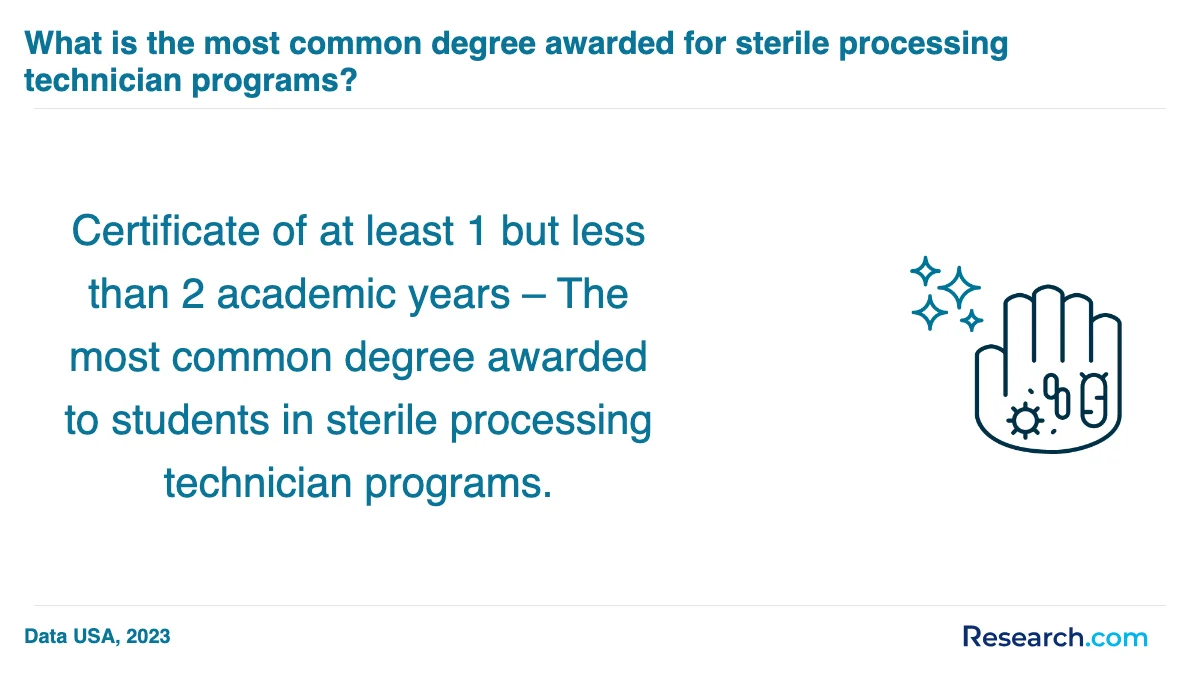
Sterile processing technician trade school programs in New Jersey equip students with practical skills through a well-rounded curriculum. Graduates from popular New Jersey trade schools recall starting with medical terminology, which was crucial for understanding the language used in hospitals and surgical centers.
Key courses include:
- Central service workflow processes, teaching the entire cycle from instrument cleaning to sterilization and storage, with strict attention to manufacturer guidelines and infection control.
- Sterilization and disinfection methods, ensuring each instrument meets safety standards for patient use.
- Packaging and storage techniques to maintain sterility and organization in fast-paced environments.
- Inventory control for managing supplies efficiently and complying with healthcare regulations.
- Specialized instrument identification and equipment maintenance courses that build confidence in handling and troubleshooting sterilization tools.
Many students highlight the invaluable experience gained from a 400-hour clinical externship, which places them in real hospital settings across New Jersey. This hands-on training boosts their readiness for the HSPA CRCST certification exam and future job success.
Sterile processing technician trade school programs in New Jersey offer specialized sterile processing programs in New Jersey that focus on essential skills needed in healthcare settings. Graduates often highlight training in medical terminology, anatomy, and infection control, which are critical for understanding the environment in which they will work. Core specializations include:
- Infection control and microbiology to prevent hospital-acquired infections
- Surgical instrumentation and sterilization techniques for proper instrument handling
- Inventory management and safety standards ensuring compliance and workplace safety
For example, students at the Medical Career Institute in Ocean Township appreciate hands-on lessons about endoscopic sterilization procedures, while those enrolled in New Jersey City University's 100% online course benefit from comprehensive preparation for the Certified Registered Central Service Technician (CRCST) certification. These certified sterile processing technician training in New Jersey programs equip students for diverse roles and certification success.
If you seek affordable options with strong career outcomes, consider exploring cheap online associate's in surgical tech programs that can complement on-site sterile processing education.
To choose the best sterile processing technician trade school program in New Jersey, start by verifying the program's accreditation, such as from ABHES, which ensures quality education and eligibility for certification. Many graduates from Rowan College at Burlington County praise the strong focus on preparing students for the national CRCST exam, which New Jersey law requires within three years of employment. Hands-on clinical experience is crucial; programs offering around 400 hours of externship, like those at AIMS Education, help students confidently apply skills in real healthcare settings, boosting job readiness.
When comparing sterile processing technician programs in New Jersey, consider flexibility. Some students find Herzing University's fully online format ideal for balancing work and study, yet it still connects them to clinical placements and degree pathways. Tuition cost and financial aid options vary, so check if grants or WIOA funding are available. Many graduates appreciate programs that blend affordability with comprehensive training.
Choosing a program aligned with your schedule, budget, and certification goals is key to a rewarding career in sterile processing. For those exploring healthcare career options, the healthcare occupations list can provide helpful context on related fields and opportunities.

Graduates of sterile processing technician trade schools in New Jersey typically start their careers as sterile processing technicians, working in hospitals, outpatient surgery centers, and clinics. These roles focus on sterilizing and maintaining medical instruments, a key responsibility that supports patient safety and infection control. Many graduates find steady work with hourly wages ranging from $20 to $36, which can increase with experience or specialized skills.
Career opportunities for sterile processing technicians in New Jersey expand beyond entry-level jobs. Experienced graduates often move into supervisory or managerial roles overseeing entire sterile processing departments, coordinating teams, and ensuring compliance with health standards. Some also transition to specialized roles such as endoscopy technician or dental sterilization technician, which offer new challenges and higher pay.
Popular trade schools in New Jersey report that their students gain confidence and practical skills that open doors to these varied career paths. Graduates appreciate how the training prepares them for hands-on work in real healthcare settings and positions them well along the surgical technologist career path New Jersey employers value.
For those interested in flexibility, part-time positions are widely available, and certifications may boost earnings. New Jersey's diverse healthcare market allows trade school graduates to explore roles in medical equipment management or dental radiologist/sterilization tech positions, sometimes without formal certification requirements.
Exploring the most affordable online sterile processing technician certificate program options can be a practical step for anyone seeking to join this growing field and achieve a rewarding career in New Jersey's healthcare system.
The sterile processing technician job outlook in New Jersey is steady with competitive wages that reflect the essential healthcare role these graduates fill. Trade school graduates in New Jersey often find openings in hospitals and surgical centers, where employers like Cooper University Healthcare and Hackensack Meridian Health actively recruit. Graduates report supportive work environments and the ability to apply hands-on skills immediately, which makes the transition from school to career rewarding.
Employment opportunities typically include:
- Full-time and part-time positions in major medical facilities
- Pathways to advanced roles such as SPD Manager or Surgical Instrument Repair Technician
- Salaries ranging from $20.24 to $44.42 per hour based on experience and certification
New Jersey sterile processing technician employment opportunities tend to be consistent, though not overly abundant, offering recent graduates a balance of competition and steady hiring. Popular trade schools in the state foster a strong community feel, and graduates frequently highlight their ability to build networks that support career growth.
For those interested in accelerating their healthcare career, many students enhance their credentials with 2 year healthcare degrees that complement sterile processing technician training and broaden job prospects across New Jersey's healthcare system.
Most Affordable Sterile Processing Technician Schools & Training - Budget-Friendly Sterile Processing Tech Trade Programs in New Jersey for 2026
# 1 position
Berkeley College-Woodland Park - Sterile Processing Technology/Technician.
certificate or diplomaBerkeley College-Woodland Park offers a Sterile Processing Technology/Technician program with a hybrid format, combining in-person and distance education. The program trains students in sterilization, infection control, decontamination, and surgical instrumentation processing. Annual in-state tuition is $28,600. Graduates earn a median salary of $40,999 one year after completion. The program is accredited by the Middle States Commission on Higher Education.
# 2 position
Medical Career Institute - Sterile Processing Technology/Technician.
certificate or diplomaThe Sterile Processing Technology/Technician program at Medical Career Institute offers a hybrid format with some distance-education options. It trains students to clean, sterilize, and assemble surgical instruments and supplies for medical and surgical settings. Instruction covers sterilization, infection control, decontamination, surgical instrumentation processing, distribution, and record-keeping. Graduates have median earnings of $48,897 one year after completion. The program is accredited by the Accrediting Bureau of Health Education Schools.
# 3 position
American Institute of Medical Sciences & Education - Sterile Processing Technology/Technician.
certificate or diplomaThe Sterile Processing Technology/Technician program at American Institute of Medical Sciences & Education is a hybrid course that prepares students to clean, sterilize, and assemble surgical instruments and equipment for medical facilities. Instruction covers sterilization, infection control, decontamination, surgical instrumentation processing, distribution, and record-keeping. The program is accredited by the Accrediting Bureau of Health Education Schools.
Frequently Asked Questions about sterile processing technician
After completing a sterile processing technician trade school in New Jersey, it is essential to obtain certification to improve job prospects. The Certified Registered Central Service Technician (CRCST) credential from the International Association of Healthcare Central Service Materiel Management (IAHCSMM) is widely recognized by employers in the state.
Networking with local healthcare facilities and attending job fairs can also help graduates find employment. New Jersey's hospitals often prefer candidates with hands-on experience, so completing clinical externships during training is beneficial.
According to the New Jersey Department of Labor, the demand for sterile processing technicians is expected to grow by 12% through 2030, making timely certification and skill development critical for entering the workforce.
Employers in New Jersey seek several key skills in sterile processing technician trade school graduates. First, attention to detail is essential, as technicians must ensure all medical instruments are thoroughly cleaned and sterilized to prevent infections. Knowledge of sterilization techniques and equipment, such as autoclaves, is crucial. Communication skills are also valued, enabling effective coordination with healthcare teams. According to the New Jersey Department of Labor, familiarity with safety protocols and infection control standards is a top priority. Additionally, basic computer skills for tracking instruments and maintaining records are increasingly important in modern healthcare settings.
Finding internships in New Jersey relevant to sterile processing technician trade school programs involves several practical steps. Start by contacting local hospitals, surgical centers, and healthcare facilities, as many offer internship opportunities specifically for sterile processing students. The New Jersey Hospital Association provides a directory of member institutions, which can be a useful resource.
Trade schools often have partnerships or affiliations with healthcare providers to help place students in internships. It is important to inquire directly with the school's career services or internship coordinator.
Additionally, websites like the New Jersey Department of Labor and Workforce Development list internship openings and healthcare training programs. According to recent data, healthcare support occupations in New Jersey are projected to grow by 12% through 2030, increasing internship availability.
Networking with professionals through local healthcare organizations or sterile processing technician associations in New Jersey can also uncover unadvertised opportunities.
Obtaining a sterile processing technician diploma from a trade school in New Jersey significantly enhances career mobility within the healthcare sector. Graduates gain specialized skills required for sterilization and equipment management, which are critical in hospitals and surgical centers. According to the New Jersey Department of Labor, employment for sterile processing technicians is projected to grow by 9% through 2030, faster than average for all occupations.
Holding a diploma often meets the minimum qualification for entry-level positions and can lead to higher earning potential. Certified technicians in New Jersey may advance to supervisory roles or specialize in areas like infection control.
Trade school credentials also facilitate eligibility for nationally recognized certifications, such as the Certified Registered Central Service Technician (CRCST), improving job prospects and career advancement opportunities.
Part-time job opportunities in New Jersey that complement sterile processing technician trade school education often include roles in healthcare settings such as hospitals, outpatient clinics, and medical device companies. Positions like medical equipment technician assistant or instrument sterilization aide provide practical experience with sterilization protocols and hospital workflows.
These roles help students apply classroom knowledge and build familiarity with infection control standards, which the New Jersey Department of Health emphasizes for sterile processing professionals. According to the U.S. Bureau of Labor Statistics, New Jersey has a growing demand for sterile processing technicians, with job growth expected around 10% from 2022 to 2032.
Gaining part-time experience in such environments can increase employability and practical skills before graduation.
To find the most affordable Sterile Processing Technician degree program near me, you can start by researching local community colleges and technical schools in your area, which often offer specialized healthcare training at a lower cost. Near New Jersey, many institutions provide such programs, and you can compare costs and curricula by contacting them directly or visiting their websites. Research.com can also be a helpful resource to explore and evaluate the programs available.
- Most Affordable Sterile Processing Technician Schools & Training - Budget-Friendly Sterile Processing Tech Trade Programs in Pennsylvania for 2026
- Most Affordable Sterile Processing Technician Schools & Training - Budget-Friendly Sterile Processing Tech Trade Programs in New York for 2026
- Most Affordable Sterile Processing Technician Schools & Training - Budget-Friendly Sterile Processing Tech Trade Programs in Virginia for 2026
- Most Affordable Sterile Processing Technician Schools & Training - Budget-Friendly Sterile Processing Tech Trade Programs in West Virginia for 2026
- Most Affordable Sterile Processing Technician Schools & Training - Budget-Friendly Sterile Processing Tech Trade Programs in Ohio for 2026
- Most Affordable Sterile Processing Technician Schools & Training - Budget-Friendly Sterile Processing Tech Trade Programs in North Carolina for 2026
- Most Affordable Sterile Processing Technician Schools & Training - Budget-Friendly Sterile Processing Tech Trade Programs in South Carolina for 2026
- Most Affordable Sterile Processing Technician Schools & Training - Budget-Friendly Sterile Processing Tech Trade Programs in Tennessee for 2026
- Most Affordable Sterile Processing Technician Schools & Training - Budget-Friendly Sterile Processing Tech Trade Programs in Michigan for 2026
- Most Affordable Sterile Processing Technician Schools & Training - Budget-Friendly Sterile Processing Tech Trade Programs in Florida for 2026
- The Top 9 Challenges Sterile Processing Departments Face https://consteril.com/sterile-processing-department-challenges/
- Is Sterilization Processing Technician Training Right For You? | Concorde Career Colleges https://www.concorde.edu/blog/sterilization-processing-technician-training
- Sterile Processing Tech - Continuing and Professional Education https://cape.csustan.edu/sterile-processing-tech
- Online Sterile Processing Technician (Voucher Included) from Moraine Park Technical College https://onlinetraining.morainepark.edu/training-programs/sterile-processing-technician-voucher-included/
- Sterile Processing Technician | Education for professionals at PCC https://www.pcc.edu/professional/health/entry/sterile-processing-technician/
- Online Sterile Processing Technician (Voucher Included) from University of Florida https://careertraining.aa.ufl.edu/training-programs/sterile-processing-technician-voucher-included/
- Sterile Processing Technician | New Jersey City University https://www.njcu.edu/academics/adult-and-continuing-education/featured-programs/sterile-processing-technician
- Sterile Processing Technician | Training | My Career NJ https://mycareer.nj.gov/training/47612
- Sterile Processing Technician Training | AIMS Education https://aimseducation.edu/sterile-processing-technician
- Online Sterile Processing Program for New Jersey Residents https://www.herzing.edu/healthcare/sterile-processing/new-jersey