Most Affordable Sterile Processing Technician Schools & Training - Budget-Friendly Sterile Processing Tech Trade Programs in Colorado for 2026

Co-Founder and Chief Data Scientist
Choosing the right sterile processing technician trade school in Colorado can feel overwhelming. This article is here to help by showcasing a ranking of top programs created by the Research.com team of data scientists. Their careful analysis makes it easier for you to find quality schools worth considering.
Getting a diploma or certification in sterile processing technology opens doors to a rewarding healthcare career with stability and growth. Reading this guide will give you confidence in making an informed decision for your future.
Key benefits of finishing sterile processing technician trade school in Colorado
- Graduates of sterile processing technician trade schools in Colorado can expect competitive salaries, with average hourly wages around $29, which is higher than the national average and offers great earning potential early in their careers.
- Career paths include working in hospitals, clinics, or specialized medical facilities, where graduates often find opportunities to advance and increase their pay by gaining experience and certifications.
- Completing a sterile processing technician program online offers flexibility and convenience, allowing students to balance work and study while still gaining the skills needed to enter the workforce quickly and confidently.
- Most Affordable Sterile Processing Technician Schools & Training - Budget-Friendly Sterile Processing Tech Trade Programs in Colorado for 2026
- What can I expect from sterile processing technician trade schools in Colorado?
- Where can I work after finishing sterile processing technician trade schools in Colorado?
What can I expect from sterile processing technician trade schools in Colorado?
Enrolling in a sterile processing technician trade school in Colorado means preparing for a hands-on, fast-paced learning journey. Graduates from Front Range Community College often describe the 400 hours of practical experience as eye-opening, where they handle surgical instruments and master infection control in real hospital settings. At Pikes Peak State College, students appreciate the focused curriculum that covers everything from sterilization techniques to medical terminology, making complex concepts feel accessible and relevant.
Many students find the balance between theory and practice rewarding, especially when learning about quality assurance and safety procedures that directly impact patient care. Concorde Career Colleges' four-month program is praised for its intensity and clear alignment with industry standards, helping students confidently prepare for the Certified Registered Central Service Technician (CRCST) exam.
While some online programs offer flexibility, local clinical placements in Colorado provide invaluable real-world experience. Graduates often express pride in meeting strict health and background requirements, recognizing these as essential steps toward a fulfilling healthcare career focused on infection prevention and patient safety.
Where can I work after finishing sterile processing technician trade schools in Colorado?
Graduates of sterile processing technician trade schools in Colorado often find themselves stepping confidently into vital roles across the healthcare landscape. Many secure positions in hospitals like SAH-St. Anthony Medical Campus or HCA HealthONE Rose, where the fast-paced environment demands precision and reliability in sterilizing surgical instruments. These settings offer a sense of pride and purpose, as technicians directly contribute to patient safety during surgeries.
Others discover rewarding opportunities in outpatient surgical centers and specialty clinics, environments praised by alumni for their teamwork and supportive culture. Some graduates even explore roles in dental practices or endoscopy centers, appreciating the variety and challenge these alternative workplaces provide.
Flexibility is a common theme-whether working full-time, part-time, or PRN, graduates value the ability to balance work with life goals. Many recall feeling empowered as they transitioned from trade school classrooms to lead technician or supervisor positions, fueled by the hands-on training and connections gained at Colorado's respected programs.
Graduates of sterile processing technician trade schools in Colorado often find themselves earning between $27.52 and $28.91 per hour shortly after completing their programs. For many, like those finishing courses in popular Colorado trade schools, this translates to an annual salary around $57,000 to $60,000 when working full-time. One graduate shared how starting at about $21 per hour felt encouraging, especially knowing experience and certifications could push their pay up to $35 or more per hour.
In real terms, this means being able to cover living expenses comfortably in cities like Denver or Highlands Ranch, where wages sometimes top $45 per hour in specialized roles. The journey from trade school to hospital or surgical center staff is tangible: new technicians quickly experience the satisfaction of stable income combined with career growth opportunities.
For those considering these programs, the salary prospects in Colorado offer both motivation and a clear path forward, turning education into a rewarding healthcare support career.
- Programs in Colorado typically take under one year to complete, with some certificate options available in just one semester or five months.
- Most schools require a high school diploma or equivalent, a background check, and health or immunization compliance due to clinical training.
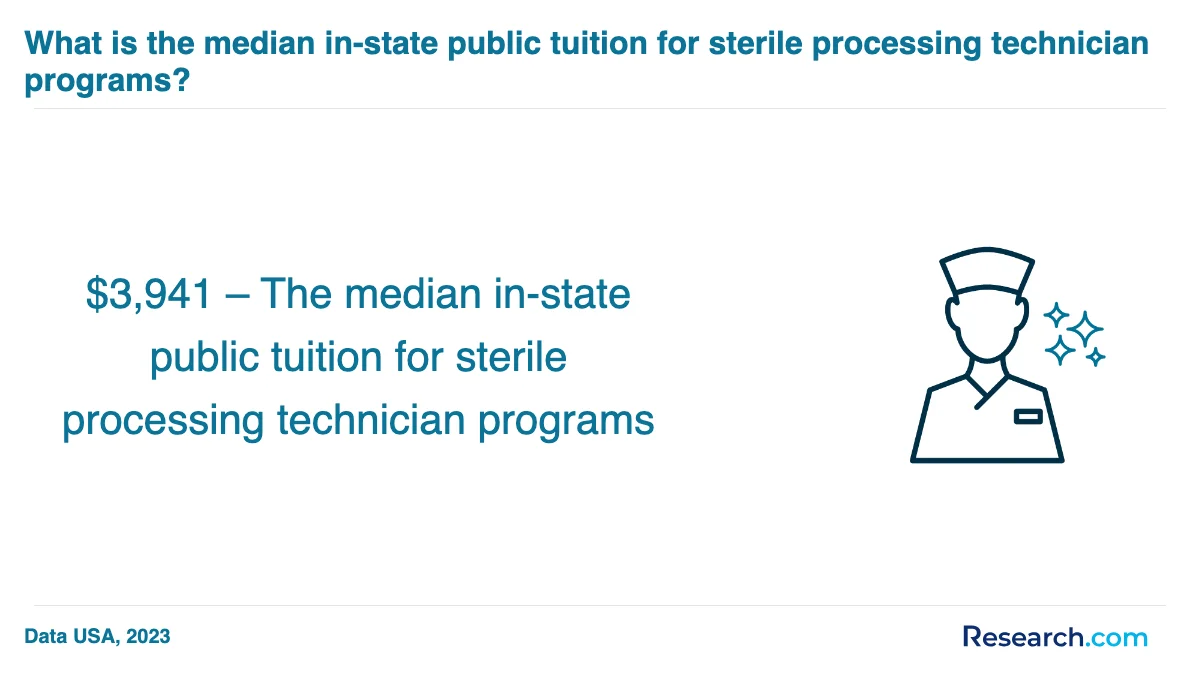
- Tuition generally ranges from $2,000 to $5,000 for in-state students, with online programs sometimes costing more.
- Students must complete about 400 hours of hands-on externship or internship experience to qualify for the CRCST certification exam.
- Entry-level salaries range from $38,000 to $48,000 annually, with experienced technicians earning $50,000 or more in metro areas.
Completing a sterile processing technician trade school program in Colorado typically takes about 6 to 12 months, depending on the school and whether you attend full-time or part-time. Many graduates from well-known Colorado trade schools share how the condensed timeframe allowed them to quickly transition into the workforce, balancing their studies alongside personal responsibilities.
At popular schools, the hands-on training is intense but rewarding, creating a real sense of accomplishment as students master sterilization techniques and instrument handling. One graduate described the feeling of confidently working in a hospital shortly after finishing the program, emphasizing how the focused curriculum made the learning process manageable yet challenging.
For those juggling jobs or families, part-time options stretch the program closer to a year, offering flexibility without sacrificing quality. The opportunity to complete the training in under a year means you can start earning sooner, which many find motivating and energizing.
The core difference between online and on-campus sterile processing technician programs in Colorado lies in how students gain hands-on experience. Graduates from Front Range Community College, for example, often share how the on-campus program's structured 400-hour internship made them feel confident and supported, knowing the school arranged their clinical placement. This face-to-face training allows immediate practice of sterilization skills in a supervised setting, which many find reassuring and motivating.
In contrast, graduates from Otero College's fully online program highlight the flexibility to study at their own pace, balancing family or work commitments. Yet, they also describe the challenge of independently finding a clinical site, which requires self-motivation and proactive outreach. Colorado State University students echo this blend of freedom and responsibility-completing coursework online but needing to secure their own externship, sometimes with limited guidance.
These distinct paths show how choosing between online and traditional programs in Colorado depends on whether you value structured, hands-on support or flexible, self-driven learning.
The average tuition for sterile processing programs in Colorado varies widely, reflecting the diverse options available for students pursuing this rewarding career. Graduates from Western Colorado University often share how the $2,995 online course, which includes a CRCST exam voucher, fits seamlessly with their busy lives, offering the flexibility they needed without overstretching their budgets. On the other hand, programs like those at Aims Community College illustrate how residency impacts cost: in-district students pay around $2,362, while out-of-state students shoulder fees up to $10,845, making this a crucial consideration for many learners.
Many students appreciate the balanced approach provided by institutions such as Community College of Denver, where Colorado residents invest approximately $2,706 for a comprehensive one-semester, 16-credit hour program blending coursework and hands-on internships. Such programs offer an immersive experience that graduates describe as not only practical but confidence-building, directly preparing them for the workforce. However, out-of-state learners face fees as high as $11,106, which can add financial pressure despite the quality education.
Cost of sterile processing technician training in Colorado does not solely depend on tuition. Factors like program length, delivery format, and included exam fees influence overall expenses and student satisfaction. For example, Front Range Community College's fee of $5,130 for residents offers a traditional or apprenticeship pathway, highlighting diverse options aligned with different learning styles. Many students find value in exploring financial aid and scholarships to manage these costs effectively.
Choosing the right program also involves assessing access to practical experiences, as seen in Pima Medical Institute's 9-month externship model, highly praised by graduates for skill-building and networking. For those weighing affordability and convenience, several schools including Arapahoe Community College and Otero College offer online courses priced between $2,995 and $8,460, often bundled with exam preparation materials, easing the transition to certification.
Prospective students may also benefit from researching multiple programs and policy updates through resources like online undergraduate diploma options, which can offer insights into affordable and flexible pathways. Navigating the average tuition for sterile processing programs in Colorado involves aligning personal circumstances with program costs and features, ensuring both financial and educational goals are met.
Students pursuing sterile processing technician programs in Colorado often find a variety of financial aid options that make their education more attainable and less stressful. Graduates from Front Range Community College frequently share how applying for federal aid through FAFSA unlocked access to Pell Grants, which brought significant relief by covering a substantial portion of their tuition costs without requiring repayment.
State-funded opportunities, like the Colorado Student Grant and the College Opportunity Fund stipend, also play a crucial role for many. These programs sweeten the deal, especially when combined with institutional scholarships offered by trade schools such as Pima Medical Institute. Many students describe feeling genuinely supported as these scholarships recognize their commitment to healthcare certificate programs.
Some students benefit from apprenticeship pathways, like those at Front Range Community College, where paid employment with local hospitals allows them to earn while they learn-transforming what could be a financial burden into an empowering career launch.
However, graduates remind prospective students to double-check program accreditation, since some courses, like certain continuing education ones at Pueblo Community College, don't qualify for federal aid, making early financial planning essential to avoid surprises.
To enroll in a sterile processing technician trade school program in Colorado, candidates typically need to meet a few straightforward prerequisites that pave the way for a successful start. Most schools require a high school diploma or GED, which ensures that students have a basic foundation in reading, writing, and math-skills essential for understanding sterilization protocols and equipment operation.
Graduates from well-known Colorado trade schools often share that a clean background check is mandatory, reflecting the trust placed in students to handle sensitive medical instruments safely. Some schools also ask for proof of immunizations, highlighting the health-conscious environment crucial in sterile processing.
Additional prerequisites may include:
- Being at least 18 years old, which aligns with clinical placement age requirements.
- Basic computer skills, since managing inventory and documentation is part of the job.
- Strong attention to detail, a must-have attribute emphasized by instructors and employers alike.
One graduate described how meeting these criteria felt like stepping stones-each prerequisite brought her closer to confidently starting hands-on training in a bustling Colorado hospital setting. The clarity of these requirements helps potential students focus on what matters, fueling their excitement and readiness for a rewarding career in sterile processing.
Sterile processing technician trade school programs in Colorado immerse students in essential courses that build a strong foundation for entering healthcare roles. Graduates often recall how starting with medical terminology and anatomy helped them confidently communicate in fast-paced surgical environments. Understanding the musculoskeletal and cardiovascular systems is not just theory-it's what makes recognizing instruments during surgery intuitive and precise.
Hands-on learning in infection control and sterilization techniques is a game-changer. Students at popular Colorado schools experience real-world sterilization processes, including steam and chemical methods, ensuring they grasp the critical steps to keep patients safe. They learn to:
- Decontaminate and inspect surgical tools thoroughly
- Prepare and sterilize equipment following strict protocols
- Apply infection prevention standards from regulatory agencies
Another highlight is surgical instrumentation processing, where students handle and assemble a wide range of tools. Managing surgical inventory and storage feels empowering, knowing each item plays a crucial role in a successful operation. Documentation and record-keeping courses reinforce the importance of compliance and accuracy, skills graduates find invaluable during their clinical externships at healthcare facilities across Colorado.
These practical experiences, including 400-hour hands-on externships at schools like Front Range Community College, transform eager students into confident professionals ready to contribute meaningfully from day one.
Sterile processing technician specializations in Colorado often reflect the hands-on, detail-oriented focus of top trade schools in the state. Graduates frequently highlight how training integrates real-world scenarios, such as mastering sterilization techniques and infection control protocols essential to patient safety. These programs also cover surgical instrument processing, where students gain confidence in assembling and sterilizing tools for complex procedures, making each step feel vital and rewarding.
Other critical areas include storage and inventory management, where graduates appreciate learning cost recovery systems that keep hospitals running smoothly. Documentation and record maintenance stand out as another specialization, as students understand the importance of accurate tracking for compliance and quality assurance.
Additionally, many Colorado sterile processing technician program specializations emphasize clinical experience, offering internships that bring classroom knowledge to life. These immersive opportunities prepare students to confidently face the Certified Registered Central Service Technician (CRCST) exam.
Through such comprehensive training, students explore dynamic paths within their vocation; deciding between options often involves weighing vocational vs trade school approaches to best fit their learning style.
Choosing the best sterile processing technician trade school program in Colorado means prioritizing accreditation and certification preparation. Graduates from programs like Front Range Community College emphasize how critical it was that their curriculum aligned directly with the Certified Registered Central Service Technician (CRCST) credential, a must-have for employers statewide. This alignment ensures you're not just learning theory but are ready for real-world challenges.
Flexibility is another key factor. Many students juggling work and family find online options at institutions like Colorado State University invaluable, yet they stress that hands-on clinical experience, often through internships or apprenticeships, truly cements their confidence and skills. These practical hours can differentiate your job prospects in the competitive healthcare market.
When you compare sterile processing technician schools Colorado-wide, look closely at program length, cost, and support services. Graduates often praise programs that include exam vouchers or strong job placement assistance, making the investment feel worthwhile. Considering these factors alongside your personal circumstances will guide you toward the right choice.
Understanding the financial outlook also matters; for insight into career earnings, explore what is a surgical tech salary to gauge your future potential.
Graduates of sterile processing technician trade school programs in Colorado find a range of fulfilling career paths, reflecting the state's expanding healthcare sector. Many begin their journey as Sterile Processing Technicians, ensuring vital surgical tools are impeccably sterilized in hospitals and clinics. With hands-on training from popular Colorado trade schools, these graduates are ready to enter a job market rich with sterile processing technician jobs in Colorado.
Career advancement for sterile processing graduates Colorado frequently includes stepping into roles such as Sterile Processing Tech II, Lead Technician, or Supervisor. These roles offer exciting challenges like managing inventory and training new staff, often supported by employers through tuition reimbursement or hands-on mentorship. Some graduates even transition into specialized positions like Surgical Technologist or Field Service Technician, engaging directly in operating rooms or equipment maintenance.
For those eager to broaden their horizons, travel assignments within Colorado provide higher pay and fresh experiences. Many find that exploring the most affordable online sterile processing technician certificate program options helps them stay competitive and open doors for further growth.
- Entry-level technician with solid wage potential
- Supervisory and leadership roles in busy hospital departments
- Specializations in surgical tech or medical device service fields
- Travel opportunities offering flexibility and enhanced earnings
The sterile processing technician job demand in Colorado remains strong, with over 400 active job postings statewide. Graduates from well-regarded trade schools in Denver and Colorado Springs often find themselves quickly recruited into roles at hospitals and outpatient surgical centers. Many share how hands-on training in these programs fosters confidence in performing critical sterilization and inventory management tasks, making entry-level candidates highly valuable to employers.
Often, just a high school diploma combined with trusted certification from a Colorado trade school opens doors to positions that offer both stability and growth. Graduates appreciate opportunities for advancement, which include specialized training and certifications that many Colorado employers encourage. Personal stories reflect the satisfaction of transitioning directly from coursework to high-impact jobs, especially in urban hubs like Boulder.
Regarding compensation, sterile processing technician salary Colorado 2026 projections remain competitive. Travel technician roles report average weekly pays near $1,619, while permanent positions typically range between $22.14 and $28.78 hourly. These figures position Colorado favorably nationally and reflect the value of skills learned locally.
For those wondering what medical field makes the most money, sterile processing remains a rewarding choice in Colorado's healthcare landscape.
Most Affordable Sterile Processing Technician Schools & Training - Budget-Friendly Sterile Processing Tech Trade Programs in Colorado for 2026
# 1 position
Aims Community College - Sterile Processing Technology/Technician.
certificate or diplomaThe Sterile Processing Technology/Technician program at Aims Community College prepares students to clean, sterilize, and assemble surgical instruments and supplies for use in medical facilities. The hybrid program includes instruction in sterilization, infection control, decontamination, and surgical instrumentation processing. Annual in-state tuition is $2,090. Graduates earn a median income of $11,039 one year after completion. The program is accredited by the Higher Learning Commission.
# 2 position
Front Range Community College - Sterile Processing Technology/Technician.
certificate or diplomaFront Range Community College offers a Hybrid Sterile Processing Technology/Technician program that trains students to clean, sterilize, and assemble surgical instruments and equipment for medical use. The program covers sterilization, infection control, decontamination, surgical instrumentation processing, and record-keeping. Annual in-state tuition is $4,740. Graduates have a median earning of $33,294 one year after completing the program. The program is accredited by the Higher Learning Commission.
# 3 position
Pima Medical Institute-Denver - Sterile Processing Technology/Technician.
certificate or diplomaThe Sterile Processing Technology/Technician program at Pima Medical Institute-Denver offers hybrid learning options. It trains students to clean, sterilize, and assemble surgical instruments and supplies for medical and surgical facilities. Instruction covers sterilization, infection control, decontamination, surgical instrumentation processing, distribution, and record-keeping. Graduates have median earnings of $31,071 one year after completion. The program is accredited by the Accrediting Bureau of Health Education Schools.
# 4 position
Community College of Denver - Sterile Processing Technology/Technician.
certificate or diplomaThe Sterile Processing Technology/Technician program at Community College of Denver offers a hybrid learning format with some distance education options. It prepares students to clean, sterilize, and assemble surgical instruments and supplies for operating rooms and medical facilities. The curriculum includes sterilization, infection control, decontamination, and surgical instrumentation processing. The program is accredited by the Higher Learning Commission. Annual in-state tuition is $4,902.
Frequently Asked Questions about sterile processing technician
After completing a sterile processing technician trade school in Colorado, preparing for the job market involves several key steps. First, obtaining certification through the Certified Registered Central Service Technician (CRCST) exam, administered by the International Association of Healthcare Central Service Materiel Management (IAHCSMM), significantly improves employment prospects. Colorado employers often prefer or require this certification.
Networking with local healthcare facilities and attending job fairs can open doors to entry-level positions. According to the Colorado Department of Labor and Employment, the demand for sterile processing technicians is expected to grow by 11% through 2030, reflecting positive job prospects.
Additionally, building a strong resume that highlights clinical experience gained during training is essential. Continuing education and staying current with industry standards further enhance employability in this competitive field.
Employers in Colorado seek specific skills when hiring graduates from sterile processing technician trade schools. Attention to detail is critical, as technicians must ensure surgical instruments are thoroughly cleaned and sterilized to prevent infections. Knowledge of sterilization techniques and infection control aligns with industry standards set by organizations like the Association for the Advancement of Medical Instrumentation (AAMI).
Technical proficiency with sterilization equipment and inventory management systems is highly valued. Communication skills are also important for coordinating with healthcare teams and documenting procedures accurately.
According to Colorado Department of Labor data, candidates with certification from the Certification Board for Sterile Processing and Distribution (CBSPD) have better job prospects, signaling employers' preference for officially credentialed technicians.
Finding internships in Colorado for sterile processing technician students involves connecting with local healthcare facilities and trade schools. Many sterile processing programs have established partnerships with hospitals and surgical centers in cities like Denver and Colorado Springs. These partnerships often provide students with hands-on clinical experience required for certification.
The Colorado Department of Higher Education and the Association of Sterile Processing Professionals recommend contacting program advisors early to access a network of approved internship sites. According to recent data, over 70% of sterile processing programs in Colorado include clinical rotations in their curriculum, increasing internship availability.
Students should also explore internships listed on state healthcare job boards and reach out directly to hospital sterile processing departments. Networking at career fairs hosted by community colleges and trade schools is another effective method.
Obtaining a sterile processing technician diploma from a trade school in Colorado significantly enhances career mobility and advancement opportunities. According to the Colorado Department of Labor and Employment, sterile processing technicians earn a median annual wage of approximately $39,000, with potential increases as professionals gain certification and experience.
Diploma programs provide essential hands-on training and prepare students for certification exams like the Certified Registered Central Service Technician (CRCST), which many employers in Colorado prefer. Holding a diploma and certification can lead to higher wages and positions with more responsibility in hospitals, clinics, and surgical centers.
Additionally, Colorado's healthcare sector is growing steadily, creating more job openings for skilled sterile processing technicians. Trade school diplomas offer the foundational skills needed to enter this expanding field and advance through continued education and on-the-job experience.
Students enrolled in sterile processing technician trade schools in Colorado can benefit from part-time jobs in healthcare settings that offer practical experience. Positions such as medical equipment sterilization assistants, hospital supply aides, or entry-level sterile processing aides allow students to apply classroom knowledge in real-world environments. Colorado hospitals and clinics often seek part-time support staff, especially in urban areas like Denver and Colorado Springs, where healthcare demand is high.
According to the Colorado Department of Labor and Employment, healthcare support roles are projected to grow by 12% through 2030, reflecting increased opportunities for students. These jobs help build technical skills and familiarity with sterilization protocols, enhancing employability after graduation.
Additionally, some facilities offer flexible shifts compatible with school schedules, making these roles ideal for balancing work and study. Engaging in relevant part-time employment can provide valuable insight into sterile processing workflows and patient safety standards essential for career advancement.
To choose the most affordable Sterile Processing Technician degree program near me in Colorado, start by researching local community colleges and technical schools that offer relevant training programs. Consider factors like tuition costs, program length, and graduation rates; Research.com can be a helpful resource when comparing programs. Additionally, seek out financial aid options and inquire directly with schools near Colorado to assess their support services for students.
- Most Affordable Sterile Processing Technician Schools & Training - Budget-Friendly Sterile Processing Tech Trade Programs in Arizona for 2026
- Most Affordable Sterile Processing Technician Schools & Training - Budget-Friendly Sterile Processing Tech Trade Programs in Texas for 2026
- Most Affordable Sterile Processing Technician Schools & Training - Budget-Friendly Sterile Processing Tech Trade Programs in Nevada for 2026
- Most Affordable Sterile Processing Technician Schools & Training - Budget-Friendly Sterile Processing Tech Trade Programs in Louisiana for 2026
- Most Affordable Sterile Processing Technician Schools & Training - Budget-Friendly Sterile Processing Tech Trade Programs in California for 2026
- Most Affordable Sterile Processing Technician Schools & Training - Budget-Friendly Sterile Processing Tech Trade Programs in Minnesota for 2026
- Most Affordable Sterile Processing Technician Schools & Training - Budget-Friendly Sterile Processing Tech Trade Programs in Illinois for 2026
- Most Affordable Sterile Processing Technician Schools & Training - Budget-Friendly Sterile Processing Tech Trade Programs in Wisconsin for 2026
- Most Affordable Sterile Processing Technician Schools & Training - Budget-Friendly Sterile Processing Tech Trade Programs in Tennessee for 2026
- Most Affordable Sterile Processing Technician Schools & Training - Budget-Friendly Sterile Processing Tech Trade Programs in Michigan for 2026
- Earn a Sterile Processing certificate in one semester https://www.frontrange.edu/programs-courses/program-list/sterile-processing-technology.html
- Sterile Processing Technology | Community College of Denver https://www.ccd.edu/program/sterile-processing-technology
- Online Sterile Processing Technician (Voucher Included) from Colorado State University Professional Education https://careertraining.online.colostate.edu/training-programs/sterile-processing-technician-voucher-included/
- Sterile Processing Tech Programs in Aurora | Concorde Career College https://www.concorde.edu/allied-health-programs/sterile-processing/aurora
- Sterile Processing Technician - Otero College https://otero.edu/academics-programs/career-workforce-training/sterile-processing-technician/
- Sterile Processing Technician Certificate Program https://pmi.edu/on-campus-programs/certificate/sterile-processing-technician/
- Sterile Processing https://www.pikespeak.edu/programs/surgical-technology/sterile-processing.php
- Online Sterile Processing Program for Colorado Residents https://www.herzing.edu/healthcare/sterile-processing/colorado
- How to Become a Sterile Processing Technician | U.S. Career Institute https://www.uscareerinstitute.edu/blog/how-to-become-a-sterile-processing-technician
- Sterile Processing Technician Certification Trade School https://centralsterilizationschool.com/