
Most Affordable Sterile Processing Technician Schools & Training - Budget-Friendly Sterile Processing Tech Trade Programs in Nevada for 2026

Co-Founder and Chief Data Scientist
Looking to start a rewarding career in sterile processing in Nevada? This article introduces the most affordable sterile processing technician trade schools for 2026, designed to guide you through your options with ease.
The ranking featured here was carefully created by the Research.com team of data scientists to help you make an informed choice about which programs truly stand out.
By exploring this guide, you’ll discover valuable information that can lead to a fulfilling career with certification or a diploma, opening doors to job opportunities and personal growth.
Key benefits of finishing sterile processing technician trade school in Nevada
- Graduates can expect an hourly wage ranging from about $21.73 to $28.00 in Nevada, with annual salaries typically between $38,000 and $58,000, offering a solid start in a stable healthcare role.
- Career paths include working in hospitals, outpatient centers, or specialized surgical facilities, where graduates quickly gain hands-on experience and can advance with certifications and experience.
- Completing a sterile processing technician program online offers flexibility and faster completion, allowing graduates to balance work or family while earning credentials that lead to rewarding jobs.
- Most Affordable Sterile Processing Technician Schools & Training - Budget-Friendly Sterile Processing Tech Trade Programs in Nevada for 2026
- What can I expect from sterile processing technician trade schools in Nevada?
- Where can I work after finishing sterile processing technician trade schools in Nevada?
What can I expect from sterile processing technician trade schools in Nevada?
In Nevada, sterile processing technician programs blend classroom learning, online coursework, and hands-on clinical training to prepare you for the field. Graduates from the College of Southern Nevada and Truckee Meadows Community College often highlight how 400 hours of real-world experience in local healthcare settings made their training tangible and boosted their confidence. You'll study essential topics like medical terminology, sterilization methods, infection control, and instrument management, then put that knowledge into practice assembling trays and operating sterilizers.
Flexible options are common. For example, Western Nevada College offers a self-paced online program with 190 course hours and an included certification exam voucher, allowing up to 12 months for completion. Some students appreciate this flexibility, balancing work or family while advancing their careers.
Expect a fast-track path too-short-term certificates can take as little as 4 to 6 weeks. While tuition varies, certain programs charge around $2,795, covering materials and testing fees. Admission usually requires a high school diploma or GED, background check, and immunizations, and schools often help secure clinical placements.
Where can I work after finishing sterile processing technician trade schools in Nevada?
After finishing a sterile processing technician trade school program in Nevada, graduates typically find job opportunities in large hospitals, surgical centers, and specialty clinics across the state. Many start their careers in bustling cities like Las Vegas or Reno, where the demand for skilled technicians is high. For instance, graduates from well-known Nevada trade schools have shared how they quickly secured positions in both public and private hospitals, gaining valuable hands-on experience with surgical instruments and sterilization processes.
Some graduates begin as non-certified technicians earning between $18 and $23.31 per hour, which allows them to build practical skills while pursuing national certifications. Others opt for travel sterile processing technician roles, filling temporary staffing needs at various facilities and earning competitive weekly wages around $1,518. These positions offer flexibility and exposure to diverse work environments.
With experience, technicians can advance to supervisory roles or specialize in areas like endoscope reprocessing or quality control, making the career path rewarding and dynamic for those who complete Nevada's trade school programs.
After completing a sterile processing technician trade school program in Nevada, graduates typically earn between $21.73 and $28.00 per hour, depending on their location and experience. For example, many who trained at popular Nevada trade schools find themselves starting with an hourly wage in the low to mid $20s, which translates to an annual salary ranging from about $35,800 to $45,100. This pay scale reflects entry-level positions and can vary with facility size and certifications.
Graduates working in larger hospitals, especially in cities like Las Vegas, often report starting salaries closer to $26 per hour, with some experienced technicians earning up to nearly $50,000 annually. These figures align with real experiences from students who recognized the value of additional credentials to boost their earnings.
While Nevada's wages are approximately 10% below the national average, the field offers steady income and a clear path to advancement. Graduates appreciate the blend of hands-on skills and consistent demand, making this a practical choice for those seeking reliable healthcare careers in the state.
- Admission usually requires a high school diploma or equivalent, and some programs may need a background check or proof of immunizations.
- Programs can be completed in 4 to 6 weeks for accelerated options, with a mix of online, classroom, and clinical training.
- Costs vary widely, from $59 per month for online courses to up to $15,000 for in-person programs; financial aid is limited but some scholarships may be available.
- Graduates are prepared for the CRCST certification exam, often including exam vouchers or preparation materials.
- Entry-level salaries in Nevada range from $35,000 to $42,000 annually, with experienced technicians earning $48,000 or more.
In Nevada, completing a sterile processing technician trade school program typically takes between 6 to 12 months, depending on the school and whether you attend full-time or part-time. Many graduates from well-known Nevada trade schools share that a focused, full-time schedule allows them to finish in about half a year, which feels rewarding and motivating as they quickly move toward employment.
For example, students attending popular programs in Las Vegas often describe their experience as intensive but manageable, balancing hands-on training with classroom learning. The compact timeframe helps maintain momentum and keeps enthusiasm high.
Part-time options extend the duration but offer flexibility for those working or managing other commitments. Graduates appreciate this flexibility because it lets them gain skills without sacrificing income or family time.
Overall, the manageable length of these programs in Nevada means students can enter the workforce promptly, feeling confident and prepared to handle sterile processing demands in real healthcare settings.
The main difference between online and on-campus sterile processing technician programs in Nevada is how you learn and complete hands-on training. Online programs, like those through Nevada State University's Workforce Development or Western Nevada College, deliver all theory classes digitally. Graduates often appreciate the flexibility to study from home, balancing work or family while progressing at their own pace. However, these students must independently arrange clinical hours at approved healthcare sites, which can feel challenging but also rewarding once completed.
On-campus programs, such as the Sterile Processing Skills Certificate at Truckee Meadows Community College, provide a more structured experience. Students attend in-person classes, practice skills in labs, and complete clinical rotations arranged by the college. Many graduates find this environment motivating, benefiting from direct faculty support and peer collaboration, which helps build confidence before entering the workforce.
Both paths prepare students for the Certified Registered Central Service Technician certification, but your choice depends on whether you prefer flexible scheduling with self-driven clinical placement or a guided, hands-on learning environment in Nevada's trade schools.
The average tuition for sterile processing programs in Nevada varies significantly depending on the institution and program format. For example, graduates from Western Nevada College's online sterile processing technician program pay around $2,795 for access to 190 course hours, materials, and a certification exam voucher. This program suits students who appreciate a self-paced format and the opportunity to complete 400 hours of local clinical experience, although placements are not guaranteed. Meanwhile, the College of Southern Nevada offers a more traditional approach, with in-state tuition costing approximately $3,465 and out-of-state tuition reaching $11,564, covering online coursework plus hands-on clinical training designed to prepare students for certification.
Prospective students often find the cost of sterile processing technician certification in Nevada to be manageable when weighing the total benefits. For those who prefer a focused online experience, programs like MedCerts offer training for about $4,000, including exam vouchers and personalized student support over 14 weeks. Graduates describe the journey as challenging but rewarding, emphasizing the value of certification in enhancing employment opportunities.
When planning, consider that additional expenses for books, uniforms, and materials can add between $500 and $1,500. Many students successfully use financial aid options, including federal aid and scholarships, to ease this burden. Exploring funding early is wise for managing total costs effectively.
Students also benefit from comparing programs and tuition rates across the state. Resources like low cost surgical tech online certificate listings provide helpful guidance in finding affordable and reputable training options.
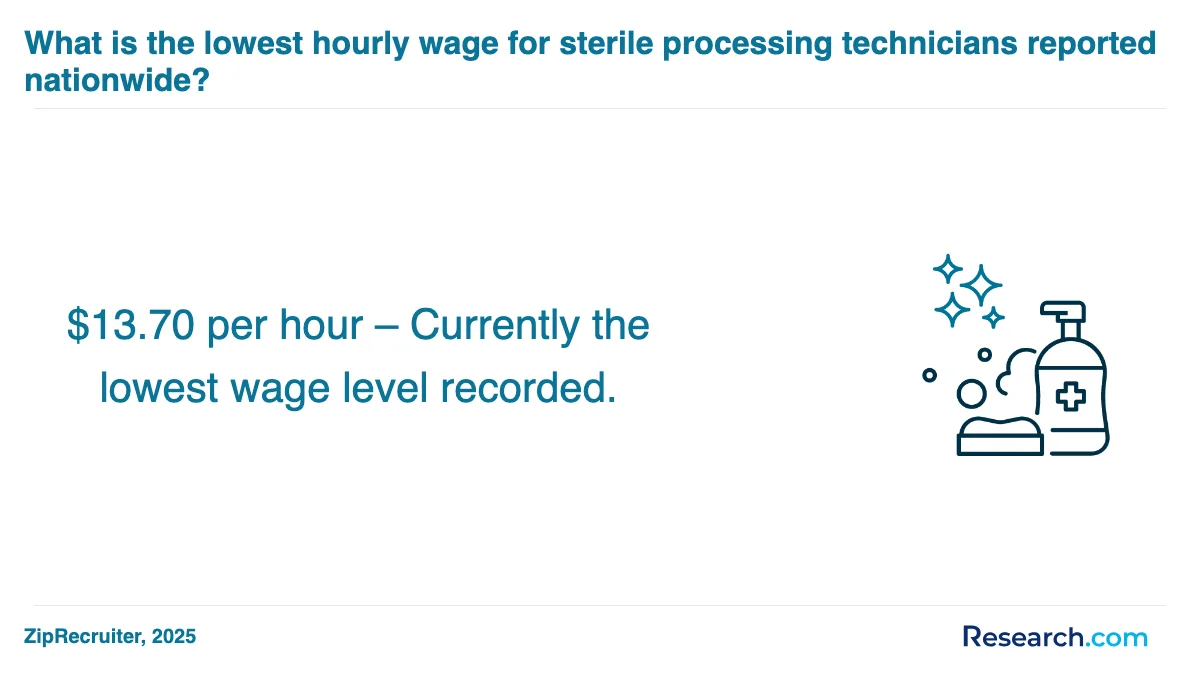
Financial aid options for sterile processing technician students in Nevada often differ from traditional college programs, especially at schools like Truckee Meadows Community College (TMCC), where federal aid such as Pell Grants and student loans are generally unavailable for short-term certificates. Graduates frequently share how this initially felt limiting but found relief through scholarships offered directly by the school or local healthcare organizations. These scholarships can be merit-based or need-based, providing critical support tailored to those pursuing healthcare careers in Nevada.
Many students also benefit from flexible payment plans that allow tuition to be paid in installments, making budgeting easier without relying on federal aid. Some programs even waive enrollment fees or bundle exam vouchers, reducing upfront costs. Graduates often mention how contacting the financial aid office personally helped them uncover additional resources like state grants or employer-sponsored tuition reimbursement.
Exploring scholarships through local hospital foundations or workforce initiatives can also open doors to funding, making sterile processing technician programs in Nevada more accessible and affordable than they first appear.
To enroll in a sterile processing technician trade school program in Nevada, you typically need a high school diploma or GED. This foundational requirement ensures you're prepared for the technical coursework ahead.
Many Nevada trade schools also expect you to:
- Be at least 18 years old to comply with clinical site policies.
- Pass a background check, as clean records are essential for hospital internships.
- Complete basic health screenings or immunizations, safeguarding both yourself and patients.
Graduates often share that meeting these prerequisites felt like a manageable first step rather than a barrier. For example, those attending popular programs in Las Vegas recall how the straightforward requirements allowed them to focus on learning sterile techniques without delay.
Practical readiness is key. Imagine starting your hands-on training knowing you've cleared all formalities and can dive straight into mastering instrument sterilization and safety protocols. This clarity helps students stay motivated and confident throughout the program.
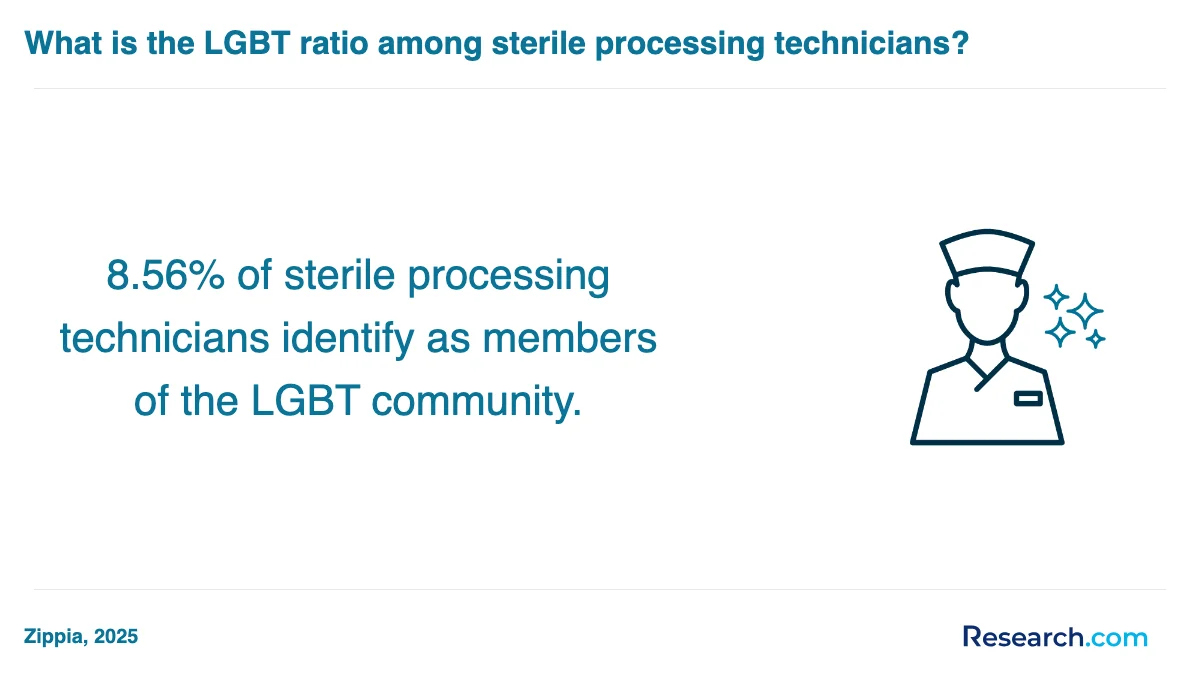
Trade schools in Nevada, like the College of Southern Nevada and Truckee Meadows Community College, offer practical courses that prepare students for real-world sterile processing technician roles. Graduates often describe their training as hands-on and directly applicable to daily tasks in healthcare settings.
Core courses typically include:
- Introduction to Sterile Processing - understanding workflow and instrument handling essential for smooth operations.
- Medical Terminology - mastering the language to communicate clearly about surgical instruments and procedures.
- Sterilization Techniques - learning steam, chemical, and high-temperature sterilization methods critical for patient safety.
- Decontamination Protocols - applying best practices to prevent infection and meet healthcare standards.
- Infection Control - following protocols that reduce infection risk in facilities.
- Medical Equipment Handling - maintaining and storing surgical tools properly to ensure longevity and readiness.
- Inventory and Supply Management - managing supplies efficiently to avoid shortages in busy environments.
- Packaging Techniques - preparing instruments safely for operating rooms.
Students also complete between 190 to 400 clinical hours locally, turning classroom knowledge into confident, hands-on skills. Graduates from Western Nevada College often highlight how this clinical experience made the transition to work seamless and rewarding.
Specializations in sterile processing technician trade school programs in Nevada focus on critical skills required in healthcare settings. Graduates from these programs highlight training in areas such as:
- Decontamination and sterilization techniques essential for preventing infections
- Complex instrument identification to ensure the correct tools are used in medical procedures
- Medical equipment and surgical instrument assembly, preparing trays for surgeries
- Ordering and distributing supplies efficiently within hospital environments
- Medical terminology and anatomy, providing foundational knowledge to understand healthcare demands
Trade schools like the College of Southern Nevada and Truckee Meadows Community College combine classroom instruction with valuable hands-on clinical practice. This mix allows graduates to confidently approach their roles and meet the standards for the Certified Registered Central Service Technician (CRCST) exam. Many students share how practical experience gained during clinical hours made their transition to full-time work seamless and rewarding.
For potential students, these programs provide pathways to specialized jobs related to health, reflecting the growing demand for skilled sterile processing technicians in Nevada's healthcare industry.
Look for programs in Nevada that are fully accredited and specifically prepare you for the Certified Registered Central Service Technician (CRCST) certification-this credential is essential for landing entry-level jobs in hospitals and clinics. Graduates from popular colleges here often mention how hands-on clinical practice combined with online coursework helped them confidently master sterilization techniques and infection control.
Program length and scheduling flexibility matter, especially if you're balancing work or family. Some accelerated programs finish in just a few weeks, while others offer evening classes. Considering the sterile processing technician school cost Nevada is also crucial-tuition varies widely, so weigh affordable options alongside any available scholarships or workforce funding.
Graduates frequently highlight the value of schools with strong job placement support and connections to local healthcare employers, easing the transition into the workforce. For a realistic idea of earnings, check out the surgical tech average salary to see how your investment might pay off.
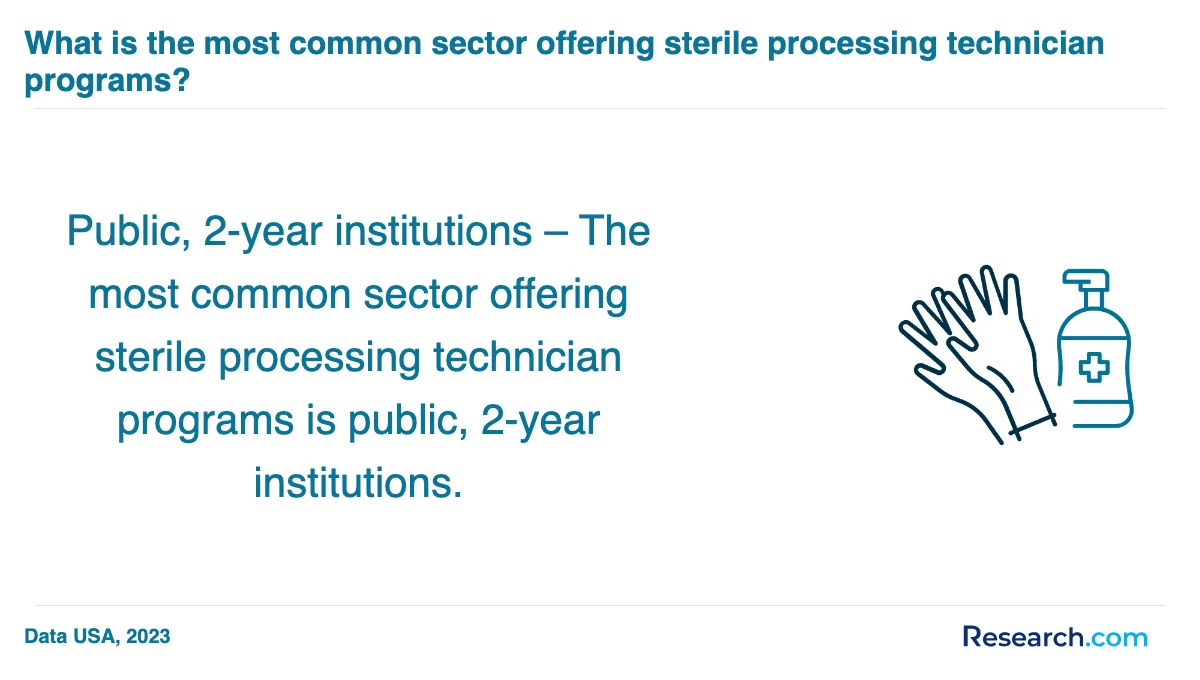
Graduates of sterile processing technician trade school programs in Nevada find diverse career opportunities tailored to their skills and lifestyle preferences. Many secure traditional full-time sterile processing technician jobs in Nevada, working in hospitals, surgical centers, and specialty clinics across urban hubs like Las Vegas and Reno. These roles involve critical tasks such as sterilizing surgical tools to ensure patient safety, a responsibility that seasoned graduates from popular Nevada trade schools value deeply.
For added flexibility, numerous healthcare facilities offer per diem or part-time roles, ideal for those balancing other commitments. Some graduates pursue travel sterile processing technician positions, which provide weekly pay from $1,460 to $1,644, allowing them to gain experience statewide through short-term assignments. From personal accounts, this path brings excitement and excellent pay for those eager to explore Nevada's healthcare landscape.
Experienced technicians often advance into supervisory or educator roles, such as Sterile Instrument Technician Lead or Sterile Processing Educator, elevating their careers. Others branch into related fields like Surgical Technologist or Clinical Medical Assistant, building on foundational training. Nevada's healthcare growth ensures steady demand, making these career opportunities for sterile processing graduates Nevada a practical choice for stable and rewarding work. For those comparing earnings, highest paying medical jobs data offer useful insight.
The sterile processing technician job outlook Nevada offers a realistic but competitive scenario for graduates of local trade schools. These programs, especially those in Las Vegas and Reno, provide practical skills that meet steady demand in hospitals and outpatient centers. Graduates often report that while entry-level wages hover between $21 and $28 per hour, experience and additional certifications can push earnings higher, particularly in urban healthcare facilities.
Many graduates find themselves entering a moderately active job market where competition varies by location:
- Las Vegas has the highest demand, with salaries around $26.38 per hour and annual pay often between $31,947 and $49,761.
- Rural areas may offer fewer openings but still require skilled technicians for infection control and surgical support.
Success stories from trade school alumni emphasize how ongoing education and specialization can foster career growth and help bridge the gap in Nevada's salary rankings. Knowing the demand for sterile processing technicians in Nevada is crucial for making informed career decisions.
For those weighing their options, exploring the easiest trade jobs to study that pay well offers perspective on how sterile processing stacks up among practical, rewarding career paths in the state.
Most Affordable Sterile Processing Technician Schools & Training - Budget-Friendly Sterile Processing Tech Trade Programs in Nevada for 2026
# 1 position
Truckee Meadows Community College - Sterile Processing Technology/Technician.
certificate or diplomaTruckee Meadows Community College offers a Hybrid Sterile Processing Technology/Technician program designed to prepare students for cleaning, sterilizing, and assembling surgical instruments and supplies. The curriculum covers sterilization, infection control, decontamination, surgical instrumentation processing, distribution, and record-keeping. Annual in-state tuition is $3,144. The program is accredited by the Northwest Commission on Colleges and Universities.
# 2 position
College of Southern Nevada - Sterile Processing Technology/Technician.
certificate or diplomaThe Sterile Processing Technology/Technician program at the College of Southern Nevada is a hybrid course designed to prepare students for cleaning, sterilizing, and assembling surgical instruments and equipment. Instruction covers sterilization, infection control, decontamination, and surgical instrumentation processing, distribution, and record-keeping. The program is accredited by the Northwest Commission on Colleges and Universities. Annual in-state tuition is $4,110.
Frequently Asked Questions about sterile processing technician
After completing a sterile processing technician trade school in Nevada, it is important to focus on gaining professional certification to improve job prospects. The Certified Registered Central Service Technician (CRCST) credential, offered by the International Association of Healthcare Central Service Materiel Management (IAHCSMM), is highly valued by employers nationwide, including Nevada. Preparing for this exam typically involves reviewing coursework and practical skills acquired during training.
Networking with local healthcare facilities, such as hospitals and surgical centers, can provide opportunities for internships or entry-level positions. According to the Nevada Department of Employment, the demand for sterile processing technicians is expected to grow by 10% through 2030, reflecting a steady job market.
Additionally, job seekers should develop strong communication and organizational skills, which are critical in sterile processing roles. Utilizing Nevada's workforce development centers for resume assistance and interview preparation can also be beneficial.
Employers in Nevada prioritize several key skills when hiring sterile processing technician trade school graduates. Attention to detail is critical, as technicians must ensure all surgical instruments are thoroughly cleaned and sterilized to prevent infections. According to the Nevada Department of Employment, Training and Rehabilitation, strong knowledge of infection control protocols and sterilization equipment operation ranks highly among job requirements.
Technical proficiency with various sterilization technologies, such as autoclaves and ultrasonic cleaners, is essential. Communication skills are also important, enabling technicians to coordinate with healthcare staff effectively. Additionally, employers value graduates who demonstrate strong organizational abilities to manage inventory and track instrument usage efficiently.
To find internships in Nevada relevant to sterile processing technician trade school programs, start by contacting local hospitals and healthcare facilities. Many institutions in Nevada, such as Renown Health and Sunrise Hospital, offer internship opportunities tied to sterile processing training. These internships provide hands-on experience essential for certification. The Nevada Hospital Association website also lists healthcare employers that may host interns.
Additionally, trade schools often have partnerships with nearby medical centers. Students should inquire about internship placement assistance during enrollment. The Bureau of Labor Statistics notes that practical experience improves job prospects in sterile processing roles.
Networking through professional organizations like IAHCSMM can also help identify internship openings.
Obtaining a sterile processing technician diploma from a trade school in Nevada significantly enhances career mobility within the healthcare sector. This credential is often a minimum requirement for entry-level positions in hospitals, clinics, and surgical centers. According to the Nevada Department of Employment, Training and Rehabilitation, job opportunities for sterile processing technicians are expected to grow by approximately 11% through 2030, faster than the average for all occupations.
Graduates with a diploma demonstrate specialized skills in sterilization and infection control, making them eligible for certification exams such as the Certified Registered Central Service Technician (CRCST). Holding this certification, alongside the diploma, can lead to higher wages and promotion opportunities.
Employers in Nevada value formal training, which reduces on-the-job training time and improves compliance with health standards. This advantage supports advancement to supervisory or management roles within sterile processing departments. Furthermore, diploma holders can leverage their credentials to transition into related fields like surgical technology or healthcare quality assurance.
Students enrolled in sterile processing technician trade schools in Nevada can benefit from part-time jobs in healthcare settings that complement their education. Positions such as medical equipment sterilization assistants or hospital supply aides offer practical experience with sterilization processes and instrument handling. These roles help build essential skills and improve employability after graduation.
Hospitals and outpatient clinics in Nevada often hire part-time sterile processing aides, providing exposure to real-world sterile processing environments. According to the Nevada Department of Employment, wages for these roles typically range from $14 to $18 per hour, allowing students to earn while they learn.
Additionally, working part-time in healthcare support roles can strengthen students' resumes and enhance their understanding of infection control standards, which are critical for sterile processing technicians.
There are several options for affordable Sterile Processing Technician programs near me, especially near Nevada. Prospective students can explore community colleges and vocational schools, which typically offer certificate programs focusing on the skills required for this field. For more detailed information about specific programs and their affordability, resources like Research.com can be helpful in identifying suitable educational institutions near Nevada.
- Most Affordable Sterile Processing Technician Schools & Training - Budget-Friendly Sterile Processing Tech Trade Programs in California for 2026
- Most Affordable Sterile Processing Technician Schools & Training - Budget-Friendly Sterile Processing Tech Trade Programs in Arizona for 2026
- Most Affordable Sterile Processing Technician Schools & Training - Budget-Friendly Sterile Processing Tech Trade Programs in Washington for 2026
- Most Affordable Sterile Processing Technician Schools & Training - Budget-Friendly Sterile Processing Tech Trade Programs in Colorado for 2026
- Most Affordable Sterile Processing Technician Schools & Training - Budget-Friendly Sterile Processing Tech Trade Programs in Texas for 2026
- Most Affordable Sterile Processing Technician Schools & Training - Budget-Friendly Sterile Processing Tech Trade Programs in Minnesota for 2026
- Most Affordable Sterile Processing Technician Schools & Training - Budget-Friendly Sterile Processing Tech Trade Programs in Louisiana for 2026
- Most Affordable Sterile Processing Technician Schools & Training - Budget-Friendly Sterile Processing Tech Trade Programs in Wisconsin for 2026
- Most Affordable Sterile Processing Technician Schools & Training - Budget-Friendly Sterile Processing Tech Trade Programs in Illinois for 2026
- Most Affordable Sterile Processing Technician Schools & Training - Budget-Friendly Sterile Processing Tech Trade Programs in Michigan for 2026
- Sterile Processing Technician | College of Southern Nevada https://www.csn.edu/central-sterile-technician-cc
- Sterile Processing Technician Certificate Program https://pmi.edu/on-campus-programs/certificate/sterile-processing-technician/
- Online Sterile Processing Program for Nevada Residents https://www.herzing.edu/healthcare/sterile-processing/nevada
- Online Sterile Processing Technician (Voucher Included) from Nevada State University https://careertraining.nevadastate.edu/training-programs/sterile-processing-technician-voucher-included/
- Sterile Processing - Surgical Technology - Truckee Meadows Community College https://www.tmcc.edu/surgical-technology/sterile-processing
- How to Become a Sterile Processing Technician in Nevada | Dreambound https://dreambound.com/blog/how-to-become-a-sterile-processing-technician-in-nevada
- How to Become a Sterile Processing Technician in Nevada: Certification & Licensing (2025 Updated) https://www.steriletechprograms.com/nevada/
- Sterile Processing Technician, SC | Truckee Meadows Community College Catalog https://catalog.tmcc.edu/degrees-certificates/sterile-processing-technician-sc/
- The Best Sterile Processing Technician Training in Nevada https://medassisting.org/sterile-processing-technician/nv/
- Sterile Processing Technician Schools & Online Training Programs https://www.best-trade-schools.net/programs/healthcare/sterile-processing-technician/


