Best Sterile Processing Technician Training Programs & Trade Schools - Top Sterile Processing Tech Schools in Midwest for 2026

Co-Founder and Chief Data Scientist
Choosing the right sterile processing technician trade school in the Midwest can shape your future career and open doors to rewarding opportunities. This article introduces a carefully crafted ranking of trade school programs developed by the Research.com team of data scientists to guide you in making an informed decision.
Discover programs that offer quality training, hands-on experience, and valuable certifications. Whether you’re starting fresh or changing careers, earning a sterile processing technician diploma can boost your confidence and job prospects in healthcare.
Read on to find the best schools worth considering for 2026.
Key benefits of finishing sterile processing technician trade school in Midwest
- Graduates in the Midwest can expect competitive salaries, with average hourly wages around $26.64 to $26.83, leading to an annual income of approximately $55,400, reflecting strong regional demand.
- Career paths include working in hospitals, surgical centers, or specialized healthcare facilities, as seen with graduates from popular Midwest trade schools who quickly find rewarding roles.
- Completing a sterile processing technician program online offers flexibility and convenience, allowing students to balance work and study while gaining valuable skills recognized by employers in the region.
- Best Sterile Processing Technician Training Programs & Trade Schools - Top Sterile Processing Tech Schools in Midwest for 2026
- What can I expect from sterile processing technician trade schools in Midwest?
- Where can I work after finishing sterile processing technician trade schools in Midwest?
What can I expect from sterile processing technician trade schools in Midwest?
Students enrolling in sterile processing technician programs in the Midwest can expect an intensive, career-focused curriculum that combines classroom learning with hands-on training. Graduates from schools like Delta College and Anoka Technical College often highlight the balance of theory and practical skills, emphasizing sterilization principles, infection control, and surgical instrument management.
Clinical rotations or externships at local hospitals, such as those arranged by Oakland Community College, provide invaluable real-world experience. Completing around 96 hours of supervised clinical training, students gain confidence and technical proficiency essential for the workplace.
Entry requirements typically include a high school diploma or GED, background checks, drug screenings, and immunizations, ensuring readiness for healthcare environments. Students appreciate the supportive atmosphere, knowing their education directly prepares them for national certification exams like CRCST or CBSPD, which many Midwest programs align with.
With tuition costs starting near $4,500 for in-district options, students find accessible pathways into a growing field offering median wages between $24 and $29 per hour, reflecting strong regional demand and promising career stability.
Where can I work after finishing sterile processing technician trade schools in Midwest?
Graduates of sterile processing technician trade school programs in the Midwest often find rewarding employment opportunities in hospitals, which remain the largest employers in this field. For instance, many graduates from well-known Midwest trade schools secure positions at major health systems like Northwestern Memorial Hospital and Loyola Medicine, where they contribute to the critical process of sterilizing surgical instruments. These roles provide steady, full-time work across various shifts, including evenings and nights, offering flexibility and a sense of pride in supporting patient care around the clock.
Beyond hospitals, graduates frequently work in outpatient surgical centers, dental clinics, and specialty clinics that rely on sterile instrument management. Some find fulfilling careers at academic medical centers linked to prominent universities, gaining access to additional training and advancement opportunities. Others join contract sterilization companies or medical device manufacturers, where their skills ensure quality and safety in instrument reprocessing.
Many graduates appreciate the diversity of job titles available, such as Central Sterile Technician or Medical Instrument Technician, and note that certification enhances their job prospects and earning potential. These career paths reflect the real-world success stories of Midwest trade school alumni who value both job security and professional growth.
Graduates from sterile processing technician trade schools in the Midwest often find themselves earning competitive salaries soon after completing their programs. Many report starting wages around $19 per hour, equating to approximately $40,200 annually, which aligns well with the entry-level figures seen in states like Illinois. This initial pay provides a strong foundation for those eager to begin their healthcare careers without delay.
With experience, salaries typically rise to the $26-$29 per hour range, reflecting the growing demand for skilled technicians in hospitals and outpatient centers. Some graduates, especially those who pursue certification such as CRCST or CBSPD, have shared success stories of reaching hourly rates near $38 or annual salaries exceeding $63,000. These credentials can dramatically improve job prospects and compensation, making certification a valuable next step after trade school.
Popular Midwest trade schools provide hands-on training that prepares students for real-world responsibilities, enabling smooth transitions into roles within private hospitals, where wages tend to be higher. Many graduates express satisfaction not only with their earnings but also with the meaningful work environment their training has unlocked.
- Applicants must be at least 18 years old and have a high school diploma or GED, along with background checks, drug screenings, immunization records, and tuberculosis clearance.
- Program duration ranges from 6 weeks to under a year, with clinical training requiring 96 to 400 hours in healthcare settings.
- Tuition typically costs between $2,800 and $3,000, covering tuition, books, fees, and exams; federal financial aid may not be available.
- Certification exams are offered by organizations such as CBSPD and HSPA to prepare students for careers.
- The median hourly wage for sterile processing technicians in the Midwest is about $24.00, with top earners making up to $28.94 per hour in Minnesota.
Completing a sterile processing technician trade school program in the Midwest typically takes between 6 to 12 months. Many students choose programs designed for full-time study, which often last around 9 months, allowing them to quickly enter the workforce. For example, graduates from well-known trade schools in cities like Chicago and Indianapolis report finishing their coursework and clinical training within this timeframe, feeling confident and prepared for certification exams.
Part-time options are also common, extending the completion time to about a year, which suits those balancing work or family commitments. These flexible schedules enable students to absorb hands-on skills in instrument sterilization and infection control without feeling overwhelmed.
Graduates often share how the focused and practical nature of Midwest programs helped them gain real-world experience, such as managing sterile processing in hospital settings during clinical rotations. This direct exposure not only enhances learning but also builds excitement for their new career path in healthcare support.
The primary difference between online and on-campus sterile processing technician programs in the Midwest centers on how students receive instruction and practical training. Online programs provide flexibility, allowing students to complete coursework remotely at their own pace-ideal for those balancing work or family commitments. Graduates from these programs appreciate the convenience but often mention the challenge of securing hands-on clinical experience independently, which is crucial for mastering skills like instrument sterilization.
In contrast, on-campus programs at schools like Delta College in Michigan and Anoka Technical College in Minnesota emphasize direct, in-person learning. Students benefit from immediate access to specialized labs and supervised clinical rotations, fostering confidence and skill mastery. Graduates frequently highlight the supportive environment and structured clinical placements that help them meet certification requirements more smoothly.
Both formats prepare students for the CRCST exam, but on-campus programs often provide clearer pathways for clinical hours and certification support. Tuition and program length also vary, with on-campus options typically following a set schedule and fee structure, such as Delta College's $4,594 in-district tuition.
The average tuition for sterile processing technician programs in the Midwest can vary significantly depending on the type of trade school or vocational institution chosen. For example, students attending community colleges in Illinois often encounter annual tuition fees between $3,000 and $7,000, making these programs a cost-effective choice for many. Vocational trade schools, however, tend to charge higher fees, sometimes reaching $10,000 to $20,000 for the full course, reflecting more intensive hands-on training and flexible scheduling options common in such environments.
Graduates from popular Midwest trade schools frequently share positive experiences about how these programs prepared them for the certification exam and real-world hospital environments without overwhelming financial burdens. One school in Missouri offers a certificate program costing just under $3,000, including materials and exam fees, which students find appealing due to its all-inclusive pricing and clear financial expectations. In Kansas City, another vocational program priced below $700 demonstrates an affordable path focused on exam preparation and hands-on skills, ideal for those who want a fast track into the field.
For those weighing options on cost of sterile processing technician certification in Midwest trade schools, it is important to consider that many of these programs require additional expenses for textbooks and certification exams, though scholarships and financial aid opportunities often help mitigate these costs. Students seeking clarity about financial commitments and how is trade school the same as vocational school can also better understand their educational choices.

Students pursuing sterile processing technician programs in the Midwest often access a variety of financial aid options to ease tuition and related expenses. Many accredited trade schools and community colleges accept federal aid, including Pell Grants and federal student loans, which Midwest graduates have found crucial in managing their education costs. For example, Oakton College in Illinois encourages applicants to submit high school transcripts early to maximize eligibility for these funds.
State grants and scholarships also provide significant support. Residents of states like Illinois, Ohio, and Michigan benefit from programs targeting financial need or academic merit, helping make sterile processing education attainable. Graduates from these states often recall how state aid bridged critical funding gaps during their studies.
Institutional scholarships and flexible payment plans further assist students. Herzing University's online sterile processing diploma program, for instance, offers credit transfers and adaptable payment options that many students have praised for reducing financial stress. Private scholarships from healthcare foundations round out the options, rewarding dedication to this vital healthcare field.
Enrolling in a sterile processing technician trade school program in the Midwest typically requires candidates to meet several key prerequisites designed to ensure readiness and success in this demanding healthcare field. Most trade schools expect applicants to have a high school diploma or GED, as this foundational education supports the technical learning involved.
Graduates from well-known Midwest trade schools often recall the importance of basic computer literacy and strong communication skills, which are crucial for navigating the meticulous documentation and teamwork required in sterile processing roles.
Additionally, applicants are usually required to:
- Pass a background check to ensure patient safety and trustworthiness
- Demonstrate physical ability to handle the manual tasks of sterilization and equipment handling
- Complete a health screening including immunizations, as working in clinical environments demands strict hygiene and disease prevention
A common positive experience shared by graduates involves the initial orientation, where hands-on training begins immediately, confirming that meeting these prerequisites helped them feel confident and prepared from day one. These schools often provide support services to assist students in meeting requirements, emphasizing a welcoming and encouraging atmosphere for newcomers.
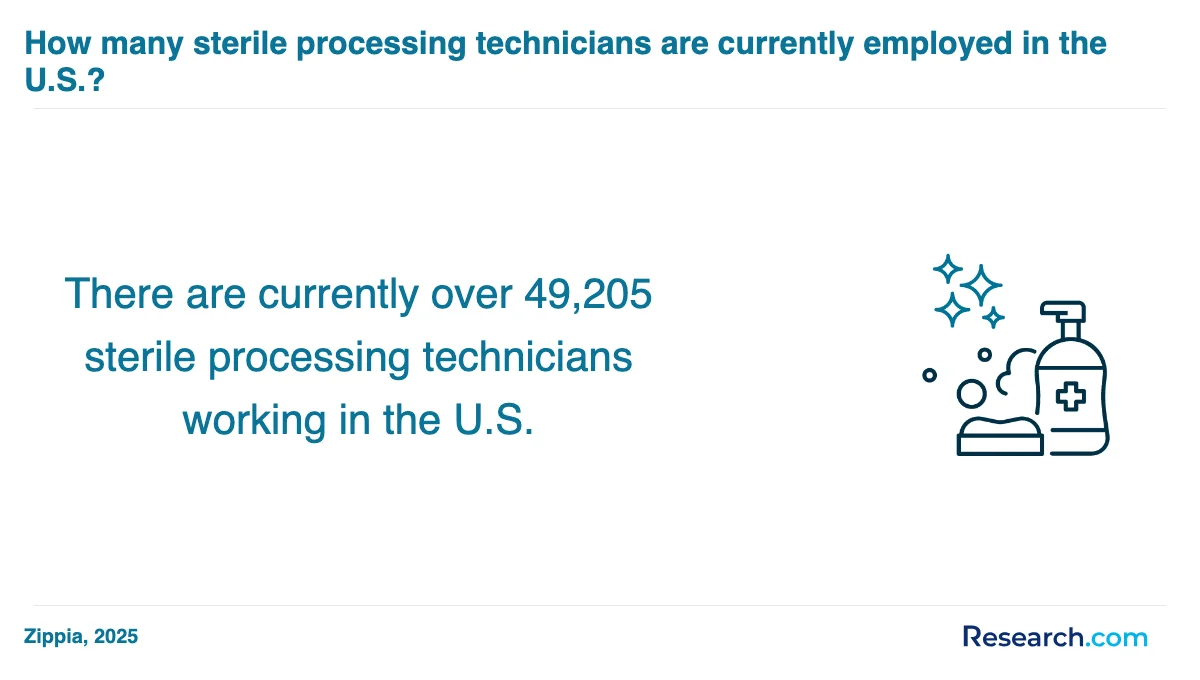
Midwest sterile processing technician programs equip students with essential skills through a well-rounded curriculum focused on practical and technical training. Graduates often recall how courses in sterilization and decontamination techniques taught them to confidently handle surgical instruments using both manual and automated methods, ensuring patient safety in busy hospital settings.
Key courses include:
- Infection control, emphasizing aseptic techniques and cross-contamination prevention crucial for maintaining sterile environments;
- Surgical instrumentation processing, where students learn to identify, assemble, and package a variety of surgical tools, from traditional instruments to advanced robotic devices;
- Inventory management and record keeping, helping students track sterilized items and supply orders accurately;
- Medical terminology, enabling clear communication within healthcare teams;
- Clinical practicum or externship, providing hands-on experience in local hospitals or surgical centers to apply classroom knowledge in real-world scenarios.
Many graduates from popular Midwest trade schools appreciate how this balance of theory and practice prepares them confidently for certification exams and professional roles, fostering a sense of achievement and readiness for fast-paced healthcare environments.
Midwest sterile processing technician program specializations commonly include infection control, sterilization techniques, decontamination, and inventory management, equipping students to meet the diverse needs of healthcare environments. Graduates from programs like the University of Central Missouri highlight how their 150 hours of classroom and 400 hours of clinical experience prepared them for real-world challenges in hospitals and surgical centers, fostering confidence and competence.
Specialized sterile processing technician training in Midwest often emphasizes hands-on practice with surgical instruments and devices, as seen in Minneapolis Community & Technical College's program. This prepares students not only for certification exams such as CRCST and CIS but also for efficient, safe handling of medical equipment under pressure.
Other programs, such as Illinois Central College's certificate, train students in decontaminating, inspecting, and assembling instruments, while Midwestern Career College offers a hybrid approach blending online and on-campus coursework, focusing on certification readiness with CBSPD. These varied pathways enable aspiring technicians to find a specialization aligned with their career goals in healthcare.
For those considering a career in this field, understanding these specializations can provide clarity and excitement about opportunities among the highest paid medical jobs.
Choosing the best sterile processing technician trade school program in Midwest begins with verifying accreditation from reputable bodies such as the CBSPD or IAHCSMM. Graduates from top sterile processing technician schools in Midwest often highlight how accredited programs at local colleges provided them with robust curricula covering infection control, sterilization methods, and regulatory standards-essential knowledge for thriving in healthcare settings.
Hands-on experience is another critical factor. Many successful students recall clinical rotations and internships offered by Midwest-based institutions as vital to their confidence and skill development. Programs with flexible delivery modes, combining online lessons with in-person labs, have helped busy learners balance education and work effectively.
Cost also plays a significant role. Those who chose programs with transparent expenses and financial aid found achievable pathways to certification. Exploring options like the cheapest certified surgical technologist online programs can provide more affordable routes without compromising quality.
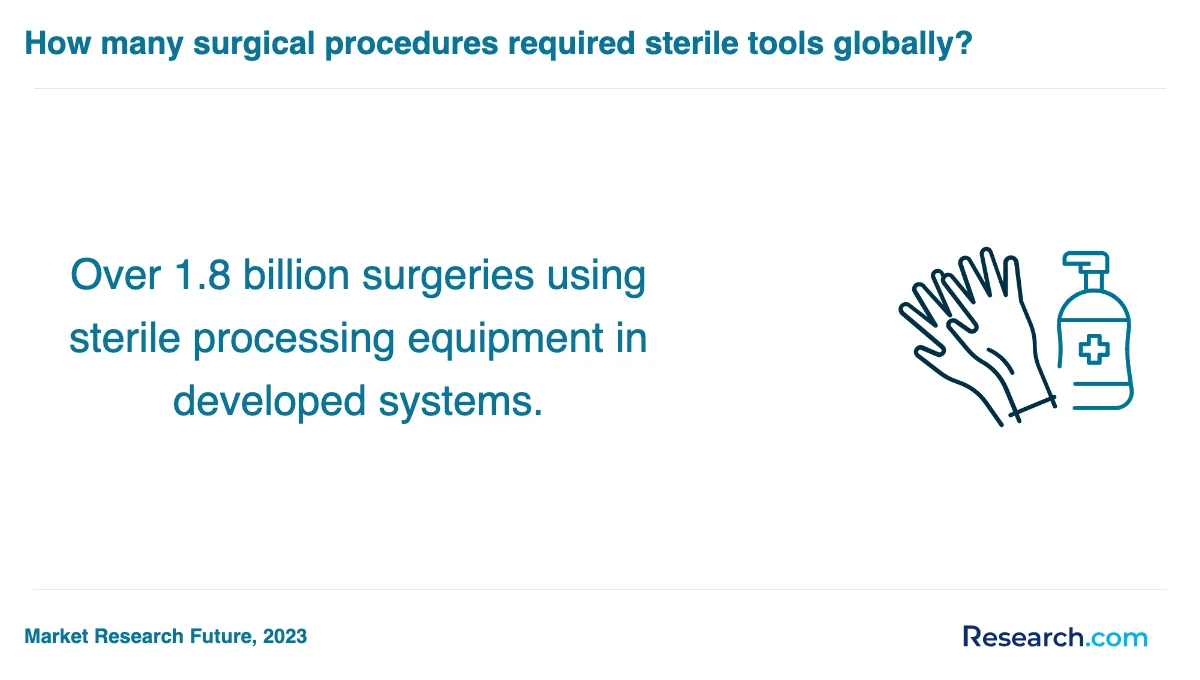
Graduates of sterile processing technician trade school programs in the Midwest often begin their careers in roles such as central service technicians, responsible for ensuring surgical instruments are sterilized and ready for use. Many find rewarding opportunities in hospitals, outpatient clinics, and assisted living facilities, reflecting a strong demand for sterile processing technician jobs in Midwest healthcare settings.
Those from popular trade schools report gaining confidence through hands-on training, which prepares them for immediate entry-level positions. As experience grows, career advancement options include:
- Lead technician or supervisor positions within sterile processing departments
- Certification attainment, like the Certified Registered Central Service Technician (CRCST), boosting job prospects and salary potential
- Transition to related fields such as surgical technology or operating room supply management
Midwest healthcare career opportunities for sterile processing graduates also benefit from structured professional development paths offered by large hospital systems. Graduates looking to expand skills can complement their training with online diploma education, increasing versatility in this growing field.
The job market for sterile processing technician trade school graduates in Midwest remains strong and promising. Many graduates from popular trade schools in cities like Chicago and Peoria quickly find positions in hospitals, surgery centers, and outpatient clinics. Employers in these urban centers offer a mix of permanent and contract roles that allow new technicians to gain valuable hands-on experience. Many students share positive experiences about how their programs prepared them for real-world tasks such as sterilizing surgical instruments and managing sterile storage systems.
Key highlights of the sterile processing technician job outlook Midwest include:
- Over 520 job openings in the region listed on Indeed as of mid-2025.
- Contract roles offering hourly wages between $13 and $19 in Illinois.
- Annual salaries in Chicago range from approximately $42,000 to $58,000.
- Travel technician positions available with weekly wages averaging $1,366, offering a dynamic work environment.
Graduates often emphasize how certification earned through well-regarded trade schools in the Midwest improves employability and increases access to higher-paying or supervisory roles. For those looking to study remotely, exploring the cheapest online associate's in surgical tech programs can complement their regional job ambitions.
Overall, the combination of steady demand and competitive sterile processing technician salary Midwest makes trade school training in this field an excellent investment for aspiring healthcare professionals.
Best Sterile Processing Technician Training Programs & Trade Schools - Top Sterile Processing Tech Schools in Midwest for 2026
# 1 position
Stark State College - Sterile Processing Technology/Technician.
associateStark State College offers a Hybrid Sterile Processing Technology/Technician program that trains students to clean, sterilize, and assemble surgical instruments and supplies for medical use. The curriculum covers sterilization, infection control, decontamination, and surgical instrumentation processing. The annual in-state tuition is $4,670. Graduates have median earnings of $36,759.95 one year after completion. The program is accredited by the Higher Learning Commission.
# 2 position
Stark State College - Sterile Processing Technology/Technician.
certificate or diplomaThe Sterile Processing Technology/Technician program at Stark State College is a hybrid course preparing students to clean, sterilize, and assemble surgical instruments and supplies for medical facilities. Instruction covers sterilization, infection control, decontamination, surgical instrumentation processing, distribution, and record-keeping. The annual in-state tuition is $4,670. Graduates have median earnings of $36,759.95 one year after completion. The program is accredited by the Higher Learning Commission.
# 3 position
Midwestern Career College - Sterile Processing Technology/Technician.
certificate or diplomaMidwestern Career College offers a Sterile Processing Technology/Technician program designed to prepare students for cleaning, sterilizing, and assembling surgical instruments and supplies used in medical settings. The hybrid program includes training in sterilization, infection control, decontamination, surgical instrumentation processing, distribution, and record-keeping. Graduates have a median earning of $33,466 one year after completion. The program is accredited by the Council on Occupational Education.
# 4 position
Washburn Institute of Technology - Sterile Processing Technology/Technician.
certificate or diplomaThe Sterile Processing Technology/Technician program at Washburn Institute of Technology offers a hybrid format with some distance-education options. It trains students to clean, sterilize, and assemble surgical instruments and supplies for medical use, covering sterilization, infection control, decontamination, and surgical instrumentation processing. The program is accredited by the Higher Learning Commission. Annual in-state tuition is $9,120.
# 5 position
Mid-State Technical College - Sterile Processing Technology/Technician.
certificate or diplomaMid-State Technical College offers a Sterile Processing Technology/Technician program designed to prepare students to clean, sterilize, and assemble surgical instruments and supplies for medical facilities. The hybrid program includes instruction in sterilization, infection control, decontamination, surgical instrumentation processing, distribution, and record-keeping. Annual in-state tuition is $4,886. The program is accredited by the Higher Learning Commission.
# 6 position
William Rainey Harper College - Sterile Processing Technology/Technician.
certificate or diplomaWilliam Rainey Harper College offers a Sterile Processing Technology/Technician program with a hybrid format, including some distance-education options. The program trains students to clean, sterilize, and assemble surgical instruments and supplies for medical and surgical settings. Instruction covers sterilization, infection control, decontamination, surgical instrumentation processing, distribution, and record-keeping. The annual in-state tuition is $3,822, and the program is accredited by the Higher Learning Commission.
# 7 position
Saint Paul College - Sterile Processing Technology/Technician.
certificate or diplomaSaint Paul College offers a Sterile Processing Technology/Technician program with a hybrid format that includes some distance education. The program trains students to clean, sterilize, and assemble surgical instruments and supplies for medical facilities. It covers sterilization, infection control, decontamination, and record-keeping. Annual in-state tuition is $6,318. Graduates have a median earning of $40,232 one year after completion. The program is accredited by the Higher Learning Commission.
# 8 position
Anoka Technical College - Sterile Processing Technology/Technician.
certificate or diplomaAnoka Technical College offers a Hybrid Sterile Processing Technology/Technician program that prepares students to clean, sterilize, and assemble surgical instruments and equipment for medical use. The curriculum covers sterilization, infection control, decontamination, and surgical instrumentation processing. The program is accredited by the Higher Learning Commission. Annual in-state tuition is $6,267.
# 9 position
Ivy Tech Community College - Sterile Processing Technology/Technician.
certificate or diplomaThe Sterile Processing Technology/Technician program at Ivy Tech Community College is a hybrid course preparing students to clean, sterilize, and assemble surgical instruments and supplies for medical use. It covers sterilization, infection control, decontamination, surgical instrumentation processing, distribution, and record-keeping. The program is accredited by the Higher Learning Commission, with an annual in-state tuition of $4,912. Median earnings one year after completion are $23,166.
# 10 position
Schoolcraft Community College District - Sterile Processing Technology/Technician.
certificate or diplomaSchoolcraft Community College District offers a Sterile Processing Technology/Technician program with a hybrid format, including some distance-education options. The program trains students to clean, sterilize, and assemble surgical instruments and supplies for medical facilities, covering sterilization, infection control, decontamination, and surgical instrumentation processing. Annual in-state tuition is $4,448. The program is accredited by the Higher Learning Commission. Median earnings one year after completion are approximately $18,065.
Frequently Asked Questions about sterile processing technician
After completing a sterile processing technician trade school in the Midwest, preparing for the job market involves several key steps. First, obtaining certification through the Certified Registered Central Service Technician (CRCST) exam, offered by the International Association of Healthcare Central Service Materiel Management (IAHCSMM), significantly improves employment prospects. According to the Bureau of Labor Statistics, demand for sterile processing technicians is growing faster than average, especially in Midwest healthcare facilities.
Networking with local hospitals and clinics during or after training can provide valuable job leads. Many trade schools offer career services that assist with resume building and interview preparation. Gaining practical experience through internships or externships offered by schools is also critical to stand out in this competitive field.
Employers in the Midwest seek sterile processing technician graduates who demonstrate strong attention to detail and a solid understanding of infection control standards. Precision in sterilizing surgical instruments is critical to patient safety, making accuracy a top skill. According to the Bureau of Labor Statistics, employers value candidates familiar with sterilization equipment and protocols compliant with the Association for the Advancement of Medical Instrumentation (AAMI) guidelines.
Communication skills are also essential, as technicians coordinate with healthcare teams to ensure instruments are ready on time. Additionally, problem-solving abilities help address equipment malfunctions or contamination issues efficiently. Trade schools in the Midwest often emphasize these competencies to prepare students for the demands of hospital environments.
Finding internships relevant to sterile processing technician programs in the Midwest involves targeted research and leveraging local healthcare networks. Many trade schools partner with hospitals and surgical centers to offer hands-on internship opportunities. According to the Central Sterile Supply Association (CSSA), approximately 65% of Midwest sterile processing programs have formal agreements with healthcare facilities for internships.
Students should contact their school's career services or internship coordinator for established connections. Additionally, exploring job boards specific to healthcare, such as those hosted by state health departments or local hospital systems, can reveal available internships.
Networking at regional healthcare conferences or through professional associations like IAHCSMM also helps identify openings. Early application and demonstrating certification progress enhance chances of placement.
Obtaining a sterile processing technician trade school diploma in the Midwest significantly enhances career mobility and advancement opportunities. According to the U.S. Bureau of Labor Statistics, sterile processing technicians in the region experience a steady job growth rate of 7% through 2031, reflecting increasing healthcare demand. A diploma from an accredited trade school equips graduates with essential skills recognized by employers, improving eligibility for entry-level positions across hospitals, clinics, and surgical centers.
Furthermore, many Midwest healthcare employers prefer candidates with formal training, which can lead to higher starting salaries and faster promotion prospects. Certified technicians often advance into supervisory or specialized roles, supported by regional workforce studies from the Midwest Healthcare Workforce Institute. Thus, a trade school diploma acts as a practical credential that fosters both immediate employment and long-term career development within the Midwest healthcare sector.
Part-time job opportunities that complement sterile processing technician trade school education in the Midwest often include roles in healthcare settings such as hospitals, outpatient surgical centers, and dental offices. Positions like sterile processing aide, medical supply clerk, or surgical instrument assistant provide practical experience with instrument handling and sterilization protocols. According to the Bureau of Labor Statistics, healthcare support jobs in the Midwest are expected to grow by approximately 10% through 2030, reflecting increased demand for trained technicians.
Working part-time in these environments allows students to apply classroom knowledge, develop technical skills, and understand workplace safety standards. Employers typically prefer candidates with hands-on experience, which can improve job prospects after graduation. Additionally, these roles often offer flexible hours to accommodate class schedules.
To find the best Sterile Processing Technician degree program near me in Midwest, consider researching local community colleges and vocational schools which often offer relevant certification programs. Many universities and training facilities near Midwest provide specialized courses in healthcare support and sterile processing, equipping students with the necessary skills and knowledge. Utilizing resources like Research.com can be helpful in comparing program quality, curriculum, and proximity to ensure you select a program that best suits your needs.
- Sterile Processing Technician | Continuing Education and Workforce Development https://www.qcc.cuny.edu/ce/courses/sterile-processing-technician.html
- Sterile Processing Technician Training https://www.ashworthcollege.edu/career-diplomas/sterile-processing-technician-training/
- Sterile Processing Technician - Gwinnett Technical College https://gwinnetttech.edu/online-continuing-education/sterile-processing-technician/
- Program Information – Sterile Processing | Triton College https://www.triton.edu/about/dept/academic/school-of-health-careers-public-service-programs/sterile-processing-technician/
- Online Sterile Processing Technician (Voucher Included) from Center for Workforce & Professional Education at Vermont State University https://careertraining.vermontstate.edu/training-programs/sterile-processing-technician-voucher-included/
- Sterile Processing Technician - Charles A. Jones Career & Education Center https://caj.scusd.edu/post/sterile-processing-technician
- Sterile Processing Technician- Program Overview | Penn Foster https://www.pennfoster.edu/programs/healthcare/sterile-processing-career-diploma
- Central Sterile Processing Technician Program | Allied Health Education https://www.vumc.org/allied-health-education/central-sterile-processing-technician
- Sterile Processing | New York State Education Department https://www.nysed.gov/career-technical-education/sterile-processing
- Sterile Processing | Healthcare Programs https://healthcare.seattlecentral.edu/programs/sterile-processing