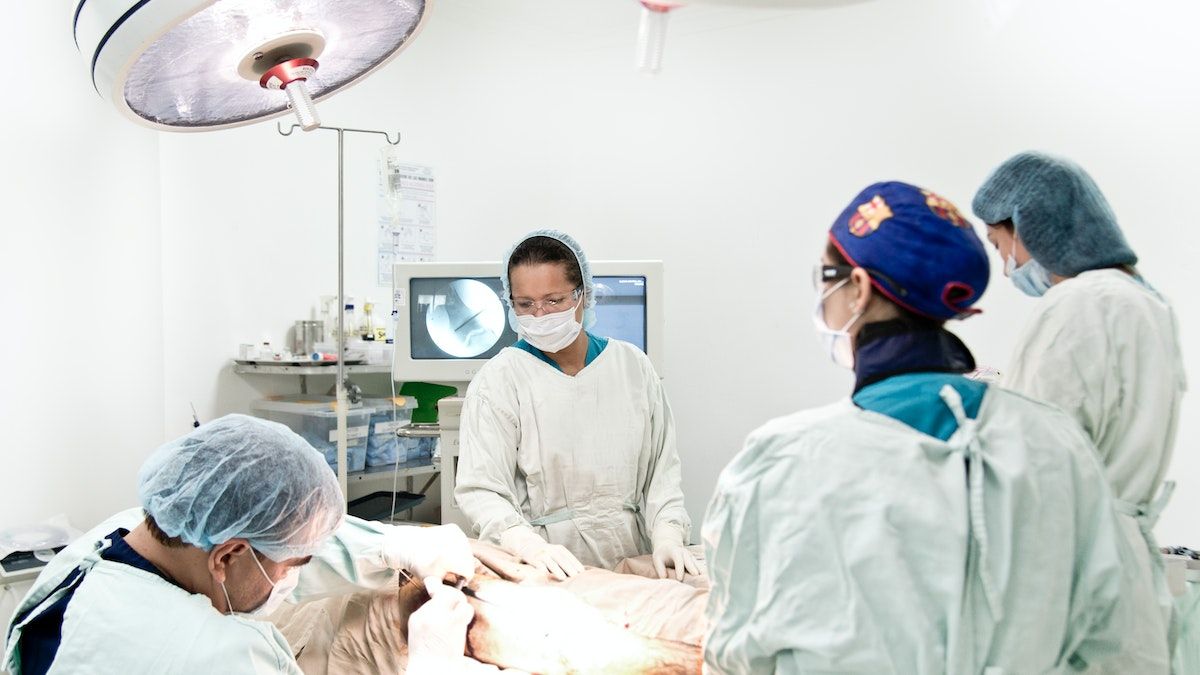
Most Affordable Sterile Processing Technician Schools & Training - Budget-Friendly Sterile Processing Tech Trade Programs in Washington for 2026

Co-Founder and Chief Data Scientist
Choosing the right sterile processing technician trade school in Washington can feel overwhelming. This article presents a carefully crafted ranking of top programs, developed by the Research.com team of data scientists to guide you in making an informed decision.
By exploring these options, you’ll discover affordable and reputable schools that fit your goals. Earning a diploma or certification in this field opens doors to a rewarding healthcare career with steady demand and growth.
Take this opportunity to invest in your future with confidence and clarity.
Key benefits of finishing sterile processing technician trade school in Washington
- Graduates of sterile processing technician trade schools in Washington can expect an average annual salary around $42,732, with opportunities to earn up to $53,111 based on experience and certifications.
- Career paths include working in hospitals, clinics, or travel roles, as shown by many graduates from popular Washington trade schools who quickly find rewarding jobs with room for growth.
- Completing the program online offers flexibility and convenience, allowing graduates to balance work and study effectively, which many online trade school graduates in Washington have found boosts their success and confidence.
- Most Affordable Sterile Processing Technician Schools & Training - Budget-Friendly Sterile Processing Tech Trade Programs in Washington for 2026
- What can I expect from sterile processing technician trade schools in Washington?
- Where can I work after finishing sterile processing technician trade schools in Washington?
What can I expect from sterile processing technician trade schools in Washington?
When you enroll in a sterile processing technician trade school program in Washington, expect a mix of focused classroom learning and hands-on practicum experiences. Graduates from Seattle Central College often share how the initial quarter of classroom instruction-about 132 hours-gave them a solid foundation in sterilization principles, infection control, and instrument handling before stepping into real hospital settings.
During the practicum, typically 400 hours in a hospital's sterile processing department, students get to apply their skills by decontaminating equipment, assembling surgical trays, and managing inventory. This real-world exposure helps build confidence and sharpens attention to detail, critical in maintaining patient safety.
Programs like Columbia Basin College require attending an info session, which many students found helpful to clearly understand prerequisites and application expectations. Most programs last only a few months and offer an efficient path to starting a healthcare career. Graduates often feel proud and prepared to support surgical teams, knowing their training is practical and respected across Washington's healthcare facilities.
Where can I work after finishing sterile processing technician trade schools in Washington?
After finishing a sterile processing technician trade school program in Washington, graduates often find themselves stepping confidently into roles at hospitals, surgical centers, and outpatient clinics. Many share how training at well-known trade schools helped them quickly secure jobs with major employers like Virginia Mason Franciscan Health or Overlake Medical Center in Bellevue. These workplaces offer hands-on experience in cleaning, assembling, and sterilizing surgical instruments-tasks that graduates describe as both challenging and rewarding because they directly contribute to patient safety.
Graduates often recall their first days managing sterilization equipment and inventory, feeling proud knowing their work helps prevent infections. Seattle and Olympia are particularly active job markets, with Providence Health & Services regularly hiring technicians and supervisors. Whether working full-time or part-time, many appreciate the competitive pay ranging from $25 to $40 an hour and benefits like health insurance and paid vacation, which help boost confidence in their new career path.
After finishing a sterile processing technician trade school program in Washington, you can expect to earn between $38,213 and $48,165 per year. Many graduates from popular trade schools in Seattle and Spokane share how they started near the lower end but quickly saw their pay rise as they gained hands-on experience in local hospitals.
The average annual salary statewide is about $42,732, or roughly $21 per hour. For example, graduates working in Everett or Tacoma often report salaries close to $42,970 and $42,613 respectively, reflecting the demand in urban healthcare centers.
Some graduates have been pleasantly surprised by travel assignments paying around $1,370 per week, which can add up to more than $71,000 annually if you're open to temporary placements. This flexibility and earning potential make the trade appealing for those ready to jumpstart their healthcare careers.
Many say that completing an accredited program in Washington gave them the confidence and skills to enter a fulfilling role with competitive pay, especially when combined with additional certifications or healthcare experience.
- Most sterile processing technician programs in Washington are offered by community colleges, technical schools, and online providers, awarding certificates or diplomas without requiring prior healthcare experience.
- Programs typically include classroom training and a 400-hour hospital practicum, which is essential for hands-on experience and certification eligibility.
- Certification is not legally required but often preferred by employers, with national exams offered by HSPA and CBSPD; some schools provide exam prep and vouchers.
- Tuition costs range from about $4,000 to $20,000, with additional fees up to $750 for textbooks and exams; financial aid may be available.
- Starting salaries in Washington usually range from $41,000 to $50,000 per year, with higher pay for experienced technicians in large hospital systems.
- Programs often require attending an information session, have limited start dates, and competitive admissions.
Completing a sterile processing technician trade school program in Washington typically takes about 6 to 12 months, depending on the school and whether you attend full-time or part-time. Many graduates from well-regarded trade schools in Washington share how this timeframe felt just right-intensive enough to keep them motivated, yet flexible enough to balance work or family commitments.
For example, some students at popular Washington trade schools decided to take evening classes, finishing closer to a year, while others who committed full-time completed their training in just half a year. This flexibility makes it accessible for people in different life situations who want to jumpstart their healthcare careers quickly.
Graduates often describe the journey as rewarding and energizing. They appreciate how the hands-on labs and real-world practice sessions prepare them well within this timeframe, building confidence to step into sterile processing roles feeling ready and competent. Choosing a Washington trade school means you're supported by programs designed to fit your pace without dragging on unnecessarily.
The key difference between online and on-campus sterile processing technician programs in Washington comes down to how the training is delivered and how clinical experience is arranged. Online programs, like the one at Shoreline Community College, offer the freedom to study anytime from anywhere, which is ideal if you're balancing work or family. Graduates often share how convenient it was to fit coursework into their busy lives, using interactive modules and virtual simulations to grasp sterilization techniques.
However, even online students must complete hands-on clinical hours in person. Many find securing these placements challenging since they often need to arrange them independently. Conversely, on-campus programs such as those at Seattle Central College or Columbia Basin College provide a more structured schedule with in-person classes and direct access to sterilization equipment.
Students appreciate that these schools typically coordinate clinical practicum sites, easing the process of gaining essential real-world experience under close supervision. This can be reassuring if you prefer guided learning environments and immediate feedback.
The average tuition for sterile processing programs in Washington typically ranges from $4,000 to $15,000, depending on the trade school you choose and whether you qualify for in-state tuition. Graduates from popular trade schools like Seattle Central College often recall paying around $4,458 for in-state tuition or slightly more as out-of-state students. Many find this investment worthwhile because the hands-on training prepares them confidently for real-world work environments where meticulous attention to sterilization protocols is critical.
For those seeking a more budget-friendly option, online sterile processing technician programs in Washington offer tuition fees between $1,500 and $3,000. Graduates appreciate how these programs bundle digital textbooks and materials, lowering the typical cost of sterile processing technician training in Washington even further. This affordability often sparks positive emotions-relief and motivation-as students balance education with personal and financial responsibilities.
Remember to factor in additional expenses like textbooks, uniforms, equipment, and certification exam fees, which can total $500 to $1,500. Many graduates mention these costs but emphasize that financial aid, scholarships, and payment plans provided by trade schools can significantly ease these burdens. Exploring federal aid options through FAFSA or state grants like the Washington College Grant can make training more accessible to ambitious students.
Understanding the investment required and how to manage these costs allows Washington students to pursue their career goals with confidence, especially when considering which medical field pays the most after completing their training.

Students pursuing sterile processing technician programs in Washington often find a range of financial aid options that make their education more affordable and less stressful. Federal aid is a cornerstone, with Pell Grants offering up to $7,395 for the 2025-2026 year-enough to cover the full tuition at schools like Seattle Central College, where the certificate costs about $1,275.90 for three months. Graduates frequently share how this grant lifted a huge financial burden, allowing them to focus on learning instead of worrying about debt.
State-level aid is another valuable resource. The Washington College Grant supports many low- and middle-income students attending public colleges or trade schools, including sterile processing programs. Some students have also benefited from Seattle Central College's I-BEST program, which blends basic skills with technical training, easing the transition for adults and English language learners while providing extra financial help.
Institutional scholarships and emergency funds at community colleges like Shoreline Community College add another layer of support, especially for those facing unexpected challenges. Veterans often access specific military-related educational benefits, helping them pursue their career goals with confidence and peace of mind.
To enroll in a sterile processing technician trade school program in Washington, you'll generally need to meet a few straightforward prerequisites that set you up for success. Most programs ask for a high school diploma or GED, which is essential because it proves you have the basic skills needed for this detailed work.
Many graduates from well-known Washington trade schools share that having a strong foundation in biology or health sciences from high school really helped them grasp the sterilization processes faster. Some programs also require you to pass a background check and have up-to-date immunizations, reflecting the healthcare environment's safety standards.
Here are some common prerequisites you'll encounter:
- High school diploma or GED
- Basic proficiency in reading and math
- Background check clearance
- Proof of immunizations or health screenings
- Ability to commit to hands-on clinical hours
Imagine starting your hands-on training at a trade school in Washington where you can confidently handle surgical instruments because you met these prerequisites. Many graduates emphasize that meeting these requirements gave them peace of mind and boosted their confidence as they stepped into clinical settings, making their learning experience much more positive and rewarding.
When you enroll in a sterile processing technician trade school program in Washington, you'll dive into courses that build a strong foundation for your future healthcare role. Graduates from Seattle Central College often share how mastering the principles and methods of sterilization gave them confidence in handling patient safety. These courses cover essential topics like sterilization processes, materials handling, and inventory control, making the science behind infection prevention clear and practical.
At Columbia Basin College, students find the hands-on classes in decontamination and preparation of medical instruments especially valuable. Imagine yourself learning step-by-step how to clean, inspect, and assemble surgical tools-skills you'll use daily. The program also includes training in inventory management and supply ordering, which prepares you for real hospital workflows.
Many programs emphasize infection prevention and control, teaching how to maintain sterile environments and reduce infection risks. Plus, a 400-hour practicum, like the one Seattle Central offers, lets you apply this knowledge in a hospital setting, boosting both your skills and confidence.
Students appreciate courses in professional communication, teamwork, and regulatory compliance, which prepare them to collaborate smoothly with medical staff and handle documentation accurately. These programs truly equip you with both theory and practical experience to succeed as a sterile processing technician in Washington.
In Washington, sterile processing technician trade school programs offer various specializations that prepare you to excel in specific areas of central sterile supply technician training Washington. Graduates often share how focusing on sterilization and decontamination gave them confidence in operating autoclaves, which quickly became a favorite part of their daily routine. Others found supply chain and inventory management skills invaluable, especially at schools like Columbia Basin College, where mastering materiel management was key to thriving in fast-paced hospital environments.
Typical specializations include:
- Sterilization and Decontamination: learning advanced cleaning and sterilizing techniques essential for roles like decontamination specialist.
- Supply Chain and Inventory Management: overseeing sterile supply logistics to ensure smooth hospital operations.
- Surgical Instrument Assembly and Inspection: mastering the precise assembly and packaging of surgical trays, a crucial skill for sterile instrument technicians.
- Infection Control and Quality Assurance: understanding protocols vital for maintaining safety and regulatory compliance.
At Seattle Central College, students often progress from the Sterile Processing Technician certificate to more advanced roles, which keeps the learning journey exciting and rewarding. Many graduates recall how these targeted electives and practicum placements enabled them to work confidently in different healthcare settings-whether a busy outpatient center or a specialized dental clinic.
If you're exploring your path in healthcare, Washington's programs not only equip you with technical expertise but also connect you to a list of health care careers that match your growing skills and interests.
Choosing the best sterile processing technician programs in Washington means focusing on accreditation, curriculum, and hands-on training. Graduates from Pierce College highlight the benefit of its accredited courses that prepare them well for certification exams. Programs at Seattle Central College stand out for their extensive 400-hour practicum, giving students real-world experience in hospital settings that builds confidence and competence.
Many affordable sterile processing technician schools in Washington include financial aid options and exam vouchers, reducing total costs. Pierce College's offering of evening and weekend classes is perfect for those balancing work and study, providing flexibility without compromising quality. Renton Technical College is praised for its modern facilities, making the learning environment feel professional and inspiring.
When evaluating programs, consider employment outcomes too. Graduates from Seattle Central College often find entry-level jobs quickly due to strong industry ties. If you are looking for more options, exploring online classes for diploma can also be a practical way to fit training into your schedule.
Graduates of sterile processing technician trade schools in Washington find diverse career opportunities that build on their hands-on training. Entry-level roles often start as Sterile Processing Technicians in hospitals around Seattle, Olympia, and Spokane, where graduates quickly become essential team members responsible for sterilizing surgical instruments. Many share excitement about working at major employers like Providence Swedish and University of Washington, describing a strong sense of pride from supporting patient care.
Career opportunities for sterile processing technician graduates in Washington extend beyond basic roles. With experience, they advance to positions such as Central Services Technician or Sterile Processing Clerk, handling complex sterilization workflows and inventory management. These upgrades bring more responsibility and a tangible impact on healthcare safety.
Several graduates also explore leadership pathways, moving into supervisor or department manager roles after gaining certifications from organizations like the Healthcare Sterile Processing Association. Those eager to specialize can transition to related fields such as surgical technologist or infection control specialist. For insights on continuing education, find the most affordable online certificate programs for surgical tech, supporting timely career growth.
These prospects illustrate the strong sterile processing technician advancement in Washington, proving the trade school route not only opens doors but also sets up a fulfilling, upward-moving healthcare career.
The job market for sterile processing technician trade school graduates in Washington is thriving, especially for those coming from well-known local programs. Graduates frequently share how quickly they received job offers in hospitals around Seattle and Tacoma, driven by the strong demand for skilled technicians. In fact, there are 79 active job postings statewide, including over 1,000 entry-level positions just in Seattle, creating a welcoming environment for new professionals.
Many graduates find their training at popular trade schools-recognized for preparing students with certification readiness and hands-on skills-directly leads to employment. Employers highly value these credentials along with attention to detail and adaptability.
Here's what recent graduates experience:
- Competitive wages aligned with sterile processing technician salary Washington state benchmarks
- Opportunities for travel positions offering flexible assignments and higher weekly pay
- A supportive network of clinical sites eager to hire well-trained technicians
For students weighing options, programs offering accredited certification prep and strong clinical exposure often yield faster job placements. Exploring the most affordable online surgical technology associate's degree programs can also be valuable for those balancing schooling with work.
Most Affordable Sterile Processing Technician Schools & Training - Budget-Friendly Sterile Processing Tech Trade Programs in Washington for 2026
# 1 position
Clover Park Technical College - Sterile Processing Technology/Technician.
certificate or diplomaThe Sterile Processing Technology/Technician program at Clover Park Technical College is a hybrid course designed to prepare students to clean, sterilize, and assemble surgical instruments and supplies for medical facilities. It includes training in sterilization, infection control, decontamination, surgical instrumentation processing, distribution, and record-keeping. The annual in-state tuition is $6,634. Graduates have median earnings of $42,066 one year after completion. The program is accredited by the Northwest Commission on Colleges and Universities.
# 2 position
Lower Columbia College - Sterile Processing Technology/Technician.
certificate or diplomaThe Sterile Processing Technology/Technician program at Lower Columbia College offers a hybrid format with some distance-education options. It prepares students to clean, sterilize, and assemble surgical instruments and supplies used in operating rooms and medical facilities. The curriculum includes sterilization, infection control, decontamination, and surgical instrumentation processing, distribution, and record-keeping. Annual in-state tuition is $4,346. The program is accredited by the Northwest Commission on Colleges and Universities.
# 3 position
Bellingham Technical College - Sterile Processing Technology/Technician.
certificate or diplomaBellingham Technical College offers a hybrid Sterile Processing Technology/Technician program designed to prepare students for cleaning, sterilizing, and assembling surgical instruments and supplies used in medical facilities. The curriculum covers sterilization, infection control, decontamination, surgical instrumentation processing, distribution, and record-keeping. The program’s annual in-state tuition is $4,226. It is accredited by the Northwest Commission on Colleges and Universities.
# 4 position
Renton Technical College - Sterile Processing Technology/Technician.
certificate or diplomaRenton Technical College offers a hybrid Sterile Processing Technology/Technician program designed to prepare students for cleaning, sterilizing, and assembling surgical instruments and supplies used in medical and surgical settings. The curriculum covers sterilization, infection control, decontamination, and surgical instrumentation processing, distribution, and record-keeping. The program’s annual in-state tuition is $6,723 and it is accredited by the Northwest Commission on Colleges and Universities.
# 5 position
Columbia Basin College - Sterile Processing Technology/Technician.
certificate or diplomaColumbia Basin College offers a Sterile Processing Technology/Technician program with a hybrid format that includes some distance education options. This program prepares students to clean, sterilize, and assemble surgical instruments and equipment used in operating rooms and medical facilities. Instruction covers sterilization, infection control, decontamination, surgical instrumentation processing, distribution, and record-keeping. The annual in-state tuition is $6,194. The program is accredited by the Northwest Commission on Colleges and Universities.
Frequently Asked Questions about sterile processing technician
After completing a sterile processing technician trade school in Washington, it is important to focus on certification to improve job prospects. The Certified Registered Central Service Technician (CRCST) credential, offered by the International Association of Healthcare Central Service Materiel Management (IAHCSMM), is widely recognized and often required by employers.
Networking with local healthcare facilities in Washington, such as hospitals and surgical centers, can help graduates find entry-level positions. According to the U.S. Bureau of Labor Statistics, employment for medical equipment preparers is expected to grow about 12% from 2022 to 2032, indicating a positive job market.
Additionally, maintaining up-to-date knowledge through continuing education and joining professional organizations can enhance career advancement opportunities in this field.
Employers in Washington seeking sterile processing technician graduates prioritize strong attention to detail. This skill is essential for ensuring that surgical instruments are properly cleaned, sterilized, and maintained, reducing infection risks in healthcare settings. According to the Washington State Department of Labor & Industries, accuracy in following strict sterilization protocols directly impacts patient safety and job performance.
Technical knowledge is another critical skill, as technicians must understand sterilization equipment and infection control standards. Familiarity with industry regulations, such as those from the Association for the Advancement of Medical Instrumentation (AAMI), is highly valued. Communication skills also rank highly, allowing technicians to coordinate effectively with surgical teams and other healthcare staff.
Finally, employers look for reliability and the ability to work efficiently under pressure, as sterile processing departments often operate in fast-paced environments supporting urgent medical procedures.
Finding internships related to sterile processing technician programs in Washington involves connecting with local healthcare facilities and trade schools. Many accredited sterile processing technician programs partner with hospitals, clinics, and surgical centers to offer hands-on internship opportunities. The Washington State Department of Health and the Association of Surgical Technologists provide resources and directories to help students identify clinical sites.
Students should contact trade schools directly to learn about affiliated internship placements. Networking through professional groups in Washington, such as the Washington State Society of Healthcare Central Service Professionals, can also uncover opportunities.
According to the Bureau of Labor Statistics, Washington's healthcare sector is growing, increasing demand for trained sterile processing technicians and internship availability.
Obtaining a sterile processing technician diploma from a trade school in Washington significantly enhances career mobility and advancement opportunities. According to the Washington State Workforce Training and Education Coordinating Board, demand for sterile processing technicians is expected to grow by 12% through 2030, driven by increased healthcare services.
A diploma certifies essential skills in sterilization procedures, instrument handling, and infection control, meeting industry standards set by organizations like the International Association of Healthcare Central Service Materiel Management (IAHCSMM). Employers in Washington healthcare facilities often prefer or require this credential for entry-level roles.
Graduates typically qualify for certifications such as the Certified Registered Central Service Technician (CRCST), improving job prospects and potential salary increases. Career pathways may lead to supervisory or specialized roles, supported by state programs promoting healthcare workforce development.
Students enrolled in sterile processing technician trade schools in Washington can benefit from part-time work in healthcare settings. Positions such as medical equipment preparer or hospital aide often provide relevant experience and flexible hours. These roles help develop skills in sterilization protocols, inventory management, and patient safety, which are crucial for sterile processing.
According to the Washington State Employment Security Department, healthcare support occupations are expected to grow by 13% through 2030, indicating ample opportunities. Part-time jobs in clinics, outpatient centers, or surgical facilities can enhance practical knowledge while supporting education.
Additionally, some employers offer tuition assistance or flexible scheduling for students pursuing certification in sterile processing, making these roles especially valuable.
To find the most affordable Sterile Processing Technician degree program near you in Washington, start by searching for local community colleges and technical schools that offer relevant healthcare certificate or degree programs, as these institutions often have lower tuition rates. Programs and universities providing such degrees near Washington are accessible, and you can use research resources like Research.com to compare the costs and curricula offered by different schools. Additionally, visiting college campuses near me or contacting their admissions offices can provide detailed information on tuition rates and financial aid options, helping you identify the most budget-friendly option.
- Most Affordable Sterile Processing Technician Schools & Training - Budget-Friendly Sterile Processing Tech Trade Programs in California for 2026
- Most Affordable Sterile Processing Technician Schools & Training - Budget-Friendly Sterile Processing Tech Trade Programs in Nevada for 2026
- Most Affordable Sterile Processing Technician Schools & Training - Budget-Friendly Sterile Processing Tech Trade Programs in Arizona for 2026
- Most Affordable Sterile Processing Technician Schools & Training - Budget-Friendly Sterile Processing Tech Trade Programs in Colorado for 2026
- Most Affordable Sterile Processing Technician Schools & Training - Budget-Friendly Sterile Processing Tech Trade Programs in Texas for 2026
- Most Affordable Sterile Processing Technician Schools & Training - Budget-Friendly Sterile Processing Tech Trade Programs in Minnesota for 2026
- Most Affordable Sterile Processing Technician Schools & Training - Budget-Friendly Sterile Processing Tech Trade Programs in Louisiana for 2026
- Most Affordable Sterile Processing Technician Schools & Training - Budget-Friendly Sterile Processing Tech Trade Programs in Wisconsin for 2026
- Most Affordable Sterile Processing Technician Schools & Training - Budget-Friendly Sterile Processing Tech Trade Programs in Illinois for 2026
- Most Affordable Sterile Processing Technician Schools & Training - Budget-Friendly Sterile Processing Tech Trade Programs in Michigan for 2026
- Central Service/Sterile Processing | Clover Park Technical College https://www.cptc.edu/programs/central-service
- Sterile Processing Technician | does https://does.dc.gov/page/sterile-processing-technician
- Sterile Processing Technician https://www.columbiabasin.edu/learn/discover-your-path/health-sciences/sterile-processing-technician/index.html
- Sterile Processing | Healthcare Programs https://healthcare.seattlecentral.edu/programs/sterile-processing
- Sterile Processing Technician Career Training – Washington Adventist University https://professionalworkforcedevelopment.wau.edu/sterile-processing-technician-program/
- Sterile Processing Technician | University of the District of Columbia | University of the District of Columbia https://www.udc.edu/academics/continuing-education/certifications-and-trainings/sterile-processing-technician
- Online Sterile Processing Program for Washington Residents https://www.herzing.edu/healthcare/sterile-processing/washington
- Online Sterile Processing Technician with Workforce Development Kit (Voucher Included) from Eastern Washington University https://careertraining.ewu.edu/training-programs/sterile-processing-technician-voucher-included-wdk/
- Sterile Processing Technician Certificate Program https://pmi.edu/on-campus-programs/certificate/sterile-processing-technician/
- Central Service Technician - Program Page https://rtc.edu/academics/areas-of-study/hhs/central-service-technician.php