Best Sterile Processing Technician Training Programs & Trade Schools - Top Sterile Processing Tech Schools in South for 2026

Co-Founder and Chief Data Scientist
Choosing the right sterile processing technician trade school in the South can shape your future career. This article introduces a carefully crafted ranking of top programs, developed by the Research.com team of data scientists to help you make an informed decision.
By exploring these programs, you’ll discover valuable options to earn a diploma or certification that opens doors in healthcare. Whether you’re starting fresh or seeking a career change, this guide offers clarity and confidence for your next steps.
Investing in your education as a sterile processing technician is a rewarding choice with lasting benefits.
Key benefits of finishing sterile processing technician trade school in South
- Graduates can expect an hourly wage typically between $17 and $29 in South Carolina, with opportunities to earn more through certification and experience.
- Career paths often include roles in hospitals, clinics, and specialized surgical centers, offering steady work and chances for advancement.
- Completing a sterile processing technician program online provides flexibility and faster completion times, helping students balance work and study efficiently while entering the workforce sooner.
- Best Sterile Processing Technician Training Programs & Trade Schools - Top Sterile Processing Tech Schools in South for 2026
- What can I expect from sterile processing technician trade schools in South?
- Where can I work after finishing sterile processing technician trade schools in South?
What can I expect from sterile processing technician trade schools in South?
Expect a hands-on, focused curriculum that balances classroom learning with real-world practice. In the South, programs typically last six months to a year, with some offering flexible hybrid formats. For example, graduates from South Plains College appreciate the mix of online classes and evening on-campus labs, which fit well with their busy schedules.
Clinical experience is a must. You'll spend time in hospitals or surgical centers, applying your skills directly to patient care environments. While schools help with placement, you'll need to meet clinical requirements and may face some extra costs.
Graduates often highlight the satisfaction of becoming eligible for the HSPA national exam, a credential recognized by employers across healthcare settings. Admission is competitive, requiring a high school diploma or GED, health screenings, and sometimes entrance tests.
Tuition usually ranges from $1,800 to $4,000, often covering materials and exam fees. Financial aid options like WIOA support can lighten the load. Many appreciate the clear path to jobs in hospitals, clinics, and surgical centers, with roles extending beyond sterilization to inventory and equipment management.
Where can I work after finishing sterile processing technician trade schools in South?
After finishing a sterile processing technician trade school program in the South, graduates find a range of solid employment opportunities. Many secure jobs in hospitals, which are the largest employers in cities like Charleston, Summerville, and Myrtle Beach. Graduates often share their satisfaction working full-time or PRN roles with flexible schedules and overtime options, fitting well with busy lives.
Others move into ambulatory surgery centers or private specialty clinics such as dental or ophthalmology offices. These settings offer a different pace, focusing on outpatient procedures, and graduates appreciate the variety and steady demand. Trade schools in the South prepare students well for these environments by emphasizing hands-on instrument sterilization skills.
Some graduates find rewarding careers with third-party medical equipment reprocessing companies, providing off-site sterilization services. This path broadens options beyond traditional healthcare roles and offers new challenges.
Overall, the South's healthcare industry offers a welcoming and flexible job market for certified and non-certified sterile processing technicians, making trade school graduates feel confident and ready to start their careers.
Graduates from sterile processing technician trade schools in the South typically start with hourly wages between $17 and $23. For example, many new technicians in South Carolina report beginning around $17.28 per hour, which amounts to about $35,942 annually if working full-time. Those in cities like Anderson, SC, often see slightly higher rates near $17.61 per hour, reflecting modest regional differences.
Many graduates from popular Southern trade schools find this pay satisfactory as a stepping stone. Entry-level wages may seem below the national average, but they offer a stable income with opportunities for overtime and night shifts that boost earnings. In Virginia, another Southern state, starting wages can be closer to $19 per hour, with some roles paying up to $26 per hour.
Real-life graduates often share that gaining experience and certifications leads to raises, especially when moving to larger hospitals. The demand for sterile processing technicians is growing, so many see this career as a practical and rewarding choice for steady work and future income growth.
- Most sterile processing technician programs in the South require a high school diploma or GED, with some asking for reading comprehension tests or health forms.
- Programs typically last from one semester to a few months and include classroom learning plus hands-on clinical experience.
- Tuition usually ranges from $1,500 to $3,000, sometimes covering textbooks and exam fees, with financial aid like WIOA available.
- Graduates can sit for national certification exams such as the CRCST, which is often required by employers.
- Starting salaries range from $32,000 to $40,000 annually, with experienced technicians earning over $45,000 depending on location.
Completing a sterile processing technician trade school program in the South typically takes between 6 to 12 months, depending on whether you attend full-time or part-time. Many graduates from well-known Southern trade schools share that the intensive hands-on training combined with classroom instruction makes the months fly by, especially when balancing real-world lab scenarios that prepare you for hospital environments.
For example, attending a popular trade school in the South often means engaging in practical exercises like instrument sterilization and operating room setup, which students describe as rewarding milestones. These experiences build confidence quickly, helping students feel ready to step into sterile processing roles soon after graduation.
Some graduates mention that the flexible schedules offered by Southern trade schools allowed them to work while completing the program, making the time commitment manageable and less stressful. This pragmatic balance between study and life is a key reason many find the program duration both reasonable and motivating.
The main difference between online and on-campus sterile processing technician trade school programs in the South comes down to flexibility and hands-on experience. Graduates from online programs like Herzing University and MedCerts often appreciate being able to study on their own schedule, balancing coursework with work and family life. These programs cover all the theory-surgical instruments, infection control, medical terminology-through virtual classes that can be completed in as few as 8 to 14 weeks. Students also benefit from virtual advising and tutoring, which helps them stay motivated and on track.
On the other hand, graduates from on-campus programs such as Fortis campuses often highlight the value of in-person labs and real-time feedback. They get to practice sterilizing medical instruments under expert supervision and participate in clinical rotations at local hospitals, which builds confidence and practical skills. Hybrid programs like Trocaire College offer a mix, requiring some in-person labs while allowing online coursework, striking a balance for students needing both flexibility and hands-on training.
Access to actual sterilization equipment and networking with healthcare employers is a big plus for on-campus students, helping with job placement after graduation. Online students may need to find their own local clinical sites but enjoy learning at their own pace. Choosing between these paths depends on whether you prioritize convenience or direct, hands-on practice in your sterile processing technician training.
The average tuition for sterile processing technician programs in the South varies depending on the trade school and program format. For instance, graduates from Midlands Technical College in South Carolina typically reference a cost around $2,400 for their certificate program, which combines hands-on practice with classroom instruction. Meanwhile, students attending Gwinnett Technical College in Georgia often find the cost near $2,300, based on about $107 per credit hour, offering a budget-conscious option for in-state learners.
Florida presents a wider financial range among its institutions. Graduates from Miami Dade College describe an eight-month program costing about $4,830, reflecting the extensive duration and comprehensive training included. Alternatively, the Florida Institute of Sterile Processing offers a more affordable $1,300 program, which appeals to students eager to cover most fees, study materials, and exams in one package. Many prospective students weigh these costs carefully, balancing budget with program content.
Online alternatives bring further savings. For example, those completing a self-paced course through Preppy, partnered with Auburn University, typically pay $1,599 for 4 to 6 months of flexible study. This approach allows many to manage work and life alongside training. It's important to remember that the cost of sterile processing technician certification in Southern states often does not include additional expenses such as textbooks, uniforms, or certification exam fees ranging from $125 to $300.
Graduates often express relief when securing financial aid or scholarships, which help lower out-of-pocket costs. Exploring federal and state financial assistance is vital, especially since many Southern trade schools offer tailored aid for health programs. Thoughtful planning and researching these options can make pursuing this path more accessible for those aiming for stable jobs in the medical field that pay well.
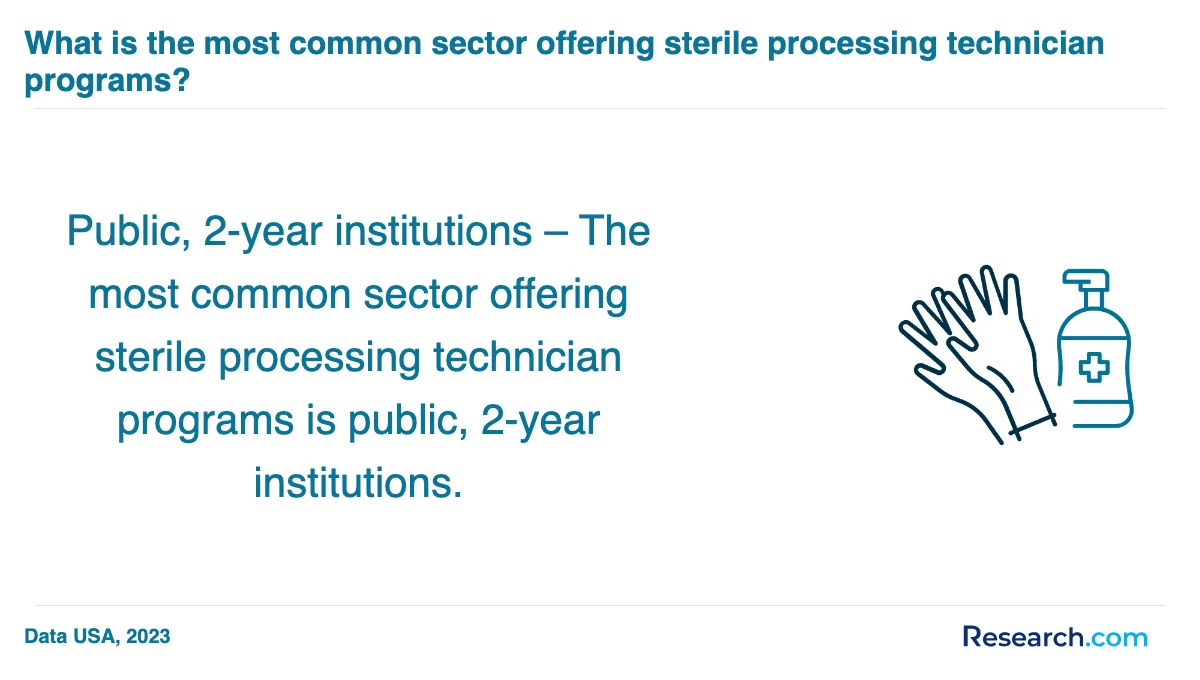
Students pursuing sterile processing technician programs at community colleges or accredited trade schools in the South often access federal financial aid through FAFSA. Many graduates recall how the Federal Pell Grant, which requires no repayment, eased their financial burden while attending popular schools in Georgia or Texas. For example, students at public technical schools found the Federal Direct Loan program helpful, offering manageable interest rates to cover tuition and supplies.
Those enrolled in non-credit or continuing education courses at private centers usually don't qualify for federal aid. Instead, some graduates mention using school payment plans or employer tuition reimbursement when working in healthcare. In Florida, several students benefited from state-specific grants available to residents attending public institutions, which made training more affordable.
Apprenticeship pathways also provide a realistic option: some students started working and training simultaneously, earning a salary while their tuition was covered by healthcare employers. This hands-on route, though competitive, often leads to a rewarding career start in sterile processing.
To enroll in a sterile processing technician trade school program in the South, candidates usually need a high school diploma or GED as a basic requirement. Many trade schools emphasize this to ensure students have foundational skills necessary for handling complex medical instruments.
Some programs ask for the following prerequisites, which graduates often highlight as manageable steps that prepare them well:
- Proof of immunizations or a health screening due to the clinical environment.
- Background checks and drug screenings to maintain hospital safety standards.
- Basic reading and math proficiency tests to confirm readiness for coursework.
- Sometimes, CPR certification is recommended or required before clinical rotations.
Graduates from popular Southern trade schools recall that meeting these prerequisites felt like a straightforward process-one that boosted their confidence when starting hands-on training. For example, a graduate from a well-known South Carolina trade school mentioned how completing a simple health screening early on made the transition to clinical settings smoother and less stressful.
These prerequisites ensure students are ready both academically and physically, making them well-prepared for the fast-paced, detail-oriented nature of sterile processing work in Southern healthcare facilities.
Sterile processing technician trade school programs in the South equip students with essential courses that balance theory and hands-on practice. Graduates often recall starting with foundational subjects like medical terminology, anatomy, and microbiology, which are crucial for understanding the equipment they'll handle daily in hospitals. For example, programs at well-known Southern trade schools include psychology courses, helping students develop strong communication skills and teamwork, a real asset in fast-paced clinical environments.
Core coursework covers sterilization techniques, including cleaning, decontamination, and proper use of autoclaves. Students learn to follow manufacturers' instructions for use (IFUs) and infection control protocols, ensuring patient safety. Inventory management is another key focus, teaching how to track supplies so surgical teams always have sterile instruments on hand.
- Foundational medical terminology, anatomy, microbiology
- Psychology for teamwork and communication
- Sterilization processes and equipment use
- Inventory control and supply management
- Quality assurance and regulatory standards (OSHA, CDC, FDA, HSPA)
- Clinical practicums with 400 hours of hospital experience
Hands-on clinical practicums are often required, with many Southern programs mandating 400 hours of real hospital experience. Graduates emphasize how this practical training builds confidence, preparing them to meet national certification standards and excel on the job.
Programs in the South focused on sterile processing technician specializations cover essential skills needed in healthcare settings. Graduates from Southern sterile processing technician program specializations often highlight their training in key areas such as:
- Instrumentation: mastering surgical instruments and specialty devices critical in operations.
- Processing of Surgical Instrumentation: hands-on experience with decontamination, sterilization, and packaging, ensuring safety and efficiency.
- Movable Patient Equipment Processing: learning to clean, test, and distribute mobile medical equipment used in patient care.
- Storage and Inventory Management: controlling sterile instrument storage and managing inventory systems effectively.
- Medical Terminology & Prevention Processes: understanding infection prevention, anatomy, medical terminology, and hygiene protocols to reduce hospital-acquired infections.
Southern Adventist University's program exemplifies this with video-led lessons and competency assessments, preparing students for various healthcare roles and certification exams. Many graduates from Florida's Santa Fe College appreciate the quick 30-credit hour program with clinical internships enhancing real-world readiness. Additionally, specialized courses like the Endoscope Reprocessing Technician Certificate provide focused skills highly valued in hospitals.
For those seeking affordable education options, consider a cheap surgical tech associate's degree online to complement Southern sterile processing technician program specializations and broaden opportunities.
When choosing the best sterile processing technician programs in the South, accreditation is non-negotiable. Graduates from accredited schools, like Southern Adventist University, often feel confident knowing their training meets industry standards and prepares them well for certification exams such as the CRCST. Hands-on curriculum matters just as much-programs at Fortis College in Baton Rouge boast real-world experience through lab work and externships, which former students say helped them transition smoothly into the workforce.
Program format should fit your lifestyle. Some prefer Southern Adventist's online option that can be completed in as little as 14 weeks, while others thrive in hybrid or in-person setups found at other Southern states' top-rated sterile processing technician schools. Cost is a real concern; institutions offering financial aid or flexible payment plans ease the burden for many students who share this challenge. For those comparing options, exploring the most affordable online certificate programs for surgical tech provides helpful context and alternatives.
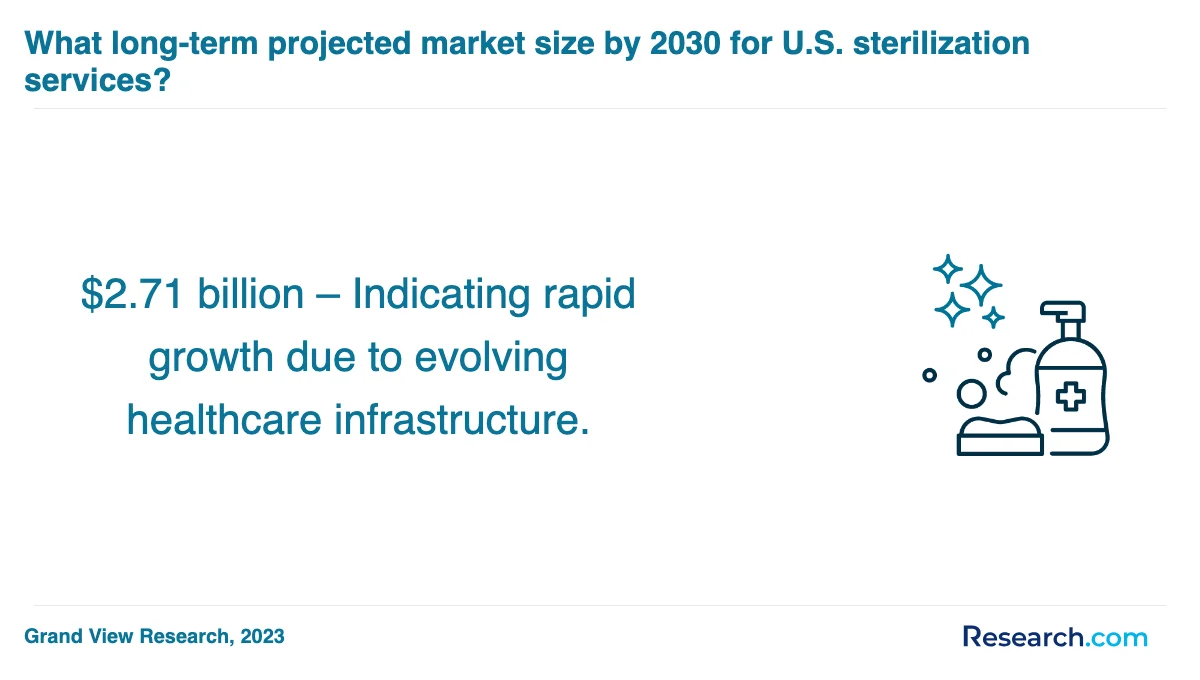
Graduates of sterile processing technician trade school programs in the South often start as Sterile Processing Technicians, working hands-on with surgical instruments in hospitals, surgical centers, and clinics. In South Carolina, for example, over 90 jobs were available as of 2025, signaling strong demand. Many graduates from popular trade schools choose this path for steady employment and skill-building.
Career opportunities for sterile processing technicians in the South expand with experience. Advancement options for sterile processing techs in Southern states include roles like Sterile Processing Technician II, Lead Technician, or Travel Sterile Processing Technician, the latter offering lucrative weekly earnings-up to $1,691 in South Carolina-for those enjoying travel and flexible assignments.
Some graduates find success in supervisory roles, managing teams or quality assurance. Others leverage certifications from bodies like CBSPD or IAHCSMM to move into related healthcare positions such as Surgical Technologist or Infection Control Specialist. Many appreciate how their schools' "Earn While You Learn" programs support gaining credentials while employed.
For more insight on jobs related to health, exploring experiences shared by local techs helps clarify the diverse paths this career offers.
The job market for sterile processing technician trade school graduates in South is notably strong, reflecting a growing healthcare sector in the region. Graduates from popular trade schools in Southern states often share how their training led directly to stable employment opportunities. Many report being hired by large hospitals or surgical centers soon after certification, encouraged by the region's rising need for skilled technicians.
Key factors boosting the job outlook for sterile processing technicians in Southern states include:
- Projected growth of sterile processing technician jobs in Florida by 12.8% through 2034, well above the national average.
- Demand driven by an aging population and expanding healthcare services in Southern states.
- Preference for graduates holding certifications like IAHCSMM or CBSPD, commonly offered through Southern trade schools.
Graduates often describe their career paths as rewarding, not only because of the competitive average entry salary around $47,000 but also due to clear advancement potential within hospital systems. For practical decision-makers seeking easy trades to learn that pay well, sterile processing technician programs in the South offer a balanced mix of accessible education and robust job prospects.
Best Sterile Processing Technician Training Programs & Trade Schools - Top Sterile Processing Tech Schools in South for 2026
# 1 position
Nashville State Community College - Sterile Processing Technology/Technician.
certificate or diplomaNashville State Community College offers a Hybrid Sterile Processing Technology/Technician program that prepares students to clean, sterilize, and assemble surgical instruments and supplies for medical facilities. The curriculum covers sterilization, infection control, decontamination, surgical instrumentation processing, distribution, and record-keeping. The program's annual in-state tuition is $4,498. Graduates have median earnings of $37,468 one year after completion. The program is accredited by the Southern Association of Colleges and Schools Commission on Colleges.
# 2 position
Miami Dade College - Sterile Processing Technology/Technician.
certificate or diplomaMiami Dade College offers a Sterile Processing Technology/Technician program with a hybrid format, including some distance education options. The program trains students to clean, sterilize, and assemble surgical instruments and equipment for medical facilities. Instruction covers sterilization, infection control, decontamination, and surgical instrumentation processing. In-state tuition is $2,838 annually. Graduates have median earnings of $25,923 one year after completion. The program is accredited by the Southern Association of Colleges and Schools Commission on Colleges.
# 3 position
Tennessee College of Applied Technology-Murfreesboro - Sterile Processing Technology/Technician.
certificate or diplomaThe Sterile Processing Technology/Technician program at Tennessee College of Applied Technology-Murfreesboro prepares students to clean, sterilize, and assemble surgical instruments and supplies for medical use. The hybrid program includes training in sterilization, infection control, decontamination, surgical instrumentation processing, distribution, and record-keeping. It is accredited by the Council on Occupational Education and offers some distance-education options for flexibility.
# 4 position
H W Brewster Technical College - Sterile Processing Technology/Technician.
certificate or diplomaThe Sterile Processing Technology/Technician program at H W Brewster Technical College offers hybrid learning options. It trains students to clean, sterilize, and assemble surgical instruments and equipment for medical facilities. Instruction covers sterilization, infection control, decontamination, and surgical instrumentation processing. Graduates have a median earning of $37,851 one year after completion. The program is accredited by the Council on Occupational Education.
# 5 position
Canadian Valley Technology Center - Sterile Processing Technology/Technician.
certificate or diplomaThe Sterile Processing Technology/Technician program at Canadian Valley Technology Center trains students to clean, sterilize, and assemble surgical instruments and supplies for use in medical and surgical settings. The curriculum covers sterilization, infection control, decontamination, surgical instrumentation processing, distribution, and record-keeping. The program is accredited by the Oklahoma State Board of Career and Technology Education.
# 6 position
Pinellas Technical College-St. Petersburg - Sterile Processing Technology/Technician.
certificate or diplomaThe Sterile Processing Technology/Technician program at Pinellas Technical College-St. Petersburg offers a hybrid format with some distance-education options. It trains students to clean, sterilize, and assemble surgical instruments and equipment for medical facilities. The curriculum covers sterilization, infection control, decontamination, surgical instrumentation processing, distribution, and record-keeping. The program is accredited by the Council on Occupational Education.
# 7 position
Williams Technical College - Sterile Processing Technology/Technician.
certificate or diplomaWilliams Technical College offers an on-campus Sterile Processing Technology/Technician program. The curriculum trains students to clean, sterilize, and assemble surgical instruments and supplies for medical facilities. Instruction covers sterilization, infection control, decontamination, surgical instrumentation processing, distribution, and record-keeping. The program is accredited by the Council on Occupational Education.
# 8 position
Lindsey Hopkins Technical College - Sterile Processing Technology/Technician.
certificate or diplomaA program at Lindsey Hopkins Technical College prepares individuals to clean, sterilize, and assemble surgical instruments, equipment, and supplies for use in medical and surgical facilities. Instruction covers sterilization, infection control, decontamination, surgical instrumentation processing, distribution, and record-keeping. The program is hybrid, offering some distance-education options. It is accredited by the Council on Occupational Education.
# 9 position
Atlantic Technical College - Sterile Processing Technology/Technician.
certificate or diplomaThe Sterile Processing Technology/Technician program at Atlantic Technical College prepares students to clean, sterilize, and assemble surgical instruments, equipment, and supplies for medical facilities. This hybrid program includes training in sterilization, infection control, decontamination, and surgical instrumentation processing. The program is accredited by the Council on Occupational Education. Median earnings for graduates one year after completion are $26,464.
# 10 position
Pima Medical Institute-Phoenix - Sterile Processing Technology/Technician.
certificate or diplomaThe Sterile Processing Technology/Technician program at Pima Medical Institute-Phoenix offers hybrid learning with some distance-education options. It trains students to clean, sterilize, and assemble surgical instruments and supplies for medical facilities. Instruction covers sterilization, infection control, decontamination, surgical instrumentation processing, distribution, and record-keeping. Graduates have median earnings of $33,825 one year after completion. The program is accredited by the Accrediting Bureau of Health Education Schools.
Frequently Asked Questions about sterile processing technician
After completing a sterile processing technician trade school in South, it is important to focus on certification and practical experience to improve job prospects. The Certified Registered Central Service Technician (CRCST) credential, offered by the International Association of Healthcare Central Service Materiel Management (IAHCSMM), is widely recognized and often required by employers in South.
Gaining hands-on experience through internships or externships offered by trade schools can significantly enhance your resume. South's healthcare facilities value candidates familiar with sterilization equipment and infection control protocols.
Networking with local healthcare providers and attending job fairs focused on allied health careers can also aid in job placement. According to the U.S. Bureau of Labor Statistics, the demand for sterile processing technicians in Southern states is growing steadily, making timely certification and experience key to entering the workforce.
Employers in the South seek several key skills in graduates of sterile processing technician trade schools. Attention to detail is critical, as technicians must ensure surgical instruments are thoroughly cleaned and sterilized to prevent infections. Knowledge of infection control standards, including OSHA and CDC guidelines, is highly valued. Strong organizational skills help manage instrument inventories and maintain accurate documentation. Additionally, technical proficiency with sterilization equipment, such as autoclaves, is essential. Communication skills are important for working with healthcare teams. According to the Bureau of Labor Statistics, these practical and interpersonal skills increase job prospects in Southern healthcare facilities.
Finding internships in South relevant to sterile processing technician trade school programs involves several practical steps. Start by contacting local hospitals and surgical centers, as many partner with trade schools to offer clinical internships. Organizations like the International Association of Healthcare Central Service Materiel Management (IAHCSMM) often list internship opportunities and accredited programs in the region.
Additionally, state workforce agencies in South provide resources for health-related internships, including sterile processing roles. According to the South Department of Labor, health services internships have grown by 8% over the past two years, increasing chances for placement.
Networking with school career advisors and joining professional groups can also uncover unadvertised internships. Many programs require clinical hours, so verify if your trade school has established agreements with local healthcare facilities to facilitate this experience.
Obtaining a sterile processing technician diploma from a trade school in South significantly enhances career mobility and advancement opportunities. Employers in healthcare facilities increasingly prefer candidates with formal training and certification, which trade schools provide through hands-on instruction and industry-aligned curricula. According to the U.S. Bureau of Labor Statistics, certified sterile processing technicians in the region experience a faster employment growth rate compared to non-certified peers.
Trade school diplomas often serve as a stepping stone toward higher-paying roles such as lead technician or supervisor. Graduates gain access to professional networks and resources that support credentialing exams, which are key for upward mobility. Data from the South's Department of Labor highlights that diploma holders report a 15% higher median wage within two years of graduation.
Moreover, many healthcare employers in South recognize diplomas from accredited trade schools when considering promotions, making formal education a critical asset for long-term career growth. This credential also helps individuals transition more easily between facilities or geographic locations within the state.
Students enrolled in sterile processing technician trade schools in South often seek part-time jobs to gain relevant experience and support their studies. Common opportunities include positions as medical equipment cleaners or hospital supply aides. These roles provide hands-on experience with sterilization techniques and familiarize students with healthcare environments.
The South has a growing healthcare sector, with hospitals and outpatient facilities frequently hiring part-time sterile processing assistants. According to the Bureau of Labor Statistics, South Carolina and Georgia show steady demand for sterile processing roles, projecting growth rates around 8% through 2030.
Additionally, some students find opportunities in central sterile supply departments of local clinics, where they assist in instrument preparation and inventory management, complementing their technical education effectively.
To choose the best Sterile Processing Technician degree program near me, start by identifying local community colleges and vocational schools offering accredited programs. Near South, there are universities that provide specialized programs focusing on hands-on training and preparation for certification exams. Consulting resources like Research.com can offer insights into program rankings and reviews to help make a well-informed decision.
- Online Sterile Processing Technician (Voucher Included) from Florida State College at Jacksonville https://careertraining.fscj.edu/training-programs/sterile-processing-technician-voucher-included/
- Become a Sterile Processing Technician in 6 Months or Less - Preppy https://preppy.org/become-a-sterile-processing-technician/
- Online Sterile Processing Technician (Voucher Included) from University of New Mexico - Albuquerque https://careertraining.unm.edu/training-programs/sterile-processing-technician-voucher-included/
- Sterile Processing Technician Level I Part-Time - University Hospital https://careers.uhhospitals.org/job/22194305/sterile-processing-technician-level-i-variable-chardon-oh
- Sterile Processing Technician I - Sterile Processing - Full Time 8 Hour Evenings (Non-Exempt) (Union) at USC https://usccareers.usc.edu/job/los-angeles/sterile-processing-technician-i-sterile-processing-full-time-8-hour-evenings-non-exempt-union/1209/76004452304
- Sterile Processing Technician - City Colleges of Chicago https://www.ccc.edu/malcolm-x/departments/sterile-processing-technician/
- Sterile Processing Technician | College of Southern Nevada https://www.csn.edu/central-sterile-technician-cc
- Sterile Processing Technician | Education for professionals at PCC https://www.pcc.edu/professional/health/entry/sterile-processing-technician/
- Sterile Processing Technician- Program Overview | Penn Foster https://www.pennfoster.edu/programs/healthcare/sterile-processing-career-diploma
- Sterile Processing Technician - KP Allied Health Scholars Academy | Kaiser Permanente Northern California https://scholarsacademy.kaiserpermanente.org/alliedhealthscholars/career-pathways/sterile-processing-technician/