Best Sterile Processing Technician Training Programs & Trade Schools - Top Sterile Processing Tech Schools in Miami for 2026

Co-Founder and Chief Data Scientist
Choosing the right sterile processing technician trade school in Miami can shape your future career. This article introduces a carefully crafted ranking of sterile processing technician programs, developed by the Research.com team of data scientists. It’s designed to help you make a confident, informed decision about where to invest your time and effort.
Whether you’re starting fresh or seeking certification, earning a diploma in this field opens doors to rewarding healthcare opportunities. Reading on will guide you toward programs that match your goals and set you up for success.
Key benefits of finishing sterile processing technician trade school in Miami
- Graduates in Miami can expect competitive salaries ranging from about $17.63 to $26.30 per hour, with many earning around $38,000 annually, which is higher than the Florida state average.
- Career paths include roles like Sterile Processing Technician or Sterilizer Technician, offering opportunities to work in hospitals, clinics, or specialized medical facilities, as seen with graduates from popular local trade schools.
- Completing the program online provides flexibility and faster completion times, helping graduates balance work and study while gaining skills that employers in Miami highly value.
- Best Sterile Processing Technician Training Programs & Trade Schools - Top Sterile Processing Tech Schools in Miami for 2026
- What can I expect from sterile processing technician trade schools in Miami?
- Where can I work after finishing sterile processing technician trade schools in Miami?
What can I expect from sterile processing technician trade schools in Miami?
Enrolling in a sterile processing technician trade school program in Miami means diving into a hands-on, practical education that prepares you for vital roles in hospitals and clinics. Graduates from schools like Miami Dade College often share how the blend of classroom theory and real-world clinical externships helped them confidently master sterilization techniques and safety protocols.
You can expect a curriculum covering anatomy, infection control, and medical terminology, paired with instruction on communication and inventory management-skills essential for teamwork in busy healthcare settings. Evening classes at local programs make it manageable for those balancing work and study, fostering a supportive environment where students encourage each other.
Many students find the clinical externship the most inspiring part, gaining firsthand experience under expert guidance, turning knowledge into action. With a program lasting just 5 to 8 months, you'll be stepping into a growing field, ready to make a real difference and build a rewarding career.
Where can I work after finishing sterile processing technician trade schools in Miami?
After completing a sterile processing technician trade school program in Miami, graduates find themselves stepping into vital roles across the healthcare community. Many begin their careers in well-known hospitals like Baptist Health South Florida or UHealth, where they confidently handle the cleaning and sterilization of life-saving surgical instruments. Imagine the pride of knowing your work directly supports complex surgeries and patient safety every day.
Others thrive in outpatient surgical centers or specialized clinics, such as dental surgical suites or orthopedic centers, where their expertise ensures procedures run smoothly and infections are prevented. Graduates from popular Miami trade schools often share stories of how hands-on training gave them the confidence to excel in these fast-paced environments.
Certification like CRCST or CSPDT, encouraged by Miami employers, opens doors to even more opportunities, including positions with medical equipment companies and third-party sterilization services. The steady demand for skilled technicians means job seekers can feel hopeful and empowered as they begin their careers.
After finishing a sterile processing technician trade school program in Miami, graduates often step into rewarding roles with an average annual salary around $38,253 as of August 2025. Many graduates from well-known Miami trade schools share stories of quickly landing jobs where they start earning between $16 and $31.73 per hour, depending on experience and the facility.
Imagine starting your first shift at a bustling Miami hospital, confidently applying skills gained from your program as you earn about $19 per hour in many respected medical centers. Monthly earnings typically range from $2,851 to $3,593, letting many graduates support their families and gain financial independence soon after completing their studies.
With time, certifications and hands-on experience can push wages even higher, making this career path both stable and promising. Miami's competitive wages and strong job market create exciting opportunities for those passionate about healthcare and eager to grow.
- Programs typically require a high school diploma or GED, and may include background checks and drug screenings for clinical placements.
- Certificate programs usually take 4-6 months to complete, with around 650 training hours covering sterilization, infection control, and medical terminology.
- Tuition costs in Miami range from approximately $1,600 to $3,590 depending on the school and delivery method.
- Most employers prefer or require certification such as the Certified Registered Central Service Technician (CRCST) credential.
- Starting salaries for sterile processing technicians in Miami range from $32,000 to $45,000 annually, with potential to exceed $50,000 with experience or advanced certification.
Completing a sterile processing technician trade school program in Miami typically takes about 6 to 9 months, a timeframe that many graduates celebrate as both manageable and rewarding. For those attending popular trade schools in Miami, this period balances hands-on training with essential classroom instruction, allowing students to quickly gain the skills needed to enter the healthcare field with confidence.
Many graduates describe their journey as transformative, often highlighting the supportive environment that helps them stay motivated. Imagine walking through the bustling halls of a Miami trade school, where instructors guide you through sterilizing surgical instruments and mastering infection control, all while preparing you for a fulfilling career.
Students appreciate how the program's length fits perfectly into busy lives-whether juggling family or part-time jobs-making the dream of becoming a sterile processing technician feel attainable. This focused education path opens doors swiftly, turning dedication into real-world opportunity in less than a year.
Choosing between online and on-campus sterile processing technician programs in Miami means deciding how you want to balance flexibility with hands-on experience. Graduates from Florida State College at Jacksonville often share how the online format allowed them to study at their own pace, fitting coursework around family and work. This self-paced learning, typically spanning about 190 hours, offers convenience but requires students to actively seek local externships to gain vital practical skills.
On the other hand, those who enrolled at Miami Dade College describe the immersive experience of over 650 contact hours filled with classroom lessons, lab practice, and supervised clinical externships. The structured schedule, whether mornings or evenings, fosters a strong sense of community and immediate skill-building, ideal for students who thrive in hands-on environments.
Hybrid programs, like the one at Concorde Miramar, inspire confidence by blending online study with required in-person externships, helping students master real-world sterilization techniques. No matter the path, Miami's programs equip you to step confidently into a rewarding healthcare career.
The average cost sterile processing technician Miami students face varies widely, ranging from about $1,500 to nearly $5,000 depending on the trade school and program format. Graduates from Miami Dade College's Central Sterile Processing Technician program recall investing $4,830 for their two-semester, hands-on training, which fully prepared them for real-world healthcare settings. On the other hand, those attending the Florida Institute of Sterile Processing appreciated the affordability of $1,500, which also covered valuable extras like CBSPD test applications and surgical instrument workshops, making it a budget-friendly yet comprehensive option.
Another popular choice, Atlantic Technical College, offers a tuition totaling $2,710 plus $446 for supplies, reflecting a balanced investment in quality education and necessary materials. Students here often share how access to financial aid and payment plans helped them pursue their passion without overwhelming financial stress. Such accessible options empower many Miami residents to confidently take this step toward a rewarding career.
When considering a sterile processing technician program tuition Miami can reveal a realistic picture: an investment that opens doors to a steady, meaningful job. Many recent graduates emphasize how their training not only equipped them with skills but also boosted their confidence in joining the healthcare field. For those weighing options, it's worth noting that this field features some of the highest paying trade jobs that are easy to learn, reinforcing the value of this educational investment.

Students pursuing sterile processing technician programs in Miami often find a variety of financial aid options that make their goals achievable and less stressful. For example, graduates from Miami Dade College's 8-month certificate program share how federal financial aid like Pell Grants and Federal Direct Loans helped them balance tuition costs of around $4,830 without overwhelming debt.
At Lindsey Hopkins Technical College, many students celebrate completing the program with minimal or no student debt, thanks to affordable tuition near $1,964 combined with scholarships and work-study opportunities. This creates a supportive environment where financial worries don't stand in the way of success.
Trade schools such as Concorde's Miramar campus also provide scholarships and flexible payment plans, giving students options tailored to their unique circumstances. While some online or non-credit programs don't qualify for federal aid, exploring local scholarships, employer tuition reimbursement, and direct school assistance opens doors to funding that truly empowers Miami students to thrive.
Enrolling in a sterile processing technician trade school in Miami comes with clear prerequisites that set you up for success. Many graduates from popular Miami trade schools share how meeting these requirements gave them the confidence to excel in their training and future careers.
Typically, you must:
- Have a high school diploma or GED, proving your foundational knowledge.
- Be at least 18 years old, ensuring maturity for the responsibilities ahead.
- Pass a background check, which is crucial because sterile processing technicians handle sensitive medical instruments.
- Show proof of immunizations, helping maintain a safe learning environment and future workplace.
One graduate recalls arriving at a Miami trade school ready to embrace the challenge, knowing these steps prepared them well. They highlight how these prerequisites aren't just hurdles but gateways that build trust and readiness for the rewarding path of sterile processing.
For many in Miami, these requirements reflect a commitment to excellence and patient safety, inspiring students to start their journey with pride and determination.
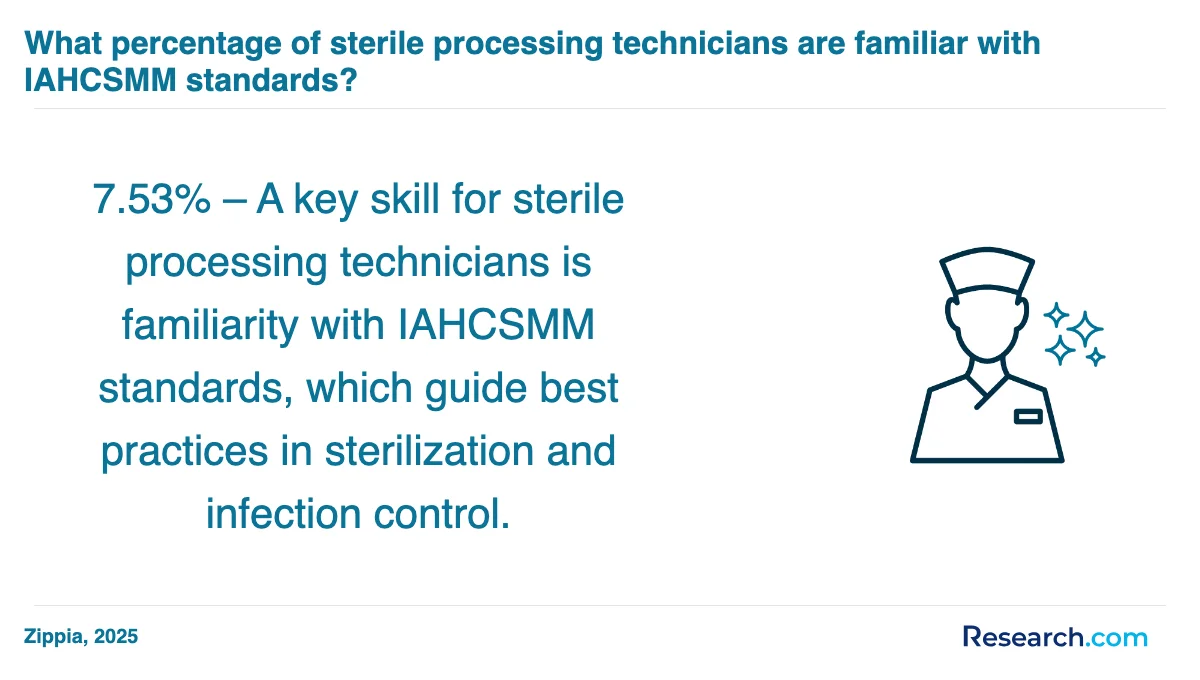
Students enrolled in sterile processing technician trade schools in Miami dive into a curriculum designed to empower and inspire confidence. Graduates from institutions like Miami Dade College and Atlantic Technical College often describe their learning journey as both challenging and rewarding, equipping them with skills that truly matter in healthcare.
Typical courses include:
- Sterilization techniques: mastering steam, chemical, and gas plasma methods to ensure instruments are safe for patient use
- Infection control protocols: learning aseptic techniques and compliance with strict regulatory standards to prevent hospital infections
- Medical terminology: gaining fluency in the language of surgical instruments and procedures to communicate clearly in clinical settings
- Anatomy and physiology: understanding body systems to appreciate how sterile processing impacts patient outcomes
- Equipment maintenance: hands-on practice cleaning and assembling instruments for flawless operation
- Inventory management and safety procedures: organizing sterile supplies and handling hazardous materials with care
Graduates often highlight the real-life impact of these courses during clinical externships, where classroom knowledge meets hands-on experience in Miami hospitals. This blend of technical mastery and practical skill builds the confidence students need to thrive in vital healthcare roles.
In Miami, sterile processing technician specializations bring exciting opportunities for students ready to step into vital healthcare roles. Graduates from Miami Dade College's hands-on programs often share how their training in areas like materials management, sterilization techniques, and exam preparation for certifications like C.S.P.D.T. gave them the confidence to thrive in fast-paced medical environments. Many find joy in mastering the skill of ensuring surgical instruments are safe and ready, a responsibility that saves lives daily.
The Miami Technical Institute highlights specializations that include decontamination processes, inventory control, equipment maintenance, and surgical instrument distribution, allowing students to experience real-world tasks that build pride in their careful, detail-oriented work. These Miami sterile processing technician training programs empower students with practical skills and knowledge that open doors to diverse healthcare career paths.
For those eager to advance further, specialized certifications through the Healthcare Sterile Processing Association offer brighter career prospects. If you're exploring options, consider also reviewing accredited surgical tech programs online to complement your skills and expand your opportunities.
Choosing the best sterile processing technician trade school program in Miami starts with accreditation and hands-on training. Graduates from top-rated sterile processing schools in Miami often praise programs that combine classroom knowledge with real clinical experience at nearby hospitals. This practical approach builds confidence and prepares students for certification exams like the CRCST, essential for career growth in sterile processing.
Look for programs offering flexibility in scheduling, especially if you are balancing work or family. Miami-based programs that allow completion in just a few months can be life-changing, enabling quick entry into this rewarding field. Many students find financial aid options or tuition-free apprenticeships at local colleges, reducing barriers while gaining valuable career technical certificates.
Networking with alumni who've successfully entered Miami's healthcare industry reveals the importance of program reputation and location. Attending a program close to home means easier access to internships and boosts your job prospects. For those seeking further education, consider pursuing a 2-year degree that pays $100k to accelerate your professional advancement.
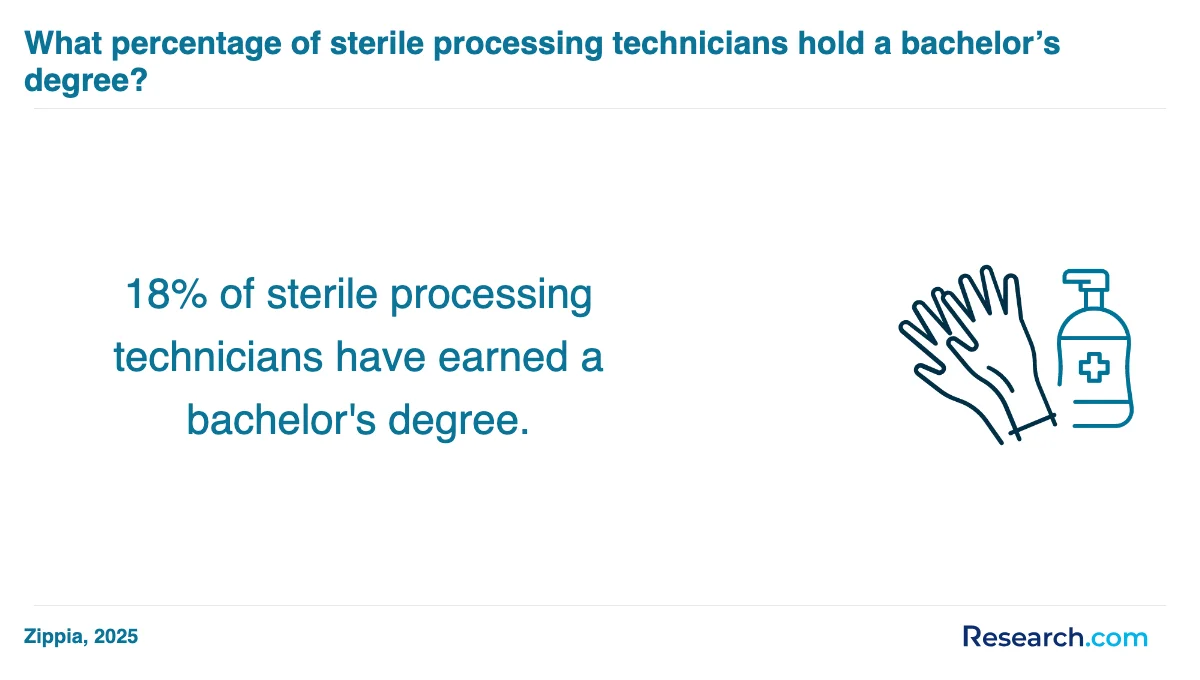
Graduates of sterile processing technician trade school programs in Miami unlock a variety of fulfilling career opportunities. Many find rewarding work as sterile processing technicians in bustling Miami hospitals and surgical centers, where they ensure surgical instruments are impeccably cleaned and safe for patient care. Others expand their horizons with roles like Central Supply Technician, Surgical Instrument Processor, or Ambulatory Surgery Processor, managing inventory and preparing sterile trays with precision.
Some graduates develop specialized skills suited for demanding positions such as Gastrointestinal (GI) Flexible Endoscope Reprocessor or Case Cart Technician, roles that require careful handling of delicate equipment. Career opportunities for sterile processing graduates in Miami often reflect the region's vibrant healthcare sector, with growth prospects including supervisory roles where leadership and procurement skills flourish.
Many Miami trade schools provide hands-on training and real-world scenarios, empowering graduates to confidently step into these vital roles. For those exploring program options, understanding the differences between a trade school program vs vocational program can help guide educational choices and future success.
The sterile processing technician job opportunities in Miami are thriving, creating a welcoming path for recent graduates from local trade schools. Many graduates find themselves stepping confidently into roles at top healthcare institutions like Baptist Health South Florida and Mount Sinai Medical Center, where demand remains steady and rewarding. These positions frequently come with sign-on bonuses of $5,000 to $8,000, motivating new technicians to start strong.
Entry-level positions typically require just a high school diploma and completion of accredited training, making trade schools in Miami a practical choice for many. Graduates often share their excitement about gaining hands-on experience during training, which smoothly transitions into stable job placements.
Benefits such as medical coverage and tuition reimbursement further enhance the appeal. Students from popular Miami programs appreciate how certification increases their employment chances and starting salary, reflecting Miami sterile processing technician salary trends generally above state averages.
Considering the dynamic job market, those exploring career pathways might find valuable options through the most affordable online sterile processing technician certificate program, which complements local training and expands career potential.
- Strong demand across major Miami healthcare employers
- Competitive wages averaging $17.63 per hour
- Available sign-on bonuses and benefits
- Entry-level roles accessible with accredited trade school completion
Best Sterile Processing Technician Training Programs & Trade Schools - Top Sterile Processing Tech Schools in Miami for 2026
# 1 position
Miami Dade College - Sterile Processing Technology/Technician.
certificate or diplomaMiami Dade College offers a Sterile Processing Technology/Technician program with a hybrid format, including some distance education options. The program trains students to clean, sterilize, and assemble surgical instruments and equipment for medical facilities. Instruction covers sterilization, infection control, decontamination, and surgical instrumentation processing. In-state tuition is $2,838 annually. Graduates have median earnings of $25,923 one year after completion. The program is accredited by the Southern Association of Colleges and Schools Commission on Colleges.
# 2 position
Lindsey Hopkins Technical College - Sterile Processing Technology/Technician.
certificate or diplomaA program at Lindsey Hopkins Technical College prepares individuals to clean, sterilize, and assemble surgical instruments, equipment, and supplies for use in medical and surgical facilities. Instruction covers sterilization, infection control, decontamination, surgical instrumentation processing, distribution, and record-keeping. The program is hybrid, offering some distance-education options. It is accredited by the Council on Occupational Education.
Frequently Asked Questions about sterile processing technician
After completing a sterile processing technician trade school in Miami, preparing for the job market involves several key steps. First, obtaining certification from the International Association of Healthcare Central Service Materiel Management (IAHCSMM) or the Certification Board for Sterile Processing and Distribution (CBSPD) can significantly improve employment prospects. According to the Bureau of Labor Statistics, certified candidates often earn higher salaries and have better job stability.
Networking with local hospitals and healthcare facilities in Miami is crucial. Many employers prefer candidates with practical experience, so seeking internships or externships during training can provide valuable connections and hands-on skills.
Additionally, maintaining up-to-date knowledge of sterilization techniques and compliance with Florida's healthcare regulations ensures candidates meet employer expectations. Job listings on sites like the Florida Department of Economic Opportunity indicate growing demand for sterile processing technicians in Miami, reflecting a strong local job market.
Employers in Miami seeking sterile processing technician graduates prioritize a blend of technical and soft skills. Key technical skills include knowledge of sterilization methods, instrument identification, and infection control protocols. According to the Association of Surgical Technologists, proficiency in handling surgical instruments and understanding sterilization equipment is essential.
Attention to detail is highly valued, as errors can lead to serious patient safety risks. Communication skills are also critical for effective collaboration with healthcare teams.
Additionally, familiarity with healthcare regulations such as OSHA and CDC guidelines is often required. Miami employers favor candidates who demonstrate reliability, critical thinking, and the ability to manage workflow in fast-paced medical environments.
Finding internships in Miami relevant to sterile processing technician trade school programs involves several strategic steps. First, students should connect with their trade schools, as many have formal partnerships with local hospitals and healthcare facilities that offer clinical internship opportunities. According to the Association of Surgical Technologists, internships often serve as a critical component of certification preparation.
Next, contacting Miami's major hospitals like Jackson Memorial and Baptist Health can help uncover available internship positions. These institutions typically require students to complete specific training modules prior to placement.
Additionally, online job portals such as Indeed and LinkedIn may list sterile processing internships in Miami, but direct outreach remains most effective.
Networking through professional organizations such as the International Association of Healthcare Central Service Materiel Management (IAHCSMM) can also provide leads and mentorship opportunities.
Obtaining a sterile processing technician diploma from a Miami trade school can significantly improve career mobility and advancement opportunities. This credential validates specialized training in sterilization techniques, infection control, and medical equipment handling, which are critical in healthcare settings. According to the Bureau of Labor Statistics, demand for sterile processing technicians is projected to grow by 7% nationally through 2032, with Miami's expanding healthcare sector reflecting similar trends.
Graduates with diplomas often qualify for entry-level positions in hospitals and surgical centers, providing a foundation for skill development. Many employers in Miami prefer candidates with formal training, which can lead to faster promotions and higher wages.
The Miami-Dade County Economic Development report highlights that certified sterile processing technicians earn median annual wages above $40,000, with opportunities to advance into supervisory or quality assurance roles. Thus, a trade school diploma is a practical step toward upward social and professional mobility in Miami's healthcare industry.
Part-time job opportunities in Miami that complement sterile processing technician trade school education often involve roles in healthcare settings. Positions such as hospital transport aide, medical equipment sterilization assistant, or surgical supply clerk provide practical experience related to infection control and equipment handling. According to the Bureau of Labor Statistics (BLS), Miami's healthcare sector employs many support staff, and part-time roles in hospitals or outpatient clinics can enhance technical skills and familiarity with sterile environments.
Working part-time in these roles helps students apply classroom knowledge to real-world settings, improving their understanding of sterilization protocols and workflow. Additionally, gaining experience in Miami's healthcare facilities can improve employability upon program completion.
To choose the best Sterile Processing Technician degree program "near me" or "near Miami, FL," research the available programs and universities, focusing on accreditation and program specifics such as curriculum quality and clinical experience opportunities. Consider visiting campuses to interact with instructors and current students to gain firsthand insights into their experiences and the program's strengths. Utilize resources like Research.com to compare programs based on factors such as graduate success rates and student reviews.
- Best Sterile Processing Technician Training Programs & Trade Schools - Top Sterile Processing Tech Schools in Tampa for 2026
- Best Sterile Processing Technician Training Programs & Trade Schools - Top Sterile Processing Tech Schools in Richmond for 2026
- Best Sterile Processing Technician Training Programs & Trade Schools - Top Sterile Processing Tech Schools in Houston for 2026
- Florida Online Sterile Processing Technician Certificate Program | Self-Paced Course https://www.uscareerinstitute.edu/online-sterile-processing-technician-school/florida
- Central Sterile Processing Technician - Career Technical and Degree | Miami Dade College https://www.mdc.edu/steriletech/
- Online Sterile Processing Technician (Voucher Included) from Broward College https://certifications.broward.edu/training-programs/sterile-processing-technician-voucher-included/
- Central Sterile Processing Technician | Lindsey Hopkins Technical College https://www.lindseyhopkins.edu/central-sterile-processing-technician/
- Online Sterile Processing Technician (Voucher Included) from FIU Online Learner Marketplace https://careertraining.fiu.edu/training-programs/sterile-processing-technician-voucher-included/
- How to Become a Sterile Processing Tech in Florida https://www.best-trade-schools.net/locations/florida/sterile-processing-technician-in-fl/
- Central Sterile Processing Technology Program South Florida https://www.atlantictechnicalcollege.edu/central-sterile-processing-technology/
- Sterile Processing Tech Programs in Florida | Concorde Career Institute Miramar https://www.concorde.edu/allied-health-programs/sterile-processing/miramar
- Become Certified - Healthcare Sterile Processing Association https://myhspa.org/certification/become-certified/
- Sterile Processing Technician | Education for professionals at PCC https://www.pcc.edu/professional/health/entry/sterile-processing-technician/