Most Affordable Sterile Processing Technician Schools & Training - Budget-Friendly Sterile Processing Tech Trade Programs in South Carolina for 2026

Co-Founder and Chief Data Scientist
Choosing the right sterile processing technician trade school in South Carolina can feel overwhelming. This article is here to help you navigate that decision with confidence.
The Research.com team of data scientists has created a ranking of the best sterile processing technician trade school programs, designed to guide you toward options that truly stand out.
By reading this guide, you’ll discover affordable programs that can set you on a rewarding career path. Earning your diploma or certification opens doors to stable work and personal growth in healthcare.
Key benefits of finishing sterile processing technician trade school in South Carolina
- Graduates in South Carolina can expect competitive salaries, with averages around $28.94 per hour or about $60,195 annually, especially in high-demand areas like Charleston and Columbia.
- Career paths often include roles in hospitals, outpatient centers, and specialized clinics, offering steady work and opportunities for advancement, as shown by many successful alumni from top state trade schools.
- Online sterile processing technician programs provide flexibility and convenience, allowing students to balance work and study while gaining certification quickly, as demonstrated by graduates from popular South Carolina online schools.
- Most Affordable Sterile Processing Technician Schools & Training - Budget-Friendly Sterile Processing Tech Trade Programs in South Carolina for 2026
- What can I expect from sterile processing technician trade schools in South Carolina?
- Where can I work after finishing sterile processing technician trade schools in South Carolina?
What can I expect from sterile processing technician trade schools in South Carolina?
In a sterile processing technician trade school program in South Carolina, you can expect hands-on training that prepares you for real healthcare settings like hospitals and surgical centers. Graduates from schools such as Florence-Darlington Technical College describe gaining confidence through practical experience with autoclaves, assembling instrument trays, and mastering sterilization protocols essential for patient safety.
The curriculum covers infection control, microbiology, and regulatory compliance, blending classroom lessons with lab work and clinical externships. These externships offer firsthand exposure to sterile processing departments, helping students connect theory to everyday tasks.
Many students appreciate the clear path to certification readiness, as programs prepare you to take national exams from organizations like HSPA or CBSPD. While certification isn't legally required in South Carolina, graduates find it boosts job prospects and professional credibility.
Entry requirements are straightforward, typically needing a high school diploma and sometimes CPR certification. Tuition averages around $2,900 plus fees, with flexible payment options available. Overall, students feel equipped and ready to start their careers immediately after completion.
Where can I work after finishing sterile processing technician trade schools in South Carolina?
After completing a sterile processing technician trade school program in South Carolina, graduates quickly find rewarding job opportunities in hospitals, surgical centers, outpatient clinics, and specialty medical offices. Many graduates from popular trade schools in the state share how their training prepared them to confidently handle critical tasks, such as sterilizing surgical instruments and maintaining infection control. For example, several alumni have secured positions at major hospitals like Roper St. Francis Healthcare and MUSC in Charleston, where certification such as the CRCST is highly valued.
Others have found fulfilling roles in outpatient settings like Midlands Orthopaedics Surgery Center in Columbia, earning competitive hourly wages between $24 and $29. Many appreciate the variety and fast pace of these environments, which keep their skills sharp and their work meaningful.
Travel assignments are also popular among graduates seeking flexible, short-term options with attractive weekly pay rates, such as $1,540 in Aiken. These placements offer the chance to gain diverse experience while exploring different healthcare facilities across the state.
Overall, graduates feel proud knowing their work directly supports patient safety and healthcare quality in multiple settings throughout South Carolina.
After finishing a sterile processing technician trade school program in South Carolina, graduates can expect to earn around $28.94 per hour on average, which translates to about $60,200 annually if working full-time. This wage is competitive for entry-level healthcare roles and offers a solid start to a healthcare career. For example, many graduates from well-known South Carolina trade schools report feeling satisfied stepping into jobs that pay between $18.51 and $30.77 per hour, depending on experience and location.
Some graduates share that working in cities like Charleston or Greenville offers slightly higher wages, with Spartanburg reaching annual salaries near $43,400. Those who earn national certification or join larger hospital systems often see faster salary growth. Many feel encouraged knowing their skills are valued and can lead to overtime or shift differentials, boosting income further.
While South Carolina's pay is just below the national average, the lower cost of living makes these earnings practical and rewarding for new sterile processing technicians starting out in the field.
- Candidates must have a high school diploma or GED and be at least 18 years old to enroll in a sterile processing technician program in South Carolina.
- Programs are mainly certificate or workforce development courses focused on infection control and sterilization, offered in online or in-person formats.
- The average tuition cost is about $3,800, with additional expenses for books (~$150) and CPR certification (~$70).
- Graduates can take the CRCST exam after completing 400 hours of hands-on experience, which is required for certification.
- Entry-level salaries for sterile processing technicians in South Carolina start around $40,000 annually with job opportunities in hospitals and surgical centers.
Completing a sterile processing technician program in South Carolina typically takes between 6 to 12 months, depending on the trade school and whether you attend full-time or part-time. Many graduates from well-known South Carolina trade schools share that the hands-on training and focused curriculum helped them quickly gain confidence and real-world skills.
For example, students attending popular programs in Charleston or Columbia often describe their experience as intensive but manageable, allowing them to balance study with personal responsibilities. The programs combine classroom learning with clinical practice, making the time feel productive and engaging.
Graduates frequently mention feeling a strong sense of accomplishment when finishing in under a year, opening doors to entry-level jobs in hospitals and surgical centers across the state. The relatively short duration means you can start your career sooner, which is a major motivator for many.
Choosing a South Carolina trade school with a structured timeline and supportive instructors makes the path to becoming a sterile processing technician clear and achievable.
Online sterile processing technician programs in South Carolina, like the one at Orangeburg-Calhoun Technical College, offer the freedom to study entirely from home with flexible start dates and self-paced coursework. Graduates appreciate balancing their studies with work or family, accessing lectures and assignments anytime through digital platforms. However, securing hands-on clinical experience can be tricky; students often need to find their own clinical placements, which adds a layer of responsibility and sometimes stress.
In contrast, on-campus programs such as those at Florence-Darlington Technical College and PMTC provide structured schedules and direct access to instructors and equipment. Students benefit from immediate hands-on training, including required clinical hours-PMTC's 400-hour clinical experience is arranged through the school's local healthcare partnerships. Graduates from these programs often highlight the confidence gained from in-person guidance and practical exposure, making the learning process feel more supported and interactive.
Both paths lead to CRCST certification, but the choice depends on whether you prefer the flexibility of online learning or the hands-on structure of on-campus training in South Carolina.
The average tuition for sterile processing programs in South Carolina generally ranges between $1,000 and $3,000, depending on the trade school and program length. For example, Midlands Technical College graduates often mention their nine-month certificate, which costs about $2,785, excluding extra fees and equipment. This investment gives students access to comprehensive hands-on training that builds confidence and job readiness.
Other popular schools, such as Trident Technical College, offer shorter programs lasting one semester with tuition closer to $1,000, making it a more affordable pathway for many. Graduates from this program cite the quick timeline and lower cost as major positives, helping them enter the workforce sooner.
The cost of sterile processing technician diploma in South Carolina can include additional expenses like textbooks, uniforms, and lab supplies, adding $500 to $1,500 on top of tuition. However, some programs, like the University of South Carolina Upstate, include benefits such as a certification exam voucher in their $2,995 online option, easing the certification process for students.
Many prospective students find that financial aid and scholarships help manage these costs. When evaluating career prospects, it is motivating to consider the positive outlook and competitive wages in this field, comparable to a surgical technologist salary in related healthcare roles.
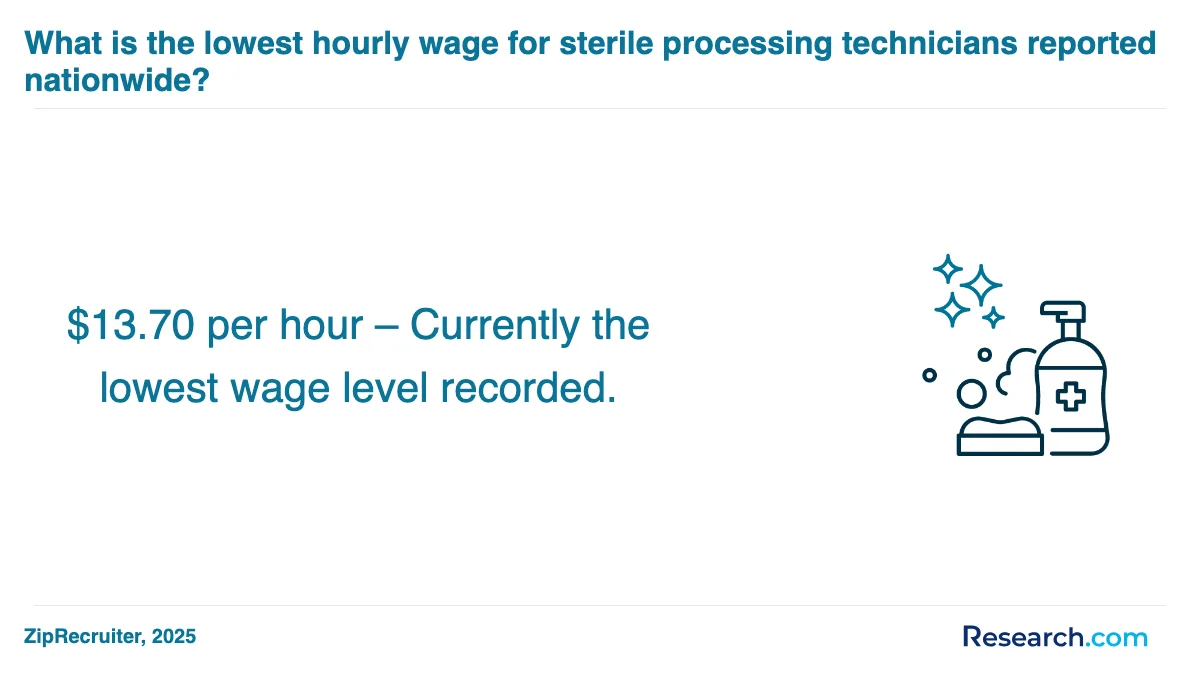
Students pursuing sterile processing technician training in South Carolina often find federal aid unavailable since most certificate programs, like those offered by Coastal Carolina Community College and other technical schools, do not qualify for Pell Grants or federal loans. Graduates recall applying for funding and learning that programs partnered with continuing education providers, such as ed2go, are excluded from federal support due to their non-credit status.
However, many have successfully accessed state and local workforce development funds, especially through the Workforce Innovation and Opportunity Act (WIOA). For example, students at Coastal Carolina Community College have reported relief from tuition and book costs by qualifying for WIOA, which supports those unemployed or underemployed. This funding can also cover certification exam fees, easing financial stress.
Scholarships, while less common, are another avenue. Some trade school graduates have benefited from school-specific healthcare scholarships or grants offered by local hospital systems. Additionally, employer tuition reimbursement programs in South Carolina are a real possibility, with healthcare employers sometimes sponsoring students committed to working in sterile processing post-graduation.
To enroll in a sterile processing technician trade school program in South Carolina, most schools require a few straightforward prerequisites designed to set students up for success. Typically, applicants must have a high school diploma or GED, which ensures they have foundational skills in reading and math essential for understanding sterilization processes and safety protocols.
Many graduates from popular South Carolina trade schools recall that having basic computer literacy helped them navigate digital tracking systems for instruments, a common part of the curriculum. Some schools also ask for a background check and proof of immunizations to prepare students for clinical settings.
Here are common prerequisites you can expect:
- High school diploma or GED
- Basic computer skills
- Background check clearance
- Immunization records, including Hepatitis B
- Ability to pass a drug screening
Graduates often mention that meeting these requirements early on eased their transition into hands-on training, giving them confidence as they worked with real medical instruments in clinical externships.
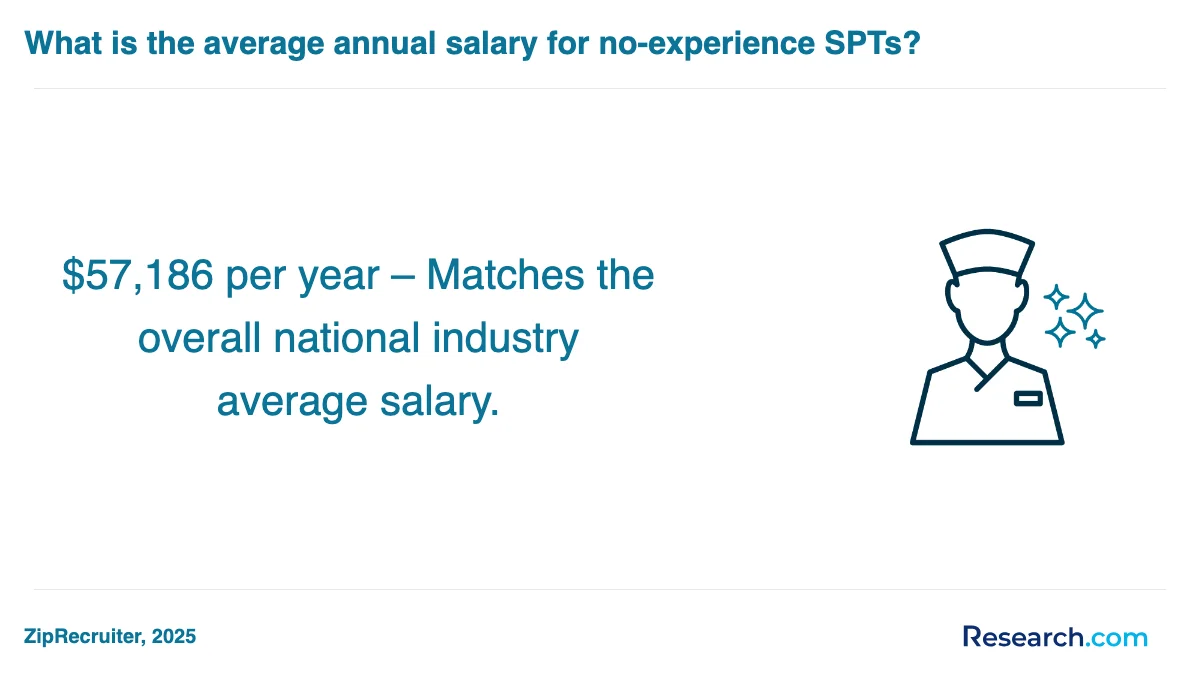
Students in sterile processing technician trade schools in South Carolina typically start with foundational courses that cover medical terminology, basic human anatomy, and effective communication skills needed in healthcare settings. Graduates often share how these basics helped them confidently navigate hospital environments from day one.
Core technical skills form the heart of the curriculum, including:
- Decontamination procedures that teach safe cleaning and disinfecting of medical instruments to prevent infections.
- Sterilization techniques focusing on operating sterilization units and monitoring effectiveness to ensure patient safety.
- Instrument inspection and preparation, where students learn to carefully assemble and ready surgical tools for use.
- Sterile storage and distribution, emphasizing proper handling, inventory management, and documentation practices.
Many South Carolina programs also include hands-on clinical practicums, allowing students to apply these skills in real sterile processing departments. Graduates report that the practical experience, often required for CRCST certification, was crucial for building confidence and job readiness.
Additionally, students typically earn Basic Life Support (BLS) or CPR certification, further preparing them for immediate workplace demands in hospitals and surgical centers across South Carolina.
Students pursuing sterile processing technician specializations South Carolina can expect to gain hands-on experience in essential areas such as microbiology, infection control, sterilization techniques, instrumentation, medical terminology, anatomy and physiology, regulatory compliance, and inventory management. Graduates from Midlands Technical College often share how the simulated training environment helped them confidently apply sterilization and disinfection protocols in real healthcare settings. Greenville Technical College also offers advanced sterile processing training South Carolina students value, including preparation for the Certified Registered Central Service Technician (CRCST) exam, which boosts employability by demonstrating professional competence.
Many programs provide specialized courses like endoscope reprocessing, preparing students for certification such as the Certified Endoscope Reprocessor (CER), focusing on the meticulous cleaning and storage of endoscopes. This practical focus gives graduates the skills needed to ensure patient safety and maintain high standards in medical equipment management. If you're exploring jobs in the medical field list, these programs offer a clear pathway toward a rewarding healthcare career.
To choose the best sterile processing technician programs in South Carolina, start by confirming the school's curriculum prepares you for national certification like the CRCST, which is essential for employment. Graduates from Florence-Darlington Technical College often praise its hands-on clinical training that builds confidence in decontamination and sterilization tasks, reflecting real healthcare environments. Programs that include or assist with clinical placements ensure you complete the required 400 hours of practical experience, a key step toward certification.
Consider your schedule and learning style by comparing sterile processing technician schools South Carolina offers, including flexible online options and traditional in-person classes. Many students appreciate the convenience of online classes balanced with local clinical training. Also, review prerequisites carefully-most programs require a high school diploma and sometimes CPR certification before graduation.
Cost is another critical factor. Tuition varies, and additional fees for textbooks or exams can add up. Some schools provide financial aid or workforce funding to ease this burden. Exploring related fields like medical 2 year degrees can also broaden your healthcare career options.

Graduates of sterile processing technician trade school programs in South Carolina typically begin their careers as Sterile Processing Technicians, working hands-on to decontaminate and sterilize surgical instruments in hospitals and outpatient clinics. Many who trained at well-known state trade schools report feeling confident entering this in-demand field, especially since employers frequently advertise numerous sterile processing technician jobs in South Carolina. Entry-level roles often lead to opportunities for advancement.
Career opportunities for sterile processing technicians in South Carolina include:
- Certified Sterile Processing Tech II positions with added responsibilities such as training new staff.
- Sterile Processing Assistant roles focusing on inventory management and departmental support.
- Leadership roles like team lead or supervisor within sterile processing departments.
- Travel technician assignments offering higher weekly wages and varied work environments across the state.
Experienced graduates sometimes branch into related healthcare roles, enhancing skills and career flexibility. Those interested in accessible and affordable education options often explore cheap online sterile processing technician certification programs to boost credentials and open more doors in this rewarding field.
The job market for sterile processing technician trade school graduates in South Carolina shows steady demand, especially in hospitals and specialty clinics across cities like Charleston and Greenville. Many graduates find roles at well-known facilities such as Trident Medical Center and AnMed Health, where both full-time and part-time positions become available regularly. This creates realistic opportunities for new graduates to enter the workforce quickly.
Graduates commonly share how their training from popular trade schools in South Carolina prepared them well for these openings, boosting their confidence in hands-on sterile processing tasks. The consistent sterile processing technician job openings in South Carolina ensure that graduates have options when searching locally, even if competition exists.
Regarding sterile processing technician salary trends South Carolina, average wages vary but often start between $17 and $29 per hour based on experience and certification. While the pay is somewhat below the national average, the lower cost of living helps graduates maintain a comfortable lifestyle. Many students consider this a positive trade-off after completing training.
For those weighing options, exploring the best diploma programs online can expand access to quality sterile processing technician education beyond local trade schools, empowering students to enter the job market prepared regardless of their location.
Most Affordable Sterile Processing Technician Schools & Training - Budget-Friendly Sterile Processing Tech Trade Programs in South Carolina for 2026
# 1 position
Technical College of the Lowcountry - Sterile Processing Technology/Technician.
certificate or diplomaThe Sterile Processing Technology/Technician program at Technical College of the Lowcountry offers a hybrid learning format with some distance education. The program trains students to clean, sterilize, and assemble surgical instruments and supplies for medical facilities. Instruction covers sterilization, infection control, decontamination, and surgical instrumentation processing. Annual in-state tuition is $5,500. The program is accredited by the Southern Association of Colleges and Schools Commission on Colleges.
# 2 position
Greenville Technical College - Sterile Processing Technology/Technician.
certificate or diplomaGreenville Technical College offers a Sterile Processing Technology/Technician program with a hybrid format that includes some distance education. The program trains students to clean, sterilize, and assemble surgical instruments and supplies for use in operating rooms and medical facilities. Instruction covers sterilization, infection control, decontamination, and surgical instrument processing and record-keeping. Annual in-state tuition is $5,639. The program is accredited by the Southern Association of Colleges and Schools Commission on Colleges.
Frequently Asked Questions about sterile processing technician
After completing a sterile processing technician trade school in South Carolina, it is essential to focus on certification and practical experience to strengthen your job prospects. The Certified Registered Central Service Technician (CRCST) credential, offered by the International Association of Healthcare Central Service Materiel Management (IAHCSMM), is widely recognized and often required by employers in the state.
Gaining hands-on experience through internships or externships available during trade school programs can also improve employability. South Carolina's healthcare facilities, such as hospitals and surgery centers, consistently seek trained technicians due to ongoing demand driven by the state's aging population.
Networking with local healthcare providers and joining professional associations can provide valuable job leads and career guidance. According to the U.S. Bureau of Labor Statistics, employment for sterile processing technicians is projected to grow faster than average nationwide, suggesting positive job market prospects in South Carolina as well.
Employers in South Carolina seek specific skills when hiring sterile processing technician graduates from trade schools. Key abilities include meticulous attention to detail, as technicians must ensure surgical instruments are thoroughly cleaned and sterilized to prevent infections. Knowledge of infection control protocols and safety standards is essential, aligning with guidelines from organizations like the Association for the Advancement of Medical Instrumentation (AAMI).
Technical proficiency with sterilization equipment and instruments is critical, supported by hands-on training during schooling. Communication skills also matter, since technicians coordinate with healthcare teams. According to the South Carolina Department of Labor, demand for these skills has increased by 8% over recent years, reflecting healthcare growth statewide.
Finding internships in South Carolina relevant to sterile processing technician trade school programs involves several practical steps. Start by contacting local hospitals, surgical centers, and healthcare facilities, as many offer internship opportunities aligned with sterile processing training. The South Carolina Hospital Association provides resources and contacts for healthcare institutions statewide.
Trade schools often have partnerships or affiliations with healthcare providers, so inquire directly with your school's career services or internship coordinator. Additionally, the South Carolina Department of Labor, Licensing and Regulation can offer guidance on approved training sites and credentialing requirements.
Online job boards like Indeed and healthcare-specific platforms sometimes list sterile processing internships, but networking with professionals through organizations such as the International Association of Healthcare Central Service Materiel Management (IAHCSMM) local chapters can also connect students with openings.
According to the Bureau of Labor Statistics, South Carolina's healthcare sector is growing steadily, increasing internship availability for sterile processing roles, especially in urban centers like Charleston and Columbia.
Obtaining a sterile processing technician trade school diploma in South Carolina significantly enhances career mobility. The diploma demonstrates mastery of essential skills in sterilization and infection control, which are critical in healthcare settings across the state. Employers increasingly prefer candidates with formal training, which can lead to higher starting salaries and more job opportunities.
According to the South Carolina Department of Employment and Workforce, sterile processing technicians can expect a faster job placement rate when they hold a diploma versus self-taught applicants. Additionally, this credential supports advancement into supervisory roles or specialized areas like surgical instrument management.
Certification eligibility, often required for career progression, typically requires completing an accredited diploma program, underscoring the diploma's value for upward mobility within South Carolina's healthcare sector.
Part-time job opportunities in South Carolina that complement sterile processing technician trade school education often include roles in healthcare support and hospital environments. Positions such as medical equipment cleaner, surgical assistant aide, or hospital supply clerk allow students to gain hands-on experience with sterilization protocols and medical instruments.
These roles provide practical exposure to infection control standards, which is critical for sterile processing technicians. According to the South Carolina Department of Employment and Workforce, healthcare support occupations are expected to grow by 12% through 2030, highlighting increasing opportunities in this field.
Working part-time in clinical settings also helps students develop familiarity with healthcare regulations and teamwork, enhancing their employability upon graduation from trade programs.
Yes, there are affordable Sterile Processing Technician programs you can find near South Carolina, as many community colleges and technical schools offer relevant certifications and associate degree programs. When searching for options "near me," it's helpful to consider schools with strong healthcare programs that may also receive state funding to keep tuition costs low. Research.com can serve as a valuable resource to identify specific programs and universities in and around your desired area.
- Most Affordable Sterile Processing Technician Schools & Training - Budget-Friendly Sterile Processing Tech Trade Programs in North Carolina for 2026
- Most Affordable Sterile Processing Technician Schools & Training - Budget-Friendly Sterile Processing Tech Trade Programs in Florida for 2026
- Most Affordable Sterile Processing Technician Schools & Training - Budget-Friendly Sterile Processing Tech Trade Programs in Tennessee for 2026
- Most Affordable Sterile Processing Technician Schools & Training - Budget-Friendly Sterile Processing Tech Trade Programs in Virginia for 2026
- Most Affordable Sterile Processing Technician Schools & Training - Budget-Friendly Sterile Processing Tech Trade Programs in West Virginia for 2026
- Most Affordable Sterile Processing Technician Schools & Training - Budget-Friendly Sterile Processing Tech Trade Programs in Louisiana for 2026
- Most Affordable Sterile Processing Technician Schools & Training - Budget-Friendly Sterile Processing Tech Trade Programs in Ohio for 2026
- Most Affordable Sterile Processing Technician Schools & Training - Budget-Friendly Sterile Processing Tech Trade Programs in Pennsylvania for 2026
- Most Affordable Sterile Processing Technician Schools & Training - Budget-Friendly Sterile Processing Tech Trade Programs in New Jersey for 2026
- Most Affordable Sterile Processing Technician Schools & Training - Budget-Friendly Sterile Processing Tech Trade Programs in Illinois for 2026
- Sterile Processing Technician - Technical Diploma https://www.blackhawk.edu/Programs-Courses/Sterile-Processing-Technician
- Sterile Processing Technician (SPT) Career Guide https://www.trustedhealth.com/allied-career-guide/sterile-processing-technician
- Sterile Processing Technician | Education for professionals at PCC https://www.pcc.edu/professional/health/entry/sterile-processing-technician/
- Sterile Processing Technician- Program Overview | Penn Foster https://www.pennfoster.edu/programs/healthcare/sterile-processing-career-diploma
- Sterile Processing Technician https://www.columbiabasin.edu/learn/discover-your-path/health-sciences/sterile-processing-technician/index.html
- Sterile Processing Technician - KP Allied Health Scholars Academy | Kaiser Permanente Northern California https://scholarsacademy.kaiserpermanente.org/alliedhealthscholars/career-pathways/sterile-processing-technician/
- Sterile Processing Technician | College of Southern Nevada https://www.csn.edu/central-sterile-technician-cc
- Sterile Processing Technician - City Colleges of Chicago https://www.ccc.edu/malcolm-x/departments/sterile-processing-technician/
- 5 Reasons to Start a Career in Sterile Processing | Blog | University of West Florida https://uwf.edu/continuinged/about-us/blog/5-reasons-to-start-a-career-in-sterile-processing.html
- Sterile Processing Career Pathway | Greenville Technical College https://early-college.gvltec.edu/options/sterile-processing.html