Best Sterile Processing Technician Training Programs & Trade Schools - Top Sterile Processing Tech Schools in Northeast for 2026

Co-Founder and Chief Data Scientist
Exploring career options in healthcare? Becoming a sterile processing technician is a rewarding path with strong job prospects in the Northeast. Our article highlights the best trade schools for this field in 2026, featuring a carefully crafted ranking by the Research.com team of data scientists.
This ranking helps you identify programs that stand out, making it easier to choose a school that fits your goals and needs.
Whether you seek a diploma or certification, gaining these credentials opens doors to meaningful work in healthcare facilities. Let us guide you toward a bright future in sterile processing.
Key benefits of finishing sterile processing technician trade school in Northeast
- Graduates in the Northeast can expect strong salaries, with average annual pay around $46,000 to $50,000, reflecting the high demand and competitive wages in cities like New York and northern New Jersey.
- Career paths after graduation include working in major hospitals, outpatient surgical centers, or specialized healthcare facilities, offering steady job opportunities and room for growth.
- Completing a sterile processing technician program online provides flexible scheduling and faster completion times, making it easier for busy students to start their rewarding healthcare careers quickly.
- Best Sterile Processing Technician Training Programs & Trade Schools - Top Sterile Processing Tech Schools in Northeast for 2026
- What can I expect from sterile processing technician trade schools in Northeast?
- Where can I work after finishing sterile processing technician trade schools in Northeast?
What can I expect from sterile processing technician trade schools in Northeast?
Expect a whirlwind of hands-on action and focused learning the moment you step into a sterile processing technician trade school in the Northeast. Graduates from popular schools like Berkeley College rave about the mix of classroom drills on medical terminology and infection control, paired with real-world scrubbing, sterilizing, and assembling surgical instruments. Imagine clocking in hundreds of clinical hours-some students tackle 400 hours-inside bustling hospitals, mastering the exact skills that keep operating rooms safe and efficient.
Many Northeast programs offer certificates or diplomas within months, balancing flexible online options for those juggling jobs or family. The vibe is intense but rewarding, with students gaining confidence as they handle decontamination protocols and inventory management firsthand. Graduates often share how this practical training feels like a backstage pass to healthcare, prepping them perfectly for certification exams like CRCST and CBSPD.
When you finish, you're not just book-smart-you're battle-ready for roles across hospitals, dental centers, and even veterinary clinics throughout the region.
Where can I work after finishing sterile processing technician trade schools in Northeast?
After completing a sterile processing technician trade school program in the Northeast, graduates often find themselves stepping into bustling hospitals like the big academic centers in New York or community hospitals scattered across the region. Imagine starting your day surrounded by cutting-edge surgical tools at a place like NYU Langone Health, knowing your work directly supports life-saving procedures. Many grads from popular Northeast trade schools share stories of landing roles with major employers such as Northwell Health or Memorial Sloan Kettering, where every sanitized instrument counts.
Others dive into outpatient surgical centers or specialty clinics, places buzzing with focused energy and teamwork. Picture working alongside nurses and surgeons at Thomas Jefferson University Hospitals in Philadelphia, preparing the sterile gear that ensures smooth patient care. Some graduates take it further, joining dental surgical offices or endoscopy centers, where precision and reliability define the job.
Travel assignments offer exciting adventures too-moving between healthcare facilities across metropolitan hubs, blending variety with competitive pay. It's a career path that opens doors wide, especially for those trained at Northeast trade schools known for their hands-on, practical approach.
After finishing a sterile processing technician trade school in the Northeast, graduates often find themselves stepping into jobs that pay between $21 and $36 an hour. Imagine walking out of a well-known trade school, diploma in hand, and landing a position in a busy Boston hospital making around $29.87 per hour. One graduate shared how starting at $22 per hour quickly turned into a $30 hourly wage within a year, thanks to certifications like CRCST boosting their value.
Many grads feel the thrill of turning their training into a paycheck that easily beats national entry-level averages, which hover from $19.43 to $26.58 per hour. Working in the Northeast means higher paychecks, reflecting the region's demand and cost of living. For instance, a graduate from a popular trade school in Providence found themselves earning over $45,000 annually within months, with opportunities for $50,000+ as experience and certifications grow.
It's not just numbers-these wages empower grads to live comfortably in cities where healthcare careers truly shine, making the trade school journey feel like a solid investment in a rewarding future.
- Programs typically take between one semester and one year to complete, with some certificate options finished in as little as eight months.
- Admission usually requires a high school diploma or equivalent, and may include health screenings or background checks.
- Tuition costs range from about $1,500 to $7,000, with some free training options available through community programs.
- Entry-level wages range from $20 to $23 per hour, equating to an annual salary of approximately $41,000 to $48,000.
- Graduates are eligible to take the Certified Registered Central Service Technician (CRCST) exam, which is required for most jobs.
Completing a sterile processing technician program in the Northeast typically takes about 6 to 12 months, depending on the trade school and whether you attend full-time or part-time. Graduates often recall how quickly the months flew by, balancing hands-on training with classroom lessons while preparing to enter healthcare settings.
At popular trade schools in the Northeast, such as those tucked into urban centers or near bustling hospitals, students describe the journey as intense but rewarding. One graduate shared how, after just nine months, they were confidently sterilizing surgical instruments and mastering infection control protocols-skills that feel immediately impactful in real-world hospital hallways.
The programs blend theory with practical labs, and many students appreciate the fast pace that keeps motivation high. Whether you're commuting through city streets or studying near suburban campuses, the streamlined completion time means you can start a career quickly without sacrificing quality education.
Online sterile processing technician programs in the Northeast are like having a classroom in your pocket-flexible, accessible, and tailor-made for busy lives. Graduates from popular trade schools often share how they juggled coursework from their kitchen tables, diving into interactive modules on surgical services and instrumentation, sometimes logging up to 120 hours of virtual lab work. The thrill? Wrapping up a diploma in as little as eight months without ever setting foot on campus. But there's a catch: securing clinical experience means hunting down local hospital slots, sometimes with only a little help from the school's network.
On-campus programs paint a different picture. Imagine walking into a bustling Northeast trade school, joining live lectures where questions fly fast, and rolling up your sleeves for hands-on lab sessions. Graduates rave about the instant access to instructors and peers, plus clinical practicums seamlessly woven into the schedule with guaranteed placements at nearby hospitals. This direct supervision helps them build confidence, sharpening skills under watchful eyes.
Both paths lead to certification, yet the choice hinges on your rhythm-whether you crave the structured buzz of campus life or the solo adventure of online study.
When you're weighing the average tuition for sterile processing programs in Northeast trade schools, expect a range that mirrors your individual choices and ambitions. Graduates from Massachusetts' Mass Bay Community College often recall paying around $4,800 for a four-credit certificate, plus roughly $1,200 for supplies-an investment they consider worthwhile for the hands-on experience gained. Meanwhile, those who studied in Pennsylvania mention the Community College of Allegheny County's tiered pricing: just under $2,000 for county residents but going up to over $5,600 for out-of-state students, sparking some to shore up their finances early on.
In New York, stories come alive with different price points: two 40-hour courses at Long Island University total about $1,150, a sweet spot for budget-conscious learners. Others who took the nine-month program at the Swedish Institute recall a heftier tuition near $15,000 but praise the comprehensive schooling and career support it provided. These personal experiences highlight a vivid picture of the cost of sterile processing technician diploma in Northeast programs-often a pivotal stepping stone into stable healthcare careers.
Online options, like Penn Foster's career diploma, offer a wallet-friendlier alternative around $1,049 paid upfront, giving students greater flexibility. Many graduates find this path especially empowering, balancing life, work, and study. And if you're searching among trades that are easy to learn that pay well, sterile processing technician programs often check those boxes, with accessible tuition and promising futures in healthcare's vital support roles.
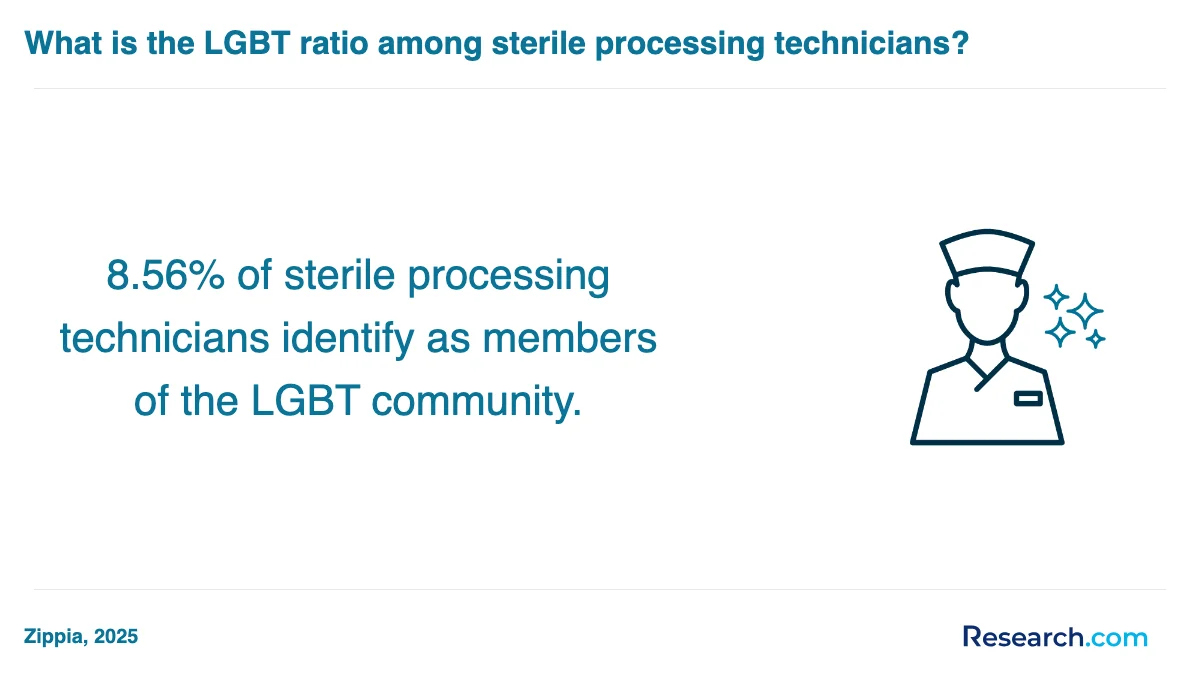
Graduates from Northeast trade schools often share stories of navigating financial aid with a mix of relief and surprise. Many found that enrolling in accredited community colleges unlocked access to federal aid like the FAFSA, opening doors to Pell Grants and manageable federal student loans. One graduate recalls how this support made the difference between juggling multiple jobs and focusing fully on mastering sterile processing skills.
State programs add another layer of help. Imagine qualifying for New York's TAP or New Jersey's TAG Grant, easing tuition burdens just by being a local student. These grants are often a game-changer for those attending popular regional technical schools.
For those whose programs don't qualify for federal aid, many schools offer flexible installment plans. Workforce funding, especially for unemployed or career-switching adults, can provide unexpected financial relief-turning anxious uncertainty into hopeful determination.
Scholarships may be rare but still exist, often tucked within broader allied health funds. Checking in with financial aid offices often reveals hidden gems that graduates happily share with newcomers.
Jumping into a sterile processing technician program in the Northeast often starts with a few straightforward but essential prerequisites that set the stage for success. Graduates from well-known trade schools in the region share how these entry points helped them feel prepared and confident.
Typically, schools expect:
- A high school diploma or GED - the basic ticket in to show you're ready to learn and commit.
- Proof of immunizations, especially for hepatitis B and flu, because you'll be stepping into a health-sensitive environment.
- Background checks and drug screenings, ensuring a safe space for all involved.
- Sometimes, a basic understanding of biology or medical terminology helps, but many schools offer refresher courses if you're rusty.
One graduate recalled feeling nervous about the immunizations but was relieved by the supportive staff at their Northeast trade school who walked them through each step with care and patience.
Another spoke about how the clear prerequisites made the application process less intimidating, turning the idea of becoming a sterile processing technician into a tangible, achievable goal.
These requirements aren't hurdles - they're the foundation that helps you thrive in a fast-paced, vital healthcare role.
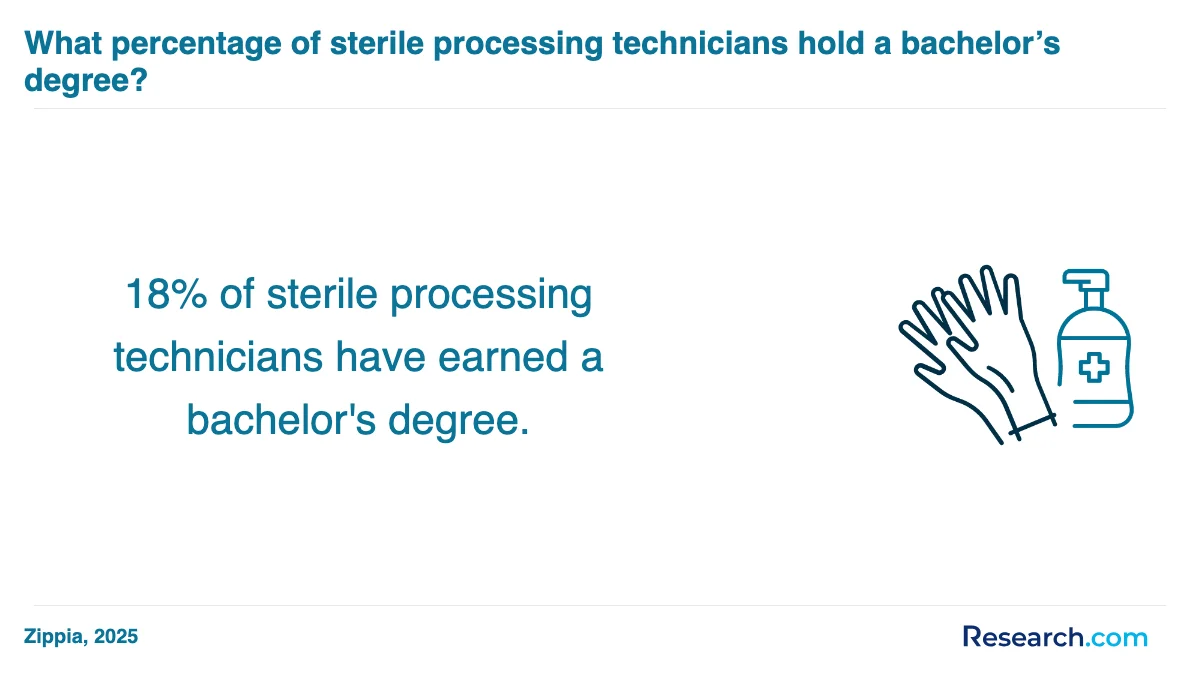
Trade schools in the Northeast pack their sterile processing technician programs with courses that feel like stepping into a real hospital's heartbeat. Graduates often recall how mastering medical terminology felt like unlocking a secret language-knowing exactly what "musculoskeletal" or "cardiovascular" meant gave them confidence chatting with nurses and surgeons.
Infection control classes turn the abstract into action: students learn sterilization like detectives tracking invisible germs, practicing with autoclaves and protective gear, imagining themselves as frontline defenders against hospital infections.
Hands-on sterilization technique courses teach the dance of cleaning, assembling, and packaging instruments. Graduates from popular Northeast schools say this was where the magic clicked-they could almost hear the hum of washers and the hiss of sterilizers, knowing every step mattered for patient safety.
Inventory management might sound mundane, but grads share how it felt like running a vital backstage operation, ensuring surgical teams never run out of tools.
Finally, clinical practicums plunge students into real healthcare settings, turning classroom lessons into confident, capable action under expert supervision.
- Medical terminology mastery
- Infection control and microbiology
- Sterilization processes and techniques
- Inventory management and supply chain logistics
- Clinical practicum or externship
Specializations in sterile processing technician trade school programs in the Northeast dive deep into the essential roles that make healthcare tick behind the scenes. Graduates from Connecticut programs often rave about the hands-on vibe where Central Sterile Processing Technician Training melds theory with practical skills, bringing moments like confidently identifying surgical instruments to life. Their training covers:
- Decontamination and sterilization processes
- Medical terminology
- Anatomy and physiology
- Infection control
- Inventory management
Massachusetts programs offer a slightly different flavor, with Surgical Instrument Sterilization Programs emphasizing extensive clinical hours in bustling Boston hospitals. Graduates describe feeling empowered as they master instrument care and sterilization protocols, ready to tackle real-world challenges immediately after their certificate.
Such immersive track choices perfectly prepare students for certification exams and rewarding careers. For those eager to explore more about surgical sterile processing paths, checking out surgical tech certification programs offers a great roadmap to success.
Picking the best sterile processing technician trade school program in Northeast means zoning in on accreditation and real-world training. Graduates from Concord Hospital rave about the program's dual accreditation by CAAHEP and ARCSTSA, which gave them solid confidence facing certification exams and hospital demands. If affordability is your compass, then affordable sterile processing technician schools in Northeast like Massachusetts Bay Community College stand out with short-term, evening classes that blend classroom lessons with 200 hours of hands-on clinical practice at local hospitals. Imagine juggling a day job while attending evening sessions, gaining skills that felt immediately applicable during internships.
Look for programs recognized for boosting job placements through trusted employer partnerships-graduates often share stories of externships turning into real jobs. Certification prep is another must; a program prepped students at Asnuntuck Community College in Connecticut to ace the CBSPD exam, opening doors to competitive roles. Navigating location constraints, flexible schedules, and your own pace matters too when deciding. For a glimpse at careers with the highest salary in medical field, explore highest salary in medical field opportunities that sterile processing training can unlock.
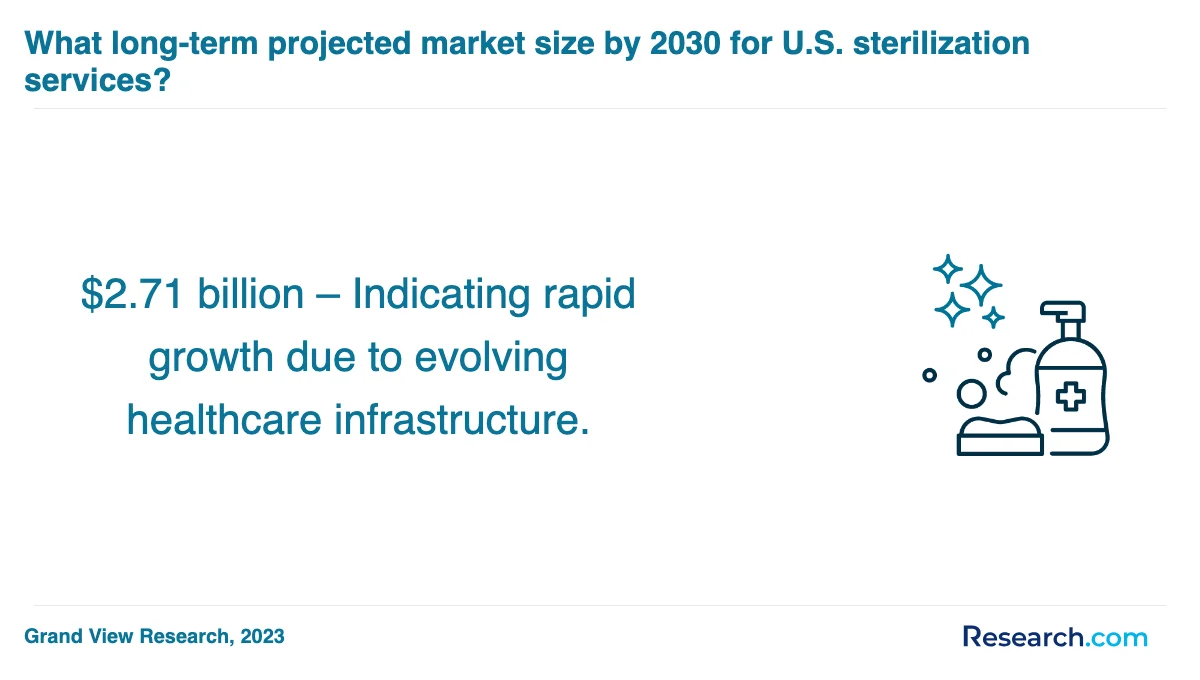
Graduates of sterile processing technician trade school programs in Northeast often dive straight into vital sterile processing technician jobs in Northeast, working in bustling hospitals or cozy outpatient centers. These graduates share stories of waking up knowing their meticulous work directly safeguards patients in surgery rooms-a powerful motivator. From scrubbing and sterilizing to assembling complex surgical trays, they take pride in mastering skills taught at well-known trade schools across the region.
Many alumni relish advancement opportunities for sterile processing technicians in Northeast, stepping into trusted lead or supervisory roles after earning certifications like CRCST. Some find themselves managing entire sterile processing departments, juggling supply inventories and team schedules while feeling the rewarding weight of responsibility.
Others seize chances to transition into surgical technologist programs-building on credits from their trade schools-to join operating rooms and assist surgeons face-to-face. Beyond these paths, graduates tap into healthcare supply chains or administrative careers, fueled by ambition and practical training.
Those eager to expand their horizons can explore low cost sterile processing technician training online to keep climbing.
- Hands-on sterile processing technician positions in hospitals and clinics
- Leadership roles supervising sterile processing teams
- Further education toward surgical technologist careers
- Specialized roles in equipment maintenance and supply chain management
- Healthcare administration and health sciences degrees
The job market for sterile processing technician trade school graduates in Northeast pulses with opportunity. Graduates from popular trade schools in cities like Boston and Philadelphia often share stories of swift hiring, fueled by a healthcare ecosystem hungry for skilled hands. Demand for sterile processing technicians in Northeast is especially vibrant because hospitals and surgical centers constantly need infection control experts to manage critical instrument sterilization.
Imagine landing a role where an experienced technician nearby in Rochester earns about $25 per hour, or even snagging a travel tech position in Connecticut pulling close to $1,661 weekly-these real-life figures spark excitement among new grads. Certified professionals often score sign-on bonuses reaching $5,000, turning certification into a golden ticket.
Graduates describe moving quickly from classroom lessons to commanding responsibility in robotic instrument management or overseeing complex disinfection processes. Trade schools known for flexible schedules and hands-on training not only build skills but boost confidence and job placement speed.
For those wondering what is a trade school in this context, programs here sharpen your edge for this competitive field.
- Strong hiring by major hospitals and outpatient clinics
- Steady salary growth paired with advancement paths
- Certification drastically improves job prospects
Best Sterile Processing Technician Training Programs & Trade Schools - Top Sterile Processing Tech Schools in Northeast for 2026
# 1 position
Medical Career Institute - Sterile Processing Technology/Technician.
certificate or diplomaThe Sterile Processing Technology/Technician program at Medical Career Institute offers a hybrid format with some distance-education options. It trains students to clean, sterilize, and assemble surgical instruments and supplies for medical and surgical settings. Instruction covers sterilization, infection control, decontamination, surgical instrumentation processing, distribution, and record-keeping. Graduates have median earnings of $48,897 one year after completion. The program is accredited by the Accrediting Bureau of Health Education Schools.
# 2 position
American Institute of Medical Sciences & Education - Sterile Processing Technology/Technician.
certificate or diplomaThe Sterile Processing Technology/Technician program at American Institute of Medical Sciences & Education is a hybrid course that prepares students to clean, sterilize, and assemble surgical instruments and equipment for medical facilities. Instruction covers sterilization, infection control, decontamination, surgical instrumentation processing, distribution, and record-keeping. The program is accredited by the Accrediting Bureau of Health Education Schools.
# 3 position
Onondaga Cortland Madison BOCES - Sterile Processing Technology/Technician.
certificate or diplomaThe Sterile Processing Technology/Technician program at Onondaga Cortland Madison BOCES is a hybrid course that prepares students to clean, sterilize, and assemble surgical instruments and supplies for medical use. It includes training in sterilization, infection control, decontamination, and surgical instrumentation processing. Graduates have a median earning of $33,804 one year after completion. The program is accredited by the Council on Occupational Education.
# 4 position
Community College of Allegheny County - Sterile Processing Technology/Technician.
certificate or diplomaThe Sterile Processing Technology/Technician program at Community College of Allegheny County prepares students to clean, sterilize, and assemble surgical instruments and equipment for medical facilities. This hybrid program covers sterilization, infection control, decontamination, surgical instrumentation processing, distribution, and record-keeping. Annual in-state tuition is $4,842. Graduates have a median earning of $28,701 one year after completion. The program is accredited by the Middle States Commission on Higher Education.
# 5 position
Berkeley College-Woodland Park - Sterile Processing Technology/Technician.
certificate or diplomaBerkeley College-Woodland Park offers a Sterile Processing Technology/Technician program with a hybrid format, combining in-person and distance education. The program trains students in sterilization, infection control, decontamination, and surgical instrumentation processing. Annual in-state tuition is $28,600. Graduates earn a median salary of $40,999 one year after completion. The program is accredited by the Middle States Commission on Higher Education.
# 6 position
Swedish Institute a College of Health Sciences - Sterile Processing Technology/Technician.
certificate or diplomaThe Sterile Processing Technology/Technician program at Swedish Institute a College of Health Sciences trains students to clean, sterilize, and assemble surgical instruments and supplies for operating rooms and medical facilities. The curriculum includes sterilization, infection control, decontamination, surgical instrumentation processing, distribution, and record-keeping. The program’s annual in-state tuition is $26,041. It is accredited by the Accrediting Commission of Career Schools and Colleges.
# 7 position
Philadelphia Technician Training - Sterile Processing Technology/Technician.
certificate or diplomaThe Sterile Processing Technology/Technician program at Philadelphia Technician Training offers a hybrid format with some distance-education options. It prepares students to clean, sterilize, and assemble surgical instruments and supplies used in operating rooms and medical facilities. The curriculum covers sterilization, infection control, decontamination, and surgical instrumentation processing, distribution, and record-keeping. The program is accredited by the Middle States Commission on Secondary Education.
Frequently Asked Questions about sterile processing technician
After completing a sterile processing technician trade school in the Northeast, graduates should focus on gaining certification to increase employability. The Certified Registered Central Service Technician (CRCST) credential, offered by the International Association of Healthcare Central Service Materiel Management (IAHCSMM), is highly recognized by employers in this region.
Networking with local hospitals and healthcare facilities can also provide job leads and internship opportunities. According to the U.S. Bureau of Labor Statistics, employment for sterile processing technicians is expected to grow by 8% through 2031, especially in urban centers like Boston and New York.
Additionally, maintaining up-to-date knowledge of sterilization technology and safety protocols can give candidates a competitive edge.
Employers in the Northeast seek sterile processing technician graduates who demonstrate strong attention to detail and knowledge of infection control protocols. According to the U.S. Bureau of Labor Statistics, precision in sterilization processes is critical to maintaining patient safety in healthcare facilities. Technical skills with sterilization equipment, such as autoclaves and ultrasonic cleaners, are essential for job readiness.
Communication skills are also highly valued, as technicians must collaborate with surgical teams and document procedures accurately. Additionally, familiarity with healthcare regulations, including OSHA and CDC guidelines, improves employability. Trade schools in the Northeast often emphasize these competencies to align with employer expectations and industry standards.
Finding internships relevant to sterile processing technician trade school programs in the Northeast involves several practical steps. Start by contacting local hospitals, surgery centers, and healthcare facilities, as many offer internships or externships to support hands-on learning. According to the Association of Surgical Technologists, internships are a critical part of training, often required for certification eligibility.
Trade schools frequently partner with healthcare providers to place students in clinical settings. Reach out to your school's career services or internship coordinator for assistance. Additionally, networking through professional organizations like the International Association of Healthcare Central Service Materiel Management (IAHCSMM) can help identify opportunities.
State health departments in Northeast states such as New York and Massachusetts sometimes list internship programs on their websites. Exploring job boards specific to healthcare internships, like those on Indeed or LinkedIn, filtered by location and field, can also yield relevant openings.
Obtaining a sterile processing technician trade school diploma in the Northeast significantly enhances career mobility and advancement opportunities. According to the U.S. Bureau of Labor Statistics, employment of sterile processing technicians is projected to grow 7% from 2022 to 2032, faster than the average for all occupations, creating a strong job market in this region.
Trade schools in the Northeast equip students with practical skills and certifications recognized by healthcare facilities, increasing employability. Many employers prefer graduates with formal diplomas, which can lead to higher starting salaries and eligibility for supervisory roles.
Furthermore, some diploma programs offer specialized training in advanced sterilization techniques, positioning graduates for promotions or lateral moves into related healthcare fields.
Data from the Northeast Healthcare Education Consortium highlights that 65% of graduates report career advancement within two years of completing their diploma, underscoring its impact on social mobility.
Students enrolled in sterile processing technician trade schools in the Northeast can benefit from part-time jobs that provide relevant hands-on experience. Positions such as medical equipment sterilization assistants or hospital supply aides are common opportunities. These roles help students understand sterilization protocols and equipment handling, complementing their coursework.
Hospitals and outpatient care centers in states like New York and Massachusetts often offer part-time roles suited for students, with average hourly wages ranging from $13 to $18 according to the U.S. Bureau of Labor Statistics (BLS, 2023). Gaining this experience can improve job readiness and employability after graduation.
Additionally, some sterile processing departments hire interns or trainees, allowing students to earn while learning under supervision. These positions support skill development in infection control and inventory management, critical areas of sterile processing work.
Many universities and educational programs offer Sterile Processing Technician degrees, and aspiring students can often find relevant programs near their location. If you're looking for options near Northeast, you might find several community colleges and technical schools offering comprehensive courses aimed at preparing students for certification and employment in sterile processing. Utilizing resources like Research.com can be helpful to locate these programs conveniently near me and compare them based on various factors such as curriculum and graduate success rates.
- Sterile Processing Professionals | Hello everyone, | Facebook https://www.facebook.com/groups/540936709274849/posts/23972765175665339/
- Sterile Processing Jobs | Overlake Careers https://www.overlakecareers.org/jobs/sterile-processing/
- Online Sterile Processing Technician (Voucher Included) from Northeast State Community College https://careertraining.northeaststate.edu/training-programs/sterile-processing-technician-voucher-included/
- Sterile Processing Technician Certificate Program | NMC https://www.methodistcollege.edu/allied-health/certificates/sterile-processing-technician
- Certified Sterile Processing Technician | Alamo Colleges https://www.alamo.edu/academics/program-finder/ContinuingEducation/Sterile-Processing-Technician/
- Sterile Processing Technician | does https://does.dc.gov/page/sterile-processing-technician
- Sterile Processing Technician - Training Certificate | Midlands Technical College https://www.midlandstech.edu/sterile-processing-technician
- Sterile Processing https://www.southeast.edu/academics/programs/healthcare-services/sterile-processing.php
- Top 5 Sterile Processing Technician Schools - Preppy https://preppy.org/top-sterile-processing-technician-schools/
- Become a Sterile Processing Technician: 7 Things to Know https://www.herzing.edu/become/sterile-processing-technician