Most Affordable Sterile Processing Technician Schools & Training - Budget-Friendly Sterile Processing Tech Trade Programs in South for 2026

Co-Founder and Chief Data Scientist
Choosing the right sterile processing technician trade school can feel overwhelming, especially in the South where options vary widely. This article introduces a carefully crafted ranking of sterile processing technician trade school programs, developed by the Research.com team of data scientists. It’s designed to help you make an informed decision about which programs stand out.
By exploring this guide, you’ll discover affordable schools that provide valuable training for a rewarding career. Earning a diploma or certification opens doors to stable jobs and personal growth, making your efforts truly worthwhile.
Key benefits of finishing sterile processing technician trade school in South
- Graduates can expect competitive wages, with hourly pay in South Carolina typically ranging from $17 to $29, and some experienced technicians earning up to $40 per hour, offering a strong return on investment for trade school training.
- Career paths include roles in hospitals, outpatient centers, and specialized clinics, as demonstrated by graduates from popular South Carolina trade schools who quickly find rewarding jobs in healthcare settings.
- Completing an online sterile processing technician program provides flexibility and faster completion times, as experienced by online graduates who balance work and study while gaining valuable skills without the need for a traditional degree.
- Most Affordable Sterile Processing Technician Schools & Training - Budget-Friendly Sterile Processing Tech Trade Programs in South for 2026
- What can I expect from sterile processing technician trade schools in South?
- Where can I work after finishing sterile processing technician trade schools in South?
What can I expect from sterile processing technician trade schools in South?
Enrolling in a sterile processing technician trade school program in the South means diving into a balanced blend of classroom learning and hands-on practice. Graduates often recall the satisfaction of mastering the meticulous cleaning and sterilization of medical instruments, a skill crucial in hospitals and surgical centers. Popular Southern schools offer programs that last between 8 to 12 months, with some online options allowing completion in as little as 32 weeks-perfect for those juggling work or family.
Students quickly appreciate the real-world clinical experiences provided through partnerships with local healthcare facilities. These moments, whether in a simulated lab or a busy hospital setting, build confidence and sharpen attention to detail. Beyond technical skills, classes also emphasize teamwork and communication, preparing students to thrive in healthcare environments.
Many graduates feel encouraged knowing these programs prepare them well for the Certified Registered Central Service Technician (CRCST) exam, opening doors to rewarding careers. Flexible schedules and supportive resources make these Southern programs both accessible and empowering.
Where can I work after finishing sterile processing technician trade schools in South?
Graduates from sterile processing technician trade schools in the South often find themselves welcomed into a variety of healthcare environments. Many share how their training prepared them to confidently step into roles at hospitals, where they support critical departments like the operating room and emergency room by ensuring surgical instruments are impeccably sterilized and ready.
Others have discovered fulfilling careers in outpatient surgical centers and ambulatory care clinics, appreciating the fast-paced yet rewarding nature of facilities that focus on same-day procedures. These settings often hire both certified and non-certified technicians, making the path accessible for recent graduates eager to gain hands-on experience.
Some graduates recount starting in specialized medical practices, dental surgery offices, or endoscopy suites, where attention to sterile technique directly impacts patient safety. The South offers a rich job market, with cities like Charleston and Myrtle Beach actively recruiting, allowing new technicians to find opportunities close to home.
Many appreciate how trade schools in the South not only provide essential skills but also foster a sense of readiness, enabling graduates to confidently navigate diverse roles within hospitals, clinics, and medical equipment companies.
Graduates from sterile processing technician trade schools in the South often find their earnings vary by location and experience but generally offer a promising start. For example, those who completed programs at well-known Southern trade schools share how their first jobs in South Carolina brought hourly wages around $25.51, with some starting closer to $18.50 and others reaching beyond $30 per hour. One graduate who landed a position in Charleston recalls feeling encouraged by a higher wage near $28 due to the city's competitive healthcare market.
Others report starting in smaller cities like Anderson, earning about $17.61 per hour, which still provided a solid foundation as they gained hands-on experience and certifications. These wages translate to annual incomes between roughly $38,500 and $64,000, allowing graduates to build confidence while advancing their skills.
Many graduates emphasize how their trade school training opened doors to positions in major hospitals, where pay and career growth accelerated. The blend of practical learning and certification pathways offered by Southern schools creates a hopeful outlook for those entering this essential healthcare role.
- Admission usually requires a high school diploma or GED, with no prior healthcare experience needed.
- Programs typically last 14 weeks to 8 months and often offer online or hybrid options.
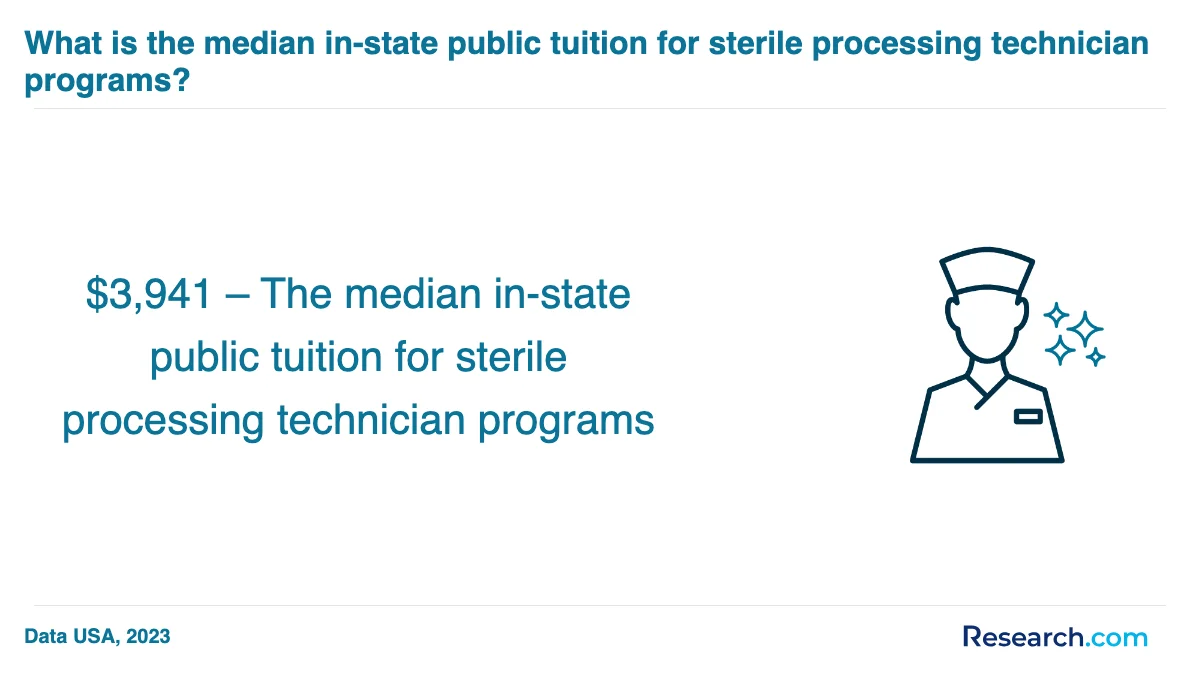
- The cost ranges from $1,800 to $4,000, including certification exam fees, with payment plans and workforce funding available.
- Graduates can take the Certified Registered Central Service Technician (CRCST) exam, which is preferred by many employers.
- Entry-level salaries in the South range from $35,000 to $42,000 annually, with experienced technicians earning over $50,000.
Completing a sterile processing technician trade school program in South typically takes about 6 to 12 months, depending on whether the student attends full-time or part-time. Many graduates from well-known trade schools in the region describe this period as an intense yet rewarding journey that quickly equips them with hands-on skills.
One graduate shared how balancing coursework with clinical practice gave them confidence to handle real-world sterilization tasks in hospitals. The structured schedule at these Southern trade schools allows students to progress steadily, often combining classroom learning with practical labs that simulate the fast-paced environment of healthcare facilities.
For those eager to quickly enter the workforce, the shorter, focused programs provide a clear path to certification and employment. The sense of accomplishment upon finishing is often described as empowering, as students realize they have gained a vital role in patient safety and healthcare support.
Ultimately, the time invested reflects a meaningful commitment, made manageable by the practical and supportive teaching methods common in South's sterile processing technician programs.
The core difference between online and on-campus sterile processing technician trade school programs in the South lies in how students engage with their training. Graduates from on-campus programs like those at Santa Fe College often recall the immediate support from instructors and the hands-on practice with real equipment, which made their learning feel tangible and confidence-building. They appreciated the structured schedule and direct access to clinical rotations arranged through the school, easing their path to certification.
In contrast, online program graduates, such as those from AdventHealth University's fully online certificate, valued the flexibility to balance work and family while studying. Their experience involved virtual lectures and simulations, which were convenient but required them to be proactive in securing local clinical placements on their own. This responsibility sometimes sparked feelings of challenge but also fostered independence and resourcefulness, qualities essential in sterile processing roles.
Both paths prepare students well for the CRCST exam, yet the choice often depends on one's lifestyle and learning preferences within the Southern healthcare training landscape.
The average tuition for sterile processing technician programs in the South typically ranges from around $2,300 to nearly $5,000, depending on the school and state. Graduates from Gwinnett Technical College in Georgia often reflect on the affordability and efficiency of completing their training in just two semesters, paying about $2,300 in tuition. Others who attended Albany Technical College in the same region experienced similar costs, closer to $3,000, appreciating the balance between cost and comprehensive instruction.
In South Carolina, the cost of sterile processing technician certification in Southern states is slightly higher but still accessible. Midlands Technical College offers a blended learning approach with tuition near $2,785, combining classroom and hands-on experience, which many students found pivotal in gaining confidence for their certification exams. Meanwhile, graduates of the University of South Carolina - Sumter value the flexibility of its $2,795 online program that prepares students effectively without sacrificing quality.
Florida's Miami Dade College presents a different model with an 8-month certificate program priced around $4,830, providing in-depth preparation for the Certified Sterile Processing and Distribution Technician (CSPDT) credential. Students who completed this program often highlight the program's structure for career readiness, despite the higher tuition.
For many, these costs represent an investment in a fulfilling career path, and it's encouraging to know that options for financial aid and scholarships are often available. Prospective students exploring the best paying trades that are easy to learn will find sterile processing technician programs in the South to be a viable and rewarding opportunity.
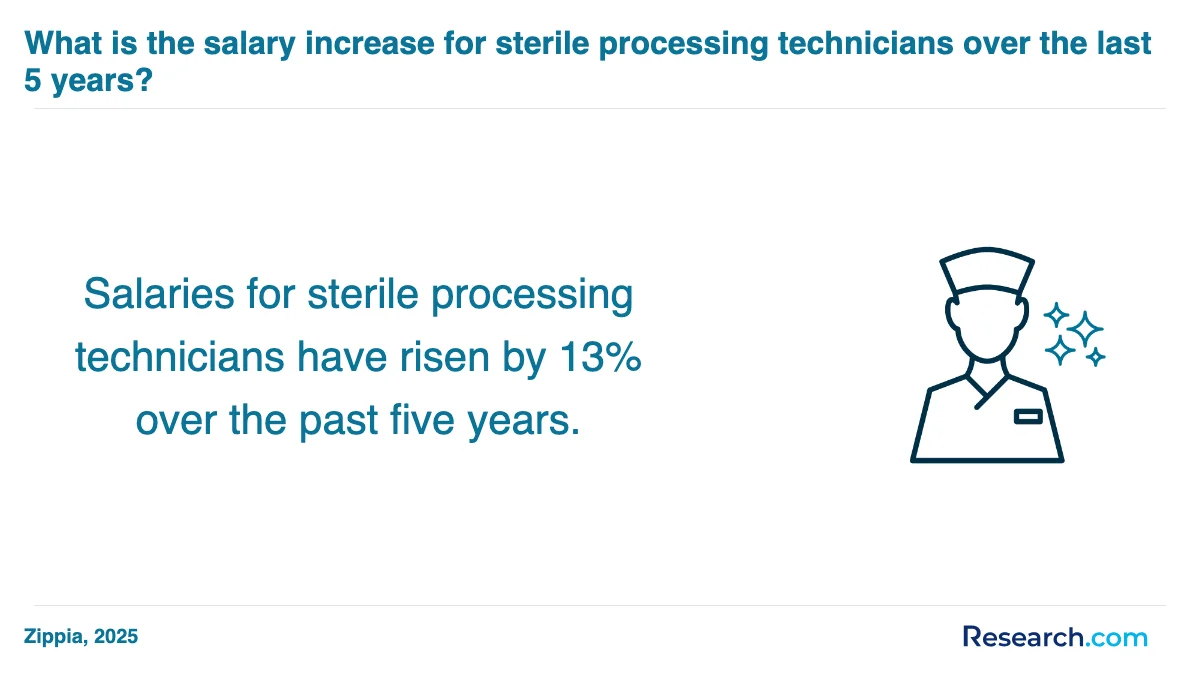
Students pursuing sterile processing technician programs in the South often find federal financial aid to be a crucial resource. Graduates from Texas trade schools like Fortis Institute in North Houston recall completing the FAFSA to access Pell Grants and Federal Direct Loans, which helped cover tuition and fees. These options bring a sense of relief and hope for many, making education more attainable.
State-specific grants also play a significant role. For example, Houston Community College's Coleman College received a generous Texas Reskilling and Upskilling Through Education Grant, fully covering costs for some local students. Graduates often share how this support eliminated financial stress, allowing them to focus on mastering their skills.
In some cases, programs like the Sterile Processing Occupational Skill Award at HCC Coleman don't accept federal aid, but students find encouragement through scholarships and installment plans. These alternatives offer flexibility, enabling students to pursue their goals without overwhelming debt.
Online learners appreciate included certification exam vouchers, which ease the path to becoming a Certified Registered Central Service Technician, a vital credential for employment.
Enrolling in a sterile processing technician trade school program in the South typically requires a few key prerequisites that set students up for success. Graduates from well-known Southern trade schools often reflect on how meeting these requirements made their training smoother and more rewarding.
Most programs expect applicants to have:
- A high school diploma or GED, ensuring a foundational level of education.
- Basic proficiency in English, crucial for understanding safety protocols and medical terminology.
- Passing a background check, as sterile processing involves working in sensitive healthcare environments.
- Sometimes, proof of immunizations or health screenings to protect both themselves and patients.
For example, students from trade schools in states like Texas or Georgia recall feeling confident starting their hands-on training because they had already met these clear prerequisites. One graduate shared how fulfilling these requirements ahead of time allowed them to focus fully on mastering sterilization techniques rather than administrative hurdles.
These entry standards, while straightforward, create a supportive learning environment where students can thrive and feel prepared for the critical role they will play in patient safety.
Students in sterile processing technician trade school programs in the South engage deeply with courses that build both practical skills and essential knowledge. Graduates often reflect on how courses like Introduction to Sterile Processing brought clarity to the complex steps of cleaning, decontamination, and sterilization. They remember learning to operate various sterilization equipment and understanding the flow of a hospital's central service department, which made their future roles feel tangible and manageable.
Other key courses include:
- Microbiology and Infection Control, teaching students about infection prevention and the critical use of personal protective equipment.
- Medical Terminology and Anatomy and Physiology, which help students communicate clearly and understand the human body's systems.
- Regulatory Standards and Compliance, covering OSHA, CDC, FDA, and ANSI guidelines to ensure ethical and legal patient safety practices.
Many Southern trade schools-like those with flexible online options-also require a clinical practicum or externship with 400+ hours in real hospital settings. Graduates often describe this hands-on experience as the moment their classroom knowledge truly came alive, boosting their confidence to succeed as Certified Registered Central Service Technicians.
Many sterile processing technician trade school programs in the South include diverse options tailored to student interests and career goals. Graduates often reflect on how specializing helped them feel confident stepping into their roles immediately upon graduation. Popular sterile processing technician specializations in the South include:
- Central sterile supply management, focusing on inventory control and equipment tracking within hospital central service departments.
- Surgical instrumentation and device reprocessing, which involves handling complex surgical tools and adhering to strict regulatory standards.
- Infection control and quality assurance, where students learn protocols to prevent healthcare-associated infections and maintain compliance with health regulations.
- Hybrid clinical placements offering hands-on experience in varied settings, from outpatient centers to large hospital networks.
These specialization tracks reflect critical roles seen daily in Southern healthcare facilities, helping students bridge classroom lessons with the realities of sterile processing technicians' responsibilities.
Those considering these programs often find that choosing focused study not only sharpens their skills but also improves job prospects. For example, a graduate from a well-known Southern trade school shares how their emphasis on central sterile processing program options in Southern trade schools gave them a competitive edge when interviewing. To explore affordability and flexible learning, prospective students might consider looking into the cheapest associate's degree in surgical tech online, for a well-rounded pathway into the field.
Choosing among affordable sterile processing technician programs in Southern United States requires attention to accreditation and hands-on training. Graduates often share how programs like those at Southern University at Shreveport provide not just classroom knowledge but real hospital experience, creating confidence when entering the workforce. This practical approach makes all the difference in preparing for certification exams, a vital step to stand out in the field.
Flexibility also matters to many who juggle work and studies. Schools such as Southern Adventist University, with their entirely online sterile processing technician programs, offer remote mentorship that makes learning manageable and motivating. Such options allow students to keep moving forward while balancing life's demands.
When seeking the best sterile processing technician schools in Southern states, consider costs but weigh them against financial aid and the potential for job placement. Hearing how graduates found rewarding careers helps make the choice clearer and more inspiring. Exploring the list of medical professions further clarifies career possibilities beyond training.
Graduates of sterile processing technician trade schools in the South embark on rewarding sterile processing technician jobs in the South, often starting in hospital central sterile departments where they clean, sterilize, and prepare surgical instruments. Many find early roles as Sterile Processing Assistants, helping with logistics and supply management, which sharpens organizational skills vital in busy operating rooms. These positions give them a real feel for healthcare's fast-paced environment, making their training from popular trade schools feel immediately relevant.
As they gain experience, career advancement for sterile processing graduates in Southern states becomes tangible. Certified technicians, whether through CBSPD or IAHCSMM, often move into leadership roles like Lead Technician or Supervisor, managing teams and ensuring compliance with safety standards. Some graduates even take travel positions, earning up to $1,691 weekly in South Carolina, enjoying both financial rewards and diverse clinical experiences that enrich their skills.
Many also explore related paths such as surgical technology or equipment management, reflecting a flexible career journey. For those still exploring options, a cheap sterile processing technician online course offers a practical way to gain certification and open doors to these varied roles.
The job market for sterile processing technician trade school graduates in South is notably strong, driven by the region's expanding healthcare infrastructure and higher demand for well-trained professionals. Many graduates from popular trade schools in South find themselves quickly employed, benefiting from a competitive environment where sterile processing technician jobs in the South outpace national averages. Graduates often share experiences of stepping into roles in busy urban hospitals or surgical centers where their expertise directly supports patient safety.
Demand for sterile processing technicians in Southern states continues to grow due to factors like:
- An aging population increasing healthcare needs
- Growth in healthcare facilities and surgical centers
- High turnover creating consistent openings
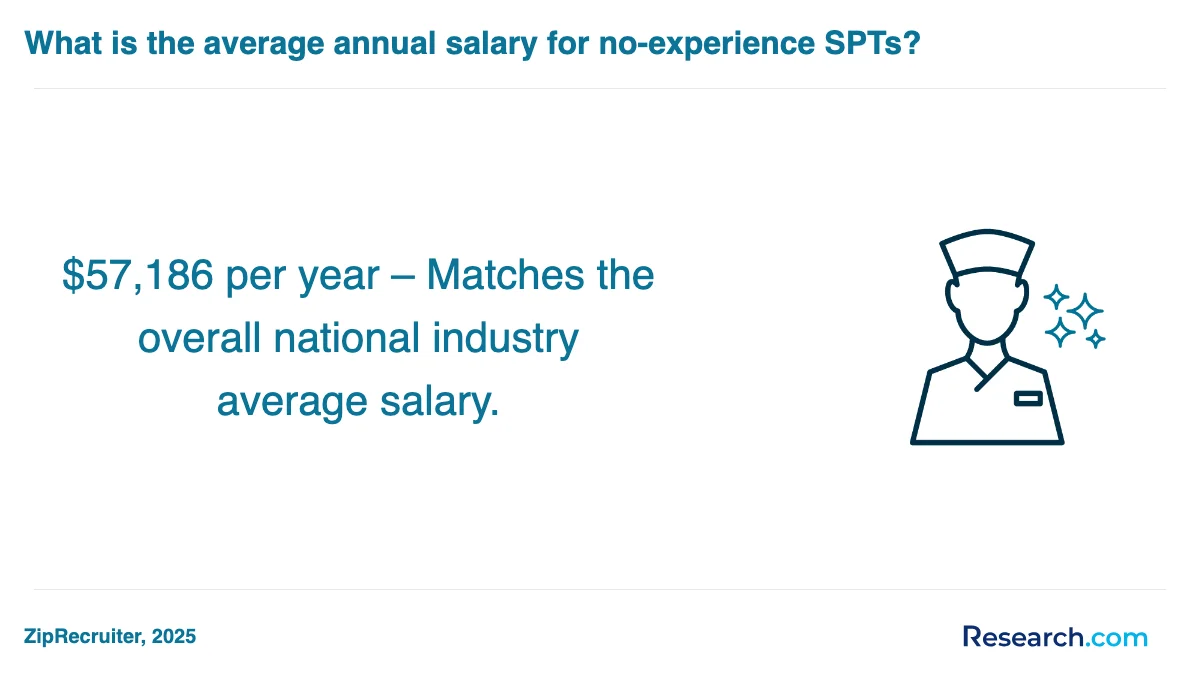
Entry-level salaries around $47,000 combined with clear advancement paths through certification and experience make this career attractive. Many find certification programs-such as those recommended by trade schools-crucial for success. Those interested in accelerating their medical career might explore 2 year medical field programs that complement sterile processing training, enhancing job prospects in high-demand markets.
Most Affordable Sterile Processing Technician Schools & Training - Budget-Friendly Sterile Processing Tech Trade Programs in South for 2026
# 1 position
Miami Dade College - Sterile Processing Technology/Technician.
certificate or diplomaMiami Dade College offers a Sterile Processing Technology/Technician program with a hybrid format, including some distance education options. The program trains students to clean, sterilize, and assemble surgical instruments and equipment for medical facilities. Instruction covers sterilization, infection control, decontamination, and surgical instrumentation processing. In-state tuition is $2,838 annually. Graduates have median earnings of $25,923 one year after completion. The program is accredited by the Southern Association of Colleges and Schools Commission on Colleges.
# 2 position
Southern University at Shreveport - Sterile Processing Technology/Technician.
certificate or diplomaSouthern University at Shreveport offers a Sterile Processing Technology/Technician program with a hybrid format, including some distance education. The program trains students to clean, sterilize, and assemble surgical instruments and supplies for operating rooms and medical facilities. Instruction covers sterilization, infection control, decontamination, and surgical instrumentation processing. Annual in-state tuition is $4,958. The program is accredited by the Southern Association of Colleges and Schools Commission on Colleges. Median earnings one year after completion are $17,439.
# 3 position
Nashville State Community College - Sterile Processing Technology/Technician.
certificate or diplomaNashville State Community College offers a Hybrid Sterile Processing Technology/Technician program that prepares students to clean, sterilize, and assemble surgical instruments and supplies for medical facilities. The curriculum covers sterilization, infection control, decontamination, surgical instrumentation processing, distribution, and record-keeping. The program's annual in-state tuition is $4,498. Graduates have median earnings of $37,468 one year after completion. The program is accredited by the Southern Association of Colleges and Schools Commission on Colleges.
# 4 position
Indian River State College - Sterile Processing Technology/Technician.
certificate or diplomaIndian River State College offers a Hybrid Sterile Processing Technology/Technician program that prepares students to clean, sterilize, and assemble surgical instruments and supplies for use in medical facilities. The curriculum includes sterilization, infection control, decontamination, and surgical instrumentation processing, distribution, and record-keeping. The program’s annual in-state tuition is $2,764. It is accredited by the Southern Association of Colleges and Schools Commission on Colleges.
# 5 position
Tarrant County College District - Sterile Processing Technology/Technician.
certificate or diplomaThe Sterile Processing Technology/Technician program at Tarrant County College District offers a hybrid format with some distance education options. It prepares students to clean, sterilize, and assemble surgical instruments and supplies for use in medical and surgical settings. Instruction includes sterilization, infection control, decontamination, surgical instrumentation processing, distribution, and record-keeping. Annual in-state tuition is $1,728. The program is accredited by the Southern Association of Colleges and Schools Commission on Colleges.
# 6 position
SOWELA Technical Community College - Sterile Processing Technology/Technician.
certificate or diplomaSOWELA Technical Community College offers a Sterile Processing Technology/Technician program in a hybrid format, combining in-person and distance education. The program trains students to sterilize and assemble surgical instruments and supplies for medical facilities, covering sterilization, infection control, decontamination, and surgical instrumentation processing. The annual in-state tuition is $4,265. The program is accredited by the Southern Association of Colleges and Schools Commission on Colleges.
# 7 position
Pima Medical Institute-Phoenix - Sterile Processing Technology/Technician.
certificate or diplomaThe Sterile Processing Technology/Technician program at Pima Medical Institute-Phoenix offers hybrid learning with some distance-education options. It trains students to clean, sterilize, and assemble surgical instruments and supplies for medical facilities. Instruction covers sterilization, infection control, decontamination, surgical instrumentation processing, distribution, and record-keeping. Graduates have median earnings of $33,825 one year after completion. The program is accredited by the Accrediting Bureau of Health Education Schools.
# 8 position
Williams Technical College - Sterile Processing Technology/Technician.
certificate or diplomaWilliams Technical College offers an on-campus Sterile Processing Technology/Technician program. The curriculum trains students to clean, sterilize, and assemble surgical instruments and supplies for medical facilities. Instruction covers sterilization, infection control, decontamination, surgical instrumentation processing, distribution, and record-keeping. The program is accredited by the Council on Occupational Education.
# 9 position
Santa Fe College - Sterile Processing Technology/Technician.
certificate or diplomaSanta Fe College offers a fully online Sterile Processing Technology/Technician program that trains students to clean, sterilize, and assemble surgical instruments and equipment for medical facilities. The program covers sterilization, infection control, decontamination, surgical instrumentation processing, distribution, and record-keeping. Annual in-state tuition is $2,563. This program is accredited by the Southern Association of Colleges and Schools Commission on Colleges.
# 10 position
Eastern Florida State College - Sterile Processing Technology/Technician.
certificate or diplomaEastern Florida State College offers a Hybrid Sterile Processing Technology/Technician program that prepares students to clean, sterilize, and assemble surgical instruments and supplies for medical facilities. The curriculum covers sterilization, infection control, decontamination, surgical instrumentation processing, distribution, and record-keeping. The annual in-state tuition is $2,496. The program is accredited by the Southern Association of Colleges and Schools Commission on Colleges.
Frequently Asked Questions about sterile processing technician
After completing a sterile processing technician trade school in South, it is important to focus on certification and gaining practical experience. The Certified Registered Central Service Technician (CRCST) credential, offered by the International Association of Healthcare Central Service Materiel Management (IAHCSMM), is widely recognized and can improve job prospects. According to the Bureau of Labor Statistics, demand for sterile processing technicians in the South is expected to grow by about 12% through 2031, which is faster than the national average.
Networking with local healthcare facilities and participating in internships or externships during training can provide valuable hands-on experience. Additionally, maintaining up-to-date knowledge of infection control standards and new sterilization technologies is crucial for success in this field.
Employers in the South prioritize several key skills when hiring sterile processing technician trade school graduates. Attention to detail is critical, as technicians must ensure surgical instruments are thoroughly cleaned and sterilized to prevent infections. Knowledge of infection control standards, such as those set by the Association for the Advancement of Medical Instrumentation (AAMI), is highly valued.
Technical proficiency with sterilization equipment, including autoclaves and ultrasonic cleaners, is essential. Strong organizational skills help manage instrument inventory and maintain accurate records. Communication skills are also important for coordinating with healthcare teams.
According to the U.S. Bureau of Labor Statistics, the demand for sterile processing technicians in Southern states is growing at about 7% annually, highlighting the value of these competencies in the region.
Finding internships in South for sterile processing technician trade school students involves targeting healthcare facilities that offer hands-on experience. Start by contacting local hospitals, surgical centers, and clinics, as many partner with trade schools to provide clinical internships.
The South has a growing healthcare sector, with states like Texas and Florida reporting over 15% growth in healthcare support occupations through 2028, according to the U.S. Bureau of Labor Statistics. This growth increases opportunities for sterile processing internships.
Trade schools often have career services departments that assist students in securing internships. Networking with instructors and alumni can also provide leads on available positions.
Additionally, organizations like the International Association of Healthcare Central Service Materiel Management (IAHCSMM) offer resources and lists of accredited programs and clinical sites in the region.
Obtaining a sterile processing technician diploma from a trade school in South significantly improves career mobility and advancement opportunities. According to the U.S. Bureau of Labor Statistics, sterile processing technicians in the region can expect a faster job placement rate compared to those without formal training. Trade schools provide hands-on experience with sterilization technology and infection control standards, skills highly valued in hospitals and outpatient care centers.
Graduates often meet certification eligibility requirements, such as the Certified Registered Central Service Technician (CRCST) exam, which employers in South increasingly prefer. This certification can lead to higher salaries and supervisory roles. Data from South's Department of Labor highlights that credentialed technicians earn up to 15% more annually than uncertified peers.
Additionally, trade school diplomas facilitate transitions into related healthcare fields, enhancing long-term career growth. The structured curriculum also helps students build professional networks through clinical placements, which many cite as key to advancing within South's healthcare industry.
Students enrolled in sterile processing technician trade schools in South can benefit from part-time jobs within healthcare settings. Positions such as hospital sterilization aides or medical supply assistants provide hands-on experience with instrument cleaning and inventory management. These roles align closely with sterile processing tasks, reinforcing classroom learning.
According to the Bureau of Labor Statistics, healthcare support roles in South are projected to grow by 12% from 2022 to 2032, indicating steady job availability. Working part-time in hospital central sterile departments or outpatient surgical centers can also help students build professional networks and improve technical skills.
Additionally, some employers offer flexible shifts suitable for students balancing education and work. This practical experience supports certification preparation and enhances future employment prospects in the field.
To choose the most affordable Sterile Processing Technician degree program near me, you should first compare tuition costs and financial aid options of programs offered by local community colleges and technical schools. Consider researching institutions near South that provide accredited programs because these programs often have certification pass rates and local employment statistics available for review. Research.com can be a helpful resource to compare program specifics, such as curriculum design and hands-on training opportunities, ensuring they align with both your budget and career goals.
- Tips for Gaining an Internship in Sterile Processing | Journal https://vocal.media/journal/tips-for-gaining-an-internship-in-sterile-processing
- How To Become a Sterile Processing Technician | Concorde Career Colleges https://www.concorde.edu/blog/how-become-sterile-processing-technician
- Introducing the Sterile Processing Department Internship Program | Lehigh Valley Health Network https://www.lvhn.org/news/introducing-sterile-processing-department-internship-program
- Sterile Processing Technician Certification Trade School https://centralsterilizationschool.com/
- Sterile Processing Technician Training | AIMS Education https://aimseducation.edu/sterile-processing-technician
- Sterile Processing Professionals | What route did you take as far as starting in sterile processing | Facebook https://www.facebook.com/groups/540936709274849/posts/23995482050060318/
- Online Sterile Processing Technician (Voucher Included) from South Plains College https://careertraining.southplainscollege.edu/training-programs/sterile-processing-technician-voucher-included/
- How Long Is Sterile Processing Technician School in Houston? | Fortis https://www.fortis.edu/blog/healthcare/how-long-is-sterile-processing-technician-school-in-houston-.html
- Sterile Processing Technician - Training Certificate | Midlands Technical College https://www.midlandstech.edu/sterile-processing-technician
- Central Sterile Processing Technician - Career Technical and Degree | Miami Dade College https://www.mdc.edu/steriletech/