Best Sterile Processing Technician Training Programs & Trade Schools - Top Sterile Processing Tech Schools in Arizona for 2026

Co-Founder and Chief Data Scientist
If you’re considering a career in healthcare, becoming a sterile processing technician is a smart choice with growing opportunities in Arizona. This article introduces the best sterile processing technician trade schools in Arizona for 2026, helping you find the right program to start your journey.
The ranking featured here was developed by the Research.com team of data scientists to guide you toward quality programs worth your time and investment.
Reading this will empower you to make confident decisions about your education and future. A diploma or certification in this field opens doors to rewarding, stable jobs where you make a real difference.
Key benefits of finishing sterile processing technician trade school in Arizona
- Graduates of sterile processing technician trade schools in Arizona can expect an average hourly wage around $19 to $25, with annual salaries often ranging from $35,000 to $44,000 in Phoenix, offering a strong start in a stable healthcare career.
- Career paths include working in hospitals, specialty centers, or advancing to supervisory roles, as shown by successful graduates from popular Arizona trade schools who quickly find rewarding jobs in diverse healthcare settings.
- Completing the program online offers flexibility and convenience, allowing graduates to balance study with personal commitments, as experienced by online students from well-known Arizona schools who appreciate finishing faster without sacrificing quality.
- Best Sterile Processing Technician Training Programs & Trade Schools - Top Sterile Processing Tech Schools in Arizona for 2026
- What can I expect from sterile processing technician trade schools in Arizona?
- Where can I work after finishing sterile processing technician trade schools in Arizona?
What can I expect from sterile processing technician trade schools in Arizona?
Students enrolling in sterile processing technician trade school programs in Arizona can expect a structured curriculum lasting from 6 months to 42 weeks, with both full-time and hybrid formats available. Graduates from popular Arizona trade schools often describe a balance of classroom learning and hands-on lab work, where they gain direct experience with surgical instrument identification, sterilization methods, and medical equipment handling.
Programs emphasize real-world skills such as proper packaging, cleaning, and safe storage of surgical tools, often simulating fast-paced hospital environments. Many students recall the rewarding challenge of mastering surgical terminology and microbiology, which boosts their confidence to work alongside operating room teams.
Admission typically requires a high school diploma or equivalent, and tuition ranges from $14,911 to $16,959, covering textbooks, uniforms, and certification exam fees. Graduates highlight the value of small class sizes that foster personalized instruction and support. After completing up to 400 hours of hands-on training, students become eligible for national certification exams highly regarded by employers across Arizona's healthcare facilities.
Where can I work after finishing sterile processing technician trade schools in Arizona?
Graduates of sterile processing technician trade schools in Arizona find numerous employment opportunities across healthcare settings. Many secure positions in hospitals, such as USPI Arizona Specialty Hospital and Phoenix Children's Hospital, working in Central Sterile Services Departments where they handle cleaning and sterilizing surgical instruments critical for operating rooms and emergency care.
Others pursue roles in surgical centers, including orthopedic and outpatient clinics, where they manage surgical supplies and collaborate closely with surgical teams. Specialty clinics-like dental and pediatric centers-also hire these technicians to maintain sterile environments for minor procedures, offering varied experiences that graduates from Arizona trade schools report as rewarding and engaging.
Wages start between $18 and $50 per hour, reflecting experience and certification, with some hospitals offering sign-on bonuses up to $10,000. Graduates often highlight the satisfaction of immediate employment and steady demand statewide, with over 300 job listings at any given time. Trade school alumni appreciate how their hands-on training in Arizona sets them up for success in these vital healthcare roles.
Graduates of sterile processing technician trade schools in Arizona often start with hourly wages ranging from $19 to $27 in busy healthcare hubs like Phoenix. For example, many recent graduates from well-known Arizona trade schools have reported securing positions in major medical centers, earning around $20 per hour initially. This translates into an annual salary of about $39,000 to $44,000 when working full time.
Statewide averages show an hourly wage near $25.62, with entry-level pay closer to $18.61 and more experienced technicians reaching upwards of $30.91. These figures reflect real-life experiences of graduates who, after completing their training, found competitive pay that grows with certifications such as CBSPD or CRCST and night shift differentials.
In urban areas like Phoenix and Tucson, graduates often feel encouraged by the higher wages and opportunities for career advancement. Many share that the investment in their trade school education quickly pays off as they gain hands-on skills and become valued members of healthcare teams.
- Admission requires adults typically 18 or older with a high school diploma or GED.
- Programs usually last about 6 months and include classroom and hands-on training.
- Tuition and fees range from $15,000 to $17,000, often covering textbooks, uniforms, and certification exams.
- Graduates must complete around 400 clinical hours to qualify for national certification exams like the CRCST.
- Starting salaries in Arizona range from $38,000 to $46,000, with experienced technicians earning $50,000 or more.
Completing a sterile processing technician trade school program in Arizona typically takes between 12 to 16 weeks. This timeframe is standard at many well-known Arizona trade schools, allowing students to quickly enter the workforce while gaining essential hands-on experience. Graduates often share that this concentrated period feels intense but highly rewarding, especially as they progress through practical labs that simulate real hospital environments.
For example, students attending popular Arizona programs describe the accelerated nature of their training as motivating-knowing that in just a few months, they will be skilled enough to handle critical sterilization tasks that directly impact patient safety. Many express pride in mastering the use of sterilization equipment and infection control protocols within this short window.
Trade schools in Arizona emphasize flexible scheduling options, such as evening or weekend classes, which accommodate working students. This adaptability helps students maintain a positive balance between their education and personal lives, enhancing their overall experience during the 3-4 month program duration.
The key difference between online and on-campus sterile processing technician programs in Arizona centers on hands-on training and structure. On-campus programs at schools like EVIT and Pima Medical Institute combine classroom learning with extensive lab practice, where graduates recall the confidence built from directly handling surgical instruments and mastering sterilization techniques under expert supervision. These programs offer scheduled classes that foster a disciplined learning environment and real-time interaction with instructors and peers.
By contrast, online programs deliver theoretical content-such as microbiology and surgical terminology-through flexible, self-paced digital platforms. However, graduates emphasize that fully online study in Arizona cannot replace essential in-person clinical training. State and industry standards require hands-on experience at approved sites, so even online learners must attend labs or clinical rotations locally to qualify for certification.
Hybrid programs blend these approaches, providing convenience while ensuring students engage in necessary practical work. Many students appreciate this balance, finding it adaptable yet comprehensive for their career goals in sterile processing.
The average tuition for sterile processing programs in Arizona varies widely depending on the institution and program format. For example, graduates from Brookline College in Tempe report investing around $14,911.04 for their 42-week program, which includes tuition, scrubs, and initial certification testing. Many found the investment worthwhile due to the comprehensive hands-on experience provided. Meanwhile, students from the East Valley Institute of Technology (EVIT) in Mesa incur approximately $6,900 for tuition plus an additional $900 for supplies, completing a 600-hour course in just four months, which appeals to those eager to enter the workforce quickly.
Online options like Coconino Community College offer a more flexible, self-paced 190-hour program priced at $3,290, favored by graduates balancing other responsibilities. Alternatively, Central Arizona College's online course, costing $2,995 and including a certification exam voucher, is often praised for its affordability and direct exam preparation. These variations illustrate how the cost of sterile processing technician trade school programs in Arizona is adaptable to different financial and scheduling needs.
When considering the overall cost of sterile processing technician certification in Arizona, it's important to factor in exam fees, which typically range from $125 to $300. Many graduates emphasize how securing national certification positively impacted their job prospects and satisfaction in the field, as employers prioritize certified technicians.
Students evaluating their career direction may also explore the salary of surgical technician roles to better understand potential return on investment from these programs.
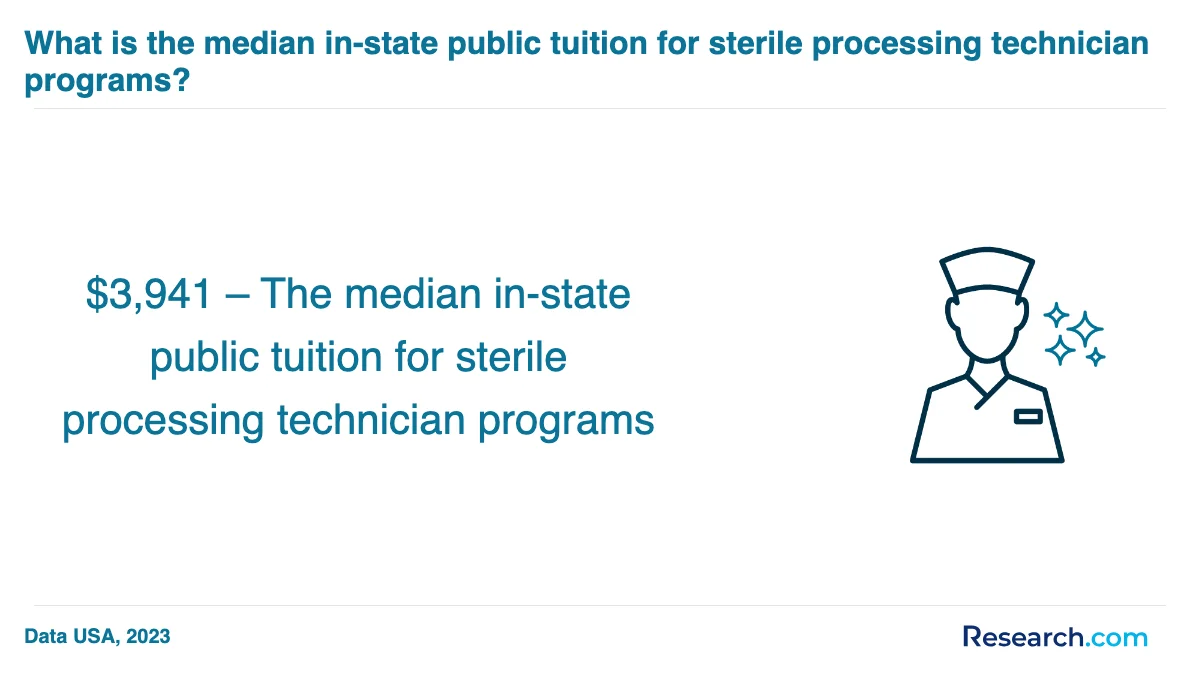
Students enrolled in sterile processing technician programs in Arizona, including those at popular trade schools in Tempe and Tucson, commonly access federal financial aid to manage tuition costs. Many graduates recall how the Pell Grant, with awards up to $7,395 for the 2025-2026 academic year, significantly eased their financial burden, allowing them to focus on hands-on training without overwhelming debt.
Additional aid options include the Federal Supplemental Educational Opportunity Grant (FSEOG), which helps students with exceptional financial need, though funds are limited and require prompt application. Graduates often highlight federal student loans-both subsidized and unsubsidized Stafford loans-as vital resources; subsidized loans reduce stress by pausing interest accumulation during active enrollment.
Some students benefit from Federal Work-Study programs that provide part-time jobs integrated with their education. Arizona's participation in the Workforce Innovation and Opportunity Act (WIOA) further supports unemployed or underemployed students by funding approved programs. Many students also mention private loans and flexible payment plans offered by schools, which help bridge gaps when other aid is insufficient. Completing the FAFSA early is widely recognized as key to maximizing these opportunities.
To enroll in a sterile processing technician trade school program in Arizona, candidates typically must meet specific prerequisites that ensure readiness for this hands-on healthcare role. Most programs require a high school diploma or GED as a baseline, reflecting the importance of foundational knowledge in science and math.
Applicants often need to demonstrate basic computer skills, as tracking instruments and maintaining records are key parts of the job. Some schools might request proof of immunizations or a recent physical exam, emphasizing safety and health compliance in sterile environments.
Graduates from popular Arizona trade schools recall that meeting these prerequisites helped them feel confident starting their training. For example, one graduate mentioned how having prior experience or coursework in biology made understanding sterilization processes easier and less intimidating.
- High school diploma or GED required
- Basic computer literacy necessary
- Proof of immunizations or health clearance may be requested
- Some programs prefer prior healthcare experience but do not require it
These prerequisites are designed to prepare students for the technical and safety demands of sterile processing, enabling them to succeed in fast-paced clinical settings common in Arizona hospitals and clinics.
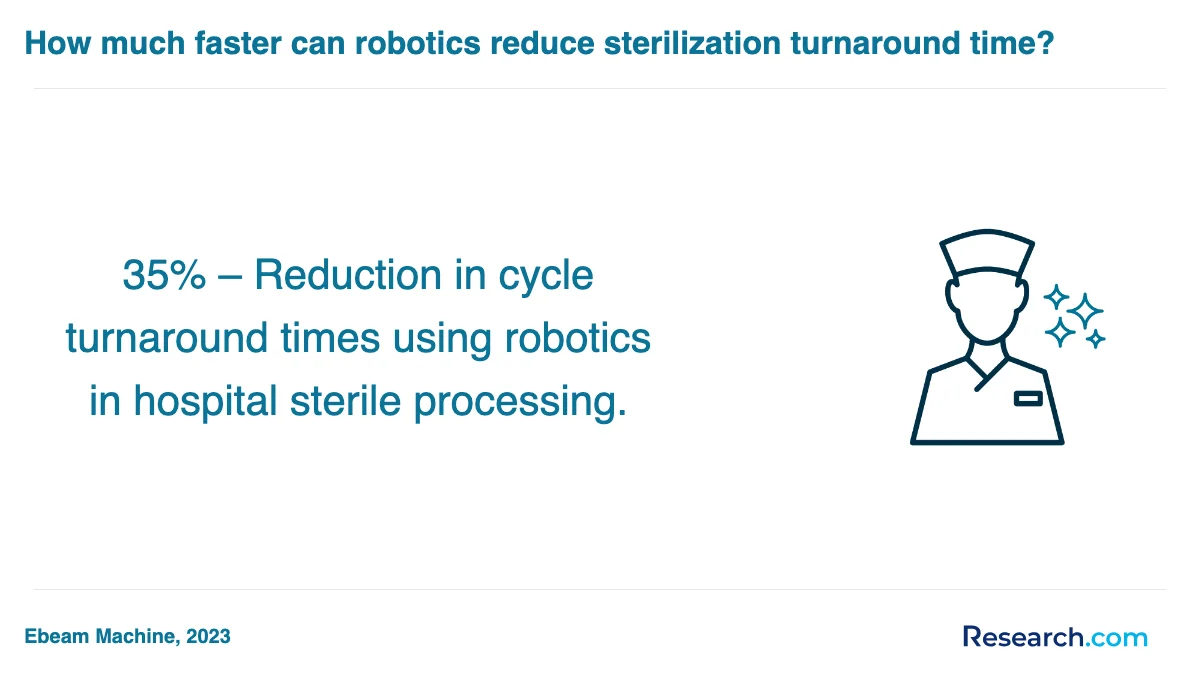
Typical courses in sterile processing technician trade school programs in Arizona focus on practical skills and essential knowledge needed for healthcare settings. Graduates from popular Arizona trade schools often highlight how courses on identifying and assembling surgical instruments prepared them for fast-paced operating rooms, where organizing trays accurately is critical.
Core coursework generally includes:
- Medical terminology and surgical procedures to ensure clear communication with surgical teams.
- Microbiology and infection control lessons that teach how to prevent contamination and maintain sterile environments.
- Sterilization methods, including hands-on training with steam and chemical sterilizers.
- Decontamination and cleaning procedures for safe instrument handling.
- Inventory management and supply distribution to keep surgical areas well-stocked and efficient.
- Training in folding and distributing sterile linens, a surprisingly crucial detail in patient care areas.
Many students appreciate the clinical experience component, where supervised internships in real healthcare facilities allow them to apply classroom knowledge confidently. Graduates often describe this hands-on phase as invaluable, boosting their readiness for certification exams and entry-level roles in Arizona's hospitals and outpatient centers.
Sterile processing technician trade school programs in Arizona offer a variety of specializations that reflect the diverse demands of healthcare environments. Programs at institutions like EVIT emphasize surgical instrument assembly, tray preparation, and linen distribution, equipping graduates with hands-on skills essential for surgical support roles beyond basic sterilization. These specializations enable students to confidently manage the intricate logistics of operating rooms and sterile supply departments.
Additional concentrations common in Arizona programs include medical terminology, equipment packaging techniques, and sterile storage management. Graduates from Pima Medical Institute and Central Arizona College often highlight their preparation for the Certified Registered Central Service Technician (CRCST) exam, a specialization that enhances opportunities by deepening knowledge in infection control, inventory management, and regulatory compliance.
Many students appreciate hybrid or online options that support specializations in remote inventory management or traveling sterile processing, aligning with flexible career paths in mobile clinics or traveling technician roles. Those pursuing these Arizona sterile processing technician program concentrations benefit from tuition ranges around $15,762 to $16,959, making the investment strategic for career growth.
By focusing on these targeted specializations, students build practical expertise validated by real-world scenarios, tying classroom learning to actual sterile processing demands. Exploring the top paying trades that are easy to learn highlights sterile processing as a promising pathway with specialized skills in high demand.
To choose the best sterile processing technician programs in Arizona, start by verifying accreditation from recognized bodies such as ABHES or COE. Graduates from Brookline College in Tempe often share how accreditation gave them confidence in their training's quality and improved their job prospects. Program length and structure matter; for instance, East Valley Institute of Technology's 600-hour curriculum with evening classes blends theory and hands-on clinical rotations, ideal for working adults. Cost is another crucial factor-Brookline College's tuition around $14,500 includes certification testing, but additional fees like textbooks should be anticipated. Many students recommend exploring financial aid options to ease expenses. Students also highlight the value of programs that prepare them for certification exams like the CRCST, which although not mandatory in Arizona, significantly enhances employability. Checking a school's employment network is essential-Pima Medical Institute's strong healthcare connections have helped graduates secure rewarding positions. For deeper insight into the difference between a trade school program and a vocational program, consult specialized resources.
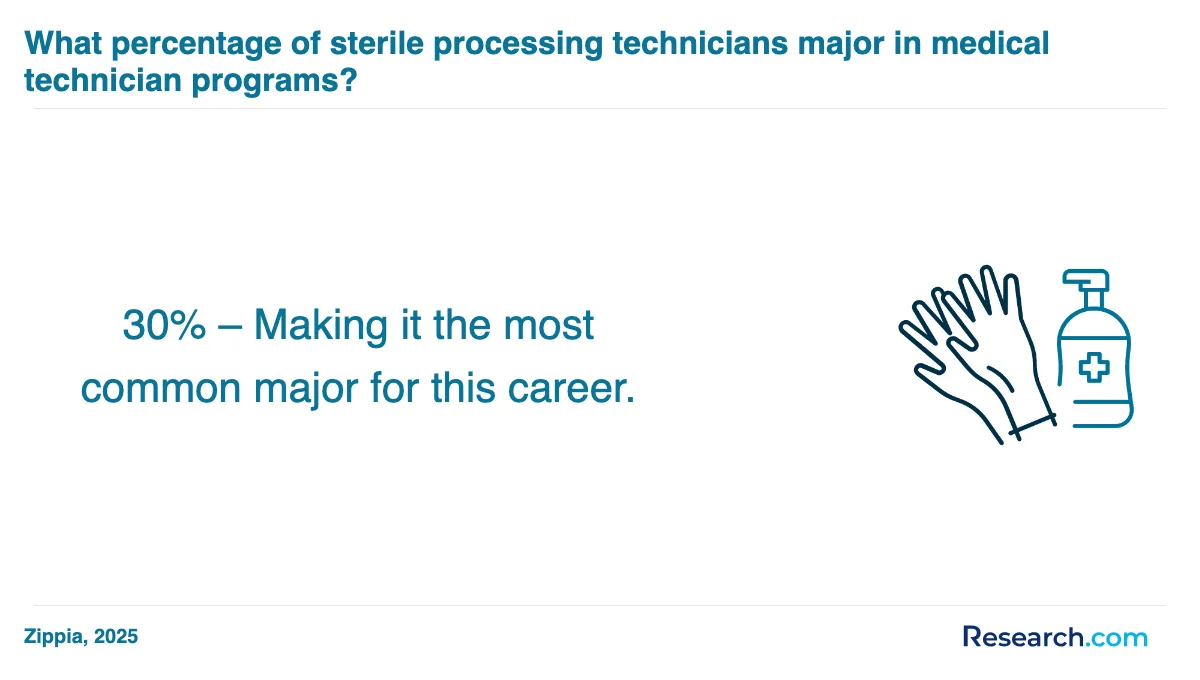
Graduates of sterile processing technician trade school programs in Arizona access diverse career paths within healthcare facilities statewide. The primary role as a Sterile Processing Technician involves sterilizing and handling surgical instruments in hospitals and clinics, ensuring infection control and smooth operating room workflows. Many graduates from popular Arizona trade schools describe satisfaction in contributing to patient safety behind the scenes.
Career progression is common, with opportunities like Sterile Processing Technician II or III roles emerging after gaining 10 months to years of experience. These advanced technician positions often include supervisory duties or specialized operating room support. Graduates pursuing career growth appreciate the defined ladders available at major Arizona health systems, reflecting strong local demand.
Other viable paths include becoming Central Sterile Techs or Medical Supply Technicians, managing sterilization processes across multiple departments. Many graduates find these roles rewarding due to possibilities of sign-on bonuses and diverse responsibilities in intensive care or emergency units.
Additionally, experienced technicians can move into supervisory or training roles focusing on infection control and staff education. Those interested in broader healthcare roles might explore cheap online certificate programs for surgical tech to enhance their skill set and job flexibility.
Below are common attributes from sterile processing technician career paths in Arizona:
- Direct technician roles requiring certification and hands-on skills
- Advanced positions with leadership and specialized duties
- Transferable roles in medical supply and sterilization management
- Supervisory and training opportunities with experience
The sterile processing technician job outlook Arizona shows a steady demand primarily concentrated in urban centers such as Phoenix and Tucson. Graduates from popular trade schools in Arizona often find opportunities in hospitals, surgical centers, and medical facilities that value hands-on training and certification. Many graduates report a "very active" job market in Phoenix, with employers frequently seeking well-prepared technicians.
Regarding sterile processing technician salary Arizona, Phoenix offers an average hourly wage of about $19.20, slightly above the state average of $18.57. Annual salaries range from $35,022 to $44,144, reflecting that experience and additional certifications can significantly affect earnings. Graduates emphasize how certifications and practical skills gained at trade schools help them negotiate better compensation.
For those exploring education options, combining training with certifications can improve job prospects and salaries. Many graduates attest that completing 2 year medical degrees that pay well programs offered by Arizona schools build confidence and competence valued by employers.
- Urban centers offer the most opportunities and higher starting wages
- Experience and certifications are key to maximizing earning potential
- Hands-on training from trade schools enhances employability and career growth
Best Sterile Processing Technician Training Programs & Trade Schools - Top Sterile Processing Tech Schools in Arizona for 2026
# 1 position
Pima Medical Institute-Phoenix - Sterile Processing Technology/Technician.
certificate or diplomaThe Sterile Processing Technology/Technician program at Pima Medical Institute-Phoenix offers hybrid learning with some distance-education options. It trains students to clean, sterilize, and assemble surgical instruments and supplies for medical facilities. Instruction covers sterilization, infection control, decontamination, surgical instrumentation processing, distribution, and record-keeping. Graduates have median earnings of $33,825 one year after completion. The program is accredited by the Accrediting Bureau of Health Education Schools.
# 2 position
Brookline College-Tempe - Sterile Processing Technology/Technician.
certificate or diplomaBrookline College-Tempe offers a hybrid Sterile Processing Technology/Technician program preparing students to clean, sterilize, and assemble surgical instruments and supplies for medical facilities. The curriculum covers sterilization, infection control, decontamination, surgical instrumentation processing, distribution, and record-keeping. Graduates have a median earning of $25,699 one year after completion. The program is accredited by the Accrediting Bureau of Health Education Schools.
# 3 position
Brookline College-Tucson - Sterile Processing Technology/Technician.
certificate or diplomaThe Sterile Processing Technology/Technician program at Brookline College-Tucson offers a hybrid format with some distance education. It prepares students to clean, sterilize, and assemble surgical instruments and equipment for medical facilities. The curriculum covers sterilization, infection control, decontamination, and surgical instrumentation processing. Graduates have a median earning of $25,699 one year after completion. The program is accredited by the Accrediting Bureau of Health Education Schools.
# 4 position
East Valley Institute of Technology - Sterile Processing Technology/Technician.
certificate or diplomaThe Sterile Processing Technology/Technician program at East Valley Institute of Technology offers a hybrid format with some distance-education options. It prepares students to clean, sterilize, and assemble surgical instruments and supplies for medical and surgical facilities. Instruction covers sterilization, infection control, decontamination, surgical instrumentation processing, distribution, and record-keeping. The program is accredited by the Council on Occupational Education.
Frequently Asked Questions about sterile processing technician
After completing a sterile processing technician trade school in Arizona, preparing for the job market involves several important steps. First, obtaining certification such as the Certified Registered Central Service Technician (CRCST) credential from the Healthcare Sterile Processing Association (HSPA) can significantly improve job prospects. Employers in Arizona often prefer or require certification, reflecting national trends.
Networking is also key. Joining local professional groups or attending healthcare job fairs in cities like Phoenix and Tucson can connect graduates with potential employers. Arizona's healthcare industry is growing, with a projected 9% increase in sterile processing technician jobs by 2030 according to the U.S. Bureau of Labor Statistics.
Additionally, gaining hands-on experience through internships or externships offered by trade schools enhances practical skills and resumes. Finally, tailoring resumes to highlight technical skills and certifications is essential for standing out in Arizona's competitive healthcare job market.
Employers in Arizona seek several key skills when hiring sterile processing technician trade school graduates. Attention to detail is crucial, as technicians must ensure surgical instruments are thoroughly cleaned and sterilized to prevent infections. Knowledge of infection control standards, such as those set by the Association for the Advancement of Medical Instrumentation (AAMI), is highly valued. Technical proficiency with sterilization equipment and instrumentation is essential for efficient workflow.
Communication skills are also important because technicians collaborate with healthcare teams to maintain patient safety. According to the Arizona Department of Economic Security, employers prioritize candidates familiar with proper sterilization protocols and safety regulations, which directly impact hospital accreditation and patient outcomes.
Finding internships in Arizona relevant to sterile processing technician trade school programs involves several key steps. Start by contacting local hospitals and surgical centers, as many offer clinical internships required for certification. Facilities such as Banner Health and HonorHealth often partner with trade schools to provide hands-on experience.
Another resource is the Arizona Healthcare Association, which lists internship opportunities and helps connect students with healthcare employers. Additionally, the Association for the Advancement of Medical Instrumentation (AAMI) provides guidelines and may help identify accredited training sites.
Students should also engage with their trade school's career services, which often have established relationships with local healthcare providers. According to the Bureau of Labor Statistics, internships greatly improve employment prospects in sterile processing careers, making early networking essential.
Obtaining a sterile processing technician diploma from a trade school in Arizona significantly enhances career mobility and advancement opportunities. Graduates gain essential skills in instrument sterilization, infection control, and healthcare safety protocols, aligning with industry standards. According to the Arizona Department of Economic Security, employment for sterile processing technicians is projected to grow by 10% through 2030, reflecting increased demand in hospitals and clinics statewide.
Having a diploma can lead to higher starting wages, with Arizona median salaries for certified technicians around $38,000 annually, compared to uncertified workers earning less. Additionally, many employers prefer or require formal training for promotions into supervisory or management roles. Certification eligibility, often tied to diploma completion, further supports career progression within healthcare facilities.
In Arizona, students enrolled in sterile processing technician trade schools can benefit from part-time jobs related to healthcare support roles. Positions such as medical equipment sterilization aides, hospital supply assistants, or entry-level central processing workers provide practical experience alongside formal education. These roles often involve handling and preparing medical instruments, which complements sterile processing training.
According to the U.S. Bureau of Labor Statistics, Arizona's healthcare sector is growing steadily, with projected employment increases of around 15% for healthcare support occupations through 2031. This growth creates opportunities for part-time work in hospitals and outpatient care centers.
Gaining hands-on experience in these roles can enhance technical skills and improve employability after graduation.
In Arizona, there are several universities and colleges offering Sterile Processing Technician programs, which equip students with essential skills in sterilization, infection control, and healthcare safety. For those searching for programs "near me," it's beneficial to explore local educational institutions or community colleges offering certifications or associate degree options in this field. Consulting resources like Research.com can help identify top-ranked programs specifically designed for students near Arizona seeking a career as a Sterile Processing Technician.
- Best Sterile Processing Technician Training Programs & Trade Schools - Top Sterile Processing Tech Schools in Nevada for 2026
- Best Sterile Processing Technician Training Programs & Trade Schools - Top Sterile Processing Tech Schools in California for 2026
- Best Sterile Processing Technician Training Programs & Trade Schools - Top Sterile Processing Tech Schools in Colorado for 2026
- Best Sterile Processing Technician Training Programs & Trade Schools - Top Sterile Processing Tech Schools in Texas for 2026
- Best Sterile Processing Technician Training Programs & Trade Schools - Top Sterile Processing Tech Schools in Louisiana for 2026
- Best Sterile Processing Technician Training Programs & Trade Schools - Top Sterile Processing Tech Schools in Minnesota for 2026
- Best Sterile Processing Technician Training Programs & Trade Schools - Top Sterile Processing Tech Schools in Wisconsin for 2026
- Best Sterile Processing Technician Training Programs & Trade Schools - Top Sterile Processing Tech Schools in Illinois for 2026
- Best Sterile Processing Technician Training Programs & Trade Schools - Top Sterile Processing Tech Schools in Michigan for 2026
- Best Sterile Processing Technician Training Programs & Trade Schools - Top Sterile Processing Tech Schools in Tennessee for 2026
- Become Certified - Healthcare Sterile Processing Association https://myhspa.org/certification/become-certified/
- Online Sterile Processing Technician Certificate Program | Self-Paced Course https://www.uscareerinstitute.edu/online-sterile-processing-technician-school
- Sterile Processing Technician | Education for professionals at PCC https://www.pcc.edu/professional/health/entry/sterile-processing-technician/
- Sterile Processing Technician Program | Mid-State Technical College https://www.mstc.edu/programs/sterile-processing-technician
- Sterile Processing Technician https://www.columbiabasin.edu/learn/discover-your-path/health-sciences/sterile-processing-technician/index.html
- Sterile Processing Technology | Community College of Denver https://www.ccd.edu/program/sterile-processing-technology
- Online Sterile Processing Technician (Voucher Included) from Center for Workforce & Professional Education at Vermont State University https://careertraining.vermontstate.edu/training-programs/sterile-processing-technician-voucher-included/
- Central Sterile Processing Distribution Technician Program | College of DuPage https://www.cod.edu/academics/programs/central-processing-distribution/
- Sterile Processing – SOWELA Technical Community College https://www.sowela.edu/seedprod/sterile-processing/
- Sterile Processing and Distribution Technician https://www.templecollege.edu/workforce/wce/workforce-training/sterile-processing-technician.html