Best Sterile Processing Technician Training Programs & Trade Schools - Top Sterile Processing Tech Schools in Texas for 2026

Co-Founder and Chief Data Scientist
Choosing the right sterile processing technician trade school in Texas can feel overwhelming, but we’re here to help. This article features a detailed ranking of sterile processing technician trade school programs, created by the Research.com team of data scientists.
Our goal is to guide you toward programs that truly stand out, making it easier to find the best fit for your goals. Earning a diploma or certification in this field opens doors to a rewarding healthcare career with strong job prospects and personal satisfaction.
Read on to discover valuable insights and start your journey with confidence.
Key benefits of finishing sterile processing technician trade school in Texas
- Graduates can expect competitive salaries, with averages around $38,808 to $49,826 annually in Texas, offering a strong return on investment for completing trade school.
- Career paths include roles in hospitals, surgical centers, and specialized clinics, as shown by graduates from popular Texas trade schools who quickly find rewarding jobs in healthcare support.
- Completing the program online offers flexibility and convenience, allowing students to balance work and life while gaining the skills needed to succeed, as experienced by online graduates from leading Texas schools.
- Best Sterile Processing Technician Training Programs & Trade Schools - Top Sterile Processing Tech Schools in Texas for 2026
- What can I expect from sterile processing technician trade schools in Texas?
- Where can I work after finishing sterile processing technician trade schools in Texas?
What can I expect from sterile processing technician trade schools in Texas?
Enrolling in a sterile processing technician trade school program in Texas means diving into a fast-paced, career-focused journey. Graduates from programs like Austin Community College often describe balancing online theory modules with hands-on clinical rotations at local hospitals, where they gain real-world experience sterilizing surgical instruments. Many find the blend of self-paced learning and in-person practice both challenging and rewarding, especially as they master essential skills like infection control and regulatory compliance.
Students typically spend just a few months-sometimes as little as three-immersed in courses covering decontamination, inspection, and packaging of medical equipment. Those attending Texas State University's online certificate program appreciate the flexibility that allows them to study around work or family commitments.
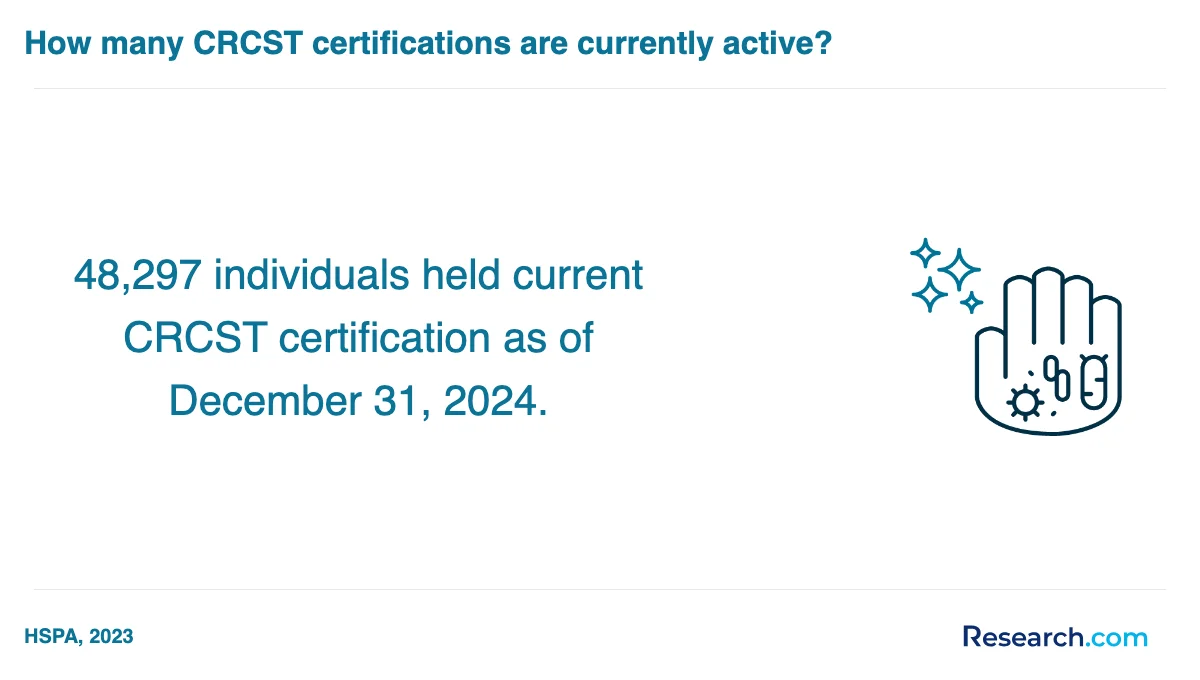
Beyond technical skills, students feel motivated knowing their education prepares them for the Certified Registered Central Service Technician (CRCST) exam, a key credential that opens doors in hospitals and surgical centers across Texas. The sense of accomplishment and readiness to enter a growing healthcare field is a common takeaway from many Texas trade school graduates.
Where can I work after finishing sterile processing technician trade schools in Texas?
After completing a sterile processing technician trade school program in Texas, graduates find themselves well-positioned for diverse employment opportunities across the state. Many start in busy hospitals or surgical centers, such as those operated by Houston Methodist or MD Anderson Cancer Center, where they play a vital role in ensuring surgical instruments are safely sterilized and ready for use. Others enjoy the dynamic environment of outpatient clinics, dental offices, or endoscopy suites, gaining hands-on experience with specialized medical tools.
Graduates often share how their training at Texas trade schools gave them confidence to step into roles like senior technician or processing coordinator. Some embrace travel positions, moving between healthcare facilities and earning competitive weekly pay while exploring different parts of Texas. The demand for certified professionals means many feel secure and hopeful about career growth, especially when working toward certifications like CRCST or CSPDT, which their programs prepare them to achieve.
Employment isn't limited to major cities; smaller community hospitals and research labs also seek skilled technicians, offering graduates varied paths to contribute to patient safety across the state.
After finishing a sterile processing technician trade school program in Texas, many graduates find themselves earning between $38,800 and $49,800 annually, depending on where they work and their experience level. For example, recent graduates from well-known Texas trade schools often start around $41,400 per year, which feels like a rewarding step toward financial independence.
Some graduates share how working in busy metropolitan areas like Dallas boosts their hourly pay to about $27, with experienced technicians earning as much as $43 per hour. This kind of wage can make a real difference in daily life, allowing for more flexibility and comfort.
Graduates working at major healthcare systems report starting wages near $17 per hour, with room to grow. Many feel motivated knowing that gaining certifications or additional training can increase their earning potential even more.
Choosing a trade school in Texas feels like unlocking a solid career path where steady demand means opportunities to advance and earn well over time.
- Admission usually requires a high school diploma or GED, applicants must be at least 18 years old, proficient in English, and able to pass a background check.
- Programs last between 3 to 12 months, combining classroom learning with hands-on clinical experience; some online options allow self-paced completion in about 4 months.
- Costs vary, with programs like Temple College charging around $2,234 for a 5-month course; some online courses offer subscription pricing around $69 per month.
- Most programs prepare students for the Certified Registered Central Service Technician (CRCST) exam, often including exam fees in tuition.
- Starting salaries for sterile processing technicians in Texas range from $33,000 to $41,000 per year, with experienced technicians earning between $45,000 and $55,000 annually.
Completing a sterile processing technician trade school program in Texas typically takes between 6 to 12 months, depending on the school and whether you attend full-time or part-time. Many graduates from popular Texas trade schools find the shorter timelines appealing because they can quickly enter the workforce and start earning.
For example, some students at well-known Texas trade schools share how completing their program in just 8 months allowed them to balance work and family life while gaining hands-on experience. This fast-paced approach creates a sense of accomplishment and motivation, as they see tangible progress every week.
Others appreciate programs that stretch closer to a year, providing deeper clinical exposure and more comprehensive training, which builds their confidence to handle real hospital scenarios. Imagine walking into a clinical lab after months of guided practice, feeling ready and eager to contribute because your curriculum was designed to prepare you thoroughly.
Overall, the flexible completion times in Texas trade schools make the sterile processing technician career path accessible and rewarding for many aspiring students.
The primary difference between online and on-campus sterile processing technician trade school programs in Texas centers on flexibility versus hands-on experience. Graduates from online programs, like those offered by the US Career Institute or Texas State University, often praise the ability to study at their own pace, fitting coursework around busy work or family lives. One graduate shared how completing the program remotely in under four months felt empowering, allowing them to balance other responsibilities without the pressure of fixed deadlines.
On the other hand, students attending on-campus programs such as Austin Community College highlight the value of in-person clinical training. Being physically present in local hospitals for hands-on practice with sterilization equipment creates a sense of confidence and readiness for real healthcare environments. These experiences, often supervised by instructors, build practical skills that online courses can only simulate.
Some online students in Texas seek optional clinical placements, but these require extra effort and aren't guaranteed, unlike the integrated clinical opportunities found on campus. This difference shapes not just how students learn, but how prepared they feel stepping into the field.
The average tuition for sterile processing programs in Texas tends to vary, but graduates from popular trade schools reflect on costs that generally range from around $1,800 to just over $3,000. For example, a graduate from Houston Community College recalls paying approximately $1,875, which covered tuition, books, uniforms, and fees. Meanwhile, those who attended Alamo Colleges faced a slightly higher total cost near $3,019 when including supplementary fees such as health management and certification exam vouchers. These tangible costs highlight how investing in sterile processing technician training brings not only education but also a path to a fulfilling healthcare career.
Many students appreciate the flexibility offered by online options, such as the program designed for Texas residents by the U.S. Career Institute. With prices ranging from $979 to $1,279 for self-paced courses, these alternatives make it easier for working individuals to manage both time and finances. This balance often creates a sense of relief and optimism, as students progress steadily toward certification.
When considering the cost of sterile processing technician certification in Texas, it's important to factor in additional expenses like background checks and drug screenings. However, an encouraging number of students find that federal financial aid, scholarships, and grants ease their financial burden, making this vital healthcare training increasingly accessible. Prospective learners may also explore a low cost online sterile processing technician certificate program if they seek more affordable paths without sacrificing quality education.

Students pursuing sterile processing technician programs in Texas often find federal financial aid a valuable resource, especially at accredited trade schools like Fortis Institute in North Houston. Graduates recall how completing the FAFSA opened doors to Pell Grants and federal student loans, easing financial pressures during their training.
For those enrolled in non-credit or continuing education courses at institutions such as the University of Texas at Arlington or El Paso Community College, federal aid is usually unavailable. However, many students creatively leverage payment plans, employer tuition assistance, and private loans to manage costs, turning what initially seemed like a challenge into a manageable path forward.
Veterans and active military personnel benefit from VA educational benefits at programs approved by the Texas Veterans Commission, with Tarrant County College often cited by graduates as a supportive option. Additionally, institutional scholarships and work-study opportunities can provide crucial financial relief, while schools frequently assist with job placement, helping students transition confidently into their careers.
Enrolling in a sterile processing technician trade school program in Texas typically requires a few clear prerequisites that set students up for success. Most programs ask for a high school diploma or GED as a baseline, ensuring all students have essential foundational skills. Graduates often recall feeling confident entering their classes knowing they met this basic requirement.
Beyond academics, schools emphasize a strong sense of responsibility and attention to detail-qualities vital for handling sterile instruments safely. Many students share how their prior experiences in healthcare or customer service helped them thrive in these demanding environments.
Common prerequisites include:
- Minimum age requirement, usually 18 years or older
- Proof of immunizations or health screenings, reflecting the clinical nature of the work
- Basic computer literacy for managing inventory and documentation
- Passing a background check, especially for programs affiliated with hospitals
Trade schools in Texas, like those in Houston or Dallas, often provide orientation sessions where prospective students gain insight into daily tasks, helping them envision their future roles and fueling enthusiasm for the program ahead.

Sterile processing technician trade school programs in Texas typically include courses that blend theoretical knowledge with hands-on practice, preparing students for real-world healthcare environments. Graduates often describe their training as engaging and essential for patient safety, especially when mastering the decontamination, inspection, assembly, disassembly, packaging, and sterilization of surgical instruments.
Core coursework often covers:
- Decontamination and sterilization techniques using specialized equipment
- Aseptic procedures and strict infection control protocols
- Regulatory standards and documentation, including HIPAA compliance
- Inventory management and tracking medical supplies
- Critical thinking, communication, teamwork, and computer literacy skills
For example, graduates from Kilgore College appreciate the emphasis on safety precautions in sterile processing, while those from Austin Community College highlight the value of combining online lectures with clinical experience in local hospitals. Texas State University's fully online program attracts students seeking flexible options that still cover the full scope of sterile processing responsibilities.
Students enrolled in sterile processing technician trade school programs in Texas often specialize in essential skills that prepare them for the dynamic demands of healthcare settings. These specializations include areas such as decontamination and sterilization techniques, instrument inspection and maintenance, packaging and distribution of medical equipment, and regulatory compliance. Graduates from popular Texas programs like Texas A&M University International Career Training and Concorde Grand Prairie frequently describe feeling confident as they master these competencies through hands-on training and realistic clinical simulations.
Texas sterile processing technician program specializations also emphasize advanced skills like endoscope reprocessing and inventory management, shaping well-rounded technicians ready to support hospital operations smoothly. For example, externship experiences at Concorde Grand Prairie provide 80 hours of immersive practice, helping students connect classroom knowledge with real-world challenges.
Envision yourself gaining expertise in these areas to excel in this growing field, exploring a path through sterile processing technician specializations in Texas that is recognized for its rigor and practical focus. Plus, it's worth noting that sterile processing attracts students seeking easy trades that pay well, combining accessibility with career stability.
Choosing the best sterile processing technician trade school program in Texas means focusing on accredited programs that balance theory with real-world practice. Graduates from programs like Tarrant County College praise their 240 clinical hours, which gave them confidence working in bustling hospital environments. Many students find schools offering hybrid models, such as Austin Community College, ideal-they combine flexible online lessons with hands-on clinical rotations, fitting well into busy schedules.
Cost is another major factor; while some schools like Austin Community College keep tuition near $925, others can be much pricier, so budgeting wisely is key. Success stories often highlight programs that prepare students for certification exams, even when not mandatory in Texas, because employers value credentials. Graduates feel more secure knowing their training aligns with industry standards and improves their job prospects. Exploring employment outcomes and externship opportunities helps too, as seen with Concorde Career College graduates gaining valuable real-world experience.
For those curious about career profitability within healthcare, understanding what medical job pays the most can also influence choosing the right pathway.
Graduates of sterile processing technician trade schools in Texas quickly find a variety of career opportunities tailored to their skills and ambitions. Many begin their careers in hospitals' Central Sterile Services Departments (CSSDs), operating rooms, or emergency departments, where their role in patient safety feels both vital and rewarding. Others branch out to outpatient surgical centers, dental offices, or veterinary hospitals, gaining valuable hands-on experience across diverse healthcare settings. Those who attended prominent Texas trade schools often share how the practical training helped them confidently enter the workforce with a strong foundation.
For those considering career opportunities for sterile processing technicians in Texas, growth potential is promising:
- Advancing to senior or lead technician roles in bustling hospital environments
- Taking on supervisory positions to manage teams and mentor new staff
- Exploring specialized roles in infection control or surgical technology through further education
Many graduates also embrace travel sterile processing technician roles, accepting short-term assignments in multiple Texas cities, which provides variety, competitive pay, and expanded professional networks. This mobility offers a dynamic career path rich with new experiences.
Trade school alumni often highlight the satisfaction found in working across acute care, long-term care, or hospice facilities, revealing how sterile processing technician advancement in Texas opens doors to leadership and specialized healthcare disciplines. For those uncertain about next steps, exploring different types of healthcare jobs can inspire fresh direction and growth beyond initial training.
The sterile processing technician job market in Texas is expanding rapidly, offering graduates from trade schools promising career pathways. Graduates from popular Texas programs often share how their training directly prepared them for roles in bustling hospitals across Houston, Dallas, and Austin, where demand is high. For example, many report securing positions within weeks, especially when holding certifications like the CRCST, which Texas employers highly value.
Key factors driving this positive outlook include:
- Hospitals and surgical centers consistently listing hundreds of openings statewide.
- Travel positions offering attractive weekly wages around $1,476, appealing to flexible candidates.
- Entry-level pay ranging from $15.75 to $36.48 hourly for certified technicians, reflecting career growth potential.
Students from well-regarded schools often highlight how gaining certifications improved their job prospects in smaller communities as well. Exploring the best surgical tech certification programs online can also be a smart move to boost credentials and capitalize on this thriving Texas market.
Best Sterile Processing Technician Training Programs & Trade Schools - Top Sterile Processing Tech Schools in Texas for 2026
# 1 position
Fortis College - Sterile Processing Technology/Technician.
certificate or diplomaThe Sterile Processing Technology/Technician program at Fortis College prepares students to clean, sterilize, and assemble surgical instruments and supplies for medical facilities. The hybrid program includes instruction in sterilization, infection control, decontamination, and surgical instrumentation processing and record-keeping. Graduates have median earnings of $34,909 one year after completion. The program is accredited by the Accrediting Commission of Career Schools and Colleges.
# 2 position
Fortis Institute - Sterile Processing Technology/Technician.
certificate or diplomaThe Sterile Processing Technology/Technician program at Fortis Institute offers a hybrid format with some distance education options. It trains students to clean, sterilize, and assemble surgical instruments and supplies for medical facilities. The curriculum includes sterilization, infection control, decontamination, and surgical instrumentation processing. Graduates have a median earning of $34,909 one year after completion. The program is accredited by the Accrediting Commission of Career Schools and Colleges.
# 3 position
Tarrant County College District - Sterile Processing Technology/Technician.
certificate or diplomaThe Sterile Processing Technology/Technician program at Tarrant County College District offers a hybrid format with some distance education options. It prepares students to clean, sterilize, and assemble surgical instruments and supplies for use in medical and surgical settings. Instruction includes sterilization, infection control, decontamination, surgical instrumentation processing, distribution, and record-keeping. Annual in-state tuition is $1,728. The program is accredited by the Southern Association of Colleges and Schools Commission on Colleges.
# 4 position
Concorde Career College-Grand Prairie - Sterile Processing Technology/Technician.
certificate or diplomaThe Sterile Processing Technology/Technician program at Concorde Career College-Grand Prairie offers a hybrid format with some distance-education options. It trains students to clean, sterilize, and assemble surgical instruments and supplies for medical and surgical facilities. The curriculum includes sterilization, infection control, decontamination, surgical instrumentation processing, distribution, and record-keeping. The program is accredited by the Accrediting Commission of Career Schools and Colleges.
Frequently Asked Questions about sterile processing technician
After completing a sterile processing technician trade school in Texas, preparing for the job market involves several key steps. First, obtaining certification through organizations like the Certification Board for Sterile Processing and Distribution (CBSPD) or the International Association of Healthcare Central Service Materiel Management (IAHCSMM) significantly improves employability. Texas healthcare facilities often prefer certified technicians. Networking is also important; joining local professional groups or attending healthcare job fairs can provide valuable contacts.
Internships or externships completed during training offer hands-on experience, which employers highly value. According to the Texas Workforce Commission, demand for sterile processing technicians is growing steadily, with an average hourly wage around $17, highlighting stable job prospects in the state.
Employers in Texas seek several key skills when hiring sterile processing technician trade school graduates. First, meticulous attention to detail is essential, as technicians must ensure surgical instruments are properly cleaned and sterilized to prevent infections. Knowledge of sterilization equipment and medical terminology is also crucial. According to the Texas Workforce Commission, effective communication skills rank highly, enabling technicians to collaborate with healthcare teams efficiently.
Additionally, strong organizational abilities help manage instrument inventories and workflow. Familiarity with safety protocols and regulatory standards, such as those from the Association for the Advancement of Medical Instrumentation (AAMI), is important for compliance. Graduates who demonstrate critical thinking and problem-solving skills tend to stand out in Texas healthcare settings.
Finding internships in Texas for sterile processing technician programs involves several practical steps. Start by contacting local hospitals, surgical centers, and healthcare facilities, as many offer internship opportunities aligned with trade school curricula. Texas Health and Human Services and the Texas Workforce Commission provide resources to connect students with healthcare internships. Additionally, trade schools often have partnerships with medical facilities, so inquire directly with your school's career services. According to the Association of Surgical Technologists, internships typically last 6 to 12 weeks and provide hands-on experience crucial for certification exams. Networking through professional organizations in Texas can also uncover hidden internship opportunities.
Obtaining a sterile processing technician diploma from a Texas trade school significantly enhances career mobility within the healthcare sector. The Texas Workforce Commission reports that demand for sterile processing technicians is expected to grow by over 15% through 2030, reflecting strong job stability and advancement opportunities. A diploma validates essential skills in sterilization, infection control, and equipment handling, making graduates eligible for certification exams such as the Certified Registered Central Service Technician (CRCST).
Certification often leads to higher wages and access to supervisory roles, boosting upward mobility. According to the Bureau of Labor Statistics, sterile processing technicians in Texas earn a median annual wage of around $40,000, with certified professionals typically earning more.
Additionally, diploma programs often include clinical experience, which employers value for career advancement. Graduates can pursue further specialization or transition into related fields like surgical technology or healthcare management, expanding their professional pathways.
Students enrolled in sterile processing technician trade schools in Texas can enhance their education by pursuing part-time jobs related to healthcare support. Common roles include sterile processing aides or central supply assistants, which provide hands-on experience with instrument sterilization and inventory management. According to the Texas Workforce Commission, healthcare support occupations are expected to grow by 15% from 2020 to 2030, reflecting strong job availability.
Part-time roles in hospitals, outpatient centers, or surgical clinics allow students to apply classroom knowledge in real-world settings. These positions often offer flexible hours suited for school schedules. Additionally, working in clinical environments helps build professional networks and improves job prospects post-graduation.
Yes, there are several programs available for those seeking a Sterile Processing Technician degree near Texas, catering to students interested in this specialized healthcare field. Various community colleges and technical schools offer relevant programs near me, providing a practical pathway to enter the workforce. To find specific programs near you, tools like Research.com can help identify nearby educational institutions offering these courses.
- Best Sterile Processing Technician Training Programs & Trade Schools - Top Sterile Processing Tech Schools in Louisiana for 2026
- Best Sterile Processing Technician Training Programs & Trade Schools - Top Sterile Processing Tech Schools in Colorado for 2026
- Best Sterile Processing Technician Training Programs & Trade Schools - Top Sterile Processing Tech Schools in Tennessee for 2026
- Best Sterile Processing Technician Training Programs & Trade Schools - Top Sterile Processing Tech Schools in Arizona for 2026
- Best Sterile Processing Technician Training Programs & Trade Schools - Top Sterile Processing Tech Schools in Florida for 2026
- Best Sterile Processing Technician Training Programs & Trade Schools - Top Sterile Processing Tech Schools in South Carolina for 2026
- Best Sterile Processing Technician Training Programs & Trade Schools - Top Sterile Processing Tech Schools in North Carolina for 2026
- Best Sterile Processing Technician Training Programs & Trade Schools - Top Sterile Processing Tech Schools in Illinois for 2026
- Best Sterile Processing Technician Training Programs & Trade Schools - Top Sterile Processing Tech Schools in Virginia for 2026
- Best Sterile Processing Technician Training Programs & Trade Schools - Top Sterile Processing Tech Schools in West Virginia for 2026
- The Top 9 Challenges Sterile Processing Departments Face https://consteril.com/sterile-processing-department-challenges/
- Is Sterilization Processing Technician Training Right For You? | Concorde Career Colleges https://www.concorde.edu/blog/sterilization-processing-technician-training
- Online Sterile Processing Technician (Voucher Included) from University of Florida https://careertraining.aa.ufl.edu/training-programs/sterile-processing-technician-voucher-included/
- How to Become a Sterile Processing Technician | U.S. Career Institute https://www.uscareerinstitute.edu/blog/how-to-become-a-sterile-processing-technician
- Sterile Processing Tech - Continuing and Professional Education https://cape.csustan.edu/sterile-processing-tech
- Sterile Processing Technician (Vouchers Included) : Online and Extended Programs : Texas State University https://www.distancelearning.txst.edu/continuing-education/online-courses-programs/sterile-processing-tech.html
- Explore Travel Sterile Processing Tech Jobs in Texas Today :: AlliedTravelCareers.com https://www.alliedtravelcareers.com/sterile-processing-tech-jobs-in-texas
- Online Sterile Processing Technician (Voucher Included) from Temple College https://careertraining.templecollege.edu/training-programs/sterile-processing-technician-voucher-included/
- Sterile Processing - Kilgore College https://www.kilgore.edu/workforce/sterile-processing/
- Certified Sterile Processing Technician | Alamo Colleges https://www.alamo.edu/academics/program-finder/ContinuingEducation/Sterile-Processing-Technician/