Most Affordable Sterile Processing Technician Schools & Training - Budget-Friendly Sterile Processing Tech Trade Programs in Virginia for 2026

Co-Founder and Chief Data Scientist
Looking to start a rewarding career as a sterile processing technician in Virginia? This article will guide you through the most affordable trade school programs available in 2026. Our ranking, created by the Research.com team of data scientists, helps you make an informed choice about which programs truly stand out.
By exploring these options, you can find a program that fits your budget and goals. Earning a diploma or certification opens doors to stable job opportunities and personal growth. Take the first step toward a fulfilling career with confidence and clarity.
Key benefits of finishing sterile processing technician trade school in Virginia
- Graduates from sterile processing technician trade schools in Virginia can expect an average salary around $39,759 to $45,130 annually, with experienced workers earning even more, making this a financially rewarding career choice.
- Career paths for graduates include roles in hospitals, outpatient clinics, and specialized surgical centers, offering diverse opportunities to grow and specialize in healthcare settings.
- Completing a sterile processing technician program online provides flexibility and convenience, allowing students to balance studies with work or family while gaining the same valuable skills as traditional programs.
- Most Affordable Sterile Processing Technician Schools & Training - Budget-Friendly Sterile Processing Tech Trade Programs in Virginia for 2026
- What can I expect from sterile processing technician trade schools in Virginia?
- Where can I work after finishing sterile processing technician trade schools in Virginia?
What can I expect from sterile processing technician trade schools in Virginia?
Enrolling in a sterile processing technician trade school program in Virginia means diving into a blend of classroom theory, hands-on lab work, and real clinical experience. Graduates from schools like Reynolds Community College often share how the 400 hours of practical training in local hospitals helped them feel confident handling surgical instruments and mastering sterilization techniques.
Expect to study key subjects such as infection control, medical terminology, and equipment handling, all designed to prepare you for fast-paced healthcare environments. Many students find that courses on anatomy and certification prep ease their transition into professional roles. Programs typically span around three semesters for full-time students, with options for online learning combined with in-person clinical rotations, offering flexibility without sacrificing hands-on skill development.
Though Virginia does not require formal licensing, most employers value certification highly. Trade schools focus on helping students pass the Certified Registered Central Service Technician (CRCST) exam, which many graduates say significantly boosted their job prospects and confidence entering the workforce.
Where can I work after finishing sterile processing technician trade schools in Virginia?
Graduates from sterile processing technician trade schools in Virginia often find themselves stepping confidently into roles within hospitals, where their skills directly support surgical teams by ensuring instruments are impeccably sterilized and ready for use. Many recall the reassurance felt during their first shifts at busy medical centers, where the fast-paced environment validated their training and dedication.
Beyond hospitals, these graduates frequently secure positions in outpatient surgical centers and specialist medical offices, especially in urban areas where outpatient procedures are increasing. The satisfaction of maintaining infection control standards and contributing to patient safety in these settings resonates deeply with those who trained at well-regarded Virginia trade schools.
Others report rewarding experiences working in dental clinics, endoscopy centers, and ambulatory care facilities. Though smaller in scale, these workplaces demand precision and care, qualities honed through practical training. Many graduates appreciate the clear career pathways available, including leadership roles like department supervisor or director, which become attainable with experience and additional certification.
Graduates of sterile processing technician trade school programs in Virginia often find themselves pleasantly surprised by the earning potential that awaits them. Many who have completed programs at popular Virginia trade schools share stories of starting with an annual salary around $43,358, which feels rewarding for a first professional step. This initial income reflects the value of their hands-on training and certification preparation.
With experience, those same graduates have seen their salaries rise substantially, some reaching over $60,000 annually within a few years. The path to higher wages is often linked to additional certifications from recognized bodies and gaining expertise in specialized areas.
Those who choose travel positions report weekly earnings near $1,418, highlighting the exciting possibility of combining work with travel while earning roughly $73,736 yearly. Such roles, while demanding flexibility, offer a fresh perspective and financial growth, which many recent graduates find motivating and fulfilling.
Entry-level hourly wages typically start around $27.26, making day-to-day work feel both meaningful and fairly compensated. This financial outlook encourages many students to pursue this career path with confidence, knowing their investment in a Virginia trade school can lead to stable and growing income.
- Most programs require a high school diploma or GED for admission and include classroom, lab, and clinical training, often with 400 hours of hands-on experience.
- Program length is typically under one year or about three semesters for full-time students, with both in-person and online options available.
- Graduates can take the Certified Registered Central Service Technician (CRCST) exam, which is important for employment in many healthcare facilities.
- The average cost of these programs in Virginia ranges from $2,000 to $5,000, with community colleges generally being more affordable for in-state students.
- Entry-level salaries for sterile processing technicians in Virginia range from $35,000 to $42,000 per year, with experienced technicians earning $50,000 or more.
Completing a sterile processing technician trade school program in Virginia typically takes about 6 to 9 months, depending on the school and the intensity of the course. Many graduates from well-known Virginia trade schools share how this timeframe allowed them to balance their studies with part-time jobs or family responsibilities, making the journey both manageable and rewarding.
For example, graduates often describe the experience as a focused yet approachable pathway, where hands-on training sessions and classroom learning come together seamlessly. This blend helps students quickly build confidence in sterilization techniques and patient safety protocols, essential skills in real hospital environments.
Trade schools in Virginia frequently offer flexible scheduling options, including evening or weekend classes, which reflect their understanding of adult learners' busy lives. This adaptability not only accelerates completion but also fosters a sense of accomplishment and excitement as students see their skills improve week by week.
Online sterile processing technician programs in Virginia offer remarkable flexibility, allowing students to complete coursework from anywhere in the state. Graduates often describe the convenience of studying foundational topics like sterilization processes and equipment care through platforms similar to those used by Herzing University. This suits those balancing work or family commitments, providing freedom to learn at their own pace.
However, every student, online or on-campus, faces the essential challenge of clinical experience. Graduates recall that securing hands-on training at local hospitals, often arranged independently in online programs, requires initiative and persistence. Conversely, on-campus programs, such as those at Reynolds Community College, immerse students in a structured environment with direct access to labs and instructors, creating a supportive space to practice skills before clinical placements.
Many graduates appreciate the in-person interaction and immediate feedback on technique, which builds confidence. Choosing between these pathways often comes down to personal learning style, schedule demands, and readiness to independently manage clinical placements in Virginia's healthcare settings.
The average tuition for sterile processing programs in Virginia shows considerable variation, reflecting the type of institution and the resources they provide. Graduates of public community colleges, such as J. Sargeant Reynolds Community College in Richmond, often highlight the accessibility of their programs, which typically cost around $5,280 for in-state students. This affordability allows many to pursue training with less financial strain, encouraging a focus on mastering the skills needed for certification and hands-on experience.
Conversely, those who train at private trade schools like Fortis College-Richmond or Chester Career College report higher tuition fees of $15,688 and $36,500, respectively. While these costs are more substantial, many graduates appreciate the intensive curriculum and extended clinical hours that can better prepare them for the realities of working in sterile processing. Such programs often offer scholarships or financial aid, making the cost of sterile processing technician training in Virginia manageable for students determined to advance their careers.
Students considering this path are advised to explore programs like Piedmont Virginia Community College's G3 program, which offers free tuition, fees, and books to qualifiers, easing the burden further. Budgeting beyond tuition is also crucial, as expenses for textbooks, uniforms, and certification exams add to the overall cost. For those weighing options, it's helpful to think about trade schools that provide not only education but community support and practical training, as these elements foster both confidence and competence in graduates. Many find that investing wisely in their education transforms into rewarding work in healthcare.
For potential students seeking accessible and practical routes into this field, exploring easy online trade programs that leads to high paying careers may also complement their goals and provide flexible learning options alongside formal training in Virginia.
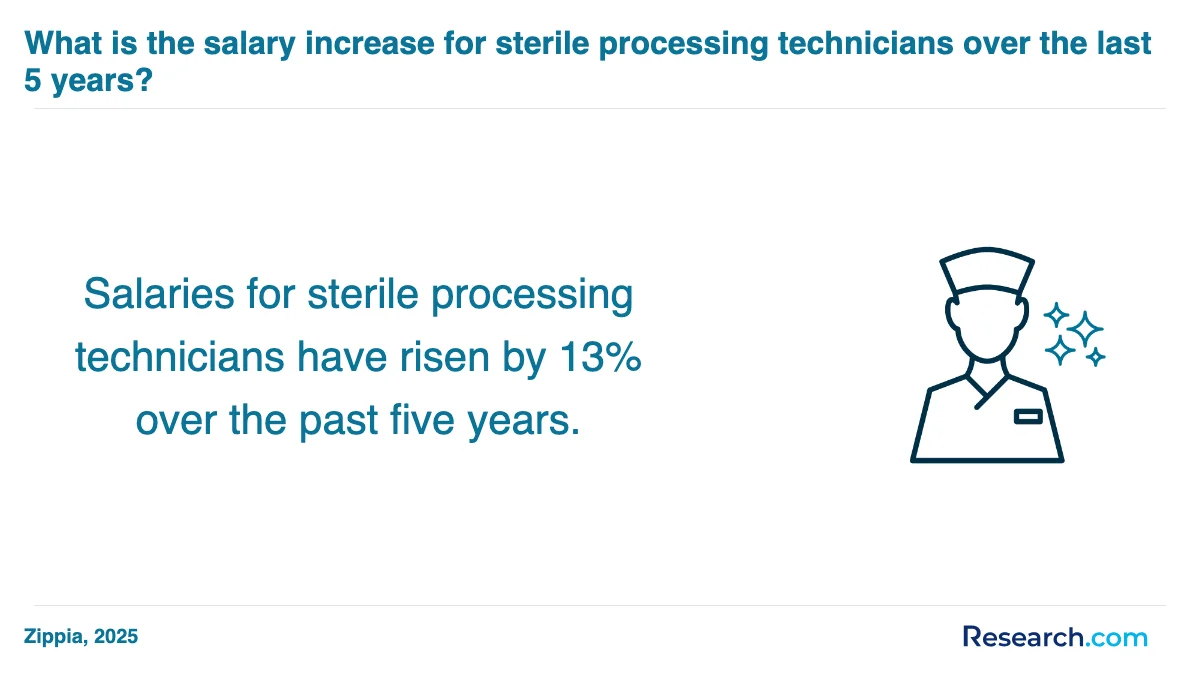
Financial aid for sterile processing technician students in Virginia often comes from a mix of federal, state, and school-based sources, easing the path for many aspiring graduates. For example, students at Reynolds Community College benefit greatly from Pell Grants, Federal Supplemental Educational Opportunity Grants (FSEOG), and federal student loans, with Pell Grants covering up to $7,395 for those who qualify. Many graduates share how this support helped them avoid overwhelming debt, as Reynolds reports over 91% of its students finish without educational loans weighing them down.
Beyond federal aid, scholarships targeted at allied health or technical fields can provide crucial relief, especially when paired with partnerships some schools have with local hospitals offering tuition assistance or hiring incentives. In real terms, this means a student might secure funding that not only pays for tuition but opens doors to employment immediately after certification.
It's important to note that some online or private programs don't qualify for federal aid, so students often turn to private loans or manageable payment plans-sometimes as low as $69 per month-to make education affordable. Veterans of Virginia's trade schools often express relief and gratitude for these flexible options, which transform financial stress into hope and motivation.
Enrolling in a sterile processing technician trade school in Virginia typically requires meeting a few clear prerequisites that set the foundation for success. Most programs ask for a high school diploma or GED, reflecting the basic educational standard needed to grasp the technical and safety aspects of the field.
Beyond that, schools often look for:
- Basic proficiency in reading and math to handle procedures and documentation accurately
- A strong sense of responsibility and attention to detail, as graduates often share how these traits helped them excel in fast-paced clinical environments
- Proof of immunizations or health screenings, ensuring safety when working with medical instruments
Many graduates recall the supportive atmosphere at Virginia trade schools, where instructors emphasize real-world readiness. For example, some found that having prior healthcare experience or familiarity with sterile environments, even through volunteer work, greatly boosted their confidence and understanding. These prerequisites are not just hurdles but stepping stones toward a rewarding career in sterile processing, where precision and care make a tangible difference every day.

Courses in Virginia sterile processing technician trade schools blend essential theory with hands-on skills, building confidence in graduates ready to enter healthcare environments. Many students recall how foundational classes in basic science, like human anatomy and microbiology, illuminated the unseen world of infection control, making their future roles feel crucial and impactful.
Core coursework typically includes:
- Medical terminology to ensure clear communication with healthcare teams.
- In-depth infection control and sterilization techniques, following Healthcare Sterile Processing Association guidelines.
- Surgical instrument identification and care, where students practice inspecting and assembling instruments just as they will in bustling hospital settings.
- Quality assurance and inventory management, teaching precise record-keeping and sterile storage.
Virginia trade school graduates often speak about the rewarding challenge of mastering sterilization equipment operation and packaging protocols, which they first encountered in simulated labs before applying during their 400 hours of supervised clinical experience. This blend of coursework and practical training shapes competent technicians who feel ready to safeguard patient health daily.
In sterile processing technician trade school programs in Virginia, students can specialize in various areas to enhance their expertise. Two notable specializations include:
- Infection Control and Sterilization Techniques: This specialization focuses on preventing infections through effective sterilization methods. Graduates from Piedmont Virginia Community College often share how learning about disinfection processes, sterilization equipment, and quality control gave them confidence in ensuring every medical instrument is safe and reliable.
- Surgical Instrumentation and Equipment Management: Here, students develop skills in identifying, handling, and maintaining surgical tools. Programs at Chester Career College emphasize hands-on training in assembling, inspecting, and distributing instruments, making graduates feel prepared to manage surgical instrumentation in fast-paced healthcare settings.
These focused paths help students tailor their education to meet the specific demands of sterile processing in Virginia. Many find that this specialized knowledge not only builds their technical abilities but also their job readiness and satisfaction. For those curious about career outcomes, exploring what is a surgical tech salary may provide valuable insight for future planning.
Choosing the best sterile processing technician programs in Virginia means focusing on how well a school prepares you for real-world demands. Graduates from popular Virginia colleges often highlight the value of programs that combine thorough classroom learning with hands-on clinical experience-sometimes up to 400 hours in actual healthcare settings. This practical exposure not only builds confidence but also makes certification exams more approachable.
Another key factor is certification preparation, especially for the CRCST exam. Schools known for strong support often provide exam vouchers or direct coaching, helping students transition smoothly from study to certification. Graduates frequently share how such support turned what felt like a daunting process into an achievable goal.
When comparing how to compare sterile processing technician schools in Virginia, consider flexibility too. Many students appreciate programs offering part-time or online options that still coordinate local clinical placements, allowing them to balance life and study. Some even explore medical 2 year degrees as a pathway to quickly enter the field, making education accessible without sacrificing quality.

Graduates of sterile processing technician trade school programs in Virginia often find themselves stepping into rewarding roles that range from foundational to supervisory positions. Entry-level roles as Sterile Processing Technicians focus on essential tasks such as decontaminating and sterilizing surgical instruments, offering a fulfilling way for new professionals to contribute directly to patient safety in hospitals and clinics. Many graduates from popular Virginia trade schools describe the satisfaction of hands-on learning that translates into immediate job readiness.
Career opportunities for sterile processing technicians in Virginia expand quickly with experience. Advancement options include roles like Sterile Processing Technologist or Tech I, where responsibilities grow to supervising equipment and mentoring others. Graduates often appreciate the flexibility of part-time or per diem positions, which allow them to balance personal commitments with meaningful work.
Further progression leads to supervisory or managerial roles such as Sterile Processing Supervisor or Director of SPD, where leadership, budgeting, and staff training become priorities. It's encouraging for many graduates to see clear advancement options for Virginia sterile processing tech graduates, inspiring confidence in long-term career growth. Some even discover programs that let them earn while you learn through most affordable online sterile processing technician certification opportunities, blending education and income.
The sterile processing technician job market in Virginia is characterized by a strong demand for qualified graduates, reflecting the growth of healthcare facilities statewide. Graduates from popular trade schools in Northern Virginia and Richmond often share how hands-on training and clinical placements positioned them well for roles in large hospital systems such as Inova Health System and Henrico Doctors' Hospital. Many find that certification and experience gained during training are key to securing stable employment.
Salary trends here reveal that entry-level technicians typically start around $43,358 annually, with potential to reach over $60,000 as professionals gain experience. Virginia's major metropolitan areas offer competitive wages, for instance, $29.36 per hour in Alexandria and $35.69 in Richmond, underlining geographic influences on earnings.
Graduates consistently emphasize benefits like:
- Real-world externships enhancing job readiness
- Certification advantages such as the CRCST credential
- Opportunities across hospitals, outpatient clinics, and surgical centers
For students deciding between different paths, understanding the trade vs vocational school differences can clarify expectations and outcomes. Overall, Virginia sterile processing technician salary trends and steady job availability make this a promising career choice for aspiring healthcare technicians in the state.
Most Affordable Sterile Processing Technician Schools & Training - Budget-Friendly Sterile Processing Tech Trade Programs in Virginia for 2026
# 1 position
J Sargeant Reynolds Community College - Sterile Processing Technology/Technician.
certificate or diplomaJ Sargeant Reynolds Community College offers a Sterile Processing Technology/Technician program with a hybrid format that includes some distance education. The curriculum prepares students to clean, sterilize, and assemble surgical instruments and supplies for operating rooms and medical facilities. Instruction covers sterilization, infection control, decontamination, surgical instrumentation processing, distribution, and record-keeping. The program is accredited by the Southern Association of Colleges and Schools Commission on Colleges. Annual in-state tuition is $5,136.
# 2 position
Chester Career College - Sterile Processing Technology/Technician.
associateChester Career College offers a Hybrid Sterile Processing Technology/Technician program preparing students to clean, sterilize, and assemble surgical instruments and supplies for medical facilities. The curriculum covers sterilization, infection control, decontamination, surgical instrumentation processing, distribution, and record-keeping. This program is accredited by the Council on Occupational Education, ensuring adherence to quality standards in occupational training.
# 3 position
Fortis College-Richmond - Sterile Processing Technology/Technician.
certificate or diplomaFortis College-Richmond offers a Sterile Processing Technology/Technician program in a hybrid format with some distance education options. The program trains students to clean, sterilize, and assemble surgical instruments and supplies for medical facilities. Instruction covers sterilization, infection control, decontamination, surgical instrumentation processing, distribution, and record-keeping. Annual in-state tuition is $14,986. Graduates have median earnings of $24,487 one year after completion. The program is accredited by the Accrediting Bureau of Health Education Schools.
Frequently Asked Questions about sterile processing technician
After completing a sterile processing technician trade school in Virginia, graduates should focus on gaining certification to improve job prospects. The Certified Registered Central Service Technician (CRCST) credential from the International Association of Healthcare Central Service Materiel Management (IAHCSMM) is widely recognized in the industry. Employers in Virginia often prefer candidates with certification, which can lead to higher wages and better job security.
Networking with local healthcare facilities and joining professional organizations can also enhance employment opportunities. According to the Bureau of Labor Statistics, Virginia's healthcare sector is growing steadily, with a projected 9% increase in sterile processing technician jobs through 2030. Additionally, maintaining up-to-date knowledge of sterilization technology and safety protocols is essential to meet industry standards and employer expectations.
Employers in Virginia prioritize several key skills when hiring sterile processing technician trade school graduates. Attention to detail is paramount, as technicians must ensure surgical instruments are thoroughly cleaned and sterilized to prevent infections. Knowledge of infection control standards, such as those established by the Association for the Advancement of Medical Instrumentation (AAMI), is also essential.
Technical proficiency with sterilization equipment and understanding of proper documentation practices are frequently required. Communication skills matter, too, since technicians collaborate with healthcare teams. According to the U.S. Bureau of Labor Statistics, Virginia's healthcare sector emphasizes these competencies for quality patient care and compliance with safety regulations.
Finding internships in Virginia related to sterile processing technician trade school programs involves several practical steps. Start by contacting local hospitals and surgical centers, as many offer clinical internships required for certification. The Virginia Department of Health and large health systems like Sentara Healthcare often collaborate with trade schools to provide hands-on training opportunities.
Trade schools themselves typically have partnerships with healthcare facilities, so inquire directly with program coordinators about available internships. Additionally, the International Association of Healthcare Central Service Materiel Management (IAHCSMM) website lists accredited programs and may provide internship resources.
Networking through job fairs and healthcare career events in Virginia can also help identify internship openings. According to the Bureau of Labor Statistics, internships increase job placement rates for sterile processing technicians, making them crucial for career advancement.
Obtaining a sterile processing technician diploma from a Virginia trade school significantly enhances career mobility within the healthcare sector. The certification meets state and national standards, allowing graduates to qualify for entry-level roles in hospitals, clinics, and surgical centers. According to the Virginia Department of Labor, demand for sterile processing technicians is projected to grow by 12% through 2030, reflecting strong job stability.
Graduates often experience faster career advancement by gaining practical skills and recognized credentials, which are valued by employers. Trade school programs typically include preparation for certification exams like the Certified Registered Central Service Technician (CRCST), boosting employability.
Additionally, many Virginia healthcare employers prefer candidates with formal diplomas due to regulatory compliance and patient safety standards. This credential can open pathways to supervisory or specialized roles, increasing earning potential and job security.
Students enrolled in sterile processing technician trade schools in Virginia can find part-time work in healthcare settings such as hospitals, outpatient clinics, and dental offices. These roles often include entry-level positions like sterile processing aides or medical equipment technicians, which provide hands-on experience relevant to their studies.
Virginia's healthcare sector employs thousands in sterile processing roles, with the Virginia Employment Commission reporting steady growth in allied health jobs. Part-time opportunities help students build practical skills in instrument sterilization, quality control, and inventory management.
Additionally, working in medical supply companies or biomedical equipment support roles can enhance understanding of sterilization technology and compliance with safety standards.
Such jobs complement academic learning by offering real-world exposure to industry protocols and teamwork in clinical environments, improving job readiness upon graduation.
Yes, there are affordable Sterile Processing Technician programs available near Virginia, offering essential training for students interested in this field. Programs vary in length and cost, with many community colleges and technical schools providing certificate or associate degree options that are budget-friendly compared to traditional four-year universities. For specific program listings near me, Research.com can be helpful in identifying institutions and opportunities in the region.
- Most Affordable Sterile Processing Technician Schools & Training - Budget-Friendly Sterile Processing Tech Trade Programs in West Virginia for 2026
- Most Affordable Sterile Processing Technician Schools & Training - Budget-Friendly Sterile Processing Tech Trade Programs in North Carolina for 2026
- Most Affordable Sterile Processing Technician Schools & Training - Budget-Friendly Sterile Processing Tech Trade Programs in Tennessee for 2026
- Most Affordable Sterile Processing Technician Schools & Training - Budget-Friendly Sterile Processing Tech Trade Programs in Pennsylvania for 2026
- Most Affordable Sterile Processing Technician Schools & Training - Budget-Friendly Sterile Processing Tech Trade Programs in South Carolina for 2026
- Most Affordable Sterile Processing Technician Schools & Training - Budget-Friendly Sterile Processing Tech Trade Programs in Ohio for 2026
- Most Affordable Sterile Processing Technician Schools & Training - Budget-Friendly Sterile Processing Tech Trade Programs in New Jersey for 2026
- Most Affordable Sterile Processing Technician Schools & Training - Budget-Friendly Sterile Processing Tech Trade Programs in New York for 2026
- Most Affordable Sterile Processing Technician Schools & Training - Budget-Friendly Sterile Processing Tech Trade Programs in Florida for 2026
- Most Affordable Sterile Processing Technician Schools & Training - Budget-Friendly Sterile Processing Tech Trade Programs in Illinois for 2026
- Sterile Processing Technician | Piedmont Virginia Community College https://www.pvcc.edu/programs/sterile-processing-technician
- Online Sterile Processing Technician (Voucher Included) from Virginia Peninsula Community College https://careertraining.vpcc.edu/training-programs/sterile-processing-technician-voucher-included/
- Sterile Processing Technician Program | Completion Results in Degree https://www.chestercareercollege.edu/programs-4/sterile-processing-technician
- Sterile Processing Technician | Germanna Community College https://germanna.edu/programs/sterile-processing-technician
- Central Sterile Technician | Reynolds Community College https://reynolds.edu/programs/program-pages/central-sterile-technician-csc.html
- Online Sterile Processing Program for Virginia Residents https://www.herzing.edu/healthcare/sterile-processing/virginia
- Virginia's Community Colleges: Central Sterile Processing (CSP) https://courses.vccs.edu/courses/CSP-CentralSterileProcessing
- Richmond Adult Technical Center Sterile Processing Technician Online Certification Course https://ratcrvaschools.edu2.com/product/5856/sterile-processing-technician
- Sterile Processing Technician I | CTE Resource https://www.cteresource.org/career-clusters/health-science/sterile-processing-technician-i/
- How to Become a Sterile Processing Technician in Virginia (2024) | Dreambound https://dreambound.com/blog/how-to-become-a-sterile-processing-technician-in-virginia