Most Affordable Sterile Processing Technician Schools & Training - Budget-Friendly Sterile Processing Tech Trade Programs in Richmond for 2026

Co-Founder and Chief Data Scientist
Are you considering a career as a sterile processing technician in Richmond? This article will guide you through the most affordable trade schools offering programs in this growing field for 2026.
The Research.com team of data scientists has created a detailed sterile processing technician trade school programs ranking to help you make an informed choice. By exploring these options, you can find the right program that fits your budget and career goals.
Obtaining a diploma or certification in sterile processing opens doors to stable job opportunities and personal growth. Keep reading to discover the best paths to start your rewarding new career.
Key benefits of finishing sterile processing technician trade school in Richmond
- Graduates in Richmond can expect an average annual salary around $38,570, with entry-level hourly wages starting near $13.05 and experienced technicians earning up to $21.53 per hour.
- A typical graduate from a popular Richmond trade school often finds opportunities in hospitals, outpatient centers, or travel technician roles, offering diverse and rewarding career paths.
- Completing an online sterile processing technician program provides flexibility and faster entry into the workforce, as shown by local graduates who balance studies with personal commitments while gaining practical skills.
- Most Affordable Sterile Processing Technician Schools & Training - Budget-Friendly Sterile Processing Tech Trade Programs in Richmond for 2026
- What can I expect from sterile processing technician trade schools in Richmond?
- Where can I work after finishing sterile processing technician trade schools in Richmond?
What can I expect from sterile processing technician trade schools in Richmond?
Enrolling in a sterile processing technician trade school program in Richmond means immersing yourself in both classroom learning and hands-on clinical experience. Graduates from popular local community colleges often recall how courses in infection control, sterilization methods, and human relations felt immediately relevant when they first handled surgical instruments during clinical rotations. The balance of theory and practice prepares students not only to pass the Certified Registered Central Service Technician (CRCST) exam but also to confidently enter fast-paced hospital environments.
Students typically spend several weeks to months completing around 400 hours of clinical practice, gaining real-world exposure that builds professional pride and readiness. Many describe the excitement and occasional challenge of coordinating with local healthcare employers during externships, which deepen their understanding of inventory management and sterile safety protocols.
The blend of rigorous training and supportive resources at Richmond's technical centers creates a rewarding educational journey, making graduates feel equipped and optimistic about their future in healthcare.
Where can I work after finishing sterile processing technician trade schools in Richmond?
Graduates from sterile processing technician trade schools in Richmond often find rewarding employment in hospitals such as Chippenham Hospital and Johnston-Willis Hospital, where their skills directly impact patient care. Many share how starting as entry-level Sterile Processing Technicians allowed them to quickly become confident members of surgical teams, handling essential tasks like sterilizing instruments and supporting complex procedures.
Others have moved into specialized roles like Certified Sterile Processing Technician or Sterile Processing Tech Lead, sometimes earning sign-on bonuses, as seen at VCU Health. These opportunities highlight a clear career path for motivated graduates eager to advance.
Beyond hospitals, graduates describe working in outpatient surgical centers or dental clinics, where they apply their training in more intimate settings. Popular Richmond trade schools prepare students well, blending hands-on experience with classroom learning, which many say helped them feel ready on day one of their new roles.
Job seekers often appreciate the variety of positions available, from PRN roles to full-time jobs with benefits like health insurance and tuition reimbursement, making the effort to complete the program in Richmond a wise investment.
After finishing a sterile processing technician trade school program in Richmond, graduates often find themselves earning an average annual salary of around $38,578. Many report feeling pleasantly surprised by how quickly they can start earning between $34,491 and $43,474 within their first year, especially those coming from well-regarded local schools. One common experience shared by graduates is the immediate transition from classroom learning to real-world hospital environments where their skills are highly valued.
Hourly wages typically begin near $13.05, which is encouraging for those balancing part-time shifts or family responsibilities. With time and experience, many technicians see their hourly pay climb to about $21.53, reflecting the hard work and certifications they've earned after graduation.
Richmond's trade schools often emphasize hands-on training, giving students confidence to step into roles with competitive pay. Graduates frequently describe the satisfaction of watching their paychecks grow as they apply their knowledge, proving that investing in this career path can lead to steady financial progress and personal fulfillment.
- Programs typically last 4 to 12 weeks but can extend to three semesters if taken full-time.
- Hands-on clinical practice often requires up to 400 hours to prepare students for employment.
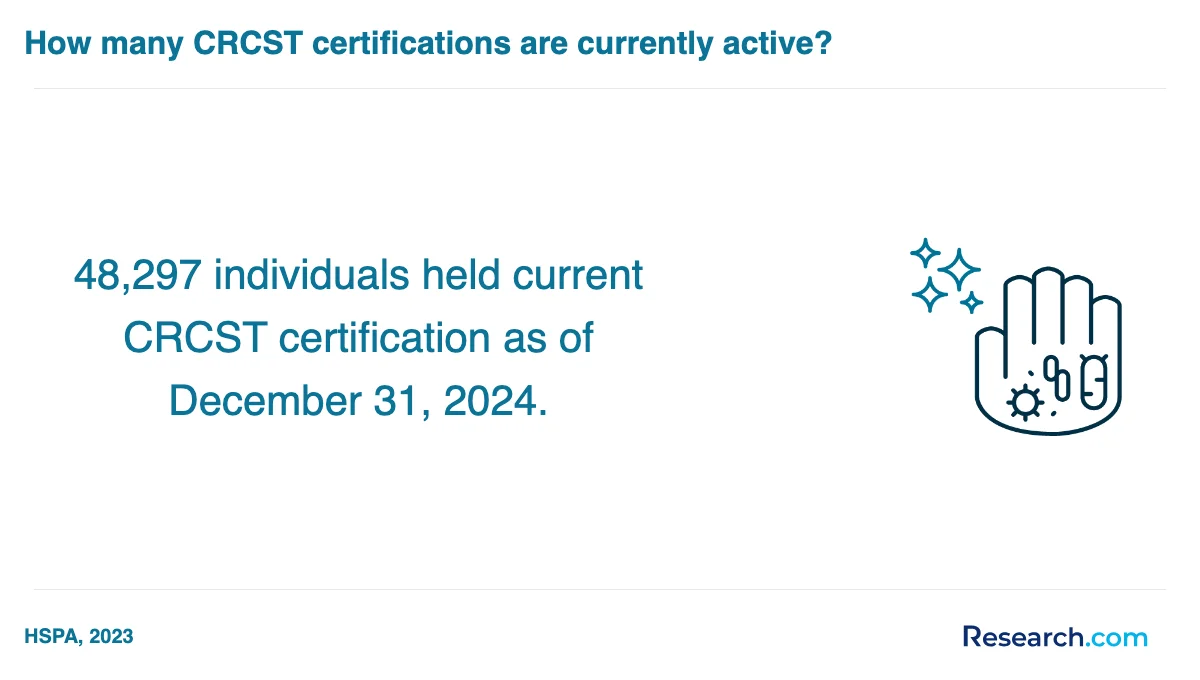
- Graduates are eligible to take the CRCST certification exam, which is widely recognized and often required by employers.
- Tuition costs range from $4,000 to $15,000, with options for online, in-person, or hybrid learning formats.
- Starting salaries for graduates range from $35,000 to $45,000 per year, with experienced technicians earning up to $55,000 or more.
Completing a sterile processing technician trade school program in Richmond typically takes about 6 to 12 months, depending on the school and whether the student attends full-time or part-time. Many graduates from popular Richmond trade schools share that this timeframe felt just right-long enough to gain solid hands-on experience but short enough to jump into the workforce quickly.
One graduate recalled how the balance of classroom instruction and practical lab work helped them build confidence early on, making the months fly by. Another mentioned that the structured schedule at their Richmond trade school allowed them to maintain a steady pace without feeling overwhelmed, which was especially important for those working while studying.
The immersive nature of these programs means students often find themselves mastering sterilization techniques and infection control in real-world settings before finishing. This approach creates a sense of accomplishment and readiness that resonates deeply with many aspiring sterile processing technicians in Richmond.
The key difference between online and on-campus sterile processing technician programs in Richmond lies in how instruction and hands-on experience are delivered. Graduates from online programs like those at Richmond Adult Technical Center often praise the flexibility of studying infection control and sterilization processes at their own pace. They appreciate being able to fit coursework around work or family commitments, using mobile-ready platforms and 24/7 support. However, many recall the challenge of securing a clinical externship independently, which is essential for certification and skill-building.
In contrast, on-campus students at Reynolds Community College experience structured classroom learning paired with supervised lab sessions and guaranteed clinical rotations in local hospitals. Graduates commonly describe feeling confident after completing 400 hours of hands-on practice with direct faculty guidance. The face-to-face environment fosters immediate feedback and mentorship, which some find invaluable for mastering complex procedures.
Both paths lead to the CRCST exam, but the choice often depends on whether you value flexible scheduling or consistent, in-person training that integrates real-world hospital exposure.
The average tuition for sterile processing programs in Richmond VA varies depending on the trade school chosen, but many graduates reflect positively on the value they gained from their education. At Reynolds Community College, for example, students pay approximately $3,520 for a 20-credit hour program, which is typically completed in one year. This cost feels manageable for many, especially considering the comprehensive curriculum and hands-on training. A graduate from this program shared how the investment felt rewarding after securing their first job in a hospital environment.
Other local options paint a varied picture of the cost of sterile processing technician certification in Richmond VA. Richmond Adult Technical Center offers an affordable entry point with a monthly payment of about $119 over 4 to 6 months, providing flexibility for those balancing work and study. Fortis College's program, on the other hand, can range significantly higher, from $5,000 up to $20,000, reflecting the inclusion of clinical experience and additional resources. Graduates from Fortis often speak about the confidence gained from their in-depth hands-on labs and clinical hours.
For students concerned about cost, Piedmont Virginia Community College's program is a notable choice, as it may offer free tuition through the G3 series for eligible learners. This opportunity allows aspiring technicians to avoid a heavy financial burden while completing a 550-contact hour and 400-hour clinical experience program.
Supplementary expenses like uniforms, textbooks, and certification fees can add several hundred dollars to the total cost, but many graduates consider these necessary investments toward a stable career. Students looking to explore financial aid often find help through federal programs, state grants, and scholarships, easing the upfront costs.
For those considering starting their journey, current students often recommend researching and comparing program details carefully, and exploring additional opportunities such as surgical tech programs online that might complement or expand career options within healthcare settings.
Students pursuing sterile processing technician programs in Richmond often find essential financial support through federal aid like Pell Grants, loans, and work-study options. Graduates from local schools such as Reynolds Community College recall how federal funds, including more than $21 million distributed in 2023 alone, eased their tuition burdens, with average aid exceeding $4,000 per student. This assistance transformed their journey, allowing them to focus more on learning than worrying about finances.
Beyond federal help, institutional scholarships and flexible payment plans at Richmond trade schools offer practical ways to manage costs. Many students appreciate textbook assistance and laptop lending programs, which reduce extra expenses and create a smoother educational experience. For those enrolled in online non-credit programs, options like Workforce Innovation and Opportunity Act (WIOA) funding provide alternative support, though it requires careful coordination with program advisors.
Local partnerships with healthcare providers sometimes open doors to tuition reimbursement or sponsored training, rewarding students' commitment to the community after graduation. These layers of aid reflect a supportive ecosystem that many Richmond sterile processing technician graduates gratefully navigate.
Enrolling in a sterile processing technician trade school program in Richmond usually begins with meeting a few straightforward prerequisites that set the foundation for success. Graduates from well-regarded Richmond trade schools often recall how these requirements helped them feel prepared and confident as they started their training.
Common prerequisites include:
- Having a high school diploma or GED, which ensures you have essential reading and comprehension skills
- Being at least 18 years old, reflecting the program's focus on mature, responsible learners
- Passing a background check, as working with medical instruments demands trust and safety
- Completing a health screening or immunizations, since sterile processing work involves sterile environments and patient safety
Many students describe the initial steps as reassuring-knowing they met clear standards gave them a boost of pride. One graduate shared how fulfilling the immunization requirement reminded them of their commitment to healthcare and protecting patients. Another found the background check process smooth, reinforcing a sense of integrity needed in this field.
Trade schools in Richmond often offer orientation sessions to help prospective students understand these prerequisites fully, making the transition into the sterile processing technician role feel achievable and welcoming. This thoughtful preparation turns the first steps into a positive, encouraging experience rather than a barrier.
Students enrolled in sterile processing technician trade schools in Richmond typically engage in a well-rounded set of courses that prepare them thoroughly for their future roles. Graduates often reflect on how courses in basic science-covering microbiology and human anatomy-gave them a solid foundation to understand infection control deeply, making their work feel meaningful and impactful.
The curriculum also emphasizes infection control and sterilization techniques, where students learn hands-on about sterilization equipment and disinfectants. Many recall the confidence gained from mastering both manual and automated cleaning processes, crucial for ensuring patient safety in busy hospital settings.
- Medical terminology and instrument identification, helping students accurately prepare surgical tools.
- Inventory management and quality assurance, teaching how to maintain sterile supplies and regulatory compliance.
- Human relations and workplace communication, fostering teamwork and professionalism under pressure.
Richmond's programs include a rigorous clinical practicum, often around 400 supervised hours, where students translate classroom lessons into real-world skills. Graduates frequently describe this experience as both challenging and rewarding, where they felt truly part of the healthcare team.
Students enrolled in sterile processing technician programs in Richmond VA typically specialize in areas crucial to maintaining the safety and efficiency of medical environments. Graduates from popular trade schools like Reynolds Community College and Chester Career College often describe their training in infection control and sterilization techniques as transformative, enabling them to confidently manage the decontamination and distribution of surgical instruments.
Key specializations include:
- Central Sterile Technology, focusing on hands-on sterilization processes and clinical applications.
- Equipment Storage and Inventory Management, which ensures the availability and maintenance of sterile supplies.
- Certification Preparation, helping students pass national exams critical for career advancement.
Richmond Adult Technical Center graduates highlight the value of instruction in medical terminology and prevention processes, skills that allow them to excel in diverse healthcare settings. For those seeking accessible options, exploring cheap online certificate programs for surgical tech can complement traditional training and broaden professional opportunities.
Choosing from the many sterile processing technician programs in Richmond VA means focusing on accreditation and hands-on learning. Graduates often recall how programs with recognized certifications and clinical externships, like those at local community colleges, gave them the confidence to thrive. A graduate shared how combining rigorous classroom study with real-world exposure shaped their daily skills in infection control and sterilization.
Cost is another crucial factor; affordable sterile processing technician schools Richmond VA often provide flexible scheduling and financial aid opportunities, allowing students to balance work and study. For example, some students found programs offering free tuition under local initiatives particularly helpful in easing financial stress while gaining quality training.
When exploring program formats, many favor schools that offer online and hybrid classes to fit busy lives without compromising skill mastery. To ensure your education is both recognized and convenient, consider programs featured in online diploma accredited lists that match your career ambitions.

Graduates of sterile processing technician trade school programs in Richmond often step directly into roles such as Sterile Processing Technician at notable hospitals like Chippenham and Henrico Doctors' Hospital. These initial positions focus on vital tasks including sterilizing and inspecting surgical instruments, which foster a strong foundation in hospital operations and patient safety. Many graduates describe this work as fulfilling, knowing their efforts underpin successful surgeries and positive patient outcomes.
Advancement is readily attainable through experience and additional training, reflecting common career opportunities for sterile processing technician graduates in Richmond. Progression paths include roles like Sterile Processing Technician Specialist, who coordinates specialized surgical instruments, or Central Sterile Processing Tech Lead, responsible for supervising teams and ensuring regulatory compliance. These positions, often offering incentives such as sign-on bonuses, allow graduates to take on leadership while deepening their expertise.
Some also begin as Sterilization Technicians or Assistants, supporting supply distribution and gaining valuable exposure to clinical environments. Graduates from popular Richmond trade schools often highlight how such roles provide stepping stones toward higher responsibilities.
- Entry-level Sterile Processing Technician
- Technician Specialist or Supervisor
- Sterilization Technician or Assistant roles
For those curious about further education that complements this career, exploring 2 year degrees in medical field is a practical step toward advancement. The steady demand and robust healthcare network in Richmond create a welcoming environment for growth and long-term success in sterile processing technician advancement in Richmond VA.
The sterile processing technician job market Richmond VA demonstrates solid demand for graduates of local trade schools. Many students from popular programs in Richmond report that employers like Chippenham Hospital and Bon Secours actively seek certified technicians. Openings range widely, with opportunities for full-time and per-diem work, often accompanied by benefits like tuition reimbursement and health insurance. Graduates frequently highlight the importance of earning credentials such as CRCST to enhance job prospects and meet employer preferences.
Those entering the field should consider that:
- Entry-level roles are plentiful but may require formal training or prior experience
- Pay rates vary, with salaries reflecting experience, shifts, and temporary assignments
- Hospitals often offer incentives for certification post-hire
Real-world graduates from Richmond trade schools share how the stable sterile processing technician salary Richmond Virginia helped them balance work and study efficiently. The regional demand parallels broader healthcare trends where sterile processing supports vital surgical and patient care functions. For students exploring health care professions, this path in Richmond offers encouraging job availability and clear routes to advancement.
Most Affordable Sterile Processing Technician Schools & Training - Budget-Friendly Sterile Processing Tech Trade Programs in Richmond for 2026
# 1 position
J Sargeant Reynolds Community College - Sterile Processing Technology/Technician.
certificate or diplomaJ Sargeant Reynolds Community College offers a Sterile Processing Technology/Technician program with a hybrid format that includes some distance education. The curriculum prepares students to clean, sterilize, and assemble surgical instruments and supplies for operating rooms and medical facilities. Instruction covers sterilization, infection control, decontamination, surgical instrumentation processing, distribution, and record-keeping. The program is accredited by the Southern Association of Colleges and Schools Commission on Colleges. Annual in-state tuition is $5,136.
# 2 position
Fortis College-Richmond - Sterile Processing Technology/Technician.
certificate or diplomaFortis College-Richmond offers a Sterile Processing Technology/Technician program in a hybrid format with some distance education options. The program trains students to clean, sterilize, and assemble surgical instruments and supplies for medical facilities. Instruction covers sterilization, infection control, decontamination, surgical instrumentation processing, distribution, and record-keeping. Annual in-state tuition is $14,986. Graduates have median earnings of $24,487 one year after completion. The program is accredited by the Accrediting Bureau of Health Education Schools.
Frequently Asked Questions about sterile processing technician
After completing a sterile processing technician trade school in Richmond, it is essential to focus on certification and hands-on experience to improve job prospects. Most employers in Virginia prefer candidates with the Certified Registered Central Service Technician (CRCST) credential, offered by the International Association of Healthcare Central Service Materiel Management (IAHCSMM).
Gaining clinical experience through internships or externships during training programs can also enhance employability. According to the Virginia Employment Commission, healthcare support occupations, including sterile processing technicians, are projected to grow by 15% through 2030 in the Richmond area.
Networking with local healthcare facilities and attending job fairs can provide valuable connections. Additionally, preparing a strong resume that highlights technical skills and certification is vital for standing out in the competitive job market.
Employers in Richmond seek several key skills in graduates of sterile processing technician trade schools. Strong attention to detail is critical, as technicians must ensure surgical instruments are meticulously cleaned and sterilized to prevent infections. Knowledge of infection control standards set by organizations like the Association for the Advancement of Medical Instrumentation (AAMI) is highly valued.
Technical proficiency with sterilization equipment and proper handling of delicate instruments is essential. Communication skills are also important for coordinating with healthcare teams.
According to the Bureau of Labor Statistics, employers prioritize reliability and adherence to safety protocols due to the sensitive nature of healthcare environments.
Finding internships in Richmond related to sterile processing technician programs involves connecting with local healthcare facilities. Hospitals, surgical centers, and clinics often offer internship opportunities as part of their workforce development. For example, Bon Secours Health System and VCU Health are prominent Richmond employers known to provide clinical training for sterile processing students.
Students should contact their trade schools' career services, which frequently maintain partnerships with local medical facilities. According to the Association of Sterile Processing Professionals, internships typically last 6 to 12 weeks and include hands-on experience in instrument sterilization and infection control.
Networking through professional organizations and attending local job fairs can also increase chances of securing an internship. Additionally, students may explore online job portals specific to Richmond healthcare roles for updated internship listings.
Obtaining a sterile processing technician diploma from a trade school in Richmond can significantly enhance career mobility and advancement opportunities. Graduates gain essential skills in sterilization techniques and instrument management, meeting the standards required by healthcare employers. According to the Virginia Department of Health Professions, certified technicians in Richmond experience higher job placement rates, with over 75% employed within six months of graduation.
The diploma also opens doors to specialized roles and supervisory positions in hospitals and clinics. With Richmond's healthcare sector growing steadily, credentialed technicians often see wage increases and better job security compared to uncertified workers.
Furthermore, accredited programs prepare students to sit for the Certified Registered Central Service Technician (CRCST) exam, a credential valued by local employers and linked to upward career paths.
Students enrolled in sterile processing technician trade schools in Richmond often seek part-time jobs that build relevant skills and enhance their resumes. Common opportunities include working as medical equipment assistants or hospital sterilization aides. These roles provide hands-on experience with instrument cleaning and sterilization protocols, reinforcing classroom learning.
Richmond's healthcare sector employs numerous sterile processing technicians, with the Bureau of Labor Statistics reporting about 150 positions in the metropolitan area as of 2023. Gaining part-time experience in nearby hospitals or outpatient clinics can improve job prospects after graduation.
Additionally, some students find part-time roles in medical supply companies or health system logistics, which help develop organizational and quality control skills essential for sterile processing work.
Yes, there are affordable Sterile Processing Technician programs available near Richmond, VA. For those seeking convenient options nearby, many community colleges and technical schools provide relevant certification and associate degree programs. Research.com can be a helpful resource to explore various institutions and programs offering these courses near me, ensuring you find an accredited and budget-friendly option.
- Sterile Processing Technician | College of Southern Nevada https://www.csn.edu/central-sterile-technician-cc
- Sterile Processing Technician | Education for professionals at PCC https://www.pcc.edu/professional/health/entry/sterile-processing-technician/
- Sterile Processing Technician- Program Overview | Penn Foster https://www.pennfoster.edu/programs/healthcare/sterile-processing-career-diploma
- Sterile Processing Technician https://www.columbiabasin.edu/learn/discover-your-path/health-sciences/sterile-processing-technician/index.html
- Sterile Processing Technician - KP Allied Health Scholars Academy | Kaiser Permanente Northern California https://scholarsacademy.kaiserpermanente.org/alliedhealthscholars/career-pathways/sterile-processing-technician/
- Sterile Processing Technician - Technical Diploma https://www.blackhawk.edu/Programs-Courses/Sterile-Processing-Technician
- Sterile Processing Technician - City Colleges of Chicago https://www.ccc.edu/malcolm-x/departments/sterile-processing-technician/
- Sterile Processing Technician Training | Molloy University https://www.molloy.edu/certificates/program/sterile-processing-technician/
- Program - Sterile Processing Technician - AdventHealth University https://workforce.ahu.edu/program-sterile-processing-technician/
- How Much Does a Sterile Processing Technician Make? https://www.herzing.edu/salary/sterile-processing-technician