
Most Affordable Sterile Processing Technician Schools & Training - Budget-Friendly Sterile Processing Tech Trade Programs in Tennessee for 2026

Co-Founder and Chief Data Scientist
Choosing the right sterile processing technician trade school in Tennessee can feel overwhelming. This article offers a helpful ranking of the best programs, carefully created by the Research.com team of data scientists. Their work aims to guide you toward schools that provide quality education and good value.
With a diploma or certification in sterile processing, you open doors to a rewarding healthcare career. Reading this article will give you clear insights to make confident, informed decisions about your future training and success.
Key benefits of finishing sterile processing technician trade school in Tennessee
- Graduates can expect an hourly wage between $15 and $31.25 in Tennessee, with an average annual salary around $37,000 to $51,000 depending on experience and employer.
- Many trade school graduates find career paths in hospitals, surgical centers, or medical device companies, gaining valuable hands-on experience and opportunities for advancement.
- Completing a sterile processing technician program online offers flexibility and convenience, allowing students to balance work and study while quickly entering the workforce.
- Most Affordable Sterile Processing Technician Schools & Training - Budget-Friendly Sterile Processing Tech Trade Programs in Tennessee for 2026
- What can I expect from sterile processing technician trade schools in Tennessee?
- Where can I work after finishing sterile processing technician trade schools in Tennessee?
What can I expect from sterile processing technician trade schools in Tennessee?
Enrolling in a sterile processing technician trade school program in Tennessee means committing to a focused, hands-on education that prepares you for real healthcare settings. Graduates from programs like TCAT Murfreesboro, with its eight-month schedule, or Nashville State Community College's one-year certificate, describe a busy timetable blending classroom lessons with lab work and clinical rotations at local hospitals. You'll quickly learn to handle surgical instruments-from decontamination to sterilization-while mastering medical terminology and anatomy essential to the role.
Expect to meet admission requirements such as being 18 or older, holding a high school diploma or GED, and passing background checks. Some students appreciate "earn while you learn" options at facilities like Vanderbilt University Medical Center, which provide paid training and job placement guarantees. Graduates often feel confident walking into their first jobs, knowing they've gained both the skills and certification eligibility needed to succeed in this vital healthcare support position.
Where can I work after finishing sterile processing technician trade schools in Tennessee?
After completing a sterile processing technician trade school program in Tennessee, graduates commonly find employment in hospitals, where their skills are crucial for preparing surgical instruments. Large healthcare systems like TriStar Health and HCA Healthcare frequently hire new technicians for both full-time and PRN roles, offering stability and growth. Many graduates share how starting in a bustling hospital environment gave them confidence and hands-on experience quickly.
Beyond hospitals, outpatient surgical centers and ambulatory care facilities provide additional options. These settings often focus on specialized procedures, such as orthopedics or gastroenterology, allowing technicians to develop niche expertise. Graduates from trade schools in Tennessee appreciate the chance to work in varied clinical environments, which keeps daily tasks engaging.
Dental offices and clinics also hire sterile processing technicians, offering a different pace and patient interaction. Some graduates mention enjoying the community feel and consistent schedules found in these roles.
Travel sterile processing technician positions are another popular path, especially for those wanting flexibility and variety. These roles, available across Tennessee and beyond, often include benefits like housing stipends and travel reimbursements, making them appealing for new graduates eager to explore different healthcare settings.
After finishing a sterile processing technician trade school program in Tennessee, graduates typically earn between $34,000 and $41,700 annually, depending on their location and experience. For example, many graduates from popular trade schools in Nashville and Memphis report starting wages around $15 to $18 per hour, translating to roughly $32,900 to $37,465 per year. This income allows new technicians to cover living expenses comfortably while gaining valuable hands-on experience.
With a few years on the job and additional certifications, some technicians in Tennessee see their salaries rise up to $54,500 annually. Graduates working in larger hospitals or metropolitan areas like Nashville tend to earn more, often around $35,000 to $35,600 per year, compared to smaller cities such as Johnson City where salaries are closer to $33,200.
While Tennessee's pay is below the national average, many graduates feel rewarded by the steady job outlook and the tangible impact they have on patient safety every day.
- Applicants must be at least 18 years old and have a high school diploma or GED, with some programs requiring immunization proof, drug screening, and background checks.
- Programs combine classroom instruction with hands-on clinical training, lasting from eight months to one year, and may include paid training with employment commitments.
- Tuition ranges from about $3,174 at TCAT Murfreesboro to $4,574 at Nashville State Community College, excluding additional costs like textbooks and supplies.
- Graduates can pursue national certifications such as CRCST or CSPDT, which improve job opportunities in healthcare settings.
- Starting salaries typically range from $35,000 to $42,000 annually, with experienced technicians earning over $47,000 depending on location and employer.
Completing a sterile processing technician trade school program in Tennessee typically takes between 6 to 12 months, depending on the school and whether you attend full-time or part-time. Many graduates from well-known Tennessee trade schools share that an accelerated 6-month program allowed them to quickly enter the workforce, balancing hands-on training with classroom instruction.
Others who chose part-time schedules appreciated the flexibility, finishing in about a year while managing work or family commitments. These programs focus on practical skills like sterilization techniques, instrument handling, and safety protocols, so the time spent feels directly relevant and rewarding.
One graduate described the experience as intense but energizing, with each week bringing new skills that boosted confidence. Schools in Tennessee often include clinical externships, giving students real hospital or surgical center exposure within the program duration. This practical element helps students feel prepared and excited to start their careers right after graduation.
The main difference between online and on-campus sterile processing technician programs in Tennessee is how the training is delivered and the access to hands-on experience. Graduates from online programs like TCAT Knoxville appreciate the flexibility to study medical terminology and sterilization theory at their own pace, which fits well with busy schedules or long commutes. However, these students often need to proactively arrange clinical practice on their own to meet certification requirements, which can feel challenging but rewarding once accomplished.
On the other hand, those attending on-campus programs at places like Nashville State Community College or TCAT Murfreesboro benefit from direct, supervised clinical experience. These programs blend classroom learning with real-world practice, enabling students to handle surgical instruments daily under professional guidance. Graduates often describe this immersive environment as confidence-building, helping them feel job-ready immediately after completion.
For many, the choice boils down to balancing the convenience of online study with the structured support and immediate hands-on opportunities offered by traditional schools in Tennessee.
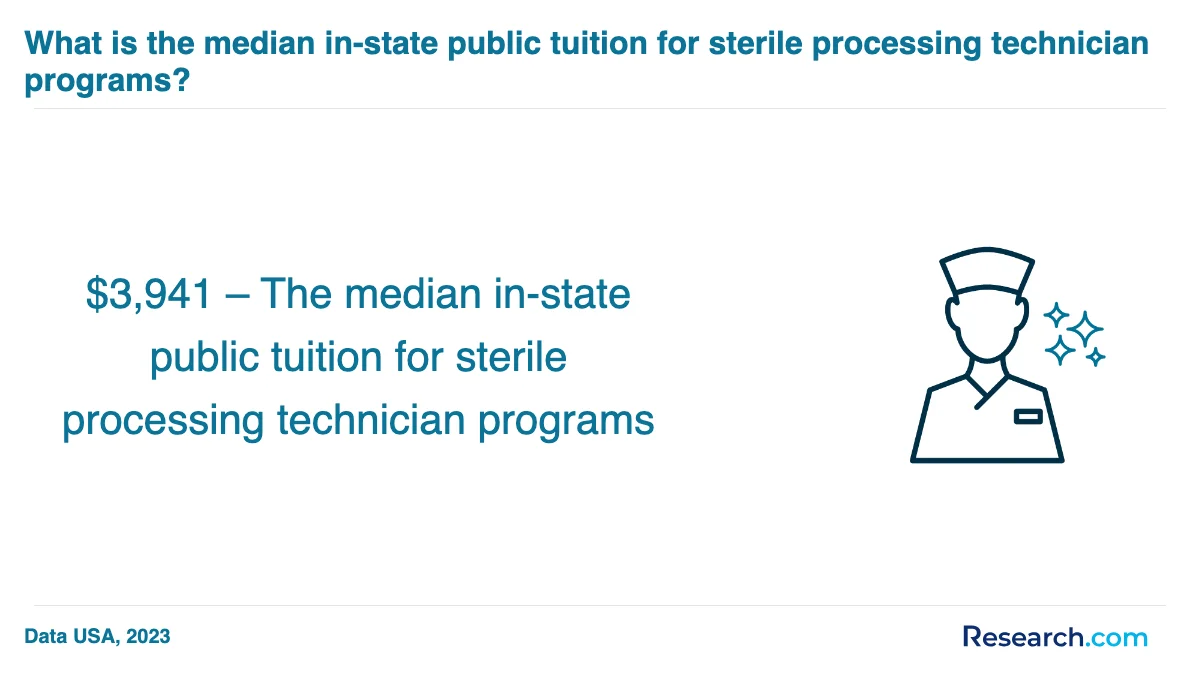
The average tuition for sterile processing programs in Tennessee typically ranges from about $1,700 to $4,600, depending on the school and format. For instance, graduates from Nashville State Community College's program recall paying around $4,574 in tuition and fees, plus extra for tools and uniforms. Meanwhile, students at Tennessee College of Applied Technology (TCAT) Murfreesboro manage a slightly lower overall cost near $4,029 when including tuition and necessary supplies. These are solid options for those who appreciate hands-on learning combined with clinical practice.
On the other hand, some prospective students prefer online programs to fit their schedules. Graduates of the University of Tennessee's online certification course mention its $1,700 flat rate, making it a more affordable route without compromising essential training. Similarly, TCAT Knoxville offers an online course at $2,995, which includes a voucher for certification exams, easing exam-related expenses. These programs prove effective for students eager to enter the field promptly without excessive financial strain.
When considering the cost of sterile processing technician training in Tennessee, it's important to factor in ancillary expenses like textbooks and uniforms, which some graduates found vital for their preparedness. Many trade schools also provide financial aid or payment plans to help manage these costs. For those exploring career options, it's worth comparing these expenses with wages and job security-as these programs lead into some of the high paying trades that are easy to learn. This pragmatic approach helps balance investment against long-term career benefits.

Students pursuing sterile processing technician programs in Tennessee often find financial aid through state-supported colleges like the Tennessee College of Applied Technology (TCAT) system. Many graduates recall how scholarships such as the Tennessee Promise, Hope Scholarship, and Tennessee Reconnect Grant made attending TCAT Murfreesboro's Central Sterile Processing Technology program affordable, easing the burden of tuition costs.
At Nashville State Community College, others have benefited from a combination of federal Pell Grants, institutional scholarships, and flexible payment plans that helped cover the roughly $4,500 tuition. These aid options often cover not only tuition but also fees, books, and supplies, which can be a relief for students balancing work and family.
It's important to note that some online or non-credit programs do not qualify for federal aid, making state colleges a practical choice for those seeking government financial assistance. Confirming a program's accreditation and aid eligibility upfront has been crucial for many successful graduates who found financial support key to completing their training and starting their careers.
When preparing to enroll in a sterile processing technician trade school program in Tennessee, you'll find that most schools set clear and practical prerequisites to ensure your success. Typically, these include:
- Having a high school diploma or GED, which confirms your basic educational foundation.
- Being at least 18 years old, aligning with healthcare industry standards for safety and responsibility.
- Passing a background check, since you'll handle sensitive medical equipment and work in sterile environments.
- Providing proof of immunizations or a health screening, reflecting the healthcare setting's focus on infection control.
Graduates often share how meeting these requirements felt straightforward compared to the rewarding hands-on training that followed at well-regarded Tennessee trade schools. For example, one graduate recalled feeling confident walking into clinical rotations after their school ensured they were fully prepared through prerequisite screenings and health checks. Another mentioned that the clear structure of prerequisites helped them focus on mastering the technical skills without worrying about administrative hurdles.
In sterile processing technician trade school programs in Tennessee, students dive into essential courses that build a solid foundation and hands-on skills. Graduates from TCAT Murfreesboro and Nashville State Community College often highlight how the curriculum balances theory with practical application, preparing them for real-world healthcare settings.
Core courses typically include:
- Medical terminology to understand healthcare language clearly.
- Anatomy and physiology focused on body systems like musculoskeletal and cardiovascular, crucial for knowing instrument use during surgeries.
- Microbiology, teaching about microorganisms and infection control essentials.
- Principles and practices of sterilization and decontamination, covering various sterilization techniques and chemical/mechanical cleaning agents.
- Skills in assembling, packaging, and scanning surgical instruments, plus storage and distribution to maintain sterility.
- Infection control practices to prevent pathogen spread in clinical environments.
- Inventory management and documentation for tracking instruments throughout their lifecycle.
Hands-on clinical training is a standout feature at these Tennessee programs, where students apply classroom knowledge directly in healthcare facilities under supervision. This practical experience is key to feeling confident and prepared for certification exams like the CRCST, making the learning process both rewarding and relevant.
Sterile processing technician specializations in Tennessee often focus on mastering the precise handling and sterilization of instruments for different medical fields. Graduates from well-known institutions like Nashville State Community College or Vanderbilt University Medical Center highlight gaining expertise in anatomy, microbiology, and medical terminology to confidently work in specialized areas such as orthopedics, cardiology, or dental surgery. This tailored knowledge allows students to jump into roles requiring instrument familiarity for specific surgical procedures.
Hands-on externships across acute care, ambulatory surgery centers, and long-term care facilities help students customize their career paths by exposing them to real-world challenges. For instance, some trainees appreciated how clinical rotations refined their ability to manage high-risk surgical tools, boosting their confidence for supervisor or educator roles.
Additionally, central sterile processing technology program options Tennessee include flexible course structures like those at TCAT Knoxville, where students may test out of medical terminology modules if previously versed. This adaptability supports focused learning efforts.
Certification preparation is another core element, allowing students to pursue credentials like CRCST or CBSPD, reinforcing career advancement prospects.
For those curious about the differences in training pathways, check out what is the difference between a trade school and a vocational program.
Start by verifying program accreditation, as graduates from recognized sterile processing technician programs in Tennessee consistently report feeling confident entering the workforce. Schools accredited by bodies like the Healthcare Sterile Processing Association ensure their curriculum fulfills industry standards, giving you a solid foundation. For example, graduates from Nashville State Community College attest to the value of hands-on training combined with clinical placements at Vanderbilt University Medical Center, which really prepared them for real-world challenges.
Cost is another critical factor. Many students seek affordable sterile processing technician schools in Tennessee to balance quality education with budget constraints. Exploring financial aid options and comparing tuition helps avoid surprises. Flexible program formats also matter; the University of Tennessee's six-month self-paced online program offers busy adults a practical path forward, allowing them to study without sacrificing work or family time.
Lastly, look into programs that prepare you for certification exams and have strong job placement rates. Connecting with alumni who've jumped into fulfilling careers provides reassurance about outcomes. If you want to explore comparable healthcare education options, check out two year medical degrees that might complement your goals.
Graduates of sterile processing technician trade school programs in Tennessee find several practical career paths tailored to the growing healthcare demands in the state. Entry-level roles typically start as Sterile Processing Technicians in hospitals, surgical centers, or outpatient clinics, where graduates apply essential skills they developed at popular Tennessee trade schools to ensure instruments meet strict safety standards.
Career advancement is common with experience and certification, opening the door to positions such as Lead Sterile Processing Technician, Sterile Processing Supervisor, or Central Sterile Supply Manager. These roles involve supervising teams, inventory control, and regulatory compliance-key areas emphasized in training programs.
Some graduates embrace travel sterile processing technician assignments that rotate across facilities in Tennessee and beyond. These temporary placements, often lasting 13 weeks, offer attractive pay, housing stipends, and valuable exposure to new clinical environments, especially attractive in bustling healthcare hubs like Nashville.
Others leverage their sterile processing foundation to transition into related fields such as Surgical Technologist or Ortho Technician. For a clear idea of compensation in these adjacent roles, see what is the salary of a surgical tech.
Sterile processing technician career opportunities in Tennessee present steady growth and diverse pathways, proving rewarding for determined graduates from local trade schools.
The sterile processing technician job market in Tennessee offers steady opportunities for graduates of trade school programs, with over 180 open positions statewide. Graduates from popular Tennessee trade schools often find jobs in diverse settings such as hospitals, outpatient centers, and ambulatory surgical centers in cities like Nashville and Chattanooga. Many share how their hands-on training helped them confidently manage critical infection control tasks that hospitals demand. Employers like Vanderbilt University Medical Center and TriStar Health frequently seek well-trained technicians to maintain safe surgical environments, which keeps demand consistently high.
Compensation varies, but the sterile processing technician salary in Tennessee is competitive, especially for travel roles paying $1,480 to $1,555 weekly. Entry-level hourly wages typically range from $16.75 to $23.93, encouraging hopeful students and recent graduates. Those weighing options often explore low cost surgical tech certificate programs online as an accessible path to certification and employment. Understanding this market helps prospective students plan practical and positive career moves in healthcare support.
Most Affordable Sterile Processing Technician Schools & Training - Budget-Friendly Sterile Processing Tech Trade Programs in Tennessee for 2026
# 1 position
Nashville State Community College - Sterile Processing Technology/Technician.
certificate or diplomaNashville State Community College offers a Hybrid Sterile Processing Technology/Technician program that prepares students to clean, sterilize, and assemble surgical instruments and supplies for medical facilities. The curriculum covers sterilization, infection control, decontamination, surgical instrumentation processing, distribution, and record-keeping. The program's annual in-state tuition is $4,498. Graduates have median earnings of $37,468 one year after completion. The program is accredited by the Southern Association of Colleges and Schools Commission on Colleges.
# 2 position
Herzing University-Nashville - Sterile Processing Technology/Technician.
associateHerzing University-Nashville offers a Sterile Processing Technology/Technician program that trains individuals to clean, sterilize, and assemble surgical instruments and supplies for medical facilities. The curriculum covers sterilization, infection control, decontamination, surgical instrumentation processing, distribution, and record-keeping. The program is accredited by the Higher Learning Commission. Annual in-state tuition is $13,420.
# 3 position
Herzing University-Nashville - Sterile Processing Technology/Technician.
certificate or diplomaHerzing University-Nashville offers a Sterile Processing Technology/Technician program that trains students to clean, sterilize, and assemble surgical instruments and equipment for medical facilities. The curriculum includes sterilization, infection control, decontamination, and surgical instrumentation processing. The program is accredited by the Higher Learning Commission. Annual in-state tuition is $13,420, providing a focused education for those seeking certification or a diploma in this essential healthcare field.
Frequently Asked Questions about sterile processing technician
After completing a sterile processing technician trade school in Tennessee, preparing for the job market involves several key steps. First, obtaining certification such as the Certified Registered Central Service Technician (CRCST) through the International Association of Healthcare Central Service Materiel Management (IAHCSMM) can significantly improve employment prospects. Employers in Tennessee often prefer or require this credential.
Next, gaining hands-on experience through clinical externships or internships offered by many trade schools is essential. These opportunities help build practical skills and professional networks.
Additionally, job seekers should research local healthcare facilities, including hospitals and outpatient centers, where sterile processing technicians are in demand. According to the Tennessee Department of Labor, the field is expected to grow by about 10% through 2030, reflecting steady job availability.
Finally, preparing a professional resume highlighting technical skills, certifications, and clinical experience is crucial for success in the Tennessee healthcare job market.
Employers in Tennessee seek several key skills when hiring sterile processing technician trade school graduates. Attention to detail is crucial, as technicians must thoroughly clean and sterilize medical instruments to prevent infections. Knowledge of sterilization technology and proper handling of surgical tools is essential, supported by hands-on training in accredited programs.
Strong organizational skills are also important because technicians manage inventory and track instruments accurately. Communication skills help in coordinating with healthcare staff to ensure timely instrument availability. According to the Tennessee Department of Labor, candidates with certification from recognized bodies, such as the Certified Registered Central Service Technician (CRCST), have higher employment prospects. Practical competence combined with compliance understanding remains the top priority for employers.
Finding internships in Tennessee relevant to sterile processing technician trade school programs involves several strategic steps. Start by contacting local hospitals and healthcare facilities, as many offer internship opportunities tailored to sterile processing students. Institutions such as Vanderbilt University Medical Center and the Tennessee Valley Healthcare System often collaborate with trade schools to provide hands-on experience.
Additionally, trade schools typically have career services or internship coordinators who maintain connections with medical centers and can assist in placement. The Tennessee Hospital Association is a valuable resource for locating healthcare internships statewide.
Online job boards and internship platforms specifically focused on healthcare roles may also list opportunities in sterile processing. Networking through professional organizations like the International Association of Healthcare Central Service Materiel Management (IAHCSMM) can further enhance your chances.
In Tennessee, earning a sterile processing technician trade school diploma significantly enhances career mobility and advancement opportunities. Graduates gain essential skills recognized by healthcare employers statewide, increasing their eligibility for entry-level positions in hospitals, clinics, and surgical centers. According to the Tennessee Department of Labor and Workforce Development, the demand for sterile processing technicians is projected to grow by 12% through 2030, reflecting strong job stability.
Trade school diplomas also prepare students for certification exams like the Certified Registered Central Service Technician (CRCST), which can lead to higher wages and supervisory roles. Furthermore, many Tennessee healthcare facilities prefer or require formal training, making the diploma a crucial step for professional growth.
Students enrolled in sterile processing technician trade schools in Tennessee can benefit from several part-time job opportunities that complement their education. Working as a hospital or clinic support worker is common, where students assist with equipment handling or basic sanitation tasks. These roles provide practical experience with medical instruments and sterile environments.
Additionally, positions such as medical supply clerks or inventory assistants in healthcare facilities offer insight into the logistics of sterile processing. According to the Tennessee Department of Labor and Workforce Development, healthcare support roles in the state grew by 8% from 2018 to 2023, indicating increasing job availability.
Part-time jobs in these areas help students build relevant skills and strengthen their resumes before graduation.
To find the most affordable Sterile Processing Technician degree program near me, start by searching for community colleges or technical schools that offer relevant certifications or associate degrees. When searching for options near Tennessee, consider using resources like Research.com to compare accredited institutions and their tuition costs. Many universities and programs offer details about financial aid, which can also help determine the overall affordability of the program.
- Most Affordable Sterile Processing Technician Schools & Training - Budget-Friendly Sterile Processing Tech Trade Programs in North Carolina for 2026
- Most Affordable Sterile Processing Technician Schools & Training - Budget-Friendly Sterile Processing Tech Trade Programs in Virginia for 2026
- Most Affordable Sterile Processing Technician Schools & Training - Budget-Friendly Sterile Processing Tech Trade Programs in South Carolina for 2026
- Most Affordable Sterile Processing Technician Schools & Training - Budget-Friendly Sterile Processing Tech Trade Programs in Illinois for 2026
- Most Affordable Sterile Processing Technician Schools & Training - Budget-Friendly Sterile Processing Tech Trade Programs in Ohio for 2026
- Most Affordable Sterile Processing Technician Schools & Training - Budget-Friendly Sterile Processing Tech Trade Programs in West Virginia for 2026
- Most Affordable Sterile Processing Technician Schools & Training - Budget-Friendly Sterile Processing Tech Trade Programs in Florida for 2026
- Most Affordable Sterile Processing Technician Schools & Training - Budget-Friendly Sterile Processing Tech Trade Programs in Louisiana for 2026
- Most Affordable Sterile Processing Technician Schools & Training - Budget-Friendly Sterile Processing Tech Trade Programs in Pennsylvania for 2026
- Most Affordable Sterile Processing Technician Schools & Training - Budget-Friendly Sterile Processing Tech Trade Programs in Michigan for 2026
- Online Sterile Processing Technician (Voucher Included) from Tennessee College of Applied Technology https://onlinetraining.tcatknoxville.edu/training-programs/sterile-processing-technician-voucher-included/
- Sterile Processing Technician (Diploma) - Memphis | Tennessee Mississippi Catalog https://tennessee-catalogs.concorde.edu/sterile-processing-technician-diploma-memphis-tennessee-0
- Online Sterile Processing Technician (Voucher Included) from The University of Memphis https://careertraining.memphis.edu/training-programs/sterile-processing-technician-voucher-included/
- Central Sterile Processing Technician Program | Allied Health Education https://www.vumc.org/allied-health-education/central-sterile-processing-technician
- Online Sterile Processing Technician (Voucher Included) from Tennessee College of Applied Technology Northwest https://onlinetraining.tcatnorthwest.edu/training-programs/sterile-processing-technician-voucher-included/
- Online Sterile Processing Program for Tennessee Residents https://www.herzing.edu/healthcare/sterile-processing/tennessee
- Central Sterile Processing Technology https://www.nscc.edu/academics/programs/central-sterile-processing-technology/index.php
- Central Sterile Processing Technology | TCAT Memphis https://tcatmemphis.edu/programs/central-sterile-processing-technology
- How Long Does It Take to Become a Sterile Processing Technician? | Fortis https://www.fortis.edu/blog/healthcare/how-long-does-it-take-to-become-a-sterile-processing-technician-.html
- Sterile Processing Technician Jobs in Tennessee (Hiring Now!) - Zippia https://www.zippia.com/sterile-processing-technician-tennessee-jobs/


