Most Affordable Sterile Processing Technician Schools & Training - Budget-Friendly Sterile Processing Tech Trade Programs in Wisconsin for 2026

Co-Founder and Chief Data Scientist
Choosing the right sterile processing technician trade school in Wisconsin can feel overwhelming. This article presents a carefully crafted sterile processing technician trade school programs ranking, created by the Research.com team of data scientists, to guide you through your options.
By exploring this ranking, you’ll gain insight into the most affordable and reputable programs available for 2026. Earning a diploma or certification in this field opens doors to stable careers in healthcare, offering both personal fulfillment and professional growth.
Take a confident step toward your future with the information provided here.
Key benefits of finishing sterile processing technician trade school in Wisconsin
- Graduates of sterile processing technician trade schools in Wisconsin can expect competitive salaries, with averages around $27.75 per hour, and higher wages possible in cities like Milwaukee.
- Career paths include working in hospitals, clinics, or as travel technicians, offering flexibility and opportunities to grow within healthcare settings.
- Completing a sterile processing technician program online provides the convenience of learning from home while maintaining quality education, ideal for those balancing work or family commitments.
- Most Affordable Sterile Processing Technician Schools & Training - Budget-Friendly Sterile Processing Tech Trade Programs in Wisconsin for 2026
- What can I expect from sterile processing technician trade schools in Wisconsin?
- Where can I work after finishing sterile processing technician trade schools in Wisconsin?
What can I expect from sterile processing technician trade schools in Wisconsin?
Students enrolling in sterile processing technician programs in Wisconsin can expect intensive training lasting less than a year, often culminating in a technical diploma or certificate from well-known technical colleges like Northcentral, Blackhawk, CVTC, Mid-State, or Waukesha County. Graduates recall a curriculum deeply rooted in the principles of asepsis, disinfection, and sterilization procedures, crucial for maintaining sterile environments in hospitals and clinics.
Hands-on lab sessions complement lectures, where students practice cleaning, packaging, and sterilizing surgical instruments, including advanced tools like robotic instruments and fiber optic scopes. This practical experience is reinforced by courses in medical terminology, anatomy, physiology, and microbiology, providing a well-rounded understanding of infection control.
Most programs require a clinical placement in healthcare settings, allowing students to gain real-world experience in supply management and infection prevention. Graduates often highlight the confidence gained from working directly with medical teams during these placements.
Admission is straightforward, with modest fees and health requirements. For example, Waukesha County Technical College charges around $30 for application fees, while CVTC estimates total tuition and materials near $1,279. Many students appreciate the flexibility of hybrid or face-to-face classes starting in August or January, fitting diverse schedules.
Where can I work after finishing sterile processing technician trade schools in Wisconsin?
Graduates of sterile processing technician trade schools in Wisconsin commonly find employment in hospitals, surgical centers, and outpatient clinics. For example, those trained at well-known local trade schools often secure positions at major health systems like Froedtert Health in Menomonee Falls or UW Health in Madison. These employers offer full-time roles with flexible shifts-day, evening, or night-to accommodate 24/7 surgical operations, which many graduates appreciate for work-life balance and steady income.
Some graduates share positive experiences working in outpatient clinics, where more traditional hours allow for predictable schedules while still performing vital sterilization tasks. Additionally, contract-based roles, such as 13-week assignments, provide practical experience and flexibility, which new graduates value as they explore their career paths.
With experience, many progress into supervisory or coordinator roles, managing teams and inventory while ensuring compliance with sterilization standards. Certification often enhances job prospects, a goal emphasized in Wisconsin trade school programs to support career growth and job security.
After completing a sterile processing technician trade school program in Wisconsin, graduates can expect an average starting wage of about $27.75 per hour, according to the latest data from 2025. This is notably higher than the state's reported average hourly wage of $19 for full-time technicians, reflecting updated demand and wage trends in the healthcare sector.
Most new graduates from popular Wisconsin trade schools experience starting salaries ranging between $20.14 and $33.46 per hour. For example, graduates who trained at well-known programs in Milwaukee often report beginning near the upper end of this scale, especially given the city's higher average wage of $38.81 per hour for sterile processing technicians.
Travel positions, such as those around Wisconsin Dells, can offer weekly pay between $1,262 and $1,598, presenting flexible, higher-earning opportunities for those willing to accept temporary assignments. Many graduates feel encouraged by these figures, seeing clear pathways to increase earnings through experience and specialization over time.
- Sterile processing technician programs in Wisconsin usually take less than one year and require 3 to 6 credits, combining classroom and hands-on clinical training.
- Admissions often involve an online application with a small fee (e.g., $30), and vaccination requirements are common due to clinical work.
- Tuition ranges from about $1,075 to $1,387, with additional costs for books and materials up to $200.
- Graduates can work as Central Service Technicians or Instrument Technicians in hospitals, clinics, and surgical centers.
- The median annual salary for these technicians in Wisconsin is approximately $51,200.
- Job opportunities are growing in hospitals, outpatient centers, physician offices, and assisted living facilities.
Completing a sterile processing technician trade school program in Wisconsin typically takes between 6 to 12 months, depending on the school's structure and whether the student attends full- or part-time. Many trade schools in Wisconsin offer accelerated programs that allow students to finish in as little as half a year, which appeals to those eager to enter the workforce quickly.
Graduates often report feeling a strong sense of accomplishment and readiness after completing these programs within this timeframe. For example, students attending popular Wisconsin trade schools frequently mention how the condensed schedules kept them motivated and focused, balancing hands-on training with theory in a realistic, fast-paced environment.
Some students describe the experience as intense but rewarding, highlighting how the practical skills gained in facilities resembling real hospital sterile processing departments helped them visualize their future roles. Having a clear timeline-such as finishing in 9 months-provides a tangible goal, making the learning process feel manageable and encouraging persistence.
The primary difference between online and on-campus sterile processing technician programs in Wisconsin lies in how the coursework and hands-on training are delivered. Online programs, such as those offered by Northcentral and Chippewa Valley Technical Colleges, provide flexible access to theoretical lessons through digital platforms. Graduates often express appreciation for the ability to balance studies with work or family commitments, progressing at their own pace while mastering infection control and sterilization procedures remotely.
However, these online students must still complete essential in-person clinical training at local hospitals, coordinating schedules independently to gain practical skills. This hybrid model requires discipline but offers the advantage of convenience.
In contrast, on-campus programs at schools like Blackhawk and Mid-State Technical Colleges immerse students in face-to-face lectures and lab sessions, fostering immediate feedback and hands-on practice. Graduates recall the benefit of structured schedules and seamless transitions to clinical rotations due to established partnerships with healthcare providers. This direct supervision often builds confidence quickly for those who thrive in interactive learning environments.
The average tuition for sterile processing technician programs in Wisconsin varies widely depending on the institution and program type. For example, graduates from Northcentral Technical College often share how affordable their 3-credit certificate program is, costing only $522 without additional expenses for books or supplies. This low cost encourages many to pursue a career path in sterile processing without financial strain.
On the other hand, the cost of sterile processing technician diploma in Wisconsin can be higher at colleges like Chippewa Valley Technical College, where a 6-credit technical diploma program totals approximately $1,279, inclusive of tuition, materials, and books. Graduates from such programs consistently mention the value they gain for a modest investment, feeling well-prepared for their new roles.
Some students choose programs like Waukesha County Technical College that bundle tuition and required fees around $1,200, also covering books and supplies, providing a comprehensive package. Meanwhile, others aiming for more extensive training may attend institutions with tuition exceeding $12,000, such as Herzing University-Madison, which offers programs with in-state and out-of-state tuition at that rate. These students often highlight their enthusiasm for the depth and credentials gained despite the higher cost.
Online options exist too, like the University of Wisconsin Oshkosh, offering discounted tuition of $2,995, which many appreciate for its flexibility and affordability. It's important for prospective students to understand that while some programs may not qualify for financial aid, options including federal and state grants, scholarships, and employer sponsorships can ease the financial burden and open doors to these rewarding healthcare professions.

Financial aid options for sterile processing technician students in Wisconsin are generally limited because most certificate programs do not qualify for federal aid like Pell Grants or student loans. Graduates from Waukesha County Technical College and Northcentral Technical College often report that their programs' short duration-usually under a year-means they fall outside Title IV funding requirements. This reality requires students to explore alternative funding routes.
Some students at Blackhawk Technical College have found success by contacting the financial aid office directly, uncovering workforce development grants through Wisconsin Job Centers or the Workforce Innovation and Opportunity Act (WIOA). These grants support career training in healthcare fields, including sterile processing.
Other graduates share how employer tuition reimbursement programs helped them manage costs, especially when working in healthcare settings while training. A few have also received scholarships from local foundations focused on allied health careers. Payment plans offered by schools like Blackhawk Technical College make tuition payments more manageable and reduce financial stress during training.
Enrolling in a sterile processing technician trade school program in Wisconsin typically requires candidates to meet several key prerequisites that ensure readiness for this hands-on healthcare role. Most programs ask for a high school diploma or GED as a baseline educational qualification. This reflects the need for foundational skills in reading, writing, and math, which graduates often appreciate as vital for understanding sterile processing protocols effectively.
Beyond academics, applicants usually must pass a background check and provide proof of immunizations, given the healthcare environment's strict safety standards. For instance, graduates from popular Wisconsin trade schools recall the confidence gained from knowing they met these health requirements before starting clinical training.
Additional prerequisites commonly include:
- Minimum age of 18 years to comply with clinical placement regulations
- Basic computer literacy to handle inventory and sterilization tracking systems efficiently
- Physical ability to stand for extended periods and lift equipment safely
These prerequisites are designed to prepare students for the program's blend of classroom learning and practical application. Graduates often describe how meeting these criteria helped them feel fully prepared and excited to begin their careers in sterile processing within Wisconsin's healthcare facilities.
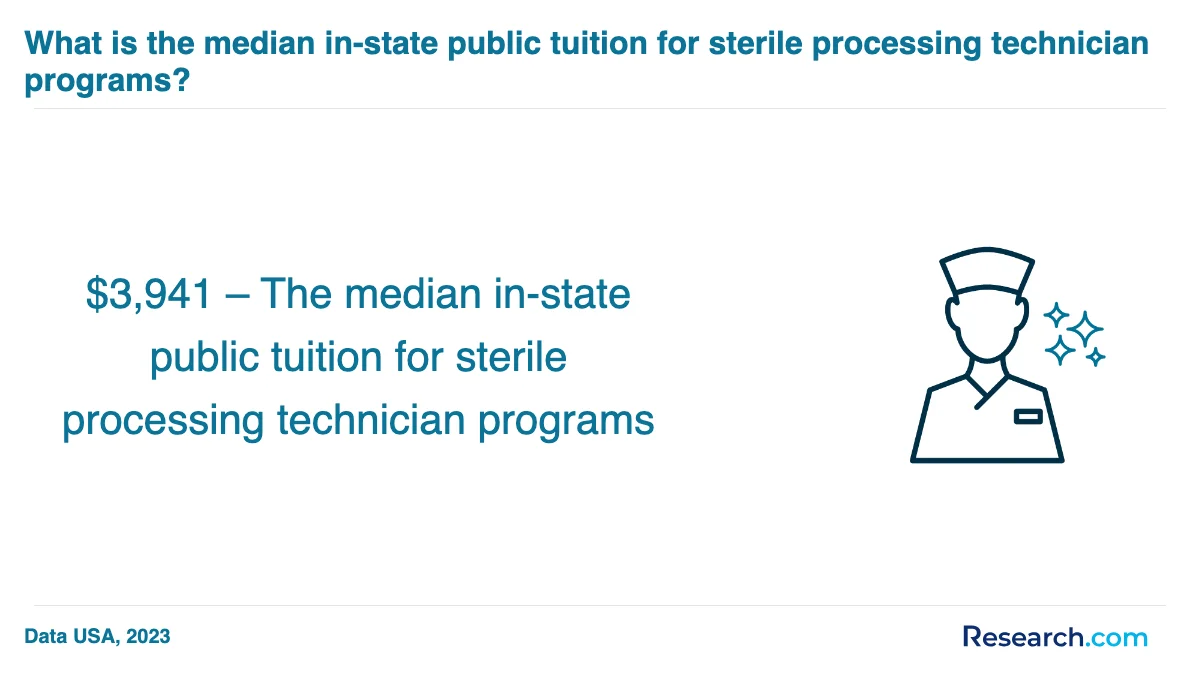
Sterile processing technician programs in Wisconsin trade schools like Northcentral Technical College and Chippewa Valley Technical College focus on essential courses that equip students with practical and theoretical skills. Graduates often highlight how hands-on training in cleaning, decontamination, and sterilization of surgical instruments made them confident in real hospital settings.
Typical courses include:
- Cleaning, decontamination, and sterilization procedures emphasizing patient safety and aseptic techniques
- Packaging and process monitoring to ensure sterilization effectiveness
- Disinfection methods and operation of sterilization technologies such as steam and chemical sterilizers
- Medical terminology, anatomy, physiology, and microbiology for understanding infection control
- Inventory management and record-keeping to meet healthcare regulatory standards
Graduates praise the clinical externship components included in many Wisconsin programs, which allow them to apply their classroom knowledge in real-world environments under supervision. This blend of instruction and practical experience prepares students well for immediate employment in healthcare facilities.
Wisconsin sterile processing technician program specializations typically include core areas vital for success in healthcare environments. Graduates from popular trade schools frequently highlight courses such as Medical Terminology, Central Service Fundamentals, Central Service Clinical Practices, Digital Literacy Healthcare, and Principles of Sterile Processing. These specialized training in Wisconsin sterile processing technician programs ensure students gain practical knowledge and hands-on skills necessary to maintain sterile instruments and comply with stringent safety standards.
For example, graduates from Blackhawk Technical College benefit from a curriculum that integrates Medical Terminology and Central Service Clinical Practices, giving them confidence in real-world sterile processing roles. Meanwhile, Waukesha County Technical College's program offers a streamlined 6-credit diploma focusing on Digital Literacy Healthcare and Principles of Sterile Processing, allowing students to enter the workforce quickly with relevant expertise.
These programs empower students to perform specialized tasks critical to the healthcare industry, making the career path both rewarding and aligned with some of the highest paying job in the medical field.
Choosing the best sterile processing technician trade school program in Wisconsin involves evaluating key factors such as accreditation, curriculum, and hands-on training. Graduates from Chippewa Valley Technical College often highlight the value of clinical externships at local hospitals, which enhanced their practical skills and confidence in real healthcare environments. Programs accredited by recognized bodies like CBSPD or IAHCSMM ensure that the education aligns with industry standards, boosting employability in Wisconsin's competitive healthcare job market. Affordability is also critical; prospective students should research affordable sterile processing technician schools Wisconsin, comparing tuition, financial aid, and scholarship opportunities like the Wisconsin Grant Program.
Curriculum comprehensiveness is essential, covering infection control, sterilization techniques, and equipment management to prepare candidates for certification exams such as CRCST. Flexible program formats-whether in-person, online, or hybrid-allow students to balance study with personal commitments. For those seeking a cost-effective option, exploring a cheap sterile processing tech certificate program online can provide a pathway to certification without financial strain.

Graduates of sterile processing technician trade school programs in Wisconsin can pursue a variety of career paths within healthcare, reflecting the strong demand for sterile processing technician jobs in Wisconsin. Entry-level roles typically include Sterile Processing Technician positions where graduates apply skills in cleaning and sterilizing surgical instruments used in hospitals and outpatient centers. Many graduates from colleges like Blackhawk and CVTC report positive experiences transitioning quickly into these roles, finding steady employment through state job postings.
Advancement opportunities include roles such as Central Service Technician or Sterile Core Technician, which often require specialized knowledge in instrument inventory and infection control compliance. Some graduates move toward Surgical Care Technician roles at facilities like UW Health, gaining hands-on experience supporting surgical teams.
Experience often leads to supervisory roles like Sterile Processing Coordinator, managing staff and workflow. Quality assurance and compliance positions allow graduates to focus on training and safety auditing, while larger healthcare systems may offer lateral moves into surgical services support or supply chain management.
Many graduates highlight the value of Wisconsin technical colleges, including Mid-State and Waukesha County, for preparing them efficiently in under a year. For those exploring options beyond medicine, sterile processing presents one of the easiest trade jobs to study that pay well, combining stable employment with meaningful healthcare impact.
The sterile processing technician job market Wisconsin offers consistent opportunities, especially for graduates of well-regarded local trade schools. Hospitals and outpatient centers across the state, including major employers like the University of Wisconsin Hospitals, frequently list over 50 openings, signaling stable demand. Many graduates report securing positions quickly due to the practical skills acquired in hands-on programs, making entry-level roles accessible.
Key factors shaping the job market include:
- Varied shifts-day, evening, and weekend-matching hospital schedules
- Positions available in diverse settings such as specialty clinics and surgical centers
- Competitive wages that reward travel sterile processing techs with weekly pay between $1,427 and $1,593, translating to strong earning potential over time
This positive outlook ties directly into the sterile processing technician salary Wisconsin data, which highlights attractive pay scales for both permanent and travel roles.
Graduates from Wisconsin trade schools often describe how their programs helped them build confidence and technical expertise, preparing them for nationwide demand. For those exploring flexible learning, several surgical tech online programs can supplement local training to enhance credentials and job prospects.
Most Affordable Sterile Processing Technician Schools & Training - Budget-Friendly Sterile Processing Tech Trade Programs in Wisconsin for 2026
# 1 position
Milwaukee Area Technical College - Sterile Processing Technology/Technician.
certificate or diplomaMilwaukee Area Technical College offers a Sterile Processing Technology/Technician program with a hybrid format, including some distance education. The program trains students to sterilize and assemble surgical instruments and equipment, covering sterilization, infection control, decontamination, and record-keeping. Annual in-state tuition is $5,017. Graduates earn a median salary of $19,344 one year after completion. The program is accredited by the Higher Learning Commission.
# 2 position
Blackhawk Technical College - Sterile Processing Technology/Technician.
certificate or diplomaBlackhawk Technical College offers a Sterile Processing Technology/Technician program designed to prepare students for cleaning, sterilizing, and assembling surgical instruments and supplies for medical facilities. The hybrid program includes training in sterilization, infection control, decontamination, surgical instrumentation processing, distribution, and record-keeping. The annual in-state tuition is $4,170. This program is accredited by the Higher Learning Commission.
# 3 position
Mid-State Technical College - Sterile Processing Technology/Technician.
certificate or diplomaMid-State Technical College offers a Sterile Processing Technology/Technician program designed to prepare students to clean, sterilize, and assemble surgical instruments and supplies for medical facilities. The hybrid program includes instruction in sterilization, infection control, decontamination, surgical instrumentation processing, distribution, and record-keeping. Annual in-state tuition is $4,886. The program is accredited by the Higher Learning Commission.
# 4 position
Herzing University-Madison - Sterile Processing Technology/Technician.
certificate or diplomaHerzing University-Madison offers a Sterile Processing Technology/Technician program that trains individuals to clean, sterilize, and assemble surgical instruments and supplies for operating rooms and medical facilities. The curriculum covers sterilization, infection control, decontamination, surgical instrumentation processing, distribution, and record-keeping. The program’s annual in-state tuition is $13,420 and it is accredited by the Higher Learning Commission.
Frequently Asked Questions about sterile processing technician
After completing a sterile processing technician trade school in Wisconsin, preparing for the job market involves several key steps. First, obtaining certification from the International Association of Healthcare Central Service Materiel Management (IAHCSMM) or the Certification Board for Sterile Processing and Distribution (CBSPD) is highly recommended. Wisconsin employers often prefer certified candidates, which can improve job prospects.
Networking with local healthcare facilities and attending job fairs can help graduates connect with potential employers. According to the Wisconsin Department of Workforce Development, the demand for sterile processing technicians is expected to grow moderately through 2028, reflecting steady opportunities.
Gaining hands-on experience through internships or externships offered by trade schools can also enhance employability.
Employers in Wisconsin highly value sterile processing technician graduates who demonstrate strong attention to detail. This skill is critical for ensuring surgical instruments are properly cleaned and sterilized, reducing infection risks in healthcare settings. According to the Wisconsin Department of Workforce Development, accuracy in following strict protocols is a top priority for employers hiring in this field.
Technical proficiency with sterilization equipment and understanding of infection control standards are also essential. Graduates must be familiar with industry guidelines such as those from the Association for the Advancement of Medical Instrumentation (AAMI).
Communication skills are important for coordinating with surgical teams and healthcare staff. Employers seek candidates who can clearly report instrument statuses and maintain detailed records.
Finally, reliability and the ability to work efficiently under pressure are frequently mentioned in job postings throughout Wisconsin healthcare facilities, reflecting the fast-paced environment sterile processing technicians often face.
Finding internships relevant to sterile processing technician trade school programs in Wisconsin involves several practical steps. Start by contacting local hospitals and healthcare facilities, as many of these institutions offer internship opportunities for students enrolled in accredited sterile processing programs. The Wisconsin Department of Workforce Development and the Wisconsin Healthcare Association provide resources and listings for healthcare internships statewide.
Networking with instructors and career advisors at trade schools can also help identify internship openings. Additionally, organizations like the International Association of Healthcare Central Service Materiel Management (IAHCSMM) often list internship opportunities that meet certification requirements.
According to the Wisconsin Technical College System, approximately 65% of sterile processing students secure internships through school partnerships with clinical sites. These internships typically last 6 to 12 weeks and provide hands-on experience essential for certification exams.
Obtaining a sterile processing technician diploma from a trade school in Wisconsin significantly enhances career mobility within the healthcare sector. Graduates gain essential skills recognized by employers statewide, increasing their eligibility for entry-level positions in hospitals, clinics, and surgical centers. According to the Wisconsin Department of Workforce Development, the demand for sterile processing technicians is expected to grow by 12% through 2030, reflecting expanding job opportunities.
Certified technicians often experience faster career advancement and higher wages. Completion of an accredited diploma program also prepares students for national certification exams, such as the Certified Registered Central Service Technician (CRCST), which employers value highly. This certification can lead to supervisory roles and specialized positions.
Overall, a diploma from a Wisconsin trade school serves as a practical credential, improving both employment prospects and potential for upward mobility in the healthcare industry.
In Wisconsin, part-time job opportunities that complement sterile processing technician trade school education often include roles in healthcare facilities such as hospitals, outpatient clinics, and dental offices. Positions like medical equipment sterilization aides or healthcare support staff allow students to gain hands-on experience with infection control and sterilization protocols. According to the Wisconsin Department of Workforce Development, healthcare support occupations are projected to grow by 10% through 2030, reflecting steady demand.
Working in these roles helps students apply classroom knowledge in real-world settings, improving their technical skills and understanding of healthcare environments. Additionally, part-time roles in hospital supply chain departments can provide insight into inventory management relevant to sterile processing.
To find the most affordable Sterile Processing Technician degree program near me, start by using local search terms and contacting community colleges or technical schools directly for detailed tuition information. Programs near Wisconsin may vary in cost, so inquire about scholarships or financial aid options to help offset expenses. Consulting resources like Research.com can also provide valuable insights into school rankings and program details specific to your area.
- Most Affordable Sterile Processing Technician Schools & Training - Budget-Friendly Sterile Processing Tech Trade Programs in Minnesota for 2026
- Most Affordable Sterile Processing Technician Schools & Training - Budget-Friendly Sterile Processing Tech Trade Programs in Illinois for 2026
- Most Affordable Sterile Processing Technician Schools & Training - Budget-Friendly Sterile Processing Tech Trade Programs in Michigan for 2026
- Most Affordable Sterile Processing Technician Schools & Training - Budget-Friendly Sterile Processing Tech Trade Programs in Ohio for 2026
- Most Affordable Sterile Processing Technician Schools & Training - Budget-Friendly Sterile Processing Tech Trade Programs in Tennessee for 2026
- Most Affordable Sterile Processing Technician Schools & Training - Budget-Friendly Sterile Processing Tech Trade Programs in West Virginia for 2026
- Most Affordable Sterile Processing Technician Schools & Training - Budget-Friendly Sterile Processing Tech Trade Programs in Pennsylvania for 2026
- Most Affordable Sterile Processing Technician Schools & Training - Budget-Friendly Sterile Processing Tech Trade Programs in Virginia for 2026
- Most Affordable Sterile Processing Technician Schools & Training - Budget-Friendly Sterile Processing Tech Trade Programs in Colorado for 2026
- Most Affordable Sterile Processing Technician Schools & Training - Budget-Friendly Sterile Processing Tech Trade Programs in Louisiana for 2026
- Tips for Gaining an Internship in Sterile Processing | Journal https://vocal.media/journal/tips-for-gaining-an-internship-in-sterile-processing
- How To Become a Sterile Processing Technician | Concorde Career Colleges https://www.concorde.edu/blog/how-become-sterile-processing-technician
- Introducing the Sterile Processing Department Internship Program | Lehigh Valley Health Network https://www.lvhn.org/news/introducing-sterile-processing-department-internship-program
- Sterile Processing Technician Certification Trade School https://centralsterilizationschool.com/
- Sterile Processing Technician Training | AIMS Education https://aimseducation.edu/sterile-processing-technician
- Sterile Processing Professionals | What route did you take as far as starting in sterile processing | Facebook https://www.facebook.com/groups/540936709274849/posts/23995482050060318/
- Sterile Processing Technician Program | Mid-State Technical College https://www.mstc.edu/programs/sterile-processing-technician
- Sterile Processing Technician https://www.uww.edu/ce/ed2go/ed2goadvcareer/sterileprocessingtechnician
- Sterile Processing Technician - Technical Diploma https://www.blackhawk.edu/Programs-Courses/Sterile-Processing-Technician
- Sterile Processing Technician - Technical Diploma | Chippewa Valley Technical College https://www.cvtc.edu/academics/programs/sterile-processing-technician