Most Affordable Sterile Processing Technician Schools & Training - Budget-Friendly Sterile Processing Tech Trade Programs in Texas for 2026

Co-Founder and Chief Data Scientist
Choosing the right sterile processing technician trade school in Texas can feel overwhelming. To make this easier, the Research.com team of data scientists created a ranking of the best programs for 2026. This article introduces that ranking to help you identify schools that are truly worth considering.
Completing a sterile processing technician program can open doors to a rewarding, stable career in healthcare. Reading this guide will give you confidence in your decision and set you on a path toward success.
Key benefits of finishing sterile processing technician trade school in Texas
- Graduates can expect competitive salaries in Texas, with annual earnings typically between $34,703 and $49,826, and hourly wages ranging from $19 to $26, offering a strong financial foundation early in their careers.
- Career paths after trade school often include roles in hospitals, outpatient centers, and specialized clinics, with opportunities to advance into supervisory or training positions, as seen with successful graduates from popular Texas programs.
- Completing a sterile processing technician program online provides flexibility and convenience, allowing students to balance work and study, a benefit highlighted by many online graduates from well-known Texas trade schools.
- Most Affordable Sterile Processing Technician Schools & Training - Budget-Friendly Sterile Processing Tech Trade Programs in Texas for 2026
- What can I expect from sterile processing technician trade schools in Texas?
- Where can I work after finishing sterile processing technician trade schools in Texas?
What can I expect from sterile processing technician trade schools in Texas?
Enrolling in a sterile processing technician trade school program in Texas means engaging in a focused curriculum that equips you with essential skills in sterilization procedures, infection control, and equipment handling. Graduates from programs at well-known schools like Tarrant County College often describe a balanced mix of online lectures and hands-on clinical experiences in local hospitals, which helps them confidently apply their knowledge in real healthcare settings.
You can expect to learn about decontamination, inspection, assembly, and packaging of medical instruments, often through interactive exercises and self-paced online modules. Many students appreciate the flexibility of completing coursework within four to twelve months while benefiting from resources like supplemental videos and open-note quizzes that reduce exam anxiety.
Programs typically prepare you for the Certified Registered Central Service Technician (CRCST) exam, sometimes including exam vouchers to ease costs. Graduates value the practical skills gained, including critical thinking and teamwork, which open doors to entry-level roles in Texas hospitals and surgical centers amid strong local demand.
Where can I work after finishing sterile processing technician trade schools in Texas?
Graduates of sterile processing technician trade school programs in Texas commonly find employment in hospitals, where their skills are essential in operating rooms and central sterile supply departments. For example, many graduates from well-known Texas trade schools secure positions at major healthcare systems like Houston Methodist and MD Anderson Cancer Center, performing tasks such as decontamination, assembly, and sterilization of surgical instruments. These roles offer not only competitive salaries but also opportunities for steady, full-time work in dynamic medical environments.
Beyond hospitals, graduates often work in surgical centers, outpatient clinics, dental offices, and specialized healthcare facilities including endoscopy suites and research laboratories. These settings provide hands-on experience with varying instruments and procedures, allowing technicians to develop versatile skills that enhance their career growth.
Texas also offers travel positions, allowing technicians to work short-term contracts across different cities, gaining exposure to diverse healthcare settings. Entry-level wages typically range from $11 to $24 per hour, with stronger job markets in cities like Houston, Dallas, San Antonio, and Austin, reflecting the state's expanding healthcare industry.
Graduates of sterile processing technician trade school programs in Texas can anticipate an average annual salary of around $38,808, according to recent data. Many find themselves earning between $34,703 and $43,742 per year in their early careers, particularly in metropolitan areas like Houston where entry-level hourly wages range from $19.04 to $31.68. This means that right after completing training at popular Texas trade schools, graduates often feel encouraged by starting pay rates that reflect their newly acquired skills.
Some graduates share that working within large hospital systems, such as those affiliated with Texas Health Resources, offers even greater earning potential. Here, wages can range from minimum wage up to $62.65 per hour for specialized positions, with an average near $28.02 per hour. Many find this motivating, knowing their dedication to certifications and experience can lead to steady wage growth.
Hourly pay estimates vary, with some sources citing averages as high as $25.22 per hour, suggesting that with the right experience and location, a graduate's annual salary can approach $49,826. This range reflects real opportunities for advancement and financial stability following completion of a sterile processing technician program in Texas.
- Applicants must be at least 18 years old, have a high school diploma or GED, and demonstrate English proficiency.
- Programs in Texas range from four months to one year and are offered online, hybrid, or in-person formats.
- Tuition typically costs between $2,000 and $2,500, with some schools offering payment plans and financial aid options.
- Graduates are prepared to take the Certified Registered Central Service Technician (CRCST) exam, a common industry credential.
- Starting salaries for sterile processing technicians in Texas range from $34,000 to $44,000 per year, with higher wages possible in metropolitan areas.
Completing a sterile processing technician trade school program in Texas typically takes between 6 to 12 months, depending on the school and whether the student attends full-time or part-time. Popular trade schools in Texas often offer accelerated options that allow students to finish in as little as half a year, which many graduates find motivating as it enables a swift transition into the workforce.
Students frequently share how the structured hands-on training and clinical externships provided by these programs build their confidence. For example, graduates from well-known Texas trade schools describe feeling prepared from day one to handle real hospital environments, thanks to practical learning integrated throughout the curriculum.
Choosing a program with flexible scheduling can be a game-changer for those balancing work or family, making the completion time manageable without sacrificing quality. The sense of accomplishment upon finishing a program in under a year often fuels excitement and pride, setting graduates up for success in their new careers as sterile processing technicians.
The primary difference between online and on-campus sterile processing technician programs in Texas is how coursework and clinical training are delivered. Online programs, like those from Texas State University or the U.S. Career Institute, offer flexible schedules where graduates appreciated the ability to study at their own pace, balancing work and family commitments. These programs use videos, quizzes, and interactive lessons, making learning accessible anytime. However, graduates often share that arranging clinical placements independently, as required by programs such as Texas A&M University-Corpus Christi, demanded extra effort and coordination, sometimes involving travel to local hospitals.
In contrast, on-campus programs at institutions like Tarrant County College or Austin Community College provide a more structured experience. Graduates value the direct interaction with instructors and classmates, along with scheduled, hands-on clinical training organized by the school. This environment supports those who thrive with routine and prefer face-to-face support. Both paths prepare students for CRCST certification, but the choice hinges on whether flexibility or structured support fits the student's lifestyle best.
The average tuition for sterile processing programs in Texas generally falls between $500 and $3,000, depending on the trade school and program format. Graduates from Austin Community College share that the $925 tuition makes their training affordable while allowing focus on mastering skills essential for sterile processing technician roles. In contrast, students at Houston Community College experience a total program cost of about $1,875.50, which includes books and supplies, reflecting a more comprehensive fee structure. These varying costs demonstrate that candidates can find programs matching different budgets without compromising training quality.
Beyond tuition, additional expenses such as textbooks, uniforms, and certification exam fees contribute to the total cost. For example, Collin College graduates note spending approximately $200 on books, $160 on uniforms, and $105 for certification exams. Such details help prospective students realistically budget for the entire process of becoming a certified sterile processing technician. For those seeking flexible options, the U.S. Career Institute offers an online program priced at $69 per month, totaling $1,279 for 18 months with the certification exam included, which many find manageable alongside work or family commitments.
While certification is not mandatory in Texas, many employers prefer candidates holding certification, affecting the cost of sterile processing technician certification in Texas. Students often appreciate programs that prepare them well for these credentials. For those interested in healthcare fields requiring relatively short training periods, exploring 2 year medical programs related to sterile processing technician trade schools can offer valuable perspectives on timing and expenses.

Financial aid for sterile processing technician students in Texas includes federal student aid like Pell Grants and federal loans, available at many trade schools and community colleges that meet Title IV requirements. Graduates from Houston Community College's Coleman College often share how the Texas Reskilling and Upskilling Through Education Grant Program covered their full training costs-including uniforms and exam fees-removing financial barriers and allowing them to focus entirely on their certification.
Veterans attending trusted programs such as those at Tarrant County College benefit from VA educational benefits, significantly easing tuition expenses and related costs. This support helps veterans transition smoothly into healthcare roles without financial stress. However, students enrolling in non-credit courses at institutions offering ed2go or similar continuing education often find these options ineligible for federal aid, requiring alternative funding like workforce scholarships or employer tuition assistance.
Most Texas trade schools encourage prospective students to consult with financial aid advisors who tailor aid packages to individual needs, ensuring that each student finds the most affordable route to certification while feeling confident and supported throughout their educational journey.
Enrolling in a sterile processing technician trade school program in Texas typically requires a few clear prerequisites that set students up for success. Most trade schools expect applicants to have a high school diploma or GED, ensuring a foundational level of education. Graduates from popular Texas trade schools often recall how this basic qualification helped them grasp technical concepts quickly during their training.
Additionally, schools may require:
- Proof of immunizations and a clean background check, reflecting the healthcare environment's safety standards.
- Basic proficiency in English and math, necessary for understanding protocols and handling sterilization equipment accurately.
- Sometimes a physical exam to confirm the ability to perform the job's physical demands, like standing for long periods or lifting equipment.
Many students share that meeting these prerequisites gave them confidence from day one. For example, those attending renowned Texas programs often mention how being prepared in these areas helped them focus fully on mastering sterile processing techniques without additional hurdles.
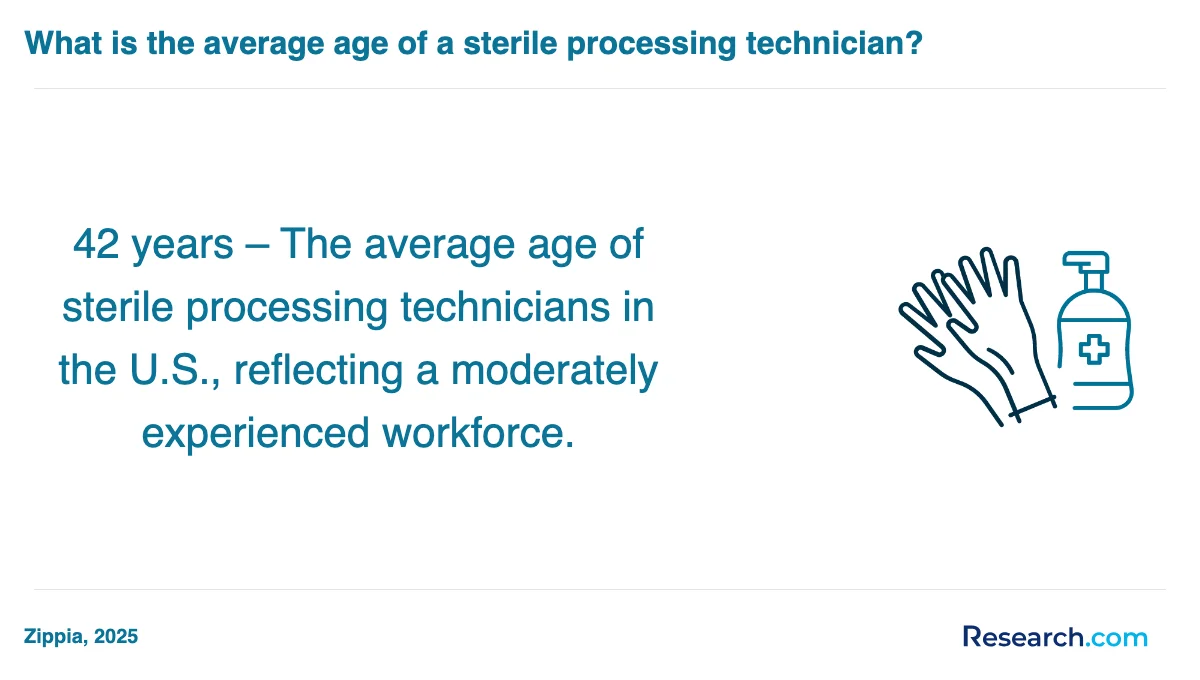
Sterile processing technician trade school programs in Texas focus on courses that prepare students for immediate success in healthcare environments. Typical curricula include comprehensive instruction in decontamination, sterilization, and infection control-fundamental skills graduates use daily to ensure patient safety.
Students learn critical steps such as cleaning, disassembly, inspection, packaging, and storage of surgical instruments, which are essential to preventing infections in hospitals and surgical centers. Programs emphasize aseptic techniques and medical device decontamination, blending scientific theory with practical application.
Core coursework covers:
- Operation of sterilization machinery and equipment assembly/disassembly
- Regulatory compliance, including HIPAA and instrument tracking protocols
- Critical thinking, communication, teamwork, and computer literacy to thrive in fast-paced clinical settings
Trade schools like Austin Community College incorporate clinical rotations in local hospitals, where students gain hands-on experience under supervision, building confidence and competence. Online programs from Texas State University offer interactive lessons with exam vouchers to support certification paths like CRCST, making the learning process engaging and accessible for busy students.
Sterile processing technician program specializations in Texas often focus on practical, hands-on skills aligned with real healthcare demands. Graduates from popular Texas trade schools frequently highlight training in Central Sterile Services Department (CSSD) operations, where they master the cleaning, sterilization, and packaging of surgical tools used across hospitals and emergency rooms. This specialization builds confidence through both classroom instruction and clinical rotations in local medical facilities, ensuring readiness for fast-paced sterile processing roles.
Additional specializations include:
- Instrument and equipment management, emphasizing inventory control and proper distribution within large healthcare centers.
- Dental and veterinary sterile processing tracks, which prepare technicians for unique sterilization needs in dental offices and animal clinics.
Many Texas programs also guide students through Texas sterile processing technician certification options, such as preparation for the Certified Registered Central Service Technician (CRCST) exam, enhancing career prospects.
Students assessing their career paths can benefit from understanding trade school vs vocational programs by consulting resources like trade school vs vocational programs to choose the best fit.
When choosing the best sterile processing technician trade schools Texas has to offer, prioritize accredited programs recognized by bodies like the Commission on Accreditation of Allied Health Education Programs (CAAHEP). Graduates from well-known Texas colleges often share how accreditation boosted their confidence and job prospects in local hospitals. Consider programs that offer flexible formats; for instance, Texas State University's 100% online option allows students to complete their studies within a year, making education accessible without compromising their current responsibilities.
Affordability is another key factor. Many students seek affordable sterile processing technician programs Texas-wide, balancing tuition costs with financial aid opportunities such as federal grants or scholarships. Community colleges providing certification programs are popular for their reasonable fees and hands-on clinical experiences. Graduates frequently praise these programs for preparing them thoroughly for certification exams like the CRCST.
Choosing a program with strong job placement support enhances your chances of secure employment. Texans enrolled in respected trade schools highlight connections to healthcare employers as vital for a smooth transition into the workforce. For those exploring career options, sterile processing is among quick-to-learn trade jobs that lead to well-paying careers.
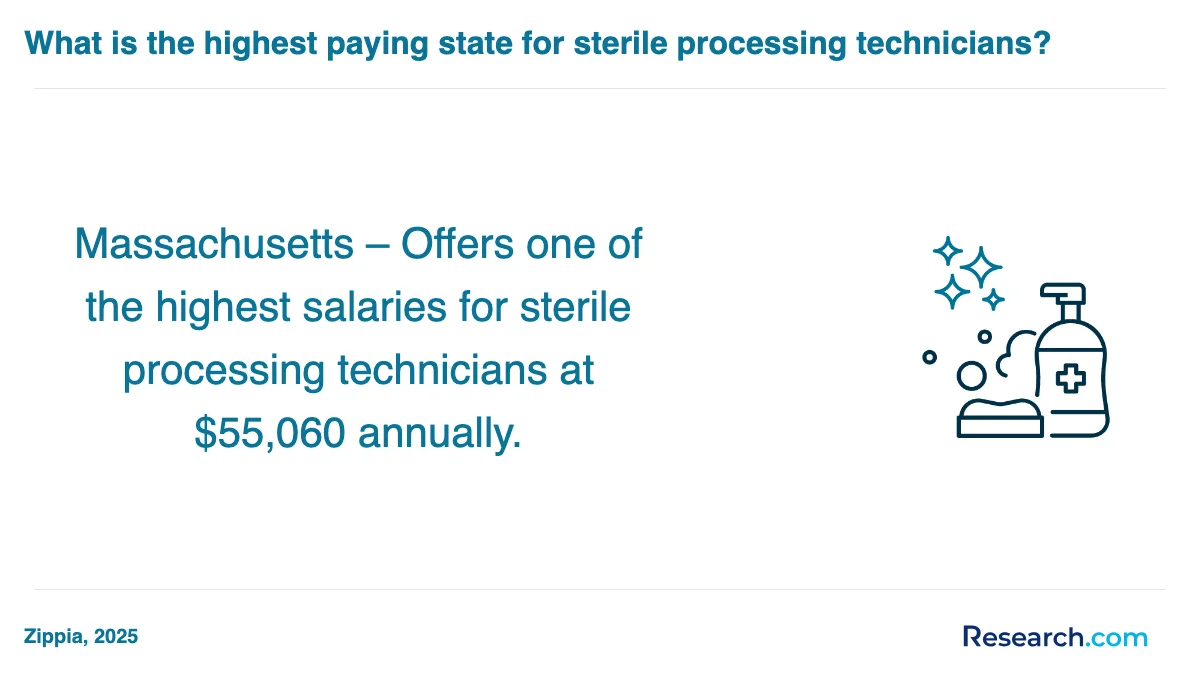
Graduates of sterile processing technician trade school programs in Texas access a variety of career opportunities tailored to their skills and interests. Many find sterile processing technician jobs in Texas within hospital Central Sterile Services Departments (CSSD), operating rooms, and emergency departments in cities like Houston, Dallas, and San Antonio. Working alongside surgical teams, these technicians play a crucial role in patient safety and infection control, which keeps demand steady across healthcare facilities.
Beyond hospitals, career opportunities for sterile processing technicians in Texas include positions in outpatient surgical centers, dental offices, clinics, laboratories, and even veterinary hospitals. Some graduates explore roles with medical equipment manufacturers or serve in government and military health facilities, expanding their professional horizons. Travel sterile processing technician roles also attract graduates seeking flexibility and competitive pay, often earning about $1,476 weekly.
With experience, certifications like the CRCST open doors to supervisory positions. Graduates from Texas trade schools often highlight how developing critical thinking and teamwork skills supports career growth or transitions into healthcare management or surgical technology. For flexible education options, consider cheap surgical tech certificate programs online that can complement in-person Texas training.
Graduates of sterile processing technician trade school programs in Texas enter a robust and steadily growing job market. Hospitals and surgical centers across large metropolitan areas like Houston, Dallas, and San Antonio consistently seek qualified technicians to uphold rigorous infection control standards. Many graduates from well-regarded Texas trade schools report quick employment thanks to their certified training, which aligns with industry demands.
Key aspects of the sterile processing technician job market in Texas include:
- Strong demand in both urban and suburban healthcare facilities, ensuring multiple job opportunities.
- Competitive entry-level salaries starting near $34,700 annually, with experienced roles exceeding $48,000.
- Higher wages in healthcare hubs such as Houston, where the average hourly rate reaches $26.24.
Employers favor graduates with certification credentials like the CRCST, contributing to increased pay and job security. Career growth often leads to supervisory or specialized technical roles. Those curious about wage expectations can gain insights from resources on surgical technician salary. Overall, the fertile sterile processing technician job market in Texas offers both stability and advancement aligned with the healthcare sector's expansion.
Most Affordable Sterile Processing Technician Schools & Training - Budget-Friendly Sterile Processing Tech Trade Programs in Texas for 2026
# 1 position
Fortis College - Sterile Processing Technology/Technician.
certificate or diplomaThe Sterile Processing Technology/Technician program at Fortis College prepares students to clean, sterilize, and assemble surgical instruments and supplies for medical facilities. The hybrid program includes instruction in sterilization, infection control, decontamination, and surgical instrumentation processing and record-keeping. Graduates have median earnings of $34,909 one year after completion. The program is accredited by the Accrediting Commission of Career Schools and Colleges.
# 2 position
Fortis Institute - Sterile Processing Technology/Technician.
certificate or diplomaThe Sterile Processing Technology/Technician program at Fortis Institute offers a hybrid format with some distance education options. It trains students to clean, sterilize, and assemble surgical instruments and supplies for medical facilities. The curriculum includes sterilization, infection control, decontamination, and surgical instrumentation processing. Graduates have a median earning of $34,909 one year after completion. The program is accredited by the Accrediting Commission of Career Schools and Colleges.
# 3 position
Tarrant County College District - Sterile Processing Technology/Technician.
certificate or diplomaThe Sterile Processing Technology/Technician program at Tarrant County College District offers a hybrid format with some distance education options. It prepares students to clean, sterilize, and assemble surgical instruments and supplies for use in medical and surgical settings. Instruction includes sterilization, infection control, decontamination, surgical instrumentation processing, distribution, and record-keeping. Annual in-state tuition is $1,728. The program is accredited by the Southern Association of Colleges and Schools Commission on Colleges.
# 4 position
Concorde Career College-Grand Prairie - Sterile Processing Technology/Technician.
certificate or diplomaThe Sterile Processing Technology/Technician program at Concorde Career College-Grand Prairie offers a hybrid format with some distance-education options. It trains students to clean, sterilize, and assemble surgical instruments and supplies for medical and surgical facilities. The curriculum includes sterilization, infection control, decontamination, surgical instrumentation processing, distribution, and record-keeping. The program is accredited by the Accrediting Commission of Career Schools and Colleges.
Frequently Asked Questions about sterile processing technician
After completing a sterile processing technician trade school in Texas, preparing for the job market involves several key steps. First, obtaining certification from recognized bodies like the Certification Board for Sterile Processing and Distribution (CBSPD) or the International Association of Healthcare Central Service Materiel Management (IAHCSMM) can significantly improve employment prospects. Texas healthcare facilities often prefer or require certified technicians.
Networking is also crucial; joining local professional groups or attending healthcare job fairs can provide valuable connections. Additionally, gaining hands-on experience through externships or clinical rotations offered during training helps build practical skills. According to the Texas Workforce Commission, demand for sterile processing technicians is growing by approximately 12% through 2030, reflecting strong job opportunities in the state.
Employers in Texas seek sterile processing technician graduates with strong attention to detail and knowledge of infection control standards. Graduates must be proficient in sterilization methods, including the use of autoclaves and chemical disinfectants, to ensure patient safety.
Technical skills like proper handling of surgical instruments and understanding of sterilization equipment maintenance are essential. According to the Texas Workforce Commission, employers also value graduates who demonstrate effective communication and teamwork abilities, as sterile processing technicians often collaborate with surgical teams.
Additionally, familiarity with healthcare regulations such as those from OSHA and the CDC is important. Time management and organizational skills help technicians manage workflow in fast-paced hospital environments.
Finding internships in Texas for sterile processing technician students involves several key steps. First, contact your trade school's career services or internship coordinator, as many schools have partnerships with local hospitals and surgical centers. These healthcare facilities often offer hands-on training opportunities aligned with your program requirements.
Additionally, explore the Texas Department of State Health Services website, which provides resources on accredited sterile processing programs and affiliated clinical sites. Networking with professional organizations like the International Association of Healthcare Central Service Materiel Management (IAHCSMM) can also help uncover internship openings.
Hospitals in major Texas cities such as Houston, Dallas, and San Antonio typically offer more internship slots due to higher patient volumes.
Obtaining a sterile processing technician diploma from a trade school in Texas significantly enhances career mobility and advancement opportunities. Graduates gain essential technical skills recognized by healthcare employers statewide, which is critical as Texas experiences growth in its healthcare sector. According to the Texas Workforce Commission, job openings for sterile processing technicians are projected to grow by 12% through 2030, faster than average for all occupations.
Diploma holders often qualify for entry-level positions with competitive pay, typically ranging from $15 to $22 per hour, depending on location and experience. Certification eligibility, such as through the Certification Board for Sterile Processing and Distribution (CBSPD), further improves promotion prospects.
Trade school diplomas also open pathways to supervisory roles or specialized areas, supporting upward mobility in Texas healthcare facilities. Employers increasingly prefer candidates with formal training, making diplomas a valuable asset for career growth.
Part-time job opportunities in Texas that complement sterile processing technician trade school education often include roles in healthcare settings such as hospitals, outpatient clinics, and surgical centers. Positions like sterile processing aide or medical equipment technician provide hands-on experience with instrument sterilization and inventory management, which align closely with trade school curricula.
According to the Texas Workforce Commission, healthcare support occupations are projected to grow by 18% from 2020 to 2030, indicating increasing demand for related part-time roles. Working in these roles helps students build essential skills while networking within the healthcare industry.
Additionally, some students find part-time employment in hospital supply departments or as surgical assistants, gaining exposure to infection control protocols. These positions not only enhance practical knowledge but also improve employability after graduation.
To choose the most affordable Sterile Processing Technician degree program near me in Texas, start by researching local community colleges and vocational schools that offer the program, ensuring that they have proper accreditation and good facilities. Consider programs with a strong emphasis on practical, hands-on training and check opportunities for internships or externships in local healthcare facilities. Utilize resources like Research.com to compare tuition fees and program details at various universities and institutions near Texas, paying close attention to financial aid options and potential scholarships.
- Most Affordable Sterile Processing Technician Schools & Training - Budget-Friendly Sterile Processing Tech Trade Programs in Louisiana for 2026
- Most Affordable Sterile Processing Technician Schools & Training - Budget-Friendly Sterile Processing Tech Trade Programs in Colorado for 2026
- Most Affordable Sterile Processing Technician Schools & Training - Budget-Friendly Sterile Processing Tech Trade Programs in Tennessee for 2026
- Most Affordable Sterile Processing Technician Schools & Training - Budget-Friendly Sterile Processing Tech Trade Programs in Arizona for 2026
- Most Affordable Sterile Processing Technician Schools & Training - Budget-Friendly Sterile Processing Tech Trade Programs in Florida for 2026
- Most Affordable Sterile Processing Technician Schools & Training - Budget-Friendly Sterile Processing Tech Trade Programs in South Carolina for 2026
- Most Affordable Sterile Processing Technician Schools & Training - Budget-Friendly Sterile Processing Tech Trade Programs in North Carolina for 2026
- Most Affordable Sterile Processing Technician Schools & Training - Budget-Friendly Sterile Processing Tech Trade Programs in Illinois for 2026
- Most Affordable Sterile Processing Technician Schools & Training - Budget-Friendly Sterile Processing Tech Trade Programs in Virginia for 2026
- Most Affordable Sterile Processing Technician Schools & Training - Budget-Friendly Sterile Processing Tech Trade Programs in West Virginia for 2026
- Sterile Processing Technician Career Guide | AIMS Education https://aimseducation.edu/blog/occupation-guide-sterile-processing-technician
- Sterile Processing Technician | Education for professionals at PCC https://www.pcc.edu/professional/health/entry/sterile-processing-technician/
- Sterile Processing Technician- Program Overview | Penn Foster https://www.pennfoster.edu/programs/healthcare/sterile-processing-career-diploma
- Sterile Processing Technician - KP Allied Health Scholars Academy | Kaiser Permanente Northern California https://scholarsacademy.kaiserpermanente.org/alliedhealthscholars/career-pathways/sterile-processing-technician/
- Sterile Processing Technician https://www.columbiabasin.edu/learn/discover-your-path/health-sciences/sterile-processing-technician/index.html
- Sterile Processing Technician | College of Southern Nevada https://www.csn.edu/central-sterile-technician-cc
- Sterile Processing Technician - Technical Diploma https://www.blackhawk.edu/Programs-Courses/Sterile-Processing-Technician
- Sterile Processing Technician - City Colleges of Chicago https://www.ccc.edu/malcolm-x/departments/sterile-processing-technician/
- Program - Sterile Processing Technician - AdventHealth University https://workforce.ahu.edu/program-sterile-processing-technician/
- Online Sterile Processing Technician (Voucher Included) from Florida State College at Jacksonville https://careertraining.fscj.edu/training-programs/sterile-processing-technician-voucher-included/