Most Affordable Sterile Processing Technician Schools & Training - Budget-Friendly Sterile Processing Tech Trade Programs in Northeast for 2026

Co-Founder and Chief Data Scientist
Choosing the right sterile processing technician trade school in the Northeast can feel overwhelming. This article offers a helpful ranking of programs created by the Research.com team of data scientists to guide you through your options.
By exploring these carefully evaluated programs, you’ll gain clarity on which schools offer quality education and value. Earning a diploma or certification in this field opens doors to a rewarding healthcare career with steady demand.
Whether you’re starting fresh or seeking a new path, this guide supports your journey toward a fulfilling future in sterile processing.
Key benefits of finishing sterile processing technician trade school in Northeast
- Graduates in the Northeast can expect starting salaries from $38,000 to $45,000 annually, with potential to earn up to $68,500 or more as experience and certifications grow.
- Career paths include working in large hospital systems, specialized surgical centers, or advancing to supervisory roles, as seen with graduates from well-known Northeast trade schools.
- Completing a sterile processing technician program online offers flexibility and faster completion times, making it easier to balance work and study compared to traditional degrees, according to online program graduates in the region.
- Most Affordable Sterile Processing Technician Schools & Training - Budget-Friendly Sterile Processing Tech Trade Programs in Northeast for 2026
- What can I expect from sterile processing technician trade schools in Northeast?
- Where can I work after finishing sterile processing technician trade schools in Northeast?
What can I expect from sterile processing technician trade schools in Northeast?
Expect a focused, hands-on curriculum when enrolling in a sterile processing technician trade school in the Northeast. Graduates from schools like Berkeley College often describe balancing medical terminology, infection control, and equipment handling coursework with real-world skills needed for cleaning and sterilizing surgical tools. The programs typically last less than a year, making it possible to enter the workforce quickly.
Most students anticipate a clinical practicum of about 400 hours in hospitals or medical centers, where they gain supervised experience that builds confidence and competence. This practical training is often cited by graduates as the moment they truly felt ready for a healthcare environment.
Certification exams such as the CRCST or CBSPD are common final steps, and many graduates appreciate how the programs prepare them thoroughly. Flexible options, including online and in-person classes, help working students manage their schedules. Overall, expect a challenging yet rewarding path that balances theory with essential hands-on practice in Northeast trade schools.
Where can I work after finishing sterile processing technician trade schools in Northeast?
After completing a sterile processing technician trade school program in the Northeast, graduates find a variety of employment opportunities across healthcare settings. Many start their careers in hospitals, which remain the largest employers. For example, graduates from well-known regional trade schools often secure positions in major hospital systems in New York, New Jersey, and Pennsylvania. One graduate shared how training prepared them to confidently join a large hospital network in New York, where over 140 openings were available as of early 2025.
Besides hospitals, ambulatory surgical centers and specialty clinics like endoscopy or dental surgery facilities are common workplaces. These environments demand strict adherence to sterilization protocols, making trade school training highly relevant. Graduates appreciate how their hands-on experience translates directly to these roles.
Some graduates pursue travel or per diem positions in cities like Boston or Newark, enjoying flexible schedules and competitive pay. Others find part-time or full-time roles in health systems such as Hackensack Meridian Health, benefiting from steady work and advancement opportunities. The practical skills gained at Northeast trade schools help students adapt quickly to these diverse job settings.
Graduates of sterile processing technician trade school programs in the Northeast typically start with hourly wages ranging from $14.92 to $26.58, with many landing near the median of $19.43 per hour. This means new technicians often earn between $31,000 and $51,000 annually, depending on their exact role and location. For example, graduates from well-known trade schools in Boston or New York find that hospitals and surgical centers in these cities offer higher starting salaries, reflecting local demand and living costs.
Many graduates share how earning around $20 per hour shortly after completing their programs provided not only financial stability but also confidence to plan next steps, such as pursuing certifications like the CRCST to boost future earnings. Working full-time, a typical annual salary in the Northeast hovers near $70,000 for experienced technicians, but starting out, most see salaries closer to $50,000, especially in metropolitan areas with large healthcare networks.
These figures align with national averages but offer a promising outlook for those investing in a trade school education in this field.
- Admission usually requires a high school diploma or GED, and some programs ask for prerequisite courses in basic sciences or health.
- Program duration is typically under one year, with many completing in about eight months, including hands-on clinical externships.
- Tuition costs range from around $1,000 to $5,000, with some free options available in major cities like Boston.
- Starting wages for graduates are between $20.00 and $23.00 per hour, equating to about $41,600 to $47,840 annually.
- The job market is strong in hospitals and surgical centers, with many programs offering job placement support and career guidance.
Completing a sterile processing technician trade school program in the Northeast typically takes between 4 to 6 months. This timeframe fits well for those balancing work or family commitments, making it a practical choice for busy adults. Graduates from well-known trade schools in the region often share how the compact schedule allowed them to quickly transition into the workforce without unnecessary delays.
For example, many students attend programs that combine hands-on training with classroom instruction in under half a year. This blend helps build confidence as they practice real-world sterilization techniques in simulated hospital settings. The manageable program length also means less time away from earning a paycheck, which is a big relief for many.
In popular Northeast trade schools, the accelerated pace keeps motivation high, and students appreciate seeing tangible progress every week. This approach helps them stay engaged, knowing they're on track to a new career in just a few months.
The main difference between online and on-campus sterile processing technician programs in the Northeast is how the coursework and hands-on training are delivered. Online programs, like Vermont State's course, let you study remotely at your own pace, which is great if you're balancing work or family. Graduates appreciate the flexibility but often share that arranging the required clinical hours at a local healthcare facility can be a challenge, requiring proactive effort to secure placements.
On-campus programs, such as the one at Cuyahoga Community College in Ohio, provide in-person classes and labs, making it easier to get immediate feedback and interact with instructors and peers. Students often find the structured environment helpful for mastering skills and appreciate the support in securing clinical practicums at partner hospitals.
Both routes prepare you for certification, but online programs demand more self-motivation to complete hands-on experience, while on-campus programs offer a more guided path through practical training and networking opportunities.
The average tuition for sterile processing technician programs in the Northeast varies depending on the institution and residency status, but students generally report budgeting between $1,800 and $5,000 for tuition alone. For example, graduates from a well-known trade school in Massachusetts recall paying about $4,808 in tuition and fees for a Central Processing Technology Certificate program, plus an extra $1,200 for books and supplies. Meanwhile, those who studied in Pennsylvania at a community college experienced tiered pricing: local residents paid approximately $1,890, whereas out-of-state students faced costs upwards of $5,670. These differences highlight the importance of considering residency when calculating the cost of sterile processing technician certification in the Northeast.
Many students who took the online route with programs like Penn Foster appreciated the flexibility and affordability, with a total price around $1,049 if paid upfront, making this a popular option for those balancing work or family commitments. Despite varying costs, graduates often emphasize the value of the training and the boost in confidence they gained entering the healthcare field. It's crucial to also factor in additional expenses such as uniforms, certification exam fees, and lab materials, which can impact overall out-of-pocket costs.
Understanding what is the difference between a trade school program and a vocational program can also help prospective students in choosing the best path. While trade schools focus specifically on hands-on skills, vocational programs might include broader educational components. Exploring all these factors equips students in the Northeast to make practical and budget-conscious decisions about entering this field.
Financial aid for sterile processing technician programs in the Northeast often requires creativity because many certificate courses don't qualify for federal aid like FAFSA or Pell Grants. Graduates from popular Northeast trade schools frequently share how institutional scholarships or tuition discounts eased their financial pressure, especially those offered through community colleges or continuing education departments.
One graduate recalls setting up an installment payment plan, which made managing tuition much less daunting by spreading costs over several months. This option is a practical choice when upfront payment isn't feasible. Additionally, private scholarships from local healthcare organizations or nonprofit foundations are common financial lifelines. Students who actively research these often find awards tailored to allied health or sterile processing training.
Employers in Northeast hospitals also sometimes provide tuition reimbursement for current employees seeking advancement. Another graduate found support through a regional workforce development grant aimed at in-demand healthcare careers, which significantly reduced out-of-pocket expenses. Checking directly with schools and local workforce agencies is crucial, as aid availability varies widely across institutions.
To enroll in a sterile processing technician trade school program in the Northeast, applicants typically need to meet a few straightforward prerequisites that set the stage for success. Most programs require a high school diploma or GED, ensuring students have basic academic skills.
In addition, some trade schools ask for:
- Proof of immunizations, particularly for hepatitis B and flu, due to the healthcare environment.
- Background checks and drug screenings, reflecting the responsibility of handling sterile instruments in medical settings.
- Basic computer literacy, since tracking instruments and documentation often involve digital systems.
Graduates from well-known Northeast trade schools often share that meeting these prerequisites felt like a practical checkpoint rather than a barrier. They appreciated how these requirements prepared them for the hands-on, detail-oriented work ahead. For example, one graduate recalls how being comfortable with computers before starting eased the learning curve during clinical rotations, making them feel confident and ready rather than overwhelmed.
Overall, these prerequisites ensure students enter the program equipped to thrive in a fast-paced, critical healthcare support role.

Sterile processing technician programs in the Northeast focus on practical, job-ready skills through a mix of technical courses and hands-on training. Graduates from schools like JVS Boston and Tri-C highlight how the curriculum covers essential topics such as:
- Medical terminology emphasizing key body systems to understand the surgical context
- Infection control principles, including aseptic techniques and disease transmission prevention
- Sterilization methods like steam, gas, and chemical sterilization to ensure equipment safety
- Inventory management skills for tracking and storing surgical instruments efficiently
- Equipment maintenance and quality assurance to keep tools functioning properly
Many students appreciate the clinical practicum or externship components, where they gain real-world experience in hospitals. For example, JVS Boston's live lab training and Tri-C's clinical placements help students confidently handle heavy sterilization machinery and chemicals under supervision, making the transition to the Certified Registered Central Service Technician (CRCST) exam smoother and more manageable.
These programs prepare you not just for certification but for a rewarding role where your work directly supports patient safety and healthcare success every day.
Specialized sterile processing programs in Northeast trade schools focus on practical skills essential for thriving in healthcare settings. Graduates often highlight the balance of classroom theory and hands-on experience as a key feature. For example, programs like those at Asnuntuck Community College include rigorous theory combined with onsite training, helping students confidently tackle the SPD Technician Certification Exam.
These advanced sterile processing technician training in Northeast programs typically cover:
- Decontamination procedures and infection control protocols
- Sterilization methods and quality assurance techniques
- Medical terminology and instrumentation handling
- Packaging, inspection, and materials management
At Massachusetts Bay Community College, students undergo extensive clinical practice in real hospitals, honing their skills in fast-paced environments. Similarly, New York's Capital Region BOCES offers a year-long program with dedicated clinical rotations, enabling students to experience the workflow of a sterile processing department firsthand.
For those seeking to maximize their education efficiently, exploring 2 year healthcare programs can be a smart step to quickly enter this growing field with hands-on expertise.
To choose the best sterile processing technician trade school program in Northeast, start by verifying accreditation from bodies like HSPA or CBSPD. Graduates from well-known community colleges in the region often share how this recognition made their certification process smoother and boosted employer confidence. Hands-on training is crucial; top programs combine theory with clinical externships at nearby hospitals, helping students gain real-world skills and meet certification hours.
Flexibility matters, especially for those balancing work or family. Some popular Northeast schools offer hybrid or fully online options, allowing graduates to learn at their own pace without sacrificing quality. Career support is another key factor-schools with strong hospital partnerships frequently help graduates land internships or jobs quickly, which many alumni recall as a major confidence booster.
When you compare sterile processing tech programs Northeast, be sure to consider costs and outcomes. Some nonprofits provide affordable or free options, easing financial stress. For detailed comparisons, explore surgical tech training programs that highlight these factors clearly.
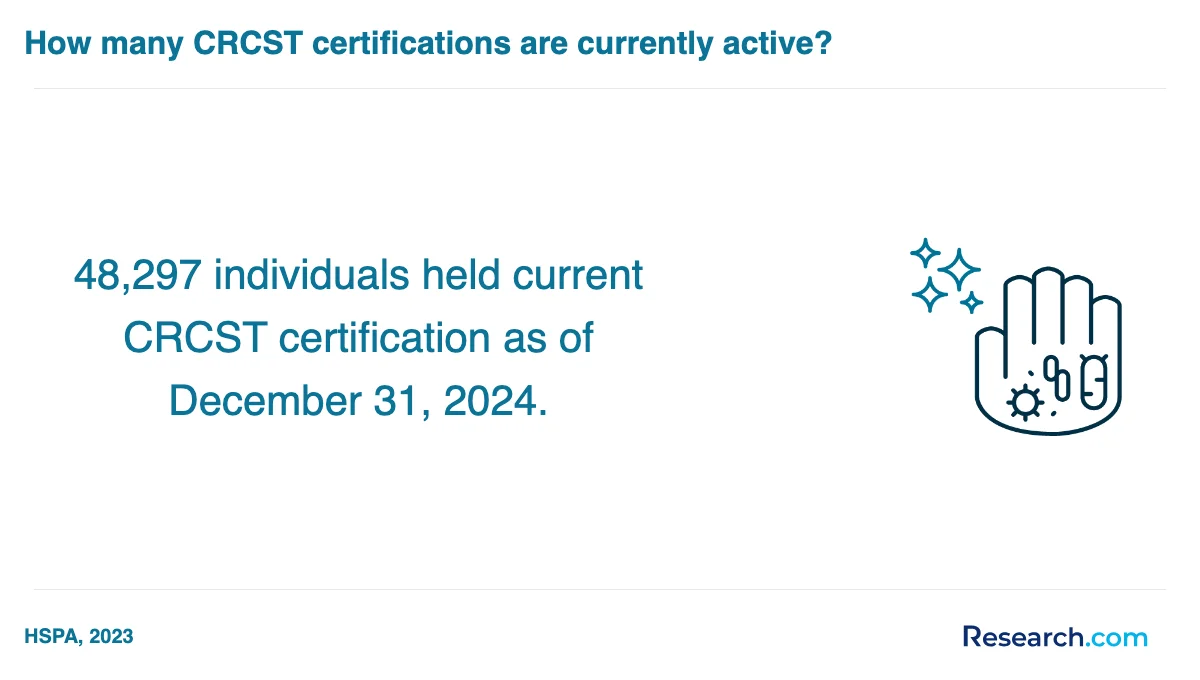
Graduates of sterile processing technician trade school programs in the Northeast typically start their careers as Sterile Processing Technicians (SPTs) in hospitals or surgical centers. These positions involve critical tasks like sterilizing surgical instruments to ensure patient safety. Many graduates find that obtaining the Certified Registered Central Service Technician (CRCST) credential significantly boosts their chances in sterile processing technician jobs in Northeast, especially at hospitals affiliated with major health systems.
Career advancement for sterile processing graduates Northeast includes roles such as Lead Sterile Processing Technician or Sterile Processing Supervisor, where graduates take on team management and workflow oversight. These leadership roles come with better pay and more responsibility, creating clear pathways for long-term growth.
Other graduates transition into educational roles, training new technicians in both classroom and clinical settings, or use their experience to become Surgical Technologists. Additionally, many explore travel positions offering strong weekly pay and diverse workplace experiences.
For those considering further education, exploring online university diploma programs can expand opportunities beyond traditional sterile processing roles.
The job market for sterile processing technician trade school graduates in Northeast remains strong and promising. Graduates from popular trade schools in cities like Boston and Rochester often find abundant job opportunities in hospitals, surgical centers, and outpatient clinics. Many report securing positions quickly, with experienced professionals earning around $25 per hour or more.
Key highlights of the demand for sterile processing technicians in Northeast include:
- Over 70 job openings in Boston alone as of early 2025.
- Travel technician roles in Connecticut offering weekly pay around $1,661.
- Positions in diverse settings from large academic medical centers to smaller community hospitals.
Graduates appreciate that certification credentials like CRCST or CSPDT are often required for higher-paying roles and supervisory jobs. With a projected 10% job growth rate nationally and local demand fueled by aging populations and expanding healthcare facilities, graduates report strong career advancement potential. For those wanting flexible study options, programs offering online sterile processing technician certification can help prepare quickly for this solid job outlook.
Most Affordable Sterile Processing Technician Schools & Training - Budget-Friendly Sterile Processing Tech Trade Programs in Northeast for 2026
# 1 position
Community College of Allegheny County - Sterile Processing Technology/Technician.
certificate or diplomaThe Sterile Processing Technology/Technician program at Community College of Allegheny County prepares students to clean, sterilize, and assemble surgical instruments and equipment for medical facilities. This hybrid program covers sterilization, infection control, decontamination, surgical instrumentation processing, distribution, and record-keeping. Annual in-state tuition is $4,842. Graduates have a median earning of $28,701 one year after completion. The program is accredited by the Middle States Commission on Higher Education.
# 2 position
Onondaga Cortland Madison BOCES - Sterile Processing Technology/Technician.
certificate or diplomaThe Sterile Processing Technology/Technician program at Onondaga Cortland Madison BOCES is a hybrid course that prepares students to clean, sterilize, and assemble surgical instruments and supplies for medical use. It includes training in sterilization, infection control, decontamination, and surgical instrumentation processing. Graduates have a median earning of $33,804 one year after completion. The program is accredited by the Council on Occupational Education.
# 3 position
Medical Career Institute - Sterile Processing Technology/Technician.
certificate or diplomaThe Sterile Processing Technology/Technician program at Medical Career Institute offers a hybrid format with some distance-education options. It trains students to clean, sterilize, and assemble surgical instruments and supplies for medical and surgical settings. Instruction covers sterilization, infection control, decontamination, surgical instrumentation processing, distribution, and record-keeping. Graduates have median earnings of $48,897 one year after completion. The program is accredited by the Accrediting Bureau of Health Education Schools.
# 4 position
American Institute of Medical Sciences & Education - Sterile Processing Technology/Technician.
certificate or diplomaThe Sterile Processing Technology/Technician program at American Institute of Medical Sciences & Education is a hybrid course that prepares students to clean, sterilize, and assemble surgical instruments and equipment for medical facilities. Instruction covers sterilization, infection control, decontamination, surgical instrumentation processing, distribution, and record-keeping. The program is accredited by the Accrediting Bureau of Health Education Schools.
# 5 position
Philadelphia Technician Training - Sterile Processing Technology/Technician.
certificate or diplomaThe Sterile Processing Technology/Technician program at Philadelphia Technician Training offers a hybrid format with some distance-education options. It prepares students to clean, sterilize, and assemble surgical instruments and supplies used in operating rooms and medical facilities. The curriculum covers sterilization, infection control, decontamination, and surgical instrumentation processing, distribution, and record-keeping. The program is accredited by the Middle States Commission on Secondary Education.
# 6 position
Berkeley College-Woodland Park - Sterile Processing Technology/Technician.
certificate or diplomaBerkeley College-Woodland Park offers a Sterile Processing Technology/Technician program with a hybrid format, combining in-person and distance education. The program trains students in sterilization, infection control, decontamination, and surgical instrumentation processing. Annual in-state tuition is $28,600. Graduates earn a median salary of $40,999 one year after completion. The program is accredited by the Middle States Commission on Higher Education.
# 7 position
Swedish Institute a College of Health Sciences - Sterile Processing Technology/Technician.
certificate or diplomaThe Sterile Processing Technology/Technician program at Swedish Institute a College of Health Sciences trains students to clean, sterilize, and assemble surgical instruments and supplies for operating rooms and medical facilities. The curriculum includes sterilization, infection control, decontamination, surgical instrumentation processing, distribution, and record-keeping. The program’s annual in-state tuition is $26,041. It is accredited by the Accrediting Commission of Career Schools and Colleges.
Frequently Asked Questions about sterile processing technician
After completing a sterile processing technician trade school in the Northeast, preparing for the job market involves several key steps. First, obtaining certification through the International Association of Healthcare Central Service Materiel Management (IAHCSMM) or the Certification Board for Sterile Processing and Distribution (CBSPD) significantly improves employment prospects. According to the U.S. Bureau of Labor Statistics, certified technicians earn higher wages and have better job stability.
Networking with local hospitals and healthcare facilities is crucial, as many jobs are filled through direct contacts. Additionally, gaining practical experience through internships or externships offered by trade schools enhances your resume. Staying updated on regional job openings via state workforce agencies and healthcare job boards is also recommended.
Employers in the Northeast seek several key skills when hiring sterile processing technician trade school graduates. First, proficiency in infection control and sterilization techniques is critical. Graduates must understand how to properly clean, disinfect, and sterilize surgical instruments to prevent hospital-acquired infections, a top priority in healthcare facilities.
Attention to detail is another essential skill, as technicians handle complex instruments that require precise processing. According to the Association of Surgical Technologists, nearly 85% of employers emphasize accuracy and consistency in instrument handling.
Technical knowledge of sterilization equipment, such as autoclaves and ultrasonic cleaners, is frequently required. Employers also value strong communication skills to coordinate with surgical teams and maintain accurate records.
Finally, knowledge of healthcare regulations, including OSHA and CDC guidelines, is important to ensure compliance and patient safety in the Northeast's regulated healthcare environment.
Finding internships relevant to sterile processing technician trade school programs in the Northeast involves several key steps. Start by contacting local hospitals, surgical centers, and healthcare facilities, as many offer internships or externships designed for sterile processing students. According to the Association of Surgical Technologists, facilities in states like New York and Massachusetts often partner with trade schools to provide hands-on training opportunities.
Additionally, trade schools frequently have career services departments that maintain internship listings and relationships with employers. Students should also explore job boards specific to healthcare, such as those hosted by the Healthcare Career Advancement Program (HCAP).
Networking through professional organizations like the International Association of Healthcare Central Service Materiel Management (IAHCSMM) can increase internship prospects. Finally, verify that any internship aligns with program requirements to ensure credits or certification support.
In the Northeast, earning a sterile processing technician trade school diploma significantly enhances career mobility and advancement opportunities. According to the U.S. Bureau of Labor Statistics, healthcare support occupations, including sterile processing technicians, are projected to grow by 9% through 2032, higher than the average for all occupations. This growth creates demand for trained professionals with formal credentials.
Trade school diplomas verify practical skills in sterilization and infection control, making graduates competitive candidates for entry-level roles in hospitals and clinics.
Additionally, many employers in the Northeast prefer or require certification, which often depends on completing an accredited diploma program. This credential can lead to higher wages and access to supervisory roles.
Data from the National Healthcareer Association highlights that certified sterile processing technicians in the region earn approximately 10-15% more than non-certified peers. Thus, a diploma not only opens doors but also supports upward mobility within healthcare facilities.
Students enrolled in sterile processing technician trade schools in the Northeast can benefit from part-time jobs in healthcare settings that provide relevant experience. Positions such as hospital aides, medical equipment handlers, or entry-level sterile processing assistants allow students to develop practical skills alongside their education. According to the Bureau of Labor Statistics, the Northeast region has a steady demand for sterile processing technicians, with hospitals and outpatient centers frequently hiring part-time staff.
Gaining work experience in these roles not only reinforces technical knowledge but also improves employability after certification. Many healthcare facilities in states like New York and Massachusetts offer flexible part-time shifts suitable for students balancing coursework. Additionally, some employers provide tuition reimbursement programs that can help reduce education costs.
To find the most affordable Sterile Processing Technician degree program near me in Northeast, one should start by checking local community colleges and vocational schools as they often offer competitive tuition rates. Additionally, consider looking into financial aid options and scholarships that can further reduce costs. Research.com can be a helpful resource to compare various programs and universities in and near Northeast to ensure affordability while obtaining the necessary certification.
- Online Sterile Processing Technician (Voucher Included) from Northeast State Community College https://careertraining.northeaststate.edu/training-programs/sterile-processing-technician-voucher-included/
- Northeastern Illinois University Sterile Processing Technician Online Certification Course https://neiu.edu2.com/product/5856/sterile-processing-technician
- Certified Sterile Processing Technician | Alamo Colleges https://www.alamo.edu/academics/program-finder/ContinuingEducation/Sterile-Processing-Technician/
- Sterile Processing Affiliated Programs | Cleveland Clinic https://my.clevelandclinic.org/departments/health-sciences-education/training-programs/affiliate-training-programs/sterile-processing-affiliated-programs
- Become Certified - Healthcare Sterile Processing Association https://myhspa.org/certification/become-certified/
- Online Sterile Processing Technician Certificate Program | Self-Paced Course https://www.uscareerinstitute.edu/online-sterile-processing-technician-school
- Sterile Processing Technician | Education for professionals at PCC https://www.pcc.edu/professional/health/entry/sterile-processing-technician/
- Sterile Processing Technician Program | Mid-State Technical College https://www.mstc.edu/programs/sterile-processing-technician
- Sterile Processing Technician https://www.columbiabasin.edu/learn/discover-your-path/health-sciences/sterile-processing-technician/index.html
- Sterile Processing Technology | Community College of Denver https://www.ccd.edu/program/sterile-processing-technology