Best Physical Therapist Assistant Training Programs & Trade Schools - Top PTA Schools in West Virginia for 2026

Co-Founder and Chief Data Scientist
Considering a career as a physical therapist assistant in West Virginia? This article will guide you through the best trade schools in the state for 2026, based on a detailed ranking created by the Research.com team of data scientists. Their analysis helps highlight programs that truly stand out, making your decision easier and more confident.
Exploring these schools can open doors to rewarding job opportunities and personal growth. Earning a diploma or certification as a physical therapist assistant can be a meaningful step toward a fulfilling healthcare career. Let’s help you find the right program to start your journey.
Key benefits of finishing physical therapist assistant trade school in West Virginia
- Graduates of physical therapist assistant trade schools in West Virginia can expect starting salaries around $49,180, with experienced PTAs earning up to $66,405 annually, offering a promising income right after completing the program.
- Career paths include working in outpatient clinics, hospitals, or rehabilitation centers, giving graduates diverse options to find a rewarding role that fits their interests and lifestyle.
- Completing a PTA trade school online offers flexibility for busy students and allows them to balance work or family, while still gaining hands-on experience through local clinical placements, making education more accessible and convenient.
- Best Physical Therapist Assistant Training Programs & Trade Schools - Top PTA Schools in West Virginia for 2026
- What can I expect from physical therapist assistant trade schools in West Virginia?
- Where can I work after finishing physical therapist assistant trade schools in West Virginia?
What can I expect from physical therapist assistant trade schools in West Virginia?
Enrolling in a physical therapist assistant trade school program in West Virginia means immersing yourself in a balanced blend of rigorous academics and hands-on clinical practice. Graduates often recall beginning with general education courses like biological sciences and medical terminology, which build the essential foundation needed before diving into specialized subjects such as kinesiology and therapeutic exercise. Many students appreciate how these courses connect theory with practical skills, preparing them to support patient recovery effectively.
Clinical rotations are a highlight for most, offering real-world experience at hospitals and rehabilitation centers across West Virginia. One graduate described the mix of excitement and responsibility when navigating different clinical settings, emphasizing how these placements sharpened their confidence and adaptability under the guidance of licensed physical therapists.
Expect to meet strict admission requirements, including health screenings and background checks, which ensure you are ready for the demands of the profession. The commitment often feels rewarding, knowing these steps prepare you to pass the national licensure exam and enter a respected healthcare role within your community.
Where can I work after finishing physical therapist assistant trade schools in West Virginia?
Graduates from physical therapist assistant trade schools in West Virginia often find themselves stepping into diverse and rewarding work environments. Many begin their careers in hospitals or rehabilitation centers, such as those near Parkersburg, where they assist licensed physical therapists in helping patients regain mobility after surgery or injury. These settings offer the satisfaction of seeing real progress daily and working as part of a dedicated healthcare team.
Others choose outpatient clinics or private practices in cities like Morgantown or Vienna, where they engage with patients recovering from sports injuries or chronic conditions. Here, the pace is dynamic, and the personal connections with patients bring a sense of fulfillment that many graduates cherish.
Skilled nursing facilities and long-term care centers provide opportunities to support elderly patients, allowing PTAs to make a meaningful impact on their independence. Some graduates also embrace home health care roles, traveling to rural communities across West Virginia to bring therapy directly to patients' homes, a choice that resonates deeply with those who value flexibility and personal connection.
Graduates appreciate the broad spectrum of opportunities that West Virginia's trade schools prepare them for, knowing their education opens doors to careers tailored to their passions and lifestyle.
Graduates from physical therapist assistant trade school programs in West Virginia often find encouraging salary prospects that reflect both their commitment and the region's demand. Many who studied at well-known local trade schools share that starting salaries usually hover around $38,460 annually, a figure that feels rewarding after the effort put into their education.
As experience grows, so does earning potential. It's common for PTAs in West Virginia to see their salaries rise toward an average of about $49,180 per year, with some reaching as high as $76,070 after several years in the field. Licensed PTAs often report annual earnings near $60,393, which many graduates feel validates the hard work of securing certification.
One graduate described the early months on the job, earning roughly $24.73 an hour at an outpatient clinic, as both challenging and exciting-a real milestone after completing training. Those open to travel PTA roles can expect even higher pay, sometimes about $1,666 weekly, offering a dynamic career path for adventurous graduates.
For trade school students in West Virginia, these figures present a tangible and motivating glimpse into the financial rewards of their chosen profession.
- Applicants must have a high school diploma or GED and attend a CAPTE-accredited program to be eligible for licensure.
- Programs generally last about two years and include classroom instruction plus hands-on clinical training, with a minimum of 75 clinical hours required at some schools.
- Tuition and fees for the full program typically range from $12,000 to $25,000, excluding books and living expenses.
- Graduates must pass the National Physical Therapy Examination for PTAs, which costs $400, and pay a $185 state application fee to obtain licensure.
- The average starting salary for PTAs in West Virginia is around $48,000 per year, with experienced PTAs earning up to $62,000 depending on location and setting.
Completing a physical therapist assistant program at a trade school in West Virginia typically takes about two years. Many graduates from well-known schools in the state describe this timeframe as both manageable and rewarding, allowing them to balance studies with personal commitments. One graduate shared how the hands-on training, combined with classroom learning, made the program feel intensive yet deeply engaging.
For students enrolled in popular West Virginia trade schools, the curriculum is designed to provide practical experience early on, which accelerates confidence and skills. Imagine spending your mornings in lectures and afternoons applying those lessons in clinical settings-graduates often speak about this blend as a key factor in their sense of accomplishment by the time they finish.
Though two years may seem brief, it's ample time to master the essentials needed for a successful career. Many reflect on how the focused schedule helped them stay motivated and fully prepared for licensing exams and real-world challenges in physical therapy.
The key difference between online and on-campus physical therapist assistant (PTA) programs in West Virginia centers on hands-on training. Graduates from programs like those at Pierpont Community & Technical College often recall the value of in-person labs where they practiced real physical therapy techniques under close supervision. This face-to-face interaction helped build confidence and competence, something they felt would be hard to replicate online.
Online PTA programs for initial licensure aren't currently available in West Virginia because the profession demands extensive manual skills and patient interaction, which require physical presence. Students from New River Community and Technical College share how their structured, on-campus experience offered direct feedback from instructors during clinical rotations, a critical part of mastering practical skills.
While some general education courses may be completed online, the heart of PTA education-technical classes, labs, and clinical experiences-remains firmly grounded in campus settings. Many graduates appreciate this blend, feeling it prepares them thoroughly for real-world challenges in healthcare environments.
The average tuition for physical therapist assistant programs in West Virginia varies significantly depending on the institution and residency status, but typical costs give a clear picture for those preparing to embark on this rewarding career. For example, graduates from Mountwest Community & Technical College recall that the total expenses for its program hovered around $2,970 during the 2021-2022 academic year, covering essentials like lab materials, uniforms, and certifications. This relatively modest investment made the path to becoming a physical therapist assistant feel accessible and manageable for many local students.
In contrast, Pierpont Community & Technical College reflects the broader range of total expenses for PTA programs in West Virginia, especially when factoring in tuition differences between in-state and out-of-state students. Graduates often mention the all-inclusive pricing model, which, in the 2024-2025 academic year, amounted to about $19,745 for in-state students and $30,355 for those from out-of-state. These figures include not just tuition but also additional fees that contribute to the comprehensive education experience.
While managing these costs can seem daunting at first, many students find encouragement in hearing from recent graduates who emphasize the value of the education and the meaningful career it unlocks. Given the variability, it's wise to thoroughly explore each program's offerings and expenses. Additionally, understanding the average salary prospects can provide motivation; detailed insights on the physical therapist assistant salary usa average help future students see the long-term benefits of their investment in the trade school.

Physical therapist assistant students in West Virginia often find financial aid to be a crucial support as they pursue their education. Many graduates from New River CTC recall how the WV Invests Grant covered their full tuition, making it possible to focus fully on studies without the constant worry of expenses. This last-dollar grant is particularly valuable because it fills in the gaps after other aid is applied, easing the financial burden for those who qualify.
Federal aid also plays a significant role. For example, some students have benefited from the Federal Pell Grant, which can provide up to $7,395 annually based on financial need. Completing the FAFSA early is a common piece of advice from alumni who found this essential for unlocking these funds.
Scholarships from the American Physical Therapy Association of West Virginia and local organizations often bring relief by rewarding academic dedication or community involvement. Additionally, the Federal Work-Study Program offers hands-on employment opportunities near campus, allowing students to earn while they learn, a balance many appreciate deeply during their trade school journey.
When considering enrollment in a physical therapist assistant trade school program in West Virginia, several prerequisites set the foundation for success. Most graduates from well-known programs in the state recall how meeting these requirements helped them feel prepared and confident as they began their journey.
Typically, applicants must have a high school diploma or GED, which ensures a basic academic readiness. Some trade schools emphasize the importance of foundational courses like biology, anatomy, and algebra, often recommending or requiring completion before admission. This background helps students grasp complex concepts encountered in the program more easily.
In addition, many programs ask for a clear criminal background check and up-to-date immunizations, reflecting the responsibility involved in patient care. Graduates often mention how this step, though sometimes overlooked, reinforced their commitment to professionalism early on.
Hands-on experience or exposure to healthcare settings, such as volunteering or shadowing a licensed physical therapist, is frequently encouraged. This real-world glimpse fuels enthusiasm and confirms the student's passion for the field.
- High school diploma or GED
- Completion of prerequisite courses (biology, anatomy, algebra)
- Criminal background check
- Immunizations up to date
- Healthcare exposure through volunteering or shadowing
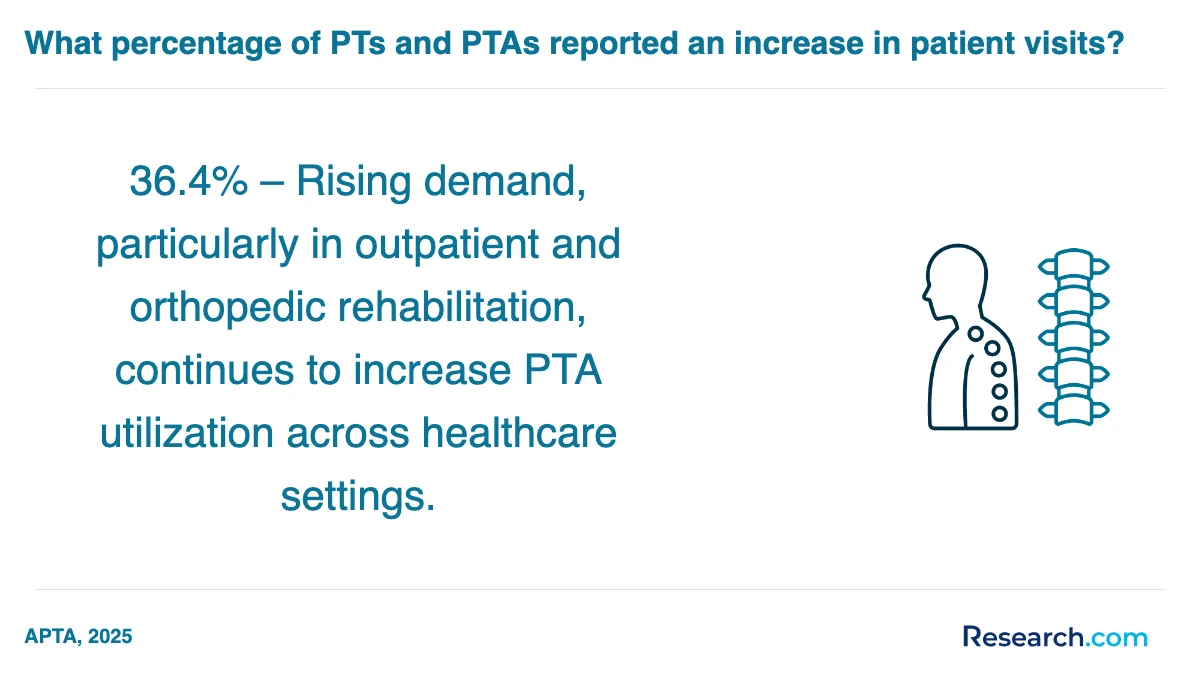
Physical therapist assistant trade school programs in West Virginia focus on a carefully balanced curriculum that equips students with both scientific knowledge and practical skills. Graduates often recall starting with essential prerequisite courses such as biological sciences, including human anatomy and physiology, and medical terminology. For example, at Pierpont Community and Technical College, these foundational classes build confidence before students tackle more complex subjects.
The core curriculum typically includes:
- Therapeutic Procedures: Hands-on techniques to improve patient mobility, often practiced in lab settings.
- Kinesiology: Understanding human movement, which helps students visualize daily physical therapy tasks.
- Pathophysiology: Insight into disease processes, crucial for tailoring patient care.
- Physical Agents: Training with modalities like ultrasound and electrical stimulation, bringing theory to life.
- Data Collection: Learning to measure patient progress through standardized tests, preparing students for clinical realities.
Students also engage in written communication and social science courses, sharpening their ability to connect meaningfully with patients and healthcare teams.
Many graduates from New River Community and Technical College highlight the value of clinical education through multiple off-campus rotations, where classroom lessons come alive under the guidance of licensed therapists. This blend of rigorous academics and real-world practice nurtures both competence and compassion, essential for success in West Virginia's healthcare landscape.
Physical therapist assistant trade school programs in West Virginia generally emphasize broad core skills rather than formal specializations, yet students often find meaningful opportunities to explore areas of interest within their clinical rotations and elective courses. Graduates from programs at schools like Pierpont Community & Technical College and Blue Ridge Community and Technical College recall hands-on experiences in settings including acute care, outpatient orthopedics, and skilled nursing facilities, allowing them to envision future career paths in environments that resonate personally.
Common focus areas that emerge during training reflect the practical facets of physical therapy, such as:
- geriatric care in nursing homes
- neurological rehabilitation
- pediatric therapy
- rehabilitation centers
These facets illustrate how students engage with physical therapist assistant specializations in West Virginia through real patient interaction rather than formal certifications. Many find these experiences enriching, helping to build confidence and professional identity in diverse healthcare settings.
Those aiming to deepen their expertise often pursue continuing education or certifications post-graduation, expanding into areas like cardiovascular or pulmonary rehabilitation. This path aligns well for students appreciating both the foundational PTA program concentrations West Virginia provides and the potential for lifelong growth.
For those considering career advancement, exploring quick highest paying healthcare certifications can be a strategic step to complement your foundational PTA education with specialized credentials.
Choosing from the best physical therapist assistant programs in West Virginia means prioritizing accredited schools with rigorous curriculums and strong clinical experiences. Graduates from institutions like Pierpont Community & Technical College often share how extensive hands-on training under professional supervision prepared them well for real patient care, building their confidence and competence. Many praise the program's location as convenient, which eased their daily commute and fostered a close-knit learning environment.
When considering top PTA schools in West Virginia, also factor in admission requirements and program outcomes. Hearing from former students who succeeded in passing their licensing exams on the first try highlights the value of programs reporting high success rates, such as the 100% pass rate at Pierpont. Beyond academics, financial support options can make a big difference, especially when weighing tuition costs against potential scholarships or work commitments after graduation.
For those weighing options, exploring resources like the top medical assistant certification programs online can also provide insight into comparable allied health fields and help make an informed decision that aligns with career aspirations.

Graduates of physical therapist assistant trade school programs in West Virginia often find a range of rewarding career opportunities. Many begin as licensed physical therapist assistants, contributing directly to patient recovery by supporting exercises and monitoring progress under physical therapists' supervision. Popular trade schools like New River Community and Technical College provide hands-on training that prepares students for these roles with confidence and skill.
Career opportunities for PTA graduates in West Virginia extend beyond traditional clinical settings. Some find fulfilling work in hospitals, outpatient clinics, and rehabilitation centers, while others choose part-time or PRN roles that offer flexibility. Many graduates share that their experiences assisting in pediatric clinics or sports rehab facilities bring a unique sense of purpose and connection to their communities.
Additional paths include working as lab assistants in PTA educational programs or transitioning to rehabilitation aide positions, gaining valuable healthcare experience. These roles often serve as stepping stones toward further education and licensure. The high demand for physical therapist assistant jobs in West Virginia, with around 150 openings statewide, reflects a promising future for committed students.
Understanding what's the difference between a chiropractor and a physical therapist is also valuable for graduates as they explore related health professions and career advancement opportunities.
The physical therapist assistant job outlook West Virginia presents a steady but modest scenario for trade school graduates. Those who recently completed their PTA programs at well-regarded West Virginia institutions often describe the experience as rewarding, with job placements frequently offered in smaller healthcare facilities or outpatient clinics. Graduates report hourly wages averaging around $24.73 statewide, though certain areas like Beckley and Franklin provide exceptional earning potential, with rates exceeding $34 per hour.
While the market isn't highly active, graduates feel confident in the stable demand for PTAs, especially in less urbanized areas. Key factors influencing hiring include:
- Experience level and practical training obtained during school
- Willingness to work in a variety of healthcare settings
- Geographic flexibility within the state
Many students appreciate that despite West Virginia ranking lower nationally in physical therapist assistant salary West Virginia, the role still offers competitive pay compared to allied health jobs nearby. Those weighing their options often explore the differences in career paths such as pt vs ot to align expectations with their interests and regional opportunities.
Best Physical Therapist Assistant Training Programs & Trade Schools - Top PTA Schools in West Virginia for 2026
# 1 position
Blue Ridge Community and Technical College - Physical Therapy Assistant.
associateThe Physical Therapy Assistant program at Blue Ridge Community and Technical College offers a hybrid format with some distance-education options. It prepares students to assist physical therapists by implementing treatment plans, training patients, and conducting interventions. The curriculum covers anatomy, physiology, biomechanics, clinical documentation, and professional ethics. Annual in-state tuition is $4,344. Graduates have median earnings of $30,181 one year after completing the program. The program is accredited by the Higher Learning Commission.
# 2 position
Pierpont Community and Technical College - Physical Therapy Assistant.
associatePierpont Community and Technical College offers a Physical Therapy Assistant program in a hybrid format that includes some distance education. This program prepares students to assist physical therapists by implementing treatment plans, training patients, and documenting progress. Instruction covers anatomy, physiology, biomechanics, neuroscience, and professional ethics. The program is accredited by the Higher Learning Commission. Annual in-state tuition is $5,594, and median earnings one year after completion are $32,291.
# 3 position
Mountwest Community and Technical College - Physical Therapy Assistant.
associateMountwest Community and Technical College offers a Physical Therapy Assistant program in a hybrid format, combining in-person and distance education. The program prepares students to assist physical therapists by implementing treatment plans, training patients, and recording progress. Coursework includes anatomy, physiology, kinesiology, neuroscience, and professional ethics. Annual in-state tuition is $4,818. Graduates earn a median salary of $35,603 one year after completion. The program is accredited by the Higher Learning Commission.
# 4 position
New River Community and Technical College - Physical Therapy Assistant.
associateThe Physical Therapy Assistant program at New River Community and Technical College offers a hybrid format with some distance education options. It prepares students to assist physical therapists by implementing treatment plans, training patients, and recording progress. The curriculum covers anatomy, physiology, biomechanics, clinical documentation, and professional ethics. Tuition for in-state students is $5,158 annually. Graduates have median earnings of $16,129 one year after completing the program. The program is accredited by the Higher Learning Commission.
Frequently Asked Questions about physical therapist assistant
After completing a physical therapist assistant (PTA) trade school program in West Virginia, preparing for the job market involves several key steps. Graduates should first obtain their National Physical Therapy Exam (NPTE) certification, which is required for licensure in West Virginia. According to the Federation of State Boards of Physical Therapy, passing this exam demonstrates competency and enhances employability.
Networking is important; joining local professional organizations like the West Virginia Physical Therapy Association can provide job leads and mentorship opportunities. Additionally, gaining clinical experience during training helps build practical skills employers seek. The Bureau of Labor Statistics notes that physical therapist assistant jobs in West Virginia are projected to grow by 18% through 2030, indicating strong demand in healthcare facilities statewide.
Employers in West Virginia prioritize several key skills when hiring graduates from physical therapist assistant trade schools. Strong knowledge of therapeutic techniques and patient care is essential, as these graduates support licensed physical therapists in treatment plans. Communication skills are highly valued, enabling effective interaction with patients and healthcare teams. According to the Bureau of Labor Statistics and West Virginia Department of Commerce, attention to detail and the ability to follow precise treatment protocols are critical for safety and effectiveness. Employers also look for physical stamina and empathy, given the hands-on nature of the work and the need to motivate patients during recovery.
Finding internships in West Virginia for physical therapist assistant (PTA) trade school students involves several practical steps. Many PTA programs require clinical internships as part of their curriculum, typically arranged through the school's network of healthcare partners. Students should contact their program coordinators early to learn about available placements.
West Virginia has numerous healthcare facilities, including hospitals and rehabilitation centers, that often accept PTA interns. According to the West Virginia Physical Therapy Association, building relationships with local clinics and hospitals can increase internship opportunities.
Additionally, job boards like the West Virginia Department of Health & Human Resources website can list internship openings. Networking with licensed physical therapists in the state may also lead to valuable hands-on experiences.
The Commission on Accreditation in Physical Therapy Education (CAPTE) requires PTA programs to provide clinical education, ensuring students gain real-world practice during internships in approved sites.
Obtaining a physical therapist assistant (PTA) diploma from a trade school in West Virginia can significantly enhance career mobility within the healthcare field. Trade programs typically last two years or less, allowing graduates to enter the workforce quickly compared to traditional four-year degrees. According to the U.S. Bureau of Labor Statistics, West Virginia's employment of PTAs is expected to grow by 21% from 2021 to 2031, faster than the average for all occupations, reflecting strong job prospects.
A diploma enables graduates to qualify for the National Physical Therapy Exam for PTAs, a requirement for licensure in West Virginia. Licensure is essential for legal practice and opens doors to higher-paying positions and specialized roles. Career advancement can include opportunities to work in diverse settings such as hospitals, rehabilitation centers, and nursing homes, which are prevalent in the state.
Data from the West Virginia Department of Commerce indicates that certified PTAs in the state earn an average annual wage above $50,000, with potential increases based on experience and additional certifications. Thus, a trade school diploma acts as a practical credential, providing both employment entry and a foundation for upward mobility in the healthcare sector.
Students enrolled in physical therapist assistant trade schools in West Virginia can benefit from part-time jobs that offer relevant clinical experience. Positions such as physical therapy aides or rehabilitation assistants are commonly available in hospitals, outpatient clinics, and nursing homes throughout the state. According to the U.S. Bureau of Labor Statistics, West Virginia's healthcare sector has shown steady job growth, with physical therapist aides earning a median hourly wage of around $13.50 as of 2023.
Working in these roles allows students to develop hands-on skills in patient care, therapeutic exercises, and equipment management. Additionally, some facilities offer flexible scheduling to accommodate school hours, which is beneficial for balancing work and study. Other complementary jobs include fitness trainers or personal care aides, which enhance knowledge of anatomy and patient interaction.
When choosing the best Physical Therapist Assistant degree program near me, consider factors such as program accreditation, faculty expertise, clinical training opportunities, and graduation rates. In West Virginia, programs near West Virginia can be evaluated based on resources from Research.com and by visiting campuses to understand their facilities and curriculum better. Additionally, attending university open houses and speaking with alumni can provide further insights into making an informed decision.
- Best Physical Therapist Assistant Training Programs & Trade Schools - Top PTA Schools in Kentucky for 2026
- Best Physical Therapist Assistant Training Programs & Trade Schools - Top PTA Schools in Pennsylvania for 2026
- Best Physical Therapist Assistant Training Programs & Trade Schools - Top PTA Schools in Maryland for 2026
- Best Physical Therapist Assistant Training Programs & Trade Schools - Top PTA Schools in North Carolina for 2026
- Best Physical Therapist Assistant Training Programs & Trade Schools - Top PTA Schools in Tennessee for 2026
- Best Physical Therapist Assistant Training Programs & Trade Schools - Top PTA Schools in Indiana for 2026
- Best Physical Therapist Assistant Training Programs & Trade Schools - Top PTA Schools in Michigan for 2026
- Best Physical Therapist Assistant Training Programs & Trade Schools - Top PTA Schools in Illinois for 2026
- Best Physical Therapist Assistant Training Programs & Trade Schools - Top PTA Schools in Alabama for 2026
- Best Physical Therapist Assistant Training Programs & Trade Schools - Top PTA Schools in Missouri for 2026
- Becoming a Physical Therapist Assistant | APTA https://www.apta.org/your-career/careers-in-physical-therapy/becoming-a-pta
- Physical Therapist Assistant - Ivy Tech Community College https://www.ivytech.edu/programs/all-academic-programs/school-of-health-sciences/physical-therapist-assistant/
- Physical Therapist Assistant | Quincy College https://quincycollege.edu/program/physical-therapist-assistant/
- Physical Therapist Assistant Program - PTA School | ACC https://americancareercollege.edu/programs/physical-therapist-assistant
- Physical Therapist Assistant Program https://www.collegeofthedesert.edu/students/acad-prog/health-sciences/physical-therapy-asst/default.php
- Physical Therapist Assistant (PTA), AAS - LaGuardia Community College https://www.laguardia.edu/majors/physical-therapist-assistant/
- Physical Therapist Assistant Program | College of DuPage https://www.cod.edu/academics/programs/physical-therapist/
- Physical Therapist Assistant | Gateway Technical College https://www.gtc.edu/programs/associate-degrees/physical-therapist-assistant
- Physical Therapy Assistant Schools & Colleges https://www.trade-schools.net/health-care/physical-therapist-assistant
- Physical Therapy Assistant Salary in West Virginia | Physical Therapist Assistant Salary in WV https://www.physicaltherapistassistantedu.org/west-virginia/west-virginia-salary/