Best Physical Therapist Assistant Training Programs & Trade Schools - Top PTA Schools in Maryland for 2026

Co-Founder and Chief Data Scientist
Choosing the right physical therapist assistant trade school in Maryland can shape your future career and open doors to rewarding opportunities. This article introduces a carefully crafted ranking of physical therapist assistant trade school programs, created by the Research.com team of data scientists to guide you in making an informed decision.
By exploring these top programs, you’ll discover options that fit your goals and lifestyle. Earning a diploma or certification in this field offers a meaningful path to helping others while building a stable, fulfilling career.
Key benefits of finishing physical therapist assistant trade school in Maryland
- Graduates of physical therapist assistant trade schools in Maryland can expect an average hourly wage around $31, with opportunities to earn up to $37 in cities like Baltimore, making it a financially rewarding career choice.
- Career paths for graduates include working in hospitals, outpatient clinics, or travel assignments, offering flexibility and steady job demand across Maryland's healthcare settings.
- Completing a physical therapist assistant program online provides convenience and allows students to balance work or family while gaining skills, as shown by successful online graduates from Maryland trade schools.
- Best Physical Therapist Assistant Training Programs & Trade Schools - Top PTA Schools in Maryland for 2026
- What can I expect from physical therapist assistant trade schools in Maryland?
- Where can I work after finishing physical therapist assistant trade schools in Maryland?
What can I expect from physical therapist assistant trade schools in Maryland?
Students enrolled in physical therapist assistant trade school programs in Maryland can expect a hands-on learning journey lasting about five semesters, leading to an Associate of Applied Science (A.A.S.) degree. Graduates from popular Maryland schools often describe the blend of classroom lectures and lab practice as intense but rewarding, especially when mastering patient care techniques and rehabilitation exercises.
Expect to dive deeply into courses covering anatomy, psychology, and communication, with the challenge of maintaining at least a "C" grade to stay on track. Clinical rotations at local hospitals or rehab centers give a real-world glimpse of working under licensed physical therapists, which many graduates say boosts their confidence and technical skills significantly.
Admission requires a high school diploma or GED, basic science and math prerequisites, and passing scores on tests like the TEAS. Many students appreciate the structured support from instructors and the clear path toward sitting for the National Licensing Examination, essential for practicing in Maryland. Overall, the program prepares you well for a fulfilling healthcare role with a strong foundation in ethical and professional standards.
Where can I work after finishing physical therapist assistant trade schools in Maryland?
After finishing a physical therapist assistant trade school program in Maryland, graduates find a wealth of job opportunities tailored to their training. Many start their careers in outpatient orthopedic clinics around Rockville or Frederick, where they help patients regain mobility after surgeries or injuries. These settings typically offer steady weekday hours and benefits, which recent graduates appreciate as they balance work and life.
Others embrace roles in senior living communities or home health care agencies like BAYADA, providing essential therapy to older adults in Pikesville or Catonsville. Graduates often describe the rewarding experience of supporting patients' independence and improving quality of life in these environments.
Hospitals and rehabilitation centers also actively seek PTAs, especially for intensive post-surgical or stroke recovery programs. Maryland trade school alumni often report feeling valued as key team members in these fast-paced settings.
Sports rehabilitation centers are another popular path, where PTAs assist athletes in recovery and performance enhancement. Graduates from Maryland's top trade schools find these positions fulfilling, combining their passion for physical health with dynamic work environments.
After completing a physical therapist assistant trade school program in Maryland, graduates typically earn a solid salary that reflects their valuable skills. Many find their starting salaries around $56,617 annually, which quickly rises with experience. For example, graduates from popular Maryland trade schools often share how their first jobs paid between $62,000 and $67,000 per year, providing financial stability soon after finishing their programs.
Hourly wages usually range from $31 to $35 statewide, with some Baltimore employers offering as much as $37.50 per hour or higher for experienced PTAs. One graduate recalled feeling excited to accept a position that paid $34 per hour, appreciating the chance to grow within a supportive clinic environment.
Those interested in travel assignments can expect weekly earnings around $1,377, translating to about $71,600 annually. This option appeals to graduates seeking adventure and higher pay. Overall, Maryland PTA trade school graduates often find their education opens doors to rewarding and well-paying careers in healthcare.
- PTA programs in Maryland usually take about two years and lead to an Associate of Applied Science (AAS) degree.
- Applicants need a high school diploma or GED, official transcripts, a minimum 2.0 GPA, and must complete prerequisite courses with at least a "C" grade.
- Students must complete CPR training, maintain health insurance, pass background checks, and meet immunization requirements for clinical placements.
- In-state tuition for PTA programs ranges from $7,000 to $14,000, excluding textbooks and fees, with higher costs for out-of-state students.
- Graduates can take the National Physical Therapy Exam (NPTE) for PTAs, which is required for licensure in Maryland and nationwide.
- Starting salaries for PTAs in Maryland range from $49,000 to $60,000 per year, with experienced PTAs earning over $68,000 annually.
Completing a physical therapist assistant program at a trade school in Maryland typically takes about two years. Graduates from well-known Maryland trade schools often share how this timeframe felt just right-long enough to gain practical skills but short enough to start working quickly. For many, the two-year path included a solid mix of classroom learning and hands-on clinical practice, which helped them feel confident stepping into real-world physical therapy settings.
One graduate described how balancing studies with part-time work was manageable because the program's structure was clear and focused. Another favorite aspect mentioned by students was the opportunity to engage directly with patients during clinical rotations, which often began in the second year. This direct experience made the time invested feel worthwhile and rewarding.
Choosing a Maryland trade school with a two-year program means you can enter the workforce swiftly, supporting your community's health while enjoying the satisfaction of a career that helps others regain mobility and independence.
The main difference between online and on-campus physical therapist assistant (PTA) programs in Maryland is how coursework and hands-on training are delivered. On-campus programs, such as those at Montgomery College and Baltimore City Community College, require students to attend classes and labs in person, providing direct interaction with instructors and real-time practice with equipment. Graduates often recall the value of patient care skills laboratories and full-time clinical internships completed on site, which built their confidence through immediate feedback and practical experience.
While some Maryland PTA programs include online components for general education or theory, fully online PTA programs are not available due to accreditation standards. For example, CACHE offers distance learning for certain courses but still requires travel to campus or clinical sites for hands-on labs and clinical practice. Students appreciate this hybrid approach as it offers flexibility without sacrificing essential in-person training needed for licensure eligibility in Maryland.
Maryland PTA students benefit from programs balancing online convenience with mandatory on-site clinical work, ensuring they graduate ready for real-world patient care.
The average tuition for physical therapist assistant programs in Maryland varies notably between institutions, with trade schools offering practical, hands-on training at costs that fit many budgets. For example, graduates from Carroll Community College report paying around $3,393 in net tuition as in-state students, which makes it a popular choice for those seeking affordable physical therapist assistant training in Maryland. Meanwhile, Montgomery College's program, also a well-known trade school, has an average net price closer to $8,842 for residents, reflecting its comprehensive curriculum and resources.
Students often share that beyond tuition, the cost of physical therapist assistant training in Maryland includes essential expenses like textbooks and lab materials, which at Montgomery College can range from $300 to $500 per semester. Uniforms and transportation for clinical internships add another $200 to $500 per semester during later semesters. These are typical commitments, but many graduates find the investment manageable given the rewarding career path that awaits.
Additional mandatory costs include internship tracking fees, health physicals, immunizations, CPR certification, and drug screenings. The cost of licensure exams like the NPTE also factors in, usually around $800 total. Despite these expenses, students express satisfaction in knowing these fees support the quality and safety of their training. To understand specifics tailored to individual situations, prospective students may want to explore the difference between occupational therapy and physical therapy, which helps clarify their career path and expenses.

Physical therapist assistant students in Maryland can access valuable financial aid options that make pursuing their education more affordable. One of the most helpful is the Workforce Shortage Student Assistance Grant (WSSAG), which offers up to $2,000 per year for full-time students enrolled in programs at schools like Anne Arundel Community College or Baltimore City Community College. Many graduates recall how this grant eased their financial stress while committing to serve Maryland's communities in need.
Another key aid source is the Physical and Occupational Therapists and Assistants Grant, also providing up to $2,000 annually with a service commitment in Maryland. Students appreciate these grants because they directly support their goal of working locally, often in underserved areas.
Federal aid through FAFSA opens doors to Pell Grants, SEOG, and loans, helping cover tuition and supplies. Additionally, some schools offer scholarships and tuition discounts for health professions in shortage areas, further lightening the financial load. Past students often highlight how combining these supports made their journey manageable and rewarding.
To enroll in a physical therapist assistant trade school program in Maryland, applicants typically need a high school diploma or GED. Many schools also expect you to have completed certain courses like biology, anatomy, or health sciences, which lay a strong foundation for the hands-on training ahead.
Graduates from well-known Maryland trade schools often share how having these prerequisites made the transition smoother and boosted their confidence during clinical practice. Some programs require proof of CPR certification before starting, ensuring students are prepared for emergency situations.
Common prerequisites include:
- High school diploma or GED
- Completion of foundational science courses (biology, anatomy)
- CPR certification
- Background check and immunizations
These requirements reflect a practical, real-world approach. For example, students at popular Maryland trade schools mention how early exposure to anatomy classes helped them excel in lab settings and connect theory with patient care quickly. Meeting these prerequisites helps you feel ready and excited to dive into the rewarding career path of a physical therapist assistant.

Physical therapist assistant programs in Maryland trade schools combine essential general education with specialized technical courses to build a strong foundation. Graduates from Allegany College of Maryland often recall starting with courses like anatomy and physiology, biology, psychology, and communication, which prepare students to understand the human body and patient interaction deeply.
Once in the professional phase, students engage in targeted PTA courses such as:
- Introduction to Physical Therapy
- Basic Health Skills for the PTA
- Therapeutic Modalities
- Kinesiology, focusing on human movement
- Pathology, the study of diseases
- Therapeutic Exercise
- Rehabilitation Techniques
- Patient Care Skills
At Cecil College, many students find hands-on clinical affiliations invaluable, applying what they learn in real healthcare settings, which boosts their confidence and clinical abilities. Chesapeake College's approach blends classroom learning with lab work and continuous clinical practice, making the education feel practical and engaging. These courses and experiences prepare students not only to pass licensure exams but also to provide compassionate, effective care in diverse healthcare environments.
Physical therapist assistant specializations in Maryland typically do not include formal tracks during trade school programs, as students graduate ready to work as generalists. However, the curriculum provides broad exposure to areas such as orthopedics, pediatrics, neurology, geriatrics, sports medicine, and acute care through hands-on clinical rotations and classroom learning. Graduates from popular Maryland schools like Carroll Community College and Baltimore City Community College find themselves well-prepared to assist diverse patient groups, including athletes and older adults, with confidence.
These Maryland PTA programs orthopedic and pediatric focus during training offers valuable practical experience, allowing students to explore different clinical settings like hospitals and rehabilitation centers. For example, Cecil College graduates describe engaging directly with post-surgical and neurological cases, which builds a solid foundation for specialized careers.
Many graduates choose to continue education through the American Physical Therapy Association's Advanced Proficiency Pathways, enabling them to gain credentials in specific areas like geriatrics or wound management. For Maryland students eager to advance rapidly, exploring two year medical programs can also provide additional focused opportunities.
Focus on accreditation first when choosing among the best physical therapist assistant programs in Maryland. Graduates from Montgomery College often praise its CAPTE-accredited curriculum that meets rigorous national standards, ensuring eligibility for licensure exams. Practical training matters-Carroll Community College stands out with hands-on labs and early patient interaction through its in-house clinic, making real-world learning engaging and effective for students passionate about patient care.
Program length and structure should fit your schedule and learning style. A five-semester format, like at Montgomery College, balances classroom theory with clinical internships, preparing students for the demanding realities of physical therapy work. Consider location and facilities as well; Anne Arundel Community College's modern labs provide ample practice space, creating a motivating environment that many students find enjoyable and supportive.
Financial factors and employment outcomes weigh heavily. Programs with strong employment rates like Carroll Community College's 100% placement offer reassurance about career prospects. To understand salary expectations post-graduation, explore data on physical therapist assistant salary us to plan your future wisely. Choosing from top PTA schools in Maryland means aligning quality education with practical benefits for your career path.
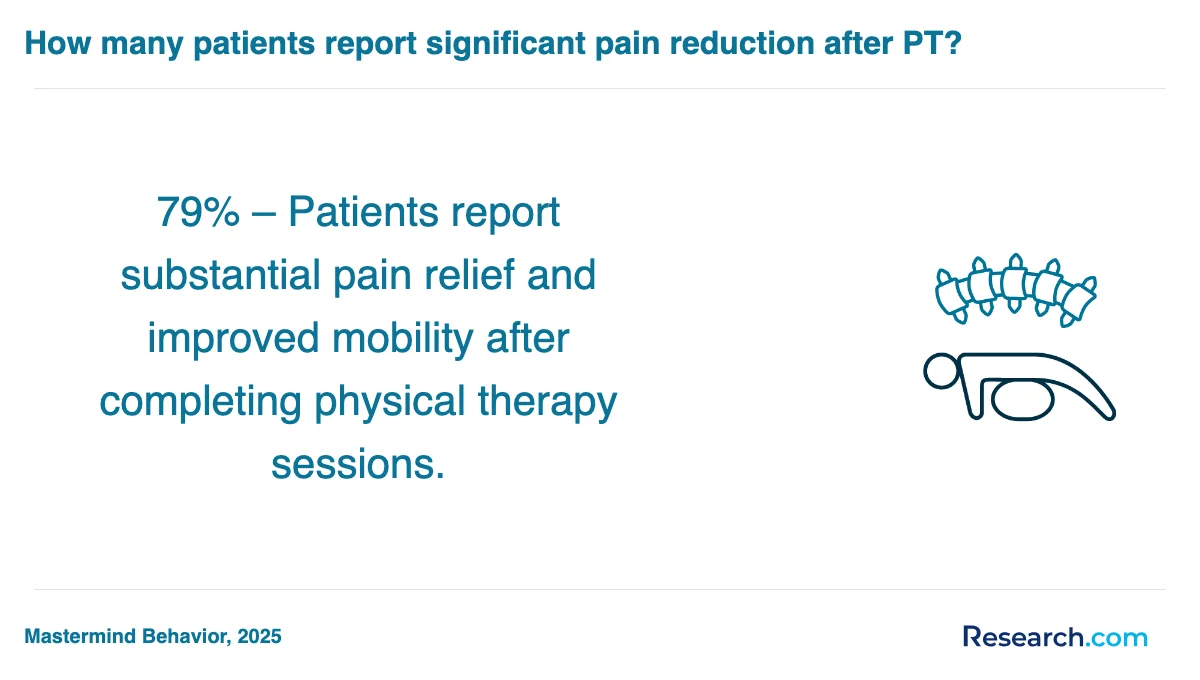
Graduates of physical therapist assistant trade school programs in Maryland find a variety of rewarding career paths that capitalize on their hands-on training. Many start working in outpatient orthopedic clinics, helping patients recover from injuries and surgeries, gaining satisfaction from seeing progress daily. Others choose clinical settings such as hospitals, rehabilitation centers, pediatric therapy clinics, or nursing homes, where they assist individuals of all ages in regaining mobility and managing pain. Popular Maryland trade schools prepare students well for these environments by emphasizing practical skills and real-world scenarios.
Travel positions offer dynamic opportunities for graduates seeking variety and higher weekly earnings, with agencies placing PTAs in multiple healthcare settings around Maryland. These roles, often providing about $1,338 per week, allow PTAs to explore different communities and broaden their experience. Beyond direct patient care, many find fulfillment in administrative, educational, or sales roles within the healthcare sector, sometimes advancing to managerial positions or pursuing further education.
For those curious about whats the difference between chiropractor and physical therapist, understanding these career paths can clarify where graduation from a Maryland PTA program can take you.
Exploring physical therapist assistant job opportunities in Maryland frequently reveals:
- Hands-on patient care in diverse clinical environments
- Travel positions offering flexibility and competitive pay
- Administrative and educational roles leveraging clinical experience
Maryland's strong demand means graduates from trade schools often quickly find jobs that fit their passion and lifestyle, making these physical therapist assistant career paths Maryland programs valuable for anyone eager to enter the healthcare field.
Graduates from physical therapist assistant trade schools in Maryland find a stable yet moderately paced job market. In cities like Baltimore, where popular trade schools are located, new PTAs often report starting wages near $37 per hour, aligning well with the state's average salary range. Many graduates describe their first-year experiences taking positions in a variety of healthcare settings, from outpatient clinics to rehabilitation centers, where their skills are highly valued.
The demand for physical therapist assistants in Maryland remains consistent, though not rapidly expanding. Graduates benefit from opportunities such as:
- Full-time roles in urban centers like Baltimore and Hagerstown.
- Part-time and contract positions offering flexible scheduling.
- Travel assignments with weekly pay averaging around $1,418, especially in locations like Annapolis.
Successful graduates advise being flexible about location and role to capitalize on available openings. Many leverage connections made through trade school programs to navigate this job market effectively. For those committed to maximizing earning potential and career growth, exploring certification jobs that pay well can provide additional pathways to success in Maryland's healthcare field.
Best Physical Therapist Assistant Training Programs & Trade Schools - Top PTA Schools in Maryland for 2026
# 1 position
Carroll Community College - Physical Therapy Assistant.
associateThe Physical Therapy Assistant program at Carroll Community College offers a hybrid format with some distance-education options. It trains students to assist physical therapists by implementing treatment plans, conducting interventions, and monitoring patient progress. The curriculum covers anatomy, physiology, biomechanics, communication, and professional ethics. Annual in-state tuition is $4,128. The program is accredited by the Middle States Commission on Higher Education. Median earnings one year after completion are $49,776.
# 2 position
Frederick Community College - Physical Therapy Assistant.
associateFrederick Community College offers a Hybrid Physical Therapy Assistant program preparing students to assist physical therapists in treatment care plans, patient training, and clinical documentation. The curriculum covers anatomy, physiology, biomechanics, neuroscience, and professional ethics. The program’s annual in-state tuition is $3,772. It is accredited by the Middle States Commission on Higher Education, ensuring a recognized standard of education and training in this field.
# 3 position
Wor-Wic Community College - Physical Therapy Assistant.
associateWor-Wic Community College offers a Physical Therapy Assistant program in a hybrid format, combining in-person and distance education. The program trains students to implement treatment plans, conduct interventions, and track patient progress under a physical therapist's supervision. Coursework covers anatomy, biomechanics, clinical documentation, neuroscience, and professional ethics. Annual in-state tuition is $3,744. Median earnings one year after completion are $40,345. The program is accredited by the Middle States Commission on Higher Education.
# 4 position
Howard Community College - Physical Therapy Assistant.
associateHoward Community College offers a Physical Therapy Assistant program with a hybrid format, including some distance education. The program trains students to implement physical therapy treatment plans, conduct interventions, and use related equipment under supervision. Instruction covers anatomy, physiology, biomechanics, neuroscience, and professional ethics. Annual in-state tuition is $4,080. Graduates earn a median income of $45,388 one year after completion. The program is accredited by the Middle States Commission on Higher Education.
# 5 position
Baltimore City Community College - Physical Therapy Assistant.
associateThe Physical Therapy Assistant program at Baltimore City Community College is a hybrid program designed to prepare students to support physical therapists in patient care. It includes instruction in anatomy, physiology, kinesiology, neuroscience, and professional ethics. Graduates earn a median salary of $43,231 one year after completion. The annual in-state tuition is $3,314. The program is accredited by the Middle States Commission on Higher Education.
# 6 position
Allegany College of Maryland - Physical Therapy Assistant.
associateAllegany College of Maryland offers a Physical Therapy Assistant program in a hybrid format, combining in-person and distance education. The program prepares students to implement treatment plans, train patients, and conduct interventions under a physical therapist's supervision. Instruction covers anatomy, physiology, biomechanics, neuroscience, and professional ethics. The annual in-state tuition is $4,730, and median earnings one year after completion are $34,372. The program is accredited by the Middle States Commission on Higher Education.
# 7 position
Chesapeake College - Physical Therapy Assistant.
associateChesapeake College offers a Physical Therapy Assistant program delivered in a hybrid format with some distance education options. The curriculum includes applied anatomy, physiology, biomechanics, clinical documentation, and professional ethics, preparing students to assist physical therapists by training patients and conducting treatment interventions. The program is accredited by the Middle States Commission on Higher Education. Annual in-state tuition is $4,010.
# 8 position
College of Southern Maryland - Physical Therapy Assistant.
associateThe Physical Therapy Assistant program at College of Southern Maryland offers a hybrid format with some distance education options. It prepares students to assist physical therapists by implementing treatment plans, training patients, and documenting progress. Coursework includes anatomy, physiology, biomechanics, neuroscience, and professional ethics. The program is accredited by the Middle States Commission on Higher Education. Annual in-state tuition is $4,200.
# 9 position
Montgomery College - Physical Therapy Assistant.
associateMontgomery College offers a Physical Therapy Assistant program in a hybrid format, combining in-person and distance education. The program trains students to assist physical therapists by implementing treatment plans, training patients, and documenting progress. Coursework includes anatomy, physiology, biomechanics, neuroscience, and professional ethics. The annual in-state tuition is $5,394. The program is accredited by the Middle States Commission on Higher Education.
# 10 position
Cecil College - Physical Therapy Assistant.
associateCecil College offers a Physical Therapy Assistant program delivered in a hybrid format, combining in-person and distance education. The program trains students to assist physical therapists by implementing treatment plans, conducting interventions, and monitoring patient progress. Coursework includes applied anatomy, physiology, biomechanics, neuroscience, and professional ethics. The annual in-state tuition is $5,370. The program is accredited by the Middle States Commission on Higher Education.
Frequently Asked Questions about physical therapist assistant
After completing a physical therapist assistant (PTA) trade school in Maryland, preparing for the job market involves several key steps. Graduates should first obtain licensure by passing the National Physical Therapy Exam for PTAs, which is required in Maryland. The Maryland Board of Physical Therapy Examiners provides detailed guidance on this process.
Networking is essential; joining professional organizations like the American Physical Therapy Association's Maryland chapter can connect graduates with job openings and mentors. Maryland's healthcare sector is growing, with the U.S. Bureau of Labor Statistics projecting a 27% increase in PTA jobs nationally through 2030, indicating strong demand.
Additionally, gaining hands-on experience through internships or clinical rotations during school enhances employability. Tailoring resumes to highlight clinical skills and certifications can help graduates stand out in competitive job markets.
Employers in Maryland seek physical therapist assistant graduates who demonstrate strong clinical skills and effective patient communication. A 2023 report by the Maryland Department of Labor highlights that hands-on experience with therapeutic techniques and proficiency in patient documentation are critical for entry-level roles.
Additionally, the ability to follow detailed treatment plans and collaborate within healthcare teams is essential. According to the Bureau of Labor Statistics, physical therapist assistants in Maryland must also show adaptability and problem-solving skills to address diverse patient needs.
Technical knowledge combined with empathy and professionalism significantly improves job prospects in this growing field.
Finding internships in Maryland relevant to a physical therapist assistant (PTA) trade school program involves a few strategic steps. First, students should consult their trade school's clinical education coordinator, as many schools partner with local healthcare facilities for hands-on training. The Maryland Board of Physical Therapy Examiners also provides resources on approved clinical sites. Networking with local hospitals, rehabilitation centers, and outpatient clinics can uncover additional opportunities, as these settings frequently offer PTA internships.
Maryland's healthcare sector is robust, with over 300 physical therapy clinics statewide, increasing chances for placement. According to the Maryland Department of Labor, internships often require students to complete 500-700 clinical hours to meet PTA program standards.
Online platforms like the American Physical Therapy Association's (APTA) student resources can also list internship openings specific to Maryland. Early application and maintaining good academic standing are crucial for securing competitive spots.
Obtaining a physical therapist assistant (PTA) diploma from a trade school in Maryland can significantly enhance career mobility within the state's healthcare sector. Maryland's growing demand for PTAs-projected to increase by 27% from 2020 to 2030 according to the U.S. Bureau of Labor Statistics-creates strong job prospects for diploma holders.
Graduates with a PTA diploma are eligible to take the National Physical Therapy Exam, a requirement for state licensure in Maryland. Licensure expands employment opportunities across various settings, including hospitals, outpatient clinics, and rehabilitation centers.
Trade school diplomas often provide hands-on clinical experience, which employers in Maryland value highly. This practical training can lead to faster job placement and potential for salary advancement.
Maryland's median annual wage for PTAs was approximately $62,000 in 2023, higher than the national average, reflecting good earning potential tied to diploma credentials. Additionally, career advancement may include roles in supervisory positions or further education toward physical therapy degrees.
Maryland offers several part-time job opportunities that can complement physical therapist assistant (PTA) trade school education. Working as a physical therapy aide is one of the most common roles, allowing students to assist licensed therapists with patient care and administrative tasks. This experience helps build practical skills relevant to PTA programs.
Other options include roles in rehabilitation centers, nursing homes, and outpatient clinics. According to the Maryland Department of Labor, healthcare support occupations are projected to grow by 15% through 2030, increasing demand for part-time aides.
Additionally, some students find opportunities in fitness centers or wellness programs, supporting injury prevention and mobility improvement under supervision.
Yes, there are Physical Therapist Assistant (PTA) degree programs available near Maryland, providing students with the necessary education and training for a career in physical therapy. These programs cover essential topics such as anatomy, kinesiology, and therapeutic exercise techniques, ensuring that graduates are well-prepared for licensure exams and professional practice. To find a PTA program near me, Research.com can be a helpful resource to explore various universities and community colleges offering these degree programs.
- Best Physical Therapist Assistant Training Programs & Trade Schools - Top PTA Schools in West Virginia for 2026
- Best Physical Therapist Assistant Training Programs & Trade Schools - Top PTA Schools in Pennsylvania for 2026
- Best Physical Therapist Assistant Training Programs & Trade Schools - Top PTA Schools in North Carolina for 2026
- Best Physical Therapist Assistant Training Programs & Trade Schools - Top PTA Schools in Kentucky for 2026
- Best Physical Therapist Assistant Training Programs & Trade Schools - Top PTA Schools in Tennessee for 2026
- Best Physical Therapist Assistant Training Programs & Trade Schools - Top PTA Schools in Indiana for 2026
- Best Physical Therapist Assistant Training Programs & Trade Schools - Top PTA Schools in Michigan for 2026
- Best Physical Therapist Assistant Training Programs & Trade Schools - Top PTA Schools in Florida for 2026
- Best Physical Therapist Assistant Training Programs & Trade Schools - Top PTA Schools in Illinois for 2026
- Best Physical Therapist Assistant Training Programs & Trade Schools - Top PTA Schools in Alabama for 2026
- Physical Therapist Assistant Degree / Overview https://www.bccc.edu/domain/1106
- Physical Therapist Assistant | Montgomery College, Maryland https://www.montgomerycollege.edu/academics/programs/physical-therapist-assistant/index.html
- Physical Therapist Assistant Program https://www.csmd.edu/programs-courses/program-finder/physical-therapy.html
- Physical Therapist Assistant - A.A.S. Degree (Career) | Howard Community College https://www.howardcc.edu/programs-courses/programs/physical-therapist-assistant---aas-degree-career/
- Physical Therapist Assistant Degree Program, North East, MD | Cecil College https://www.cecil.edu/programs-courses/academics/degrees-certificates/physical-therapist-assistant
- Physical Therapist Assistant (PTA) | Allegany College of Maryland https://www.allegany.edu/physical-therapist-assistant/index.html
- Physical Therapist Assistant - Taylor College https://taylorcollege.edu/physical-therapist-assistant-program/
- Physical Therapist Assistant Degree | Carroll Community College https://www.carrollcc.edu/programs/degrees-credit-certificates/physical-therapist-assistant-a-a-s/
- Physical Therapist Assistant > Wor-Wic Community College https://www.worwic.edu/programs-courses/credit-programs/physical-therapist-assistant/
- Physical Therapist Assistant Clinical Internship http://slchc.edu/physical-therapy/physical-therapist-assistant-clinical-internship/