
Best Physical Therapist Assistant Training Programs & Trade Schools - Top PTA Schools in Colorado for 2026

Co-Founder and Chief Data Scientist
Are you considering a career as a physical therapist assistant in Colorado? Choosing the right trade school is an important step toward achieving your goals.
This article introduces a carefully researched ranking of physical therapist assistant trade school programs, created by the Research.com team of data scientists. It’s designed to help you make an informed decision about which programs truly stand out.
By exploring this guide, you’ll discover valuable insights to find a program that fits your needs and sets you up for success in a rewarding healthcare career.
Key benefits of finishing physical therapist assistant trade school in Colorado
- Graduates can expect a competitive salary, with average annual earnings around $68,000 in Colorado, and opportunities to earn up to $81,000 as experience grows.
- Career paths include working in hospitals, outpatient clinics, or rehabilitation centers, just like many successful graduates from popular Colorado trade schools who find rewarding roles in diverse healthcare settings.
- Completing a physical therapist assistant program online offers flexible learning schedules and the ability to balance work and study, which many online graduates appreciate for fitting education into busy lives.
- Best Physical Therapist Assistant Training Programs & Trade Schools - Top PTA Schools in Colorado for 2026
- What can I expect from physical therapist assistant trade schools in Colorado?
- Where can I work after finishing physical therapist assistant trade schools in Colorado?
What can I expect from physical therapist assistant trade schools in Colorado?
When you enroll in a physical therapist assistant trade school program in Colorado, expect an intensive and hands-on learning experience that balances classroom study with clinical practice. Graduates from well-known Colorado trade schools often describe the curriculum as challenging but rewarding, with courses covering anatomy, kinesiology, and pathology. You'll spend significant time in simulation labs practicing real therapeutic exercises, which builds confidence before you step into clinical settings.
Students frequently mention the excitement and occasional nerves of working in hospitals or rehab centers during clinical rotations, where you assist licensed therapists and learn to handle specialized equipment. This real-world exposure is invaluable, helping you develop both technical skills and professional communication. Many students appreciate the blend of in-person labs and some online coursework, which offers flexibility without sacrificing quality.
Admission is competitive in Colorado, so be prepared for prerequisite courses, background checks, and drug screenings. Graduates often highlight the sense of accomplishment when they become eligible to take the National Physical Therapist Assistant Examination, a crucial step toward licensure and a fulfilling career in healthcare.
Where can I work after finishing physical therapist assistant trade schools in Colorado?
After finishing a physical therapist assistant trade school program in Colorado, graduates find a variety of rewarding job options. Many of my former students quickly secured positions in outpatient clinics, where they work with patients recovering from sports injuries or surgeries. These settings, common in cities like Denver and Colorado Springs, offer hands-on experience in orthopedics and general physical therapy, which recent grads often describe as both challenging and fulfilling.
Others have found meaningful roles in nursing homes or skilled nursing facilities, helping elderly patients regain mobility and strength. One graduate shared how rewarding it was to see steady progress in patients recovering from strokes, which deepened their passion for the field.
There are also opportunities in home health care, where PTAs visit patients' homes, providing personalized therapy. Graduates from well-known Colorado trade schools often highlight how this work builds strong patient relationships and sharpens their clinical skills.
With over 400 PTA jobs statewide and steady growth projected, you'll find plenty of paths to build a satisfying career in Colorado's diverse healthcare environments.
After finishing a physical therapist assistant trade school program in Colorado, you can expect to start earning a salary that reflects your location, experience, and the employer you join. Many recent graduates from well-known Colorado trade schools report starting salaries around $38,460 per year, which feels rewarding after completing the program. Some entry-level PTAs begin earning close to $28 per hour, while others in urban areas like Denver see starting wages closer to $34.50 per hour, making it easier to cover living expenses and build confidence in their new career.
As you gain experience, your earnings can rise significantly. Graduates working in Boulder have shared that they reach annual salaries near $55,760, and those who specialize or take on more responsibility can earn up to $80,260 yearly. These figures come from real stories of PTA graduates balancing work and life, feeling proud of their steady growth and the ability to support their families.
Remember, working as a PTA in Colorado means you're stepping into a field with meaningful work and solid pay, especially in cities where healthcare demand is higher. Many graduates find joy not just in their salary but in knowing their job improves patients' lives every day.
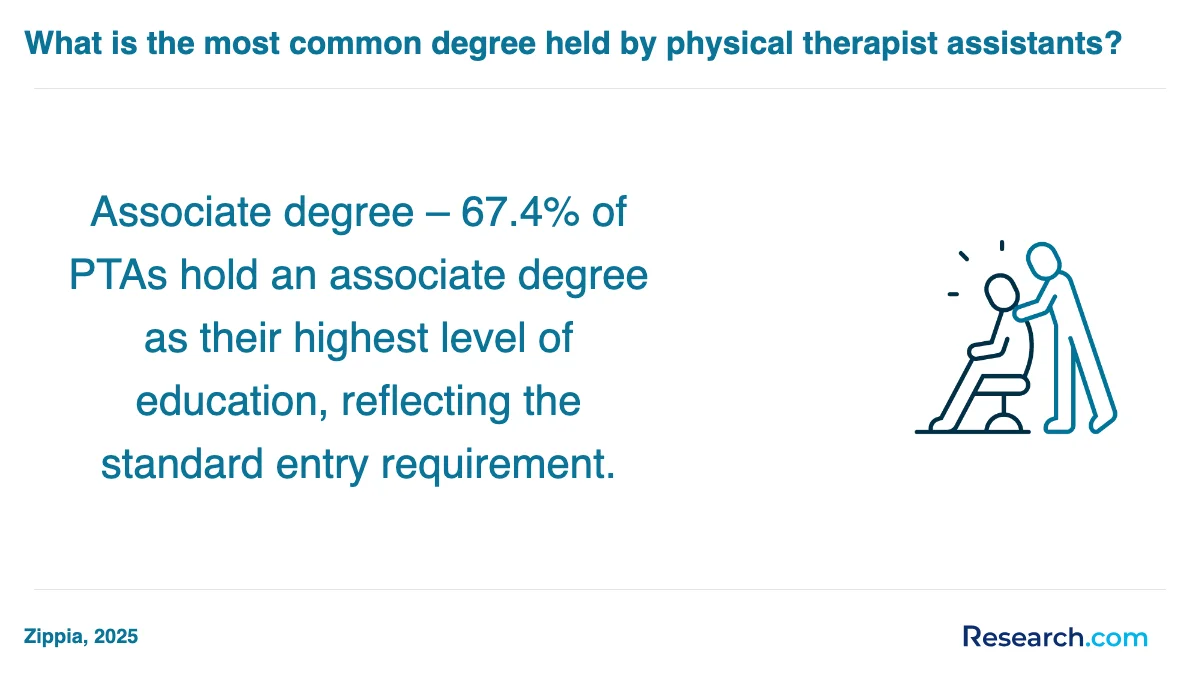
- PTA programs in Colorado require completing an associate's degree from a CAPTE-accredited school, with common degrees being AAS, AS, or Associate of Occupational Studies.
- Admission requirements include being at least 18, passing math proficiency tests, a competitive admission process, and completing background checks and drug screening.
- Total program costs typically range from $10,000 to $20,000, not including living expenses; licensure application fees are $57, and the NPTE exam costs $370.
- Licensure through the Colorado State Physical Therapy Board is highly recommended and often required by employers after passing the NPTE exam.
- The average annual salary for PTAs in Colorado is $55,000 to $61,000, with entry-level positions starting near $50,000 and experienced PTAs earning over $65,000.
- PTAs must complete 20 hours of approved professional development each renewal cycle to maintain licensure.
Completing a physical therapist assistant trade school program in Colorado typically takes about two years. Many graduates from well-known Colorado trade schools share how this timeframe felt just right-long enough to gain solid hands-on experience without dragging on. The programs combine classroom learning with clinical practice, giving you real-world exposure early on, which helps keep motivation high.
One graduate recalled balancing studies and work, appreciating how the structured schedule made it manageable. Another mentioned how the clinical hours at local physical therapy clinics in Denver made the learning exciting and directly applicable, boosting confidence before graduation.
Colorado's trade schools often offer flexible options like evening or weekend classes, making it easier for students to fit education into busy lives. This practical approach allows you to finish strong and step into the workforce swiftly, ready to make a difference as a physical therapist assistant.
The main difference between online and on-campus physical therapist assistant programs in Colorado lies in how the hands-on skills are taught. Graduates from Pueblo Community College often talk about the energy of attending classes two to two and a half days a week, where they could immediately practice techniques under the watchful eye of instructors. The direct interaction and real-time feedback helped them build confidence quickly, especially in busy clinical settings requiring 40 hours per week during certain semesters.
On the other hand, students choosing online or hybrid options, like those at Concorde's Aurora campus, appreciate the flexibility of studying theory from home. They complete lectures and assignments online but still visit campus for crucial lab sessions and simulations. These visits, paired with in-person clinical experiences, allow them to connect what they learn digitally with real-world practice. Many find this blend perfect when balancing work or family, yet they still experience the rewarding hands-on moments essential for licensure.
When considering the average tuition for physical therapist assistant programs in Colorado, community colleges offer a more budget-friendly route. Graduates from schools like Morgan Community College and Arapahoe Community College often reflect on how the reasonable tuition-ranging around $12,800 to $14,300 for families earning between $75,000 and $110,000-helped them stay focused on learning without overwhelming financial stress. This affordability allows students to fully immerse themselves in hands-on training and clinical practice, which is crucial for their success.
In contrast, private trade schools such as Pima Medical Institute in Denver generally have higher costs, charging about $344 per credit hour. With a 60-credit curriculum, this amounts to over $20,000 in tuition alone. Graduates from these programs often mention the intensity and quality of instruction but advise budgeting for these increased costs when evaluating the overall cost of physical therapist assistant training in Colorado.
Additional expenses beyond tuition include books costing between $750 and $1,300 annually, and certification exam fees which typically run around $350. Many students recommend exploring financial aid options early, including federal loans and grants, to help manage these costs. For those seeking efficient and credible education paths, exploring two year medical programs could provide valuable alternatives.
Students pursuing physical therapist assistant programs in Colorado often rely on multiple financial aid options to make their education affordable. Federal aid is the most common, including Pell Grants and student loans, accessible by completing the FAFSA. Graduates from programs like Morgan Community College appreciate this support, which helped them manage tuition without overwhelming debt.
State aid is another valuable resource. Colorado offers need-based grants and scholarships specifically for residents attending eligible PTA programs. These can significantly reduce out-of-pocket costs, especially when combined with federal aid. Checking with your school's financial aid office ensures you don't miss out on these opportunities.
Institutional scholarships might be limited for PTA students-Arapahoe Community College, for example, does not offer program-specific scholarships but encourages students to explore general institutional aid. Graduates often share that even a small scholarship can ease financial stress and boost confidence throughout their studies.
Private scholarships, like those from the American Physical Therapy Association, also provide helpful support. Many students find that blending federal, state, institutional, and private aid creates a manageable financial path to completing their PTA education in Colorado.
To enroll in a physical therapist assistant trade school program in Colorado, you'll typically need a few key prerequisites that set the foundation for success. Most programs require a high school diploma or GED, ensuring you have the basic academic skills needed. Additionally, many schools ask for completion of specific coursework, like biology, anatomy, or even algebra, which helps you hit the ground running once classes begin.
Graduates from popular Colorado trade schools often share how these prerequisites prepared them for the hands-on nature of the program. For example, having a background in anatomy made understanding patient care scenarios more intuitive during clinical practice. Schools in Denver and Colorado Springs emphasize strong communication skills too, so expect to demonstrate your ability to interact well with patients and peers.
Common prerequisites include:
- High school diploma or GED
- Completion of prerequisite courses such as biology or anatomy
- Basic CPR certification in some cases
- Proof of immunizations and a clean background check
- Demonstrated communication skills through interviews or essays
These requirements might feel challenging at first, but think of them as your toolkit for a rewarding career. Many students recall feeling proud once they met these steps, knowing they were ready to make a real difference in patients' lives through their training in Colorado's trusted trade schools.
Physical therapist assistant trade school programs in Colorado typically include a mix of foundational science and hands-on skills courses that prepare you to confidently assist patients under licensed therapists. Graduates from schools like Pueblo Community College often highlight how courses such as Anatomy and Physiology gave them a clear understanding of the human body's structure and function, which felt essential when working with real patients.
Key courses usually cover:
- Pathology for the Physical Therapist Assistant - understanding conditions that impact movement
- Musculoskeletal and Cardiopulmonary Rehabilitation Labs - practical training for treating injuries and cardiac recovery
- Therapeutic Exercises and Functional Training - helping patients regain strength and independence
- Mobility and Ambulation Training - teaching safe movement techniques
- Activities of Daily Living (ADLs) - assisting patients with everyday tasks like dressing and eating
Students also develop strong communication skills through courses like Elements of Human Communication and Human Growth and Development, which proved invaluable for graduates engaging with diverse patients. Clinical placements, often embedded in the curriculum, provide immersive, real-world experience that brings classroom lessons to life, making the learning process both challenging and deeply rewarding.
Physical therapist assistant trade school programs in Colorado typically provide a solid foundation without formal specializations during the degree. However, students gain hands-on experience in diverse clinical settings that introduce them to various focused areas. Graduates from schools like Pikes Peak State College and Pueblo Community College vividly recall clinical rotations exposing them to real-world scenarios in:
- Orthopedic rehabilitation
- Neurological rehabilitation
- Pediatric care
- Sports therapy
This practical exposure allows students to explore different fields and gauge where their passion lies before pursuing certifications. For those interested in formal credentials, specialized physical therapy assistant programs Colorado do offer pathways through the American Board of Physical Therapy Specialties, where PTAs can deepen expertise in areas like geriatrics or oncology after licensing.
Embracing these clinical opportunities not only builds confidence but also opens doors for advancement and fulfillment in your career. To better understand what awaits and what physical therapist assistant specializations in Colorado you can tailor toward, check out what is the average pta income by state as it might influence your choices.
Choosing one of the best physical therapist assistant programs in Colorado means looking beyond simple course lists. Graduates often emphasize the importance of accreditation, like Arapahoe Community College's CAPTE-accredited program, which assures high-quality education and better licensure exam pass rates. A program's curriculum should balance classroom learning with hands-on clinical experience-Pikes Peak State College, for instance, partners with local healthcare systems to provide rich internship opportunities that build real confidence working with patients.
Flexibility and program length also matter; some students thrive in accelerated options such as Concorde Career College's 19-month hybrid format combining online and lab work. When visiting schools, consider facilities and technology-they can greatly impact your learning comfort and skills readiness. As you weigh choices, check admission requirements and financial aid options carefully; this investment sets your path ahead. To better understand your options, explore the easiest medical degree programs to get into as a starting point.
Selecting one among the top PTA schools in Colorado means choosing a program with a strong reputation and proven job placement rates to launch your career smoothly and confidently.
Physical therapist assistant trade school graduates in Colorado have a wealth of options when it comes to career paths. Many find rewarding employment in inpatient rehabilitation centers within hospitals, nursing homes, outpatient clinics, and specialized facilities for orthopedics or sports medicine. Graduates often share how starting in bustling Denver or Colorado Springs hospitals gave them hands-on experience working closely with licensed physical therapists and diverse patient populations.
Others thrive in home health care or assisted living settings, helping patients regain mobility in comfortable, familiar surroundings. This diversity of workplaces is a key aspect of the physical therapist assistant job opportunities in Colorado, allowing graduates to choose roles that match their personality and preferred work environment.
Career advancement for PTAs in Colorado can come from part-time, full-time, or flexible PRN roles. Many graduates from popular trade schools in the state pursue additional certifications, inspired by stories of peers who later became licensed physical therapists. To strengthen your future prospects, consider exploring what certificates make the most money, which can open doors to specialized positions and higher pay.
- Inpatient rehabilitation centers
- Nursing homes
- Outpatient clinics specializing in orthopedics and sports medicine
- Home health care and assisted living facilities
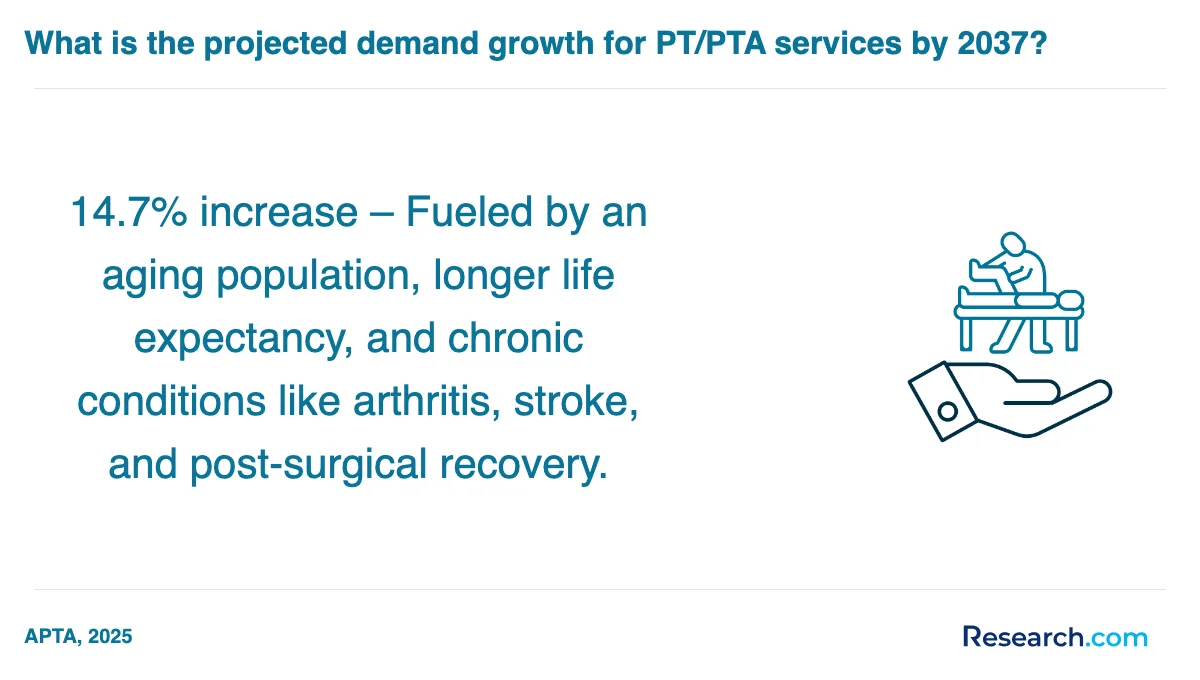
The job market for physical therapist assistant trade school graduates in Colorado is notably strong and rewarding. Graduates from popular trade schools often share how quickly they find jobs in diverse settings like outpatient clinics and rehabilitation centers, both in urban hubs like Denver and rural towns. This consistent demand creates a stable career path with growth potential. Understanding the physical therapist assistant job market in Colorado means recognizing factors such as:
- Competitive salaries ranging from entry-level to experienced professionals, averaging around $61,280 annually
- Hourly wages often exceeding $33, especially in high-demand areas like Colorado Springs
- Abundant job openings, making it easier for new graduates to secure positions and gain hands-on experience
Many graduates appreciate how their training at Colorado trade schools aligns with local healthcare needs, an advantage when navigating post-graduation employment. The demand reflects broader trends, driven by an aging population and growth in preventive care. If you're wondering how long does it take to become a physical therapist, focusing on assistant roles through trade schools offers a quicker, practical route into the field with a thriving job market in Colorado.
Best Physical Therapist Assistant Training Programs & Trade Schools - Top PTA Schools in Colorado for 2026
# 1 position
Arapahoe Community College - Physical Therapy Assistant.
associateThe Physical Therapy Assistant program at Arapahoe Community College offers a hybrid format with some distance-education options. It prepares students to assist physical therapists by implementing treatment plans, training patients, and recording progress. The curriculum covers applied anatomy, physiology, biomechanics, clinical documentation, neuroscience, and professional ethics. Accredited by the Higher Learning Commission, the program has an annual in-state tuition of $4,308 and median earnings of $42,853 one year after completion.
# 2 position
Pueblo Community College - Physical Therapy Assistant.
associatePueblo Community College offers a Physical Therapy Assistant program in a hybrid format, combining in-person and distance education. The program trains students to assist physical therapists by implementing treatment plans, conducting interventions, and documenting patient progress. It covers applied anatomy, physiology, biomechanics, neuroscience, and professional ethics. Accredited by the Higher Learning Commission, the annual in-state tuition is $4,883. Graduates earn a median salary of $42,297 one year after completion.
# 3 position
Concorde Career College-Aurora - Physical Therapy Assistant.
associateThe Physical Therapy Assistant program at Concorde Career College-Aurora offers a hybrid format, combining distance education with in-person training. It prepares students to assist physical therapists by implementing treatment care plans, training patients, and documenting progress. The curriculum covers anatomy, physiology, biomechanics, neuroscience, and professional ethics. Graduates have a median first-year income of $49,680. The program is accredited by the Accrediting Commission of Career Schools and Colleges.
# 4 position
Pima Medical Institute-Denver - Physical Therapy Assistant.
associateThe Physical Therapy Assistant program at Pima Medical Institute-Denver offers a hybrid format with some distance education. It trains students to assist physical therapists by implementing treatment plans, training patients, and documenting progress. The curriculum covers anatomy, physiology, behavioral sciences, biomechanics, and professional ethics. Graduates have a median earning of $44,175 one year after completion. The program is accredited by the Accrediting Bureau of Health Education Schools.
# 5 position
Morgan Community College - Physical Therapy Assistant.
associateMorgan Community College offers a Physical Therapy Assistant program delivered in a hybrid format with some distance-education options. This program trains students to assist physical therapists by implementing treatment plans, conducting interventions, and monitoring patient progress. Coursework includes anatomy, physiology, biomechanics, clinical documentation, and professional ethics. The program is accredited by the Higher Learning Commission. Annual in-state tuition is $4,127.
Frequently Asked Questions about physical therapist assistant
After completing a physical therapist assistant (PTA) trade school in Colorado, preparing for the job market involves several key steps. First, graduates must pass the National Physical Therapy Exam (NPTE) for PTAs, which is required for state licensure. According to the Federation of State Boards of Physical Therapy, Colorado requires successful NPTE completion and a state application for licensure.
Building a strong professional network is also important. Joining local organizations such as the Colorado Physical Therapy Association can provide job leads and mentorship opportunities. Clinical experience gained during trade school can be highlighted on resumes to attract employers.
Colorado's demand for PTAs is growing, with the Bureau of Labor Statistics projecting a 27% employment increase through 2031, faster than average for healthcare jobs. Graduates should also consider continuing education to stay competitive and meet state renewal requirements.
Employers in Colorado highly value physical therapist assistant graduates who demonstrate strong clinical skills and patient care abilities. According to the Colorado Department of Labor and Employment, effective communication and empathy are crucial for success in this role, as assistants work closely with diverse patient populations.
Technical proficiency in therapeutic techniques and equipment use is also essential. Graduates must be adept at following detailed treatment plans and documenting patient progress accurately, as emphasized by the Commission on Accreditation in Physical Therapy Education (CAPTE).
Additionally, problem-solving skills and the ability to work collaboratively within healthcare teams are frequently cited by Colorado employers as top priorities.
Finding internships in Colorado for physical therapist assistant (PTA) programs involves several practical steps. Students should begin by contacting their trade school's clinical education coordinator, who often has established partnerships with local clinics and hospitals. The Colorado Physical Therapy Association (COPTA) is a valuable resource, offering connections to licensed physical therapists who may provide internship opportunities.
Many internships take place in outpatient clinics, rehabilitation centers, and nursing homes. According to the U.S. Bureau of Labor Statistics, Colorado expects a 16% growth in PTA jobs between 2020 and 2030, increasing internship availability. Networking through school events and local healthcare job boards can also help secure placements aligned with PTA training requirements.
Obtaining a physical therapist assistant (PTA) diploma from a trade school in Colorado significantly enhances career mobility and advancement opportunities. According to the Colorado Department of Labor and Employment, the demand for PTAs is projected to grow by 19% from 2022 to 2032, faster than average for all occupations. This growth creates a favorable job market for diploma holders.
Trade school diplomas provide the necessary clinical skills and state-required coursework to qualify for the Colorado PTA licensure exam. Licensed PTAs often receive higher wages and have access to more specialized roles.
Moreover, employers in Colorado's healthcare sector prefer graduates from accredited programs, which strengthens candidates' resumes and promotes upward mobility within rehabilitation clinics and hospitals.
Students enrolled in physical therapist assistant trade schools in Colorado can benefit from part-time jobs that provide hands-on experience and complement their education. Common roles include physical therapy aides, rehabilitation aides, and patient care assistants. These positions allow students to observe licensed therapists, assist with exercises, and support administrative tasks.
According to the Colorado Department of Labor and Employment, physical therapy aides earn an average hourly wage of $13 to $16, making these roles accessible for part-time work while studying. Additionally, jobs in fitness centers or wellness facilities can enhance knowledge of anatomy and exercise science, relevant to physical therapy training.
Part-time roles in nursing homes or outpatient clinics also offer valuable exposure to patient care environments, improving communication skills and practical understanding needed for certification exams.
To find the best Physical Therapist Assistant degree program near you, consider researching accredited programs through reliable resources like Research.com, which provides comprehensive information on different institutions. By focusing on programs near Colorado, you can assess various options based on location, curriculum, and reputation. Numerous universities and colleges offer Physical Therapist Assistant degrees, so identifying those near me will facilitate proximity visits and enable better decision-making for your educational goals.
- Best Physical Therapist Assistant Training Programs & Trade Schools - Top PTA Schools in Nebraska for 2026
- Best Physical Therapist Assistant Training Programs & Trade Schools - Top PTA Schools in New Mexico for 2026
- Best Physical Therapist Assistant Training Programs & Trade Schools - Top PTA Schools in Oklahoma for 2026
- Best Physical Therapist Assistant Training Programs & Trade Schools - Top PTA Schools in Arizona for 2026
- Best Physical Therapist Assistant Training Programs & Trade Schools - Top PTA Schools in Texas for 2026
- Best Physical Therapist Assistant Training Programs & Trade Schools - Top PTA Schools in Nevada for 2026
- Best Physical Therapist Assistant Training Programs & Trade Schools - Top PTA Schools in Montana for 2026
- Best Physical Therapist Assistant Training Programs & Trade Schools - Top PTA Schools in Iowa for 2026
- Best Physical Therapist Assistant Training Programs & Trade Schools - Top PTA Schools in Arkansas for 2026
- Best Physical Therapist Assistant Training Programs & Trade Schools - Top PTA Schools in Louisiana for 2026
- Physical Therapist Assistant Clinical Internship http://slchc.edu/physical-therapy/physical-therapist-assistant-clinical-internship/
- Student Programs and Internships - ATI Physical Therapy https://careers.atipt.com/student-programs/
- 4 Key Steps to Pursuing Your Dream Career as a Physical Therapist Assistant https://www.bryantstratton.edu/blog/healthcare-degrees/dream-career-physical-therapist-assistant/
- How to Become a Physical Therapist Assistant (PTA) | FranU | FranU https://franu.edu/how-to-become-a-pta
- How to Prepare for PTA School | Requirements and Challenges https://www.provocollege.edu/blog/how-to-prepare-for-pta-school/
- Physical Therapy Internship (Minnesota) - Health Sciences Education - Mayo Clinic College of Medicine & Science https://college.mayo.edu/academics/health-sciences-education/physical-therapy-internship-minnesota/
- Becoming a Physical Therapist | APTA https://www.apta.org/your-career/careers-in-physical-therapy/becoming-a-pt
- Occupational Therapy Internship: The Only Guide You Need https://www.therapyabroad.org/occupational-therapy-internship/
- Physical Therapist Assistant Salary by State 2025 https://nurse.org/education/physical-therapist-assistant-salary/
- Physical Therapist Assistants and Aides : Occupational Outlook Handbook: : U.S. Bureau of Labor Statistics https://www.bls.gov/ooh/healthcare/physical-therapist-assistants-and-aides.htm


