
Most Affordable Physical Therapist Assistant Schools & Training - Budget-Friendly PTA Trade Programs in South for 2026

Co-Founder and Chief Data Scientist
Are you considering a career as a physical therapist assistant in the South? Choosing the right trade school is an important step toward achieving your goals.
This article features a physical therapist assistant trade school programs ranking created by the Research.com team of data scientists. It’s designed to help you make an informed choice about which programs stand out and are worth considering.
By exploring these affordable options, you can find a path that fits your budget and career ambitions. Earning a diploma or certification opens doors to rewarding opportunities in healthcare.
Key benefits of finishing physical therapist assistant trade school in South
- Graduates in the South can expect an annual salary between $60,000 and $66,000, which is a strong income for starting a healthcare career.
- Physical therapist assistant graduates often find diverse job opportunities in hospitals, outpatient clinics, and rehabilitation centers, allowing for career growth and specialization.
- Completing an online PTA program offers flexibility and convenience, making it easier to balance studies with personal commitments while gaining valuable hands-on experience through local clinical placements.
- Most Affordable Physical Therapist Assistant Schools & Training - Budget-Friendly PTA Trade Programs in South for 2026
- What can I expect from physical therapist assistant trade schools in South?
- Where can I work after finishing physical therapist assistant trade schools in South?
What can I expect from physical therapist assistant trade schools in South?
Enrolling in a physical therapist assistant trade school program in the South means stepping into a challenging yet rewarding journey. Graduates often recall the balance of intense classroom learning with hands-on clinical internships, where they spent 30-40 hours a week applying skills in real healthcare settings. Many found themselves traveling to different clinics, managing their own transportation and expenses, which taught them valuable independence early on.
Students should be prepared for competitive admission, needing solid prerequisite coursework like anatomy and physiology, plus observation hours in physical therapy environments. A minimum GPA around 2.75 to 3.0 is common, reflecting the program's high standards. Once inside, the technical phase spans roughly a year of full-time study, blending theory with practical experience to build both technical proficiency and professionalism.
Graduates from popular Southern trade schools emphasize how the program sharpened their communication and ethical decision-making skills, preparing them for leadership roles. The support provided for passing the National Physical Therapy Exam (NPTE) also stands out, giving students confidence to enter the workforce ready and capable.
Where can I work after finishing physical therapist assistant trade schools in South?
After completing a physical therapist assistant trade school program in the South, graduates find themselves welcomed into diverse and rewarding workplaces. Many quickly secure roles in outpatient clinics, hospitals, or skilled nursing facilities, where they assist patients recovering mobility and managing pain. One graduate from a well-known South Carolina trade school shared how working in a Charleston hospital gave them the chance to see firsthand the impact of their care on elderly patients regaining independence.
Others discover fulfilling careers in rehabilitation centers or home healthcare agencies, bringing therapy directly to patients' homes. These settings often allow for a more personal connection, as graduates work one-on-one with individuals across all ages, from children to seniors. The flexible schedules offered by these roles, including evenings and weekends, help many graduates balance work with life commitments.
For those seeking adventure and higher earning potential, travel therapy positions across Southern states offer short-term contracts with competitive weekly pay and benefits. Graduates from regional trade schools have noted the excitement of adapting to new healthcare environments while enjoying relocation assistance and 401(k) options. Overall, trade school students in the South can expect a career path rich with opportunities that align with their passions and lifestyle needs.
Graduates from physical therapist assistant trade schools in the South often find themselves stepping into rewarding roles with competitive salaries that reflect both their skill and the region's healthcare demands. Many alumni from well-known Southern trade schools share stories of starting their careers earning in the mid-$40,000s, which feels encouraging when balancing the cost and effort of their training.
One graduate recalls beginning work in a bustling hospital setting near Atlanta, where entry-level salaries hovered around $47,000 to $50,000 annually. This was a meaningful paycheck that allowed for independence and confidence early in their career. Others who chose to work in home healthcare or university clinics in states like Mississippi note salaries that can approach or exceed $60,000, highlighting the variety of paths available.
Hourly wages in large Southern metro areas often rise above the national average, providing flexibility for those eager to gain experience. The combination of solid starting pay and opportunities for growth makes pursuing a PTA program at a respected Southern trade school a wise, fulfilling investment in one's future.
- Prerequisite courses totaling 20 to 32 semester hours, including anatomy and physiology, are required with minimum GPAs ranging from 2.75 to 3.0.
- Applicants must complete 20 to 40 hours of documented clinical observation in physical therapy settings, sometimes including a self-reflection paper.
- Admission is competitive; for example, South Arkansas College admits only 20 students annually based on GPA and TEAS scores.
- Tuition and fees typically range from $5,000 to $15,000, excluding books and living expenses, with financial aid commonly available.
- Graduates can take the national licensure exam, and starting salaries average between $48,000 and $54,000 per year in the South.
- Job growth for physical therapist assistants is projected at 19% nationally from 2022 to 2032, driven by demand in various healthcare settings.
Completing a physical therapist assistant trade school program in the South typically takes about two years, a timeframe that many graduates describe as both challenging and rewarding. This duration allows students to balance hands-on clinical experiences with classroom theory, creating a strong foundation for future careers. Graduates from well-known Southern trade schools often reflect on how the structured schedule helped them stay motivated and focused, especially when juggling part-time jobs or family responsibilities.
One graduate shared how the intensive yet manageable pace of the program enabled steady progress without feeling overwhelmed. The blend of practical labs and community-based internships offered by schools in the South makes the learning process tangible and deeply engaging. Being able to immediately apply skills in real clinical settings helped many feel confident and prepared by the time they graduated.
For students in the South, this two-year journey is not just about earning a credential; it's about growing into a compassionate, skilled professional ready to make an impact in physical therapy.
The key difference between online and on-campus physical therapist assistant (PTA) trade school programs in the South centers on how coursework and hands-on training are delivered. Graduates from popular Southern trade schools often describe online or hybrid options as flexible, allowing them to complete most classes remotely while attending in-person skills weekends. This setup suits those balancing work or family, offering a chance to learn theory online but still gain essential hands-on practice during occasional campus visits.
On the other hand, on-campus programs demand regular attendance in labs and classrooms, fostering immediate interaction with instructors and peers. Many graduates recall the energy of daily face-to-face training, which helped build confidence in practical skills before clinical placements. Despite these format differences, all students share the experience of rigorous, in-person clinical rotations required for licensure-something that cannot be replaced by online learning.
Both routes require dedication, but students often appreciate the hybrid approach's balance of convenience and essential in-person engagement, especially in Southern trade schools known for strong community support and hands-on training.
The average cost physical therapist assistant program South students typically encounter ranges between $11,000 and $15,000 for in-state tuition at public institutions. For example, graduates of well-regarded trade schools in Florida often remark on the value they received from programs costing around $11,338, emphasizing how the comprehensive two-year curriculum prepared them thoroughly for clinical practice. Similarly, students in South Carolina have found the tuition of approximately $14,766 to be a worthwhile investment considering the program's focus on advanced technology and hands-on experience. These tangible educational benefits often inspire confidence and excitement among learners as they approach their future careers.
Many students at community colleges appreciate the more affordable program tuition fees South trade schools offer, often significantly lower than private institutions. Alongside tuition, costs for textbooks, supplies, and certification fees can add close to $2,000 over two years, which graduates advise factoring into budgeting early on. Graduates frequently share how careful financial planning and available scholarships helped ease their journey through these expenses, making the overall cost manageable and less intimidating.
Choosing a Southern trade school for a physical therapist assistant program means balancing educational quality with financial commitment. Prospective students are encouraged to explore financial aid options and understand all related expenses. Alongside hard work in school, awareness of costs allows students to focus more on their training and eventual career growth. The earning potential of a physical therapist assistant by state often makes this investment rewarding, providing both personal satisfaction and financial stability.
Physical therapist assistant students in the South benefit from a variety of financial aid options that make pursuing their education more attainable. Many graduates recall how completing the FAFSA opened doors to federal Pell Grants, which provided essential support without the worry of repayment. For instance, students attending Walters State Community College often share how state lottery scholarships and South Carolina's SC Lottery Tuition Assistance substantially lowered their tuition, sometimes covering more than half the costs.
State-specific programs like Tennessee's Hope Scholarship further ease the burden, enabling learners to focus on their studies rather than finances. Institutional scholarships at schools like Southern Adventist University reward academic excellence and leadership, offering merit-based aid that feels like recognition of hard work and dedication.
Beyond these, private scholarships such as the Summit Physical Therapy Scholarship provide targeted support, encouraging students to reflect on the impact of their future profession. Work-study opportunities also allow hands-on experience while earning, blending financial relief with career development.
To enroll in a physical therapist assistant trade school program in South, there are several key prerequisites that aspiring students typically need to meet. Most trade schools require a high school diploma or GED as a foundational step, ensuring that students have the basic academic skills necessary to succeed.
Graduates often share how early preparation helped them feel confident entering their programs. For example, many found that having completed courses in biology or anatomy in high school made the technical content more approachable.
Common prerequisites include:
- High school diploma or GED
- Basic coursework in science, such as biology or anatomy
- Proof of immunizations and a clean background check, especially for clinical placements
- Completion of a physical exam to confirm health readiness for hands-on work
Trade schools popular in the South emphasize these requirements to ensure students are ready for the physical and academic demands of the program. Graduates often recall how meeting these prerequisites helped them embrace the challenges with enthusiasm and a sense of preparedness.

Physical therapist assistant trade school programs in the South typically immerse students in a carefully structured set of courses that balance foundational knowledge with hands-on skills. Graduates often recall beginning with general education classes such as English Composition, College Algebra, and General Biology with lab, which sharpen critical thinking and communication-essential tools when working closely with patients.
Core PTA-specific courses include:
- Anatomy and Physiology I and II: Understanding the human body's structure and function, a must for any PTA.
- Medical Terminology: Learning the precise language used in clinical settings, helping students communicate confidently with healthcare teams.
- Introduction to Physical Therapist Assisting: Offering a clear picture of the PTA's role and responsibilities.
- Functional Anatomy & Kinesiology and Pathophysiology: Exploring body movement and disease mechanisms, crucial for patient care planning.
- Therapeutic Exercise and Muscle Testing: Practicing techniques to support patient rehabilitation.
- Patient Management and Professional Communication: Fostering interpersonal and organizational skills needed in busy clinical environments.
Students from well-known Southern trade schools often describe their clinical internships as transformative-working in acute care hospitals or outpatient clinics where textbook knowledge meets real patient stories. This blend of rigorous coursework and practical training prepares them not only to pass licensure exams but to confidently step into compassionate, skilled roles in physical therapy.
Physical therapist assistant specializations in Southern trade schools offer students practical pathways to tailor their education to specific patient needs while mastering core PTA skills. Graduates from programs like South College and Florida SouthWestern State College often share how clinical rotations in environments such as outpatient orthopedics, pediatrics, or neurological rehabilitation enriched their learning and boosted their confidence in real-world practice.
Typical PTA program concentrations in Southeast region include
- Sports medicine, supporting athletes recovering from injuries
- Pediatrics, working with children in hospital or clinic settings
- Acute care and assisted living, aiding older adults through rehabilitation
- Neurological rehabilitation and outpatient orthopedics, enhancing mobility and function
- Geriatrics, focusing on the elderly population's unique therapies
Students often appreciate the flexibility to explore these areas through elective courses and hands-on internships, helping them develop skills while preparing for diverse roles. This approach also nurtures the cultural competence needed to serve varied communities effectively. For those wondering about nuances between roles in the field, understanding the chiropractor and physical therapist difference can also inform specialization choices and career direction.
Choosing the best physical therapist assistant trade schools in South involves more than just tuition costs. Graduates from well-regarded programs like South College often emphasize the importance of accreditation by CAPTE, which ensures you can confidently pursue licensure and employment. Many students feel reassured knowing their curriculum blends hands-on clinical experience with solid theoretical knowledge, preparing them well for real-world challenges.
Considering affordable physical therapist assistant programs in Southern United States, it's essential to balance cost with quality. Students often appreciate programs offering flexible schedules and hybrid formats that fit their busy lives. They share how faculty with strong professional backgrounds inspired them, making their education both engaging and practical.
Finally, don't overlook program outcomes like graduation and employment rates, which reflect a program's success in launching careers. For guidance on accessible healthcare paths, prospective students explore resources listing easy healthcare degrees to find options best suited to their needs.
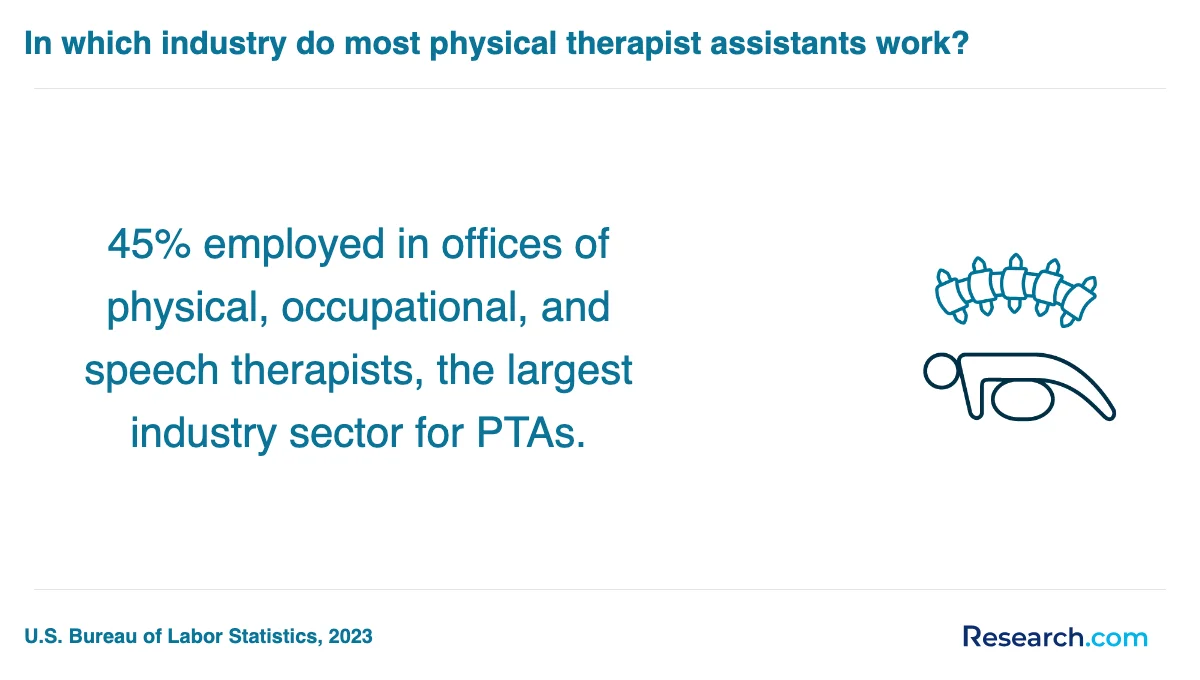
Graduates of physical therapist assistant trade school programs in South often find themselves working in diverse healthcare settings, unlocking rewarding physical therapist assistant jobs in the South. Many secure positions in hospitals, outpatient centers, and especially skilled nursing facilities, where they are valued for their hands-on patient care and stable full-time employment. For instance, graduates from popular Southern trade schools share how they thrive guiding patients through therapy exercises, tracking progress, and offering essential education to both patients and families.
Some choose the adventurous route of travel PTA positions, which offer the excitement of short-term assignments across different Southern states. This path allows them to gain varied clinical experience while enjoying flexibility and the joy of new environments.
Career opportunities for PTA graduates in Southern states extend beyond direct patient care. Many graduates pursue certifications, leadership roles, or further education to become licensed physical therapists. This progression illustrates the meaningful, stable futures waiting for those who start with an accredited PTA associate degree in the region.
Additionally, those interested in efficient career training may explore healthcare degrees in 2 years through Southern trade schools, balancing swift entry into the workforce with professional growth.
The physical therapist assistant job outlook in South Carolina is notably promising, reflecting a broader positive employment trend across Southern states. Graduates from trade schools specializing in PTA programs often find themselves in a thriving market, with many reporting quick job placements in hospitals, rehab centers, and private practices. Popular trade schools in the South emphasize hands-on clinical experience, preparing students for the licensure process and real-world work challenges.
Employment opportunities in Southern states frequently include:
- Full-time roles averaging 35-40 hours per week
- Competitive wages, with some travel PTA jobs paying up to $1,622 weekly
- Positions offering benefits like insurance and paid leave
Graduates share how these programs support not just skill-building but confidence to collaborate closely with physical therapists and personalize patient care. For students balancing learning with life, exploring certificate courses online can also enhance credentials and flexibility.
Most Affordable Physical Therapist Assistant Schools & Training - Budget-Friendly PTA Trade Programs in South for 2026
# 1 position
Laredo College - Physical Therapy Assistant.
associateThe Physical Therapy Assistant program at Laredo College offers a hybrid format with some distance education options. It prepares students to assist physical therapists by implementing treatment plans, training patients, and conducting interventions. The curriculum covers applied anatomy, physiology, biomechanics, neuroscience, and professional ethics. Annual in-state tuition is $3,300. Graduates have median earnings of $32,392 one year after completion. The program is accredited by the Southern Association of Colleges and Schools Commission on Colleges.
# 2 position
Clovis Community College - Physical Therapy Assistant.
associateClovis Community College offers a Physical Therapy Assistant program with a hybrid format, allowing some distance education. The program prepares students to assist physical therapists by implementing treatment plans, training patients, and documenting progress. Coursework covers anatomy, physiology, biomechanics, neuroscience, and professional ethics. The annual in-state tuition is $1,472. Graduates have a median earning of $41,422 one year after completion. The program is accredited by the Higher Learning Commission.
# 3 position
Del Mar College - Physical Therapy Assistant.
associateDel Mar College offers a Physical Therapy Assistant program in a hybrid format, preparing students to assist physical therapists in treatment care plans, patient training, and progress documentation. The curriculum covers applied anatomy, physiology, biomechanics, neuroscience, and professional ethics. Annual in-state tuition is $3,440. Graduates earn a median salary of $42,057 one year after completing the program. The program is accredited by the Southern Association of Colleges and Schools Commission on Colleges.
# 4 position
San Jacinto Community College - Physical Therapy Assistant.
associateThe Physical Therapy Assistant program at San Jacinto Community College offers a hybrid format with some distance-education options. It prepares students to implement treatment care plans, train patients, and conduct interventions under a physical therapist’s supervision. The curriculum covers anatomy, physiology, behavioral sciences, biomechanics, and clinical documentation. Annual in-state tuition is $1,992. Median earnings one year after completion are $52,032. The program is accredited by the Southern Association of Colleges and Schools Commission on Colleges.
# 5 position
El Paso Community College - Physical Therapy Assistant.
associateEl Paso Community College offers a Physical Therapy Assistant program with a hybrid format, combining in-person and distance education. The program trains individuals to assist physical therapists in treatment care plans, patient training, and clinical documentation. It covers anatomy, physiology, biomechanics, neuroscience, and professional ethics. Annual in-state tuition is $3,274, and median earnings one year after completion are $36,554. The program is accredited by the Southern Association of Colleges and Schools Commission on Colleges.
# 6 position
NorthWest Arkansas Community College - Physical Therapy Assistant.
associateNorthWest Arkansas Community College offers a Physical Therapy Assistant program with a hybrid format, combining in-person and distance education. The program trains students to assist physical therapists by implementing treatment plans, conducting interventions, and monitoring patient progress. Coursework includes anatomy, physiology, biomechanics, and professional ethics. The annual in-state tuition is $2,982. Graduates have median earnings of $52,397 one year after completion. The program is accredited by the Higher Learning Commission.
# 7 position
Meridian Community College - Physical Therapy Assistant.
associateMeridian Community College offers a Physical Therapy Assistant program with a hybrid format, combining in-person and distance education. The program prepares students to assist physical therapists by implementing treatment plans, training patients, and documenting progress. Tuition for in-state students is $3,932 annually. The curriculum covers anatomy, physiology, biomechanics, clinical skills, and professional ethics. Graduates have median earnings of $28,895 one year after completion. The program is accredited by the Southern Association of Colleges and Schools Commission on Colleges.
# 8 position
Central New Mexico Community College - Physical Therapy Assistant.
associateCentral New Mexico Community College offers a Physical Therapy Assistant program in a hybrid format, combining in-person and distance education. The program trains students to assist physical therapists by implementing treatment plans, conducting interventions, and monitoring patient progress. Instruction covers anatomy, physiology, biomechanics, clinical documentation, and professional ethics. Annual in-state tuition is $1,934. Graduates have median earnings of $22,799 one year after completion. The program is accredited by the Higher Learning Commission.
# 9 position
Atlanta Technical College - Physical Therapy Assistant.
associateAtlanta Technical College offers a Physical Therapy Assistant program with a hybrid format that includes some distance education. The program prepares students to assist physical therapists by implementing treatment plans, training patients, conducting interventions, and documenting progress. Coursework covers anatomy, physiology, biomechanics, neuroscience, and professional ethics. Annual in-state tuition is $3,164. Graduates earn a median salary of $34,109 one year after completion. The program is accredited by the Southern Association of Colleges and Schools Commission on Colleges.
# 10 position
San Juan College - Physical Therapy Assistant.
associateSan Juan College offers a Physical Therapy Assistant program in a hybrid format, combining on-site and distance education. The program prepares students to assist physical therapists by implementing treatment plans, training patients, and documenting progress. Instruction covers anatomy, physiology, biomechanics, communication, and professional ethics. The annual in-state tuition is $1,790, and median earnings one year after completion are $37,239. The program is accredited by the Higher Learning Commission.
Frequently Asked Questions about physical therapist assistant
After completing a physical therapist assistant (PTA) trade school program in South, preparing for the job market involves several key steps. First, graduates must obtain state licensure or certification, which typically requires passing the National Physical Therapy Exam (NPTE) for PTAs. South's Department of Health provides specific licensing requirements and application procedures.
Networking is also crucial. Joining professional organizations like the American Physical Therapy Association (APTA) South Carolina chapter can help graduates connect with local employers and access job listings. Clinical experience gained during schooling is valuable; graduates should highlight this in resumes and interviews.
According to the U.S. Bureau of Labor Statistics, South Carolina's employment of PTAs is projected to grow by 23% from 2022 to 2032, indicating strong job prospects. Staying current with continuing education and pursuing certifications in specialized areas can further improve employability.
Employers in South prioritize several key skills when hiring graduates from physical therapist assistant trade schools. Strong knowledge of therapeutic techniques and anatomy is essential, ensuring graduates can effectively assist licensed physical therapists. Communication skills are equally important, as assistants must clearly explain exercises and motivate patients.
According to the U.S. Bureau of Labor Statistics and regional workforce reports, practical hands-on experience gained during clinical rotations significantly boosts employability. Employers also value critical thinking and adaptability, as patient needs often vary.
Technical proficiency with rehabilitation equipment and electronic health records is increasingly required in South's healthcare settings. Additionally, teamwork and professionalism remain top priorities, reflecting the collaborative nature of physical therapy services.
Finding internships relevant to physical therapist assistant (PTA) trade school programs in South typically begins with contacting your school's career services. Many accredited programs have partnerships with local hospitals, rehabilitation centers, and outpatient clinics that offer clinical internship opportunities. These internships are essential for hands-on experience and often required for program completion and licensure.
The South has a growing demand for PTAs, with the Bureau of Labor Statistics projecting a 27% employment increase nationally by 2030, fueling internship availability. Students should also explore state health department resources and professional organizations like the American Physical Therapy Association (APTA) South Carolina Chapter for listings.
Networking through instructors and attending regional healthcare job fairs can uncover hidden internship openings. Early application is advised, as clinical spots are competitive due to limited availability and high demand in South's healthcare facilities.
In South, earning a physical therapist assistant (PTA) diploma from a trade school significantly enhances career mobility. Graduates gain essential clinical skills that meet state licensure requirements, enabling them to work in diverse healthcare settings such as hospitals, rehabilitation centers, and nursing homes. According to the U.S. Bureau of Labor Statistics, employment for PTAs is projected to grow 29% nationally from 2021 to 2031, reflecting strong demand.
Completing a diploma program also facilitates advancement opportunities. Many employers prefer candidates with formal PTA education, which can lead to higher starting salaries and eligibility for specialized roles. The Commission on Accreditation in Physical Therapy Education (CAPTE) accredits programs in South, ensuring quality training that is recognized by employers and licensing boards.
Students enrolled in physical therapist assistant trade schools in South often seek part-time jobs that enhance their practical skills and complement their academic learning. Common opportunities include working as therapy aides or rehabilitation assistants in outpatient clinics and nursing homes. These roles provide hands-on experience with patient care under supervision, which is valuable for future certification.
Additionally, jobs in fitness centers as personal trainers or exercise assistants help develop knowledge of body mechanics and exercise physiology. According to the U.S. Bureau of Labor Statistics, South has a growing demand for physical therapist assistants, with an estimated 12% employment growth through 2030, offering ample part-time work options.
Many students also find roles in hospitals and home health agencies, where they assist licensed therapists in patient mobility and recovery activities while balancing school schedules.
To find the most affordable Physical Therapist Assistant degree program near me, begin by checking local community colleges and universities that offer healthcare programs; these institutions often provide cost-effective tuition rates. Additionally, using resources such as Research.com can help you identify and compare program costs and requirements near South, focusing on financial factors. Remember, both community colleges and universities often have programs specifically designed to meet local demand and may offer scholarships or financial aid to further reduce expenses.
- Physical Therapist Assistants and Aides : Occupational Outlook Handbook: : U.S. Bureau of Labor Statistics https://www.bls.gov/ooh/healthcare/physical-therapist-assistants-and-aides.htm
- Healthcare Occupations - Physical Therapist Assistants | MHC https://www.mhc.org/physical-therapist-assistants
- Physical Therapist Assistants at My Next Move https://www.mynextmove.org/profile/summary/31-2021.00
- Physical Therapist Assistant | South Texas College https://www.southtexascollege.edu/academics/physical-therapist-assistant/
- Program: Physical Therapist Assistant, AS - South College - Modern Campus Catalog™ https://catalog.south.edu/preview_program.php
- Physical Therapist Assistant - Ivy Tech Community College https://www.ivytech.edu/programs/all-academic-programs/school-of-health-sciences/physical-therapist-assistant/
- Associate in Physical Therapist Assistant | South University https://www.southuniversity.edu/degree-programs/healthcare/physical-therapist-assistant-as
- PHYSICAL THERAPIST ASSISTANT: ASSOCIATE IN APPLIED SCIENCE - Technical College of the Lowcountry https://www.tcl.edu/academics/pathways/health-sciences/physical-therapist-assistant-associate-in-applied-science/
- Physical Therapist Assistant | Greenville Technical College https://www.gvltec.edu/academics_learning/health-sciences/physical_therapist_assistant/index.html
- Physical Therapist Assistant - Associate in Applied Science Degree | Horry-Georgetown Technical College https://www.hgtc.edu/academics/academic-departments/physical-occupational-therapist/physical-therapist-assistant.html


