Best Physical Therapist Assistant Training Programs & Trade Schools - Top PTA Schools in Virginia for 2026

Co-Founder and Chief Data Scientist
Choosing the right physical therapist assistant trade school in Virginia can feel overwhelming. This article simplifies that decision by featuring a carefully crafted ranking of physical therapist assistant trade school programs, developed by the Research.com team of data scientists.
By exploring this guide, you’ll gain valuable insights into programs worth considering, helping you find the best fit for your goals. Earning a diploma or certification in this field opens doors to a rewarding career, making a real difference in people’s lives.
Take the first step toward a fulfilling future today.
Key benefits of finishing physical therapist assistant trade school in Virginia
- Graduates of physical therapist assistant trade schools in Virginia can expect competitive salaries, with averages around $62,000 to $67,000 per year, offering a strong financial start to their careers.
- Career paths include working in hospitals, outpatient clinics, or rehabilitation centers, as seen in graduates from popular Virginia trade schools who quickly find rewarding roles helping patients recover.
- Completing a PTA program online provides flexibility and convenience, allowing students to balance work and study, as experienced by online graduates from well-known Virginia schools who appreciate learning at their own pace.
- Best Physical Therapist Assistant Training Programs & Trade Schools - Top PTA Schools in Virginia for 2026
- What can I expect from physical therapist assistant trade schools in Virginia?
- Where can I work after finishing physical therapist assistant trade schools in Virginia?
What can I expect from physical therapist assistant trade schools in Virginia?
Enrolling in a physical therapist assistant trade school program in Virginia means diving into a dynamic mix of classroom study and hands-on clinical practice. Graduates from well-known Virginia trade schools often share how they quickly adapted to real-world environments during supervised clinical rotations at local hospitals and rehab centers, gaining confidence in patient care and therapeutic techniques.
You can expect to study the human body in depth, focusing on musculoskeletal and neuromuscular systems, alongside learning how to safely assist licensed physical therapists. Many students find the emphasis on communication and teamwork especially rewarding, as they practice interacting with diverse patients and healthcare professionals.
Programs typically span two years, culminating in an associate's degree accredited by CAPTE, which is essential for licensure in Virginia. Graduates describe the challenge and excitement of preparing for the National Physical Therapy Exam, feeling well-equipped by their programs' strong foundation in evidence-based practice and ethical responsibilities.
Where can I work after finishing physical therapist assistant trade schools in Virginia?
Graduates of physical therapist assistant trade schools in Virginia often find themselves stepping into diverse and rewarding career paths. Many begin their journeys in hospitals, where they assist licensed therapists in helping patients regain movement after surgeries or injuries. Imagine working alongside a team in a bustling Virginia Beach hospital, feeling the satisfaction of watching a stroke patient take their first steps again.
Others thrive in rehabilitation centers and outpatient clinics across the state, providing focused, one-on-one care for patients recovering from orthopedic or neurological conditions. Graduates from popular programs in Richmond and Norfolk frequently share how empowering it is to track progress and celebrate milestones with patients.
Opportunities also abound in nursing homes and long-term care facilities, where PTAs support elderly residents' independence through tailored exercises. Home health agencies offer a more flexible and personalized route, perfect for those wanting to bring care directly to patients' homes, especially in rural Virginia.
Private practices and travel PTA roles provide exciting options for specialization and adventure, making the future bright for those completing Virginia's trade school programs.
After finishing a physical therapist assistant trade school program in Virginia, many graduates find themselves stepping into entry-level roles with salaries starting around $23,800 per year. This might seem modest at first, but it's a realistic starting point that quickly grows as you gain hands-on experience. Graduates from well-known Virginia trade schools often share how their first year felt like a launchpad, with steady raises pushing their earnings to about $54,500 within a few years.
Imagine working in clinics around Blacksburg or Lynchburg, where average salaries can reach $62,000 to $64,000, reflecting strong local demand and rewarding patient care. For those who stick with it beyond five years, it's common to see salaries climb to $76,400 or more, opening doors to better job opportunities and financial stability.
Hourly wages tell a similar story: starting near $27 per hour and moving up to $34 or higher as skills sharpen. Many graduates appreciate this steady climb, feeling proud knowing their commitment to a Virginia PTA program leads to a fulfilling career with tangible growth.
- Most PTA programs in Virginia are offered through community colleges and require prerequisite courses with a minimum grade of 'C' and a cumulative GPA of around 2.75.
- Applicants usually need to complete about 20 clinical observation hours and may have to pass the ATI TEAS test with a proficient score.
- Programs must be accredited by CAPTE for graduates to qualify for the licensure exam required to practice in Virginia.
- The typical program length is about five semesters (two years), including classroom, lab, and clinical work.
- Total program costs for in-state residents generally range from $10,000 to $20,000, not including living expenses or extra fees.
- Starting salaries for PTAs in Virginia range from $48,000 to $53,000 annually, with experienced PTAs earning up to $65,000 or more.
Completing a physical therapist assistant trade school program in Virginia typically takes about two years, though some motivated students have finished slightly faster by taking accelerated course loads. Graduates from well-known Virginia trade schools often share how this timeframe balances rigorous hands-on training with classroom learning, allowing them to build confidence and competence without feeling overwhelmed.
Imagine starting your program in the fall, diving into anatomy labs and practical sessions by spring, then gaining clinical experience at local healthcare facilities by your second summer. Many students describe this journey as both challenging and deeply rewarding, often expressing pride in quickly progressing toward a fulfilling career helping others.
Virginia's trade schools emphasize flexible scheduling to accommodate working students, which can influence completion time. For example, some graduates appreciated evening and weekend classes that enabled them to maintain part-time jobs while advancing steadily through the program.
Choosing a Virginia trade school known for strong community connections and experienced instructors can enhance your learning pace and overall experience, helping you complete your physical therapist assistant training efficiently and enthusiastically.
The key difference between online and on-campus physical therapist assistant (PTA) programs in Virginia lies in how students experience their training. Graduates from on-campus programs at schools like Wytheville Community College often describe the energy of attending in-person labs and lectures as invaluable. They appreciate the immediate feedback from instructors during hands-on practice and the camaraderie built with peers in the classroom and clinical settings. For example, those at South University's Richmond campus benefit from 660 hours of direct clinical education at hospitals and outpatient centers, which many find essential for confidence and skill development.
On the other hand, students enrolled in hybrid programs, such as Rasmussen University's PTA program, highlight the flexibility of completing theory coursework online. This option suits those balancing work or family, allowing them to study on their own schedule. However, they still travel to campus for intensive lab sessions and clinical rotations, recognizing that in-person training is crucial for mastering physical therapy techniques and meeting Virginia's licensure requirements.
Both paths offer unique advantages, but the blend of flexibility with hands-on experience remains vital for success in Virginia's PTA trade schools.
The average tuition for physical therapist assistant programs in Virginia varies significantly depending on residency and the trade school chosen. For example, graduates from Virginia Western Community College reflect on an in-state tuition rate of about $184.89 per credit hour, leading to a total program cost near $16,307 when including all fees and supplies. Out-of-state students face considerably higher costs, around $42,661, exemplifying how residency status can heavily influence the overall expense.
Other popular trade schools in Virginia, such as Germanna Community College and Northern Virginia Community College, present an attractive option for many aspiring PTAs, with combined tuition and fees totaling around $11,000. Graduates from these institutions often share how this more moderate cost allowed them to focus on clinical training without the stress of overwhelming debt. Tidewater Community College offers similar pricing, making high-quality physical therapist assistant training more accessible across different regions of Virginia.
A more comprehensive program at ECPI University entails a tuition fee of about $28,200, plus additional expenses. Many who attend appreciate the program's robust curriculum and hands-on opportunities despite the higher investment. Exploring the true cost is essential since the cost of physical therapist assistant training in Virginia can shift based on individual paths, including prerequisite courses or extra certification needs.
Imagining yourself progressing through one of these programs, it's hopeful to realize the potential savings and investment in your future career. For clarity on how physical therapy compares to other health professions, including chiropractors, consider researching the difference between a chiropractor and a physical therapist.
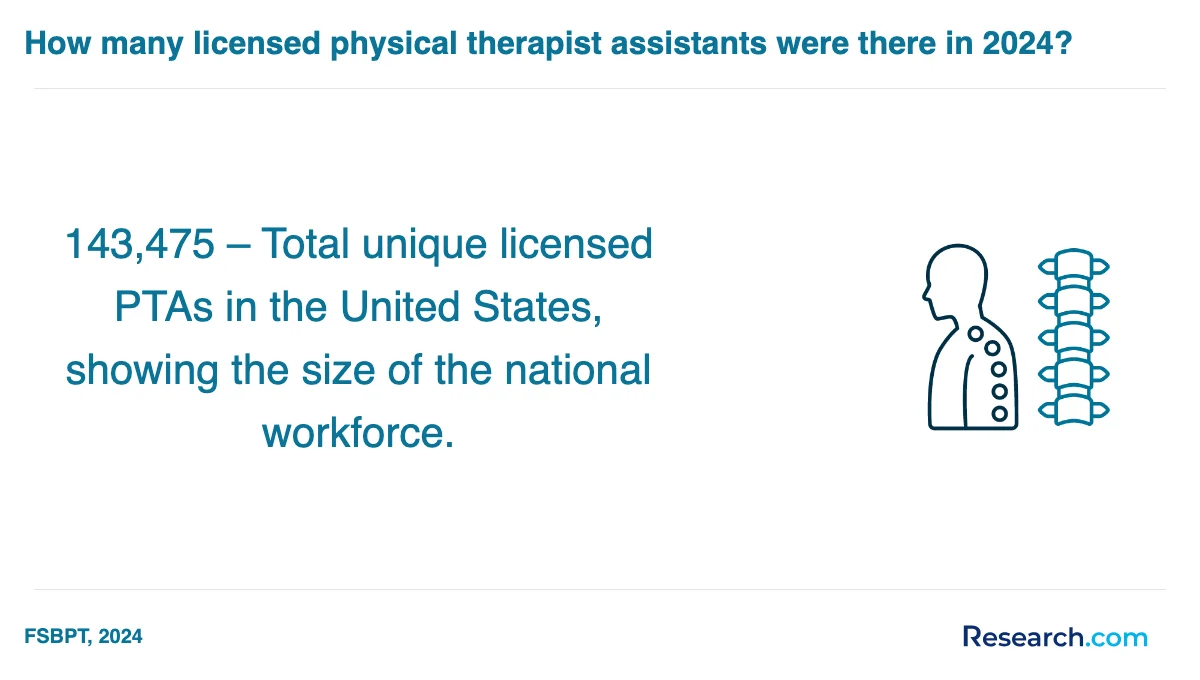
Physical therapist assistant trade school students in Virginia often find relief from tuition stress through federal financial aid like the Pell Grant, which can cover up to $7,395 for the 2025-2026 year. Graduates from programs at popular community colleges describe how completing the FAFSA opened doors to these no-repayment funds, allowing them to focus more on hands-on learning than financial worries.
State-level support also plays a key role. Many Virginia residents attending schools within the Virginia Community College System benefit from the Virginia Commonwealth Grant, which eases out-of-pocket expenses. Students recall how this grant, combined with institutional scholarships, made attending local trade schools more affordable and motivated them to excel.
Trade schools frequently offer scholarships targeting PTA students, such as the Summit Physical Therapy Scholarship, rewarding dedication and academic achievement. Graduates often share how receiving such awards boosted their confidence and reinforced their commitment to the profession.
Work-study programs and flexible payment plans add practical ways to manage costs, helping students balance part-time work with studies, making the path to becoming a PTA feel attainable and encouraging.
To enroll in a physical therapist assistant trade school program in Virginia, students typically must have a high school diploma or GED. This foundational step ensures readiness for the demanding coursework ahead. Many programs also expect applicants to have completed prerequisite courses in anatomy, physiology, and biology, which build essential knowledge for success.
Graduates from popular Virginia trade schools often recall how these prerequisites prepared them for hands-on training and engaging clinical experiences. For example, one graduate described feeling confident during early patient interactions because of their solid background in human biology.
Other common prerequisites include:
- Passing a background check and drug screening, reflecting the trust required when working in healthcare settings
- Demonstrating CPR certification, often obtained before program start, to ensure safety awareness
- Completing an application essay or interview, allowing candidates to express their passion and commitment
These requirements not only set a professional tone but also help students feel prepared and motivated as they begin their journey in Virginia's dynamic physical therapist assistant trade schools.
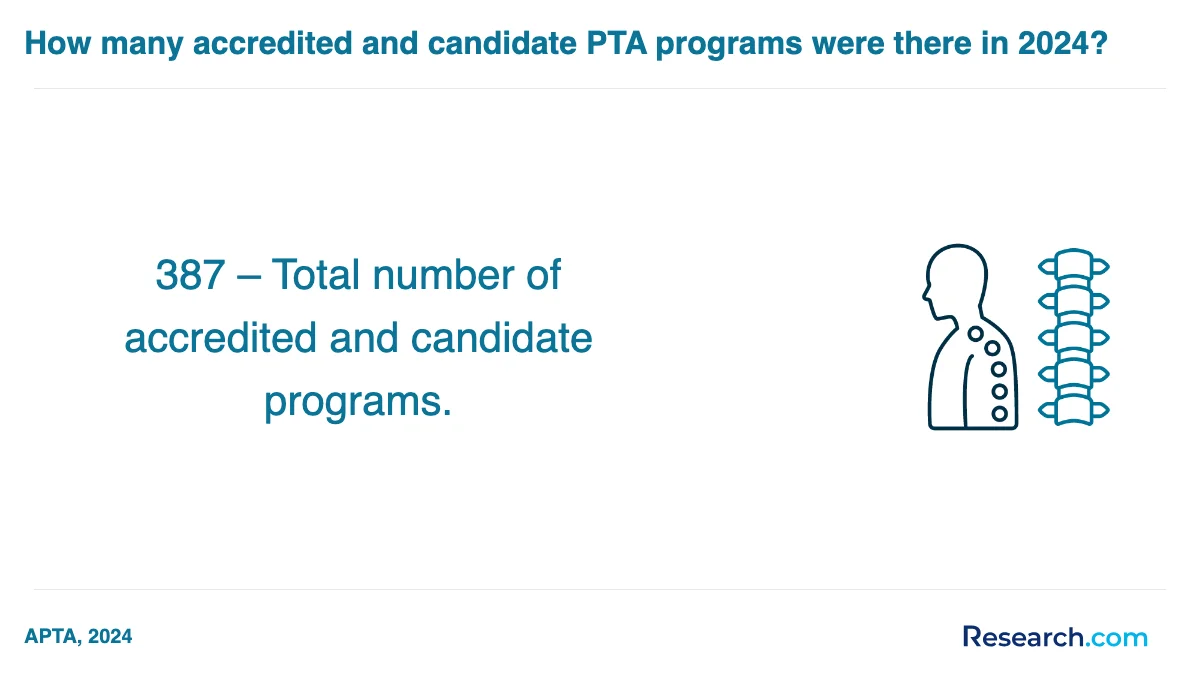
Physical therapist assistant trade school programs in Virginia typically include a mix of technical, theoretical, and practical courses designed to build confidence and competence. Graduates often recall how introductory classes like Introduction to Physical Therapist Assisting gave them a clear, hands-on understanding of patient care from day one, blending classroom learning with lab practice.
Core courses usually cover:
- Anatomy and physiology, which helped students visualize the human body and understand how injuries affect movement.
- Pathology and kinesiology, enabling students to grasp disease impacts and body mechanics.
- Therapeutic exercise and modalities, where learners practiced applying heat, cold, and electrical stimulation to aid healing.
Many students from well-known Virginia trade schools describe their clinical education experiences as transformative. Completing 600-660 hours of full-time rotations in hospitals or rehab centers, they gained real-world skills and built professional confidence, often recalling moments when they successfully assisted patients through recovery milestones.
General education classes in communication, psychology, and ethics also prepare students to engage empathetically and professionally with patients and healthcare teams, making their training well-rounded and immediately applicable in diverse clinical settings.
In Virginia, physical therapist assistant trade school programs generally focus on foundational skills without offering specialized tracks within the curriculum. However, graduates often find themselves exploring various practical areas such as:
- Orthopedic Physical Therapy
- Pediatric Physical Therapy
- Neurological Physical Therapy
Students from popular trade schools like Northern Virginia Community College and Tidewater Community College frequently share how their hands-on clinical rotations ignite interest in these specialties. One graduate described gaining confidence treating children with developmental challenges during a pediatric rotation, while another emphasized the rewarding experience of assisting adults recovering from orthopedic surgery. These personal experiences enable students to envision diverse career paths within rehabilitation.
While the structured curriculum remains consistent, aspiring PTAs in Virginia benefit from community college programs' practical training environments that encourage exploration of different patient care roles. For those curious about broadening their healthcare expertise quickly and effectively, considering 2-year medical degrees that pay well can be an excellent complement to their PTA education.
Choosing the best physical therapist assistant programs in Virginia starts with verifying CAPTE accreditation, as graduates need this to qualify for licensure exams. Graduates from Northern Virginia Community College often share how the balanced mix of classroom, lab, and clinical experiences prepared them confidently for real-world settings like hospitals and rehab centers. Considering program length is key too-most complete in about two years, fitting well with career timelines.
Admission competitiveness at schools like Virginia Western Community College means early preparation is crucial. Many graduates recall how meeting prerequisites and submitting applications on time helped them secure limited seats, making the process less stressful.
To compare physical therapist assistant school costs Virginia students often look beyond tuition, factoring in location, class size, and faculty support. Smaller classes near home enhance learning and personal growth, as reported by several recent alumni. For broader educational options, exploring best medical assistant trade school programs can also provide valuable insights into healthcare training approaches.

Graduates of physical therapist assistant trade school programs in Virginia often find a variety of promising paths, from working alongside licensed physical therapists in hospitals and clinics to joining specialty care centers such as pain management and sports medicine facilities. Many new PTAs in Virginia appreciate the vibrant job market where physical therapist assistant jobs in Virginia are plentiful, allowing them to start their careers quickly after completing their training at well-known local trade schools.
Some graduates embrace travel physical therapist assistant roles, taking short-term contracts that expose them to diverse healthcare settings across the state. This path offers adventure and the ability to impact underserved rural communities, fulfilling a desire for flexible work and meaningful patient engagement. Others look to specialize, leveraging advanced proficiency pathways in areas like geriatrics or orthopedics to deepen their expertise and boost their earning potential.
Career opportunities for PTAs in Virginia also include supervisory or administrative roles, often emerging after gaining practical experience and strong networks within healthcare systems. Graduates from Virginia trade schools share that the balance of hands-on work and professional growth makes this path rewarding both personally and financially. For those exploring easy healthcare programs to start their journey, physical therapist assistant trade schools remain a top choice for stable and fulfilling careers.
The physical therapist assistant job outlook in Virginia remains strong, with graduates from well-known trade schools experiencing encouraging career opportunities throughout the state. Many report quickly securing roles in diverse settings, including hospitals, outpatient clinics, and skilled nursing facilities. Hands-on training from Virginia's reputable programs often prepares students to meet employer requirements like Basic Life Support certification and accreditation standards, which boosts their employability.
Demand spreads across urban and suburban areas, with vibrant job markets in places like Virginia Beach where openings are abundant. Graduates often highlight the flexibility to choose positions based on preferred work environments and locations.
Salary expectations align well with the market, especially for new entrants starting at around $40 per hour. Travel PTA assignments provide even higher pay and the chance to gain varied experience, with weekly wages often exceeding $1,400. This versatility appeals to graduates seeking both income and adventure early in their careers.
Understanding salary dynamics is important, and those interested can explore physical therapist assistant average salary details to gauge earning potential better.
- Roles in hospitals, rehab centers, and outpatient clinics
- Competitive entry-level wages growing with experience
- Travel positions offering rate premiums and flexible schedules
Virginia's job market climate suggests that investing in a PTA trade school here is a promising step. For those aiming to combine stable employment with strong growth potential, this field offers a rewarding path. For more detailed guidance on compensation and career trajectory, reviewing the physical therapy assistant average salary can help set realistic goals.
Best Physical Therapist Assistant Training Programs & Trade Schools - Top PTA Schools in Virginia for 2026
# 1 position
Wytheville Community College - Physical Therapy Assistant.
associateWytheville Community College offers a Hybrid Physical Therapy Assistant program that prepares students to assist physical therapists in implementing treatment plans, training patients, and documenting progress. The curriculum covers anatomy, physiology, biomechanics, neuroscience, and professional ethics. The program’s annual in-state tuition is $4,863, and graduates earn a median of $38,446 one year after completion. It is accredited by the Southern Association of Colleges and Schools Commission on Colleges.
# 2 position
Northern Virginia Community College - Physical Therapy Assistant.
associateNorthern Virginia Community College offers a Physical Therapy Assistant program in a hybrid format, combining distance education with in-person learning. The program prepares students to assist physical therapists in treatment care plans, patient training, and clinical documentation. Coursework includes anatomy, physiology, biomechanics, neuroscience, and professional ethics. Annual in-state tuition is $5,703. Median earnings one year after completion are approximately $34,881. The program is accredited by the Southern Association of Colleges and Schools Commission on Colleges.
# 3 position
Germanna Community College - Physical Therapy Assistant.
associateGermanna Community College offers a Physical Therapy Assistant program with a hybrid format that includes some distance education. The program prepares students to assist physical therapists by implementing treatment plans, training patients, and conducting interventions. Coursework covers applied anatomy, physiology, biomechanics, clinical documentation, neuroscience, and professional ethics. Annual in-state tuition is $5,066. The program is accredited by the Southern Association of Colleges and Schools Commission on Colleges.
# 4 position
Patrick & Henry Community College - Physical Therapy Assistant.
associatePatrick & Henry Community College offers a Physical Therapy Assistant program in a hybrid format, combining in-person and distance education. The program trains students to assist physical therapists by implementing treatment plans, training patients, and documenting progress. Instruction covers areas like anatomy, physiology, biomechanics, and professional ethics. Annual in-state tuition is $4,858. The program is accredited by the Southern Association of Colleges and Schools Commission on Colleges.
# 5 position
Tidewater Community College - Physical Therapy Assistant.
associateThe Physical Therapy Assistant program at Tidewater Community College offers a hybrid learning format that prepares students to assist physical therapists in treatment care, patient training, and clinical documentation. The curriculum covers applied anatomy, physiology, biomechanics, neuroscience, and professional ethics. Annual in-state tuition is $5,714. Graduates have a median earning of $29,799 one year after completion. The program is accredited by the Southern Association of Colleges and Schools Commission on Colleges.
# 6 position
Radford University - Physical Therapy Assistant.
associateRadford University offers a Physical Therapy Assistant program with a hybrid format, allowing some distance education. The program trains students to assist physical therapists by implementing treatment plans, conducting interventions, and monitoring patient progress. Coursework includes anatomy, physiology, neuroscience, and professional ethics. The annual in-state tuition is $12,286. Graduates have median earnings of $48,584 one year after completion. The program is accredited by the Southern Association of Colleges and Schools Commission on Colleges.
# 7 position
Riverside College of Health Careers - Physical Therapy Assistant.
associateThe Physical Therapy Assistant program at Riverside College of Health Careers offers a hybrid format with some distance-education options. It prepares students to assist physical therapists by implementing treatment plans, training patients, and conducting interventions. The curriculum covers anatomy, physiology, biomechanics, clinical documentation, and professional ethics. Annual in-state tuition is $14,875. The program is accredited by the Accrediting Bureau of Health Education Schools. Median earnings one year after completion are $47,742.
# 8 position
South University-Richmond - Physical Therapy Assistant.
associateSouth University-Richmond offers a Physical Therapy Assistant program designed to prepare students to implement treatment care plans and assist physical therapists. The hybrid program includes instruction in anatomy, physiology, biomechanics, and professional ethics. Annual in-state tuition is $18,238. Graduates earn a median salary of $39,761 one year after completion. The program is accredited by the Southern Association of Colleges and Schools Commission on Colleges.
# 9 position
South University-Virginia Beach - Physical Therapy Assistant.
associateThe Physical Therapy Assistant program at South University-Virginia Beach prepares students to support licensed physical therapists by implementing treatment plans, training patients, and monitoring progress. This hybrid program includes applied anatomy, physiology, biomechanics, neuroscience, and professional ethics. Accredited by the Southern Association of Colleges and Schools Commission on Colleges, the annual in-state tuition is $18,238. Median earnings one year after completion are $39,761.
# 10 position
ECPI University - Physical Therapy Assistant.
associateECPI University offers a Physical Therapy Assistant program with a hybrid format, including some distance education. The program trains students to implement treatment care plans, conduct interventions, and use equipment under a physical therapist's supervision. Instruction covers anatomy, physiology, biomechanics, neuroscience, and professional ethics. Annual in-state tuition is $18,484. Graduates earn a median of $32,640 one year after completion. The program is accredited by the Southern Association of Colleges and Schools Commission on Colleges.
Frequently Asked Questions about physical therapist assistant
After completing a physical therapist assistant (PTA) trade school in Virginia, preparing for the job market involves several key steps. Graduates must first obtain licensure by passing the National Physical Therapy Exam for PTAs, as required by the Virginia Board of Physical Therapy. This credential is essential for legal employment in the state.
Networking through clinical rotations and local healthcare facilities can increase job opportunities. Virginia's healthcare sector, particularly in urban areas like Richmond and Virginia Beach, shows steady growth in PTA positions, with the U.S. Bureau of Labor Statistics projecting a 27% increase nationwide through 2031.
Additionally, maintaining certifications such as CPR and seeking continuing education can enhance employability and career advancement. Utilizing Virginia Workforce Connection and professional associations helps in finding job postings and resources tailored to PTAs.
Employers in Virginia seek physical therapist assistant (PTA) graduates with strong clinical skills and effective communication abilities. According to the U.S. Bureau of Labor Statistics, PTAs must understand patient care techniques, therapeutic exercise, and anatomy to support licensed physical therapists effectively.
In addition to technical knowledge, Virginia employers value interpersonal skills, as PTAs frequently work closely with patients, often requiring empathy and patience. The Virginia Board of Physical Therapy also emphasizes professionalism and adherence to safety protocols as critical for graduates entering the workforce.
Moreover, familiarity with electronic health records (EHR) systems is increasingly important, aligning with trends in healthcare technology adoption statewide. These combined skills ensure graduates are prepared to meet the demands of Virginia's healthcare settings.
Finding internships in Virginia relevant to physical therapist assistant (PTA) trade school programs involves several strategic steps. Start by contacting the career services office of your trade school, as many maintain partnerships with local clinics and rehabilitation centers. The Virginia Board of Physical Therapy often provides resources and approved clinical sites for PTA students.
Additionally, the American Physical Therapy Association (APTA) offers a clinical education locator tool, which can help identify internship opportunities across Virginia. Internships typically last between 6 to 12 weeks and provide hands-on experience essential for licensure.
Networking with local healthcare providers and attending industry events can also uncover hidden internship openings. According to the U.S. Bureau of Labor Statistics, Virginia's healthcare sector is growing, increasing demand for PTA clinical placements.
Obtaining a physical therapist assistant (PTA) diploma from a trade school in Virginia significantly enhances career mobility. According to the U.S. Bureau of Labor Statistics, Virginia's healthcare sector is growing steadily, with PTA roles expected to increase by 23% through 2030, well above the national average. This growth creates diverse job opportunities across hospitals, outpatient clinics, and rehabilitation centers.
Trade school diplomas provide hands-on training and state-required credentials, making graduates eligible for the National Physical Therapy Exam (NPTE) for PTAs. Passing this exam is essential for licensure in Virginia, enabling graduates to practice legally and advance professionally.
Moreover, many Virginia employers prefer candidates with accredited trade school diplomas as they demonstrate practical skills and readiness for the workforce. This preference can lead to faster employment and promotional opportunities within the healthcare system.
Data from the Virginia Employment Commission supports that licensed PTAs with diplomas earn median annual wages around $62,000, which can increase with experience and specialization. Thus, a trade school diploma acts as a critical stepping stone for career growth and financial advancement in the state's healthcare industry.
Students enrolled in physical therapist assistant (PTA) trade schools in Virginia can benefit from part-time jobs that offer relevant experience. Common opportunities include working as rehabilitation aides or therapy aides in hospitals, outpatient clinics, and nursing homes. These roles allow students to observe licensed physical therapists and assist with patient care under supervision.
The U.S. Bureau of Labor Statistics (BLS) reports that healthcare support roles in Virginia are growing steadily, with therapy aide positions among the in-demand jobs. Additionally, jobs such as medical assistants or fitness trainers can help develop communication and patient interaction skills important for PTA careers.
Many Virginia employers offer flexible schedules, accommodating students' class hours. This practical work experience supports academic learning and enhances employability after graduation.
Yes, there are several reputable Physical Therapist Assistant (PTA) degree programs near Virginia that you might consider. Programs are often offered at community colleges and universities, providing both theoretical knowledge and practical training required for a successful career as a PTA. To find the best program near me, you can consult resources like Research.com, which can provide insights into programs near Virginia that match your needs and interests.
- Best Physical Therapist Assistant Training Programs & Trade Schools - Top PTA Schools in West Virginia for 2026
- Best Physical Therapist Assistant Training Programs & Trade Schools - Top PTA Schools in Maryland for 2026
- Best Physical Therapist Assistant Training Programs & Trade Schools - Top PTA Schools in North Carolina for 2026
- Best Physical Therapist Assistant Training Programs & Trade Schools - Top PTA Schools in Tennessee for 2026
- Best Physical Therapist Assistant Training Programs & Trade Schools - Top PTA Schools in Kentucky for 2026
- Best Physical Therapist Assistant Training Programs & Trade Schools - Top PTA Schools in Pennsylvania for 2026
- Best Physical Therapist Assistant Training Programs & Trade Schools - Top PTA Schools in Indiana for 2026
- Best Physical Therapist Assistant Training Programs & Trade Schools - Top PTA Schools in Florida for 2026
- Best Physical Therapist Assistant Training Programs & Trade Schools - Top PTA Schools in Alabama for 2026
- Best Physical Therapist Assistant Training Programs & Trade Schools - Top PTA Schools in Illinois for 2026
- How to Apply | Physical Therapist Assistant Program | San Diego Mesa College https://www.sdmesa.edu/academics/v2/programs/physical-therapist-assistant/apply.shtml
- Becoming a Physical Therapist Assistant | APTA https://www.apta.org/your-career/careers-in-physical-therapy/becoming-a-pta
- Physical Therapist Assistant Program Application https://www.kbcc.cuny.edu/academicdepartments/alliedhealth/pta/Application.html
- Physical Therapist Assistant Program | Western Technical College https://www.westerntech.edu/programs/associates-science/physical-therapist-assistant/
- Apply to the Physical Therapist Assistant Program - LCCC | Laramie County Community College, Wyoming https://www.lccc.wy.edu/pathways/healthSciencesWellness/physicalTherapistAssistantProgram/apply.aspx
- Physical Therapist Assistant Program https://www.collegeofthedesert.edu/students/acad-prog/health-sciences/physical-therapy-asst/default.php
- Physical Therapist Assistant - Associate in Applied Science | Midlands Technical College https://www.midlandstech.edu/programs-and-courses/health-care/physical-therapist-assistant
- Physical Therapist Assistant (PTA), AAS - LaGuardia Community College https://www.laguardia.edu/majors/physical-therapist-assistant/
- Physical Therapist Assistant - TCC https://www.tccd.edu/physicaltherapistassistant
- Physical Therapist Assistant | South Texas College https://www.southtexascollege.edu/academics/physical-therapist-assistant/