Best Physical Therapist Assistant Training Programs & Trade Schools - Top PTA Schools in New York for 2026

Co-Founder and Chief Data Scientist
Choosing the right physical therapist assistant trade school in New York can feel overwhelming. This article is here to help you navigate that decision with confidence.
We present a ranking of physical therapist assistant trade school programs, developed by the Research.com team of data scientists. Their analysis ensures you see which programs stand out based on reliable data.
Reading this guide will empower you to find a program that fits your goals and sets you on a rewarding career path. Earning a diploma or certification opens doors to meaningful work helping others heal and improve their lives.
Key benefits of finishing physical therapist assistant trade school in New York
- Expected salary: Graduates can expect an average annual salary around $78,180 in New York, with potential to earn up to $93,000 as they gain experience and certifications, making this a financially rewarding career path.
- Career paths: For example, a graduate from a well-known New York trade school often finds opportunities in hospitals, outpatient clinics, or rehabilitation centers, offering diverse and fulfilling work environments.
- Online program benefits: An online graduate from a respected PTA trade school enjoys flexible scheduling and faster completion times, allowing for a smooth transition into the workforce without sacrificing quality education.
- Best Physical Therapist Assistant Training Programs & Trade Schools - Top PTA Schools in New York for 2026
- What can I expect from physical therapist assistant trade schools in New York?
- Where can I work after finishing physical therapist assistant trade schools in New York?
What can I expect from physical therapist assistant trade schools in New York?
When you enroll in a physical therapist assistant trade school program in New York, expect a well-structured blend of classroom learning and hands-on clinical practice. Graduates from popular programs often describe early mornings spent mastering anatomy and physiology, followed by afternoons applying those lessons during clinical rotations at local hospitals or rehab centers. These programs typically last about two years and are accredited to meet New York's licensure standards, ensuring you're well-prepared for the National Physical Therapist Assistant Examination.
You'll dive into courses covering biology, therapeutic exercises, and patient care, often earning CPR and first aid certifications along the way. Many students find the clinical experience the most rewarding-working directly with patients under supervision builds confidence and real-world skills. Admission can be competitive, so be ready with solid grades, prerequisite courses, and relevant volunteer hours, which graduates say helped them feel ready and motivated.
Financial aid opportunities are often available, easing the path through these demanding programs. Overall, expect a challenging but fulfilling journey that equips you with both technical expertise and the interpersonal skills valued in New York's healthcare settings.
Where can I work after finishing physical therapist assistant trade schools in New York?
After completing a physical therapist assistant trade school program in New York, graduates quickly discover a wide range of rewarding job opportunities. Many find themselves working in bustling hospitals or outpatient clinics, where they assist patients recovering from surgeries or injuries. Others thrive in nursing homes and rehabilitation centers, helping elderly patients regain strength and independence. Graduates from popular trade schools often share stories of working in pediatric clinics, where they make a real difference by supporting children with developmental challenges.
Home health care is another growing field, especially in New York's urban areas. PTAs travel to patients' homes, offering personalized therapy that fits busy schedules-something many graduates find both flexible and fulfilling. Skilled nursing facilities and long-term care centers also employ PTAs to provide crucial therapy for those with chronic conditions. Some even take on travel positions, enjoying the adventure of working in different parts of the state while earning competitive weekly pay.
Licensing is key to unlocking these opportunities, and trade school grads feel proud stepping into roles that not only support clinical care but also open doors to administrative and front office positions. The hands-on experience gained during training makes these career paths feel accessible and exciting.
After finishing a physical therapist assistant trade school program in New York, you can expect to earn a competitive wage that reflects your specialized skills. Graduates from popular trade schools often share that starting hourly pay typically ranges between $29.47 and $38.94, which feels rewarding when you first step into the workforce. For example, many find themselves earning around $35 per hour early on, which translates to an annual salary near $72,700 if working full-time. This immediate return on investment makes the commitment to your education worthwhile.
As you gain experience, especially in bustling areas like New York City or specialized healthcare settings, your pay can climb to $48.65 per hour or more. One graduate from a well-known New York trade program mentioned how working in a metropolitan hospital boosted their earnings and offered exciting overtime opportunities. Knowing your salary can grow quickly helps keep motivation high as you advance in your career.
- PTA programs in New York typically last two years and require a minimum GPA of 80 with specific Regents exam scores or standardized test scores for out-of-state applicants.
- Graduates must pass the National Physical Therapist Assistant Examination and be at least 18 years old to obtain state licensure.
- Programs include classroom instruction in subjects like anatomy and biology, combined with supervised clinical internships in various healthcare settings.
- The total cost ranges from $10,000 to $25,000 for tuition and fees, with additional costs for books and exams, including a $295 national exam fee and $103 New York registration fee.
- The median annual salary for physical therapist assistants in New York is between $60,000 and $65,000, with strong job demand in hospitals and rehabilitation centers.
Completing a physical therapist assistant program at a trade school in New York typically takes about two years. Many graduates from well-known schools in the state recall how manageable the timeframe felt, especially when balancing work or family life. The programs are designed to be intensive yet supportive, allowing students to gain hands-on experience quickly.
For example, graduates often mention the rewarding feeling of moving from classroom theory to clinical settings within months. This early exposure helps build confidence and keeps motivation high. Trade schools in New York emphasize practical skills alongside essential coursework, so students aren't just learning but actively applying knowledge.
Another common experience shared by graduates is how the two-year period flew by because of the engaging curriculum and strong mentorship from instructors. This timeframe is ideal for those eager to enter the workforce swiftly without sacrificing the quality of their education.
The main difference between online (hybrid) and on-campus physical therapist assistant (PTA) programs in New York lies in how and where you learn. Graduates from on-campus programs like Herkimer College often share how the face-to-face classes and hands-on labs helped them build confidence quickly through real-time feedback and peer interaction. Being in the classroom daily meant they could ask questions instantly and practice skills alongside instructors, which made learning feel more immediate and engaging.
By contrast, hybrid programs allow more flexibility. For example, students following a hybrid structure complete most coursework online on their own schedule, then come to campus on weekends for essential hands-on training. Graduates from these programs appreciate how this setup fits around busy lives, like juggling work or family, while still providing the vital in-person clinical experiences required in New York. However, they also note the importance of being self-disciplined and ready to travel for clinical placements that cannot be done remotely.
The average tuition for physical therapist assistant programs in New York varies significantly depending on whether you attend a public community college or a private technical school. Graduates from popular community colleges often share how manageable their costs were, with annual tuition around $9,500 to $10,000. For example, students from well-known trade schools like Orange County or Suffolk County Community College typically find the cost of physical therapist assistant training in New York much more affordable than private alternatives.
Private technical schools, on the other hand, can charge between $10,000 and $20,000 per year, which can be a larger investment but often includes smaller classes or specialized training. Many graduates recall weighing these costs carefully against the potential benefits. Beyond tuition, you'll need to budget for books, supplies, and transportation, which can add anywhere from $750 to $1,300 annually.
Financial aid options like New York's Tuition Assistance Program (TAP) help reduce this financial burden, offering grants based on family income. This assistance can be a game changer, helping you focus on your studies without constant financial stress. If you're choosing your path, consider exploring a variety of financial resources and check out certificates that make the most money to maximize your investment in your education.

If you're pursuing a physical therapist assistant program in New York, you'll find a variety of financial aid options that can ease your journey. Many graduates from SUNY Orange and Genesee Community College share how federal aid, like Pell Grants and subsidized loans, helped cover tuition without adding overwhelming debt. Completing the FAFSA is the first crucial step to unlock these benefits.
New York State also supports students through the Tuition Assistance Program (TAP), which offers grants based on income and residency. Graduates often recall how submitting both FAFSA and the TAP application made a noticeable difference in managing costs while focusing on their studies.
Additionally, institutional scholarships and payment plans tailored for PTA students at these schools provide extra relief. Beyond that, scholarships like the Summit Physical Therapy Scholarship reward dedication and academic merit, which many students have found inspiring and motivating throughout their education.
Exploring multiple aid sources-federal, state, school-based, and private-can transform financial stress into a manageable part of your path to becoming a skilled physical therapist assistant in New York.
To enroll in a physical therapist assistant trade school program in New York, you'll typically need a high school diploma or GED. Many trade schools emphasize a solid foundation in biology, anatomy, and sometimes algebra, so having these courses completed before you start can make your journey smoother.
Graduates from popular New York trade schools often share how important it was to meet these prerequisites early. For example, one graduate recalled feeling confident walking into their first anatomy class because of their strong high school science background.
Other common prerequisites include:
- Proof of immunizations and a recent physical exam to ensure health and safety during clinical practice
- Background checks and drug screenings, since you'll be working in healthcare settings
- Basic CPR certification, which some programs require before hands-on training begins
Trade schools in New York also recommend strong communication skills and a genuine interest in helping others. This mindset can make a huge difference during clinical rotations, where graduates often describe feeling fulfilled by real patient interactions.

In New York, physical therapist assistant trade school programs focus on courses that build a strong foundation in both science and hands-on skills. Graduates often share how courses like anatomy and physiology helped them truly understand how the body moves and heals-knowledge that's essential when working with patients recovering from injuries.
Typical coursework includes:
- Kinesiology, which dives into the mechanics of body movement, making it easier to assist patients effectively.
- Therapeutic exercise and orthopedic rehabilitation, where students learn practical treatments used after surgeries or injuries.
- Neurological treatment techniques that prepare students to help pediatric and geriatric patients with specialized needs.
- Pain management strategies, crucial for improving patient comfort during recovery.
At schools like Herkimer College and Genesee Community College, students highlight the value of active laboratory sessions where they practice massage, patient transfers, and using assistive devices. These real-life scenarios boost confidence and readiness for clinical fieldwork, which is a core part of every program.
Physical therapist assistant specializations in New York are woven into the broad curriculum offered by trade schools, even though formal specializations are not typically available. Graduates often recall hands-on experiences across diverse areas such as orthopedic rehabilitation, neurological rehabilitation, and pediatric physical therapy, all designed to prepare you for various healthcare settings. For example, students at popular trade schools in New York engage in clinical fieldwork treating musculoskeletal injuries or helping children with developmental delays, making these specializations come alive beyond textbooks.
You'll find that physical therapy assistant program options New York include exposure to these key areas:
- Orthopedic Rehabilitation to restore function after injuries
- Neurological Rehabilitation focused on stroke or spinal cord injuries
- Pediatric and Geriatric Physical Therapy that address age-specific needs
- Cardiopulmonary Rehabilitation to improve heart and lung health
- Sports Rehabilitation aimed at returning athletes to peak performance
Many graduates highlight how course content - like exercise techniques and hydrotherapy - combined with real patient interactions, build confidence. If you're curious about whats the easiest medical degree to get, physical therapist assistant programs offer a well-balanced approach that fits many learning styles while opening doors to rewarding careers.
Choosing from the best physical therapist assistant programs in New York means focusing first on accreditation. Graduates from CAPTE-accredited schools or those approved by the New York State Education Department can confidently apply for licensure. Many students who trained at well-known New York colleges emphasize how their balanced curriculum of anatomy, physiology, and hands-on clinical work prepared them for real patient interactions and the NPTE-PTA exam.
When you compare PTA schools in New York, pay close attention to admission requirements and financial aid opportunities. Some graduates recall that meeting GPA and science prerequisites was a challenge but worth it, especially when paired with scholarships and grants that eased their financial burden. Clinical experiences in hospitals or rehab centers affiliated with the school often leave students feeling ready and motivated to enter the workforce.
Lastly, review each program's outcomes like graduation rates and licensing success. Schools with strong job placement statistics provide peace of mind and a smoother transition to employment. To understand your future earning potential, consider how much does a physical therapist assistant make in the us by checking reliable sources like how much does a physical therapist assistant make in the us.
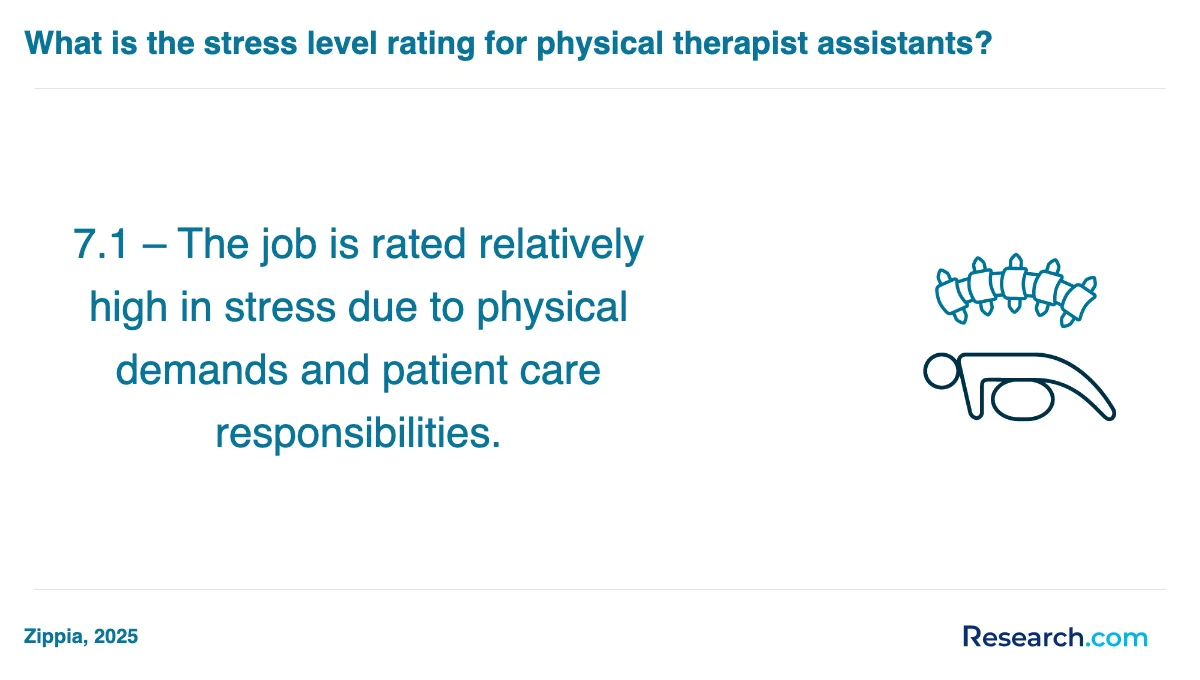
Graduates of physical therapist assistant trade school programs in New York find a range of exciting physical therapist assistant jobs in New York that suit various interests and lifestyles. Many start their careers working directly under licensed physical therapists in settings like hospitals, outpatient clinics, and skilled nursing facilities. This hands-on experience allows them to engage personally with patients recovering from surgeries or managing chronic conditions.
Others discover rewarding opportunities in home care, where they visit patients' residences-often elderly or pediatric-to provide therapy in a comforting, familiar environment. Some graduates pursue administrative and support roles in larger clinics, helping with scheduling, documentation, and patient intake, which blend clinical knowledge with organizational skills.
Trade school alumni from well-known New York programs often share how their training prepared them for these diverse careers. For those looking to advance, gaining experience in physical therapy assistant career opportunities in New York can be a stepping stone toward becoming a licensed physical therapist or obtaining specialized certifications.
Many also explore flexible educational paths through a 2 year medical school program to deepen their expertise while working.
The physical therapist assistant job outlook New York is very promising for graduates of local trade schools. Many recent grads share how they found entry-level positions quickly, especially in Manhattan's bustling healthcare environment where over 200 PTA jobs are often available. These opportunities span from hospitals and outpatient clinics to rehabilitation centers and long-term care facilities. Graduates appreciate the steady pay, which can range between $58,540 and $92,650 annually depending on experience and location.
Some graduates from popular New York trade schools emphasize the value of obtaining their state license promptly to unlock diverse employment opportunities. The demand is sustained by an aging population and a growing need for rehabilitation services.
For those weighing career paths, understanding the difference between physical therapist and chiropractor often helps clarify the specialized role of PTAs.
Flexibility is a big plus here; travel PTA assignments in New York provide competitive weekly pay and the chance to work in multiple settings. School-based PTA roles are abundant too, particularly in NYC, with nearly 300 job postings observed.
Physical therapy assistant employment opportunities New York are enhanced by competitive wages-annual salaries typically range from $63,000 to $78,000 with hourly rates between $29 to $62-and the realistic career growth that many graduates have experienced firsthand after their training.
Best Physical Therapist Assistant Training Programs & Trade Schools - Top PTA Schools in New York for 2026
# 1 position
Genesee Community College - Physical Therapy Assistant.
associateThe Physical Therapy Assistant program at Genesee Community College offers a hybrid format with some distance education options. It prepares students to support physical therapists by implementing treatment plans, training patients, and monitoring progress. The curriculum includes anatomy, physiology, biomechanics, neuroscience, and professional ethics. The program is accredited by the Middle States Commission on Higher Education. Annual in-state tuition is $5,800, and median earnings one year after completion are $44,442.
# 2 position
Niagara County Community College - Physical Therapy Assistant.
associateNiagara County Community College offers a Physical Therapy Assistant program with a hybrid format, allowing some distance education. The program prepares students to assist physical therapists by implementing treatment plans, training patients, and documenting progress. Coursework includes anatomy, physiology, biomechanics, neuroscience, and professional ethics. Annual in-state tuition is $6,726. Graduates have median earnings of $36,053 one year after completion. The program is accredited by the Middle States Commission on Higher Education.
# 3 position
CUNY Kingsborough Community College - Physical Therapy Assistant.
associateThe Physical Therapy Assistant program at CUNY Kingsborough Community College is a hybrid program designed to prepare students to assist physical therapists in implementing treatment care plans and training patients. The curriculum covers applied anatomy, physiology, biomechanics, clinical documentation, and professional ethics. Annual in-state tuition is $5,252. Graduates have median earnings of $45,361 one year after completing the program. The program is accredited by the Middle States Commission on Higher Education.
# 4 position
Orange County Community College - Physical Therapy Assistant.
associateOrange County Community College offers a Physical Therapy Assistant program designed to prepare students to implement treatment plans, train patients, and conduct interventions under a physical therapist’s supervision. The hybrid program includes instruction in anatomy, physiology, biomechanics, communication, and professional ethics. Annual in-state tuition is $6,382. Graduates earn a median salary of $51,727 one year after completion. The program is accredited by the Middle States Commission on Higher Education.
# 5 position
Suffolk County Community College - Physical Therapy Assistant.
associateThe Physical Therapy Assistant program at Suffolk County Community College offers a hybrid format with some distance education options. It prepares students to assist physical therapists in treatment care plans, patient training, and clinical documentation. The curriculum covers anatomy, physiology, biomechanics, neuroscience, and professional ethics. Annual in-state tuition is $6,440. The program is accredited by the Middle States Commission on Higher Education. Median earnings one year after completion are $41,823.
# 6 position
CUNY LaGuardia Community College - Physical Therapy Assistant.
associateThe Physical Therapy Assistant program at CUNY LaGuardia Community College is offered in a hybrid format, combining on-campus and distance education. It prepares students to assist physical therapists by implementing treatment plans, training patients, and conducting interventions. Coursework covers anatomy, physiology, biomechanics, neuroscience, and professional ethics. The program is accredited by the Middle States Commission on Higher Education. Annual in-state tuition is $5,218, and median earnings one year after completion are $40,463.
# 7 position
Herkimer County Community College - Physical Therapy Assistant.
associateHerkimer County Community College offers a Physical Therapy Assistant program with a hybrid format that includes some distance education. The program prepares students to assist physical therapists in treatment care plans, patient training, and clinical documentation. Tuition for in-state students is $5,776 annually. Graduates earn a median salary of $42,322 one year after completion. The program is accredited by the Middle States Commission on Higher Education.
# 8 position
Nassau Community College - Physical Therapy Assistant.
associateNassau Community College offers a Physical Therapy Assistant program with a hybrid format that includes some distance education. The program prepares students to assist physical therapists by implementing treatment plans, training patients, and conducting interventions. Instruction covers anatomy, physiology, biomechanics, neuroscience, and professional ethics. Annual in-state tuition is $6,330. Graduates earn a median salary of $40,754 one year after completion. The program is accredited by the Middle States Commission on Higher Education.
# 9 position
SUNY Broome Community College - Physical Therapy Assistant.
associateThe Physical Therapy Assistant program at SUNY Broome Community College is a hybrid program that prepares students to assist physical therapists in implementing treatment plans, training patients, and conducting interventions. The curriculum covers applied anatomy, physiology, biomechanics, neuroscience, and professional ethics. The annual in-state tuition is $7,470. Graduates earn a median salary of $36,125 one year after completion. The program is accredited by the Middle States Commission on Higher Education.
# 10 position
Onondaga Community College - Physical Therapy Assistant.
associateOnondaga Community College offers a Hybrid Physical Therapy Assistant program that trains individuals to implement treatment care plans and conduct patient interventions under physical therapist supervision. The curriculum covers applied anatomy, physiology, biomechanics, neuroscience, and professional ethics. The program’s annual in-state tuition is $6,042, and graduates earn a median of $32,433 one year after completion. It is accredited by the Middle States Commission on Higher Education.
Frequently Asked Questions about physical therapist assistant
After completing a physical therapist assistant (PTA) trade school in New York, preparing for the job market involves several key steps. First, graduates must obtain licensure by passing the National Physical Therapy Exam (NPTE) administered by the Federation of State Boards of Physical Therapy. New York requires this exam for PTA practice, ensuring candidates meet professional standards.
Networking is essential; joining organizations like the New York Physical Therapy Association can connect graduates with employers and provide job leads. Additionally, gaining clinical experience during school or through internships improves employability. According to the U.S. Bureau of Labor Statistics, New York's PTA employment is projected to grow 24% from 2022 to 2032, indicating strong job prospects.
Creating a professional resume highlighting certifications, clinical hours, and soft skills is vital. Staying informed about local healthcare facilities and rehabilitation centers hiring PTAs increases chances of finding suitable employment quickly.
Employers in New York seek physical therapist assistant (PTA) graduates with strong clinical skills and effective communication abilities. According to the New York State Education Department, hands-on experience in patient care, including knowledge of therapeutic exercises and modalities, is essential. PTAs must demonstrate proficiency in assisting licensed physical therapists with treatment plans and documenting patient progress accurately.
Additionally, interpersonal skills are critical, as PTAs often work closely with diverse patient populations. Attention to detail, critical thinking, and teamwork are highly valued by employers. The U.S. Bureau of Labor Statistics highlights that adaptability and professionalism contribute significantly to job performance in clinical settings.
Familiarity with New York's healthcare regulations and safety protocols is also important for compliance and patient safety.
Finding internships relevant to physical therapist assistant (PTA) programs in New York involves several practical steps. First, students should consult their trade school's clinical placement office, which often has partnerships with local hospitals, rehabilitation centers, and outpatient clinics. These established connections facilitate internship opportunities that comply with New York State Department of Education requirements for PTA clinical experience.
Additionally, the American Physical Therapy Association (APTA) New York chapter provides resources and listings of approved clinical sites. According to the APTA, over 70% of PTA students in New York secure internships through school-affiliated programs, which help ensure quality training and licensure eligibility.
Networking with licensed physical therapists and attending local healthcare job fairs can also uncover internship openings. Online platforms like Handshake and Indeed sometimes list PTA internships specific to New York, but students should verify that these sites meet state clinical hour regulations.
Obtaining a physical therapist assistant (PTA) diploma from a trade school in New York can significantly enhance career mobility and advancement. The New York State Education Department requires PTA graduates to pass the National Physical Therapy Exam for assistants, which opens doors to licensed employment across various healthcare settings.
According to the U.S. Bureau of Labor Statistics, New York offers a higher-than-average median wage for PTAs, around $62,000 annually, reflecting strong demand. Trade school diplomas provide practical skills and clinical experience valued by employers, increasing graduates' competitiveness.
Moreover, many PTAs use their diploma as a foundation to pursue further education, such as physical therapy degrees, facilitating upward career progression.
Part-time job opportunities in New York that complement physical therapist assistant (PTA) trade school education often involve roles in healthcare support and rehabilitation settings. Positions such as rehabilitation aide, patient transporter, or physical therapy aide allow students to gain practical experience while attending school. According to the New York State Department of Labor, healthcare support occupations are projected to grow by 13% through 2030, reflecting strong demand in the region.
These jobs help students develop essential skills like patient communication and basic therapeutic techniques. Working in outpatient clinics, nursing homes, or hospitals also provides exposure to real-world clinical environments, which is valuable for PTA students. Additionally, some employers offer flexible hours to accommodate class schedules, making part-time work feasible alongside studies.
To choose the best Physical Therapist Assistant degree program near me in New York, consider factors such as program accreditation by the Commission on Accreditation in Physical Therapy Education (CAPTE), clinical internship opportunities, and graduates' success in licensure exams. Research nearby universities and programs renowned for their healthcare curriculum and reviews from alumni, with resources like Research.com proving useful for compiling such information. Visiting campus facilities and speaking with admissions representatives can also provide insights into the quality of education and support services offered.
- Best Physical Therapist Assistant Training Programs & Trade Schools - Top PTA Schools in Pennsylvania for 2026
- Best Physical Therapist Assistant Training Programs & Trade Schools - Top PTA Schools in Maryland for 2026
- Best Physical Therapist Assistant Training Programs & Trade Schools - Top PTA Schools in West Virginia for 2026
- Best Physical Therapist Assistant Training Programs & Trade Schools - Top PTA Schools in Kentucky for 2026
- Best Physical Therapist Assistant Training Programs & Trade Schools - Top PTA Schools in North Carolina for 2026
- Best Physical Therapist Assistant Training Programs & Trade Schools - Top PTA Schools in Tennessee for 2026
- Best Physical Therapist Assistant Training Programs & Trade Schools - Top PTA Schools in Indiana for 2026
- Best Physical Therapist Assistant Training Programs & Trade Schools - Top PTA Schools in Michigan for 2026
- Best Physical Therapist Assistant Training Programs & Trade Schools - Top PTA Schools in Illinois for 2026
- Best Physical Therapist Assistant Training Programs & Trade Schools - Top PTA Schools in Florida for 2026
- Becoming a Physical Therapist Assistant | APTA https://www.apta.org/your-career/careers-in-physical-therapy/becoming-a-pta
- How to Prepare for Physical Therapist Assistant (PTA) School https://www.brooklinecollege.edu/blog/how-to-prepare-for-pta-school/
- Occupational Outlook for Physical Therapist Assistant | SABER College https://sabercollege.edu/occupational-outlook-physical-therapist-assistant/
- 4 Key Steps to Pursuing Your Dream Career as a Physical Therapist Assistant https://www.bryantstratton.edu/blog/healthcare-degrees/dream-career-physical-therapist-assistant/
- Job Opportunities for Physical Therapist Assistants https://www.provocollege.edu/blog/job-opportunities-physical-therapy-assistants/
- A Day in the Life of a Physical Therapist Assistant | Concorde Career Colleges https://www.concorde.edu/blog/day-life-physical-therapist-assistant
- Physical Therapy Assistant Schools & Colleges https://www.trade-schools.net/health-care/physical-therapist-assistant
- Physical Therapist Assistant - TCC https://www.tccd.edu/physicaltherapistassistant
- Physical Therapist Assistant (PTA), AAS - LaGuardia Community College https://www.laguardia.edu/majors/physical-therapist-assistant/
- Physical Therapist Assistant https://www.sunysuffolk.edu/explore-academics/majors-and-programs/physical-therapist-assistant/