
Best Physical Therapist Assistant Training Programs & Trade Schools - Top PTA Schools in Alabama for 2026

Co-Founder and Chief Data Scientist
Looking to start a rewarding career as a physical therapist assistant in Alabama? This article is here to guide you through the best trade schools offering programs tailored to your goals for 2026.
Our featured physical therapist assistant trade school programs ranking was created by the Research.com team of data scientists to help you make an informed choice about which schools truly stand out. Choosing the right program can open doors to a fulfilling career in healthcare.
Whether you want a diploma or certification, reading this article will give you confidence in your next educational step and inspire you to pursue your passion with clarity and enthusiasm.
Key benefits of finishing physical therapist assistant trade school in Alabama
- Graduates can expect a competitive salary, typically between $58,892 and $61,040 annually, with entry-level positions starting around $43,353 per year in Alabama.
- Career paths include working in various healthcare settings like hospitals, outpatient clinics, and rehabilitation centers, as shown by successful graduates from popular Alabama trade schools.
- Completing a physical therapist assistant program online offers flexibility and convenience, allowing students to balance work and study, as experienced by graduates from well-known Alabama online trade schools.
- Best Physical Therapist Assistant Training Programs & Trade Schools - Top PTA Schools in Alabama for 2026
- What can I expect from physical therapist assistant trade schools in Alabama?
- Where can I work after finishing physical therapist assistant trade schools in Alabama?
What can I expect from physical therapist assistant trade schools in Alabama?
Enrolling in a physical therapist assistant trade school program in Alabama means embracing a dynamic blend of classroom learning, hands-on labs, and real-world clinical experiences. Graduates from programs like South University Montgomery and Lurleen B. Wallace often describe the journey as both challenging and rewarding, with evenings spent mastering rehabilitation techniques and days devoted to patient care in hospitals or outpatient clinics.
Expect to engage deeply with subjects such as anatomy, physiology, and therapeutic modalities, while developing vital communication skills to connect compassionately with patients. The clinical rotations-often totaling hundreds of hours-are transformative, allowing students to apply their knowledge under the guidance of seasoned professionals and build confidence in diverse healthcare settings.
Many alumni reflect on the personal growth that comes from meeting the physical and emotional demands of the profession, from lifting patients to adapting quickly in fast-paced environments. This path not only prepares you for licensure but also instills a profound sense of purpose and readiness to make a difference in Alabama's healthcare community.
Where can I work after finishing physical therapist assistant trade schools in Alabama?
Graduates from physical therapist assistant trade schools in Alabama discover a world of rewarding career paths waiting for them. Many find themselves working in bustling hospitals across Birmingham or Montgomery, helping patients regain strength after surgery or injury. The hands-on training received at trade schools prepares them to confidently assist licensed therapists with exercises and progress tracking, making a real difference in patient recovery.
Others thrive in outpatient clinics and private practices, where they support athletes and individuals managing chronic pain. Imagine the satisfaction of guiding someone through their first steps after an injury, a moment graduates often cherish. Skilled nursing facilities and long-term care centers also offer fulfilling roles, allowing PTAs to build lasting relationships with elderly patients.
For those who love variety and independence, home health agencies and travel assignments across Alabama provide exciting opportunities to deliver personalized care in patients' homes or new communities. Graduates often share how their trade school experience gave them the skills and confidence to embrace these diverse settings with enthusiasm.
After completing a physical therapist assistant trade school program in Alabama, graduates often find themselves stepping into rewarding careers with starting salaries around $43,353 annually, or about $20.84 per hour. Many alumni from well-known trade schools across Alabama share stories of landing their first positions earning between $36,700 and $47,100, feeling proud and motivated as they begin making a real difference in patients' lives.
With experience, their earnings grow impressively. The average salary for all PTAs in Alabama climbs to nearly $59,000, especially for those working in non-metropolitan areas like northeast Alabama. Skilled professionals in cities like Birmingham-Hoover report competitive wages close to or above this mark.
Graduates often describe how investing time in their trade school training opens doors to steady income increases, with hourly wages rising from about $22.70 to over $38. This upward path inspires confidence and excitement about future opportunities in their thriving healthcare careers.
- Most PTA programs in Alabama require prerequisite courses like biology and anatomy with a minimum grade of C and a GPA between 2.0 and 2.75.
- Applicants must complete 10 to 40 hours of supervised observation or volunteer work in a physical therapy setting.
- A minimum ACT score of 18 to 21 or an equivalent higher education credential is generally required; some programs also require the TEAS test with a proficient score.
- Health screenings, immunizations, background checks, and sometimes drug screenings and liability insurance are mandatory for admission.
- The average cost for a PTA program at a public community college in Alabama ranges from $10,000 to $18,000, excluding extra expenses.
- Entry-level salaries for PTAs in Alabama typically range from $46,000 to $58,000 per year, with experienced PTAs earning up to $62,000 or more.
Completing a physical therapist assistant program in Alabama typically takes about two years, making it an achievable goal for those eager to start a rewarding healthcare career without a long wait. Many students at well-known trade schools in Alabama find this timeline both motivating and manageable, allowing them to balance studies with personal commitments.
Graduates often share how the focused curriculum and hands-on clinical experiences at these schools prepare them quickly for real-world work. Imagine walking through a busy clinic in Birmingham or Mobile, confidently assisting patients and making a difference within months of starting your program. The supportive environment and practical training accelerate learning, turning aspirations into professional skills fast.
For those passionate about helping others, the two-year journey through Alabama's physical therapist assistant trade schools becomes a powerful stepping stone. It's not just about the time spent; it's about the meaningful progress and growing confidence each day brings.
Choosing between online (hybrid) and on-campus physical therapist assistant programs in Alabama means balancing flexibility with hands-on experience. Graduates from Jefferson State Community College often share how the hybrid format allowed them to manage family and work while completing lectures online. Yet, they emphasize the excitement of attending in-person labs at the Shelby-Hoover Campus, where they honed real skills through hands-on practice.
On the other hand, those who chose traditional on-campus programs, like at Shelton State Community College, describe the energy of learning alongside peers and immediate access to instructors as invaluable. The structured schedule helped them stay focused and thrive in a vibrant, interactive environment.
Both paths meet rigorous accreditation standards and require clinical hours, ensuring students gain essential patient care skills. This blend of online convenience and in-person training inspires confidence, preparing Alabama students to excel as compassionate, skilled physical therapist assistants.
The average tuition for physical therapist assistant programs in Alabama can vary widely depending on the chosen trade school. Graduates from Wallace State Community College in Hanceville, for example, often reflect on the value received for an average net cost of about $7,511 per year for families earning between $30,000 and $48,000 annually. This investment opens doors to hands-on training and real clinical experience, enabling students to confidently step into rewarding careers.
Similarly, students from Bishop State Community College in Mobile appreciate that the cost of physical therapist assistant education in Alabama can be more affordable, with an average net price near $4,837 per year within the same income bracket. These students frequently share how financial planning and scholarships helped ease the journey, highlighting the importance of exploring aid options to fully embrace the learning experience without heavy financial stress.
Beyond tuition, real-life scenarios from many trade schools reveal additional expenses like textbooks and transportation for clinical placements, with Alabama State University reporting tuition and fees totaling $57,870 for residents over a three-year program. However, graduates emphasize that the payoff is significant, as earning the skills needed to join a field with strong job prospects and a promising future is priceless. Prospective students are encouraged to investigate federal aid, scholarships, and work-study opportunities to help manage these costs and succeed.
For those considering this path, understanding the average costs and investing in education through quality trade programs in Alabama is a stepping stone to thriving careers, supported by workforce projections such as the average physical therapist assistant salary by state.
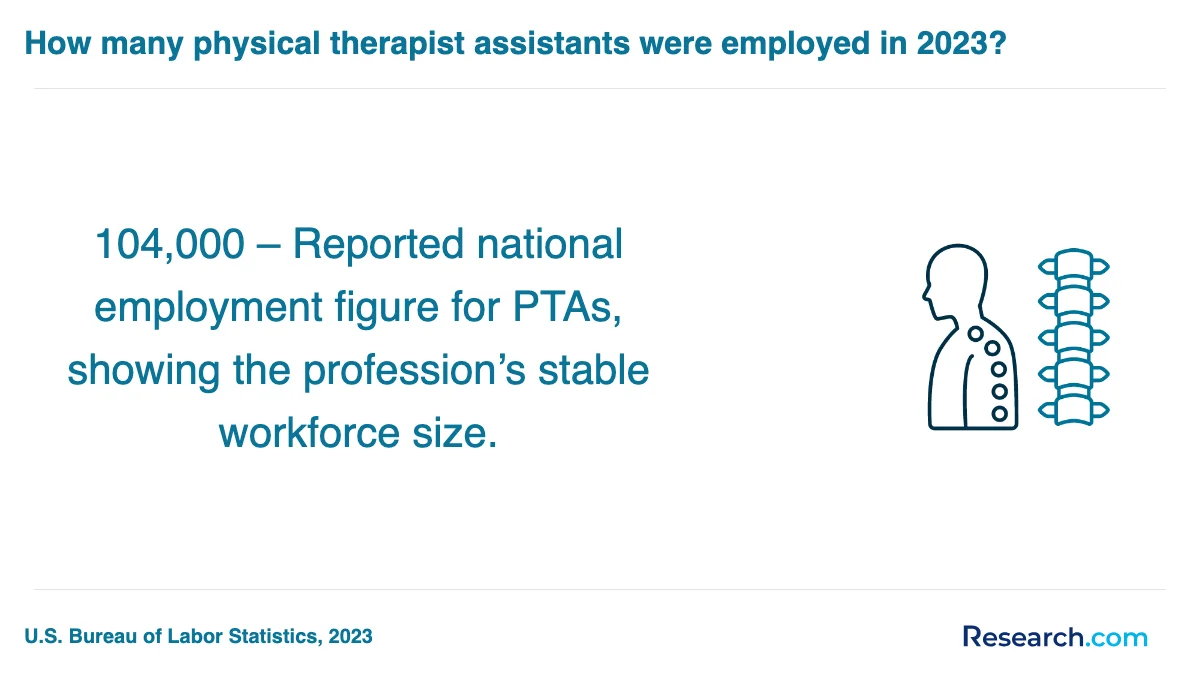
Physical therapist assistant students in Alabama find encouraging financial support that makes their educational journey more accessible and hopeful. Many graduates from Wallace State Community College share how completing the FAFSA opened doors to federal student aid like Pell Grants and low-interest loans, easing their tuition worries and allowing them to focus on mastering their skills.
State-specific scholarships, such as the Alabama Student Assistance Program, provide additional relief, especially for residents who demonstrate financial need. At Calhoun Community College, students often express gratitude for institutional scholarships tailored to health science learners, which helped them afford textbooks and supplies without added stress.
While non-credit certificate students may face limitations with federal aid, they find alternative support through workforce grants or employer tuition reimbursement, fueling their commitment to enter the healthcare field. South University Montgomery's financial aid office is known for guiding hopeful PTAs through every funding option, ensuring no one feels overwhelmed by the process.
These financial resources empower Alabama's PTA students to pursue their passion with confidence, turning dreams into rewarding careers.
To enroll in a physical therapist assistant trade school program in Alabama, several key prerequisites help ensure you're ready to embark on this rewarding journey. Most programs welcome applicants who have completed a high school diploma or GED, setting a strong foundation for success.
Graduates from renowned Alabama trade schools often highlight the importance of:
- Basic knowledge in biology and anatomy, which can be refreshed through prerequisite courses or self-study.
- Crucial communication skills, as working closely with patients requires empathy and clear interaction.
- Passing a background check and having current immunizations, reflecting the healthcare environment's safety standards.
- Sometimes, a healthcare-related certification like CPR is encouraged or required before starting clinical practice.
One graduate shared how early exposure to patient care during prerequisite volunteer work at local clinics deepened their passion and confidence. Trade schools in Alabama foster supportive communities where students build both technical skills and emotional resilience, preparing them to thrive in physical therapy settings.

Physical therapist assistant trade school programs in Alabama offer a powerful blend of courses that prepare students to confidently step into rewarding healthcare roles. Graduates from well-known schools like South University Montgomery and Wallace Community College often share how foundational classes in anatomy and physiology, biology, psychology, and English composition built their understanding and communication skills, essential for patient care.
The heart of the program lies in specialized physical therapy courses that truly bring the profession to life. Students dive into:
- Introduction to Physical Therapy, exploring the profession's history and ethics;
- Kinesiology, where they learn how the body moves and functions;
- Therapeutic Exercise, mastering exercises that aid recovery;
- Therapeutic Modalities, using techniques like heat and electrical stimulation;
- Pathology for the PTA, understanding conditions they will treat;
- Clinical Procedures, practicing safe patient care;
- Rehabilitation Techniques, focusing on diverse populations;
- Documentation and Communication, crucial for teamwork and record-keeping.
Students often describe lab sessions as eye-opening moments, where theory transforms into hands-on skill. At South University Montgomery, for example, two or more full-time clinical experiences totaling about 640 hours let students thrive in real medical settings like hospitals and rehab centers. These immersive courses make learning feel vibrant and meaningful, turning dreams of helping others into everyday reality.
Physical therapist assistant specializations in Alabama provide students with exciting opportunities to tailor their training at renowned trade schools like Jefferson State Community College and Bishop State Community College. Graduates often recall how clinical rotations in diverse settings-from acute care hospitals to sports medicine clinics-sparked a passion for specific career paths. These hands-on experiences allow students to develop skills in areas such as orthopedic rehabilitation, pediatric therapy, and home health care.
Many Alabama PTA program concentration options include:
- Sports physical therapy
- Neurological rehabilitation
- Geriatric care
- Outpatient and acute care settings
- School-based physical therapy
Students appreciate how these real-world placements transform classroom knowledge into meaningful patient care, preparing them for rewarding careers focused on improving lives. Those exploring career options in Alabama can also find valuable pathways by combining electives with clinical experiences, ensuring their passion guides their profession. For those wanting flexible learning alongside specialization, exploring health care certificate programs online can be an inspiring choice to enhance credentials while gaining practical insight.
Choosing from the best physical therapist assistant programs in Alabama means focusing on accreditation and real-world experience. Graduates from Jefferson State Community College often emphasize how its CAPTE-accredited PTA program and the combination of online lectures with on-campus labs gave them confidence to excel during clinical rotations. Meanwhile, students at Lurleen B. Wallace Community College highlight extensive hands-on clinical training that truly prepares them for patient care in diverse settings. When selecting top PTA schools in Alabama, consider programs that balance rigorous coursework with supportive faculty and well-equipped facilities, like those found at Calhoun Community College or South University.
Costs and licensure preparation are also key. Jefferson State's program costs around $11,220 and includes everything needed to sit for the National Physical Therapy Examination, a vital step toward a rewarding career. Many graduates share how this thorough preparation helped them pass the NPTE on their first try, leading to promising job placements within months.
Remember, a PTA program's success lies in both training and outcomes. Hearing from recent graduates who have secured positions swiftly encourages prospective students to envision themselves thriving. Align your choice with your learning style, financial situation, and career goals while exploring the varied options Alabama offers for those passionate about joining one of the most fulfilling medical professions.

Graduates of physical therapist assistant trade school programs in Alabama find a variety of rewarding career opportunities. Many step directly into clinical settings such as hospitals, outpatient clinics, and rehabilitation centers, where they collaborate closely with licensed therapists to help patients regain mobility and independence. Recent graduates from well-known Alabama trade schools share stories of satisfaction from guiding stroke survivors and orthopedic patients through customized treatments.
For those seeking flexibility, travel therapy jobs in Alabama offer exciting options with higher pay, often including paid housing and travel benefits. Imagine relocating every few months while expanding your skills in diverse healthcare environments-travel contracts here typically pay between $1,284 and $1,484 weekly.
Other graduates appreciate PRN positions that allow part-time schedules, perfect for balancing work with personal goals. Working as a PTA in Alabama also means opportunities to specialize or move into leadership roles after gaining experience.
To understand the foundational knowledge required, many explore physical therapist education needed and how it complements your career path.
Physical therapist assistant jobs in Alabama truly open doors to meaningful, growing fields with fulfilling, dynamic roles.
The physical therapist assistant job outlook in Alabama is very promising for trade school graduates, with over 230 job openings statewide as of early 2025. Graduates from popular Alabama trade schools often find rewarding opportunities in hospitals, outpatient clinics, and rehabilitation centers across both large cities like Montgomery and smaller communities. Many alumni share stories of quickly securing positions where they can apply their clinical skills and teamwork abilities, stepping confidently into roles that make a real difference in patients' lives.
Alabama's healthcare system is actively seeking licensed PTAs with strong hands-on experience, making this an excellent time to enter the field. Typical salaries range from $27.45 to $35.18 per hour, with travel PTAs earning up to $1,350 weekly, reflecting the value placed on these skilled professionals. This encouraging environment motivates students to excel and graduate ready to meet growing demands fueled by the state's aging population and rising chronic health conditions.
For those exploring career paths, understanding the pt vs ot roles can sharpen your professional focus and help you thrive. The physical therapist assistant employment opportunities Alabama offers reflect a dynamic, supportive job market brimming with potential for those passionate about healthcare and patient recovery.
Best Physical Therapist Assistant Training Programs & Trade Schools - Top PTA Schools in Alabama for 2026
# 1 position
George C Wallace State Community College-Hanceville - Physical Therapy Assistant.
associateGeorge C Wallace State Community College-Hanceville offers a Physical Therapy Assistant program with a hybrid format, combining in-person and distance education. The program prepares students to assist physical therapists by implementing treatment plans, training patients, and using therapeutic equipment. Coursework includes anatomy, physiology, kinesiology, and clinical documentation. Annual in-state tuition is $4,980, and median earnings one year after completion are $37,346. The program is accredited by the Southern Association of Colleges and Schools Commission on Colleges.
# 2 position
John C Calhoun State Community College - Physical Therapy Assistant.
associateJohn C Calhoun State Community College offers a Hybrid Physical Therapy Assistant program designed to train students in implementing treatment care plans under a physical therapist's supervision. The curriculum covers applied anatomy, physiology, biomechanics, kinesiology, and clinical documentation. Annual in-state tuition is $5,060. Graduates earn a median of $37,672 one year after completion. The program is accredited by the Southern Association of Colleges and Schools Commission on Colleges.
# 3 position
Jefferson State Community College - Physical Therapy Assistant.
associateJefferson State Community College offers a Physical Therapy Assistant program with a hybrid format, combining in-person and distance education. The program prepares students to assist physical therapists in treatment care plans and patient training. Coursework covers anatomy, physiology, biomechanics, kinesiology, and clinical documentation. Annual in-state tuition is $5,040. Graduates earn a median salary of $47,796 one year after completion. The program is accredited by the Southern Association of Colleges and Schools Commission on Colleges.
# 4 position
Lurleen B Wallace Community College - Physical Therapy Assistant.
associateThe Physical Therapy Assistant program at Lurleen B Wallace Community College offers a hybrid format with some distance-education options. It prepares students to assist physical therapists in implementing treatment plans, training patients, and conducting interventions. The curriculum includes applied anatomy, physiology, biomechanics, clinical documentation, neuroscience, and professional ethics. Annual in-state tuition is $4,980. The program is accredited by the Southern Association of Colleges and Schools Commission on Colleges.
# 5 position
Southern Union State Community College - Physical Therapy Assistant.
associateSouthern Union State Community College offers a Physical Therapy Assistant program in a hybrid format, allowing some distance education. The program trains students to assist physical therapists by implementing treatment plans, conducting interventions, and monitoring patient progress. Coursework covers anatomy, physiology, biomechanics, clinical documentation, and professional ethics. Annual in-state tuition is $4,980. The program is accredited by the Southern Association of Colleges and Schools Commission on Colleges.
# 6 position
George C Wallace Community College-Dothan - Physical Therapy Assistant.
associateGeorge C Wallace Community College-Dothan offers a Physical Therapy Assistant program in a hybrid format, combining in-person and distance education. The program trains students to assist physical therapists in implementing treatment plans, training patients, and monitoring progress. It covers applied anatomy, physiology, biomechanics, neuroscience, and professional ethics. The annual in-state tuition is $4,920. Graduates earn a median income of $26,719 one year after completing the program. The program is accredited by the Southern Association of Colleges and Schools Commission on Colleges.
# 7 position
Bishop State Community College - Physical Therapy Assistant.
associateBishop State Community College offers a Physical Therapy Assistant program in a hybrid format, preparing students to assist physical therapists in treatment care plans, patient training, and clinical documentation. The curriculum covers anatomy, physiology, biomechanics, neuroscience, and professional ethics. The program's annual in-state tuition is $5,280. Graduates have median earnings of $30,528 one year after completion. It is accredited by the Southern Association of Colleges and Schools Commission on Colleges.
# 8 position
South University-Montgomery - Physical Therapy Assistant.
associateSouth University-Montgomery offers a Physical Therapy Assistant program designed to prepare students to assist physical therapists in implementing treatment plans, training patients, and conducting interventions. The hybrid program includes instruction in anatomy, physiology, kinesiology, and clinical documentation. Annual in-state tuition is $18,238. Graduates have median earnings of $39,761 one year after completion. The program is accredited by the Southern Association of Colleges and Schools Commission on Colleges.
Frequently Asked Questions about physical therapist assistant
After completing a physical therapist assistant (PTA) trade school in Alabama, preparation for the job market is essential. Graduates should first obtain licensure by passing the National Physical Therapy Exam (NPTE) for PTAs, as required by the Alabama Board of Physical Therapy. This credential is mandatory to practice in Alabama.
Networking with local clinics and hospitals during clinical rotations can help secure job opportunities. According to the U.S. Bureau of Labor Statistics, Alabama expects a 15% growth in PTA jobs through 2031, signaling a positive job outlook.
Additionally, maintaining updated CPR certification and considering membership in professional groups, such as the Alabama Physical Therapy Association, can enhance employability.
Employers in Alabama seeking physical therapist assistant (PTA) graduates prioritize a combination of technical and interpersonal skills. Strong knowledge of therapeutic techniques and patient care protocols is essential, as PTAs assist licensed physical therapists in treatment plans. According to the Alabama Board of Physical Therapy, competency in anatomy, physiology, and rehabilitation exercises is critical for effective patient outcomes.
Communication skills rank highly because PTAs must clearly explain exercises and motivate patients. Additionally, employers value problem-solving abilities and attention to detail to monitor patient progress and adjust treatments as needed. Time management and teamwork are also important, as PTAs often work in fast-paced clinical settings alongside other healthcare professionals.
In Alabama, PTAs with proficiency in using electronic health records (EHR) systems have better employment prospects, reflecting the healthcare sector's digital shift. The U.S. Bureau of Labor Statistics highlights that practical skills combined with emotional intelligence significantly improve job performance and career advancement opportunities within the state.
Finding internships relevant to physical therapist assistant (PTA) programs in Alabama involves several strategic steps. Start by consulting your trade school's clinical education coordinator, as most accredited PTA programs require clinical rotations at approved healthcare facilities.
In Alabama, internships typically take place in hospitals, outpatient clinics, and rehabilitation centers. According to the Commission on Accreditation in Physical Therapy Education (CAPTE), Alabama has multiple accredited PTA programs that partner with local providers to facilitate internships.
Additionally, you can explore opportunities through the Alabama Physical Therapy Association, which sometimes lists clinical placements and networking events. Contacting nearby healthcare providers directly may also uncover unadvertised internship openings.
Ensure any internship aligns with CAPTE standards to fulfill certification requirements after graduation.
Obtaining a physical therapist assistant (PTA) diploma from a trade school in Alabama significantly enhances career mobility within the healthcare sector. According to the U.S. Bureau of Labor Statistics, Alabama's healthcare industry is growing steadily, creating increasing demand for licensed PTAs. A diploma from an accredited program is essential to sit for the National Physical Therapy Exam, required for licensure in Alabama.
Graduates with a PTA diploma often find improved job prospects and higher earning potential compared to those without formal training. The Alabama Board of Physical Therapy requires continuing education for advancement, which trade schools often support through foundational knowledge.
Data from Alabama's Department of Labor indicates that PTA roles have a median annual wage above the state average, confirming the diploma's positive impact on economic mobility. Moreover, trade school diplomas can open pathways to supervisory roles or further education in physical therapy.
Part-time job opportunities in Alabama that complement physical therapist assistant (PTA) trade school education often involve roles in healthcare settings where hands-on experience is valuable. Positions such as physical therapy aides or rehabilitation assistants provide practical exposure to patient care and therapy techniques. These roles support licensed therapists and help students apply classroom learning.
According to the U.S. Bureau of Labor Statistics, Alabama's healthcare support occupations are expected to grow steadily, with PTAs in the state earning a median annual wage around $56,000 as of 2023. Working part-time in clinics, hospitals, or nursing homes can enhance a student's understanding of clinical environments.
Additionally, jobs in fitness centers or wellness programs offer opportunities to develop skills in patient mobility and exercise guidance, which are relevant to PTA training. These positions help students build communication and patient interaction skills essential for their future careers.
To choose the best Physical Therapist Assistant (PTA) degree program near me in Alabama, consider factors such as program accreditation by the Commission on Accreditation in Physical Therapy Education (CAPTE), graduation rates, and job placement statistics. Research universities and community colleges near Alabama offering PTA programs and compare their curriculum, hands-on training opportunities, and faculty credentials. Utilizing resources like Research.com can also help in identifying top-ranked programs and comparing them to find the best fit for your educational and career goals.
- Best Physical Therapist Assistant Training Programs & Trade Schools - Top PTA Schools in Tennessee for 2026
- Best Physical Therapist Assistant Training Programs & Trade Schools - Top PTA Schools in Florida for 2026
- Best Physical Therapist Assistant Training Programs & Trade Schools - Top PTA Schools in Louisiana for 2026
- Best Physical Therapist Assistant Training Programs & Trade Schools - Top PTA Schools in Arkansas for 2026
- Best Physical Therapist Assistant Training Programs & Trade Schools - Top PTA Schools in Kentucky for 2026
- Best Physical Therapist Assistant Training Programs & Trade Schools - Top PTA Schools in North Carolina for 2026
- Best Physical Therapist Assistant Training Programs & Trade Schools - Top PTA Schools in Missouri for 2026
- Best Physical Therapist Assistant Training Programs & Trade Schools - Top PTA Schools in Indiana for 2026
- Best Physical Therapist Assistant Training Programs & Trade Schools - Top PTA Schools in Illinois for 2026
- Best Physical Therapist Assistant Training Programs & Trade Schools - Top PTA Schools in Texas for 2026
- Physical Therapist Assistant Program Application https://www.kbcc.cuny.edu/academicdepartments/alliedhealth/pta/Application.html
- Becoming a Physical Therapist Assistant | APTA https://www.apta.org/your-career/careers-in-physical-therapy/becoming-a-pta
- How to Apply | Physical Therapist Assistant Program | San Diego Mesa College https://www.sdmesa.edu/academics/v2/programs/physical-therapist-assistant/apply.shtml
- Physical Therapist Assistant Program | Western Technical College https://www.westerntech.edu/programs/associates-science/physical-therapist-assistant/
- Apply to the Physical Therapist Assistant Program - LCCC | Laramie County Community College, Wyoming https://www.lccc.wy.edu/pathways/healthSciencesWellness/physicalTherapistAssistantProgram/apply.aspx
- Physical Therapist Assistant Program https://www.collegeofthedesert.edu/students/acad-prog/health-sciences/physical-therapy-asst/default.php
- Physical Therapist Assistant (PTA), AAS - LaGuardia Community College https://www.laguardia.edu/majors/physical-therapist-assistant/
- Physical Therapist Assistant https://www.ccac.edu/academics/programs/nursing-and-allied-health/physical-therapy-assistant.php
- Physical Therapist Assistant - TCC https://www.tccd.edu/physicaltherapistassistant
- Physical Therapist Assistant | South Texas College https://www.southtexascollege.edu/academics/physical-therapist-assistant/


