
Best Physical Therapist Assistant Training Programs & Trade Schools - Top PTA Schools in Northeast for 2026

Co-Founder and Chief Data Scientist
Choosing the right physical therapist assistant trade school in the Northeast can feel overwhelming, but this article is here to help. We've gathered a carefully crafted ranking of physical therapist assistant trade school programs, developed by the Research.com team of data scientists. This guide aims to make your decision easier by highlighting programs that truly stand out.
Whether you’re starting fresh or seeking new skills, earning a diploma or certification in this field opens doors to a rewarding career. Explore your options confidently and take the next step toward a fulfilling future.
Key benefits of finishing physical therapist assistant trade school in Northeast
- Graduates can expect competitive salaries, with averages around $78,180 annually in the Northeast, often ranging from $71,000 to $85,963, offering strong financial stability early in their careers.
- A graduate from a well-known Northeast trade school has diverse career options, including working in hospitals, outpatient clinics, and rehabilitation centers, ensuring flexible and rewarding job opportunities.
- Completing a PTA program online provides convenience and allows students to balance work or family while earning their degree, as demonstrated by successful online graduates from popular Northeast schools.
- Best Physical Therapist Assistant Training Programs & Trade Schools - Top PTA Schools in Northeast for 2026
- What can I expect from physical therapist assistant trade schools in Northeast?
- Where can I work after finishing physical therapist assistant trade schools in Northeast?
What can I expect from physical therapist assistant trade schools in Northeast?
Students enrolling in physical therapist assistant trade school programs in the Northeast can expect an intensive, hands-on education typically offered as a two-year associate degree. Programs, like those at Cecil College, balance classroom instruction with lab practice and multiple clinical rotations at nearby hospitals, rehab centers, and outpatient clinics. Graduates often describe these clinical experiences as invaluable, providing real-world patient care under licensed therapists' supervision, which builds confidence and practical skills.
Accreditation by CAPTE is standard, ensuring the curriculum meets rigorous professional standards and prepares students to sit for the NPTE licensure exam. Graduates report that small class sizes foster close mentorship and a supportive learning environment, enhancing both academic success and teamwork skills.
Many students appreciate the program's comprehensive coverage of anatomy, physiology, and therapeutic techniques alongside documentation and patient assessment. The strong clinical focus and personalized instruction contribute to high first-time NPTE pass rates, as seen at Cecil College, making the learning journey both challenging and rewarding.
Where can I work after finishing physical therapist assistant trade schools in Northeast?
Graduates from physical therapist assistant trade schools in the Northeast often find rewarding employment in diverse healthcare settings. Many secure positions in physical therapy offices, hospitals, outpatient clinics, and rehabilitation centers, where they collaborate with licensed physical therapists to help patients regain mobility and manage pain after injuries. For example, a recent graduate from a well-known Northeast trade school shared how working in a suburban outpatient clinic allowed them to make a tangible difference in patients' recovery journeys daily.
Home health care is another common path, especially in rural and suburban areas, where PTAs travel to patients' homes to deliver personalized therapy. This role often brings a strong sense of fulfillment, as graduates build close relationships while supporting independent living. Long-term care facilities and assisted living communities also employ PTAs to provide ongoing rehabilitation for older adults, creating meaningful impact for those with chronic conditions.
Additionally, some graduates work with organizations serving individuals with intellectual and developmental disabilities, applying therapeutic exercises and mobility training. The Northeast's competitive licensure requirements and steady job demand in states like New York and New Jersey ensure graduates from local trade programs have access to vibrant career opportunities and a positive outlook on employment growth.
Graduates of physical therapist assistant trade school programs in the Northeast typically see competitive earnings that reflect the region's strong healthcare demand. For example, many who complete programs at well-known trade schools report starting salaries near $48,700 annually, which aligns closely with the national entry-level average. As they gain experience, these graduates often find themselves earning between $53,000 and $67,000 per year, with some advancing to salaries approaching $80,000.
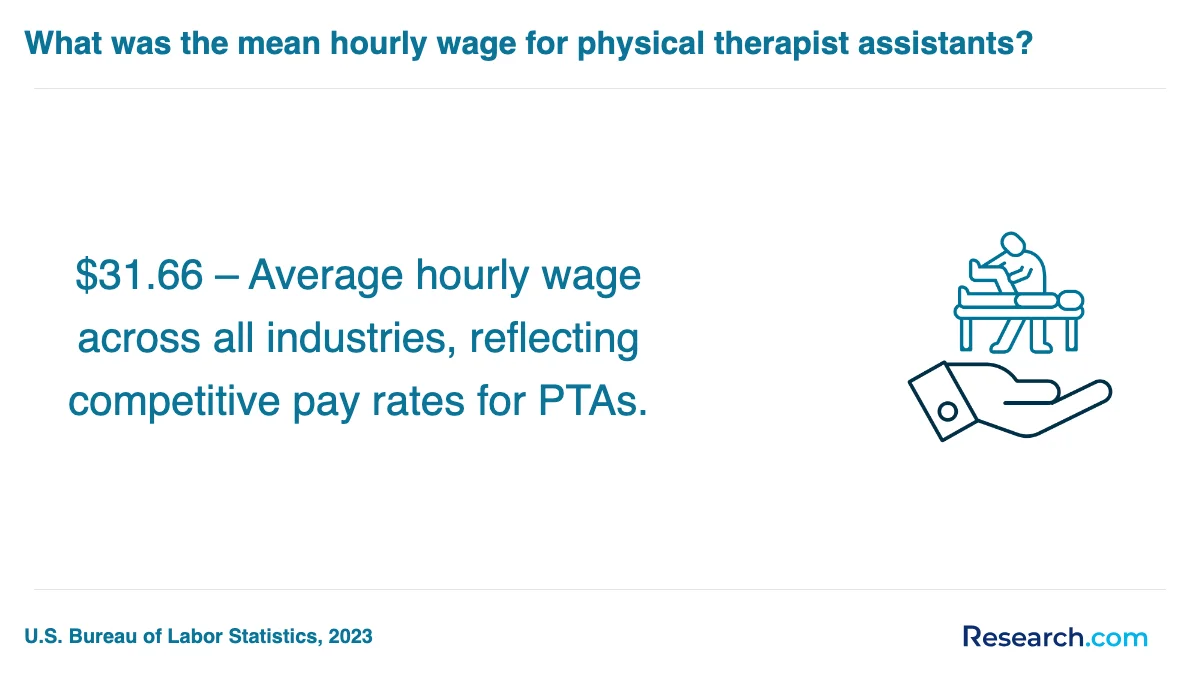
Hourly wages in the Northeast range from about $27 to $36, slightly above the national average of $31.95, allowing full-time workers to comfortably earn in the low to mid-$60,000s yearly. These figures are consistent with feedback from recent graduates who highlight positive job placement rates and salary growth within their first few years.
Many graduates appreciate how their Northeast education opens doors to diverse employers-from hospitals to specialty clinics-enhancing earning potential through experience and specialization. This financial trajectory encourages optimism for those entering the field through these regionally recognized trade schools.
- Most PTA programs in the Northeast are two-year associate degrees, with some options to finish in 18 months full-time or up to three years part-time.
- Admissions require prerequisite courses with a minimum GPA of about 2.75 and observation hours in physical therapy settings, often around 20 hours.
- All programs must be accredited by CAPTE, allowing graduates to take the National Physical Therapy Examination with first-time pass rates over 90%.
- Total tuition typically ranges from $8,000 to $20,000, excluding books and supplies, with financial aid and scholarships available.
- Starting salaries for PTAs in the Northeast range from $50,000 to $60,000, with experienced professionals earning $65,000 to $75,000 or more.
Completing a physical therapist assistant (PTA) program at a trade school in the Northeast typically takes about two years. This timeframe aligns with the structured curriculum designed to balance hands-on clinical practice and classroom learning. Graduates from well-known Northeast trade schools often describe the experience as intensive but highly rewarding, noting that the focused schedule keeps them engaged and motivated.
Many students share that the two-year completion period feels manageable because programs often offer flexible scheduling options, including evening or weekend classes. This flexibility allows students to maintain part-time jobs or family commitments, making the goal of becoming a PTA feel achievable in real life.
For example, graduates frequently mention the benefit of early clinical placements, which begin within the first year. This practical exposure helps solidify their skills, boosting confidence and enthusiasm. Being able to see real patient progress early on contributes to a strong sense of purpose and excitement throughout the program.
Trade schools in the Northeast emphasize a balance of theory and practice, which helps students complete their education without unnecessary delays, preparing them efficiently for certification and employment.
The main difference between online and on-campus physical therapist assistant (PTA) trade school programs in the Northeast lies in the delivery and structure of hands-on training. Online PTA students benefit from the flexibility of completing courses like anatomy and physiology or medical terminology remotely, which helps balance studies with work or family. For example, graduates from Rasmussen University's CAPTE-accredited program appreciate being able to study theory online but must attend on-campus labs and clinical placements in concentrated sessions, allowing practical skills to develop efficiently.
On-campus programs, such as those at Northeast Community College, immerse students in daily in-person classes and labs, using advanced technology like virtual reality and the Anatomage Table. Graduates often highlight the immediate feedback from instructors and the sense of community that comes with consistent face-to-face interaction, which boosts confidence in patient care.
Regardless of format, all CAPTE-accredited PTA programs in the Northeast require supervised, in-person clinical hours to meet licensure standards, ensuring graduates gain the necessary hands-on experience to succeed professionally.
The average cost physical therapist assistant program Northeast varies significantly by institution type and residency status. For students attending community colleges, tuition fees physical therapist assistant schools Northeast tend to be more affordable. Graduates from popular trade schools like the Community College of Rhode Island report average net prices around $6,800, which accounts for financial aid for families earning between $30,000 and $48,000 annually. Similarly, at Naugatuck Valley Community College in Connecticut, the average net price for these income brackets is approximately $7,100, making these schools attractive options for cost-conscious students.
On the other hand, private trade schools in the Northeast demand substantially higher tuition fees. Graduates from institutions such as the New England Institute of Technology face average net prices exceeding $31,500 for families earning less than $30,000 annually. While the higher costs reflect enhanced resources and facilities, students often encounter additional expenses beyond tuition, including books, supplies, and living costs, which can intensify the financial commitment.
Prospective students weighing the average cost physical therapist assistant program Northeast should also consider real-life scenarios where graduates express relief after securing scholarships or aid, which substantially reduced their overall debt. This pragmatic understanding helps paint a realistic picture of affordability. Additionally, for those curious about career pathways, understanding how physical therapy contrasts with related fields is crucial; for instance, some may explore whether are chiropractors similar to physical therapists, helping clarify professional choices.
Physical therapist assistant (PTA) students in the Northeast often rely on a mix of federal, state, and private financial aid to manage tuition costs at popular trade schools. Completing the FAFSA unlocks access to federal grants like the Pell Grant, which can provide up to $7,395 for eligible undergraduates, a vital resource for many who balance work and study. Graduates frequently share relief at qualifying for these grants, which ease the burden of tuition at community colleges and technical institutes.
Federal student loans, including Direct Subsidized and Unsubsidized Loans, are common choices. Subsidized loans are especially appreciated because they pause interest accumulation while students are enrolled, helping graduates avoid overwhelming debt. State grants from New York, Massachusetts, and Connecticut further support residents attending public PTA programs, often rewarding academic merit or financial need.
Private scholarships, such as those from the American Physical Therapy Association or local healthcare foundations, add crucial supplemental funding. Recipients of awards like the Summit Physical Therapy Scholarship often report increased motivation and pride, feeling recognized for their dedication. Institutional scholarships or tuition waivers offered directly by Northeast schools provide additional financial relief, making these programs more accessible and less stressful for aspiring PTAs.
Enrolling in a physical therapist assistant trade school program in the Northeast typically requires a clear set of prerequisites designed to ensure student readiness and success. Most programs expect applicants to have a high school diploma or a GED, serving as the foundational academic credential. Graduates from popular Northeast trade schools often mention how this baseline helped them feel confident tackling the rigorous coursework ahead.
Beyond academic credentials, applicants usually need to demonstrate proficiency in key subjects such as biology, anatomy, and basic math. Many trade schools in the region require placement tests or transcripts to verify this knowledge, ensuring students can handle both theoretical and practical components.
Additionally, some programs ask for:
- Completion of prerequisite courses like English and health sciences
- Proof of CPR certification before clinical placements
- Background checks and immunization records for safety compliance
Graduates frequently recall how meeting these requirements initially seemed challenging but ultimately prepared them well for hands-on patient care scenarios encountered during clinical rotations at their Northeast schools. This combination of academic and practical prerequisites fosters a positive, supportive learning environment where students feel equipped to succeed.
Physical therapist assistant trade school programs in the Northeast consistently include a blend of core science, technical, and clinical courses designed to prepare students for effective patient care. Graduates from popular Northeast schools often reflect positively on the thorough grounding they received in essential subjects such as:
- Anatomy and Physiology I and II, providing a detailed understanding of the human body's structure and function.
- Kinesiology and biomechanics, which help analyze and support patient movement in practical settings.
- Pathology and neuroscience, deepening knowledge of medical conditions impacting mobility.
Alongside these, students engage in technical and professional courses like Introduction to Physical Therapy for PTAs, where ethics and team roles are emphasized, and PTA Procedures, which combine lectures with hands-on labs focusing on therapeutic massage, exercise, and patient assessment.
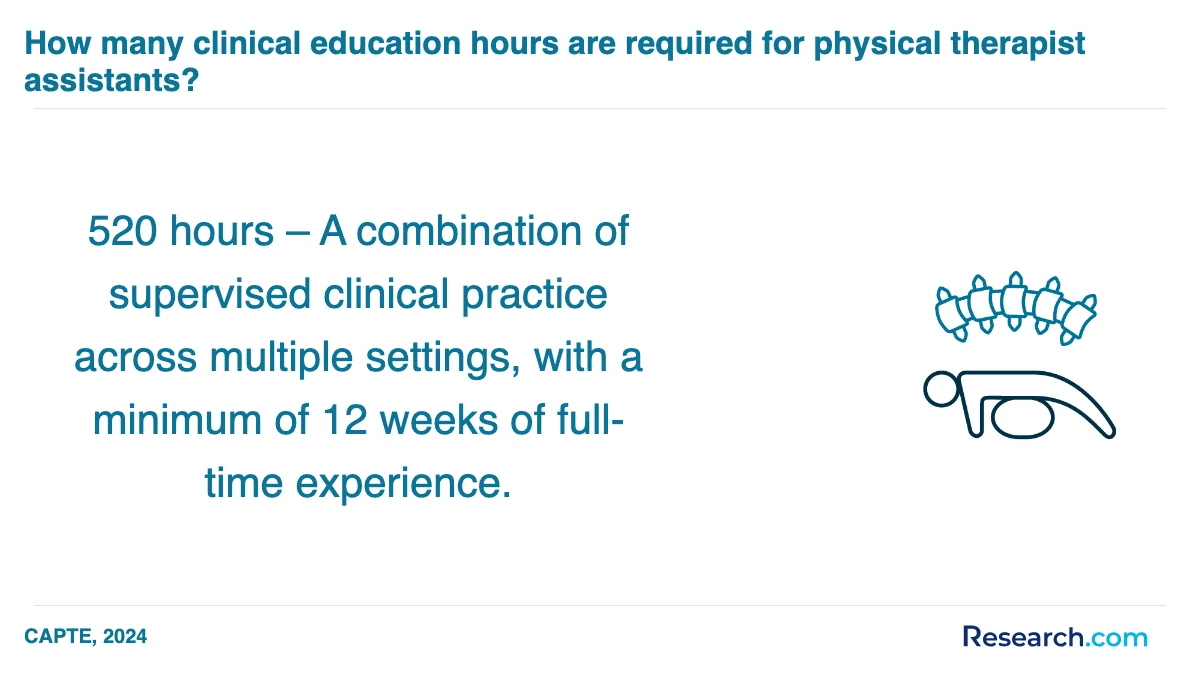
Clinical experiences are a highlight in Northeast programs, often involving multiple internships at hospitals or rehabilitation centers. For example, graduates from Cecil College describe how completing three clinical rotations across semesters built their confidence and real-world skills.
General education courses such as English composition and psychology further equip students for professional communication and documentation, rounding out a curriculum that is both challenging and rewarding in preparing for the NPTE licensure exam.
Physical therapist assistant specializations in Northeast trade schools often include diverse clinical rotations that immerse students in real-world settings such as pediatrics, geriatrics, acute care hospitals, and long-term care facilities. Graduates frequently highlight how hands-on experiences in outpatient clinics and home health care helped them identify the patient populations they felt most passionate about serving. Elective courses at prominent institutions may also cover niche areas like therapeutic massage, assistive technology, and rehab technology, reflecting evolving industry demands and enhancing graduate employability.
Popular Northeast PTA program elective courses extend to exercise physiology, especially at schools like New England Institute of Technology, where students pursue athletic and wellness-focused career paths. Many programs offer transfer agreements facilitating continuation into exercise science or sport and movement science bachelor's degrees, bolstering credentials in specialties such as orthopedics and sports rehabilitation.
Understanding these specializations can clarify your career options significantly. For those weighing options between related fields, exploring occupational therapy vs physical therapy can provide additional clarity.
When choosing the best physical therapist assistant trade school program in Northeast, accreditation plays a critical role. Graduates from programs accredited by the Commission on Accreditation in Physical Therapy Education (CAPTE), such as those at New England Institute of Technology, often express confidence in their education's quality and recognition. Hands-on clinical experience is equally vital; for example, students at Penn College benefit from diverse clinical rotations, helping them adapt quickly in real-world settings. These experiences foster positive emotions like readiness and empowerment.
Selecting top-rated PTA schools in Northeast also means evaluating program outcomes. Graduates from Kennebec Valley Community College highlight the high graduation and licensure exam pass rates as motivators that sustained their dedication. Location matters too-Northeast Community College offers modern facilities close to many clinical sites, which students find convenient and encouraging for learning. Financial aspects should not be overlooked, with options varying across schools; Springfield Technical Community College's long-standing reputation adds value and potential financial aid opportunities.
For prospective students serious about long-term career prospects, understanding local employment opportunities linked to pta salary by state data can clarify economic outcomes and enhance decision-making.

Graduates of physical therapist assistant trade school programs in the Northeast enjoy diverse career opportunities in settings such as hospitals, outpatient clinics, rehabilitation centers, nursing homes, and home health agencies. Many find rewarding roles assisting licensed physical therapists with patient care, including helping patients recover from surgery or injury. Popular trade schools in the region prepare students to enter these fields with hands-on training that mirrors real-life clinical environments, boosting graduates' confidence and readiness.
Examples of career paths include:
- Supporting patient rehabilitation in orthopedic or pediatric specialties
- Working in geriatrics to improve quality of life for elderly patients
- Assisting in sports medicine clinics to facilitate athletic recovery
- Home health roles helping patients regain independence in their own homes
Many graduates leverage their skills to secure physical therapy jobs for PTA graduates in Northeast that offer flexible schedules and sign-on bonuses. For those seeking further advancement, supervisory roles and continued education offer upward mobility. Career opportunities for physical therapist assistants in Northeast are bolstered by strong regional demand, with employers valuing the blend of technical knowledge and compassionate care.
Those interested in quick certifications with promising income may explore quick highest paid medical certifications as part of their career development plan.
The job market for physical therapist assistant trade school graduates in Northeast remains highly favorable, driven by strong regional demand and national growth projections of 19% from 2023 to 2033. Graduates from popular PTA programs in the region often find employment within 18 months, benefiting from the variety of clinical settings available, including outpatient clinics, skilled nursing facilities, and home rehabilitation agencies. Experiences from recent graduates reflect this positive trend, with many securing per diem positions in New York offering hourly wages between $38 and $40.
The physical therapist assistant employment opportunities Northeast offer competitive wages, often meeting or exceeding the national median annual salary of $65,510. Graduates highlight how their clinical skills, honed at well-regarded trade schools, prepare them for thriving in dynamic work environments under licensed therapists' supervision. Popular programs emphasize hands-on training, helping students build confidence for real-world care.
Key factors supporting the job outlook include:
- Over 220 PTA job openings in areas like Toms River, NJ.
- Consistent annual openings due to turnover and retirements nationwide.
- Strong employer demand for licensed, skilled graduates in various healthcare facilities.
For prospective students considering physical therapist assistant trade schools, exploring the best trade schools with medical assistant programs can provide valuable insight into programs that combine quality education with excellent job market alignment.
Best Physical Therapist Assistant Training Programs & Trade Schools - Top PTA Schools in Northeast for 2026
# 1 position
Carroll Community College - Physical Therapy Assistant.
associateThe Physical Therapy Assistant program at Carroll Community College offers a hybrid format with some distance-education options. It trains students to assist physical therapists by implementing treatment plans, conducting interventions, and monitoring patient progress. The curriculum covers anatomy, physiology, biomechanics, communication, and professional ethics. Annual in-state tuition is $4,128. The program is accredited by the Middle States Commission on Higher Education. Median earnings one year after completion are $49,776.
# 2 position
UCNJ Union College of Union County, NJ - Physical Therapy Assistant.
associateThe Physical Therapy Assistant program at UCNJ Union College of Union County, NJ, offers a hybrid format with some distance education. It prepares students to assist physical therapists by implementing treatment plans, training patients, and recording progress. Coursework includes anatomy, physiology, biomechanics, and professional ethics. Annual in-state tuition is $5,280. Graduates earn a median salary of $48,332 one year after completion. The program is accredited by the Middle States Commission on Higher Education.
# 3 position
Johnson College - Physical Therapy Assistant.
associateJohnson College offers a Physical Therapy Assistant program with a hybrid format, combining in-person and distance education. The program trains students to assist physical therapists by implementing treatment plans, conducting interventions, and tracking patient progress. Coursework includes anatomy, physiology, biomechanics, neuroscience, and professional ethics. Annual in-state tuition is $20,733. Graduates have a median earnings of $34,834 one year after completion. The program is accredited by the Middle States Commission on Higher Education.
# 4 position
Kennebec Valley Community College - Physical Therapy Assistant.
associateKennebec Valley Community College offers a Hybrid Physical Therapy Assistant program that prepares students to implement treatment plans, train patients, and conduct interventions under the supervision of a physical therapist. The curriculum includes applied anatomy, physiology, biomechanics, neuroscience, and professional ethics. The program’s annual in-state tuition is $3,562. Graduates earn a median salary of $35,260 one year after completion. It is accredited by the New England Commission on Higher Education.
# 5 position
Orange County Community College - Physical Therapy Assistant.
associateOrange County Community College offers a Physical Therapy Assistant program designed to prepare students to implement treatment plans, train patients, and conduct interventions under a physical therapist’s supervision. The hybrid program includes instruction in anatomy, physiology, biomechanics, communication, and professional ethics. Annual in-state tuition is $6,382. Graduates earn a median salary of $51,727 one year after completion. The program is accredited by the Middle States Commission on Higher Education.
# 6 position
Warren County Community College - Physical Therapy Assistant.
associateWarren County Community College offers a Physical Therapy Assistant program in a hybrid format with some distance-education options. The program trains students to implement treatment care plans, conduct interventions, and monitor patient progress under a physical therapist's supervision. Instruction covers anatomy, physiology, biomechanics, clinical documentation, and professional ethics. The annual in-state tuition is $5,310. The program is accredited by the Middle States Commission on Higher Education.
# 7 position
Ocean County College - Physical Therapy Assistant.
certificate or diplomaOcean County College offers a Physical Therapy Assistant program in a hybrid format, combining distance education with on-campus instruction. The program prepares students to assist physical therapists with treatment plans, patient training, and clinical documentation. Coursework includes anatomy, physiology, biomechanics, neuroscience, and professional ethics. The annual in-state tuition is $4,690. The program is accredited by the Middle States Commission on Higher Education.
# 8 position
Genesee Community College - Physical Therapy Assistant.
associateThe Physical Therapy Assistant program at Genesee Community College offers a hybrid format with some distance education options. It prepares students to support physical therapists by implementing treatment plans, training patients, and monitoring progress. The curriculum includes anatomy, physiology, biomechanics, neuroscience, and professional ethics. The program is accredited by the Middle States Commission on Higher Education. Annual in-state tuition is $5,800, and median earnings one year after completion are $44,442.
# 9 position
Frederick Community College - Physical Therapy Assistant.
associateFrederick Community College offers a Hybrid Physical Therapy Assistant program preparing students to assist physical therapists in treatment care plans, patient training, and clinical documentation. The curriculum covers anatomy, physiology, biomechanics, neuroscience, and professional ethics. The program’s annual in-state tuition is $3,772. It is accredited by the Middle States Commission on Higher Education, ensuring a recognized standard of education and training in this field.
# 10 position
Mount Wachusett Community College - Physical Therapy Assistant.
associateThe Physical Therapy Assistant program at Mount Wachusett Community College offers a hybrid format with some distance education options. It prepares students to implement treatment plans, conduct interventions, and monitor patient progress under a physical therapist's supervision. Coursework includes anatomy, physiology, biomechanics, neuroscience, and professional ethics. The program is accredited by the New England Commission on Higher Education. Annual in-state tuition is $6,000, and median earnings one year after completion are $44,710.
Frequently Asked Questions about physical therapist assistant
After completing a physical therapist assistant (PTA) trade school program in the Northeast, preparing for the job market involves several important steps. First, obtaining state licensure or certification is essential; most states in the Northeast require passing the National Physical Therapy Exam for PTAs. According to the Bureau of Labor Statistics, employment of PTAs is expected to grow 17% from 2022 to 2032, with strong demand in healthcare facilities throughout the region.
Gaining practical experience through internships or clinical rotations during training can improve job prospects. Networking with local healthcare providers and joining professional organizations like the American Physical Therapy Association's Northeast chapters can also help graduates connect with employers.
Finally, continuing education and staying current with new rehabilitation techniques will make candidates more competitive in a growing job market.
Employers in the Northeast seek physical therapist assistant graduates with strong clinical skills and effective communication abilities. According to the Bureau of Labor Statistics (BLS) and regional workforce reports, proficiency in patient care techniques, such as therapeutic exercises and mobility assistance, is essential. Additionally, teamwork and interpersonal skills are highly valued, as assistants work closely with physical therapists and patients.
Knowledge of electronic health records (EHR) is increasingly important due to growing digitization in healthcare settings. Problem-solving skills and adaptability also rank high, reflecting the dynamic nature of rehabilitation environments in states like New York and Massachusetts. These competencies improve patient outcomes and support efficient clinic operations.
Finding internships relevant to a physical therapist assistant (PTA) trade school program in the Northeast involves several strategic steps. Start by contacting the career services or clinical education office at your trade school, as they often have partnerships with local healthcare providers. Many PTA programs require a set number of clinical hours, which schools help coordinate.
The Northeast region has a high demand for PTAs, with states like New York and Massachusetts reporting above-average employment growth according to the U.S. Bureau of Labor Statistics. This growth increases internship opportunities in hospitals, outpatient clinics, and rehabilitation centers.
Additional resources include professional associations such as the American Physical Therapy Association (APTA), which offers localized internship listings and networking events. You can also explore state health department websites for licensed facilities offering clinical placements. Early application and direct outreach to potential sites are crucial because internship slots are limited and competitive.
Obtaining a physical therapist assistant (PTA) diploma from a trade school in the Northeast significantly enhances career mobility and advancement opportunities. The region's healthcare industry is expanding, with the U.S. Bureau of Labor Statistics projecting a 16% growth in PTA jobs nationally from 2021 to 2031, often higher in urban Northeast areas due to aging populations.
Trade school diplomas prepare graduates for state licensure exams, a requirement for employment, increasing eligibility for diverse clinical settings such as hospitals, outpatient clinics, and rehabilitation centers. According to the Commission on Accreditation in Physical Therapy Education (CAPTE), accredited programs in the Northeast maintain high graduate employment rates, typically exceeding 85% within six months.
Additionally, many employers in states like New York, Massachusetts, and Pennsylvania prefer candidates with formal PTA diplomas, which often lead to higher starting salaries and opportunities for specialization or supervisory roles. The diploma also serves as a foundation for further education, such as transitioning to a physical therapist degree, supporting upward mobility in the healthcare field.
Part-time job opportunities that complement physical therapist assistant (PTA) trade school education in the Northeast often involve roles in healthcare support and rehabilitation settings. Many students find positions as therapy aides or rehabilitation assistants, which provide practical experience alongside their studies. According to the U.S. Bureau of Labor Statistics, healthcare support jobs in the Northeast are expected to grow by 12% from 2022 to 2032, offering ample opportunities.
Additionally, working as a patient transporter or medical assistant in hospitals and outpatient clinics can enhance hands-on skills relevant to PTA duties. These roles help students develop communication and patient care abilities crucial for future PTA professionals.
Local physical therapy offices may also offer internships or part-time work that align closely with academic training, supporting both skill development and networking within the field.
To choose the best Physical Therapist Assistant degree program near me, it is important to consider accreditation, curriculum, and clinical training opportunities. Programs and universities near Northeast offer a range of options with varying specializations and facilities. Utilizing resources like Research.com can help in comparing program specifics to make an informed decision.
- Physical Therapist Assistant Clinical Internship http://slchc.edu/physical-therapy/physical-therapist-assistant-clinical-internship/
- Student Programs and Internships - ATI Physical Therapy https://careers.atipt.com/student-programs/
- Physical Therapy Internships | Dept of Human Performance & Recreation https://www.byui.edu/human-performance-and-recreation/physical-therapist-assistant/internships
- 4 Key Steps to Pursuing Your Dream Career as a Physical Therapist Assistant https://www.bryantstratton.edu/blog/healthcare-degrees/dream-career-physical-therapist-assistant/
- Physical Therapy Internship (Minnesota) - Health Sciences Education - Mayo Clinic College of Medicine & Science https://college.mayo.edu/academics/health-sciences-education/physical-therapy-internship-minnesota/
- Becoming a Physical Therapist | APTA https://www.apta.org/your-career/careers-in-physical-therapy/becoming-a-pt
- Occupational Therapy Internship: The Only Guide You Need https://www.therapyabroad.org/occupational-therapy-internship/
- Physical Therapist Assistant https://northeast.edu/degrees-and-programs/physical-therapist-assistant
- Physical Therapist Assistant (PTA) Associate Degree | NEIT https://www.neit.edu/academics/associate-degrees/physical-therapist-assistant-as
- Physical Therapist Assistant - Northeastern Oklahoma A&M CollegeNortheastern Oklahoma A&M College https://neo.edu/academics/majors-degrees/nursing-allied-health-physical-education/physical-therapist-assistant/





