Most Affordable Physical Therapist Assistant Schools & Training - Budget-Friendly PTA Trade Programs in Wisconsin for 2026

Co-Founder and Chief Data Scientist
Choosing the right physical therapist assistant trade school in Wisconsin can feel overwhelming. To help, this article features a physical therapist assistant trade school programs ranking created by the Research.com team of data scientists. It highlights the most affordable and reputable options for 2026.
By exploring these programs, you’ll find valuable information to make an informed decision about your education and future career. Earning a diploma or certification as a physical therapist assistant opens doors to rewarding work helping others regain mobility and improve their quality of life.
Take the first step toward a fulfilling career with confidence and clarity.
Key benefits of finishing physical therapist assistant trade school in Wisconsin
- Graduates of physical therapist assistant trade schools in Wisconsin can expect an average salary around $59,200 per year or $32.25 per hour, offering a stable and rewarding career with room for growth.
- Career paths include working in hospitals, outpatient clinics, or rehabilitation centers, as exemplified by graduates from popular Wisconsin trade schools who find diverse job opportunities in healthcare settings.
- Completing a PTA program online provides flexibility and convenience, allowing students to balance work and family while gaining valuable skills, as shown by successful online graduates from reputable Wisconsin trade schools.
- Most Affordable Physical Therapist Assistant Schools & Training - Budget-Friendly PTA Trade Programs in Wisconsin for 2026
- What can I expect from physical therapist assistant trade schools in Wisconsin?
- Where can I work after finishing physical therapist assistant trade schools in Wisconsin?
What can I expect from physical therapist assistant trade schools in Wisconsin?
Enrolling in a physical therapist assistant trade school program in Wisconsin means diving into a hands-on learning experience that balances classroom theory with real-world clinical practice. Graduates often recall the challenge and reward of mastering anatomy and therapeutic exercises before stepping into hospitals or rehab centers, where they assist licensed therapists and engage directly with patients. Popular programs in Wisconsin typically span two years, demanding consistent effort to maintain a "C" grade or higher, which keeps you motivated and focused.
Students appreciate how these programs emphasize communication and documentation skills, preparing them to interact confidently with patients and healthcare teams. Many share how the supervised clinical placements became the highlight of their studies, turning textbook knowledge into meaningful patient care. The journey also includes preparing for the National Physical Therapist Assistant Examination, essential to becoming licensed in Wisconsin. Graduates often describe a sense of pride and readiness as they transition from training to a career with promising job prospects and a median wage around $45,756, making the effort feel truly worthwhile.
Where can I work after finishing physical therapist assistant trade schools in Wisconsin?
Graduates of physical therapist assistant trade schools in Wisconsin often find themselves stepping into dynamic healthcare roles that directly impact patient recovery. Many begin their careers in bustling Milwaukee outpatient clinics or specialized therapy centers in Madison, where they assist patients recovering from surgeries or sports injuries. The hands-on training from well-known Wisconsin trade schools equips them to confidently support licensed physical therapists in diverse settings.
Others embrace opportunities in rehabilitation hospitals or skilled nursing facilities, where they engage with older adults regaining mobility. Some graduates share how rewarding it is to witness progress firsthand, turning initial patient struggles into moments of triumph. The flexibility extends further-travel healthcare assignments within the state offer weekly pay rates above $600, perfect for those seeking variety and adventure while building experience.
Whether in urban hospitals or rural home health agencies, Wisconsin-trained PTAs find meaningful work that matches their passion for helping others. Their education from local trade schools ensures they enter the workforce ready to make a real difference every day.
Graduates from physical therapist assistant trade schools in Wisconsin often find themselves stepping into a career with a solid earning potential right out of the gate. Many who completed programs at well-known Wisconsin trade schools share stories of starting salaries around $38,550, which quickly grow as they gain hands-on experience and confidence in clinical settings. Imagine finishing your program and within months earning close to $60,000 annually, matching the state's average reported by Career Explorer.
Hourly wages also paint a promising picture. Recent graduates have noted hourly pay rates starting near $27, climbing to over $32 as skills sharpen. This range offers flexibility whether you want to pick up extra shifts or balance work with continuing education. Graduates often describe the satisfaction of making a tangible difference in patients' lives while building a dependable income, especially in communities across Wisconsin where healthcare support roles are in demand.
While salaries in Wisconsin may be slightly below the national average, the quick pathway from trade school to employment makes this career an attractive choice for many seeking stability and growth without years of additional schooling.
- Admission usually requires a high school diploma or GED, good reading, math, and comprehension skills, plus passing a background check and meeting caregiver law requirements.
- PTA programs must be accredited by CAPTE and approved by the Wisconsin Board, typically leading to an associate degree completed in about two years.
- Tuition and fees for in-state students at technical colleges range from $10,000 to $15,000, with extra costs for books, uniforms, and technology.
- Licensing requires passing the NPTE-PTA exam, which costs around $400, and a state jurisprudence exam, with a $75 fee for retakes.
- Starting salaries for new PTAs in Wisconsin range from $44,000 to $54,000 annually, with continuing education of 20 hours every two years needed to maintain licensure.
Completing a physical therapist assistant trade school program in Wisconsin typically takes about two years, a timeline that many graduates describe as both challenging and rewarding. At popular institutions like Milwaukee Area Technical College and Fox Valley Technical College, students dive into hands-on learning and clinical practice early on, which makes the time feel purposeful and engaging.
Graduates often share how the accelerated pace pushed them to focus intensely but also gave them a strong sense of accomplishment. Imagine balancing classroom theory with real patient interactions within just a couple of years-this immersive approach helps students feel prepared and confident as they step into their careers.
For many, the idea of a two-year commitment fits well with life's demands in Wisconsin, allowing them to quickly transition from education to employment. The compact program length means less time away from earning a living, fueling motivation and excitement during the journey.
The core difference between online and on-campus physical therapist assistant (PTA) trade school programs in Wisconsin lies in how and where students engage with their coursework. Graduates from on-campus programs, like those at Northeast Wisconsin Technical College, often recall the energy of hands-on labs and face-to-face interactions with instructors and peers. These in-person experiences build confidence and practical skills essential for clinical success.
Conversely, students who choose online PTA programs appreciate the flexibility to study theoretical material on their own schedule, balancing school with work or family commitments. For example, those enrolled at Southwest Wisconsin Technical College benefit from digital lectures but still attend local clinical labs, blending convenience with crucial hands-on practice.
Both paths demand in-person clinical rotations to meet Wisconsin's licensure standards, creating real-world learning moments that online modules alone cannot offer. This combination ensures graduates feel prepared and connected, whether they thrive in a classroom setting or prefer the adaptability of online learning.
The average tuition for physical therapist assistant programs in Wisconsin varies significantly depending on the type of institution. Graduates from trade schools like Southwest Wisconsin Technical College often highlight the affordability of community colleges, where the net price ranges around $10,500 for families earning between $48,000 and $75,000 per year. This makes pursuing a physical therapist assistant program in Wisconsin more accessible for many aspiring students looking to balance quality education and cost.
On the other hand, the cost of physical therapist assistant associate degrees in Wisconsin at private colleges substantially increases the financial commitment. For example, graduates from Bellin College report tuition and fees close to $28,000, while those from Carroll University mention costs surpassing $37,000. Despite higher costs, many students feel confident that investing in these programs reflects the quality of education and hands-on clinical experiences that private institutions often emphasize.
Beyond tuition, trade school students consistently mention other expenses that shape the real cost of the program. Books and supplies can add approximately $1,500 over two years, while background checks, drug screenings, and specific course fees range near $470 total. Such details are crucial for anyone considering enrolling in a physical therapist assistant program in Wisconsin to avoid surprises. Those weighing options might also explore healthcare certifications online to supplement their training or reduce costs while maintaining career-readiness.

Physical therapist assistant students in Wisconsin benefit from a robust range of financial aid options that make their education more attainable. Graduates from technical colleges like Southwest Wisconsin Technical College and Northeast Wisconsin Technical College often recall how federal financial aid, accessed through FAFSA, played a crucial role in easing tuition costs, which average about $4,586 annually for in-state students.
State-based scholarships such as the Wisconsin Physical Therapy Fund (WPTF) stand out, providing targeted support for PTA students who demonstrate financial need, strong academics, and community involvement. Many students share how applying for this fund, which requires APTA membership and letters of recommendation, inspired them to engage more deeply with their professional community.
Institutional scholarships and need-based grants available at these schools also offer vital relief. For example, work-study opportunities reported by PTA students at these colleges not only alleviate financial pressure but also enhance hands-on experience, making the journey both manageable and enriching.
Contacting financial aid offices early and completing FAFSA are key steps students emphasize for unlocking these benefits and confidently pursuing their careers in physical therapy assistance.
To enroll in a physical therapist assistant trade school program in Wisconsin, applicants generally need a high school diploma or GED, reflecting a basic foundation before starting specialized training. Graduates often recall how this initial requirement felt like the first step toward a rewarding career, giving them a sense of accomplishment right away.
Many trade schools emphasize these prerequisites:
- Completion of prerequisite courses such as biology, anatomy, and algebra, ensuring students are prepared for technical coursework.
- Proof of immunizations and a clean background check, which are crucial for clinical placement.
- A clear demonstration of physical ability, as the role demands hands-on patient care and mobility.
Students at popular Wisconsin trade schools often share how meeting these requirements boosted their confidence, knowing they were ready physically and mentally for the demands ahead. One graduate described feeling excited when passing the health screenings, realizing it was a positive sign of their future in the profession.
Additionally, some programs may require entrance exams or interviews to assess communication skills and commitment, which graduates say helped them reflect on their passion for patient care in real-world scenarios.

Physical therapist assistant trade school programs in Wisconsin immerse students in a blend of science and hands-on skills designed for real-world impact. Graduates from schools like Northeast Wisconsin Technical College often recall how core courses such as Anatomy and Physiology and Kinesiology made the human body's complexity come alive, helping them understand patient movement and recovery.
Specialized courses focus on essential therapeutic techniques, including:
- Therapeutic Exercise: learning methods to restore strength and mobility
- Physical Therapy Modalities: applying tools like electrical stimulation and ultrasound
- Gait Training and Ambulation: mastering safe patient movement with assistive devices
- Body Mechanics and Patient Positioning: ensuring safety for both patient and therapist
- Documentation and Charting: developing precise record-keeping skills
Many students share how clinical education at Milwaukee Area Technical College transformed theory into practice. Working alongside licensed physical therapists in real clinical settings boosted their confidence and refined their patient care skills. Communication courses, including Oral/Interpersonal Communication and Healthcare Provider CPR certification, prepare students to connect compassionately with patients and healthcare teams, making each interaction meaningful and effective.
Physical therapist assistant specializations in Wisconsin trade schools are not offered as formal majors, but students receive broad clinical exposure that shapes their skill sets. Graduates from schools like Southwest Tech and Western Technical College recall hands-on experiences across multiple rehabilitation therapy focus areas Wisconsin trade schools emphasize. These include orthopedic, neurological, pediatric, geriatric, and cardiopulmonary rehabilitation. Imagine working with outpatient clinic patients recovering from musculoskeletal injuries one day, then assisting children with developmental challenges at a school the next. This variety keeps training exciting and prepares students for diverse career paths.
Students often reflect on clinical rotations as transformative, gaining real-world insight in hospitals, rehab centers, and outpatient clinics. These rotations allow candidates to explore specialty areas informally while honing key skills such as evidence-based intervention and patient education.
- Treating neuro conditions like stroke recovery
- Supporting elderly mobility and independence
- Helping patients with heart and lung concerns
While official specializations aren't in the curriculum, electives and clinical placement choices offer some focus. For those eager to deepen expertise, further certifications after graduation are typical. Prospective students can also review options for the best physical therapist assistant associates online degree if flexibility is a priority.
When choosing the best physical therapist assistant programs in Wisconsin, accreditation is non-negotiable. Graduates from programs like Blackhawk Technical College praise how the CAPTE accreditation ensured their eligibility for licensure and built confidence as they prepared for the National Physical Therapy Examination. The program's structure-with a balance of classroom theory and real-world clinical experiences-helped many students feel ready to handle diverse patient needs from day one.
Location also plays a big role; students appreciate having clinical placements nearby, making it easier to gain hands-on experience without excessive travel. Programs offering multiple clinical settings provide invaluable exposure, fostering practical skills crucial for success. Cost is an influential factor too-those looking for affordable PTA schools in Wisconsin value transparent tuition and financial aid opportunities, which ease the pressure of schooling expenses.
Many students recommend exploring a 2 year medical school program for a faster path into the workforce without sacrificing quality education, especially if juggling work or family life. Ultimately, choose a program that fits your lifestyle and goals while maintaining strong outcomes like high NPTE pass rates and employment.
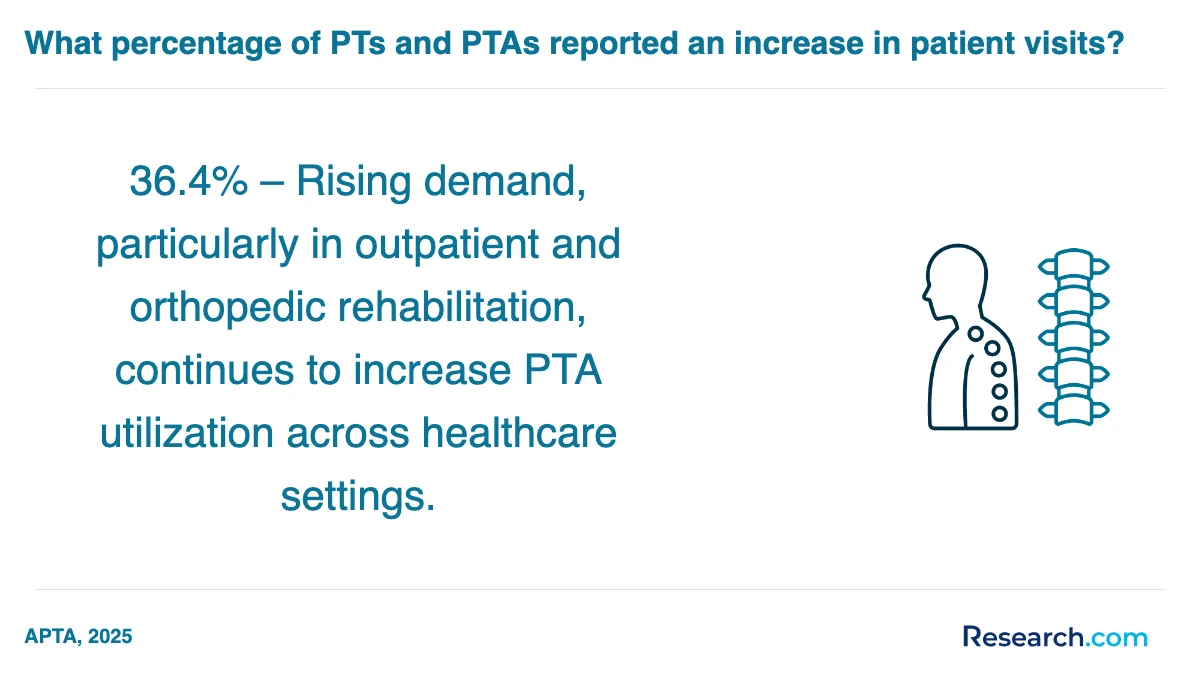
Physical therapist assistant trade school graduates in Wisconsin find themselves stepping into a diverse array of career paths that extend far beyond traditional clinical roles. Many graduates from popular Wisconsin trade schools secure positions in busy hospitals and outpatient rehabilitation centers, where they collaborate closely with licensed physical therapists to deliver hands-on patient care. The high demand for physical therapist assistant jobs in Wisconsin means graduates often experience a rewarding balance between job security and fulfilling work that directly impacts patient recovery.
Graduates frequently explore healthcare career options for PTA graduates Wisconsin such as:
- Working in skilled nursing and home health agencies, providing care to varied age groups.
- Taking on per diem or part-time roles to enjoy flexible schedules and competitive hourly wages.
- Pursuing travel PTA assignments offering both adventure and attractive weekly pay.
Many graduates also move into specialized fields like geriatrics or sports rehabilitation, or grow into supervisory and clinical coordinator roles. Those ambitious to advance can pursue additional credentials, such as a Doctor of Physical Therapy degree, which requires exploring the required education for a physical therapist.
The job market for physical therapist assistant trade school graduates in Wisconsin is vibrant and full of opportunity. Graduates from well-known trade schools in the state often find rewarding roles in hospitals, outpatient clinics, and rehabilitation centers fairly quickly. Many report that the demand for PTAs in Wisconsin is fueled by the aging population, which ensures steady openings, from urban hubs like Milwaukee to smaller towns.
Here are some key positive aspects graduates frequently mention:
- Over 280 PTA job openings statewide, reflecting strong demand.
- Sign-on bonuses up to $10,000 for full-time roles, providing immediate financial incentives.
- Travel and temporary positions offering weekly pay between $600 and $1,800, ideal for those seeking flexibility.
- Employers highly value clinical experience and certifications like CPR, giving motivated graduates an edge.
One graduate shared how their clinical hours at a popular Wisconsin trade school helped secure a position in a rehabilitation center within weeks of licensing. For those considering these programs, the state's strong physical therapist assistant demand in Wisconsin means the investment in education often translates quickly into meaningful work and career growth.
If you're curious about how your education path can shape your future, exploring the easiest medical majors could provide additional insight into accessible healthcare fields like PTA.
Most Affordable Physical Therapist Assistant Schools & Training - Budget-Friendly PTA Trade Programs in Wisconsin for 2026
# 1 position
Southwest Wisconsin Technical College - Physical Therapy Assistant.
associateSouthwest Wisconsin Technical College offers a Physical Therapy Assistant program designed to prepare students to implement treatment care plans under a physical therapist’s supervision. The curriculum includes applied anatomy, physiology, biomechanics, clinical documentation, and professional ethics. The program is accredited by the Higher Learning Commission. Annual in-state tuition is $4,796, and median earnings one year after completion reach $33,328.
# 2 position
Blackhawk Technical College - Physical Therapy Assistant.
associateBlackhawk Technical College offers a Physical Therapy Assistant program in a hybrid format with some distance-education options. This program trains students to assist physical therapists by implementing treatment plans, training patients, and recording progress. Instruction covers applied anatomy, biomechanics, clinical documentation, and professional ethics. The annual in-state tuition is $4,170. Graduates have a median earning of $33,144 one year after completion. The program is accredited by the Higher Learning Commission.
# 3 position
Western Technical College - Physical Therapy Assistant.
associateThe Physical Therapy Assistant program at Western Technical College offers a hybrid format with some distance-education options. It prepares students to support physical therapists by implementing treatment plans, training patients, and documenting progress. The curriculum covers anatomy, physiology, biomechanics, and professional ethics. Annual in-state tuition is $4,716. Graduates have median earnings of $43,682 one year after completion. The program is accredited by the Higher Learning Commission.
# 4 position
Chippewa Valley Technical College - Physical Therapy Assistant.
associateChippewa Valley Technical College offers a Physical Therapy Assistant program with a hybrid format, combining in-person and distance education. The program trains students to support physical therapists by implementing treatment plans, conducting interventions, and monitoring patient progress. Coursework covers anatomy, physiology, biomechanics, clinical documentation, and professional ethics. Annual in-state tuition is $4,724. Graduates earn a median income of $41,740 one year after completing the program. It is accredited by the Higher Learning Commission.
# 5 position
Gateway Technical College - Physical Therapy Assistant.
associateThe Physical Therapy Assistant program at Gateway Technical College offers a hybrid format with some distance-education options. It prepares students to assist physical therapists in treatment plans, patient training, and clinical documentation. The curriculum includes anatomy, physiology, biomechanics, neuroscience, and professional ethics. Annual in-state tuition is $4,853. Graduates earn a median salary of $29,121 one year after completion. The program is accredited by the Higher Learning Commission.
# 6 position
Madison Area Technical College - Physical Therapy Assistant.
associateMadison Area Technical College offers a Physical Therapy Assistant program with a hybrid format including some distance education. The program trains students to implement physical therapy treatment plans, conduct interventions, and document patient progress under supervision. Coursework covers applied anatomy, physiology, biomechanics, neuroscience, and professional ethics. Annual in-state tuition is $4,780. Graduates have median earnings of $35,549 one year after completion. The program is accredited by the Higher Learning Commission.
# 7 position
Northeast Wisconsin Technical College - Physical Therapy Assistant.
associateThe Physical Therapy Assistant program at Northeast Wisconsin Technical College is a hybrid course preparing students to assist physical therapists in treatment care plans, patient training, and clinical documentation. The curriculum covers anatomy, physiology, biomechanics, neuroscience, and professional ethics. Annual in-state tuition is $4,904. Graduates earn a median salary of $38,278 one year after completion. The program is accredited by the Higher Learning Commission.
# 8 position
Milwaukee Area Technical College - Physical Therapy Assistant.
associateThe Physical Therapy Assistant program at Milwaukee Area Technical College offers a hybrid format, combining in-person and distance education. It trains students to assist physical therapists by implementing treatment plans, conducting interventions, and monitoring patient progress. The curriculum covers anatomy, physiology, biomechanics, clinical documentation, and professional ethics. Annual in-state tuition is $5,017. Graduates earn a median income of $34,030 one year after completing the program. The program is accredited by the Higher Learning Commission.
# 9 position
Rasmussen University-Wisconsin - Physical Therapy Assistant.
associateThe Physical Therapy Assistant program at Rasmussen University-Wisconsin prepares students to implement treatment care plans under a physical therapist’s supervision. The curriculum includes applied anatomy, physiology, biomechanics, neuroscience, and professional ethics. Annual in-state tuition is $11,982. Graduates have median earnings of $35,350 one year after completion. The program is accredited by the Higher Learning Commission.
# 10 position
Herzing University-Brookfield - Physical Therapy Assistant.
associateHerzing University-Brookfield offers a Physical Therapy Assistant program in a hybrid format, combining in-person and distance education. The program trains students to assist physical therapists by implementing treatment plans, conducting interventions, and monitoring patient progress. Coursework covers applied anatomy, physiology, biomechanics, neuroscience, and professional ethics. Annual in-state tuition is $13,420, with median earnings of $34,039 one year after completion. The program is accredited by the Higher Learning Commission.
Frequently Asked Questions about physical therapist assistant
After completing a physical therapist assistant (PTA) program in Wisconsin, preparing for the job market involves several key steps. First, graduates must pass the National Physical Therapy Exam (NPTE) for PTAs, which is required for state licensure. The Wisconsin Department of Safety and Professional Services oversees this licensure process.
Building a strong resume highlighting clinical experience gained during the program can improve job prospects. Networking with local clinics and healthcare providers is also beneficial, as the demand for PTAs in Wisconsin is projected to grow by 33% from 2020 to 2030, according to the U.S. Bureau of Labor Statistics.
Continuing education and certification in specialized areas, such as geriatrics or orthopedics, can further enhance employability in a competitive market.
Employers hiring physical therapist assistant (PTA) graduates in Wisconsin prioritize strong clinical and interpersonal skills. According to the Wisconsin Department of Workforce Development, effective communication and teamwork are essential, as PTAs work closely with patients and healthcare teams.
Technical proficiency in therapy techniques and patient care is also critical. Graduates must demonstrate competence in applying therapeutic exercises and using assistive devices safely. The Commission on Accreditation in Physical Therapy Education (CAPTE) standards emphasize these skills as foundational.
Additionally, employers value critical thinking and adaptability, enabling PTAs to respond to diverse patient needs. Familiarity with electronic health records and adherence to ethical practices are increasingly important in Wisconsin's healthcare settings.
Finding internships relevant to physical therapist assistant (PTA) trade school programs in Wisconsin involves several practical steps. Start by contacting the career services or clinical coordination office of your trade school, as many have established partnerships with local healthcare facilities.
Wisconsin's healthcare system includes numerous hospitals, rehabilitation centers, and outpatient clinics that offer clinical internship opportunities for PTA students. According to the Wisconsin Physical Therapy Association, internships are often required components of PTA programs and typically last several months.
Additionally, state resources such as the Wisconsin Department of Workforce Development provide job and internship listings specific to healthcare fields. Networking with licensed physical therapists in your area can also uncover unofficial internship opportunities.
Students should verify that internships meet the Commission on Accreditation in Physical Therapy Education (CAPTE) standards to ensure proper clinical experience.
Obtaining a physical therapist assistant (PTA) diploma from a trade school in Wisconsin significantly enhances career mobility and advancement opportunities. The Wisconsin Department of Workforce Development reports steady growth in PTA roles, with a projected increase of 14% through 2030, higher than the national average. A diploma is a required credential to sit for the National Physical Therapy Exam, which is essential for state licensure. Licensed PTAs in Wisconsin can pursue specialized certifications or supervisory roles, increasing earning potential and job security.
Trade school programs often include practical experience, helping graduates build professional networks. This hands-on training supports smoother transitions into diverse healthcare settings, such as hospitals, outpatient clinics, and rehabilitation centers.
Students enrolled in physical therapist assistant trade schools in Wisconsin can benefit from part-time jobs that provide relevant experience and flexible hours. Common opportunities include working as rehabilitation aides or therapy aides in clinics, hospitals, and nursing homes. These roles allow students to assist licensed therapists while gaining hands-on exposure to patient care.
Additionally, positions such as personal care aides or home health aides offer valuable experience with mobility assistance and daily living support. According to the Wisconsin Department of Workforce Development, these jobs often pay between $11 and $15 per hour, making them accessible for students balancing education and work.
Volunteering in community health programs or senior centers is another way to build skills and professional networks while studying.
To choose the most affordable Physical Therapist Assistant degree program near me in Wisconsin, start by researching local community colleges and technical schools that are known for offering cost-effective programs in healthcare fields. Consider factors such as tuition fees, availability of financial aid, and program accreditation to ensure quality education. You might also want to explore programs near Wisconsin through platforms like Research.com, which can provide reviews, rankings, and other valuable information to aid in your decision.
- Most Affordable Physical Therapist Assistant Schools & Training - Budget-Friendly PTA Trade Programs in Minnesota for 2026
- Most Affordable Physical Therapist Assistant Schools & Training - Budget-Friendly PTA Trade Programs in Illinois for 2026
- Most Affordable Physical Therapist Assistant Schools & Training - Budget-Friendly PTA Trade Programs in Indiana for 2026
- Most Affordable Physical Therapist Assistant Schools & Training - Budget-Friendly PTA Trade Programs in Missouri for 2026
- Most Affordable Physical Therapist Assistant Schools & Training - Budget-Friendly PTA Trade Programs in Kansas for 2026
- Most Affordable Physical Therapist Assistant Schools & Training - Budget-Friendly PTA Trade Programs in Oklahoma for 2026
- Most Affordable Physical Therapist Assistant Schools & Training - Budget-Friendly PTA Trade Programs in Virginia for 2026
- Most Affordable Physical Therapist Assistant Schools & Training - Budget-Friendly PTA Trade Programs in Mississippi for 2026
- Most Affordable Physical Therapist Assistant Schools & Training - Budget-Friendly PTA Trade Programs in Alabama for 2026
- Most Affordable Physical Therapist Assistant Schools & Training - Budget-Friendly PTA Trade Programs in Georgia for 2026
- Becoming a Physical Therapist Assistant | APTA https://www.apta.org/your-career/careers-in-physical-therapy/becoming-a-pta
- Physical Therapist Assistant Program https://www.collegeofthedesert.edu/students/acad-prog/health-sciences/physical-therapy-asst/default.php
- Physical Therapist Assistant - Ivy Tech Community College https://www.ivytech.edu/programs/all-academic-programs/school-of-health-sciences/physical-therapist-assistant/
- Physical Therapist Assistant Program - PTA School | ACC https://americancareercollege.edu/programs/physical-therapist-assistant
- Physical Therapist Assistant | Quincy College https://quincycollege.edu/program/physical-therapist-assistant/
- Physical Therapist Assistant (PTA), AAS - LaGuardia Community College https://www.laguardia.edu/majors/physical-therapist-assistant/
- Accredited Physical Therapist Assistant School | PTA Career Training Program https://www.gurnick.edu/programs/physical-therapist-assistant/
- Physical Therapist Assistant Program | College of DuPage https://www.cod.edu/academics/programs/physical-therapist/
- SPC : Physical Therapist Assistant | Alamo Colleges https://www.alamo.edu/spc/academics/programs/health-sciences-and-histology/physical-therapist-assistant/
- Occupational Outlook for Physical Therapist Assistant | SABER College https://sabercollege.edu/occupational-outlook-physical-therapist-assistant/