Most Affordable Physical Therapist Assistant Schools & Training - Budget-Friendly PTA Trade Programs in Michigan for 2026

Co-Founder and Chief Data Scientist
Exploring a career as a physical therapist assistant can open doors to a rewarding and stable future. For those in Michigan seeking affordable trade school options, this article offers valuable insights.
The Research.com team of data scientists has created a physical therapist assistant trade school programs ranking to help you identify quality programs worth considering. This guide aims to simplify your decision-making process by focusing on affordability and program value.
Whether you want a diploma or certification, investing in the right school can set you on a fulfilling career path. Let’s find the best fit for your goals.
Key benefits of finishing physical therapist assistant trade school in Michigan
- Graduates can expect an average hourly wage around $27.84 to $29.96 in Michigan, offering a solid starting salary with room for growth in various settings.
- Many alumni from popular Michigan trade schools find rewarding careers in clinics, hospitals, or rehabilitation centers, gaining hands-on experience that opens diverse job opportunities.
- Completing a physical therapist assistant program online provides flexibility and convenience, allowing students to balance work or family while earning their degree, as experienced by many successful online graduates in the state.
- Most Affordable Physical Therapist Assistant Schools & Training - Budget-Friendly PTA Trade Programs in Michigan for 2026
- What can I expect from physical therapist assistant trade schools in Michigan?
- Where can I work after finishing physical therapist assistant trade schools in Michigan?
What can I expect from physical therapist assistant trade schools in Michigan?
Enrolling in a physical therapist assistant trade school program in Michigan means committing to a demanding yet rewarding journey. Graduates often describe their experience balancing rigorous classroom study with hands-on lab work, where they practice skills like therapeutic exercise and manual therapy techniques. For example, students at popular Michigan trade schools find themselves in lab sessions simulating patient care, which helps build confidence before entering clinical settings.
Expect to engage deeply with clinical education, typically completing around 18 weeks of supervised training in diverse environments such as outpatient clinics and hospitals. One graduate recalled the excitement and challenge of applying classroom knowledge directly to patient care during a full-time externship in Detroit, highlighting the real-world readiness these programs cultivate.
Admission is competitive and classes are small, fostering close interaction with instructors and peers. Graduates appreciate this supportive atmosphere, which encourages ethical practice and effective communication, essential for success as licensed PTAs in Michigan's healthcare system.
Where can I work after finishing physical therapist assistant trade schools in Michigan?
After completing a physical therapist assistant trade school program in Michigan, graduates find diverse employment opportunities across the state. Many secure roles in outpatient clinics, hospitals, skilled nursing facilities, home health agencies, and rehabilitation centers. For example, a recent graduate from a well-known Michigan trade school shared how starting at an outpatient clinic in Detroit allowed hands-on learning under experienced physical therapists, fueling their confidence and passion for patient care.
Job availability is strong statewide, with over 280 openings reported as of early 2025. Graduates often work full-time or part-time and can explore travel assignments, such as short-term contracts in northern Michigan's skilled nursing facilities, earning competitive weekly wages around $1,481. Some graduates enjoy specialized positions in pediatric outpatient clinics or public schools, where they support children's mobility development.
This career path offers flexibility and professional growth, with many employers valuing experience in orthopedics and geriatrics. Whether in urban centers like Grand Rapids or rural clinics, Michigan's trade school graduates encounter rewarding, patient-focused roles that align well with their training and aspirations.
After finishing a physical therapist assistant trade school program in Michigan, graduates typically see an annual salary around $66,065, reflecting a solid return on their investment in education. Many graduates from well-known Michigan trade schools share that starting out, they earn between $59,997 and $72,642 per year, which helps them confidently cover living expenses and plan for the future.
Hourly wages for new PTAs usually fall between $27.84 and $29.96. For instance, graduates often report feeling encouraged when their first jobs pay close to $28 per hour, which is competitive for entry-level roles. In urban centers like Detroit, these wages can jump to an average of $35.76 per hour, making the career even more appealing.
Many graduates mention their satisfaction with the career's balance of meaningful work and financial stability. The steady demand in Michigan's healthcare sector, especially around larger cities, means opportunities to grow earnings with experience and certifications are realistic and motivating.
- All PTA programs in Michigan must be accredited by the Commission on Accreditation in Physical Therapy Education (CAPTE).
- Admission is competitive, with some schools like Delta College admitting only 20 students annually and reserving spots for high GPA applicants.
- Programs typically last about two years and include about 75% classroom and lab work, with at least 16 weeks of full-time clinical experience.
- Tuition costs range from $10,000 to $25,000 at public colleges, with some students attending tuition-free through local guarantee programs.
- Employment rates for graduates are near 100% within six months, with starting salaries around $49,000 to $54,000 annually and experienced PTAs earning up to $65,000 or more.
Completing a physical therapist assistant trade school program in Michigan typically takes about two years. Graduates from well-known trade schools in the state often share how this timeframe felt manageable, especially when balancing school with personal commitments. For example, one graduate described the experience as intense but rewarding, emphasizing how the structured schedule helped maintain focus and motivation.
Many Michigan trade schools offer programs that combine classroom learning with hands-on clinical practice, allowing students to gain real-world skills within this two-year span. This blend of theory and practice not only accelerates learning but also boosts confidence before entering the workforce.
Students often find the duration ideal, as it is long enough to build competence but short enough to avoid burnout or extended financial strain. At popular Michigan trade schools, the collaborative environment and supportive instructors make the two-year journey feel like a shared mission, fostering positive emotions and a sense of achievement upon completion.
The difference between online and on-campus physical therapist assistant (PTA) trade school programs in Michigan primarily hinges on how coursework and hands-on training are delivered. Graduates from on-campus programs at schools like Delta College often recall the value of face-to-face interaction with instructors and peers during labs and practice sessions. This in-person environment helps build confidence in practical skills through immediate feedback and teamwork.
Conversely, those who opted for online PTA programs appreciate the flexibility to study theoretical content at their own pace, fitting classes around work or family. However, even online students must complete in-person clinical placements locally, reflecting the strict CAPTE requirements. A graduate from Baker College's hybrid program shared how balancing remote lectures with real-world clinical hours made the experience manageable yet rigorous.
Both formats ensure students meet the same accreditation and licensing standards, but the choice often comes down to personal learning style and lifestyle needs within Michigan's PTA trade school landscape.
The average cost of a physical therapist assistant trade school program in Michigan varies significantly depending on the type of institution. For public community colleges such as Washtenaw Community College and Delta College, graduates often remark on feeling relieved by the relatively affordable tuition. Washtenaw's in-state tuition averages around $5,875 annually, while Delta College's is approximately $9,045. These figures reflect an accessible option for many students, especially those who qualify for financial aid. However, the trade school experience involves more than just tuition; graduates often share stories about budgeting for books and supplies, which can add between $750 and $1,300 per year to the overall expense, underscoring the importance of considering these additional costs during planning.
Conversely, private trade schools in Michigan, like Baker College in Owosso, come with a higher price tag, averaging nearly $13,867 per year even with financial aid. Yet, many graduates from these programs emphasize the value of their education and the strong job placement support they received. For students weighing their options, this investment may be justified by the career outcomes, especially when pursuing high paying certificate jobs.
Financial aid opportunities are crucial to reducing the financial burden. Graduates consistently advise future students to actively pursue scholarships, grants, and loans offered at their chosen schools. Real-life experiences suggest that connecting with financial aid offices early on can demystify the process and reveal personalized support options, helping students focus on their education without as much financial stress. Understanding these nuanced costs enables potential students to make informed choices tailored to their circumstances.
Physical therapist assistant students in Michigan have access to a variety of financial aid options that can significantly reduce the burden of tuition and related costs. Most begin by submitting the Free Application for Federal Student Aid (FAFSA), which opens the door to federal Pell Grants-valuable because they don't require repayment-and subsidized or unsubsidized federal student loans. For instance, graduates from Delta College have shared how Pell Grants helped them focus more on mastering clinical skills rather than worrying about tuition.
State aid programs like the Michigan Tuition Grant and Michigan Reconnect offer crucial support, especially for adult learners returning to Washtenaw Community College to complete their associate degrees. Such students often express relief and motivation knowing these programs can cover much of their tuition.
Additionally, institutional scholarships and work-study opportunities at these community colleges provide hands-on campus employment, allowing students to earn while gaining relevant experience. Private scholarships, like the $500 Summit Physical Therapy Scholarship, reward commitment and academic achievement, which many final-year students have found encouraging and validating.
Students should also plan for extra expenses such as lab fees and licensing exams. Financial aid offices at Michigan PTA programs often provide detailed financial fact sheets, helping students anticipate costs and manage their budgets effectively.
Enrolling in a physical therapist assistant trade school program in Michigan typically requires a clear set of prerequisites designed to ensure students are prepared for the rigors of the coursework and clinical practice. Most programs expect applicants to have a high school diploma or GED, which lays the foundation for further study. Beyond this, many Michigan trade schools emphasize the importance of strong skills in biology and anatomy, reflecting the hands-on nature of the profession.
Graduates from well-known Michigan trade schools often share that meeting these prerequisites helped them feel confident and ready to tackle their studies. Some common expectations include:
- Completion of prerequisite courses such as biology, chemistry, and algebra
- Proof of immunizations and a clean background check, especially for clinical placement eligibility
- Basic CPR and First Aid certification before beginning clinical rotations
- Effective communication skills demonstrated through interviews or written essays
For instance, one graduate recalls how completing a biology course prior to enrollment made complex topics during the program more approachable. This preparation not only boosted their confidence but also enhanced their ability to engage with instructors and peers. Trade schools like those in Detroit and Grand Rapids often provide detailed prerequisite checklists, helping students visualize the steps needed to successfully start their journey as physical therapist assistants.

Physical therapist assistant trade school programs in Michigan typically include a blend of foundational science, technical skills, and hands-on clinical experience designed to prepare students thoroughly for the workforce. Graduates from popular Michigan trade schools often highlight how courses like anatomy and physiology and kinesiology helped them understand the human body's mechanics, which made later clinical work more intuitive and rewarding.
Core courses generally cover:
- Anatomy and physiology, focusing on body structure and function
- Kinesiology, the study of movement and muscle function
- Pathophysiology, addressing diseases affecting mobility
- Principles of physical therapy, including exercise prescription and manual therapy techniques
- Therapeutic procedures using modalities like ultrasound and electrical stimulation
- Patient care skills emphasizing safe handling and transfers
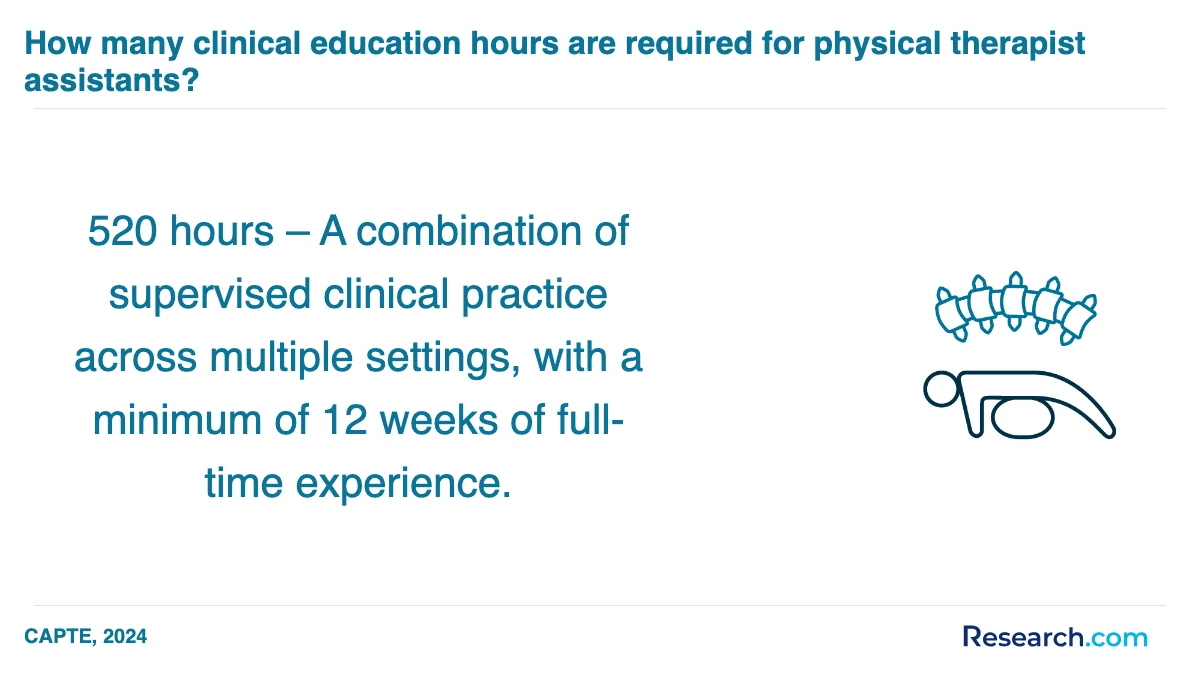
Students often share how the clinical education component-about 560 hours of supervised practice in hospitals or outpatient clinics-was a game-changer, turning textbook knowledge into real confidence. One graduate recalled assisting a patient with limited mobility and seeing firsthand how their training in therapeutic procedures made a tangible difference in recovery.
Additionally, general education courses in communication and psychology equip students to engage empathetically with patients and healthcare teams, a skill many graduates say enriched their clinical rotations and future careers. Some Michigan schools even offer electives in office management or exercise instruction, broadening career paths beyond traditional PTA roles.
Physical therapist assistant specializations in Michigan within trade school programs tend to focus on broad foundational skills rather than formalized specialty tracks. For example, graduates from popular institutions like Baker College often recount participating in PTA seminars that explore specialty practice areas. These include aquatic rehabilitation, women's health, vestibular rehabilitation, oncology rehabilitation, and lymphedema management. While these seminars provide valuable exposure and build confidence in various therapeutic techniques, they serve more as supplementary experiences rather than full specialization pathways.
Many students appreciate how these seminars enrich their clinical training by simulating real-world scenarios, such as helping a cancer survivor regain mobility or assisting an elderly patient with balance through vestibular therapy. However, due to the standardized curriculum requirements, physical therapy assistant program specializations Michigan largely emphasize generalist skills that prepare students to adapt across multiple settings.
Graduates aiming to deepen expertise in areas introduced during the program often pursue additional certifications or continuing education beyond the trade school. To understand the requirements to be a physical therapist more comprehensively, considering further education is advisable.
To choose the best physical therapist assistant trade school program in Michigan, start by verifying CAPTE accreditation to ensure quality education and eligibility for the licensing exam. Graduates from programs like Mid Michigan College often share how the solid curriculum and a Community College Guarantee made their education both affordable and accessible, highlighting the value of affordable PTA schools in Michigan. Consider programs with strong clinical components, such as Delta College, where students gain confidence through hands-on placements that closely simulate real patient interactions.
Licensure pass rates are a key indicator of program effectiveness. For example, Delta College graduates frequently express pride and relief in their 100% NPTE pass rate, a factor that reassures prospective students about their preparedness. Employment outcomes also matter; Mid Michigan's consistent 100% employment for licensed graduates shows strong industry connections that can ease the transition into a career.
Finally, weigh tuition cost alongside financial aid options, and explore the program's location and resources. For those evaluating wider options, exploring the easiest medical degree programs to get into may provide helpful context when choosing the best physical therapist assistant programs in Michigan.

Physical therapist assistant trade school graduates in Michigan enjoy diverse career opportunities tailored to their interests and lifestyles. Many find physical therapist assistant jobs in Michigan within outpatient physical therapy clinics, hospitals, and rehabilitation centers, where hands-on work helps patients regain mobility after injuries or surgeries. Graduates from popular Michigan trade schools often share how rewarding it is to support both young athletes and older adults in settings like Northern Michigan Sports Medicine Center or Corewell Health.
Flexible work schedules, including full-time, part-time, and PRN roles, enable graduates to balance family obligations or continued education. Common career paths include:
- Inpatient and outpatient rehabilitation
- Skilled nursing facilities
- Home health care and pediatric therapy
- Sports medicine practices with specialization opportunities
PTAs also have chances to advance by mentoring students or supervising aides, enhancing professional fulfillment. Michigan programs emphasize practical skills and often connect students to local employers, fostering high demand for new professionals. For those seeking fast health certifications that pay well, this pathway offers strong financial and personal growth prospects.
Michigan's physical therapist assistant job outlook in Michigan is a mixed picture for trade school graduates. While average hourly wages hover around $27.84 to $29.95 depending on the source, the active hiring market in the state is relatively slow compared to other regions. Graduates from well-known trade schools in Michigan often find that opportunities cluster in larger metropolitan areas like Detroit, where wages can rise above $35 per hour and occasional pay-per-visit roles reach $50+.
Those who have trained in Michigan's established PTA trade programs report that flexibility is key. Many find rewarding roles in diverse settings such as outpatient clinics, hospitals, or schools, often balancing full-time and part-time positions. Graduates who embrace relocation or underserved areas typically enjoy better Michigan physical therapist assistant employment opportunities, especially when combining experience with specialized clinical skills.
Practical wisdom from alumni emphasizes:
- Being open to a variety of work environments boosts job potential.
- Geographic flexibility can lead to significantly higher wages and more job openings.
- The reputation of certain Michigan trade schools helps jumpstart careers despite the slower market.
For those committed to a PTA career, exploring pathways like becoming a physical therapy assistant with Michigan-focused education offers a promising start that balances competitive pay and attainable local opportunities.
Most Affordable Physical Therapist Assistant Schools & Training - Budget-Friendly PTA Trade Programs in Michigan for 2026
# 1 position
Macomb Community College - Physical Therapy Assistant.
associateMacomb Community College offers a Physical Therapy Assistant program delivered in a hybrid format with some distance-education options. The program trains students to assist physical therapists by implementing treatment plans, training patients, and monitoring progress. Coursework covers applied anatomy, physiology, biomechanics, clinical documentation, and professional ethics. The annual in-state tuition is $3,600, and median earnings one year after completion are $29,234. The program is accredited by the Higher Learning Commission.
# 2 position
Washtenaw Community College - Physical Therapy Assistant.
associateWashtenaw Community College offers a Physical Therapy Assistant program in a hybrid format with some distance-education options. The program prepares students to implement treatment care plans, conduct interventions, and use equipment under a physical therapist's supervision. Coursework includes anatomy, physiology, biomechanics, neuroscience, and professional ethics. The annual in-state tuition is $2,736. Graduates have median earnings of $39,704 one year after completion. The program is accredited by the Higher Learning Commission.
# 3 position
Delta College - Physical Therapy Assistant.
associateDelta College offers a Physical Therapy Assistant program in a hybrid format, combining in-person and distance education. The program trains students to assist physical therapists by implementing treatment plans, using equipment, and documenting patient progress. Coursework covers anatomy, physiology, biomechanics, and professional ethics. Annual in-state tuition is $4,640. Graduates earn a median salary of $35,224 one year after completing the program. The program is accredited by the Higher Learning Commission.
# 4 position
Henry Ford College - Physical Therapy Assistant.
associateHenry Ford College offers a Physical Therapy Assistant program with a hybrid format, allowing some distance education. The program prepares students to assist physical therapists by implementing treatment plans, training patients, and documenting progress. Coursework includes anatomy, physiology, biomechanics, neuroscience, and professional ethics. Annual in-state tuition is $3,460. Graduates earn a median income of $17,369 one year after completion. The program is accredited by the Higher Learning Commission.
# 5 position
Mott Community College - Physical Therapy Assistant.
associateMott Community College offers a Physical Therapy Assistant program with a hybrid format that includes some distance education. The program prepares students to assist physical therapists by implementing treatment plans, training patients, and conducting interventions. Instruction covers anatomy, physiology, biomechanics, clinical documentation, and professional ethics. The annual in-state tuition is $4,426, and students report median earnings of $31,965 one year after completion. The program is accredited by the Higher Learning Commission.
# 6 position
Kellogg Community College - Physical Therapy Assistant.
associateKellogg Community College offers a Physical Therapy Assistant program in a hybrid format, combining in-person and distance education. The program trains students to assist physical therapists by implementing treatment plans, conducting interventions, and monitoring patient progress. It includes instruction in anatomy, physiology, biomechanics, and professional ethics. Annual in-state tuition is $3,798. Graduates have median earnings of $31,880 one year after completion. The program is accredited by the Higher Learning Commission.
# 7 position
Mid Michigan College - Physical Therapy Assistant.
associateMid Michigan College offers a Physical Therapy Assistant program in a hybrid format, combining in-person and distance education. The program prepares students to assist physical therapists by implementing treatment plans, training patients, and documenting progress. Coursework covers anatomy, physiology, biomechanics, clinical pathology, communication, and ethics. The program is accredited by the Higher Learning Commission. Annual in-state tuition is $5,794.
# 8 position
Baker College - Physical Therapy Assistant.
associateBaker College offers a Physical Therapy Assistant program in a hybrid format, combining in-person and distance education. The program trains students to assist physical therapists by implementing treatment plans, conducting interventions, and monitoring patient progress. Coursework covers anatomy, physiology, biomechanics, neuroscience, and professional ethics. The annual in-state tuition is $12,810, and graduates earn a median salary of $36,955 one year after completion. The program is accredited by the Higher Learning Commission.
Frequently Asked Questions about physical therapist assistant
After completing a physical therapist assistant (PTA) program in Michigan, preparing for the job market involves several key steps. First, graduates must pass the National Physical Therapy Exam for PTAs, administered by the Federation of State Boards of Physical Therapy. This license is mandatory to practice in Michigan.
Next, gaining practical experience through clinical internships or volunteer opportunities can improve employability. Michigan's healthcare sector is growing, with the Bureau of Labor Statistics projecting a 32% increase in PTA jobs statewide from 2020 to 2030.
Networking through professional organizations like the Michigan Physical Therapy Association also helps connect graduates with employers.
Employers in Michigan seek physical therapist assistant (PTA) graduates who demonstrate strong clinical skills and effective patient communication. According to the Bureau of Labor Statistics and Michigan Department of Labor data, PTAs must be proficient in therapeutic exercises, patient mobility assistance, and proper use of medical equipment.
In addition, critical thinking and problem-solving abilities are highly valued, as PTAs often adapt treatment plans based on patient progress. Knowledge of state regulations and safety protocols is essential to ensure compliance and patient welfare.
Interpersonal skills are also important, given the frequent interaction with patients recovering from injuries or surgeries. Employers prioritize candidates with hands-on experience gained through accredited Michigan trade programs, which typically include supervised clinical practice.
Finding internships in Michigan for physical therapist assistant (PTA) students involves several practical steps. Start by contacting the trade school's career services or program coordinator, as many schools maintain partnerships with local clinics and rehabilitation centers. According to the American Physical Therapy Association, clinical education is a required component of PTA programs, ensuring students gain hands-on experience.
Students should also explore healthcare facilities and outpatient clinics in Michigan's larger cities, such as Detroit, Grand Rapids, and Ann Arbor, where internship opportunities are more abundant. Websites like the Michigan Physical Therapy Association offer resources and listings for clinical sites.
Networking through professional events and local PTA chapters can further increase chances of securing internships. It is important to begin the search early, as competitive placements often fill months in advance.
Obtaining a physical therapist assistant (PTA) diploma from a trade school in Michigan significantly enhances career mobility and advancement opportunities. The Michigan Department of Licensing and Regulatory Affairs requires PTAs to hold an accredited diploma and pass the National Physical Therapy Exam for licensure. This credential allows graduates to work in diverse healthcare settings, including hospitals, rehabilitation centers, and nursing homes.
According to the U.S. Bureau of Labor Statistics, Michigan's PTA employment is projected to grow by 18% from 2022 to 2032, faster than the national average. This growth supports strong job security and multiple advancement paths, such as supervisory roles or specialized therapy areas.
Trade school diplomas also provide practical skills and clinical experience, which employers highly value. Graduates often report quicker job placement compared to those with less formal training. Additionally, accredited programs in Michigan typically prepare students for continuing education, which is essential for career progression and salary increases.
Students enrolled in physical therapist assistant (PTA) trade schools in Michigan can benefit from part-time jobs that build relevant skills and experience. Common opportunities include working as rehabilitation aides or physical therapy aides in clinics and hospitals. These roles involve assisting licensed therapists with patient care and administrative tasks, reinforcing classroom learning.
According to the U.S. Bureau of Labor Statistics, Michigan employs over 2,500 physical therapist assistants and aides, with a median hourly wage around $23. Part-time roles in nursing homes and outpatient care centers are also popular, offering flexible hours suited for students.
Gaining hands-on experience through such jobs can improve practical knowledge and enhance employability after graduation.
Yes, there are affordable Physical Therapist Assistant (PTA) degree programs available near Michigan, offered by various community colleges and universities. These programs often include a mix of classroom instruction and hands-on clinical experience, preparing students for certification exams. You can search for specific programs "near me" by utilizing educational resources like Research.com to find an ideal fit in terms of location and tuition cost.
- Most Affordable Physical Therapist Assistant Schools & Training - Budget-Friendly PTA Trade Programs in Indiana for 2026
- Most Affordable Physical Therapist Assistant Schools & Training - Budget-Friendly PTA Trade Programs in Wisconsin for 2026
- Most Affordable Physical Therapist Assistant Schools & Training - Budget-Friendly PTA Trade Programs in Illinois for 2026
- Most Affordable Physical Therapist Assistant Schools & Training - Budget-Friendly PTA Trade Programs in Minnesota for 2026
- Most Affordable Physical Therapist Assistant Schools & Training - Budget-Friendly PTA Trade Programs in Missouri for 2026
- Most Affordable Physical Therapist Assistant Schools & Training - Budget-Friendly PTA Trade Programs in New York for 2026
- Most Affordable Physical Therapist Assistant Schools & Training - Budget-Friendly PTA Trade Programs in North Carolina for 2026
- Most Affordable Physical Therapist Assistant Schools & Training - Budget-Friendly PTA Trade Programs in Maryland for 2026
- Most Affordable Physical Therapist Assistant Schools & Training - Budget-Friendly PTA Trade Programs in New Jersey for 2026
- Most Affordable Physical Therapist Assistant Schools & Training - Budget-Friendly PTA Trade Programs in Rhode Island for 2026
- Becoming a Physical Therapist Assistant | APTA https://www.apta.org/your-career/careers-in-physical-therapy/becoming-a-pta
- How to Prepare for Physical Therapist Assistant (PTA) School https://www.brooklinecollege.edu/blog/how-to-prepare-for-pta-school/
- Occupational Outlook for Physical Therapist Assistant | SABER College https://sabercollege.edu/occupational-outlook-physical-therapist-assistant/
- 4 Key Steps to Pursuing Your Dream Career as a Physical Therapist Assistant https://www.bryantstratton.edu/blog/healthcare-degrees/dream-career-physical-therapist-assistant/
- How to Prepare for PTA School | Requirements and Challenges https://www.provocollege.edu/blog/how-to-prepare-for-pta-school/
- Physical Therapist Assistant FAQ | Pre-health professions | Academics | College of Health | Oregon State University https://health.oregonstate.edu/academics/pre-health/physical-therapist-assistant
- Physical Therapy Assistant Schools & Colleges https://www.trade-schools.net/health-care/physical-therapist-assistant
- Is PTA a Good Career Choice? - Villa Maria College https://www.villa.edu/is-pta-a-good-career-choice/
- Physical Therapist Assistant - Macomb Community College https://www.macomb.edu/programs-courses/programs/physical-therapist-assistant.html
- Physical Therapist Assistant A.A.S. - Programs | Mott Community College https://www.mcc.edu/degree-pathway/PTA.shtml