
Most Affordable Physical Therapist Assistant Schools & Training - Budget-Friendly PTA Trade Programs in Maryland for 2026

Co-Founder and Chief Data Scientist
Choosing the right physical therapist assistant trade school in Maryland can feel overwhelming. This article simplifies that process by presenting a carefully crafted ranking of programs, developed by the Research.com team of data scientists. Their analysis helps you identify quality schools worth considering for 2026.
Exploring this guide will give you confidence in your decision and highlight the benefits of earning a diploma or certification. A career as a physical therapist assistant offers rewarding opportunities to make a positive impact while enjoying job stability and growth.
Key benefits of finishing physical therapist assistant trade school in Maryland
- Graduates can expect an hourly wage between $34.81 and $37.46 in Maryland, translating to an annual salary around $72,400 to $77,900, which offers a solid income starting point.
- Career options include working in hospitals, outpatient clinics, and rehabilitation centers, with many graduates from Maryland trade schools quickly finding rewarding roles that match their skills and interests.
- Completing an online PTA program offers flexibility and convenience, allowing students to balance work or family commitments while gaining hands-on experience through local clinical placements, as many online graduates report.
- Most Affordable Physical Therapist Assistant Schools & Training - Budget-Friendly PTA Trade Programs in Maryland for 2026
- What can I expect from physical therapist assistant trade schools in Maryland?
- Where can I work after finishing physical therapist assistant trade schools in Maryland?
What can I expect from physical therapist assistant trade schools in Maryland?
Expect a hands-on, two-year journey that blends classroom learning with real-world practice at well-known Maryland trade schools. Graduates often recall balancing anatomy lectures with lab sessions where they practiced therapeutic exercises and patient mobility techniques under close supervision. This mix prepares you for the direct, rewarding work of helping patients regain function.
Clinical rotations are a highlight, offering time in hospitals and rehab centers around Maryland. One graduate described these placements as eye-opening, providing firsthand experience with diverse patient needs and the chance to apply skills taught in class. The supervised environment boosts confidence and sharpens practical abilities.
Admission can be competitive, requiring a high school diploma or GED, some prerequisite courses, and sometimes observation hours in a physical therapy setting. Students must maintain a minimum GPA and often need CPR certification. Staying on top of coursework with at least a C grade is essential to progress smoothly.
After graduation, you're ready to take the National Physical Therapy Exam for Physical Therapist Assistants, opening doors to careers in hospitals, schools, and private clinics throughout Maryland.
Where can I work after finishing physical therapist assistant trade schools in Maryland?
After completing a physical therapist assistant trade school program in Maryland, graduates quickly find themselves in high demand across various healthcare settings. Many start working in outpatient orthopedic clinics, especially in cities like Rockville and Columbia, where full-time roles offer steady schedules and competitive pay. These positions allow graduates to apply hands-on skills learned at popular Maryland trade schools, providing tangible patient progress and rewarding daily experiences.
Hospitals also actively hire PTAs to assist with post-surgical rehabilitation and injury recovery, giving graduates exposure to fast-paced environments. For those who prefer a more flexible work style, home health care agencies such as BAYADA offer opportunities to deliver personalized therapy in patients' homes or senior living communities around Pikesville and Catonsville. This role often appeals to graduates who enjoy building close patient relationships and working independently.
Skilled nursing facilities are another common employer, where PTAs help residents regain mobility after illness or injury. Some graduates even find unique positions in Maryland school systems, supporting children's physical therapy needs within special education programs. These varied paths reflect the strong job market and practical support available through organizations like APTA Maryland, making the transition from trade school to career smoother and more encouraging.
After finishing a physical therapist assistant trade school program in Maryland, graduates typically see hourly wages ranging from about $26 to $37, depending on their location and experience. For example, many graduates from popular Maryland trade schools report starting around $31 per hour, which is already above the national average. Those working in Baltimore or other larger cities often earn closer to $37 per hour, reflecting higher demand and cost of living.
One graduate shared how starting at a hospital in Baltimore gave them a $37 hourly wage, allowing them to comfortably cover living expenses while gaining valuable experience. Others who took positions in outpatient clinics earned closer to $26-$30 per hour but appreciated the steady work and opportunities for overtime.
Travel PTA roles in Maryland offer about $1,464 per week, which appeals to graduates who enjoy short-term assignments and extra benefits like housing stipends. Overall, most full-time graduates can expect annual earnings between $54,000 and $72,000, making this a financially promising path right after trade school.
- Admission requires a high school diploma or GED with a minimum GPA of 2.0 and completion of prerequisite courses.
- Programs typically award an Associate of Applied Science (AAS) degree after two years and five terms of study.
- Curriculum includes classroom instruction and clinical experiences, often offered through consortiums like CACHE.
- Tuition for in-state residents ranges from about $6,000 to $12,000, excluding books and supplies.
- Graduates must pass the National Licensure Physical Therapy Examination to work as licensed PTAs in Maryland.
- Starting salaries for PTAs average $55,000 to $60,000 annually, with experienced workers earning up to $70,000 or more.
Physical therapist assistant trade school programs in Maryland typically take about two years to complete. Graduates from well-known Maryland trade schools often share how this timeline fits well with their busy lives, balancing studies with part-time work or family commitments. The programs combine classroom instruction with hands-on clinical experience, allowing students to apply what they learn in real healthcare settings quickly.
For example, many students appreciate that after roughly 20 to 24 months, they are prepared to enter the workforce confidently, equipped with both the skills and the credentials Maryland employers expect. The practical nature of these programs means students often recall their clinical rotations as highlights-moments where theory met practice, boosting their motivation and excitement about their new careers.
Choosing a trade school in Maryland with a structured, clear timeline helps students stay focused and manage their time efficiently. This approach makes the two-year commitment feel manageable and rewarding, especially when graduates see themselves helping patients improve mobility and quality of life shortly after finishing their training.
The main difference between online and on-campus physical therapist assistant programs in Maryland lies in how students gain hands-on experience. Graduates from Baltimore City Community College or Anne Arundel Community College often share how attending in-person labs and clinical rotations made a huge impact on their confidence and skills. These on-campus programs require students to be physically present for lectures, lab work, and clinical experiences, which helps them practice patient care under supervision in real healthcare settings.
While some general education courses can be taken online through programs like the Chesapeake Area Consortium for Higher Education, the core PTA training-especially labs and clinicals-must be completed face to face to meet accreditation standards. Students appreciate this balance because it allows flexibility without sacrificing the essential hands-on learning needed to succeed as licensed PTAs in Maryland.
Fully online PTA degrees aren't available or accredited in Maryland, so students aiming for licensure should expect a strong in-person commitment throughout their trade school program.
The average cost physical therapist assistant program Maryland students enroll in varies based on residency and institution, but trade schools like Howard Community College and Montgomery College offer clear examples to plan your budget. For instance, Howard Community College charges $6,106 annually for in-district students, while out-of-district tuition rises to $11,111. Graduates often share how understanding these tuition fees helped them budget effectively throughout their program.
Tuition fees physical therapist assistant schools Maryland highlights also come with additional expenses that can add up. At Howard, students report spending around $5,587 on books, supplies, and related materials, which feels manageable when combined with financial aid options. Meanwhile, Montgomery College students typically budget $300 to $500 per semester for textbooks and lab materials, and they often recount how these predictable expenses helped them stay on track.
Beyond tuition and supplies, consider uniforms, transportation, health exams, and background checks. Montgomery College estimates uniforms and transportation for clinical internships can cost $200 to $500 per semester during later semesters. Graduates mention that planning ahead for these costs eased the pressure during internship phases, allowing them to focus on clinical skills.
If you're wondering about balancing the financial commitment with a rewarding healthcare career, many students find that meticulous planning pays off. Exploring what are the best careers in the medical field can also provide motivation while managing expenses. For those motivated by a clear path to a good career, pursuing a PTA trade school program in Maryland reflects a powerful investment in your future.
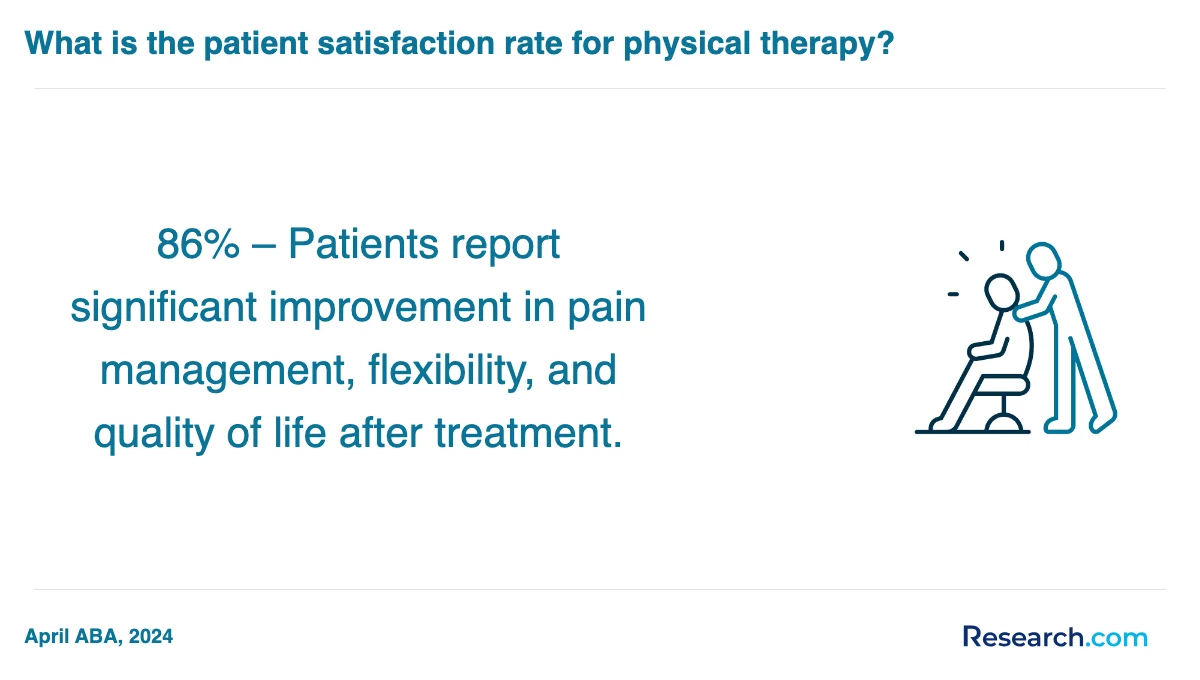
Physical therapist assistant students in Maryland can access several targeted financial aid options designed to ease the cost of trade school. Graduates from popular schools like Anne Arundel Community College often mention the Workforce Shortage Student Assistance Grant Program, which offers up to $2,000 per year for full-time students. Part-time students receive up to $1,000 annually. This grant requires a commitment to work with handicapped children in Maryland after graduation, which many find rewarding and motivating.
Another valuable resource is the Physical and Occupational Therapists and Assistants Grant, also providing up to $2,000 each year. Recipients from trade schools such as Prince George's Community College appreciate the ability to renew this grant as long as they maintain satisfactory academic progress. Like the Workforce Grant, the post-graduation work requirement helps ensure students give back to the community.
Many students also rely on federal aid via FAFSA, qualifying for Pell Grants, loans, and Federal Work-Study. Textbooks and lab supplies typically cost between $300 and $500 per semester, so these funds are essential to cover such expenses. Some schools offer additional scholarships or payment plans, making it easier to manage tuition and fees without added stress.
To enroll in a physical therapist assistant trade school program in Maryland, you'll typically need a high school diploma or GED as the first step. Many students recall the relief of meeting this basic requirement, which opens the door to an exciting career path.
Beyond that, schools often require:
- Completion of prerequisite courses such as biology, anatomy, or algebra, which build essential foundational knowledge.
- Proof of CPR certification, ensuring you're prepared for hands-on clinical work early on.
- A clear background check and sometimes drug screening, reflecting the trust placed in you when working with patients.
Graduates from popular Maryland trade schools frequently mention how taking prerequisite classes at community colleges or online helped them feel confident and ready. One recalls the satisfaction of mastering anatomy before starting clinical rotations, which made real-world patient care less intimidating.
Some programs also value volunteer or work experience in healthcare settings. This practical exposure can boost your application and provide a realistic preview of the rewarding challenges in physical therapy assistance.

Physical therapist assistant trade school programs in Maryland include a mix of general education and specialized courses designed to build both knowledge and hands-on skills. Graduates from schools like Montgomery College and Cecil College often highlight how foundational courses in human anatomy and physiology, psychology, and communication skills set the stage for success in clinical practice.
Core PTA courses focus on practical, real-world applications. Students learn through:
- Introduction to Physical Therapy: understanding the profession and ethical patient care
- Basic Health Skills for PTAs: mastering vital signs, infection control, and first aid
- Therapeutic Procedures and Modalities: applying techniques like massage, electrotherapy, and ultrasound
- Kinesiology: studying human movement essential for rehabilitation
- Pathology: recognizing common conditions treated by physical therapy
- Clinical Skills Development: engaging in hands-on labs and simulations
- Patient Care and Documentation: practicing communication and accurate progress tracking
Maryland PTA students often describe how these courses prepare them to confidently perform patient care tasks during clinical rotations, turning textbook theory into meaningful action in real health care settings.
Physical therapist assistant trade school programs in Maryland typically offer a variety of specializations that prepare students for specific roles in healthcare. Graduates from popular Maryland trade schools often share how training in orthopedic rehabilitation helped them confidently support patients recovering from fractures or surgery. Others found neurological rehabilitation crucial when working with stroke survivors to restore motor skills.
Practical exposure to fields like pediatric physical therapy allows students to develop customized therapy plans for children, while geriatrics training teaches them to enhance mobility and life quality for elderly patients. Many also appreciate learning about sports physical therapy to assist athletes in injury prevention and recovery.
Specializations available often reflect the diverse settings PTAs work in, including hospitals, outpatient clinics, rehabilitation centers, and home health agencies. Common focus areas in Maryland include:
- Orthopedic Rehabilitation
- Neurological Rehabilitation
- Pediatric Physical Therapy
- Geriatric Physical Therapy
- Sports Physical Therapy
- Cardiopulmonary Rehabilitation
- Home Health Care
- Inpatient Rehabilitation
- Outpatient Orthopedics
- Acute Care Physical Therapy
Graduates often emphasize how these programs blend hands-on training with theory, equipping them to meet patient needs effectively. If you're wondering how do you become a physical therapist and want to specialize through PTA trade schools in Maryland, exploring these options will help align your education with your career goals.
Start by confirming the program's accreditation by CAPTE, as graduates from Maryland schools emphasize how this credential was essential for their licensure success. Programs at community colleges like Carroll Community College offer rigorous, selective admission processes that prepare students well for the licensing exam. Many graduates recall feeling confident walking into clinical placements thanks to hands-on access to modern equipment and real healthcare settings, ensuring a comprehensive education.
Cost is a big factor, so look for affordable PTA schools Maryland offers, especially those recognized as Health Manpower Shortage Tuition Reduction Programs. Several graduates mention how reduced tuition and financial aid made a big difference in managing expenses without sacrificing quality. Also, consider schools that provide strong student support services, which former students say helped them navigate coursework and transfer options smoothly.
For a broader perspective on trade programs, some students recommend exploring resources like medical assistant trade schools to compare educational pathways and costs effectively.

Graduates of physical therapist assistant trade school programs in Maryland find diverse options in physical therapist assistant jobs in Maryland. Many start in outpatient clinics or orthopedic centers, where they implement therapy plans under licensed physical therapists. Others take roles in pediatric rehabilitation or sports medicine facilities, common paths highlighted by students from well-known Maryland trade schools. Practical experience in these settings builds confidence and skill.
Career opportunities for PTA graduates in Maryland also extend to hospitals, home healthcare, and senior living communities, where PTAs make tangible impacts on patient recovery. Travel physical therapy assistant roles attract many recent grads, offering short-term assignments and competitive pay around $1,338 weekly. Agencies frequently recruiting for these flexible jobs include SkyBridge Healthcare Therapy.
With experience, many graduates advance to supervisory roles or pursue further education such as a Doctor of Physical Therapy degree, expanding their potential. For those weighing salary prospects, it's useful to see what state pays the highest for pta, an important consideration when planning a fulfilling career.
Graduates from physical therapist assistant trade schools in Maryland face a job market marked by competitive salaries and steady demand. For example, many who complete their training at popular local trade schools find opportunities primarily in urban centers like Baltimore and Annapolis, where the average hourly wage for PTAs ranges around $34.81 statewide, rising to about $37.42 in Baltimore. These graduates often report satisfaction landing full-time or contract roles within several months post-graduation.
Employment prospects reflect a balance of stable but moderate hiring activity. Common observations from alumni include:
- A salary range typically between $56,617 and $81,727 annually, with averages near $68,671, enabling clear financial goals.
- Promising weekly travel PTA positions offering around $1,418, especially in high-demand areas like Olney, which provides flexible work options and extra income.
- Room for career growth by gaining experience or pursuing specialized care roles in Maryland's healthcare settings.
For students weighing their options, understanding physical therapist assistant salary trends Maryland-wide helps set realistic expectations and career planning. Those curious about navigating healthcare education pathways may want to explore what is the easiest medical field to get into to find the best fit for their goals.
Most Affordable Physical Therapist Assistant Schools & Training - Budget-Friendly PTA Trade Programs in Maryland for 2026
# 1 position
Wor-Wic Community College - Physical Therapy Assistant.
associateWor-Wic Community College offers a Physical Therapy Assistant program in a hybrid format, combining in-person and distance education. The program trains students to implement treatment plans, conduct interventions, and track patient progress under a physical therapist's supervision. Coursework covers anatomy, biomechanics, clinical documentation, neuroscience, and professional ethics. Annual in-state tuition is $3,744. Median earnings one year after completion are $40,345. The program is accredited by the Middle States Commission on Higher Education.
# 2 position
Carroll Community College - Physical Therapy Assistant.
associateThe Physical Therapy Assistant program at Carroll Community College offers a hybrid format with some distance-education options. It trains students to assist physical therapists by implementing treatment plans, conducting interventions, and monitoring patient progress. The curriculum covers anatomy, physiology, biomechanics, communication, and professional ethics. Annual in-state tuition is $4,128. The program is accredited by the Middle States Commission on Higher Education. Median earnings one year after completion are $49,776.
# 3 position
Howard Community College - Physical Therapy Assistant.
associateHoward Community College offers a Physical Therapy Assistant program with a hybrid format, including some distance education. The program trains students to implement physical therapy treatment plans, conduct interventions, and use related equipment under supervision. Instruction covers anatomy, physiology, biomechanics, neuroscience, and professional ethics. Annual in-state tuition is $4,080. Graduates earn a median income of $45,388 one year after completion. The program is accredited by the Middle States Commission on Higher Education.
# 4 position
Frederick Community College - Physical Therapy Assistant.
associateFrederick Community College offers a Hybrid Physical Therapy Assistant program preparing students to assist physical therapists in treatment care plans, patient training, and clinical documentation. The curriculum covers anatomy, physiology, biomechanics, neuroscience, and professional ethics. The program’s annual in-state tuition is $3,772. It is accredited by the Middle States Commission on Higher Education, ensuring a recognized standard of education and training in this field.
# 5 position
Baltimore City Community College - Physical Therapy Assistant.
associateThe Physical Therapy Assistant program at Baltimore City Community College is a hybrid program designed to prepare students to support physical therapists in patient care. It includes instruction in anatomy, physiology, kinesiology, neuroscience, and professional ethics. Graduates earn a median salary of $43,231 one year after completion. The annual in-state tuition is $3,314. The program is accredited by the Middle States Commission on Higher Education.
# 6 position
Chesapeake College - Physical Therapy Assistant.
associateChesapeake College offers a Physical Therapy Assistant program delivered in a hybrid format with some distance education options. The curriculum includes applied anatomy, physiology, biomechanics, clinical documentation, and professional ethics, preparing students to assist physical therapists by training patients and conducting treatment interventions. The program is accredited by the Middle States Commission on Higher Education. Annual in-state tuition is $4,010.
# 7 position
College of Southern Maryland - Physical Therapy Assistant.
associateThe Physical Therapy Assistant program at College of Southern Maryland offers a hybrid format with some distance education options. It prepares students to assist physical therapists by implementing treatment plans, training patients, and documenting progress. Coursework includes anatomy, physiology, biomechanics, neuroscience, and professional ethics. The program is accredited by the Middle States Commission on Higher Education. Annual in-state tuition is $4,200.
# 8 position
Allegany College of Maryland - Physical Therapy Assistant.
associateAllegany College of Maryland offers a Physical Therapy Assistant program in a hybrid format, combining in-person and distance education. The program prepares students to implement treatment plans, train patients, and conduct interventions under a physical therapist's supervision. Instruction covers anatomy, physiology, biomechanics, neuroscience, and professional ethics. The annual in-state tuition is $4,730, and median earnings one year after completion are $34,372. The program is accredited by the Middle States Commission on Higher Education.
# 9 position
Anne Arundel Community College - Physical Therapy Assistant.
associateThe Physical Therapy Assistant program at Anne Arundel Community College is a hybrid program that prepares students to assist physical therapists in implementing treatment plans, training patients, and monitoring progress. Coursework includes applied anatomy, physiology, biomechanics, neuroscience, and clinical documentation. The program is accredited by the Middle States Commission on Higher Education. Annual in-state tuition is $4,178.
# 10 position
Cecil College - Physical Therapy Assistant.
associateCecil College offers a Physical Therapy Assistant program delivered in a hybrid format, combining in-person and distance education. The program trains students to assist physical therapists by implementing treatment plans, conducting interventions, and monitoring patient progress. Coursework includes applied anatomy, physiology, biomechanics, neuroscience, and professional ethics. The annual in-state tuition is $5,370. The program is accredited by the Middle States Commission on Higher Education.
Frequently Asked Questions about physical therapist assistant
After completing a physical therapist assistant (PTA) trade school in Maryland, preparing for the job market involves several key steps. First, graduates must pass the National Physical Therapy Exam (NPTE) for PTAs, as required by the Maryland Board of Physical Therapy Examiners. This licensure is essential for employment. According to the U.S. Bureau of Labor Statistics, Maryland's PTA employment is projected to grow by 24% through 2031, indicating strong job prospects.
Networking with local clinics and hospitals can improve job opportunities. Maryland also offers resources through the Maryland Physical Therapy Association to connect new PTAs with employers. Gaining experience via internships or clinical rotations during schooling is highly beneficial.
Employers in Maryland seek physical therapist assistant (PTA) graduates with strong clinical skills and the ability to apply therapeutic techniques effectively. According to the Maryland Board of Physical Therapy Examiners, proficiency in patient care, including mobility assistance and pain management, is critical.
Communication skills are highly valued, as PTAs must clearly explain treatment plans and motivate patients. Additionally, knowledge of medical documentation and adherence to safety protocols are essential for compliance with state regulations.
Maryland's healthcare employers also prioritize adaptability and teamwork, since PTAs frequently collaborate with physical therapists and other healthcare professionals. Practical experience gained during trade school clinicals significantly enhances job readiness.
Finding internships in Maryland for physical therapist assistant (PTA) students involves several strategic steps. Start by contacting your trade school's career or clinical education office, as most PTA programs have established partnerships with local clinics and hospitals. These affiliations are crucial because clinical internships are often a mandatory part of PTA training, as required by the Commission on Accreditation in Physical Therapy Education (CAPTE).
Maryland has a growing healthcare sector, including numerous rehabilitation centers and outpatient clinics that offer internship opportunities. According to the Maryland Department of Labor, healthcare jobs, including PTA roles, are expected to grow by 16% through 2030, increasing internship availability.
Additionally, students can explore resources like the Maryland Physical Therapy Association, which often lists internship openings and networking events. Online job boards specific to healthcare internships, such as the American Physical Therapy Association's (APTA) site, also provide valuable leads within the state.
Obtaining a physical therapist assistant (PTA) diploma from a trade school in Maryland significantly enhances career mobility. Graduates become eligible to sit for the National Physical Therapy Exam for PTAs, a requirement for state licensure. Maryland's demand for PTAs is growing, with the Maryland Department of Labor projecting a 14% job growth in related healthcare support roles through 2030.
Trade school diplomas provide practical skills that employers in hospitals, outpatient clinics, and rehabilitation centers value. This hands-on training often leads to quicker job placement compared to traditional academic routes.
Moreover, Maryland's PTA program graduates can advance by gaining experience or pursuing further certifications, improving their earning potential and job stability.
Maryland offers several part-time job opportunities that can complement education in physical therapist assistant (PTA) trade schools. Working as a physical therapy aide is a common choice, providing hands-on experience assisting licensed therapists with patient care and administrative duties. According to the U.S. Bureau of Labor Statistics, Maryland employs over 2,000 PTAs and aides combined, indicating steady demand in this field.
Other roles include personal care aides or fitness trainers, which help students build relevant skills in patient interaction and rehabilitation support. Part-time jobs in nursing homes or outpatient clinics also offer valuable exposure to physical therapy environments.
These positions not only enhance practical knowledge but also improve employability post-graduation.
To find the most affordable Physical Therapist Assistant (PTA) degree programs near me, consider researching community colleges and technical schools in the area, as these institutions often offer lower tuition rates. Specifically, near Maryland, you have various community colleges and state universities that provide PTA programs, which can be cross-referenced for affordability using local knowledge or available educational resources. Research.com can be a helpful resource for investigating the rankings and affordability of such programs to guide your decision-making process.
- Most Affordable Physical Therapist Assistant Schools & Training - Budget-Friendly PTA Trade Programs in Virginia for 2026
- Most Affordable Physical Therapist Assistant Schools & Training - Budget-Friendly PTA Trade Programs in New Jersey for 2026
- Most Affordable Physical Therapist Assistant Schools & Training - Budget-Friendly PTA Trade Programs in New York for 2026
- Most Affordable Physical Therapist Assistant Schools & Training - Budget-Friendly PTA Trade Programs in North Carolina for 2026
- Most Affordable Physical Therapist Assistant Schools & Training - Budget-Friendly PTA Trade Programs in Rhode Island for 2026
- Most Affordable Physical Therapist Assistant Schools & Training - Budget-Friendly PTA Trade Programs in South Carolina for 2026
- Most Affordable Physical Therapist Assistant Schools & Training - Budget-Friendly PTA Trade Programs in Massachusetts for 2026
- Most Affordable Physical Therapist Assistant Schools & Training - Budget-Friendly PTA Trade Programs in Indiana for 2026
- Most Affordable Physical Therapist Assistant Schools & Training - Budget-Friendly PTA Trade Programs in Georgia for 2026
- Most Affordable Physical Therapist Assistant Schools & Training - Budget-Friendly PTA Trade Programs in Florida for 2026
- Becoming a Physical Therapist Assistant | APTA https://www.apta.org/your-career/careers-in-physical-therapy/becoming-a-pta
- Physical Therapist Assistant (PTA), AAS - LaGuardia Community College https://www.laguardia.edu/majors/physical-therapist-assistant/
- Physical Therapy Assistant Schools & Colleges https://www.trade-schools.net/health-care/physical-therapist-assistant
- Physical Therapist Assistant Program https://www.collegeofthedesert.edu/students/acad-prog/health-sciences/physical-therapy-asst/default.php
- Physical Therapist Assistant - Ivy Tech Community College https://www.ivytech.edu/programs/all-academic-programs/school-of-health-sciences/physical-therapist-assistant/
- Physical Therapist Assistant | Quincy College https://quincycollege.edu/program/physical-therapist-assistant/
- SPC : Physical Therapist Assistant | Alamo Colleges https://www.alamo.edu/spc/academics/programs/health-sciences-and-histology/physical-therapist-assistant/
- Physical Therapist Assistant Associate Degree Program https://pmi.edu/on-campus-programs/associate/physical-therapist-assistant/
- Physical Therapist Assistant Program | HWA Academic Programs | Health, Wellness and Athletics | Academic Programs within each Community | Chaffey College https://www.chaffey.edu/acc/hwa/hwa-academics/pta.php
- Physical Therapist Assistant and Aide Career | Explore Careers in Physical Therapy Assistance https://explorehealthcareers.org/careers/physical-therapy/physical-therapist-assistant/


