Most Affordable Physical Therapist Assistant Schools & Training - Budget-Friendly PTA Trade Programs in Massachusetts for 2026

Co-Founder and Chief Data Scientist
Choosing the right physical therapist assistant trade school in Massachusetts can be overwhelming. This article introduces a helpful ranking of programs created by the Research.com team of data scientists to guide you in making an informed decision.
By exploring these top schools, you’ll discover affordable options that fit your goals and budget. Earning a diploma or certification as a physical therapist assistant opens doors to a rewarding career helping others recover and improve their quality of life.
Take a step closer to your future with confidence and clarity.
Key benefits of finishing physical therapist assistant trade school in Massachusetts
- Graduates of physical therapist assistant trade schools in Massachusetts can expect an average annual salary between $64,980 and $72,285, with hourly wages around $34.89 to $35.53, offering a solid income right after completing the program.
- A typical graduate from a popular Massachusetts trade school can pursue careers in hospitals, outpatient clinics, or rehabilitation centers, providing diverse opportunities to grow and specialize in patient care.
- Completing a PTA program online offers flexibility for busy students, allowing them to balance work and study effectively, as shown by successful online graduates from well-known Massachusetts schools.
- Most Affordable Physical Therapist Assistant Schools & Training - Budget-Friendly PTA Trade Programs in Massachusetts for 2026
- What can I expect from physical therapist assistant trade schools in Massachusetts?
- Where can I work after finishing physical therapist assistant trade schools in Massachusetts?
What can I expect from physical therapist assistant trade schools in Massachusetts?
In Massachusetts, a physical therapist assistant trade school program typically spans about two years full-time, with some schools like Quincy College offering flexible evening and hybrid options. Graduates often describe the experience as intense but rewarding, balancing rigorous coursework with hands-on clinical rotations in hospitals and outpatient clinics. You'll dive into subjects like Anatomy, Therapeutic Exercise, and Kinesiology, building a solid foundation through both classroom learning and practical labs. These courses prepare you for real-world patient care, where you'll practice skills such as gait training and therapeutic massage.
Expect to develop not only technical abilities but also professional behaviors and clinical reasoning, essential for working under licensed physical therapists. Many students appreciate the chance to rotate through diverse healthcare settings, gaining confidence and improving interpersonal skills. Programs also include liberal arts and science credits, ensuring a well-rounded education. Plus, some schools have transfer agreements with local universities, letting you continue your studies if you choose. Overall, Massachusetts PTA programs offer a structured path to licensure and a fulfilling career in physical therapy support.
Where can I work after finishing physical therapist assistant trade schools in Massachusetts?
After finishing a physical therapist assistant trade school program in Massachusetts, graduates typically find themselves working in diverse healthcare settings across the state. Many start in outpatient physical therapy clinics, helping patients recover from injuries or surgery, often under the watchful eye of a licensed physical therapist. These roles allow for hands-on experience and rapid skill growth, which recent graduates from well-regarded Massachusetts trade schools often mention as highly rewarding.
Other common workplaces include hospitals, where PTAs assist with inpatient rehab and acute injury care, and skilled nursing facilities or rehab centers, supporting patients recovering from strokes or surgeries. Graduates also find opportunities in home health agencies, providing therapy in patients' homes, and in assisted living or long-term care centers, aiding elderly residents with mobility.
Many graduates report feeling confident stepping into full-time roles with competitive wages statewide, especially in urban areas like Boston and Worcester. The strong demand in Massachusetts means licensed PTAs often secure jobs quickly, enjoying both the stability and satisfaction of making a real difference daily.
After finishing a physical therapist assistant trade school program in Massachusetts, graduates typically see an average annual salary around $70,885. Most find their earnings fall between $65,645 and $79,481, with entry-level roles starting near $59,600 and experienced PTAs earning up to $86,033. For many who trained at well-known Massachusetts trade schools, this translates to a reliable income shortly after graduation, making the investment feel worthwhile.
Hourly wages usually range from about $29.42 to $38.85, with some postings offering between $33 and $40 per hour in busy rehab centers or long-term care facilities. Graduates often share how landing a position in a major urban hospital or clinic helped boost their pay faster than expected, reinforcing the value of location.
While PTAs earn slightly less than some other healthcare roles, many appreciate the steady demand and the chance to grow into specialized roles with higher pay. This financial outlook encourages graduates from popular Massachusetts trade schools to feel confident about their career path.
- Applicants need a high school diploma or GED and must meet academic standards, like scoring at least 60% on the ATI TEAS Version 7 exam at some colleges.
- PTA programs in Massachusetts offer Associate of Science or Associate of Applied Science degrees and must be CAPTE-accredited and state-approved.
- Graduates must pass the National Physical Therapy Examination for PTAs and complete a licensing application with a $225 fee.
- The total cost for completing a PTA associate degree ranges from $10,000 to $25,000, depending on school type and residency.
- Starting salaries for PTAs in Massachusetts typically range from $55,000 to $65,000 per year, with experienced assistants earning over $70,000.
Completing a physical therapist assistant (PTA) program at a trade school in Massachusetts typically takes about two years. This timeframe fits well for those balancing work or family commitments, as programs at schools like Springfield Technical Community College or North Shore Community College offer structured schedules that help students progress steadily without feeling overwhelmed.
Graduates often recall how the manageable two-year duration made it easier to stay motivated. One shared how the clear timeline allowed them to plan finances and personal life around classes and clinical hours. The blend of classroom instruction and hands-on clinical practice is paced thoughtfully, making the experience both challenging and rewarding.
For many, the two-year commitment is just right-long enough to gain solid skills but short enough to enter the workforce quickly. This practical length of study means students can look forward to starting their physical therapy assistant careers without unnecessary delay, a big plus for those eager to make a real difference in people's lives.
The main difference between online and on-campus physical therapist assistant (PTA) trade school programs in Massachusetts is how you experience learning and hands-on practice. At Quincy College's Plymouth campus, graduates often share how the fully in-person format helped them build confidence through direct mentorship and using specialized lab equipment daily. Being on campus meant immediate feedback from instructors and the chance to practice skills in real time with peers, which many found motivating and essential for mastering patient care techniques.
In contrast, the hybrid program at Quincy's Quincy campus offers more schedule flexibility by delivering theory courses online. Graduates appreciated fitting coursework around work or family, but they emphasize that in-person labs and clinical rotations remain mandatory. This blend allows students to balance life responsibilities while still gaining crucial hands-on experience required for licensure.
Students at North Shore Community College highlight that while part-time or flexible schedules ease stress, the clinical components must be done onsite, ensuring practical skills aren't compromised. Fully online PTA programs aren't accredited in Massachusetts, so expect some in-person commitment no matter the format.
The average tuition for physical therapist assistant programs in Massachusetts varies significantly depending on the trade school chosen. For instance, graduates from Quincy College often reflect on the intensive but manageable investment, as their program spans five semesters and totals about $50,017 in tuition alone. This includes clinical education credits crucial for hands-on experience, which many find rewarding despite the financial commitment.
On the other hand, students at North Shore Community College benefit from a full-time, four-semester program that is tuition-free for Massachusetts residents without a bachelor's degree. This option has made physical therapy assistant education accessible and less stressful financially, encouraging many local students to pursue their career goals without the looming burden of tuition fees.
When exploring the cost of physical therapist assistant education in Massachusetts, prospective students should also consider Berkshire Community College, known for its accredited program and solid licensure pass rates. While specific costs aren't listed, graduates often mention affordable tuition combined with quality instruction that prepares them well for workforce entry.
Financial aid opportunities, including scholarships and grants, further reduce out-of-pocket expenses. It's essential for students to contact admissions offices early to explore these options. For those weighing career paths, understanding the occupational therapy vs physical therapy pay dynamic can also guide educational investments wisely.
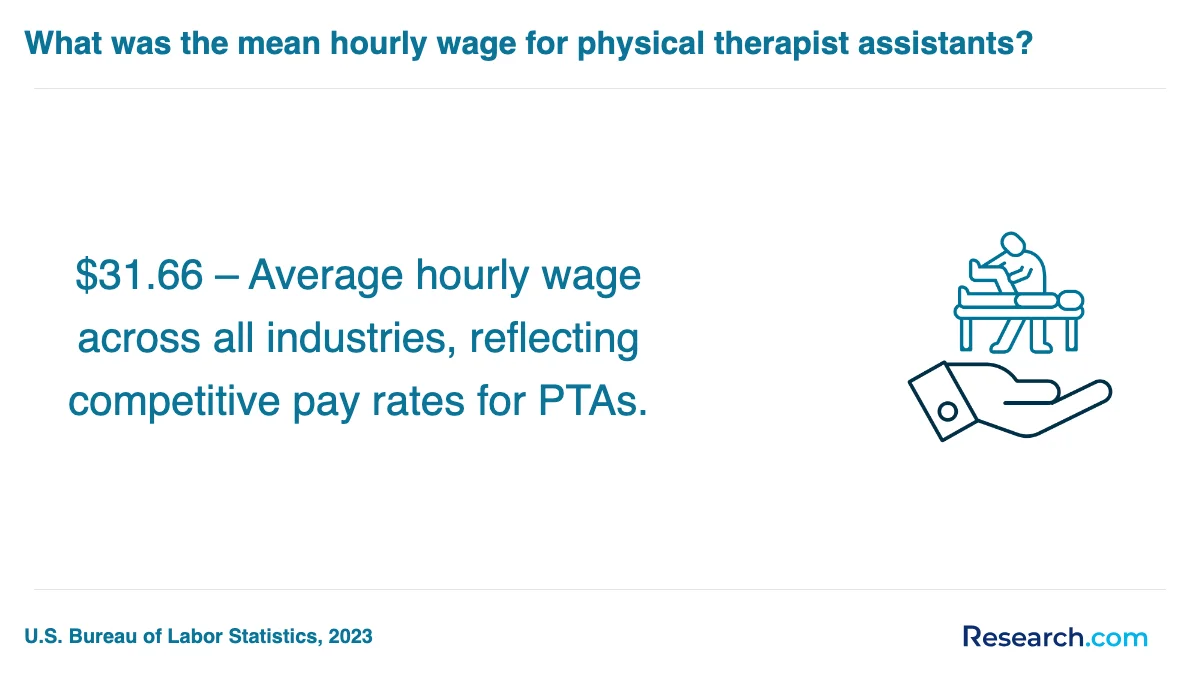
Physical therapist assistant students in Massachusetts commonly rely on federal student aid, which covers much of their tuition and living expenses. Accredited programs at schools like Quincy College and North Shore Community College qualify for federal grants and loans. For example, one graduate shared how the Pell Grant, offering up to $7,395 for the 2025-2026 year, significantly eased their financial burden during the program.
State aid also plays a crucial role. Many students receive the MASSGrant, a need-based award that can provide up to around $1,800 annually. Other options include the Massachusetts Part-Time Grant and the John and Abigail Adams Scholarship, which some students at popular trade schools have used to cover tuition costs fully.
Institutional scholarships and grants offer another helpful resource. Several PTA programs provide merit or need-based awards, and organizations like the American Physical Therapy Association sponsor scholarships such as the Summit Physical Therapy Scholarship, which grants $500 to deserving candidates. Students often find that combining these sources creates a manageable financial path through their training.
Engaging early with financial aid offices at your chosen school can maximize your eligibility and reduce stress, just as many successful graduates have experienced during their studies.
To enroll in a physical therapist assistant (PTA) trade school program in Massachusetts, you'll typically need a high school diploma or GED. Many trade schools also require completion of certain prerequisite courses, such as biology, anatomy, and sometimes algebra, to ensure you have a solid foundation before starting the hands-on training.
Applicants often find that submitting standardized test scores like the TEAS or placement exams is part of the process, helping schools gauge readiness. Some schools popular in Massachusetts suggest or require CPR certification before clinical work begins. Graduates from these programs frequently mention how preparing early for these prerequisites made their transition smoother and boosted their confidence.
Here's a quick look at common prerequisites for Massachusetts PTA trade schools:
- High school diploma or GED
- Completion of science courses like biology or anatomy
- Basic math proficiency
- CPR certification (sometimes required)
- Passing entrance exams or placement tests
One graduate shared that tackling these requirements head-on before enrolling helped them avoid delays and focus fully on the rewarding clinical experiences offered by Massachusetts trade schools. Knowing these prerequisites in advance sets a clear path and makes the program feel achievable rather than overwhelming.

Physical therapist assistant trade school programs in Massachusetts focus on a mix of core science and specialized PTA courses that prepare you for real-world success. Graduates from schools like North Shore Community College and Springfield Technical Community College often mention how foundational classes such as Anatomy and Physiology I and II gave them a clear understanding of the human body, which made hands-on clinical work more intuitive.
Key courses typically include:
- Kinesiology with both lectures and labs, helping students grasp body mechanics through practical movement analysis
- Introduction to Physical Therapy for the PTA, which lays out the basics of the profession and daily tasks
- PTA Procedures Lecture and Lab, where students practice treatment techniques like heat, cold, and massage
- Therapeutic Exercise 1 and 2 Lecture and Lab, focusing on designing and assisting with exercise plans
Therapeutic Massage and Clinical Education Experiences are vital, giving you hands-on training under licensed physical therapists in environments like rehabilitation centers and outpatient clinics. Many graduates appreciate the real-world exposure, saying it boosted their confidence and professional skills before graduation.
These courses are thoughtfully structured to ensure you not only pass the PTA licensure exam but also step into your first job ready to make a difference.
Physical therapist assistant trade school programs in Massachusetts commonly include specializations that prepare students for diverse patient needs. Graduates from well-known institutions like North Shore Community College highlight how focusing on areas such as geriatrics, pediatrics, and orthopedics enabled them to confidently treat both elderly patients facing age-related mobility issues and active children recovering from injuries. Typical specializations cover:
- Geriatrics, addressing mobility and balance disorders common in older adults
- Women's Health, including prenatal and postnatal care
- Pediatrics, targeting developmental delays and physical rehabilitation for children
- Orthopedics, focusing on bones, joints, and musculoskeletal injuries
- Sports Rehabilitation, helping athletes recover and prevent injuries
Other areas like neurology, cardiopulmonary rehab, clinical electrophysiology, oncology, and aquatic therapy help broaden skills to tailor patient care effectively. Graduates often recall how their training in these specialties made real differences in rehab scenarios, such as improving stroke patients' coordination or enhancing cancer patients' strength. For those seeking a structured path into such focused study, exploring medical assisting career certificate programs can provide clear guidance on next steps in healthcare education.
Start by confirming that the PTA program is accredited by the Commission on Accreditation in Physical Therapy Education (CAPTE), as this ensures eligibility for licensure in Massachusetts. Graduates from well-known community colleges and technical schools often share how accreditation gave them confidence in their education and career prospects. When comparing programs, consider flexibility-some schools offer hybrid schedules with online theory and in-person labs, which helped many students balance family and work commitments effectively.
Look closely at curriculum quality and clinical experiences, as these shape your readiness for real-world practice. Graduates from top programs in Massachusetts often praise the hands-on clinical rotations in diverse settings like outpatient clinics and rehabilitation centers. These experiences build skills and confidence, making a significant difference when entering the workforce. To identify the best physical therapist assistant programs in Massachusetts, also review transfer opportunities to four-year universities and available academic support, which were critical for some students planning to continue their education.
Finally, when you explore how to compare PTA schools in Massachusetts, consider program outcomes such as licensure pass rates and employment data. Faculty expertise and engagement in professional development indicate a program's commitment to student success. Understanding these factors alongside real student experiences will help you choose a program that fits your goals and lifestyle. For additional context on the career outlook, check the physical therapist assistant wage by state.
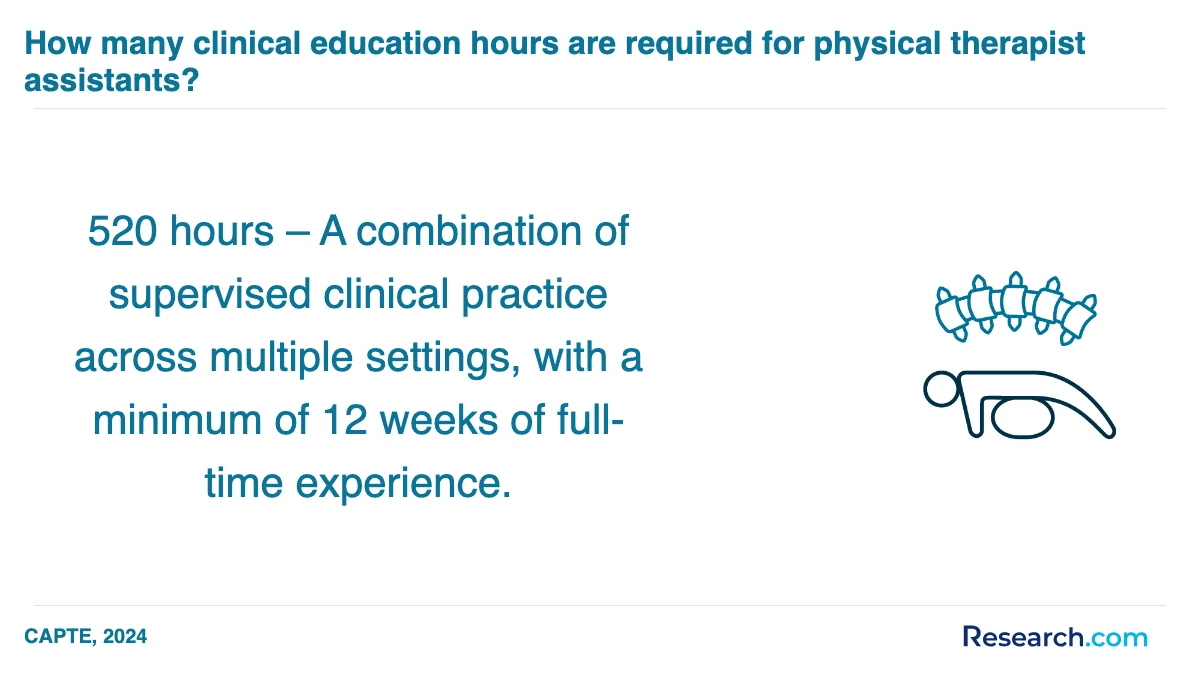
Physical therapist assistant trade school graduates in Massachusetts find diverse career opportunities across settings such as rehabilitation clinics, hospitals, and outpatient facilities. Many graduates start their careers providing hands-on therapy support, guiding patients through exercises under licensed physical therapists' direction. Some choose to specialize in geriatrics, home health, or physical & rehabilitation medicine, often working with seniors or patients needing therapy in their homes. Popular trade schools in Massachusetts produce graduates who appreciate direct patient interaction and takeaway skills that empower rehabilitation progress in real-life contexts.
Career opportunities for PTA graduates in Massachusetts also include roles in sports medicine and occupational therapy settings, preventing injuries and aiding recovery for athletes and workers. Graduates often advance into supervisory or training roles within therapy departments or engage in interdisciplinary research, sharpening their expertise and expanding professional horizons.
For those wondering how do you become a physical therapist, earning an associate degree from a CAPTE-accredited program and passing the National Physical Therapy Exam are essential steps, opening doors to thriving physical therapist assistant jobs in Massachusetts.
Graduates of physical therapist assistant trade schools in Massachusetts find a favorable job market with steady demand and competitive pay. Many secure positions in hospitals, rehabilitation centers, and outpatient clinics in urban hubs like Boston and Worcester, where full-time openings are common. For those wondering about the physical therapist assistant job outlook in Massachusetts, recent projections show a strong 32% job growth by 2022, reflecting an expanding need for rehabilitation services as the population ages.
Graduates from well-known Massachusetts trade schools share positive experiences about quickly finding roles paying hourly wages from $33 to $40, with entry-level salaries near $65,000 annually. As experience grows, so does the earning potential, making this a promising career path. These opportunities often parallel other allied health professions, offering a practical route to meaningful work and financial stability.
For students exploring their options, understanding the wider healthcare environment helps. Massachusetts features a rich list of healthcare professionals careers, where PTAs hold a solid spot that balances strong demand and rewarding compensation.
Most Affordable Physical Therapist Assistant Schools & Training - Budget-Friendly PTA Trade Programs in Massachusetts for 2026
# 1 position
Springfield Technical Community College - Physical Therapy Assistant.
associateSpringfield Technical Community College offers a Physical Therapy Assistant program with a hybrid format, combining in-person and distance education. The program prepares students to assist physical therapists in treatment plans, patient training, and progress documentation. Coursework includes anatomy, physiology, biomechanics, neuroscience, and professional ethics. Annual in-state tuition is $5,520. Graduates have a median earning of $38,844 one year after completion. The program is accredited by the New England Commission on Higher Education.
# 2 position
North Shore Community College - Physical Therapy Assistant.
associateThe Physical Therapy Assistant program at North Shore Community College offers a hybrid format with some distance-education options. It prepares students to assist physical therapists by implementing treatment plans, training patients, and documenting progress. The curriculum covers applied anatomy, physiology, biomechanics, neuroscience, and professional ethics. Annual in-state tuition is $5,352. Graduates earn a median of $44,926 one year after completion. The program is accredited by the New England Commission on Higher Education.
# 3 position
Mount Wachusett Community College - Physical Therapy Assistant.
associateThe Physical Therapy Assistant program at Mount Wachusett Community College offers a hybrid format with some distance education options. It prepares students to implement treatment plans, conduct interventions, and monitor patient progress under a physical therapist's supervision. Coursework includes anatomy, physiology, biomechanics, neuroscience, and professional ethics. The program is accredited by the New England Commission on Higher Education. Annual in-state tuition is $6,000, and median earnings one year after completion are $44,710.
# 4 position
Berkshire Community College - Physical Therapy Assistant.
associateBerkshire Community College offers a Physical Therapy Assistant program delivered in a hybrid format, combining in-person and distance education. The program trains students to assist physical therapists by implementing treatment plans, conducting interventions, and monitoring patient progress. Coursework covers anatomy, physiology, biomechanics, clinical documentation, and professional ethics. The annual in-state tuition is $5,612. The program is accredited by the New England Commission on Higher Education.
# 5 position
Quincy College - Physical Therapy Assistant.
associateQuincy College offers a Physical Therapy Assistant program with a hybrid format, combining in-person and distance learning. The program prepares students to assist physical therapists by implementing treatment plans, training patients, and documenting progress. Instruction covers anatomy, physiology, behavioral sciences, biomechanics, kinesiology, neuroscience, and professional ethics. Annual in-state tuition is $7,536. The program is accredited by the New England Commission on Higher Education.
Frequently Asked Questions about physical therapist assistant
After completing a physical therapist assistant (PTA) program in Massachusetts, preparing for the job market involves several key steps. Graduates must first pass the National Physical Therapy Exam (NPTE) for PTAs, which is required for state licensure. According to the Massachusetts Board of Allied Health Professionals, licensure is mandatory to practice legally in the state.
Building a strong resume and gaining hands-on experience through clinical internships can improve employment prospects. Networking with local healthcare providers and joining professional organizations like the American Physical Therapy Association can also open doors.
Massachusetts offers a growing job market for PTAs, with the U.S. Bureau of Labor Statistics projecting a 14% employment increase by 2031. Staying informed about job openings via state employment websites can help graduates find suitable positions quickly.
Employers in Massachusetts seek physical therapist assistant (PTA) graduates who demonstrate strong clinical and interpersonal skills. According to the Massachusetts Department of Labor, key competencies include patient care techniques, such as assisting with therapeutic exercises and mobility training. Graduates must also be proficient in documentation and communication, as clear reporting to physical therapists and patients is essential.
Critical thinking and problem-solving abilities are highly valued, enabling PTAs to adapt treatment plans under supervision. Additionally, knowledge of safety protocols and infection control is crucial, especially in healthcare settings. The Bureau of Labor Statistics highlights that Massachusetts PTAs with certifications and hands-on experience tend to have better employment outcomes.
Finding internships relevant to physical therapist assistant (PTA) programs in Massachusetts involves several strategic steps. Many accredited trade schools require clinical internships as part of their curriculum, which offers hands-on experience in healthcare settings.
Start by consulting your trade school's career services or internship coordinator, as they often have partnerships with local hospitals, rehabilitation centers, and outpatient clinics. The Massachusetts Department of Higher Education also provides resources on clinical placements for healthcare students.
Networking through professional organizations like the Massachusetts Physical Therapy Association can open doors to internship opportunities. Additionally, verifying potential sites meet the Commission on Accreditation in Physical Therapy Education (CAPTE) standards is important for ensuring quality clinical training.
According to the Bureau of Labor Statistics, Massachusetts has a higher-than-average demand for PTAs, which may increase available internships. Checking hospital systems such as Mass General Brigham or Boston Medical Center's websites regularly can reveal internship listings.
Obtaining a physical therapist assistant (PTA) diploma from a Massachusetts trade school significantly enhances career mobility within the state's healthcare sector. Graduates become eligible to sit for the National Physical Therapy Exam (NPTE) for PTAs, a mandatory step to obtain state licensure through the Massachusetts Board of Allied Health Professionals. Licensed PTAs often find greater job opportunities in hospitals, outpatient clinics, and rehabilitation centers, where demand is projected to grow by 25% through 2030, according to the U.S. Bureau of Labor Statistics.
Trade school diplomas also provide foundational clinical skills and hands-on experience, which employers prioritize when considering promotions or advanced responsibilities. Additionally, Massachusetts offers pathways for PTA graduates to pursue further education, such as bachelor's degrees in physical therapy or healthcare management, improving long-term career advancement prospects. The combination of licensure eligibility, practical training, and state employment growth makes a PTA diploma a valuable credential for upward mobility in Massachusetts's healthcare industry.
Students enrolled in physical therapist assistant trade schools in Massachusetts can benefit from various part-time jobs that complement their education. Common roles include physical therapy aides, rehabilitation aides, and patient care assistants. These positions provide hands-on experience in clinical settings, helping students develop essential skills.
According to the Massachusetts Department of Labor, physical therapy aide jobs in the state typically offer flexible hours suitable for students. Such employment often involves assisting with patient preparation and equipment management, aligning well with academic training.
Additionally, roles in fitness centers or community health programs can reinforce knowledge of anatomy and patient interaction. These opportunities help build practical experience, enhancing employability after graduation.
To find the most affordable Physical Therapist Assistant degree program near Massachusetts, start by researching local community colleges and universities that offer accredited programs. Using resources like Research.com, you can search for program costs, compare tuition rates, and discover program options near me to identify budget-friendly educational institutions. Additionally, consider contacting admission offices for detailed financial information and asking about any available scholarships or financial aid programs.
- Most Affordable Physical Therapist Assistant Schools & Training - Budget-Friendly PTA Trade Programs in Rhode Island for 2026
- Most Affordable Physical Therapist Assistant Schools & Training - Budget-Friendly PTA Trade Programs in New York for 2026
- Most Affordable Physical Therapist Assistant Schools & Training - Budget-Friendly PTA Trade Programs in New Jersey for 2026
- Most Affordable Physical Therapist Assistant Schools & Training - Budget-Friendly PTA Trade Programs in Maryland for 2026
- Most Affordable Physical Therapist Assistant Schools & Training - Budget-Friendly PTA Trade Programs in Virginia for 2026
- Most Affordable Physical Therapist Assistant Schools & Training - Budget-Friendly PTA Trade Programs in North Carolina for 2026
- Most Affordable Physical Therapist Assistant Schools & Training - Budget-Friendly PTA Trade Programs in South Carolina for 2026
- Most Affordable Physical Therapist Assistant Schools & Training - Budget-Friendly PTA Trade Programs in Indiana for 2026
- Most Affordable Physical Therapist Assistant Schools & Training - Budget-Friendly PTA Trade Programs in Georgia for 2026
- Most Affordable Physical Therapist Assistant Schools & Training - Budget-Friendly PTA Trade Programs in Illinois for 2026
- Becoming a Physical Therapist Assistant | APTA https://www.apta.org/your-career/careers-in-physical-therapy/becoming-a-pta
- Physical Therapist Assistant (PTA), AAS - LaGuardia Community College https://www.laguardia.edu/majors/physical-therapist-assistant/
- Physical Therapist Assistant | Quincy College https://quincycollege.edu/program/physical-therapist-assistant/
- Physical Therapy Assistant Schools & Colleges https://www.trade-schools.net/health-care/physical-therapist-assistant
- Physical Therapist Assistant Associate Degree Program https://pmi.edu/on-campus-programs/associate/physical-therapist-assistant/
- Physical Therapist Assistant Program https://www.collegeofthedesert.edu/students/acad-prog/health-sciences/physical-therapy-asst/default.php
- Physical Therapist Assistant - Health Programs - Montgomery County Community College https://www.mc3.edu/degrees-and-programs/programs/health/physical-therapist-assistant
- Physical Therapist Assistant Program | College of Southern Nevada https://www.csn.edu/schools/school-of-health-sciences/department-of-dentalsciences-diagnosticevaluation-rehabilitationservices/physical-therapist-assistant-program
- Physical Therapist Assistant | Sacramento City College https://scc.losrios.edu/academics/programs-and-majors/physical-therapist-assistant
- Physical Therapist Assistant Associate in Science | NSCC https://www.northshore.edu/academics/programs/pta/index.html