Most Affordable Physical Therapist Assistant Schools & Training - Budget-Friendly PTA Trade Programs in Virginia for 2026

Co-Founder and Chief Data Scientist
Choosing the right physical therapist assistant trade school in Virginia can feel overwhelming. This article introduces a carefully crafted ranking by the Research.com team of data scientists, designed to help you navigate your options with confidence.
With a diploma or certification in this growing field, you open doors to rewarding career opportunities that make a real difference in people’s lives. By reading on, you’ll discover affordable programs that fit your goals and budget, empowering you to take the next step toward a fulfilling future.
Key benefits of finishing physical therapist assistant trade school in Virginia
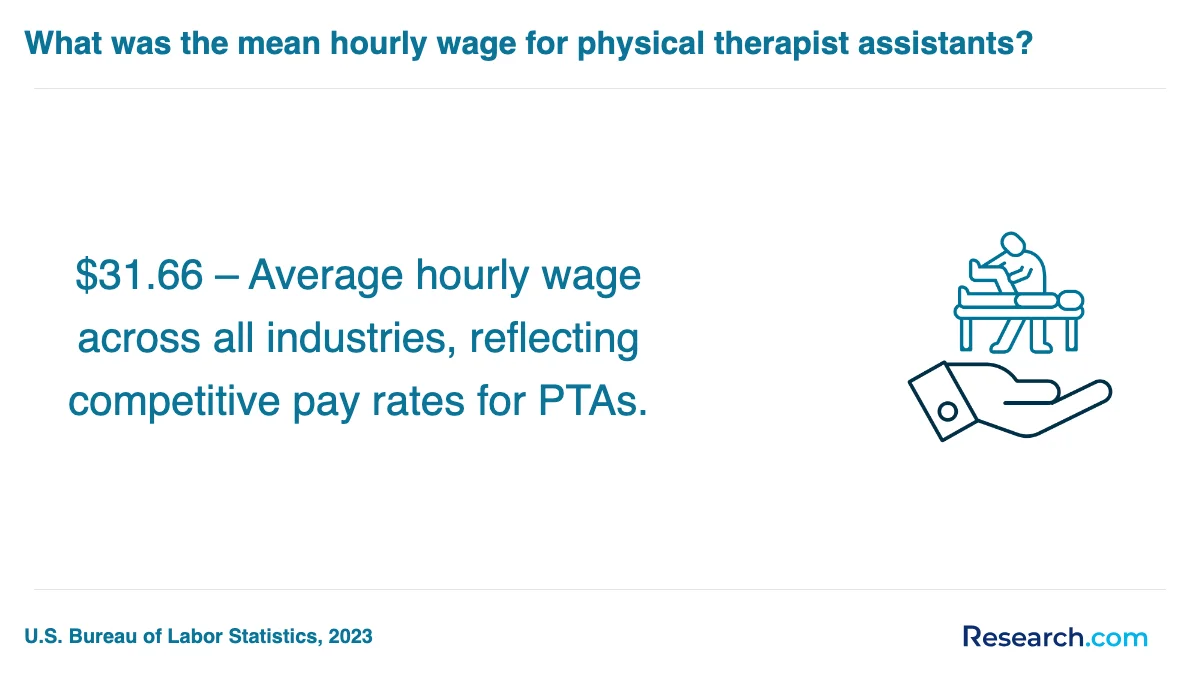
- Graduates of physical therapist assistant trade schools in Virginia can expect competitive salaries, with average annual earnings around $65,590 and hourly wages near $31.67, offering strong financial stability early in their careers.
- Career paths for graduates are diverse, including working in hospitals, outpatient clinics, or rehabilitation centers, as demonstrated by successful alumni from well-known Virginia trade schools who quickly find rewarding positions.
- Completing a physical therapist assistant program online offers flexibility and convenience, allowing students to balance work or family while gaining the skills needed to enter the workforce quickly, as shared by graduates of popular online programs in Virginia.
- Most Affordable Physical Therapist Assistant Schools & Training - Budget-Friendly PTA Trade Programs in Virginia for 2026
- What can I expect from physical therapist assistant trade schools in Virginia?
- Where can I work after finishing physical therapist assistant trade schools in Virginia?
What can I expect from physical therapist assistant trade schools in Virginia?
When you enroll in a physical therapist assistant trade school program in Virginia, expect a well-rounded, hands-on education designed to prepare you for immediate work in healthcare. Graduates from popular programs often share how the blend of classroom lessons in anatomy and kinesiology with real-world clinical rotations made the material come alive. For example, students at well-known Virginia trade schools typically complete supervised clinical hours, applying therapeutic techniques directly with patients under expert guidance-this practical experience builds confidence and skill.
You'll also experience a structured curriculum emphasizing patient safety, professional communication, and evidence-based care. Many students recall the challenge and reward of balancing rigorous coursework with extensive lab sessions, where they practiced using therapeutic equipment. Admission can be competitive, often requiring prerequisite courses and a minimum GPA, so preparation is key.
By the end, you'll be ready to take the National Physical Therapy Exam for PTAs, knowing you've gained both the knowledge and real-world experience essential for success in Virginia's healthcare settings.
Where can I work after finishing physical therapist assistant trade schools in Virginia?
After finishing a physical therapist assistant trade school program in Virginia, you'll find a variety of rewarding job opportunities waiting for you. Graduates from popular trade schools often share how they landed roles in hospitals, outpatient clinics, rehabilitation centers, and nursing homes throughout cities like Richmond and Alexandria. One graduate described feeling excited when starting at a busy outpatient clinic, where they helped patients regain mobility after surgery under the guidance of experienced therapists.
Many PTAs also choose to work in home health agencies or private physical therapy practices, enjoying close patient relationships and flexible schedules. Some even take on travel positions, moving between healthcare facilities across the state or country, which offers adventure alongside career growth. You might find yourself supporting licensed therapists by implementing treatment plans and documenting patient progress in dynamic environments.
Others find fulfilling roles in sports medicine clinics, schools, or wellness centers, especially in urban areas where demand is growing. Working as a PTA in Virginia opens doors to meaningful careers that blend hands-on care with teamwork, making every day feel impactful and rewarding.
After finishing a physical therapist assistant trade school program in Virginia, you can expect a solid starting salary that grows quickly with experience. Many recent graduates from popular Virginia trade schools share how they started earning around $23,800 annually but saw their pay jump to about $54,500 with just a few years on the job. This kind of progression feels rewarding when you realize your skills directly impact patients' recovery and quality of life.
On average, licensed PTAs in Virginia make about $67,136 a year, with some reaching up to $76,400 after five years. Imagine working in areas like Blacksburg or Lynchburg, where salaries tend to be higher-graduates often report earning over $64,000 annually there. Hourly wages typically range from $26.68 to $35.29, with an average around $31 to $34, depending on the employer and region.
Graduates often mention how this steady income, combined with opportunities to specialize or move into supervisory roles, makes their career choice both financially and personally fulfilling.
- Admission to Virginia PTA programs usually requires a high school diploma, specific science prerequisites with at least a 'C' grade, and a minimum GPA of 2.75 in prerequisite courses for some schools.
- Applicants often need to complete about 20 observation hours in a physical therapy setting and submit standardized test scores such as the ATI TEAS, with preference for a "proficient" score.
- Programs must be accredited by the Commission on Accreditation in Physical Therapy Education (CAPTE) to ensure eligibility for licensure exams.
- Most PTA programs in Virginia take about two years or five semesters and lead to an Associate of Applied Science (AAS) degree combining classroom and clinical education.
- The average starting salary for PTAs in Virginia ranges from $50,000 to $60,000 annually, with a projected 32% job growth over the next decade.
Completing a physical therapist assistant program at a trade school in Virginia typically takes about two years. Many graduates from well-known Virginia trade schools share how this timeline felt just right-long enough to deeply understand the hands-on skills, yet short enough to jump quickly into a rewarding career. For example, students often describe balancing classroom learning with clinical practice as an energizing challenge that kept them engaged throughout the program.
One common experience among graduates is how the structured schedule helped them stay motivated. The programs emphasize real-world training, so by the time they finish, students feel confident working alongside licensed physical therapists in various healthcare settings. This practical approach makes the two-year commitment feel meaningful and purposeful, especially for those eager to start helping patients regain mobility and improve quality of life.
Choosing a trade school in Virginia means benefiting from programs designed to fit local healthcare demands, which can enhance job prospects immediately after graduation. Many students recall feeling a genuine sense of accomplishment as they completed their clinical hours and prepared for licensure within this manageable timeframe.
The main difference between online and on-campus physical therapist assistant (PTA) programs in Virginia is how coursework and hands-on training are delivered. Graduates from on-campus programs like Wytheville Community College often describe the energy of attending face-to-face lectures and practicing skills in fully equipped labs. They value the immediate feedback from instructors and the chance to build connections with classmates during clinical rotations at local hospitals.
In contrast, those who chose hybrid online programs, such as South University in Richmond, appreciate the flexibility of completing lectures and assignments remotely. This option helps students balance work and family, but they still spend significant time-often hundreds of hours-in person for labs and clinical education. Many recall feeling motivated by real-world patient interactions during their clinical hours, which can't be replicated online.
Both paths demand commitment to in-person clinical experience, a vital step to meet Virginia's licensure requirements and CAPTE accreditation standards. Students often feel proud and confident knowing their training includes hands-on practice essential for success in the field.
The average tuition for physical therapist assistant programs in Virginia varies depending on residency and the chosen trade school, but you can expect to invest between $10,700 and $27,700 for the full program. For example, graduates from Virginia Western Community College report paying around $12,800 for the 69-credit program if they are in-state students, while out-of-state students often face tuition closer to $27,700. This difference highlights how important residency status is when calculating the cost of physical therapist assistant training in Virginia.
Meanwhile, at Wytheville Community College, students experience a more affordable option, with tuition around $10,700 for their 68-credit PTA program. Graduates often mention that, on top of tuition, budgeting for essentials like books, uniforms, and medical supplies-estimated at about $2,500 over two years-is crucial. These costs are typical across programs and reflect the real investment needed beyond classroom hours.
Many graduates emphasize the peace of mind that comes from exploring financial aid opportunities offered by these trade schools, including scholarships and grants, which make the dream of becoming a physical therapist assistant more accessible. To ensure you're making the best decision for your future in Virginia, consider reaching out to schools' financial aid offices early.
For students exploring their options and career paths within healthcare, understanding the cost structure is essential for planning. Learning about average tuition for physical therapist assistant programs in Virginia and comparing them can help you choose wisely. Whether you're aiming to work in a hospital or outpatient facility, investing in a PTA program is a step toward a rewarding career with stable demand. If you're curious about future prospects, consider checking out careers in healthcare to get a broad view of where this education can take you.

Students pursuing physical therapist assistant programs in Virginia often find financial aid crucial in managing tuition costs. Graduates from schools like Laurel Ridge Community College recall how applying for federal aid through FAFSA unlocked access to Pell Grants and Federal Supplemental Educational Opportunity Grants, which helped reduce their debt significantly. These grants, especially Pell Grants, do not require repayment and are awarded based on financial need, making them a lifeline for many.
State aid also plays a major role. Many students attending Virginia Western Community College have benefited from the Virginia Guaranteed Assistance Program (VGAP) and the Commonwealth Award, both offering need-based grants specifically for in-state residents. These programs ease the financial strain and allow students to focus more on their studies rather than worry about bills.
Additionally, institutional scholarships and tuition payment plans at community colleges provide flexibility. Private scholarships, such as the Summit Physical Therapy Scholarship, give motivated students extra support, rewarding academic achievement and dedication to the field. Reaching out to each school's financial aid office proved invaluable for graduates to discover these opportunities and plan accordingly.
When preparing to enroll in a physical therapist assistant trade school program in Virginia, you'll find that most schools expect a few key prerequisites to ensure you're ready for the challenge. These typically include a high school diploma or GED-this foundation is crucial since the coursework demands solid reading and math skills.
Many graduates recall how having completed courses in biology, anatomy, or health sciences before applying really made a difference. It's common for Virginia trade schools, like those popular in Richmond or Norfolk, to require or strongly recommend these prerequisites because they prepare you for the technical nature of physical therapy studies.
Additionally, applicants might need to submit:
- Proof of immunizations and a recent physical exam, ensuring your health status meets clinical site requirements
- Background checks and CPR certification, which are essential for clinical placements
- Letters of recommendation or personal statements that highlight your commitment and interpersonal skills
Graduates often share how meeting these prerequisites gave them confidence entering hands-on training, knowing they were equipped both academically and personally. If you picture yourself thriving in busy Virginia trade schools where teamwork and patient care come first, these prerequisites help set that foundation right from the start.

Physical therapist assistant trade school programs in Virginia cover a mix of essential courses designed to equip you with both knowledge and hands-on skills. Graduates often highlight how courses in anatomy and physiology helped them understand the human body deeply, which made working with patients feel more intuitive when they started clinical rotations.
Core subjects usually include:
- Kinesiology - learning how body movement works, which is crucial for designing effective therapy plans.
- Pathophysiology - understanding medical conditions that affect patients, preparing you for real-world challenges.
- Therapeutic modalities - hands-on labs using heat, cold, ultrasound, and electrical stimulation to aid recovery.
- Therapeutic exercise - designing rehab exercises and practicing safe implementation.
- Patient care skills - mastering transfers, gait training, and body mechanics to assist patients confidently.
Many students from popular Virginia trade schools mention how clinical education, with hundreds of hours at hospitals or outpatient centers, really solidifies their learning. For example, South University Richmond's PTA program offers 660 hours of clinical experience, where students apply classroom lessons directly to patient care. This hands-on approach builds confidence and makes the transition to professional work smoother.
Additional courses in communication, ethics, and legal responsibilities ensure you're prepared not just technically, but also as a trusted healthcare team member. These well-rounded programs make studying PTA in Virginia both rewarding and practical.
Physical therapist assistant program specializations in Virginia usually come through varied clinical experiences rather than formal academic tracks. Students at well-known trade schools like South University Virginia Beach and Germanna Community College often find themselves rotating through diverse settings such as hospitals, outpatient clinics, nursing homes, and rehab centers. These real-world placements let graduates explore working with different patient populations-whether it's pediatrics, geriatrics, orthopedics, or neurology-providing hands-on exposure that shapes their career interests.
Virginia physical therapist assistant clinical training options frequently include:
- Three clinical education experiences totaling hundreds of hours, as seen in South University's program
- Opportunities to work with all age groups from infants to the elderly, emphasized at Laurel Ridge and Germanna Community Colleges
- Exposure to various therapy techniques aligned with current rehabilitation practices
Graduates often highlight how these placements build confidence and passion for specific areas of physical therapy. While formal specializations are uncommon at the associate level, elective clinical rotations and coursework enable students to focus on preferred patient populations or therapy modalities. Many pursue advanced certifications later, but starting with a solid foundation such as the associate of applied science in physical therapist assistant ensures readiness for diverse clinical settings and fulfilling career paths.
Choosing the best physical therapist assistant trade school program in Virginia starts with verifying accreditation, such as CAPTE approval, which ensures your education meets licensure standards. Graduates from Northern Virginia Community College often speak highly of the confidence their accredited curriculum gave them during clinical rotations. To find the best physical therapist assistant programs in Virginia, look for schools offering strong hands-on training, like Tidewater Community College, where multiple clinical rotations prepare students for real-world patient care.
Affordability matters too-affordable PTA schools in Virginia like Germanna Community College provide quality education with reasonable tuition, making it easier to manage costs without sacrificing learning quality. When deciding, consider program length and structure; many options, such as at Riverside College of Health Sciences, blend classroom learning with clinical experience over two years, helping students balance study and practice effectively.
Also, understand the difference physical therapist and chiropractor roles play to clarify your career path better. Checking program outcomes, including graduation rates and employment success, helps highlight schools like Riverside College boasting a 100% employment rate. Location and facilities impact daily life; schools like Wytheville Community College offer diverse clinical sites across Virginia, enriching your hands-on experience.
Graduates of physical therapist assistant trade school programs in Virginia step into a variety of rewarding career paths, primarily within diverse healthcare settings for physical therapist assistants in Virginia. Many find fulfilling roles in hospitals, outpatient clinics, home health agencies, rehabilitation centers, and private practices, where they engage directly with patients helping them regain mobility and manage pain. For instance, recent graduates from popular trade schools in Virginia share that starting in busy outpatient clinics gave them hands-on experience and the confidence to thrive in their roles.
Others pursue specialized career options, such as working with veterans in the Department of Veterans Affairs system, where they assist with complex rehab cases. An emerging path is travel PTA positions, which offer graduates exciting opportunities to explore different Virginia communities or states while earning competitive pay and enjoying flexible schedules.
For those curious about expanding their expertise or leadership opportunities, many find value in advanced certifications. If you're wondering what is the easiest medical degree to complement your PTA career, further education can open doors in orthopedics, neurology, and geriatrics.
Job postings reflect steady demand, with over 350 physical therapist assistant jobs in Virginia available, making this career choice a secure and inspiring path for motivated trade school graduates.
The physical therapist assistant job outlook in Virginia is exceptionally promising, with a projected growth rate of 26% over the next decade. Graduates from well-known trade schools in the state often share how quickly they found roles in hospitals, outpatient clinics, and rehabilitation centers, illustrating a thriving market. Many graduates describe their first job offers coming within weeks of completing their programs, highlighting the strong demand statewide.
Today, over 300 open PTA positions exist across Virginia, with more than 120 available in Virginia Beach alone. This abundance of opportunities means new graduates don't just compete for jobs-they get to choose settings that fit their career goals and lifestyle preferences.
The physical therapist assistant salary in Virginia is competitive as well. Average weekly earnings of $1,488 translate to about $77,000 annually for full-time work, with hourly rates between $30 and $43 depending on experience. Travel PTA roles are an additional option for those seeking flexible schedules and higher pay. Many students appreciate how their education from respected trade schools positions them well in this rewarding, secure field.
For those exploring healthcare careers, researching medical assisting trade schools can provide useful insights and alternatives as you plan your future.
Most Affordable Physical Therapist Assistant Schools & Training - Budget-Friendly PTA Trade Programs in Virginia for 2026
# 1 position
Wytheville Community College - Physical Therapy Assistant.
associateWytheville Community College offers a Hybrid Physical Therapy Assistant program that prepares students to assist physical therapists in implementing treatment plans, training patients, and documenting progress. The curriculum covers anatomy, physiology, biomechanics, neuroscience, and professional ethics. The program’s annual in-state tuition is $4,863, and graduates earn a median of $38,446 one year after completion. It is accredited by the Southern Association of Colleges and Schools Commission on Colleges.
# 2 position
Northern Virginia Community College - Physical Therapy Assistant.
associateNorthern Virginia Community College offers a Physical Therapy Assistant program in a hybrid format, combining distance education with in-person learning. The program prepares students to assist physical therapists in treatment care plans, patient training, and clinical documentation. Coursework includes anatomy, physiology, biomechanics, neuroscience, and professional ethics. Annual in-state tuition is $5,703. Median earnings one year after completion are approximately $34,881. The program is accredited by the Southern Association of Colleges and Schools Commission on Colleges.
# 3 position
Tidewater Community College - Physical Therapy Assistant.
associateThe Physical Therapy Assistant program at Tidewater Community College offers a hybrid learning format that prepares students to assist physical therapists in treatment care, patient training, and clinical documentation. The curriculum covers applied anatomy, physiology, biomechanics, neuroscience, and professional ethics. Annual in-state tuition is $5,714. Graduates have a median earning of $29,799 one year after completion. The program is accredited by the Southern Association of Colleges and Schools Commission on Colleges.
# 4 position
Riverside College of Health Careers - Physical Therapy Assistant.
associateThe Physical Therapy Assistant program at Riverside College of Health Careers offers a hybrid format with some distance-education options. It prepares students to assist physical therapists by implementing treatment plans, training patients, and conducting interventions. The curriculum covers anatomy, physiology, biomechanics, clinical documentation, and professional ethics. Annual in-state tuition is $14,875. The program is accredited by the Accrediting Bureau of Health Education Schools. Median earnings one year after completion are $47,742.
# 5 position
Germanna Community College - Physical Therapy Assistant.
associateGermanna Community College offers a Physical Therapy Assistant program with a hybrid format that includes some distance education. The program prepares students to assist physical therapists by implementing treatment plans, training patients, and conducting interventions. Coursework covers applied anatomy, physiology, biomechanics, clinical documentation, neuroscience, and professional ethics. Annual in-state tuition is $5,066. The program is accredited by the Southern Association of Colleges and Schools Commission on Colleges.
# 6 position
Patrick & Henry Community College - Physical Therapy Assistant.
associatePatrick & Henry Community College offers a Physical Therapy Assistant program in a hybrid format, combining in-person and distance education. The program trains students to assist physical therapists by implementing treatment plans, training patients, and documenting progress. Instruction covers areas like anatomy, physiology, biomechanics, and professional ethics. Annual in-state tuition is $4,858. The program is accredited by the Southern Association of Colleges and Schools Commission on Colleges.
# 7 position
Virginia Western Community College - Physical Therapy Assistant.
associateThe Physical Therapy Assistant program at Virginia Western Community College offers a hybrid format with some distance education options. It prepares students to assist physical therapists by implementing treatment plans, training patients, and conducting interventions. The curriculum includes applied anatomy, physiology, biomechanics, and professional ethics. The program is accredited by the Southern Association of Colleges and Schools Commission on Colleges. Annual in-state tuition is $5,256.
# 8 position
Virginia Western Community College - Physical Therapy Assistant.
certificate or diplomaThe Physical Therapy Assistant program at Virginia Western Community College is a hybrid program offering some distance-education options. It prepares students to assist physical therapists by implementing treatment care plans, training patients, and conducting interventions. The curriculum covers anatomy, physiology, biomechanics, clinical documentation, and professional ethics. The annual in-state tuition is $5,256. The program is accredited by the Southern Association of Colleges and Schools Commission on Colleges.
# 9 position
Radford University - Physical Therapy Assistant.
associateRadford University offers a Physical Therapy Assistant program with a hybrid format, allowing some distance education. The program trains students to assist physical therapists by implementing treatment plans, conducting interventions, and monitoring patient progress. Coursework includes anatomy, physiology, neuroscience, and professional ethics. The annual in-state tuition is $12,286. Graduates have median earnings of $48,584 one year after completion. The program is accredited by the Southern Association of Colleges and Schools Commission on Colleges.
# 10 position
ECPI University - Physical Therapy Assistant.
associateECPI University offers a Physical Therapy Assistant program with a hybrid format, including some distance education. The program trains students to implement treatment care plans, conduct interventions, and use equipment under a physical therapist's supervision. Instruction covers anatomy, physiology, biomechanics, neuroscience, and professional ethics. Annual in-state tuition is $18,484. Graduates earn a median of $32,640 one year after completion. The program is accredited by the Southern Association of Colleges and Schools Commission on Colleges.
Frequently Asked Questions about physical therapist assistant
After completing a physical therapist assistant (PTA) trade school in Virginia, preparing for the job market involves several key steps. First, graduates must pass the National Physical Therapy Exam (NPTE) for PTAs, which is required for state licensure. According to the Virginia Board of Physical Therapy, licensure ensures legal eligibility to work in the state.
Networking is also crucial. Joining local professional organizations, such as the Virginia Physical Therapy Association, can provide valuable contacts and job leads. Additionally, many trade schools offer career services that help with resume writing and interview preparation.
Virginia's healthcare sector is growing, with the Bureau of Labor Statistics projecting a 25% increase in PTA jobs in the state through 2030. This growth highlights strong employment prospects for new graduates, especially in outpatient care centers, nursing homes, and hospitals.
Employers in Virginia seek physical therapist assistant (PTA) graduates who possess a blend of technical and interpersonal skills. Technical proficiency in therapeutic exercises, patient mobility techniques, and familiarity with rehabilitation equipment is essential. According to the Virginia Department of Labor, strong clinical competence directly impacts patient outcomes, making hands-on skills a top priority.
Communication skills are equally important, as PTAs must effectively explain treatment plans and motivate patients. Employers also value teamwork and adaptability, given the dynamic healthcare environments in Virginia's clinics and hospitals.
Additionally, knowledge of state-specific regulations and documentation practices is crucial for compliance and quality care. Mastery of these skills can significantly enhance job prospects for graduates in the competitive Virginia healthcare market.
Finding internships in Virginia for physical therapist assistant (PTA) trade school students involves a combination of research, networking, and utilizing school resources. Many PTA programs in Virginia partner with local clinics, hospitals, and rehabilitation centers to provide hands-on internship opportunities required for program completion.
Students should begin by contacting their school's clinical education coordinator, who often has established relationships with healthcare facilities across Virginia. Additionally, the Virginia Board of Physical Therapy recognizes approved clinical sites, which can be found through the Federation of State Boards of Physical Therapy (FSBPT) or the Virginia Physical Therapy Association.
According to the Bureau of Labor Statistics, Virginia's healthcare sector continues to grow, increasing internship availability in diverse settings such as outpatient clinics and nursing homes. Proactive outreach to facilities in urban areas like Richmond and Fairfax can improve chances of securing a placement.
Obtaining a physical therapist assistant (PTA) diploma from a trade school in Virginia can significantly enhance career mobility and advancement opportunities. The Virginia Board of Physical Therapy requires PTA graduates to pass the National Physical Therapy Exam (NPTE) for licensure, which is essential for legal employment in the state. Trade school programs offer focused, hands-on training that prepares students to meet these requirements efficiently.
According to the U.S. Bureau of Labor Statistics, Virginia's employment of PTAs is projected to grow by 14% from 2022 to 2032, faster than the national average. This growth supports expanding job opportunities and potential salary increases for credentialed PTAs.
Graduates with a PTA diploma from accredited trade schools can also pursue advanced certifications or bridge programs to become physical therapists, further improving career advancement. Additionally, employers often prefer candidates with formal education and licensure, which enhances job security and upward mobility within healthcare facilities.
Students enrolled in physical therapist assistant trade schools in Virginia can benefit from part-time jobs that provide relevant experience. Common opportunities include working as rehabilitation aides or therapy aides in hospitals, outpatient clinics, and nursing homes. These roles help develop patient care skills and familiarity with therapy equipment.
Additionally, positions such as personal trainers or fitness assistants at local gyms allow students to apply knowledge of human anatomy and exercise techniques. According to the U.S. Bureau of Labor Statistics, Virginia employs over 3,000 physical therapist assistants, indicating steady demand for support roles.
Gaining hands-on experience through part-time jobs not only strengthens resumes but also enhances practical skills necessary for licensure and certification exams.
To choose the most affordable Physical Therapist Assistant degree program near me in Virginia, start by identifying the accredited programs offered by community colleges and universities near Virginia that have competitive tuition rates. It's important to compare the cost of attendance, including tuition and fees, and consider any available financial aid or scholarship opportunities. Research.com can be a helpful resource to access data on program rankings and reviews, assisting you in making an informed decision based on program quality and affordability.
- Most Affordable Physical Therapist Assistant Schools & Training - Budget-Friendly PTA Trade Programs in Maryland for 2026
- Most Affordable Physical Therapist Assistant Schools & Training - Budget-Friendly PTA Trade Programs in North Carolina for 2026
- Most Affordable Physical Therapist Assistant Schools & Training - Budget-Friendly PTA Trade Programs in South Carolina for 2026
- Most Affordable Physical Therapist Assistant Schools & Training - Budget-Friendly PTA Trade Programs in New Jersey for 2026
- Most Affordable Physical Therapist Assistant Schools & Training - Budget-Friendly PTA Trade Programs in Georgia for 2026
- Most Affordable Physical Therapist Assistant Schools & Training - Budget-Friendly PTA Trade Programs in Indiana for 2026
- Most Affordable Physical Therapist Assistant Schools & Training - Budget-Friendly PTA Trade Programs in New York for 2026
- Most Affordable Physical Therapist Assistant Schools & Training - Budget-Friendly PTA Trade Programs in Florida for 2026
- Most Affordable Physical Therapist Assistant Schools & Training - Budget-Friendly PTA Trade Programs in Alabama for 2026
- Most Affordable Physical Therapist Assistant Schools & Training - Budget-Friendly PTA Trade Programs in Rhode Island for 2026
- Physical Therapist Assistant | Northern Virginia Community College https://www.nvcc.edu/academics/programs/physical-therapist-assistant.html
- Becoming a Physical Therapist Assistant | APTA https://www.apta.org/your-career/careers-in-physical-therapy/becoming-a-pta
- Physical Therapist Assistant – Healthcare – Virginia Western Community College https://www.virginiawestern.edu/academics/health-professions/physical-therapist-assistant/
- PTA School | ECPI University https://www.ecpi.edu/programs/Physical-Therapist-Assistant-Programs
- Physical Therapist Assistant Programs: Start Your Career | CBD College https://www.cbd.edu/programs/physical-therapist-assistant/
- Physical Therapist Assistant Program | Tidewater Community College https://www.tcc.edu/programs/physical-therapy/
- Physical Therapist Assistant | Wytheville Community College https://wcc.vccs.edu/program/physical-therapist-assistant
- Physical Therapy Assistant Schools in Virginia | Physical Therapist Assistant Jobs in VA https://www.physicaltherapistassistantedu.org/virginia/
- Physical Therapist Assistant Program | Western Technical College https://www.westerntech.edu/programs/associates-science/physical-therapist-assistant/
- Physical Therapist Assistant - Associate Degree | Blackhawk Technical College https://www.blackhawk.edu/Programs-Courses/Physical-Therapist-Assistant