
Most Affordable Physical Therapist Assistant Schools & Training - Budget-Friendly PTA Trade Programs in Puerto Rico for 2026

Co-Founder and Chief Data Scientist
Choosing the right physical therapist assistant trade school in Puerto Rico can shape your future career and open doors to rewarding opportunities. This article introduces a carefully crafted ranking of physical therapist assistant programs, developed by the Research.com team of data scientists to guide you in making an informed decision.
By exploring these top programs, you’ll discover options that fit your goals and budget. Earning a diploma or certification in this field not only boosts your skills but also increases your confidence and job prospects in healthcare.
Stay motivated and take the first step toward a meaningful profession.
Key benefits of finishing physical therapist assistant trade school in Puerto Rico
- Graduates from physical therapist assistant trade schools in Puerto Rico can expect an average salary around $23,080 per year, with opportunities to earn more in metropolitan areas like San Juan, where experienced PTAs make up to $32,350.
- Career paths include working in clinics, hospitals, or rehabilitation centers, as demonstrated by graduates from popular trade schools who quickly find rewarding jobs helping patients regain mobility.
- Completing a physical therapist assistant program online offers flexibility and convenience, allowing students to balance work and study, as experienced by online graduates from well-known Puerto Rican schools who successfully launch their careers.
What can I expect from physical therapist assistant trade schools in Puerto Rico?
Enrolling in a physical therapist assistant trade school program in Puerto Rico means preparing for an intensive two-year journey toward an Associate Degree. Graduates often describe their experience as a balanced mix of classroom learning and hands-on practice, where they develop skills like massage, heat and cold therapy, and how to use assistive equipment. Many recall exciting moments during clinical rotations at local hospitals or rehabilitation centers, where theory meets real patient care under the guidance of licensed physical therapists.
Students can expect a rigorous curriculum that includes natural sciences and social sciences, designed to build a strong foundation for effective patient recovery. Maintaining at least a C grade in all major courses is a common challenge, but it motivates many to stay focused and engaged. Graduates from popular Puerto Rican trade schools emphasize the rewarding feeling of passing the National Physical Therapy Examination (NPTE) and the local jurisprudence exam, milestones that open doors to diverse career paths across hospitals, clinics, and private practices on the island.
Where can I work after finishing physical therapist assistant trade schools in Puerto Rico?
Graduates of physical therapist assistant trade schools in Puerto Rico often find themselves welcomed in a variety of healthcare settings across the island. Many begin their careers in hospitals or outpatient clinics in bustling cities like San Juan or Carolina, where they support licensed physical therapists in helping patients regain mobility after injuries. Others thrive in rehabilitation centers or specialty clinics focused on orthopedics or sports medicine, gaining hands-on experience in highly focused care environments.
Some graduates share stories of working with home health agencies, such as Clinical Medical Services, delivering personalized therapy to patients in their own homes. This setting allows PTAs to build strong, trusting relationships while providing essential care to those with mobility challenges. Long-term care facilities also offer rewarding paths, where PTAs assist elderly patients in maintaining independence through tailored rehabilitation exercises.
These diverse opportunities reflect the flexible career paths available after completing a PTA program at well-known trade schools in Puerto Rico. Graduates often express excitement about choosing roles that fit their interests and location preferences, from urban centers to suburban communities, fueling a positive outlook on their professional futures.
How much can I make after finishing physical therapist assistant trade schools in Puerto Rico?
After finishing a physical therapist assistant trade school program in Puerto Rico, graduates often find themselves earning between $16,670 and $28,690 per year, with most starting around $23,080 annually. Many recent graduates from popular trade schools in Puerto Rico share excitement about landing their first jobs earning approximately $16,880 to $18,210, especially during those critical early years when experience is still growing.
Imagine a graduate fresh out of a well-known program stepping into a clinic and earning close to $14 to $15 per hour. This paycheck, while modest compared to the U.S. average, represents a meaningful start toward financial independence and career growth. After a few years, with dedication and added certifications, salaries tend to rise to around $20,000 or more annually, rewarding the effort put into mastering the trade.
Graduates often feel a strong sense of pride knowing they provide vital healthcare support locally, especially when their earnings align with other valued healthcare roles like respiratory therapists and licensed practical nurses in Puerto Rico. This real-world impact combined with steady income prospects encourages many to pursue this path confidently.
Most Affordable Physical Therapist Assistant Schools & Training - Budget-Friendly PTA Trade Programs in Puerto Rico for 2026
# 1 position
Inter American University of Puerto Rico-Ponce - Physical Therapy Assistant.
associateThe Physical Therapy Assistant program at Inter American University of Puerto Rico-Ponce is offered in a hybrid format, combining distance education with on-site learning. It trains students to assist physical therapists by implementing treatment plans, conducting interventions, and monitoring patient progress. Tuition for in-state students is $5,580 annually. The curriculum covers anatomy, physiology, biomechanics, clinical documentation, and professional ethics. The program is accredited by the Middle States Commission on Higher Education.
# 2 position
Dewey University-Hato Rey - Physical Therapy Assistant.
associateDewey University-Hato Rey offers a Physical Therapy Assistant program with a hybrid format, allowing some distance education. The program trains students to assist physical therapists by implementing treatment plans, conducting interventions, and monitoring patient progress. Coursework covers anatomy, physiology, biomechanics, neuroscience, and professional ethics. Annual in-state tuition is $6,970. Graduates earn a median salary of $11,681 one year after completion. The program is accredited by the Accrediting Bureau of Health Education Schools.
# 3 position
Dewey University-Carolina - Physical Therapy Assistant.
associateDewey University-Carolina offers a Physical Therapy Assistant program with a hybrid format, combining in-person and distance education. The program trains students to assist physical therapists by implementing treatment plans, training patients, and documenting progress. Coursework includes anatomy, physiology, biomechanics, and professional ethics. The annual in-state tuition is $7,630. Graduates earn a median income of $11,681 one year after completing the program. The program is accredited by the Accrediting Bureau of Health Education Schools.
# 4 position
Huertas College - Physical Therapy Assistant.
associateHuertas College offers a Physical Therapy Assistant program in a hybrid format, combining in-person and distance education. The program trains students to assist physical therapists by implementing treatment plans, conducting interventions, and monitoring patient progress. Instruction covers anatomy, physiology, kinesiology, neuroscience, and professional ethics. The annual in-state tuition is $8,520. Graduates earn a median income of $10,206 one year after completion. The program is accredited by the Middle States Commission on Higher Education.
# 5 position
University of Puerto Rico at Ponce - Physical Therapy Assistant.
associateThe University of Puerto Rico at Ponce offers a Physical Therapy Assistant program delivered in a hybrid format, combining in-person and distance education. This program trains students to assist physical therapists by implementing treatment plans, training patients, and documenting progress. Coursework covers anatomy, physiology, biomechanics, neuroscience, and professional ethics. The program is accredited by the Middle States Commission on Higher Education, with an annual in-state tuition of $5,354.
# 6 position
University of Puerto Rico-Humacao - Physical Therapy Assistant.
associateThe Physical Therapy Assistant program at University of Puerto Rico-Humacao offers a hybrid format with some distance-education options. It prepares students to support physical therapists by implementing treatment plans, training patients, and documenting progress. The curriculum covers anatomy, physiology, biomechanics, neuroscience, and professional ethics. Annual in-state tuition is $5,364. The program is accredited by the Middle States Commission on Higher Education.
# 7 position
EDP University of Puerto Rico Inc-San Juan - Physical Therapy Assistant.
associateThe Physical Therapy Assistant program at EDP University of Puerto Rico Inc-San Juan offers a hybrid format with some distance education options. It prepares students to assist physical therapists by implementing treatment plans, training patients, and documenting progress. The curriculum includes anatomy, physiology, biomechanics, neuroscience, and professional ethics. The annual in-state tuition is $7,050, and the program is accredited by the Middle States Commission on Higher Education. Median earnings one year after completion are $12,093.
# 8 position
EDP University of Puerto Rico Inc-San Sebastian - Physical Therapy Assistant.
associateThe Physical Therapy Assistant program at EDP University of Puerto Rico Inc-San Sebastian offers a hybrid format with some distance education options. It prepares students to implement treatment care plans, train patients, and conduct interventions under physical therapist supervision. The curriculum covers anatomy, physiology, biomechanics, kinesiology, neuroscience, and professional ethics. Annual in-state tuition is $7,050. The program is accredited by the Middle States Commission on Higher Education.
# 9 position
EDP University of Puerto Rico-Manati - Physical Therapy Assistant.
associateThe Physical Therapy Assistant program at EDP University of Puerto Rico-Manati offers a hybrid format with some distance-education options. It prepares students to support physical therapists by implementing treatment plans, training patients, and documenting progress. The curriculum covers anatomy, physiology, biomechanics, and professional ethics. The program’s annual in-state tuition is $7,050. It is accredited by the Middle States Commission on Higher Education. Median earnings one year after completion are $12,093.
# 10 position
NUC University - Physical Therapy Assistant.
associateThe Physical Therapy Assistant program at NUC University offers a hybrid format with some distance-education options. It prepares students to implement treatment plans, train patients, and document progress under a physical therapist’s supervision. The curriculum includes anatomy, physiology, biomechanics, and professional ethics. Accredited by the Middle States Commission on Higher Education, the annual in-state tuition is $8,054. Median earnings one year after completion are $16,325.
Key Findings
- Applicants need a high school diploma or GED to enroll in a CAPTE-accredited PTA program in Puerto Rico.
- PTA programs usually award an Associate of Science or Applied Science degree and take about two years to complete.
- Graduates must pass the National Physical Therapy Examination (NPTE) and local licensure exams to practice.
- Total tuition for a two-year PTA program ranges from $7,000 to $18,000, with extra costs for books and exam fees.
- Starting salaries for PTAs in Puerto Rico range from $21,000 to $28,000 annually, with experienced PTAs earning up to $40,000 or more.
How long does it take to complete physical therapist assistant trade schools in Puerto Rico?
Completing a physical therapist assistant trade school program in Puerto Rico typically takes about two years, a timeframe many graduates describe as both manageable and rewarding. Students from popular trade schools often share how the program's structure allows them to balance hands-on clinical practice with classroom learning, accelerating their confidence and skills.
One graduate recalls starting with foundational courses in anatomy and kinesiology, progressing quickly into supervised clinical experiences within just a year. This immersive approach helps students feel prepared for real-world challenges sooner than expected. Another graduate highlights the supportive community in campuses across Puerto Rico, where faculty guide students through complex concepts at a pace designed to foster success without overwhelming.
For many, the two-year completion timeline feels like a well-paced journey that keeps motivation high. The opportunity to engage directly with patients during clinical rotations brings a sense of purpose early on, turning abstract theory into tangible impact. This blend of education and experience makes finishing the program in Puerto Rico a hopeful and exciting milestone for aspiring physical therapist assistants.
What's the difference between online and on-campus physical therapist assistant trade school programs?
Online and on-campus physical therapist assistant (PTA) programs in Puerto Rico differ mainly in how students engage with coursework and hands-on training. Graduates from popular trade schools like San Juan College often describe on-campus programs as immersive experiences where daily access to labs, simulation centers, and direct faculty support creates a dynamic learning environment. These students appreciate the immediate feedback during practical sessions and the chance to collaborate closely with peers, which builds confidence in real patient care scenarios.
In contrast, online PTA students enjoy the flexibility to balance studies with work or family, since most lectures and assignments happen digitally at their own pace. However, they must plan ahead for intensive, in-person lab sessions-San Juan College requires about 7-16 consecutive days on campus per semester-and complete clinical externships at approved healthcare sites. Graduates express pride in managing this blend of independence and hands-on practice, feeling empowered by mastering both self-directed learning and essential face-to-face skills.
What is the average cost of physical therapist assistant trade schools in Puerto Rico?
The average tuition fees for physical therapist assistant programs in Puerto Rico vary depending on the institution but generally range from about $4,600 to nearly $11,000 for the complete program. Graduates from trade schools like the Inter American University of Puerto Rico - Ponce often share how the manageable tuition fee of $4,600, plus additional expenses included in a net cost of around $7,841, made their education feel more accessible. Many students benefit from financial aid covering up to 99% of their costs, softening the burden of upfront payments and allowing them to focus more on learning than financing.
On the other hand, associate degrees in physical therapist assistant programs at the University of Puerto Rico - Ponce highlight a slightly different financial picture, with a cost per undergraduate credit near $157. Since programs typically require about 70 credits, the overall tuition swells to roughly $10,990. Graduates recount how understanding the full cost and planning carefully helped them stay motivated through the two-year program despite these higher fees.
These costs represent just tuition; students must also consider expenses like textbooks, equipment, and exam fees. For example, graduates from programs like Keiser University estimate total costs exceeding $47,000, integrating all necessary fees and supplies. This clear financial outlook aids hopeful students in envisioning realistic goals, confident they are investing in a promising career.
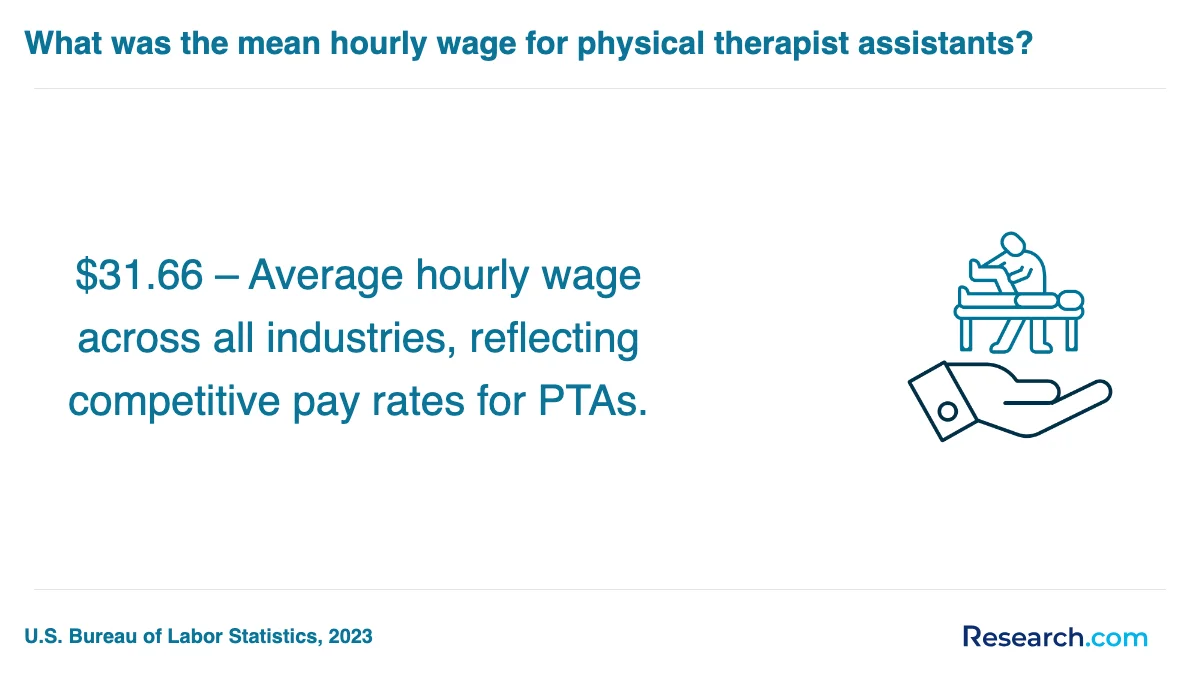
Future PTA professionals in Puerto Rico often balance these costs against projected wages, where the average hourly earnings stand at $13.90. Such economic factors underline the importance of choosing a program wisely and align with decisions about which institutions suit individual financial situations best while also pursuing what is the best healthcare job.
Understanding the cost of physical therapist assistant associate degrees in Puerto Rico in a tangible way prepares prospective students to make informed decisions, picture their educational journey, and anticipate future rewards within their communities.
What financial aid is available for physical therapist assistant trade schools in Puerto Rico?
Physical therapist assistant students in Puerto Rico often rely on federal financial aid programs to support their education, which can make pursuing a career in this field feel more achievable. Graduates from well-known trade schools in Puerto Rico frequently mention how the Federal Pell Grant, which can award up to $7,395 for the 2025-2026 academic year, significantly eased their financial burden. This grant doesn't require repayment, allowing students to focus on their studies without the constant stress of accumulating debt.
Many also take advantage of federal student loans like Direct Subsidized and Unsubsidized Loans, with borrowing limits ranging from $5,500 to $7,500 annually. One graduate from a CAPTE-accredited program shared how the subsidized loan helped cover tuition during the busiest semesters, while still benefiting from the government covering interest costs while enrolled full-time.
Besides federal aid, some students find additional relief through institutional scholarships or flexible payment plans offered by their schools, though these can vary widely. Completing the FAFSA early is a common piece of advice from recent graduates, who found it opened doors to multiple funding sources and allowed them to balance work-study opportunities alongside their coursework.
What are the prerequisites for enrolling in physical therapist assistant trade schools in Puerto Rico?
Enrolling in a physical therapist assistant trade school program in Puerto Rico usually requires meeting several clear prerequisites designed to prepare you for success. Graduates from well-known trade schools on the island often recall how fulfilling it was to start their journey fully prepared and confident.
Typical prerequisites include:
- Holding a high school diploma or GED, which sets the foundation for the coursework ahead.
- Completing prerequisite courses such as biology, anatomy, or health sciences to ensure you understand the basics of the human body.
- Passing a background check, reflecting the responsibility and trust required in healthcare settings.
- Submitting letters of recommendation or demonstrating community involvement, which many graduates say helped them feel connected and motivated.
- Sometimes an entrance exam or interview is part of the process, allowing you to showcase your passion for helping others.
One graduate shared how meeting these requirements felt like stepping into a supportive community, surrounded by peers equally eager to make a positive impact in Puerto Rico's healthcare system. The prerequisites are more than hurdles-they're stepping stones to a rewarding career.

What are the typical courses in physical therapist assistant trade schools in Puerto Rico?
Physical therapist assistant trade school programs in Puerto Rico typically include a blend of scientific knowledge and hands-on skills essential for effective patient care. Graduates from well-known Puerto Rican trade schools often describe their courses as both challenging and rewarding, equipping them to confidently support licensed physical therapists.
Core courses usually cover:
- Anatomy, physiology, pathophysiology, and kinesiology to understand the human body and movement.
- Therapeutic exercise and exercise physiology, teaching practical rehabilitation techniques like stretching and strengthening.
- Physical therapy modalities such as electrotherapy, hydrotherapy, massage, and airway clearance, which students practice extensively in labs.
- Patient care fundamentals including pain assessment, range of motion measurement, transfers, and use of assistive devices.
- Professionalism, communication, and legal standards, emphasizing ethical practice and teamwork within clinical settings.
Students often share how clinical rotations in hospitals or rehabilitation centers in Puerto Rico transformed their theoretical knowledge into real-world confidence, making the learning experience deeply fulfilling and preparing them for licensure exams.
What are the available specializations in physical therapist assistant trade schools in Puerto Rico?
Physical therapist assistant specializations in Puerto Rico often emerge through diverse clinical practicum experiences rather than formal tracks. Graduates from popular institutions like the Universidad de Puerto Rico en Ponce and Inter American University of Puerto Rico frequently describe hands-on rotations that expose them to multiple areas such as orthopedic rehabilitation, neurological care, pediatric therapy, and geriatric support. These real-world scenarios help students connect theory with practice, from working with post-surgical patients recovering in private clinics to assisting elderly individuals in home care settings.
Typical specialized skills developed include:
- Orthopedic rehabilitation focusing on musculoskeletal recovery and pain management
- Neurological rehabilitation addressing conditions like stroke and spinal cord injuries
- Pediatric therapy for developmental challenges
- Geriatric rehabilitation supporting mobility and balance
- Cardiopulmonary and wound care using modalities such as electrical stimulation and hydrotherapy
PTA program concentrations Puerto Rico students appreciate revolve around manual therapy techniques and therapeutic exercises, with many praising the opportunity to learn the use of assistive devices and physical modalities. This approach nurtures confidence in diverse settings, vital for those eager to specialize post-graduation.
For students weighing career choices within rehabilitation fields, understanding the difference in educational paths like chiropractor vs physical therapist training can shape their focus and motivation as they develop specialized skills within PTA programs in Puerto Rico.
How do you choose the best physical therapist assistant trade school program in Puerto Rico?
To select top physical therapist assistant programs in Puerto Rico, focus first on accreditation and clinical experience. Graduates from the University of Puerto Rico at Humacao often share how the CAPTE-accredited curriculum and hands-on training at nearby hospitals prepared them confidently for real-world challenges. These authentic learning opportunities bring knowledge to life, turning theory into practical skills with supportive mentorship.
Affordable physical therapist assistant schools in Puerto Rico also prioritize preparing students for licensure and employment. For example, graduates from programs like the University of Puerto Rico at Ponce celebrate an 80% graduation rate and 100% employment success, reflecting both quality and value. Considering financial factors alongside program outcomes ensures your investment pays off in a rewarding career.
Choosing a program with convenient location and strong local connections helps reduce stress and provides easier access to clinical sites, enhancing hands-on learning. Many hopeful students find exploring how to become a physical therapy assistant online resources insightful for making informed decisions about their education and future.

What career paths are available for physical therapist assistant trade school graduates in Puerto Rico?
Graduates of physical therapist assistant trade school programs in Puerto Rico find promising career paths centered around hands-on clinical care in diverse healthcare settings. Many start in hospitals or rehabilitation centers, working directly under licensed physical therapists to support patient recovery through exercise guidance and therapeutic treatments. Those who trained at well-known trade schools feel confident entering these dynamic environments, where patient improvement brings rewarding daily experiences.
Career opportunities also extend into home health services, a growing field in Puerto Rico. PTAs deliver vital therapy to patients who cannot travel, serving communities from San Juan to smaller towns. Some graduates report a deep sense of fulfillment working within this flexible and patient-focused role. Common paths include:
- Inpatient and outpatient rehabilitation programs in hospitals
- Home health care services reaching rural populations
- Skilled nursing and long-term care facilities for elderly or chronic patients
- Outpatient clinics assisting with therapy treatments and documentation
Experienced PTAs may advance to supervisory roles or specialized therapy positions, reflecting a progressive career trajectory within Puerto Rico's healthcare system. These options resonate well with students researching physical therapist assistant career opportunities in Puerto Rico and highlight the adaptability of the PTA credential as an entry point. Many find the opportunity to grow professionally motivating and inspiring.
For those exploring training options, attending some of the best trade schools with medical assistant diploma programs helps set a strong foundation. Graduates often share how their education opened doors to varied job markets and salary potentials, which can increase significantly with experience. This flexibility and growth potential make PTA programs an exciting choice for hands-on learners seeking tangible healthcare impact.
What is the job market for physical therapist assistant trade school graduates in Puerto Rico?
The physical therapist assistant job outlook in Puerto Rico remains promising for graduates of local trade schools. Many who complete programs at well-known institutions report entering a steady job market where hospitals, outpatient clinics, and rehabilitation centers actively seek skilled assistants. Graduates often share optimistic experiences about quickly finding roles that offer valuable clinical exposure and professional growth opportunities. Those starting out should expect average salaries beginning near $16,670 but can anticipate upward movement with experience or certification.
Key factors shaping this encouraging landscape include:
- Steady demand tied to Puerto Rico's aging population and growing chronic health issues
- Comparable wages in allied health fields providing stable income expectations
- Possibility for advancement through skill specialization or additional certifications
For students considering trade schools, practical training in diverse care settings enhances readiness for the workforce. Understanding distinctions in physical vs occupational therapy also helps graduates tailor their career paths strategically. Overall, the physical therapist assistant salary in Puerto Rico reflects both the manageable cost of living and the rewarding nature of this healthcare role.
Frequently Asked Questions about physical therapist assistant
After completing a physical therapist assistant (PTA) trade school in Puerto Rico, preparing for the job market involves several key steps. First, graduates must obtain licensure by passing the National Physical Therapy Exam (NPTE) for PTAs, required in Puerto Rico as regulated by the Puerto Rico Board of Physical Therapy. This credential is essential for legal practice and employment.
Networking with local clinics and healthcare providers can improve job prospects. Additionally, gaining hands-on experience through internships during the program strengthens practical skills. According to the U.S. Bureau of Labor Statistics, employment for PTAs is projected to grow 27% nationally through 2031, reflecting strong demand.
Portuguese and Spanish language skills also enhance employability within Puerto Rico's diverse communities.
Employers in Puerto Rico seek specific skills when hiring graduates from physical therapist assistant trade schools. Strong knowledge of anatomy, physiology, and therapeutic techniques is essential, as these form the foundation of effective patient care. Communication skills are highly valued, enabling assistants to interact clearly with patients and healthcare teams.
According to the U.S. Bureau of Labor Statistics and local healthcare reports, practical experience gained through clinical rotations is critical. Employers prefer candidates who demonstrate proficiency in using rehabilitation equipment safely and effectively.
Additionally, problem-solving skills and adaptability are important due to the diverse needs of patients in Puerto Rico's healthcare settings. Understanding cultural sensitivity and bilingual communication is a notable advantage in this region.
Finding internships in Puerto Rico for physical therapist assistant (PTA) students involves connecting with local healthcare facilities and educational programs. Many trade schools collaborate with hospitals, rehabilitation centers, and nursing homes to offer clinical placements required for PTA certification. The Puerto Rico Department of Health and the American Physical Therapy Association's Puerto Rico chapter provide resources and listings for approved clinical sites.
Students should also contact their school's internship coordinator early, as these placements are competitive and may require background checks or immunization records. According to the Commission on Accreditation in Physical Therapy Education (CAPTE), clinical experience is mandatory and typically involves 16 weeks of supervised practice.
Obtaining a physical therapist assistant (PTA) diploma from a trade school in Puerto Rico significantly enhances career mobility within the healthcare sector. Graduates become eligible to take the National Physical Therapy Exam (NPTE) for PTAs, a requirement for licensure in Puerto Rico. Holding this credential allows professionals to work in diverse settings such as hospitals, outpatient clinics, and rehabilitation centers.
According to the U.S. Bureau of Labor Statistics, the demand for PTAs is projected to grow by 32% nationwide from 2021 to 2031, reflecting strong job security. In Puerto Rico, this growth translates into increased opportunities for advancement, including supervisory roles or specialized rehabilitation services. Diploma holders often experience higher earning potential compared to non-credentialed workers, promoting social mobility.
Additionally, trade school programs emphasize hands-on clinical experience, which employers value highly. This practical training supports graduates' adaptability and readiness, further enhancing their prospects for promotions and career diversification within the island's healthcare system.
Part-time job opportunities in Puerto Rico that complement physical therapist assistant (PTA) trade school education often include roles such as rehabilitation aides, home health aides, and fitness trainers. These positions provide practical experience working with patients, enhancing skills in mobility support and therapeutic exercises. According to the U.S. Bureau of Labor Statistics, rehabilitation aides in Puerto Rico earn an average hourly wage of around $12 to $15, making these jobs accessible for students balancing work and study.
Working in outpatient clinics or nursing homes can also expose students to clinical environments, improving their understanding of patient care protocols. Such roles align well with PTA coursework and aid in building professional networks.
To choose the most affordable Physical Therapist Assistant degree program near me in Puerto Rico, start by researching various programs offered by local universities and community colleges, considering their tuition fees and financial aid options. You may utilize resources like Research.com to compare the credentials and costs of these programs effectively. Additionally, gathering information on job placement rates and program accreditation can help ensure you select a program that aligns well with your budget and career goals.
Top Trending Rankings
References
- Physical Therapy Assistant Schools in Puerto Rico - Find Programs Near You https://ptassistant.org/pr/
- Physical Therapist Assistant AAS | San Juan College https://www.sanjuancollege.edu/education-training/programs/physical-therapist-assistant-aas/
- Puerto Rico - Physical Therapist Assistant | Midlands Technical College https://www.midlandstech.edu/node/9881
- Physical Therapy – english – Universidad de Puerto Rico en Ponce https://www.uprp.edu/en/articulos/academicos/departamentos/deas/tefi-english-version/
- Physical Therapist Assistant Program | Western Technical College https://www.westerntech.edu/programs/associates-science/physical-therapist-assistant/
- SPC : Physical Therapist Assistant | Alamo Colleges https://www.alamo.edu/spc/academics/programs/health-sciences-and-histology/physical-therapist-assistant/
- Physical Therapy Assistant Trade Schools & Training Programs https://www.best-trade-schools.net/programs/wellness/physical-therapy/
- Physical Therapist Assistant (A.A.S.) - Walters State Community College https://ws.edu/academics/programs/aas/physical-therapist-assistant.aspx
- Becoming a Physical Therapist Assistant | APTA https://www.apta.org/your-career/careers-in-physical-therapy/becoming-a-pta
- How to Prepare for Physical Therapist Assistant (PTA) School https://www.brooklinecollege.edu/blog/how-to-prepare-for-pta-school/


