2027 Paying for an Online Ed.D. in Leadership and Learning in Organizations: Reimbursement Clawbacks After a Career Move
Audited and Verified:
Our Editorial and Data Verification Process
Research.com uses government datasets, official education statistics and primary institutional information to support its career and degree guides. Our review process checks factual accuracy, occupational definitions, source dates and the requirements associated with the credentials discussed.
How This Article Was Fact-Checked
Our editorial team verifies salary estimates, employment projections, education requirements and program information against original data providers and official organizations. Salary figures are checked against the relevant occupational definitions and reporting periods. Information about licensure, accreditation and required in-person training is reviewed separately.
Fact-checked and verified on:

Co-Founder and Chief Data Scientist
Employer reimbursement can make an online Ed.D. affordable - until a new job offer turns past tuition payments into a repayment demand. For working leaders and learning professionals considering a career move during or after doctoral study, the crucial issue is not just how much an employer will pay, but when that support becomes yours to keep. This guide explains common clawback terms, how to calculate your exposure, and what to verify with your employer and university before enrolling or accepting another position.
Key Things You Should Know
- A tuition clawback depends on the written agreement, applicable law, and the circumstances of your departure; reimbursement is not automatically a grant.
- Calculate your potential repayment from amounts actually paid, the service-period clock, and any prorating rule - not the advertised annual benefit.
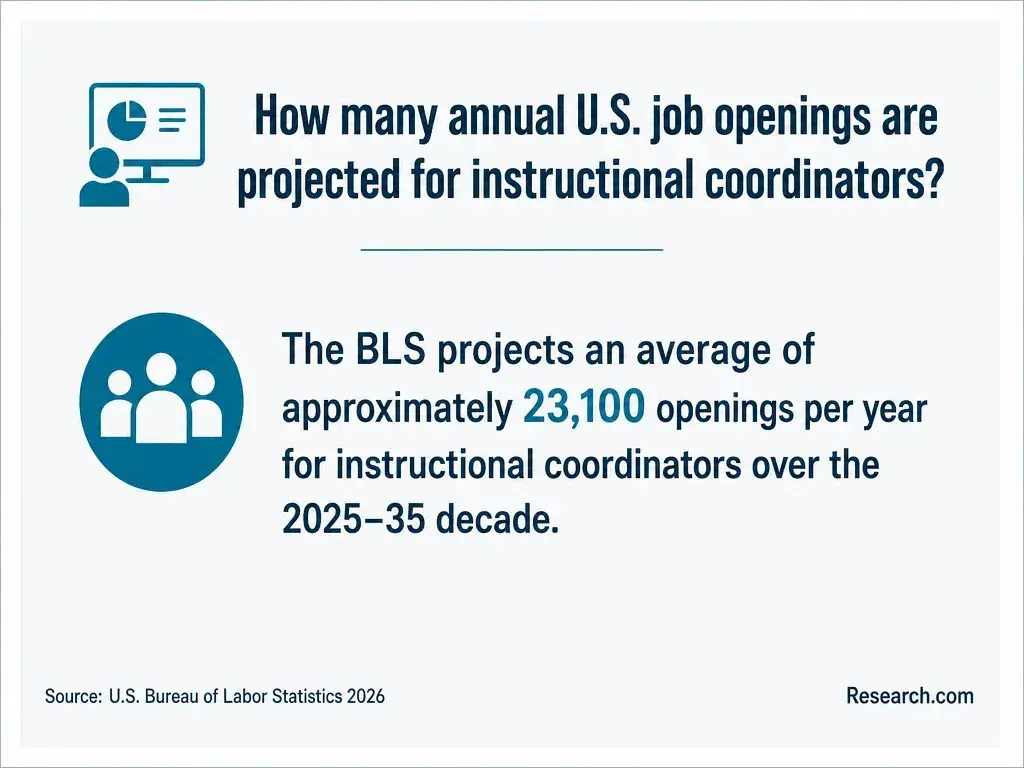
- Do not assume a higher-paying role will offset a clawback: the U.S. Bureau of Labor Statistics reports a $133,000 median annual salary for training and development managers, not an expected salary for Ed.D. graduates.
What is an online Ed.D. in Leadership and Learning in Organizations?
An Ed.D. in leadership and learning in organizations is a practice-oriented doctorate focused on how people learn, lead, and implement change at work. Depending on the university, students may study adult learning, organizational development, leadership, and applied research. "Online" describes where much of the instruction occurs; it does not establish that classes are self-paced or that campus visits are unnecessary.
The precise degree title, curriculum, and culminating project vary. A general organizational leadership Ed.D. is not automatically a school-administrator licensure program. Compare different education doctorate specialization pathways against your actual role and the credential your employer recognizes before committing to a reimbursement agreement.
How does employer tuition reimbursement work for an online Ed.D.?
Under reimbursement, the employee commonly pays the university first and requests payment from the employer after meeting specified conditions, such as course completion, a minimum grade, and submission of receipts. Other arrangements involve direct employer payment or an advance. These arrangements can create different cash-flow needs and repayment obligations, so identify which one the policy actually provides.
Approval may be required before each course or term. Employers may limit eligible credits, fees, institutions, or annual payments; doctoral coursework may be excluded even when master's coursework is covered. A manager's encouragement is not the same as written benefits approval. When comparing funding for higher education leadership doctorates, treat reimbursement as conditional until the benefits office confirms the Ed.D. and your enrollment plan qualify.
Can employers require tuition repayment after a career move?
Potentially. A tuition assistance agreement may require repayment if an employee resigns - or, under some agreements, leaves for another specified reason - before completing a required period of service. Whether a particular provision is enforceable depends on its wording and applicable law. Do not assume that an employer can simply deduct the balance from a final paycheck; wage-deduction rules and authorization requirements vary by state.
The most important financial distinction is whether the obligation declines over time. This comparison shows how common agreement structures affect a move, without assuming any one structure applies to your employer.
| Agreement feature | Potential effect of leaving |
| Full repayment until a stated date | Leaving shortly before that date may trigger the entire covered amount. |
| Prorated repayment | The balance may fall as qualifying service accumulates, according to the agreement's formula. |
| Separate clock for each payment or course | Older reimbursements may be forgiven while newer ones remain repayable. |
| Exceptions for certain separations | A layoff, disability, or other specified event may be treated differently from a voluntary resignation. |
Ask the benefits office for a dated, itemized payoff calculation before making a move. If the amount, deduction method, or enforceability is disputed, seek advice from an employment attorney or appropriate state labor agency before signing a repayment acknowledgment.
Read the policy and any individual agreement together. The following checks determine both whether the employer will pay and what a later career move could cost:
- Coverage and approval: Is this specific Ed.D., institution, course load, and delivery format eligible? Is approval needed before each term?
- Payment and cash flow: Are you reimbursed after grades post, paid in advance, or billed through an employer arrangement? Which fees and travel costs are excluded?
- Repayment trigger: Does the provision apply to resignation only, or also to termination, transfer, reduced hours, or a change in job duties?
- Clock and calculation: When does the service period begin, is each payment tracked separately, and does the balance decline over time?
- Collection and exceptions: When is payment due, how are disputes handled, and which departures qualify for a waiver?
- Workplace project access: If the Ed.D. requires an organizational project, can you use another approved site if you change employers?
Request written answers from the office authorized to administer benefits, not just a supervisor. Keep the policy version, approvals, reimbursement statements, and any later amendments. If you are weighing a job offer, compare the confirmed outstanding balance with the offer's compensation and any transition support - not with a hoped-for promotion after graduation.
An online format can reduce routine commuting while preserving your current job and eligibility for its tuition benefit. It may still require scheduled live classes, group meetings, or campus convenings. A campus-based program may offer easier in-person collaboration but create greater travel or schedule demands. Neither format eliminates the financial risk of leaving the sponsoring employer.
For this decision, compare the actual attendance calendar and total out-of-pocket costs of each program. Ask whether a job change would affect your ability to attend live sessions, travel to required meetings, or complete an employer-based project. Also confirm the university's leave and project-site-change policies; employer permission and academic approval are separate decisions.
Programs may combine leadership theory, adult learning, organizational change, research methods, and program evaluation. Course titles alone do not show how much quantitative analysis, workplace inquiry, or leadership practice a student will complete. Review the required sequence and available electives rather than assuming every leadership and learning Ed.D. teaches the same skills.
The culminating requirement matters especially if you plan to change employers. Some programs require a dissertation in practice or another approved applied project, potentially involving organizational access. Review Ed.D. culminating requirements beyond the traditional dissertation, then ask the university what its own program requires and whether an external partner can replace your current workplace if necessary.
Requirements vary by university. Programs may ask for a completed master's degree, transcripts, recommendations, a statement of purpose, and evidence of relevant professional experience; some also use interviews or other assessments. A background in education is not universally required. Demonstrating a meaningful organizational learning or leadership problem can be more relevant than holding a particular job title.
If you already hold an education specialist degree, distinguish credits considered for admission from credits actually applied to the doctorate. Review education specialist coursework and doctoral progression, and obtain the university's written evaluation before assuming prior study will reduce tuition or the time during which you rely on employer support.
There is no reliable universal price for this degree. Calculate the cost from the university's published charge per credit or term, required credits, mandatory fees, likely enrollment pace, and any campus-convening travel. Add costs the employer excludes, along with the cash you must front while waiting for reimbursement. Consult Ed.D. program costs for prospective doctoral students for broader comparisons, but use the school's current bill and your employer's written policy for your own budget.
Build two budgets: one assuming approved reimbursements arrive as scheduled, and another assuming you leave the employer after the most expensive plausible point in your studies. For the second, add your unpaid university balance to the employer's documented repayment amount and the cost of finishing without its assistance. If that scenario is unaffordable, consider delaying enrollment, choosing a less expensive program, or pursuing targeted leadership development instead.
An Ed.D. may support experienced professionals seeking greater responsibility in learning and development, organizational development, consulting, or education administration. Employers still assess management experience, sector knowledge, results, and role-specific qualifications. A doctorate alone does not confer a director position or school-administrator licensure.
The U.S. Bureau of Labor Statistics reports a $133,000 median annual salary for training and development managers in May 2025. That is an occupation-wide figure, not a forecast for Ed.D. students or a basis for assuming a new job will repay a tuition clawback. If a career move is your goal, evaluate actual offers, responsibilities, and advancement prospects; a shorter credential or a substantial workplace project may serve some goals at lower financial risk.
How can you choose an accredited online Ed.D. program?
Verify the institution's accreditation with its recognized accreditor and confirm that the university itself offers the exact degree advertised. Then compare published tuition, attendance requirements, academic support, and the required culminating project. Institution-level accreditation should not be mistaken for specialized licensure approval.
For a reimbursement-dependent choice, obtain two written confirmations before paying a deposit: the university's description of what happens academically if your employment or project site changes, and your employer's decision that this program and its charges qualify. The strongest option is not necessarily the cheapest advertised Ed.D.; it is one you can finish under a realistic job-change scenario without an unmanageable repayment obligation.
Other Things You Should Know About EdD Leadership
Possibly. You can ask whether a sign-on payment or education benefit can cover it, but get the offer's amount, payment date, tax treatment, and any new repayment terms in writing. Do not treat a verbal promise as available cash.
Ask the benefits administrator which policy governs approved coursework, whether prior commitments will be honored, and who will track any service obligation. Save the earlier agreement and obtain written notice of changes.
It may, depending on how and when the benefit was reported and repaid. Keep payroll and repayment records and ask a qualified tax professional how your particular payments should be handled.
It can. A collective bargaining agreement may contain education-benefit or wage-deduction provisions. Ask your union representative how those terms interact with any individual tuition agreement before accepting a repayment calculation.
- eCFR:: 29 CFR Part 531 -- Wage Payments Under the Fair Labor Standards Act of 1938 https://www.ecfr.gov/current/title-29/subtitle-B/chapter-V/subchapter-A/part-531
- Employer-offered educational assistance programs can help pay for college | Internal Revenue Service https://www.irs.gov/newsroom/employer-offered-educational-assistance-programs-can-help-pay-for-college
- Tax Benefits for Higher Education | studentaid.gov https://studentaid.gov/resources/tax-benefits
- Termination | dol.gov https://www.dol.gov/general/topic/termination
- EdD in Organizational Leadership | University of San Diego Catalog https://graduate.catalog.sandiego.edu/programs/major-EDD-DR-M-LE-EDD-LEAD
- Tuition Reimbursement Repayment Explained | UPI Study https://www.upistudy.com/blog/employee-benefit/do-you-have-to-pay-back-tuition-reimbursement-if-you-get-fired