
Best Dental Assistant Training Programs & Trade Schools - Top Dental Assistant Schools in Missouri for 2026

Co-Founder and Chief Data Scientist
Choosing the right dental assistant trade school in Missouri can shape your future career and open doors to rewarding opportunities. This article presents a carefully crafted dental assistant trade school programs ranking developed by the Research.com team of data scientists to help you make an informed decision.
Whether you’re starting fresh or seeking a certification, earning a diploma in dental assisting offers valuable skills and job stability. Exploring the best programs allows you to find one that fits your goals and lifestyle, setting you up for success in a supportive learning environment.
Key benefits of finishing dental assistant trade school in Missouri
- Graduates of dental assistant trade schools in Missouri can expect an average salary ranging from about $42,500 to $45,560 per year, offering a solid income shortly after completing their program.
- A graduate from a popular Missouri trade school often finds diverse career paths, such as working in dental offices, specialty clinics, or even pursuing further certifications to expand their roles.
- Completing a dental assistant trade school online offers flexible scheduling and quicker program completion, as experienced by many online graduates who balance work and study effectively while entering the workforce faster.
What can I expect from dental assistant trade schools in Missouri?
Students enrolling in dental assistant trade schools in Missouri can expect a fast-paced, hands-on learning experience that blends classroom theory with real-world practice. Graduates often describe the balance of learning dental anatomy, infection control, and chairside assisting alongside clinical labs and externships at local dental offices as both challenging and rewarding. For example, popular programs in Missouri prepare students specifically for the Missouri Dental Assisting Skills Exam, giving them confidence to succeed on state licensing requirements.
Many students appreciate the structured curriculum accredited by CODA, which ensures their skills meet national standards. Maintaining at least a "C" grade in all courses is a common requirement, encouraging consistent effort. Graduates frequently highlight how programs enable them to earn credentials like the Missouri Expanded Function Dental Assistant permit, which broadens job opportunities by allowing expanded duties under dentist supervision.
Hands-on externships are a key highlight, letting students practice patient communication and dental materials handling in real dental offices. This practical training helps build confidence and prepares graduates to take the Dental Assisting National Board Certified Dental Assistant exam, a credential valued by Missouri employers. Overall, students find these programs to be a structured, supportive way to quickly launch a career in a growing healthcare field.
Where can I work after finishing dental assistant trade schools in Missouri?
After finishing a dental assistant trade school program in Missouri, graduates often find work in private dental offices where they assist dentists with procedures, take X-rays, update records, and manage appointments. Many report satisfaction in these roles due to the steady hours and pay ranging from $20 to $26 per hour. Those from well-known trade schools in Missouri appreciate the practical training that prepares them for these fast-paced environments.
Other common employment paths include group dental practices and dental support organizations like Heartland Dental, which offer competitive salaries and bonuses up to $3,000. Graduates feel encouraged by these additional benefits and the chance to join a larger network of clinics.
Community health centers and public health clinics also hire dental assistants, especially for outreach and mobile dental units serving underserved populations. Some graduates enjoy the variety and community impact of these roles.
Specialized practices such as oral surgery or pediatric dentistry provide opportunities to assist with surgeries and specialized equipment, appealing to those seeking focused experience. Educational institutions also employ dental assistants to support training programs, offering a chance to give back by teaching the next generation.
How much can I make after finishing dental assistant trade schools in Missouri?
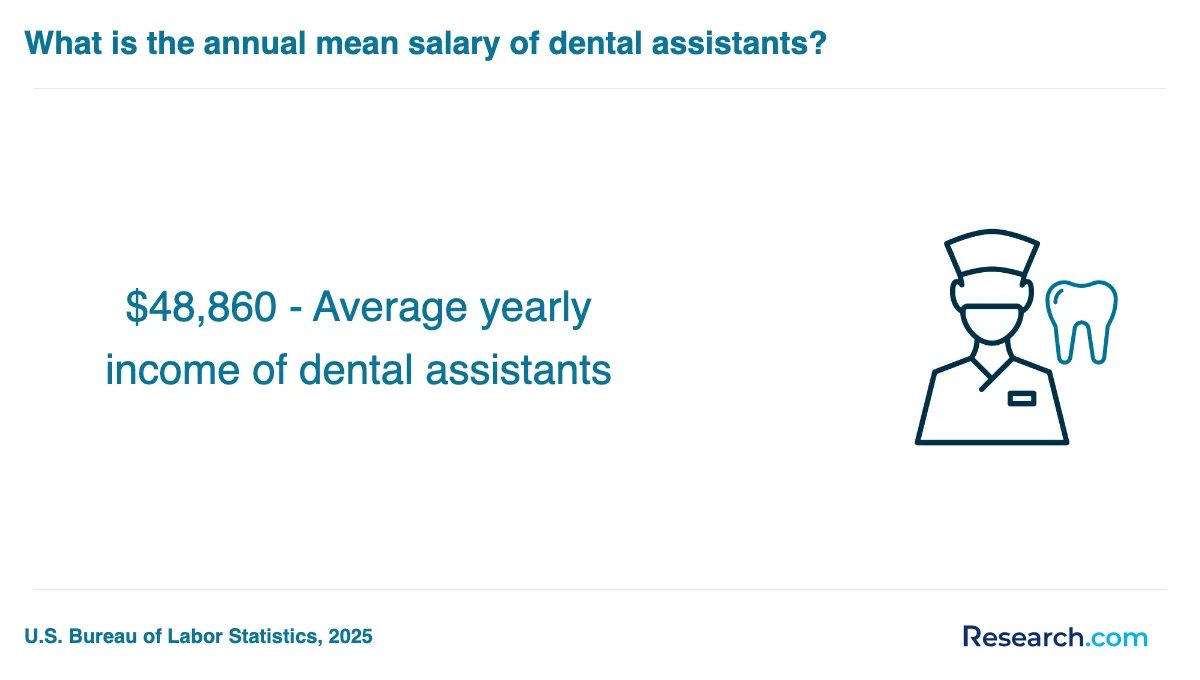
After finishing a dental assistant trade school program in Missouri, graduates typically earn between $40,000 and $45,560 annually. For instance, many who trained at popular institutions in St. Louis or Kansas City report starting salaries around $44,000 to $45,000, reflecting the strong demand in these metro areas. One graduate shared how securing a job in St. Louis brought an average salary of about $45,060, providing financial stability early in their career.
Hourly wages for new dental assistants usually begin between $16.25 and $19.00, making it a viable option for those looking to enter the workforce quickly. More experienced assistants in larger cities can earn up to $21.97 per hour, allowing for steady income growth as skills develop. Graduates from trade schools in Missouri appreciate the balance of competitive pay and the state's lower cost of living, which makes budgeting easier.
Many find the salary ranges satisfying, especially when considering that additional certifications can boost earnings. Graduates often describe pride in their ability to support themselves and their families soon after completing their programs, highlighting the practical benefits of choosing dental assisting as a career path in Missouri.
Best Dental Assistant Training Programs & Trade Schools - Top Dental Assistant Schools in Missouri for 2026
# 1 position
Ozarks Technical Community College - Dental Assisting/Assistant.
associateOzarks Technical Community College offers a Hybrid Dental Assisting/Assistant program preparing students to provide patient care, dental radiographs, and office administrative duties under supervision. The curriculum includes medical record-keeping, reception, equipment maintenance, radiography, chairside assisting, and supervised practice. Annual in-state tuition is $4,184. Graduates have median earnings of $36,855 one year after completion. The program is accredited by the Higher Learning Commission.
# 2 position
Ozarks Technical Community College - Dental Assisting/Assistant.
certificate or diplomaOzarks Technical Community College offers a hybrid Dental Assisting/Assistant program preparing students for patient care, dental radiographs, and administrative duties under dentist supervision. The curriculum includes medical record-keeping, office tasks, scheduling, equipment maintenance, sterilization, and chairside assisting. The program’s annual in-state tuition is $4,184. Graduates earn a median of $36,855 one year after completion. The program is accredited by the Higher Learning Commission.
# 3 position
State Technical College of Missouri - Dental Assisting/Assistant.
certificate or diplomaThe Dental Assisting/Assistant program at State Technical College of Missouri offers a hybrid format with some distance education options. It prepares students to provide patient care, take dental radiographs, assist chairside, and handle office administrative duties under supervision. The curriculum includes medical record-keeping, scheduling, equipment maintenance, and supervised practice. Annual in-state tuition is $7,830, and median earnings one year after completion are $32,797. The program is accredited by the Higher Learning Commission.
# 4 position
Saint Louis Community College - Dental Assisting/Assistant.
certificate or diplomaSaint Louis Community College offers a Dental Assisting/Assistant program with a hybrid format that includes some distance education. The program prepares students to provide patient care, take dental radiographs, assist chairside, and handle office administrative tasks under supervision. Instruction covers medical record-keeping, equipment maintenance, sterilization, and supervised practice. Annual in-state tuition is $3,660. The program is accredited by the Higher Learning Commission.
# 5 position
Midwest Institute - Dental Assisting/Assistant.
certificate or diplomaThe Dental Assisting/Assistant program at Midwest Institute offers hybrid learning with some distance-education options. It prepares students to provide patient care, take dental radiographs, assist chairside, and handle office administrative duties under supervision. The curriculum includes medical record-keeping, equipment sterilization, scheduling, and supervised practice. Graduates earn median annual wages of $28,111 one year after completion. The program is accredited by the Accrediting Bureau of Health Education Schools.
# 6 position
Midwest Technical Institute-Missouri - Dental Assisting/Assistant.
certificate or diplomaMidwest Technical Institute-Missouri offers a Dental Assisting/Assistant program designed to prepare students for patient care, dental radiography, and office administrative duties under dental professionals' supervision. The curriculum covers medical records, office tasks, equipment maintenance, sterilization, basic radiography, chairside assisting, and patient care. Graduates earn a median income of $22,815 one year after completion. The program is accredited by the Accrediting Commission of Career Schools and Colleges and includes a hybrid learning option.
# 7 position
Concorde Career College-Kansas City - Dental Assisting/Assistant.
certificate or diplomaConcorde Career College-Kansas City offers a hybrid Dental Assisting/Assistant program preparing students to provide patient care, perform dental radiographs, and assist in dental procedures. The curriculum includes medical record-keeping, office duties, equipment maintenance, sterilization, and supervised practice. Graduates earn a median of $23,712 one year after completion. The program is accredited by the Accrediting Commission of Career Schools and Colleges.
# 8 position
Metropolitan Community College-Kansas City - Dental Assisting/Assistant.
associateMetropolitan Community College-Kansas City offers a hybrid Dental Assisting/Assistant program designed to prepare students for patient care, dental radiography, and office administrative duties under dental professionals' supervision. The curriculum includes instruction on medical record-keeping, reception, scheduling, equipment maintenance, sterilization, chairside assisting, and patient care. The program is accredited by the Higher Learning Commission, with an annual in-state tuition of $3,630.
# 9 position
Metropolitan Community College-Kansas City - Dental Assisting/Assistant.
certificate or diplomaThe Dental Assisting/Assistant program at Metropolitan Community College-Kansas City offers a hybrid format with some distance education options. It prepares students to provide patient care, radiography, and office administrative support under dental professionals' supervision. The curriculum includes medical record-keeping, equipment maintenance, sterilization, chairside assisting, and supervised practice. The program is accredited by the Higher Learning Commission, with an annual in-state tuition of $3,630.
# 10 position
Franklin Technology Center Adult Education - Dental Assisting/Assistant.
certificate or diplomaThe Dental Assisting/Assistant program at Franklin Technology Center Adult Education is a hybrid course preparing students to provide patient care, take dental radiographs, and assist dentists and hygienists. The curriculum includes medical record-keeping, office duties, equipment maintenance, sterilization, chairside assisting, and supervised practice. The program is accredited by the Council on Occupational Education.
Key Findings
- A high school diploma or GED is required to enter a dental assistant trade school program in Missouri.
- Programs typically last 9 to 11 months and include hands-on training in dental skills and preparation for state certification exams.
- Certification options include the Dental Assisting National Board exams and the Missouri Test of Basic Dental Assisting Skills, with Expanded Functions Dental Assistant permits available for advanced duties.
- Tuition costs range from about $3,000 to $12,000, with financial aid and scholarships potentially available.
- The average starting salary for dental assistants in Missouri is between $38,000 and $41,000 per year, with higher wages for certified and experienced assistants.
How long does it take to complete dental assistant trade schools in Missouri?
Completing a dental assistant trade school program in Missouri typically takes about 9 to 12 months. Many graduates from well-known trade schools in the state find this timeframe practical, allowing them to balance studies with part-time work or family commitments. One graduate shared how the structured schedule at a popular Missouri trade school helped them stay motivated, knowing they could enter the workforce in under a year.
The programs focus on hands-on training combined with classroom instruction, which means students quickly build real skills. For example, someone attending a reputable trade school in Kansas City described the satisfaction of performing actual dental procedures in simulated settings early in the program, boosting their confidence before graduation.
This relatively short completion time makes dental assisting an appealing choice for those eager to start their careers quickly. The ability to finish within a year and immediately apply for entry-level positions in dental offices around Missouri brings a strong sense of accomplishment and optimism about future opportunities.
What's the difference between online and on-campus dental assistant trade school programs?
The main difference between online and on-campus dental assistant trade school programs in Missouri centers on how and where learning happens. On-campus programs at schools like Midwest Technical Institute (MTI) offer hands-on training in simulated dental offices, giving students direct access to equipment and instructors. Graduates often mention how valuable the face-to-face labs and real-time feedback were for building confidence and skills before stepping into a real dental office.
Online programs provide flexibility, allowing students to study theory like infection control and dental terminology from home. However, Missouri's accredited programs, such as those at the Midwest Institute in St. Louis, still require in-person clinical hours at approved sites. This hybrid approach suits those balancing work or family, as graduates appreciate fitting coursework into their schedules while still gaining essential practical experience.
In either format, Missouri students benefit from programs aligned with state standards and accreditation, ensuring they're well-prepared for certification exams and entry-level work.
What is the average cost of dental assistant trade schools in Missouri?
The average cost dental assistant programs Missouri students consider typically range widely based on program length and depth of training. For example, graduates from State Technical College of Missouri enrolled in the Dental Assisting Technology Program often cite tuition fees around $12,567 for the academic year 2023-2024. This program blends classroom learning and practical skills, giving students confidence as they move into their roles.
At Ozarks Technical Community College, students pursuing an Associate of Applied Science in Dental Assisting face total tuition fees between $13,896 and $17,644, depending on residency and other variables. The structured four-semester program not only covers technical training but also general education, shaping well-rounded graduates who feel ready to enter the dental field.
For those looking to start faster with less financial commitment, the Center for Advanced Dental Assisting offers an intensive 10-week program priced at $3,650. Graduates often share how this shorter timeframe helped them quickly gain relevant skills and jump into employment without long delays. These tuition fees dental assistant schools Missouri offer help students tailor their education to their specific timeline and budget.
Many students appreciate exploring alternative payment options like those at the Center for Advanced Dental Assisting, where payment plans ease managing tuition costs. To see options beyond traditional trade schools, students can also review cheapest online dental assistant associate degree programs to compare flexible and affordable pathways.

What financial aid is available for dental assistant trade schools in Missouri?
Dental assistant students in Missouri commonly rely on a mix of federal, state, and school-based financial aid to manage costs. Those attending programs at Metropolitan Community College (MCC-Penn Valley) or Ozarks Technical Community College (OTC) often apply for FAFSA to access Pell Grants and federal loans. Graduates recall how Pell Grants lifted the financial burden without the stress of repayment, making the path more manageable for low-income students.
State aid, like the Access Missouri Financial Assistance Program, also plays a vital role. For example, full-time students at public two-year schools can receive up to $1,300 per year, easing tuition expenses. This grant can be a real game-changer for many pursuing dental assisting at local community colleges.
Additionally, institutional scholarships offer targeted relief. Graduates from Midwest Technical Institute highlight the value of $950 continuing education scholarships, which helped them pursue specialized training after their initial certificate. These layered options create a practical, hopeful roadmap for Missouri dental assistant students.
What are the prerequisites for enrolling in dental assistant trade schools in Missouri?
To enroll in a dental assistant trade school program in Missouri, you typically need to meet several straightforward prerequisites designed to prepare you for success. Most schools expect applicants to have a high school diploma or GED. This baseline ensures you have essential reading and math skills needed for the coursework.
Many graduates from popular Missouri trade schools share how having a clean background check was crucial-especially since dental assisting involves patient interaction and handling sensitive information. Some schools also require proof of immunizations or a health screening to keep the clinical environment safe.
Applicants may need to submit a brief personal statement or attend an interview, offering a chance to express genuine interest and commitment. This step often reflects the pragmatic mindset of students eager to start a rewarding healthcare career.
Here's a quick checklist of typical prerequisites:
- High school diploma or GED
- Clean background check
- Up-to-date immunizations or health screenings
- Personal statement or interview
These requirements aren't just bureaucratic hurdles-they help ensure you're ready for the hands-on, patient-focused work ahead. Graduates often recall how meeting these prerequisites gave them confidence, proving they were prepared to thrive in Missouri's dental assistant programs.
What are the typical courses in dental assistant trade schools in Missouri?
Dental assistant trade school programs in Missouri typically include a mix of clinical, technical, and administrative courses designed to prepare you for real-world dental settings. Graduates from popular Missouri trade schools often share how chairside assisting classes taught them to confidently transfer instruments and mix materials during procedures, skills they used immediately during their clinical rotations.
Key courses usually cover:
- Chairside Assisting I and II: Learning how to support dentists efficiently during treatments.
- Dental Radiology I and II: Mastering dental X-rays, a must for state certification in Missouri.
- Dental Materials and Operative Dentistry: Understanding restorative substances and assisting with fillings and crowns.
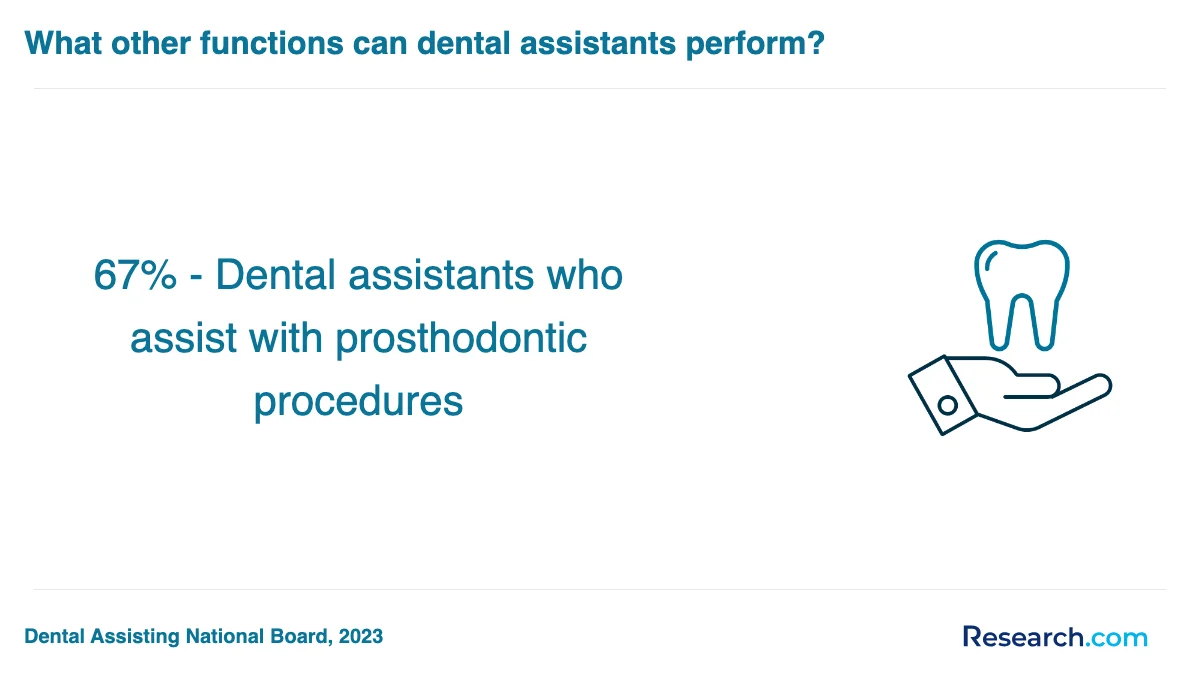
- Expanded Functions: Training in coronal polishing and nitrous oxide administration, which opens doors to advanced roles.
- Dental Office Procedures: Gaining essential skills in patient communication, time management, and legal responsibilities.
Students appreciate the hands-on clinical hours-usually 300 at approved sites-where classroom knowledge meets real patient care, making the transition to a work environment smooth and rewarding.
What are the available specializations in dental assistant trade schools in Missouri?
Dental assistant trade school programs in Missouri frequently focus on specialized training that prepares students for a variety of roles within dental practices. Graduates often recall hands-on experiences with restorative procedures, impression taking, and oral hygiene instruction as pivotal moments in their education. Popular programs, such as the one at State Technical College of Missouri, emphasize expanded functions dental assistant programs Missouri, where students learn to perform duties like Restorative 1, Fixed and Removable Prosthodontics, and Orthodontics under dentist supervision.
Additionally, programs like Metropolitan Community College-Penn Valley offer thorough preparation for the Certified Dental Assistant exam, ensuring students graduate ready for certification and employment. These dental assistant specializations in Missouri cover essential skills like infection control and radiation safety, vital for real-world dental settings.
Students also benefit from short-term courses at Ozarks Technical Community College that build credentials quickly while meeting Missouri Dental Board requirements. Many graduates express confidence in pursuing diverse roles supported by training that aligns with recognized permits and certifications, a key step in advancing their careers.
For applicants researching career paths within health fields, exploring healthcare career examples related to dental assisting offers valuable insight into professional growth opportunities.
How do you choose the best dental assistant trade school program in Missouri?
Start by verifying that the program is accredited by the Commission on Dental Accreditation, which ensures it meets Missouri's standards for dental assisting education. Graduates from top programs report feeling confident when taking the Dental Assisting National Board exam and applying for Missouri's Expanded Function Dental Assistant permits, which expand practical career opportunities. Look at curriculum details-hands-on clinical experience in real dental offices or clinics is critical. For example, graduates from popular Missouri trade schools highlight how real-world practice boosted their skills and made job hunting easier. Consider metrics like graduation and job placement rates; schools like State Technical College of Missouri boast a 100% job placement rate, reassuring many prospective students. When comparing the best dental assistant programs in Missouri, factor in location and flexible scheduling options to suit your lifestyle. Financial aspects also matter; check for scholarships or loans. To explore flexible learning choices, especially if you have other commitments, consider online colleges for dental assistant degrees by visiting online colleges for dental assistant.
Choosing from the top-rated dental assistant schools in Missouri means balancing quality education with personal needs and career goals, ensuring a smooth start in dental assisting.
What career paths are available for dental assistant trade school graduates in Missouri?
Graduates from dental assistant trade school programs in Missouri often find a variety of fulfilling career paths immediately available. Most start as dental assistants, supporting dentists in diverse environments such as private practices, specialty clinics, and public health facilities. Many graduates from popular trade schools report appreciating the hands-on experience they gained, preparing them to manage clinical tasks confidently. For those looking to elevate their careers, expanded functions dental assistant jobs Missouri offer attractive opportunities. Becoming an Expanded Functions Dental Assistant (EFDA) requires completing a Missouri-approved course and certification, enabling graduates to perform advanced procedures like placing fillings and taking impressions, which comes with increased responsibilities and pay.
Other career advancements include becoming a Certified Dental Assistant (CDA) through the Dental Assisting National Board exam, which can improve job mobility and salary potential. Graduates also leverage their experience to move into administrative roles or pursue further education toward dental hygiene or dentistry. These dental assistant career opportunities in Missouri reflect real-life stories from trainees balancing school and work, proving that commitment leads to strong professional growth.
Many students also find it beneficial to understand what can a certified clinical medical assistant do as part of broadening their scope in healthcare roles.
What is the job market for dental assistant trade school graduates in Missouri?
The dental assistant job opportunities in Missouri remain steady, with hundreds of openings throughout the state, especially in urban centers like St. Louis. Graduates from popular trade schools in Missouri often find roles ranging from entry-level positions to specialized Expanded Functions Dental Assistant jobs that offer higher pay and more responsibility. These graduates describe their experiences as encouraging due to accessible job postings and varied work environments including private practices and specialty clinics.
Missouri dental assistant employment outlook shows an 8% growth rate nationwide through 2033, suggesting ongoing demand amid evolving patient care needs. Salaries average about $40,000 annually or $19 per hour, which is slightly below the national average but offsets with Missouri's lower living costs. For example:
- Entry-level graduates typically start near the average wage.
- Those with extra certifications or experience can earn up to $25 per hour in bigger cities.
- Positions offering advancement require skills often gained through Missouri trade school programs.
Graduates often highlight how specialized credentials boost their marketability and income potential. For students wondering how long does it take to become a registered dental hygienist, building on a dental assistant foundation in Missouri offers clear pathways to higher credentials and job stability.
Frequently Asked Questions about dental assistant
After completing a dental assistant trade school in Missouri, preparing for the job market involves several strategic steps. First, obtaining certification from the Dental Assisting National Board (DANB) is highly recommended, as many employers prefer or require Certified Dental Assistants (CDAs). Missouri does not mandate state licensure for dental assistants, but certification improves job prospects.
Networking through internships or externships during your program can provide valuable hands-on experience and connections within local dental offices. According to the Missouri Economic Research and Information Center, employment for dental assistants in Missouri is expected to grow by 8% through 2030, signaling a positive job market.
Additionally, tailoring your resume to highlight clinical skills, proficiency with dental software, and patient care abilities will help you stand out to employers.
Employers in Missouri prioritize several key skills when hiring dental assistant trade school graduates. Strong clinical skills, including knowledge of dental anatomy, radiography, and infection control, are essential. According to the Missouri Department of Higher Education & Workforce Development, proficiency in chairside assisting and dental materials handling significantly improves job prospects.
Communication skills are also highly valued. Dental assistants must effectively interact with patients and dental teams to ensure smooth office operations. Additionally, attention to detail and the ability to follow strict safety protocols are critical due to the nature of dental work.
Familiarity with dental software and administrative tasks, such as scheduling and billing, further enhances employability in Missouri's dental offices.
Finding internships in Missouri relevant to dental assistant trade school programs involves several practical steps. Start by contacting the career services offices of accredited trade schools, as they often have partnerships with local dental practices. The Missouri Dental Association (MDA) also provides resources and may list internship opportunities or connect students with professionals.
Many dental assistant programs require or recommend clinical experience, which can be fulfilled through internships at dental offices or clinics. According to the U.S. Bureau of Labor Statistics, hands-on experience significantly improves job prospects in this field.
Networking at local dental health events and job fairs in Missouri can also uncover internship openings. Additionally, online job boards like Missouri Job Center occasionally list dental assistant internships.
Obtaining a dental assistant trade school diploma in Missouri significantly enhances career mobility and advancement opportunities. According to the Missouri Department of Higher Education & Workforce Development, graduates with formal diplomas are more likely to secure entry-level positions promptly, as employers prefer certified candidates. A diploma program covers essential skills such as radiography, patient care, and dental software, which increases a graduate's competitiveness in the job market.
Missouri's dental assistant roles often require certification, like the CDA credential, which is more accessible after completing an accredited trade school. This certification can lead to higher salaries and supervisory roles. The U.S. Bureau of Labor Statistics notes a projected 11% growth for dental assistants nationwide through 2032, reflecting strong demand.
In Missouri, those with diplomas report higher job retention and advancement rates, benefiting from the practical training that trade schools offer. This credential also opens pathways to specialized fields or further education, supporting long-term career growth.
Students attending dental assistant trade schools in Missouri can benefit from part-time jobs that provide relevant experience and income. Common opportunities include dental office receptionist roles, where students develop administrative skills and patient interaction experience. Working as dental sterilization technicians is another option, helping maintain infection control standards while gaining exposure to clinical environments.
According to the U.S. Bureau of Labor Statistics, Missouri's dental assistants earn an average hourly wage of around $17.50, making part-time clinical roles financially worthwhile. Additionally, some students find jobs in medical supply companies or community health centers, which complement their coursework and build professional networks.
To choose the best Dental Assistant degree program near Missouri, consider key factors such as accreditation, curriculum comprehensiveness, and job placement rates, while also checking for available options near me that offer hands-on training. Research.com can serve as a useful resource to compare program rankings and reviews from graduates who completed degrees near Missouri. Additionally, visiting open houses and speaking with faculty or current students can provide valuable insights into the programs that align with your career goals.
Related Dental Assistant Rankings for Nearby States
- Best Dental Assistant Training Programs & Trade Schools - Top Dental Assistant Schools in Iowa for 2026
- Best Dental Assistant Training Programs & Trade Schools - Top Dental Assistant Schools in Nebraska for 2026
- Best Dental Assistant Training Programs & Trade Schools - Top Dental Assistant Schools in Arkansas for 2026
- Best Dental Assistant Training Programs & Trade Schools - Top Dental Assistant Schools in Oklahoma for 2026
- Best Dental Assistant Training Programs & Trade Schools - Top Dental Assistant Schools in Kentucky for 2026
- Best Dental Assistant Training Programs & Trade Schools - Top Dental Assistant Schools in South Dakota for 2026
- Best Dental Assistant Training Programs & Trade Schools - Top Dental Assistant Schools in Wisconsin for 2026
- Best Dental Assistant Training Programs & Trade Schools - Top Dental Assistant Schools in Louisiana for 2026
- Best Dental Assistant Training Programs & Trade Schools - Top Dental Assistant Schools in Ohio for 2026
- Best Dental Assistant Training Programs & Trade Schools - Top Dental Assistant Schools in North Dakota for 2026
Top Trending Rankings
References
- Dental Assistant School - Dental Assistant Program in St. Louis, Missouri https://www.midwestinstitute.edu/programs/dental-assistant-training/
- Accelerated Dental Assistant Training | Illinois & Missouri https://www.midwesttech.edu/programs/dental-assistant-training/
- Dental Assisting A.A.S. Degree and Certificate https://mcckc.edu/programs/dental-assisting/index.aspx
- Missouri Expanded-Functions Dental Assistant Requirements | DANB https://www.danb.org/state-requirements/missouri-expanded-functions-dental-assistant
- Dental Assisting - OTC Programs https://programs.otc.edu/dental-assisting/
- Dental Assistant Schools in Missouri Training and Certification Programs in MO | Jobs and Job Description https://www.dentalcareersedu.org/missouri/
- Dental Assisting School in the Greater St. Louis Area https://cada.dental/
- Missouri Dental Assistant Requirements - GoTu https://gotu.com/about-dental-assistants/missouri-dental-assistants/missouri-dental-assistant-requirements/
- Dental Assistant Programs in Missouri | Concorde Career College https://www.concorde.edu/dental-programs/dental-assistant/kansas-city
- Top Dental Assistant Schools in Missouri | Learn How to Become https://toptradeschools.com/near-you/dental-assistant/missouri/


