2027 Most Affordable Social Work Degree Programs Ranking in South Dakota

Co-Founder and Chief Data Scientist
If you're considering a career in social work, choosing the right degree program is an important step. Our article offers the 2027 Most Affordable Social Work Degree Programs Ranking in South Dakota, developed by the Research.com team of data scientists to guide you in finding quality and affordable options.
Exploring this ranking can help you make an informed choice tailored to your goals and budget. A social work degree opens doors to meaningful work that positively impacts communities. Discover programs that fit your needs and set you on a rewarding path.
Key benefits of getting social work degree in South Dakota
- Graduates with a social work degree in South Dakota can earn competitive salaries, such as $68,800 annually for Social Workers or $59,190 for Child Welfare Specialists and Residential Counselors, enabling a stable and rewarding career.
- Career paths include roles like Social Worker, Youth Worker, and Community Organizer, offering diverse opportunities to make a positive impact in local communities.
- Online social work degrees provide flexible learning options that fit busy lifestyles, allowing students to balance work and study while gaining skills from respected South Dakota institutions.
- 2027 Most Affordable Social Work Degree Programs Ranking in South Dakota
- What can I expect from social work degree in South Dakota?
- Where can I work with social work degree in South Dakota?
What can I expect from social work degree in South Dakota?
Students pursuing social work degrees in South Dakota typically face tuition costs averaging between $8,000 and $15,000 per year at public institutions like the University of South Dakota. Graduates often recall balancing these expenses while benefiting from financial aid and scholarships tailored for social work majors. Many describe how the investment feels worthwhile given the hands-on experiences integrated into their coursework, such as supervised field placements in local rural communities, which build both confidence and practical skills.
Looking ahead, emerging trends suggest programs may offer more flexible and hybrid learning models, potentially reducing overall costs and increasing accessibility for working students. Graduates frequently share how smaller class sizes at South Dakota universities foster meaningful connections with professors and peers, making the learning environment feel supportive and personalized. This close-knit atmosphere encourages a strong sense of purpose and optimism about entering a growing social work field in the state.
With the focus on rural social services and clinical specializations, students often envision their future careers contributing directly to underserved populations, making the cost of education an investment not just in themselves but in their communities. As programs continue evolving, financial planning resources and community partnerships may help make social work degrees increasingly affordable for South Dakota residents.
Where can I work with social work degree in South Dakota?
Graduates from social work programs at schools like the University of South Dakota often find themselves drawn to diverse and meaningful career paths across the state. Many imagine working in healthcare, where social workers assist patients in hospitals with everything from discharge planning to counseling, creating moments of genuine relief for families navigating complex medical situations. Others are passionate about child welfare, joining agencies supported by the South Dakota Department of Social Services to advocate for vulnerable children and strengthen foster care networks.
School social work roles also attract graduates eager to support youth, especially as mental health awareness rises in local districts. These graduates frequently describe the rewarding experience of collaborating with educators to foster safer, more supportive learning environments. Additionally, opportunities in government settings-from aging services to rehabilitation programs in correctional facilities-offer pathways that align with students' varied interests, granting them a chance to impact communities broadly.
With steady growth expected in these fields, social work graduates from South Dakota colleges are optimistic about a future full of opportunity, service, and professional fulfillment.
- In-state tuition for a Bachelor of Social Work (BSW) in South Dakota ranges from $9,500 to $10,000 per year.
- Master of Social Work (MSW) programs cost approximately $11,000 to $13,000 annually for in-state students.
- Starting salaries for social work graduates average between $39,000 and $42,000 per year, rising to about $56,000 with experience.
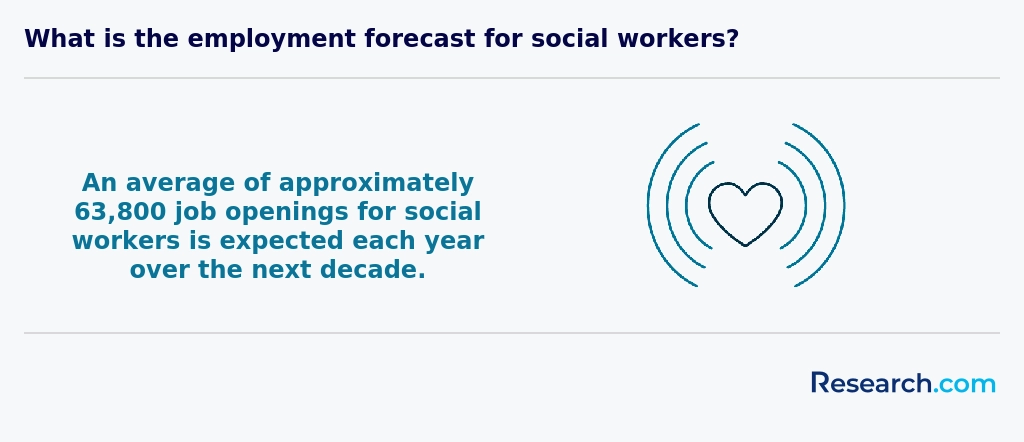
- Employment for social workers in South Dakota is projected to grow by 8% over the next decade, matching the national average.
- Licensing requires earning credentials such as Licensed Social Worker (LSW) or Licensed Independent Social Worker (LISW) from CSWE-accredited programs.
The average social work degree cost South Dakota students face reflects a clear divide between in-state and out-of-state tuition. At major institutions like South Dakota State University and the University of South Dakota, in-state students pay a median total cost of around $9,432, which covers tuition and fees through the typical duration of a social work program. Graduates often share how this affordability allowed them to focus more on hands-on experience and community engagement rather than financial stress, enhancing their passion for social work.
Out-of-state students, however, encounter a significantly higher financial commitment, with median total costs reaching approximately $24,812. This number considers the full span of study, including Bachelor and Master of Social Work degrees. Yet many students find creative ways to manage these expenses through scholarships and part-time enrollment, sparking a strong sense of accomplishment as they balance study and life in South Dakota's supportive academic environments.
Living expenses and additional costs such as books and supplies can add substantially to the total cost to earn social work degree SD, but many social work candidates say the community connections made at universities like USD or SDSU justify the investment. For students interested in accelerating their education path or exploring flexible formats, options like online courses provide an avenue to potentially reduce overall costs and complete their goals sooner, especially when combined with opportunities to get associate's degree online fast.

Enrolling in a social work degree program in South Dakota often begins with meeting clear academic prerequisites that set students up for success. Graduates from universities like South Dakota State University recall the emphasis on maintaining a minimum GPA of around 2.5, which ensures readiness for the challenging coursework ahead. Many found that completing foundational classes in psychology, sociology, and English provided essential tools to engage meaningfully with course material and future clients.
Looking ahead, the importance of hands-on experience is expected to grow. Current students at the University of South Dakota highlight how internships and volunteer roles in local social service agencies made their learning deeply practical and rewarding. These experiences not only enriched their resumes but also fueled their passion and confidence in the field.
With increasing attention on ethical standards, criminal background checks remain a key prerequisite to protect vulnerable populations. This step reassures students and community members alike, reinforcing trust and professionalism within South Dakota's social work programs. Overall, as the field evolves, prospective students can anticipate a balanced focus on academics, real-world exposure, and ethical commitment.
Choosing the best social work degree in South Dakota means looking ahead to programs that not only offer solid academic foundations but also adapt to future workforce demands. Graduates from the University of South Dakota, known for its strong CSWE-accredited programs, often speak highly of the practical field placements that connect classroom theory with real community challenges in South Dakota's rural areas. These experiential opportunities create confidence and deepen commitment, helping students envision their future impact.
Thinking about emerging trends, flexibility in program delivery is becoming a key factor. Many students balancing jobs and family appreciate online MSW options expanding across South Dakota, allowing them to progress without pause. Selecting social work degrees with adaptable schedules may prove essential as the profession evolves to meet growing mental health and social justice needs.
Cost is another consideration; finding the best affordable social work degrees South Dakota offers means carefully weighing tuition and available aid. Graduates often remark that financial planning made their journey less stressful, freeing energy for studies. For those interested in career returns, exploring money making majors alongside social work might help align passion with financial goals.
2027 Most Affordable Social Work Degree Programs Ranking in South Dakota
Investing in your education is a significant decision that can shape your future, and the Research.com team understands the importance of making informed choices. To assist prospective students in South Dakota, we have meticulously created the "2027 Most Affordable Social Work Degree Programs Ranking in South Dakota." Our commitment to quality, credibility, and accuracy is reflected in the thorough research and detailed analysis performed to compile this ranking.
We utilized the following reputable data sources to ensure a comprehensive evaluation of social work degree programs:
By exploring this ranking, readers will gain valuable insights into the most affordable social work degree programs in South Dakota, enabling them to make well-informed decisions about their educational journey. For more information about how this ranking was created, please visit our Research.com methodology page.
# 1 position
Oglala Lakota College
Bachelor of Science in Social Work


Frequently Asked Questions About social work
Social work degree students in South Dakota can maximize their learning experience by engaging deeply in both academic and practical opportunities. South Dakota State University, for example, offers field placements that connect students with local agencies, allowing hands-on experience that is essential for skill development. According to the National Association of Social Workers, supervised internships improve job readiness and professional confidence.
Students should also participate in workshops or community programs to understand regional social issues such as rural healthcare and Native American community support, which are significant in South Dakota.
Maintaining connections with faculty who have expertise in state-specific social policies can provide valuable guidance. Lastly, joining social work organizations can enhance networking and access to latest research and events in South Dakota and beyond.
Emerging niches in the social work field reflect evolving community needs and professional opportunities in South Dakota. Areas such as telehealth social work are gaining prominence, especially after the pandemic, enabling practitioners to offer mental health services remotely. This expansion is supported by statewide initiatives to improve rural healthcare access.
Another growing area is substance abuse counseling, given South Dakota's ongoing challenges with opioid and methamphetamine use. Social workers trained in addiction services are increasingly vital in both urban and reservation areas.
Additionally, elder care social work is expanding due to the state's aging population, with demand expected to grow 25% through 2030, according to the South Dakota Department of Labor and Regulation.
After completing a social work degree in South Dakota, preparing for the job market involves several important steps. Firstly, obtaining licensure is essential. The South Dakota Department of Social Services requires graduates to pass the Association of Social Work Boards (ASWB) exam to become a Licensed Social Worker (LSW), which enhances job prospects.
Gaining practical experience through internships or volunteer work during studies is highly beneficial. South Dakota offers various community agencies and healthcare settings where graduates can build valuable skills and professional networks.
Job seekers should also explore state employment data. The South Dakota Department of Labor projects a steady increase in social work roles, especially in healthcare and child welfare, with a median salary around $50,000 annually. Networking with local organizations can help in finding openings and career mentors.
Employers in South Dakota seek specific skills in social work degree graduates to effectively address the state's diverse community needs. Key competencies include strong communication abilities, which enable professionals to build rapport with clients from varied backgrounds. Critical thinking and problem-solving skills are essential for creating tailored intervention plans.
Additionally, knowledge of local social service systems and state regulations is highly valued. According to the South Dakota Department of Social Services, understanding state resources improves client outcomes significantly. Cultural competence and empathy are also crucial due to the state's Native American populations and rural communities.
Graduates who demonstrate adaptability and ethical decision-making tend to be preferred by employers across public and nonprofit sectors in South Dakota.
Finding internships in South Dakota relevant to a social work degree involves connecting with local organizations and university programs that offer practical experience. Many accredited programs require students to complete an internship as part of their curriculum, often partnering with hospitals, schools, child welfare agencies, and nonprofit organizations throughout the state.
South Dakota's Department of Social Services and community centers provide numerous internship opportunities, particularly in rural and tribal areas where social workers are in high demand. According to South Dakota's Board of Social Work Examiners, completing supervised fieldwork is essential for licensure, making internships a crucial step.
Students are encouraged to consult their university's career services and statewide internship databases to find placements that match their interests and career goals.
A social work degree significantly enhances career mobility and advancement opportunities in South Dakota. Graduates with a Bachelor of Social Work (BSW) or Master of Social Work (MSW) are qualified for diverse roles across healthcare, child welfare, and community services sectors. According to the U.S. Bureau of Labor Statistics, South Dakota expects a 7% growth in social work jobs from 2022 to 2032, which is about average nationally.
Holding an MSW often leads to higher-level positions, including clinical social worker roles, which require licensure through the South Dakota Board of Social Work Examiners. This credentialing is essential for career progression and increased salary potential.
Employers in South Dakota strongly prefer candidates with accredited social work degrees, as these ensure compliance with state regulations and ethical standards. This preference boosts graduates' competitiveness in the local job market.
Studying for a social work degree in South Dakota prepares students for interdisciplinary roles by emphasizing collaboration with professionals across healthcare, education, and community services. Many programs require coursework that covers topics such as psychology, public health, and social policy, encouraging students to understand diverse perspectives. Clinical field placements in hospitals, schools, and government agencies support practical experience alongside experts from different fields. According to the South Dakota Board of Social Work Examiners, nearly 40% of licensed social workers engage in cross-sector work, reflecting the demand for interdisciplinary skills. This preparation enhances graduates' ability to address complex social issues holistically and effectively.
When choosing between a thesis and a non-thesis social work degree program in South Dakota, students should consider their long-term goals. A thesis program typically involves conducting original research, ideal for those interested in pursuing a PhD or careers in academia and policy development. Non-thesis programs often focus more on practical skills and fieldwork, preparing students for immediate social work practice.
South Dakota's social work programs, like those at the University of South Dakota, offer both options. Data from the Council on Social Work Education shows that about 30% of MSW graduates choose thesis tracks nationally, reflecting a research emphasis.
Cost, time commitment, and career aspirations should guide your decision.
Students based in South Dakota seeking to study social work abroad have several pathways through U.S.-based institutions that offer international exchange or study-abroad programs. Many South Dakota colleges with accredited social work programs partner with universities worldwide, providing opportunities for hands-on global social work experience.
For example, South Dakota State University facilitates semester exchanges with schools in Europe and Latin America, allowing students to earn credits internationally while fulfilling degree requirements. The Council on Social Work Education (CSWE) reports that international coursework can significantly enhance cultural competence, a vital skill in social work practice.
Financial aid and scholarships for study abroad are often available through university-specific programs and federal sources, easing costs for South Dakota students. Exploring these options early is recommended to align international studies with degree progression.
Students pursuing social work degrees in South Dakota can find valuable part-time job opportunities that build relevant experience. Common roles include working as a case aide or behavioral health technician in local social service agencies or healthcare facilities. These positions help develop skills in client interaction, case management, and crisis intervention.
The South Dakota Department of Social Services frequently hires part-time workers for programs supporting children and families, providing students with practical insights into state social programs.
Moreover, non-profits in Sioux Falls and Rapid City often seek volunteers or part-time staff to assist with community outreach and support services.
Such roles not only enrich learning but also enhance resumes for future social work licensure requirements in the state.
Social work students in South Dakota have several networking opportunities that support their professional growth. Universities like the University of South Dakota and South Dakota State University often collaborate with local agencies, providing students access to internships and community projects. These partnerships help students build connections with practicing social workers and potential employers.
The South Dakota Chapter of the National Association of Social Workers (NASW) offers student memberships, events, and conferences. These gatherings allow students to meet professionals from across the state, expanding their network.
Additionally, regional social work workshops and seminars, often hosted by state social service departments, provide further chances for students to engage with experts and peers.
Alumni networks offer significant advantages to social work degree students in South Dakota. Graduates from state universities often benefit from professional connections that provide mentorship and career guidance. These networks can help students access internships and job openings within South Dakota's social services sector, which is crucial given the state's growing need for licensed social workers due to an aging population.
According to the South Dakota Department of Labor, social work employment is projected to grow by 8% through 2030. Alumni can help students navigate licensure requirements unique to South Dakota, such as supervision hours needed for LSW or LCSW credentials. Overall, these networks strengthen professional support, improve job placement, and encourage community engagement within the state.
Customizing a social work degree program in South Dakota to fit career goals involves selecting coursework and practicum experiences aligned with your interests. Many universities offer concentrations such as child welfare, substance abuse, or mental health, allowing students to specialize based on their preferred field. Additionally, South Dakota's accredited programs provide flexible scheduling options, including online and evening classes, which help working professionals balance education with career demands.
Field placements are crucial to customization; students can often choose agencies that match their career focus. According to the National Association of Social Workers, South Dakota sees growing demand in rural behavioral health, which can guide your practicum choices.
Social work students in South Dakota often face challenges related to the state's rural geography. Limited access to urban internships and professional networks can restrict practical learning opportunities. According to the South Dakota Department of Labor, nearly 33% of the state's population lives in rural areas, which poses unique obstacles for field placements.
Another common challenge is balancing coursework with financial constraints. Although some schools offer affordable tuition, students frequently report difficulties covering living expenses, especially when completing unpaid internships. Mental health demands and high caseloads during practicums can also contribute to student stress.
Finally, meeting South Dakota's licensing requirements after graduation often requires additional exam preparation and supervised experience, which some students find time-consuming and logistically complex.
With a social work degree in South Dakota, you can pursue several professional certifications that enhance career prospects. The most common credential is the Licensed Social Worker (LSW), which allows entry-level social work practice. To advance, professionals often seek the Licensed Graduate Social Worker (LGSW) or the Licensed Independent Social Worker (LISW), the latter enabling clinical practice and private therapy.
South Dakota's Board of Social Work Examiners regulates licensing and requires supervised experience and passing standardized exams. According to the Bureau of Labor Statistics, South Dakota had a 5% growth in social work jobs from 2021 to 2031, highlighting demand for certified professionals.
To write a winning application for a social work program in South Dakota, start by thoroughly researching the specific requirements of each school, such as the University of South Dakota or South Dakota State University. Highlight your commitment to helping communities, which is especially valued given South Dakota's rural social challenges. Emphasize any relevant volunteer or work experience, as practical engagement strengthens your profile.
Make sure your personal statement clearly explains why social work matters to you and how you plan to contribute to South Dakota's diverse populations. Academic transcripts should reflect strong performance in related subjects like psychology or sociology.
Letters of recommendation are important; choose references who can attest to your dedication and skills. Lastly, demonstrate awareness of current social issues in South Dakota by incorporating local data, such as child welfare statistics from the South Dakota Department of Social Services.
Social work careers increasingly reflect a global perspective, emphasizing cultural competence and international best practices. In the United States, including South Dakota, social workers are trained to address diverse populations and complex social issues common worldwide, such as poverty, mental health, and family welfare.
Globally, social work emphasizes human rights and social justice, principles reflected in U.S. education standards mandated by the Council on Social Work Education (CSWE). South Dakota's programs align with these values, preparing students to work locally and understand global social dynamics.
According to the South Dakota Department of Labor, employment for social workers is expected to grow by 11% from 2022 to 2032, partly due to increasing demand for culturally aware professionals.
Gaining practical experience while studying for a social work degree in South Dakota typically involves completing supervised field placements or internships, which are integral parts of most accredited programs. These placements provide hands-on learning opportunities in various settings, such as schools, healthcare facilities, and community organizations. The South Dakota Department of Social Services and local nonprofit agencies often collaborate with universities to offer these internships.
Many social work programs in the state require between 400 to 600 hours of fieldwork, ensuring students gain diverse experience. According to the Council on Social Work Education, these practical experiences help students develop essential skills and prepare for licensure exams in South Dakota.
Additionally, students can join local chapters of social work associations to network and find volunteer roles that complement their academic training.
Choosing the right concentration within a social work degree in South Dakota depends on your career goals and interests. Common concentrations include child and family social work, healthcare, mental health, and community development. Consider South Dakota's local needs: for example, rural health and Native American communities often require specialized skills.
Check if the program is accredited by the Council on Social Work Education (CSWE), as this is essential for licensure in South Dakota. The state requires a Bachelor of Social Work (BSW) or Master of Social Work (MSW) for professional practice, with specific fields influencing job availability and salary.
Review state workforce data, such as the South Dakota Department of Labor's projections, which highlight growth in healthcare-related social work jobs. Align your concentration with sectors showing demand to improve employment chances after graduation.
- 2027 Most Affordable Social Work Degree Programs Ranking in Nebraska
- 2027 Most Affordable Social Work Degree Programs Ranking in Kansas
- 2027 Most Affordable Social Work Degree Programs Ranking in Wisconsin
- 2027 Most Affordable Social Work Degree Programs Ranking in Missouri
- 2027 Most Affordable Social Work Degree Programs Ranking in Oklahoma
- 2027 Most Affordable Social Work Degree Programs Ranking in Michigan
- 2027 Most Affordable Social Work Degree Programs Ranking in Texas
- 2027 Most Affordable Social Work Degree Programs Ranking in Kentucky
- 2027 Most Affordable Social Work Degree Programs Ranking in Ohio
- 2027 Most Affordable Social Work Degree Programs Ranking in Tennessee
See What Experts Have To Say About Studying Social Work
Read our interview with Social Work experts

- Top Skills Employers Look for in Qualified Social Workers Today - Vitalis https://www.vitalissocialcare.co.uk/career-development/top-skills-employers-look-for-in-social-workers-today/
- What is a Social Worker? - Career Insights | Teal https://www.tealhq.com/career-paths/social-worker
- Grand Challenges for Social Work https://grandchallengesforsocialwork.org/
- Social Work https://al.edu.pl/en/studies/english-courses-for-erasmus-students/social-work
- Become a Social Worker in South Dakota https://socialworklicensemap.com/social-work-licensure/become-a-social-worker-in-south-dakota/
- South Dakota Legislature https://sdlegislature.gov/Rules/Administrative/20:59
- Top MSW Programs in South Dakota - Social Work Education Center https://www.socialworkdegree.net/msw-programs/south-dakota/
- Social Worker Salaries in South Dakota | CompTool https://comptool.com/salaries/south-dakota/healthcare/social-worker-all/
- Social Work Examiners - Continuing Education https://dss.sd.gov/licensingboards/socialwork/continuinged.aspx
- Global Perspectives in Social Work https://www.gu.se/en/study-in-gothenburg/exchange-student/courses/sw1118