
2027 Best Online RN to BSN Degree Programs Ranking in Wisconsin

Co-Founder and Chief Data Scientist
Choosing the right RN to BSN degree program can feel overwhelming, especially with so many options available. That's why this article presents the 2027 Best Online RN to BSN Degree Programs Ranking in Wisconsin, developed by the Research.com team of data scientists. It's designed to help you make an informed decision about which programs truly stand out.
Advancing your education opens doors to better career opportunities, higher earning potential, and greater job satisfaction. This ranking will guide you through the best online choices in Wisconsin, making your journey toward a BSN degree clearer and more achievable.
Key benefits of getting online RN to BSN degree in Wisconsin
- RN to BSN graduates in Wisconsin generally see increased earning potential, with typical RN salaries in the state around $65,000 to $75,000 annually, reflecting the higher qualifications.
- Graduates from the University of Wisconsin's RN to BSN program often advance into leadership roles, public health nursing, or specialized clinical positions, opening diverse career paths.
- Online RN to BSN degrees from institutions like the University of Wisconsin-Milwaukee offer flexible schedules and allow working nurses to balance study and life, making education more accessible and less stressful.
What can I expect from online RN to BSN degree in Wisconsin?
The average cost of an online RN to BSN degree in Wisconsin typically ranges between $15,000 and $30,000, depending on the institution and residency status. Many students appreciate that universities such as the University of Wisconsin and Marquette University offer competitive tuition rates, sometimes extending in-state pricing to online learners regardless of their physical location. This affordability eases financial concerns for working nurses balancing tuition with daily expenses.
Graduates recall feeling relieved by access to employer tuition reimbursement programs and federal financial aid, which further reduce out-of-pocket costs. One graduate shared how the manageable cost paired with flexible scheduling enabled them to maintain full-time employment while progressing steadily toward degree completion.
Attending a respected Wisconsin university ensures the program is fully accredited, enhancing value for the investment. These reasonable expenses, combined with strong local clinical placement support, create a positive and attainable pathway to advance nursing careers without significant financial strain.
Where can I work with online RN to BSN degree in Wisconsin?
Graduates of online RN to BSN programs in Wisconsin often find rewarding employment in hospital settings, where a BSN is increasingly preferred for positions in patient care, leadership, and specialty nursing roles. For example, nurses completing their BSN at institutions like the University of Wisconsin-Madison report greater confidence securing roles within Aurora Health Care and UW Health, two major healthcare systems valuing BSN credentials for improved patient outcomes.
Many graduates also pursue careers in outpatient clinics and specialty care centers, applying their enhanced skills in chronic disease management and patient education-areas emphasized in BSN coursework at popular colleges such as Marian University. This expertise supports community-focused nursing roles that previous RN training may not fully cover.
Public health agencies and county health departments in Wisconsin seek BSN-prepared nurses for positions involving disease prevention and health promotion. Graduates feel motivated knowing their advanced education expands access to community health leadership roles.
Long-term care and home healthcare settings are other thriving employment paths, with a growing demand for nurses trained in geriatrics and patient-centered care. Alumni from online programs report a sense of fulfillment working with Wisconsin's aging population, guided by the comprehensive BSN curriculum.
Finally, RN to BSN holders often access opportunities in nursing education, case management, and clinical research. Many graduates from Wisconsin's established nursing schools highlight the increased career advancement and job satisfaction stemming from these expanded possibilities.
How much can I make with online RN to BSN degree in Wisconsin?
Graduates of online RN to BSN programs in Wisconsin frequently experience significant salary gains, often reaching between $83,000 and $90,000 annually. For example, nurses who advanced their studies through respected institutions like the University of Wisconsin and Bellin College report higher earning potential tied to their BSN credentials and expanded clinical expertise. These professionals often step into roles that require advanced competencies, such as nurse management or specialized clinical nursing, which command these increased salaries.
In metropolitan areas like Milwaukee and Madison, the demand for BSN-prepared nurses contributes to salaries near $88,000, reflecting regional cost-of-living differences and healthcare needs. Graduates frequently share that pursuing an RN to BSN degree through flexible online formats helps balance their career growth with personal commitments, fueling motivation and satisfaction. Many also find that their BSN opens doors to leadership positions with salaries above $95,000, such as nurse educators or clinical nurse specialists, further validating the degree's value in Wisconsin's healthcare sector.
- Key benefits of getting online RN to BSN degree in Wisconsin
- What can I expect from online RN to BSN degree in Wisconsin?
- Where can I work with online RN to BSN degree in Wisconsin?
- How much can I make with online RN to BSN degree in Wisconsin?
- How do we rank schools?
- 2027 Best Online RN to BSN Degree Programs Ranking in Wisconsin
- What online RN to BSN degree graduates have to say
- Key Findings
- How long does it take to complete online RN to BSN degree in Wisconsin?
- What's the difference between online and on-campus RN to BSN degree?
- What is the average cost of online RN to BSN degree in Wisconsin?
- What financial aid is available to online RN to BSN degree students in Wisconsin?
- What are the prerequisites for enrolling in online RN to BSN degree program in Wisconsin?
- What courses are typically in online RN to BSN degree programs in Wisconsin?
- What types of specializations are available in online RN to BSN degree programs in Wisconsin?
- How do you choose the best online RN to BSN degree in Wisconsin?
- What career paths are available for online RN to BSN degree students in Wisconsin?
- What is the job market for online RN to BSN degree in Wisconsin?
- Frequently Asked Questions About RN to BSN
- Related RN to BSN Rankings for Nearby States
- Top Trending RN to BSN Rankings
How do we rank schools?
Investing in your education is a significant decision that can shape your future, and the Research.com team understands the importance of making informed choices. To assist prospective students in Wisconsin, we have meticulously crafted the "2027 Best Online RN to BSN Degree Programs Ranking in Wisconsin." Our commitment to quality, credibility, and accuracy is reflected in the extensive research and analysis conducted to compile this ranking.
We utilized the following reputable data sources to ensure a comprehensive evaluation of RN to BSN programs:
By exploring this ranking, readers will gain valuable insights into the best online RN to BSN degree programs in Wisconsin, helping them make well-informed decisions about their educational paths. For more details on our methodology, please visit our Research.com methodology page.
2027 Best Online RN to BSN Degree Programs Ranking in Wisconsin
# 1 position
University of Wisconsin-Madison
Bachelor
The University of Wisconsin-Madison offers a Bachelor's degree program focused on Nursing and Healthcare, lasting 24 months. The program has a graduation rate of 90% and is moderately selective with an acceptance rate of 45%. About 60% of students receive moderate financial aid. The average total cost for completing this degree is $56,048, providing a comprehensive and accessible pathway for aspiring healthcare professionals.
# 2 position

The University of Wisconsin-Green Bay offers a Bachelor's degree program focused on Nursing and Healthcare. The program has an open admission policy with an acceptance rate of 89%. Approximately 81% of students receive high levels of financial aid. The graduation rate is 48%, and there are 475 online students currently enrolled. The average total cost for completing the program is $54,240.
# 3 position
Marian University, Wisconsin
Bachelor
Marian University, Wisconsin offers a Bachelor's program focused on Nursing and Healthcare. The acceptance rate is 75%, indicating a less selective admission process. The program has a graduation rate of 44%, and 100% of students receive financial aid, reflecting a high level of support for enrolled students.
What online RN to BSN degree graduates have to say
- "Marquette University's RN to BSN online program was a game-changer for me. The flexible schedule allowed me to balance work, family, and study effortlessly. The course content was practical and immediately applicable in my nursing job, making the learning meaningful and rewarding." - Jessica
- "At the University of Wisconsin-Milwaukee, I experienced a supportive online community that truly cared about my success. The professors were accessible, and the curriculum challenged me to think critically. Completing my BSN online gave me confidence and opened doors for leadership roles in my healthcare career." - Daniel
- "The online RN to BSN program at Concordia University Wisconsin exceeded my expectations. Their user-friendly platform and interactive assignments helped me stay engaged throughout the program. I loved how the degree emphasized holistic care, helping me grow both professionally and personally." - Emily
Key Findings
- Online RN to BSN programs in Wisconsin usually require an active RN license and prior nursing education such as a diploma or associate degree.
- The cost of these programs ranges from $15,000 to $35,000, with public universities generally offering lower tuition than private institutions.
- Entry-level BSN graduates in Wisconsin typically earn between $65,000 and $70,000 annually, while experienced BSN nurses can make $80,000 or more.
- The demand for BSN-prepared nurses is expected to grow by 5% to 7% over the next decade in Wisconsin.
- Many programs allow transferring credits, which can shorten the time and cost required to complete the degree.
How long does it take to complete online RN to BSN degree in Wisconsin?
Completing an online RN to BSN degree in Wisconsin generally takes between 12 and 24 months, depending on enrollment status and prior credits. Graduates from well-known institutions like the University of Wisconsin and other state-affiliated colleges often report finishing within 12 to 18 months when attending full-time, balancing coursework with professional responsibilities.
Part-time students, who juggle work and family commitments, typically take closer to 18 to 24 months to complete their degree. Many appreciate the flexibility offered by these programs, allowing them to progress steadily without overwhelming their schedules.
Some Wisconsin programs provide accelerated tracks that enable motivated RNs to complete the BSN in as few as 12 months. Although these faster options require a heavier weekly workload, graduates find the intensive pace rewarding, saving both time and tuition costs.
Students benefit from credit transfers based on their clinical experience and previous coursework, which often shortens the duration. Institutions tailor curricula into practical modules focused on leadership, community health, and evidence-based practice, making busy professionals feel prepared and confident as they advance their careers.
What's the difference between online and on-campus RN to BSN degree?
Online RN to BSN programs in Wisconsin are designed for nurses seeking maximum flexibility, allowing them to balance full-time work and personal commitments. Graduates from programs like those at the University of Wisconsin-Milwaukee share how accessing coursework and exams remotely enabled them to study on their own schedule without sacrificing job responsibilities. This is especially helpful for nurses living in rural areas who find commuting to campus challenging.
Conversely, on-campus RN to BSN students in Wisconsin benefit from face-to-face interaction with faculty and peers, fostering hands-on learning and networking opportunities. Graduates emphasize the value of participating in live labs and direct clinical simulations offered by institutions such as Marquette University, which enhances practical skills in a structured setting.
Cost considerations also differ slightly. Online programs often have lower facility fees, while both formats maintain similar expenses for clinical placements arranged locally. Students in both pathways complete required clinical hours near their homes, ensuring practical experience without extensive travel.
This distinction in delivery shapes how Wisconsin nurses experience their education, offering either convenience and independence or structured, immersive learning environments.
What is the average cost of online RN to BSN degree in Wisconsin?
The average cost of an online RN to BSN degree in Wisconsin generally ranges around $15,000 to $25,000, making it a cost-effective option compared to many states nationwide. Public universities in Wisconsin typically charge in-state students between $300 and $500 per credit hour. With most programs requiring 30 to 40 credits, the total tuition for in-state learners often falls between $9,000 and $20,000. Graduates from these programs often describe feeling supported by affordable pricing structures that respect the financial realities of working nurses.
Out-of-state learners usually encounter higher tuition fees, sometimes nearly doubling the in-state rates, yet many institutions in Wisconsin offer scholarships or reduced rates to ease the burden. Private universities in the state tend to have higher tuition costs, often ranging from $21,000 to $30,000, reflecting different institutional resources and additional benefits. These pricing variations allow students to select programs aligning with their financial and educational goals.
Many nurses choosing Wisconsin programs appreciate the balance between affordability and quality education, especially when factoring in additional fees for technology or clinical coordination, which are generally moderate. Prospective students often find it useful to compare tuition through resources like the Wisconsin Technical College System or University of Wisconsin campuses to assess the full cost of their education.
Those researching average tuition and fees for RN to BSN Wisconsin programs can also explore options by reviewing the easiest online RN to BSN program offerings, which may provide additional financial and scheduling flexibility.

What financial aid is available to online RN to BSN degree students in Wisconsin?
Financial aid for online RN to BSN programs in Wisconsin is available through multiple sources designed to support nurses advancing their education. Graduates from programs at institutions such as the University of Wisconsin and Marian University often highlight federal aid options, including completing the FAFSA, which opens doors to Pell Grants, subsidized loans, and work-study opportunities. Many have successfully used these funds to reduce tuition burdens significantly.
State-specific aid enhances affordability as well. Wisconsin residents benefit from the Wisconsin Higher Educational Aids Board grants and the Educational Opportunity Programs, which provide targeted financial support for in-state students enrolled in public universities' RN to BSN tracks. These options have enabled many working nurses to balance both study and family responsibilities without financial strain.
Employers in the healthcare sector frequently offer tuition reimbursement plans, a perk frequently mentioned by nurses employed at major Milwaukee and Madison hospitals. This employer assistance helps ease the pressure of upfront payments, making the pursuit of a BSN degree feel attainable and rewarding.
Additionally, scholarships from professional nursing bodies, like the Wisconsin Nurses Association and national organizations, favor candidates committed to Wisconsin's communities. Graduates often recall how these scholarships fueled their education journeys, fostering a motivating sense of purpose and belonging.
Finally, flexible payment plans and reduced part-time tuition rates offered by several Wisconsin programs provide practical solutions for managing costs progressively, allowing students to focus on achieving their professional goals with confidence.
What are the prerequisites for enrolling in online RN to BSN degree program in Wisconsin?
Applicants enrolling in online RN to BSN programs in Wisconsin must first possess a valid Registered Nurse (RN) license issued by the Wisconsin Board of Nursing or an eligible Nurse Licensure Compact state. This ensures clinical readiness and compliance with state regulations. Graduates from institutions like the University of Wisconsin or the Wisconsin Technical College System often emphasize how holding this licensure gave them confidence entering advanced coursework.
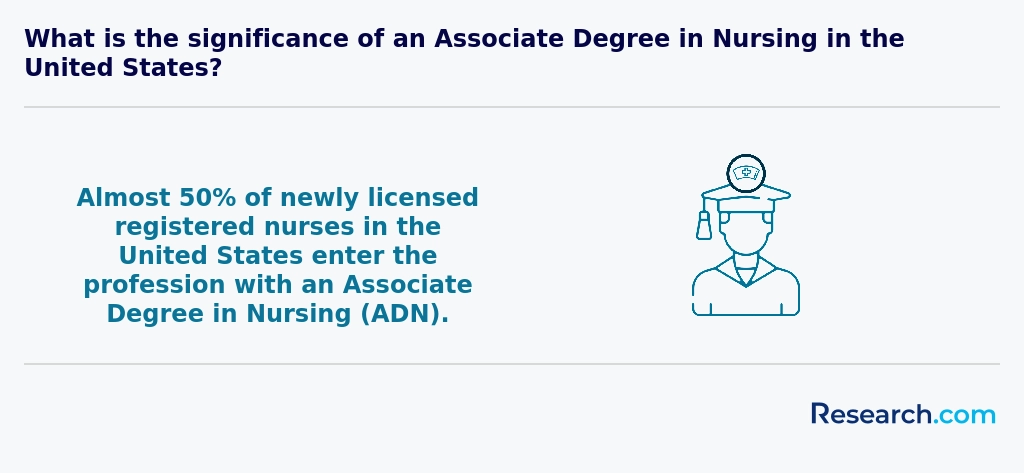
Most programs require applicants to have completed either an accredited Associate Degree in Nursing (ADN) or a nursing diploma from a recognized school. Accreditation through bodies such as ACEN or CCNE is essential, as it guarantees transfer credits-something many Wisconsin students appreciate when navigating their academic paths.
A minimum cumulative GPA, usually between 2.5 and 3.0, is another common prerequisite. Official transcripts must reflect academic rigor, as demonstrated by successful students who valued this standard for preparing them to excel in upper-division courses.
Some Wisconsin programs request prerequisite coursework in microbiology, anatomy, physiology, or statistics. Those who lacked these courses initially found completing them either before starting or alongside their BSN studies at colleges like Madison College helped solidify their understanding of complex nursing topics.
Additional documentation often includes a current resume showcasing nursing experience. While clinical hours before admission aren't always required, many admittees report that detailing their practical experience positively influenced their application.
What courses are typically in online RN to BSN degree programs in Wisconsin?
Online RN to BSN degree programs in Wisconsin typically include courses that build on the practical experience of working registered nurses while preparing them for more advanced clinical and leadership roles. Common coursework covers health assessment and clinical decision-making, which graduates often describe as empowering, enhancing their confidence in evaluating patient conditions and tailoring care plans effectively. Courses in community and public health nursing expose students to large-scale health initiatives and local interventions, a favorite among students from the University of Wisconsin system who appreciate its focus on community impact.
Leadership and management in nursing courses prepare nurses for supervisory responsibilities, helping many to advance within hospital settings or healthcare organizations. Graduates also highlight the value of evidence-based practice classes, which clarify how to translate research into improved patient outcomes. Healthcare policy and ethics, along with pathophysiology and pharmacology, deepen understanding of legal frameworks and medical complexities essential to modern nursing practice in Wisconsin's diverse healthcare environments.
What types of specializations are available in online RN to BSN degree programs in Wisconsin?
Online RN to BSN specializations Wisconsin programs commonly offer focus areas such as Leadership and Management, Community Health Nursing, Gerontology, Pediatrics, and Healthcare Informatics. These specializations equip nurses with skills tailored to Wisconsin's healthcare needs-for instance, graduates from popular institutions like the University of Wisconsin value the Leadership and Management concentration for advancing into supervisory roles. Many students appreciate how Community Health Nursing specialization prepares them to address public health challenges in local communities, aligning well with state workforce demands.
Schools in Wisconsin often allow students to incorporate these concentrations into flexible online RN to BSN degree concentration options, letting them balance work and study while gaining expertise. For example, those pursuing Gerontology feel particularly prepared to care for Wisconsin's growing elderly population, enhancing their job market competitiveness. Students regularly praise the practical approach to Health Informatics, which improves clinical decision-making through technology.
Prospective nurses interested in these specializations may also explore the cheapest online RN to BSN programs to find cost-effective options that include these valuable tracks.
How do you choose the best online RN to BSN degree in Wisconsin?
Choosing the best online RN to BSN degree in Wisconsin begins with confirming accreditation by bodies like the CCNE or ACEN, ensuring the program meets rigorous academic and professional standards. Graduates from popular Wisconsin institutions frequently praise how accreditation impacted their licensure and employment prospects, providing peace of mind as they progress in their nursing careers.
Flexibility in program structure is essential, especially for working nurses balancing shifts and personal commitments. Many Wisconsin RN to BSN students appreciate programs that offer fully online, asynchronous courses, enabling them to study on their own schedules without sacrificing work or family time. These flexible formats make pursuing affordable RN to BSN degrees Wisconsin much more achievable.
Cost considerations heavily influence decisions. Public universities in Wisconsin often provide competitive in-state tuition rates ranging from $7,000 to $10,000, which recent graduates highlight as instrumental in reducing financial stress during their studies. Additionally, prospective students should evaluate support services such as advising and career counseling, often mentioned by alumni as key to their success.
Program length typically varies from 12 to 24 months depending on transfer credits and course load, allowing students to tailor the pace of their education. For those seeking programs without clinical requirements, exploring RN BSN online programs no clinicals can further streamline completion while maintaining quality outcomes.

What career paths are available for online RN to BSN degree students in Wisconsin?
Graduates of online RN to BSN programs in Wisconsin from institutions like the University of Wisconsin and Marquette University access diverse career paths throughout the healthcare sector. Many find roles in specialized clinical settings such as intensive care units, pediatric wards, and outpatient centers, where advanced clinical skills gained during their studies elevate their effectiveness and job satisfaction. These career options exemplify the potential of online RN to BSN nursing careers Wisconsin to enhance professional fulfillment.
In addition to clinical practice, BSN-prepared nurses often move into leadership positions including nurse managers, clinical nurse leaders, and supervisors, where they apply critical thinking and communication skills developed during their programs. Wisconsin RNs also explore roles in public health nursing, case management, and health informatics, all of which suit graduates eager to impact patient outcomes on a broader scale. Stories from alumni highlight increased confidence and career mobility after completing their degrees.
Many Wisconsin RNs pursuing an online RN to BSN degree take advantage of hybrid ABSN programs for flexible learning options that fit busy schedules, all while expanding their qualifications for rewarding job opportunities. The wide range of roles available makes Wisconsin RN to BSN job opportunities appealing to nurses seeking both professional growth and enhanced earning potential.
What is the job market for online RN to BSN degree in Wisconsin?
The job market for online RN to BSN degree graduates in Wisconsin is notably strong, supported by a growing healthcare sector and an aging population that drives demand for qualified nurses. Employers across the state increasingly prioritize hiring nurses with a BSN, recognizing the link between higher education and improved patient care outcomes. Graduates from well-regarded Wisconsin institutions report career advancement opportunities, such as leadership roles and specialized nursing positions, that are less accessible with an ADN alone. This trend aligns with Wisconsin registered nurse career opportunities expanding in areas like case management and public health.
Many nurses pursuing an online RN to BSN degree in Wisconsin appreciate being able to balance work and study, with programs offered by respected colleges providing flexibility and affordability. The average RN salary in Wisconsin approaches $70,000 annually, with BSN holders typically earning 10-15% more. For those exploring options, choosing among the best online BSN programs for non nurses offered in the state enhances both earning potential and job security.
Frequently Asked Questions About RN to BSN
Online RN to BSN students in Wisconsin can enhance their learning by actively participating in interactive course elements like discussion boards and group projects. Engaging regularly with instructors and peers helps build professional networks and deepens understanding.
Utilizing Wisconsin's vast healthcare resources for clinical practice is also crucial. Many programs encourage partnerships with local hospitals, offering real-world experience that complements online studies.
Staying organized and setting a consistent study schedule improves retention and timely completion. According to the Wisconsin Technical College System, nearly 70% of RN to BSN students who maintain steady progress graduate on time.
Finally, leveraging academic advising and career services offered by accredited institutions in Wisconsin supports both academic success and career advancement.
The RN to BSN field is evolving to meet Wisconsin's growing healthcare needs. Emerging niches include community health nursing, where nurses focus on improving public health outcomes through education and preventive care. Another key area is informatics, integrating technology and nursing to manage patient data efficiently. Wisconsin has also seen rising demand for nurses specialized in gerontology due to its aging population. Leadership and management roles are expanding, with many programs emphasizing skills for nurses moving into administrative positions. According to the Wisconsin Center for Nursing, BSN-prepared nurses earn 10-15% more, reflecting increasing value placed on these specialties in the state.
After completing an online RN to BSN degree in Wisconsin, preparing for the job market involves updating your resume to reflect your advanced skills and education. Employers value BSN-prepared nurses for their leadership, critical thinking, and evidence-based practice knowledge. Networking is also vital; joining professional organizations such as the Wisconsin Nurses Association can connect you with local job opportunities and mentorship.
Wisconsin's healthcare sector is growing, with a 2022 report from the Wisconsin Department of Workforce Development predicting a 9% increase in registered nurse jobs through 2030.
Obtaining relevant certifications, like Certified Nurse Manager or leadership courses, can further boost employability. Also, consider gaining experience in specialized nursing fields to diversify your skill set.
Employers in Wisconsin highly value RN to BSN graduates who demonstrate strong clinical reasoning and critical thinking skills. These abilities enable nurses to provide safer, more effective patient care and contribute to improved healthcare outcomes, as supported by data from the Wisconsin Center for Nursing. Effective communication, both with patients and interdisciplinary teams, is another key skill frequently emphasized by healthcare employers in the state.
Additionally, leadership and management capabilities are increasingly important, especially for nurses aiming to advance within hospital settings. Familiarity with evidence-based practice and healthcare technology also ranks high, reflecting Wisconsin's focus on quality and innovation in nursing care. Understanding public health principles and cultural competence helps graduates adapt to diverse patient populations across Wisconsin's urban and rural areas.
Finding internships in Wisconsin related to an online RN to BSN degree involves leveraging local healthcare networks and academic resources. Many Wisconsin hospitals, such as Froedtert Health and UW Health, offer clinical internship opportunities for nursing students. These internships are often tailored for BSN students seeking hands-on experience in specialized nursing roles.
Students should contact their program advisors, who can provide guidance on accredited internship placements aligned with Wisconsin's nursing standards. The Wisconsin Nurses Association also lists internship opportunities and professional development resources specifically for nurses advancing their education.
Additionally, using state job boards like Wisconsin's Department of Workforce Development can help identify internship openings. Many programs require students to complete clinical hours as part of their curriculum, making timely application to internships critical for degree progression.
An online RN to BSN degree in Wisconsin significantly enhances career mobility and advancement opportunities for registered nurses. Many healthcare employers in the state prioritize candidates with a Bachelor of Science in Nursing due to its focus on leadership, research, and community health. According to the Wisconsin Department of Workforce Development, nurses with a BSN degree earn approximately 15% higher wages than those with only an associate degree.
The degree also prepares nurses for advanced roles such as case managers, nurse educators, or public health nurses, which often require BSN credentials. Several hospitals in Wisconsin are adopting "BSN-in-10" policies, encouraging RNs to obtain their BSN within ten years of initial licensure, enhancing job security and promotion potential.
Obtaining a BSN online allows working nurses the flexibility to advance their education without leaving the workforce, helping meet Wisconsin's growing demand for highly skilled nurses in both urban and rural areas.
Studying for an online RN to BSN degree in Wisconsin equips nurses with essential skills that foster effective collaboration within interdisciplinary healthcare teams. The curriculum often includes courses in leadership, community health, and evidence-based practice, which are crucial for working with professionals from various fields such as medicine, social work, and pharmacy.
Wisconsin's Board of Nursing and higher education institutions emphasize critical thinking and communication skills in their programs. This focus prepares graduates to navigate complex patient care environments efficiently.
According to the Wisconsin Nurses Association, approximately 75% of healthcare employers prefer BSN-prepared nurses for roles involving interdisciplinary teamwork.
When choosing between a thesis and a non-thesis RN to BSN program in Wisconsin, consider your career goals and learning preferences. Thesis programs require conducting original research and writing a detailed paper, which develops strong critical thinking and academic skills. This path is ideal if you plan to pursue advanced degrees, such as a Master of Science in Nursing (MSN) or a doctorate later.
Non-thesis programs typically focus on coursework and practical applications without an extensive research requirement. These tend to be shorter and can better suit working nurses aiming to advance clinically or move into management roles quickly.
According to the Wisconsin Educational Aids Board and nursing schools such as the University of Wisconsin System, RN to BSN programs with thesis options often take about 1 to 2 years longer to complete than non-thesis programs. Review the curriculum and speak with academic advisors to see which aligns best with your schedule and ambition.
Students based in Wisconsin looking to study RN to BSN programs abroad face limited options due to the specialized nature of nursing education and licensing requirements. Most overseas institutions do not offer fully online RN to BSN degrees tailored for U.S. Registered Nurses. Additionally, the Wisconsin Board of Nursing requires that coursework align with its state standards to ensure licensure reciprocity.
Some Wisconsin students explore partnerships between U.S. universities and foreign schools, but these are rare for RN to BSN studies. The majority of Wisconsin-based nurses seeking a BSN prefer accredited online programs offered by schools within the United States. According to the Wisconsin Department of Safety and Professional Services, nursing education quality and state recognition are critical factors for degree acceptance.
Therefore, while international study is a possibility, Wisconsin students generally have better access and assurance of licensure advancement through U.S.-based online RN to BSN programs recognized by their state nursing board.
Part-time job opportunities in Wisconsin can enhance the educational experience of students pursuing an online RN to BSN degree. Many RNs find roles as patient care coordinators, which provide exposure to administrative skills essential for BSN-level nursing practice. According to the Wisconsin Department of Workforce Development, healthcare support roles are expected to grow by 12% from 2022 to 2032, creating valuable opportunities for working students.
Additionally, roles such as community health workers or home health aides allow RNs to apply public health concepts learned during their BSN studies. These positions also offer flexible schedules to accommodate class times.
Hospitals and outpatient clinics in Wisconsin, particularly in urban areas like Milwaukee and Madison, commonly hire RNs for part-time clinical or tutoring support roles that complement advanced education. This experience aligns with BSN program competencies and may improve future job prospects.
Online RN to BSN students in Wisconsin benefit from several networking opportunities designed to support their professional growth. Many programs partner with local healthcare systems and nursing associations, such as the Wisconsin Nurses Association, providing access to virtual events, webinars, and forums. Students can connect with peers and experienced nurses statewide, building valuable professional relationships.
Additionally, virtual career fairs and alumni networks offer platforms for job placements and mentorship. According to the University of Wisconsin System, 65% of RN to BSN students reported increased networking opportunities through these channels, enhancing their career advancement prospects within Wisconsin's healthcare market.
Alumni networks play a vital role in supporting online RN to BSN students in Wisconsin. These networks connect graduates with current students for mentorship and career advice, enhancing professional growth. According to the Wisconsin Nurses Association, strong alumni ties can increase employment opportunities by up to 20% through referrals and networking.
Many Wisconsin nursing programs offer exclusive access to job boards and continuing education through their alumni. This is important as the nursing field evolves and requires up-to-date skills. Networking events and online communities also provide emotional support and guidance during the degree completion process.
Overall, active alumni networks help online RN to BSN students build valuable professional relationships that can lead to better job placements and career advancement.
Customizing your online RN to BSN degree in Wisconsin allows you to tailor the program to align with your career goals and interests. Many Wisconsin institutions offer flexible elective courses and specialization options, such as community health, leadership, or informatics. These choices can deepen your expertise in areas fit for advancing your nursing career.
Additionally, some programs allow credit transfers for prior learning or professional experience, reducing time and cost. Online formats often provide part-time options, perfect for working nurses balancing job and studies. According to the Wisconsin Board of Nursing, completing a BSN can increase leadership opportunities and salary prospects statewide, making customization valuable for career growth.
Online RN to BSN students in Wisconsin often face time management challenges due to balancing work, family, and coursework. Many nurses continue full-time employment while studying, which can limit available study hours. The flexibility of online programs helps, but self-discipline remains crucial.
Another common issue is limited in-person networking opportunities. Students may feel isolated since clinical components and peer interactions are mostly virtual. This can affect motivation and access to mentorship.
Some programs require clinical placements within Wisconsin, which can pose scheduling difficulties, especially in rural areas where healthcare facilities are fewer.
According to the Wisconsin Technical College System and Wisconsin Nurses Association, these factors impact student retention and completion rates across the state.
With an online RN to BSN degree in Wisconsin, graduates become eligible for a variety of professional certifications that can advance their nursing careers. One popular certification is the Certified Public Health Nurse (CPHN), which aligns well with BSN-level public health coursework. Additionally, many graduates pursue Certification in Nursing Informatics to combine clinical knowledge with technology skills, reflecting growing healthcare trends.
Other common certifications include the Certified Nurse Manager and Leader (CNML) and specialty certifications such as the Medical-Surgical Nursing Certification (CMSRN). These are recognized nationwide and often improve job prospects and salary potential.
Wisconsin's Department of Health Services reports that nurses with BSN credentials typically see a higher rate of employment in management roles, where these certifications are frequently required. Pursuing certification after completing an RN to BSN online program strengthens both clinical expertise and professional standing.
Applying to an online RN to BSN program in Wisconsin requires careful preparation. Most Wisconsin programs, such as those at the University of Wisconsin and Marquette University, require applicants to hold an active RN license in the state and have completed prerequisite coursework. Highlight your clinical experience and professional goals clearly in your personal statement, as these are key factors in admissions decisions.
Include strong letters of recommendation from nursing supervisors or educators who can vouch for your skills and dedication. Pay close attention to each program's deadlines and application requirements; many schools use platforms like NursingCAS.
According to the Wisconsin Board of Nursing, maintaining good standing without disciplinary actions strengthens your application. Finally, ensure your resume is updated and free of errors to present a professional image.
The RN to BSN degree is increasingly valued not only in Wisconsin but across the United States and internationally. Globally, a bachelor's degree in nursing often signifies higher professional standards, leadership readiness, and advanced clinical skills. In the US, many healthcare employers prefer or require a BSN for career advancement. According to the Wisconsin Center for Nursing, about 60% of RNs in the state already hold a BSN or higher, reflecting a growing trend toward degree completion.
Internationally, the push for more educated nurses aligns with World Health Organization recommendations promoting higher education levels for improved patient outcomes. For Wisconsin nurses, obtaining a BSN online provides flexibility while meeting these evolving standards.
Practical experience is essential for students pursuing an online RN to BSN degree in Wisconsin. Many programs require clinical components, which can often be completed at local healthcare facilities. Students are encouraged to use their existing RN positions to fulfill clinical hours, gaining relevant experience without interrupting their work schedules.
Wisconsin has a robust healthcare system, with numerous hospitals and clinics participating in clinical partnerships with universities. The Wisconsin Board of Nursing mandates that RN to BSN programs include hands-on practice to meet state licensure standards.
Additionally, some programs offer virtual simulations and community health projects to supplement clinical experience. These options allow students to develop practical skills while balancing their online coursework.
Choosing the right concentration within an online RN to BSN degree program in Wisconsin requires understanding your career goals and interests. Many Wisconsin schools offer concentrations such as leadership, community health, or informatics, each aligned with specific nursing roles.
Consider the demand in Wisconsin's healthcare market: for example, nurse leaders are increasingly needed in hospitals and clinics statewide, especially to improve patient care quality. According to the Wisconsin Department of Workforce Development, nursing roles emphasizing leadership and public health are growing faster than average.
Assess your current skills and desired future roles. If interested in population health or policy, a community health concentration might suit you. For those inclined toward managing healthcare technologies, informatics could be ideal. Review the curriculum closely and check if the program offers clinical experiences matching your focus.
Finally, explore if your chosen concentration supports advanced certifications recognized in Wisconsin, which can enhance job prospects and salary potential in the state's competitive healthcare environment.
Related RN to BSN Rankings for Nearby States
- 2027 Best Online RN to BSN Degree Programs Ranking in Illinois
- 2027 Best Online RN to BSN Degree Programs Ranking in Michigan
- 2027 Best Online RN to BSN Degree Programs Ranking in Missouri
- 2027 Best Online RN to BSN Degree Programs Ranking in Ohio
- 2027 Best Online RN to BSN Degree Programs Ranking in Kentucky
- 2027 Best Online RN to BSN Degree Programs Ranking in Kansas
- 2027 Best Online RN to BSN Degree Programs Ranking in Tennessee
- 2027 Best Online RN to BSN Degree Programs Ranking in Arkansas
- 2027 Best Online RN to BSN Degree Programs Ranking in Pennsylvania
- 2027 Best Online RN to BSN Degree Programs Ranking in Virginia
Top Trending RN to BSN Rankings
References
- Nursing Internship and Externship Programs https://jobs.mayoclinic.org/nursinginternexternprograms
- RN to BSN Program Online: Bachelor of Science Nursing https://www.chamberlain.edu/academics/nursing-school/rn-to-bsn
- RN to BSN: Why and how https://www.myamericannurse.com/rn-to-bsn-why-and-how/
- RN to BSN Program University of Wisconsin Nursing | BSN@Home https://bsnathome.com/
- Boost Your Nursing Career with a BSN Degree: Unveiling Pathways for Advancement https://www.webber.edu/boost-your-nursing-career-with-a-bsn-degree/
- What Can You Do With a BSN? | University of Phoenix https://www.phoenix.edu/articles/nursing/what-can-you-do-with-a-bsn.html
- The Impact of Education on Nursing Practice https://www.aacnnursing.org/news-data/fact-sheets/impact-of-education-on-nursing-practice
- Social Care Network for students and early career nurses - Council of Deans of Health https://www.councilofdeans.org.uk/social-care-network-for-students-and-early-career-nurses/
- Rush-Presbyterian-St. Luke's Nurses Alumni Association https://www.rushu.rush.edu/alumni/connect/rush-presbyterian-st-lukes-nurses-alumni-association
- Online RN to BSN - Bachelor of Science in Nursing https://online.ben.edu/programs/nursing/rn-bsn/


