
2027 Most Valuable Online RN to BSN Degree Programs Ranking in the West

Co-Founder and Chief Data Scientist
Are you considering advancing your nursing career in the West? The 2027 Most Valuable Online RN to BSN Degree Programs Ranking in the West was carefully developed by the Research.com team of data scientists to guide your decision-making process. This ranking highlights the top online programs that offer quality education and flexibility to fit your busy lifestyle.
Reading this article will help you discover programs that combine value and convenience, so you can confidently choose a path that leads to greater opportunities. Earning your RN to BSN degree is an empowering step toward professional growth and personal fulfillment.
Key benefits of getting online RN to BSN degree in the West
- Nurses with a BSN degree often see salary increases, with average RN salaries in the West typically ranging around $80,000 to $90,000 annually, boosting financial stability and career satisfaction.
- Graduates from Western universities often pursue roles in management, community health, or specialized nursing, opening exciting new career avenues beyond bedside care.
- Completing an RN to BSN degree online offers flexibility to balance work and life, as shown by graduates from well-known Western programs who value finishing their degree without sacrificing income or family time.
What can I expect from online RN to BSN degree in the West?
The average cost of an online RN to BSN degree in the Western United States typically falls between $300 and $500 per credit for in-state students. Graduates from well-known institutions like those in California or Washington often recall budgeting carefully around these rates while appreciating the value of a flexible schedule that lets them continue working. For example, students attending public universities found that maintaining a steady income while taking courses from home made the financial investment feel more manageable and worthwhile.
Out-of-state learners might encounter slightly higher tuition, but many report that financial aid or employer tuition reimbursement programs significantly eased their burden. One graduate reflected on how accessing these resources allowed them to focus more on mastering subjects like nursing theory and healthcare policy rather than worrying about finances.
These programs, grounded by strong accreditation standards such as CCNE or ACEN, bring not only academic rigor but also a sense of security that the degree will hold weight with employers throughout the Western region's expanding healthcare market.
Where can I work with online RN to BSN degree in the West?
Graduates of online RN to BSN programs in the Western United States often find themselves stepping confidently into diverse healthcare roles, ranging from bustling hospital floors in Los Angeles to community health initiatives in Seattle. Many who studied at well-known Western institutions experience increased job offers in major medical centers, where more than 70% of nurses hold BSN credentials, reflecting the strong preference employers have for this degree.
One graduate shared how their BSN gained through an online program from a California university opened doors beyond bedside care, allowing them to coordinate chronic disease management in outpatient clinics. Another described feeling empowered to join public health departments in Oregon, contributing to vital community wellness projects. These real-world experiences highlight the degree's value in administrative roles, nurse leadership, and education, where hospitals and public organizations actively seek BSN-prepared professionals.
The West's emphasis on advanced nursing credentials encourages graduates to pursue specialized paths or graduate studies. This creates a profound sense of professional growth and a wider range of fulfilling career options than many had imagined when first enrolling in their RN to BSN journey.
How much can I make with online RN to BSN degree in the West?
Graduates from online RN to BSN programs in the Western U.S., such as those offered by the University of Washington and California State University, often share a rewarding increase in earning potential. Many find their salaries rising from the typical Registered Nurse range of $85,000 to $95,000, reflecting both their enhanced skills and the higher demand for BSN-prepared nurses in states like California, Washington, and Oregon.
One graduate recalled moving into a role with differential pay shortly after completing the BSN, highlighting how healthcare systems in cities like Seattle and San Francisco offer sign-on bonuses and tuition reimbursement for nurses with this credential. These incentives translate into tangible financial and career growth, often pushing earnings toward the $100,000 mark or beyond, especially when advancing into leadership or specialized nursing positions.
This pathway not only brings a sense of personal fulfillment but also positions graduates well within health systems striving for Magnet recognition, where BSN qualifications are highly valued. As a result, completing an RN to BSN degree in the West often opens doors to better compensation and job stability.
- Key benefits of getting online RN to BSN degree in the West
- What can I expect from online RN to BSN degree in the West?
- Where can I work with online RN to BSN degree in the West?
- How much can I make with online RN to BSN degree in the West?
- How do we rank schools?
- 2027 Most Valuable Online RN to BSN Degree Programs Ranking in the West
- What online RN to BSN degree graduates have to say
- Key Findings
- How long does it take to complete online RN to BSN degree in the West?
- What's the difference between online and on-campus RN to BSN degree?
- What is the average cost of online RN to BSN degree in the West?
- What financial aid is available to online RN to BSN degree students in the West?
- What are the prerequisites for enrolling in online RN to BSN degree program in the West?
- What courses are typically in online RN to BSN degree programs in the West?
- What types of specializations are available in online RN to BSN degree programs in the West?
- How do you choose the best online RN to BSN degree in the West?
- What career paths are available for online RN to BSN degree students in the West?
- What is the job market for online RN to BSN degree in the West?
- Frequently Asked Questions About RN to BSN
- Top Trending RN to BSN Rankings
How do we rank schools?
Investing in your education is a significant decision that can profoundly impact your career, and the Research.com team recognizes the importance of providing reliable information to guide this choice. To support prospective students in the West region, we have carefully developed the "2027 Most Valuable Online RN to BSN Degree Programs Ranking in the West." Our dedication to quality, credibility, and accuracy is demonstrated through extensive research and rigorous analysis.
We utilized the following reputable data sources to ensure a comprehensive and trustworthy evaluation of these programs:
By consulting this ranking, readers will gain valuable, data-driven insights into the top online RN to BSN degree programs available in the West, enabling them to make informed decisions that align with their career goals. For a detailed explanation of our process, please visit our Research.com methodology page.
2027 Most Valuable Online RN to BSN Degree Programs Ranking in the West
# 1 position

Arizona State University offers a Bachelor's program with a focus on Nursing and Healthcare through its Campus Immersion format. The program has an open admission policy with a 90% acceptance rate, making it accessible to a broad range of applicants. The graduation rate stands at 68%, reflecting a solid completion record. Most students, about 93%, benefit from high levels of financial aid. The average total cost for the degree is $16,150.
# 2 position
Linfield University
Bachelor
Linfield University offers a Bachelor's degree focused on Nursing and Healthcare with an open admission policy, accepting 85% of applicants. The program has a graduation rate of 70% and serves 100 online students. The average total cost is $61,875. All students enrolled benefit from a high level of financial aid, as 100% of them receive assistance to support their education.
# 3 position
Colorado Christian University
Bachelor
Colorado Christian University offers a Bachelor's degree program focusing on Nursing and Healthcare. The program has a graduation rate of 64%, indicating a solid completion success among students. The average total cost for the degree is $71,640. All students enrolled receive financial aid, reflecting a high level of support. The university currently has 4,527 online students, demonstrating a strong presence in distance education.
# 4 position

California State University, San Marcos offers a Bachelor program focused on Nursing and Healthcare with an open admission acceptance rate of 95%. The 18-month program has a graduation rate of 55% and serves 1,300 online students. The average total cost is $451,972. Moderate financial aid is available, with 79% of students receiving support.
# 5 position
Colorado Mesa University
Bachelor
Colorado Mesa University offers a Bachelor's program focused on Public Health and Healthcare, with an open admission policy accepting 82% of applicants. The program takes 18 months to complete and has a graduation rate of 41%. Students pay an average total cost of $10,546. Approximately 91% of students receive financial aid, reflecting high aid availability. The online student enrollment stands at 672 learners.
# 6 position
University of Wyoming
Bachelor
The University of Wyoming offers a Bachelor program focused on Nursing and Healthcare with an open admission acceptance rate of 97%. The program has a graduation rate of 59%, indicating a moderate completion success. It serves a large online community of 2,000 students and provides a high level of financial aid, with 94% of students receiving support.
# 7 position
New Mexico Highlands University
Bachelor
New Mexico Highlands University offers a Bachelor degree program focused on Nursing and Healthcare. The program has a graduation rate of 26%, indicating the percentage of students who successfully complete their studies. A significant majority of students, 92%, receive financial aid, reflecting high levels of support for those enrolled. Other enrollment and acceptance details for this program are not available.
# 8 position

California State University, San Bernardino offers a bachelor's degree program focused on nursing and healthcare with an open admission policy, accepting 94% of applicants. The program has a graduation rate of 55%, indicating that over half of students complete their degree. Most students benefit from high financial aid levels, with 91% receiving assistance. Additionally, the program supports a significant online student body, currently enrolling 2,499 students remotely.
# 9 position
Arapahoe Community College
Bachelor
Arapahoe Community College offers a Bachelor's degree program focused on Nursing and Healthcare. The program has a graduation rate of 29% and an average total cost of $42,000. Approximately 45% of students receive financial aid, indicating mid-level support. The program also serves a significant online population, with 4,665 students enrolled in online courses.
# 10 position
Colorado Technical University - Colorado Springs
Bachelor
Colorado Technical University - Colorado Springs offers a Bachelor's degree program focused on Nursing and Healthcare. The program serves a significant number of online students, with 5,726 enrolled. It has a graduation rate of 19%, and 94% of students benefit from high levels of financial aid. Some details, including the program length and total cost, are not available for this degree.
What online RN to BSN degree graduates have to say
- "The University of Arizona's online RN to BSN program gave me the flexibility to balance work, family, and studies seamlessly. The engaging virtual platform and supportive faculty made advancing my career possible without compromising my life. I'm grateful for an education that truly fits my needs." - Maria
- "Studying through Seattle University online was a transformative experience. The curriculum was challenging yet rewarding, emphasizing leadership in nursing. I found the community forums enriching, which helped me build confidence as a future nurse leader. This program prepared me well for my next career step." - James
- "Enrolling in California State University, Fullerton's RN to BSN online program was the best decision. The coursework was practical and applicable, with patient-centered care at its core. I felt empowered learning at my own pace, and the knowledgeable instructors made every lesson inspiring." - Elizabeth
Key Findings
- Online RN to BSN programs in the Western US allow working nurses to complete their degree without relocating or stopping work.
- The average tuition cost ranges from $15,000 to $40,000, with public universities generally more affordable than private ones.
- Many programs offer accelerated options that can be finished in 12 to 18 months, reducing time and cost.
- BSN-prepared nurses earn an average starting salary of around $80,000, with experienced nurses making $95,000 or more.
- Job growth for BSN nurses is strong in the West, especially in cities like Los Angeles, San Francisco, and Seattle.
- States like California provide incentives such as employer tuition reimbursement to help lower the cost of BSN programs.
How long does it take to complete online RN to BSN degree in the West?
Completing an online RN to BSN degree in the Western United States typically takes between 12 and 24 months, a timeframe shaped by several key factors. Graduates from institutions like Oregon State University and the University of Washington often reflect on the balance between coursework and their nursing careers, finding the flexibility to pursue full-time study allows finishing in about a year, especially when transfer credits lighten the load.
Others, managing family and work, embrace part-time enrollment stretching the journey closer to two years, appreciating the manageable pace rather than rushing. Many Western programs, known for their adaptability, offer summer or intersession courses that savvy students use to shorten their timelines.
Some graduates share how competency-based models, like those at California State University campuses, enable them to move quickly through material they already mastered, making progress rewarding and tailored. This practical approach reflects the thoughtful design of Western RN to BSN programs that respect student experience and real-life demands.
What's the difference between online and on-campus RN to BSN degree?
Online RN to BSN programs in the West offer unmatched flexibility, allowing nurses working night shifts or juggling family duties to attend classes from home, much like graduates from universities such as Arizona State or the University of Nevada have shared. They describe the freedom of logging into lectures after a long shift as invaluable, easing stress and helping them stay motivated. Meanwhile, on-campus programs at institutions like the University of Washington provide the rich, face-to-face interaction and networking that many find energizing, especially those who thrive in structured environments.
Cost-wise, online study often proves more affordable in the West, saving students from daily commutes across vast rural areas-a common hurdle for those attending on-campus classes in states like Montana or Idaho. Both formats maintain strong core curricula, including leadership and community health, but online students appreciate local clinical placements arranged near their homes, eliminating travel hassles some on-campus students face.
Success stories repeatedly highlight that whether online or in person, dedication and discipline turn these programs into rewarding milestones, opening new career doors with confidence and pride.
What is the average cost of online RN to BSN degree in the West?
The average cost of an online RN to BSN degree in the Western United States reflects a blend of factors such as institutional type, residency status, and program design. Graduates from well-known public universities in California and Oregon often share that in-state tuition tends to fall around $26,000, offering a more affordable RN to BSN degree program compared to private institutions. Out-of-state students typically face higher expenses, with costs closer to $33,000 or more, consistent with the increased tuition for non-residents in popular Western nursing schools.
Many students appreciate how these figures translate into real progress toward their professional goals without overwhelming financial strain. For instance, graduates from universities recognized for supporting working nurses through flexible, online schedules highlight the value of accelerated options that save both time and tuition fees. These experiences emphasize the importance of searching for affordable RN to BSN degree programs Western US that balance quality education with manageable costs.
When considering enrollment, it is useful to review not just total tuition but also details like course credit pricing and program length. Commonly, Western programs offer courses between $400 and $700 per credit, with most degrees requiring 30 to 40 credits. For those curious about pathways tailored to their pace and budget, exploring options can lead to finding the right fit. Many students find helpful guidance and enriched perspectives in resources like RN to BSN listings, which clarify how to align personal goals with financial planning.
What financial aid is available to online RN to BSN degree students in the West?
Many RN to BSN students in the West find that federal financial aid is a dependable starting point. By submitting the FAFSA, they often access Pell Grants or low-interest federal loans, easing the burden of the $15,000 to $30,000 tuition range typical at popular schools like the University of Washington or California State University. These supports offer them a feeling of security that allows focus on studies rather than finances.
State programs provide another layer of assistance. Graduates recall applying for grants through California's Nursing Incentive Program or Oregon's loan repayment options, especially rewarding for those committed to underserved communities. Such aid not only supports education but also inspires purpose beyond the classroom.
Additionally, many report valuing scholarships from nursing associations within their states, such as the Washington State Nurses Association, which both recognize merit and encourage professional growth. Employers also play a crucial role-nurses working in hospitals across the West often benefit from tuition reimbursement, transforming career advancement into a realistic dream.
Private scholarships curated by organizations like the AACN further reduce financial stress, enabling students to combine multiple aid sources. This mosaic of funding opportunities cultivates hope and a genuine belief in achieving a BSN degree while balancing life's demands.
What are the prerequisites for enrolling in online RN to BSN degree program in the West?
Enrolling in an online RN to BSN program in the Western U.S. first demands holding an active, unencumbered RN license, which confirms readiness for advanced study and practice. Graduates from well-known schools like the University of Washington or California State University often recall how this prerequisite assured faculty of their foundational nursing skills and commitment. Many students find themselves reflecting on the value of having completed an accredited ADN or nursing diploma beforehand, which serves as a critical stepping stone. Passing the NCLEX-RN exam remains a shared milestone that brings confidence and a sense of achievement.
Successful applicants usually present a minimum GPA around 2.5 to 3.0, showing they are prepared for the rigor of upper-division courses. They also submit transcripts, recommendation letters, and sometimes personal statements, which help admissions see their unique professional journeys. In the West, programs often expect knowledge of courses like microbiology or statistics, yet many students found bridge courses invaluable to fill gaps, especially when balancing work.
What courses are typically in online RN to BSN degree programs in the West?
Online RN to BSN programs in the West often include courses that truly expand a nurse's clinical and leadership abilities. Graduates from well-known universities here often speak about how classes in community and public health nursing helped them understand population health in states like California and Oregon, where diverse cultures shape unique healthcare needs.
Leadership and management courses prepare students for real-world challenges, such as coordinating care in busy hospitals or leading teams through complex situations. Evidence-based practice classes resonate deeply, as many find themselves using research skills learned online to improve patient care immediately.
Health assessment and advanced clinical skills courses offer practical knowledge that students recall vividly-like performing thorough patient evaluations with newfound confidence during clinical rotations associated with Western colleges.
Additionally, courses in pathophysiology, pharmacology, ethics, and healthcare policy provide a robust toolkit for navigating healthcare's legal and moral landscapes, especially relevant in rapidly evolving West Coast systems. Embracing technology through informatics classes is often highlighted as empowering, given the increasing role of electronic health records in modern nursing.
What types of specializations are available in online RN to BSN degree programs in the West?
Exploring online RN to BSN specializations in the West reveals a rich diversity that accommodates personal career aspirations and the evolving demands of healthcare. Many graduates from public universities in this region found that focusing on Leadership and Management not only prepared them for supervisory roles but also gave them confidence to influence healthcare policy effectively. Others gravitated toward Community and Public Health Nursing, a specialization deeply aligned with Western states' emphasis on preventive care and advocacy, enhancing their ability to serve diverse populations.
For those drawn to technology, Nursing Informatics offered an exciting fusion of clinical expertise and data management, a skill in growing demand in Western healthcare systems. Graduates often reflect on how Mental Health Nursing specialization equipped them to address psychiatric care with empathy, a crucial need as demand grows. Gerontology is another popular focus, perfectly suited for nurses passionate about elder care, preparing them to meet the region's aging population challenges.
Students researching these specializations frequently turn to programs at well-regarded institutions in the West, appreciating tailored courses that respect their background and help meet specific state nursing board requirements. Those curious about aligning their ambitions with affordable tuition and convenient online options often find it valuable to explore RN BSN programs carefully, ensuring a path that fits both their professional goals and financial realities.
Understanding Western US RN to BSN degree focus areas helps nurses make informed decisions on their educational journey, building expertise that resonates well beyond the classroom, into meaningful practice and leadership in their communities.
How do you choose the best online RN to BSN degree in the West?
Accreditation is the first critical checkpoint when choosing the best online RN to BSN programs in the West. Graduates from well-known universities often mention how having a CCNE- or ACEN-accredited degree simplified their licensure process and boosted employer confidence. Many in the West appreciate programs that balance solid academic rigor with flexible pacing, especially those who juggle family and work. For example, students from popular regional colleges enjoy asynchronous classes allowing study on their own schedule, which helps maintain motivation and reduces stress.
Cost plays a significant role as well, with affordable RN to BSN degrees in Western states usually found at public universities offering in-state tuition rates. Graduates recall the relief of manageable tuition combined with available financial aid. The curriculum's structure also matters-some programs require local clinical hours, which can be a hurdle depending on your location. Checking for virtual clinical options or sites near you is wise to avoid unexpected travel.
Many experienced students recommend reading detailed student reviews and researching graduation and job placement stats. Programs known for strong networks in the Western healthcare community tend to help graduates thrive after completion. For those concerned about practicum demands, exploring RN to BSN programs with no clinicals can offer a smoother path while fulfilling degree requirements effectively.

What career paths are available for online RN to BSN degree students in the West?
Graduates of online RN to BSN programs in the West often find themselves stepping into roles that blend clinical expertise with leadership and innovation. Many have transitioned into nurse manager or department supervisor positions within renowned hospitals affiliated with universities like the University of Washington or the California State University system. These roles demand not only clinical skills but also strategic planning and team coordination, offering a fulfilling path for those ready to influence patient care on a larger scale.
Others embrace community health nursing, engaging deeply with public health initiatives-an area especially vital in states like Oregon and Nevada, where addressing diverse populations requires both cultural sensitivity and clinical knowledge. Graduates also see promising futures in specialized clinical areas such as pediatrics or oncology, where their BSN education enriches their capacity to deliver nuanced care.
For those considering diverse routes, exploring accelerated BSN programs for non nurses can be a smart move, opening doors to advanced practice sooner. Overall, the online RN to BSN career opportunities in the West reflect a growing landscape where the degree enhances job prospects and personal fulfillment.
What is the job market for online RN to BSN degree in the West?
The job market for online RN to BSN degree holders in the West is notably promising, especially for graduates from well-regarded institutions like those at the University of Washington or California State University. Many nurses who graduated from these programs share how the flexibility of online study allowed them to maintain full-time jobs while advancing their careers in dynamic healthcare settings. This adaptability is crucial in the Western states, where healthcare employers increasingly seek candidates with a BSN to support expanding patient care demands.
For those exploring nursing career growth Western states offer, it's encouraging to know that employers often provide tuition reimbursement, recognizing the value of further education. Graduates report not only improved clinical knowledge but also more opportunities for leadership roles and specialized positions. The competitive salaries, often between $80,000 and $110,000 annually, reflect this demand and contribute to positive job satisfaction.
Nurses in the West also find value in continuing education pathways like the BSN to MSN, which can enhance career prospects even further. This region's growth in nursing jobs surpasses national averages, making it an especially advantageous time to pursue an online RN to BSN degree here.
Frequently Asked Questions About RN to BSN
Online RN to BSN students in the Western US can enhance their learning by actively engaging with course materials and peers. Western institutions often provide virtual simulation labs and discussion forums, which foster practical skills and critical thinking. According to the California Board of Registered Nursing, programs emphasizing clinical reasoning improve graduate outcomes significantly.
Time management plays a crucial role; using planners or digital calendars helps balance work, study, and personal life. Many Western programs offer flexible schedules to accommodate working nurses. Research by the Western Interstate Commission for Higher Education (WICHE) shows that students who utilize academic advising and tutoring services have higher completion rates.
Networking through online student groups and professional organizations in the West increases support and career opportunities. Taking advantage of resources like the Oregon Consortium for Nursing Education can also provide access to workshops and certifications that complement online studies.
The RN to BSN field in the Western US is evolving with several emerging specialties. One notable niche is public health nursing, where BSN graduates contribute to community wellness and disease prevention efforts, especially important amid ongoing public health challenges.
Another growing area is informatics nursing, which combines nursing science with information technology to improve patient care through data management and electronic health records. This is particularly relevant as Western states invest in digital health infrastructure.
Leadership and management roles are also expanding, with many programs emphasizing skills for nurse supervisors and administrators. According to the Western Interstate Commission for Higher Education (WICHE), this focus aligns with regional healthcare employers' increasing demand for BSN-prepared nurses in supervisory positions.
Preparing for the job market after earning an online RN to BSN degree in the West requires strategic planning and skill development. Graduates should focus on enhancing leadership and critical thinking skills, as many healthcare employers seek BSN-prepared nurses for advanced roles.
Networking is vital; joining regional nursing associations such as the California Nurses Association or the Oregon Nurses Association can provide job leads and professional growth opportunities.
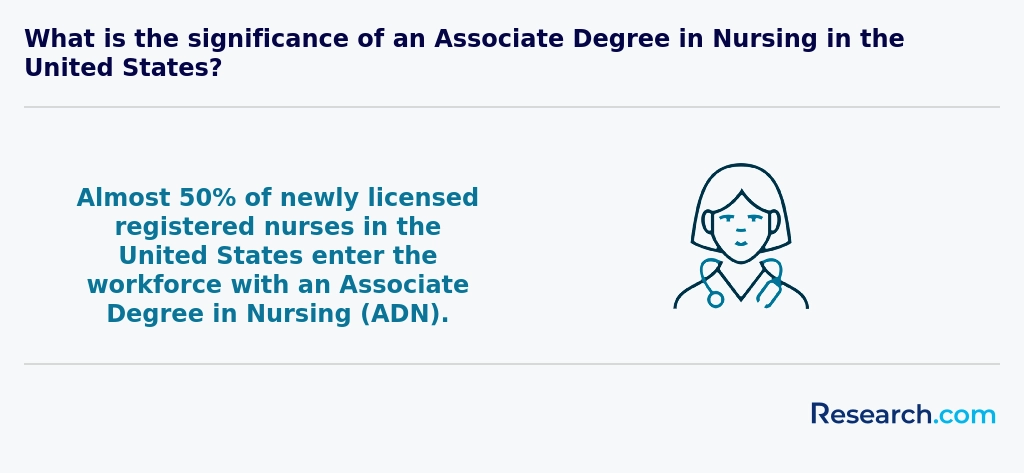
According to the U.S. Bureau of Labor Statistics, registered nurses with a BSN degree in Western states like California and Washington have an average annual wage 10-15% higher than those with an associate degree. This wage premium reflects the increased demand for BSN-prepared nurses in hospital settings.
Lastly, pursuing certifications in specialized areas like geriatrics or pediatrics can boost employability and help graduates stand out in the competitive Western healthcare market.
Employers in the Western United States prioritize several key skills when hiring graduates of online RN to BSN programs. Strong clinical judgment and evidence-based practice are essential, as BSN-prepared nurses must integrate research into patient care. Communication skills are also critical, with emphasis on interprofessional collaboration and patient education, reflecting the holistic approach taught in BSN curricula.
Leadership abilities are highly valued, especially as many RNs transition into roles requiring supervision or coordination. According to the California Board of Registered Nursing, nearly 60% of healthcare employers in the West seek BSN nurses with demonstrated problem-solving and critical thinking skills. Additionally, cultural competency is increasingly important in the diverse populations served across Western states.
Finding internships relevant to an online RN to BSN degree in the Western United States involves a strategic approach. Many healthcare facilities like hospitals, clinics, and public health organizations in states such as California, Washington, and Oregon offer internship opportunities tailored to BSN students. Checking state nursing boards and university career centers is essential; they often have partnerships with local medical centers.
Networking through professional nursing associations like the California Nurses Association can also open doors to internships. Additionally, using platforms such as the American Nurses Association's job board or regional healthcare job sites increases chances. According to the Bureau of Labor Statistics, the West Coast sees steady growth in nursing roles, emphasizing the importance of practical experience during education.
In the Western United States, an online RN to BSN degree significantly enhances career mobility for registered nurses. According to the California Board of Registered Nursing, nearly 70% of hospitals in the region prefer or require nurses to hold a BSN for more advanced roles. Completing a BSN online allows working nurses to gain leadership, management, and evidence-based practice skills essential for promotions.
Many healthcare employers in the West, including major hospital systems in California and Washington, link BSN credentials to higher salary brackets and eligibility for supervisory positions. The Institute of Medicine recommends increasing BSN-prepared nurses to 80% by 2025, influencing regional hiring trends.
Online BSN programs offer flexibility, which is crucial for working professionals balancing shifts and family. This flexibility facilitates continuous employment while advancing education, thus strengthening career trajectories without employment gaps.
Online RN to BSN programs in the West emphasize interdisciplinary collaboration, preparing nurses for complex healthcare environments. These programs integrate coursework in leadership, community health, and health informatics, fostering skills across multiple disciplines.
Students learn to coordinate care with professionals such as social workers, pharmacists, and physicians, improving patient outcomes. The Western Regional Nursing Collaborative notes that 72% of RN to BSN graduates from the region report enhanced abilities in team-based settings.
Additionally, these programs highlight evidence-based practice and communication strategies, essential for functioning effectively in interdisciplinary teams. This holistic preparation aligns with evolving healthcare demands in Western states like California and Washington.
Choosing between a thesis and a non-thesis RN to BSN program in the West depends on your career goals and learning preferences. Thesis options emphasize research skills, preparing students for advanced studies or roles in nursing education and leadership. Non-thesis tracks typically focus on clinical application and practical knowledge, often allowing faster completion.
According to the Western Interstate Commission for Higher Education, about 40% of RN to BSN students in western states prefer non-thesis programs for their flexibility. Thesis programs may require extra time for research, which can extend graduation timelines.
If you aim to pursue graduate education or contribute to nursing research, a thesis track is beneficial. For direct clinical advancement, a non-thesis program can be more efficient while still meeting accreditation standards recognized across the West.
Students based in the Western United States seeking online RN to BSN degrees abroad face limited formal options. Most U.S.-accredited programs are offered domestically, as international institutions often do not align with U.S. nursing licensure requirements. However, some Western students explore partnerships between U.S. universities and foreign institutions that provide hybrid or fully online RN to BSN pathways.
According to the American Association of Colleges of Nursing (AACN), more than 760 RN to BSN programs are available nationally, but few extend internationally in a fully online format recognized for licensure in the U.S.
For Western students, prioritizing regionally accredited online programs ensures credits transfer smoothly and meets state board of nursing criteria.
Registered nurses pursuing online RN to BSN degrees in the Western US often seek part-time roles that enhance their skills and support their education. Common part-time jobs include patient care technician, medical scribe, and health coach positions. These roles provide practical experience aligned with BSN coursework in health assessment and leadership. According to the California Board of Registered Nursing, part-time work averaging 16-24 hours per week ensures balance with academic demands.
Employment in outpatient clinics or community health centers is popular, offering patient interaction and exposure to healthcare systems. Additionally, telehealth assistant roles are growing with digital health trends, allowing flexible schedules suited for online students. These opportunities help develop clinical and communication skills essential for BSN graduates entering a competitive job market.
Online RN to BSN students in the Western United States benefit from various networking opportunities critical to career growth. Many programs connect students with local healthcare organizations through virtual career fairs and internships.
Professional nursing associations like the California Nurses Association and Washington State Nurses Association offer targeted events and online communities. These platforms provide chances to meet peers, mentors, and employers relevant to the region.
Data from the National League for Nursing shows that about 65% of online RN to BSN students engage in virtual networking events, which help build professional relationships despite physical distances.
Additionally, some West Coast universities facilitate exclusive alumni networking groups that enhance connection possibilities among graduates and prospective employers.
Alumni networks play a significant role for online RN to BSN students in the Western United States. These networks offer professional connections, helping graduates access job opportunities in competitive healthcare markets. According to the California Board of Registered Nursing, states like California and Washington have high demand for BSN-prepared nurses, making alumni connections valuable for career advancement.
Alumni groups often provide mentorship, guidance, and support throughout the transition from RN to BSN roles. They facilitate access to local healthcare employers and professional events, which can be limited for online learners. Research from the Western Interstate Commission for Higher Education shows that strong alumni ties can improve employment outcomes by up to 20% in the region.
Moreover, alumni networks encourage lifelong learning by sharing continuing education resources and industry updates. This ongoing engagement helps nurses staying current with evolving care standards and licensure requirements common in Western states. Overall, alumni networks enhance both educational and professional growth for RN to BSN students online.
In the Western United States, many online RN to BSN programs offer flexible options to tailor your education according to career goals. Students can often choose electives that focus on leadership, public health, or specialized clinical practice. This customization helps nurses gain skills aligned with their professional interests.
Programs frequently provide accelerated tracks or part-time study to accommodate working nurses. Some schools in the West, such as those in California and Washington, also integrate community health projects tailored to regional needs, enhancing real-world experience. According to the California Board of Registered Nursing, around 30% of RN to BSN students select specialization options.
This flexibility is designed to support career advancement in management, education, or advanced clinical roles, providing a valuable pathway for professional growth.
Online RN to BSN students in the Western US often face challenges related to balancing work, family, and studies. Many students are working nurses who juggle long shifts with coursework deadlines, causing stress and time management issues. According to the Western Interstate Commission for Higher Education (WICHE), around 60% of RN to BSN students in the region report difficulties in managing clinical practicum requirements alongside their jobs.
Connectivity and access to reliable internet can also be a barrier, especially in rural areas of the West where broadband is limited.
Additionally, some students find it challenging to stay motivated without regular in-person interaction, impacting their engagement and retention rates.
Financial concerns also remain, as even online programs can have significant tuition and fees, with the average cost in the West around $15,000 for the entire program, per NCES data.
With an online RN to BSN degree, nurses in the West can pursue various professional certifications to advance their careers. Common certifications include the Certified Nurse Educator (CNE) for those interested in teaching and the American Nurses Credentialing Center's (ANCC) certifications, such as Medical-Surgical Nursing or Gerontological Nursing.
Many Western states, like California and Washington, value BSN-prepared RNs when applying for specialty certifications. The BSN enhances eligibility for leadership roles and certifications like the Certified Case Manager (CCM).
According to the American Association of Colleges of Nursing, nearly 80% of hospitals in the Western U.S. seek BSN-prepared nurses for advanced credentials.
Applying to online RN to BSN programs in the West requires a clear and well-prepared application. Start by ensuring your active RN license is current, as this is mandatory across Western states like California, Oregon, and Washington. Many programs also require a minimum GPA, often around 2.5 to 3.0, reflecting your readiness for upper-division coursework. Include a thoughtful personal statement that highlights your nursing experience and career goals; admissions committees value clarity about why you want to advance your education.
Letters of recommendation, preferably from employers or instructors familiar with your clinical skills, strengthen your application. Some Western schools encourage applicants to mention specific local healthcare challenges in their essays, demonstrating awareness of regional needs. Lastly, verify that all official transcripts from your ADN or diploma school are submitted promptly, as delays can impact admission decisions. According to the Western Interstate Commission for Higher Education (WICHE), more than 60% of applicants to RN to BSN programs in the West succeed with strong academic records and professional narratives.
The global viewpoint on an RN to BSN career increasingly recognizes the value of a Bachelor of Science in Nursing for registered nurses, especially within the United States. In the West, healthcare employers prioritize BSN-prepared nurses for leadership roles and improving patient outcomes. According to the American Association of Colleges of Nursing (AACN), over 60% of hospitals in the Western U.S. prefer BSN-qualified nurses, reflecting national trends toward higher education standards.
Internationally, the RN to BSN is seen as a pathway to meeting evolving healthcare demands and regulatory requirements. The degree enhances nurses' skills in critical thinking, management, and evidence-based practice, which are sought after globally.
Gaining practical experience while studying for an online RN to BSN degree in the West typically involves clinical practicums or guided nursing projects arranged through the program. Many Western states require students to complete a certain number of clinical hours to meet licensure and accreditation standards. Online programs often collaborate with local healthcare facilities, enabling students to fulfill these requirements within their communities.
Students may engage in hands-on experiences such as patient care, health assessments, and leadership roles under supervision. According to the California Board of Registered Nursing, clinical hours vary by program but commonly range from 40 to 80 hours.
This integration of practical work deepens students' skills while maintaining online coursework flexibility.
Choosing the right concentration within an online RN to BSN degree program in the West involves assessing your career goals and regional healthcare demands. Specializations such as leadership, community health, or informatics are popular, with leadership options growing due to a 15% projected increase in healthcare management roles by 2030, according to the U.S. Bureau of Labor Statistics. Consider concentrations with strong job placement rates in Western states like California and Washington, where public health nursing is also expanding due to diverse populations.
Review program curricula to ensure alignment with your interests and verify accreditation by CCNE or ACEN. Additionally, seek programs offering clinical partnerships locally to enhance practical experience and employment opportunities after graduation.
Top Trending RN to BSN Rankings
References
- 5 Benefits of Pursuing an RN to BSN | University of Bridgeport https://www.bridgeport.edu/news/5-benefits-of-pursuing-an-rn-to-bsn-program/
- RN to BSN Degree Online – BS Degree in Nursing | University of Phoenix https://www.phoenix.edu/online-nursing-degrees/rn-to-bsn-nursing-bachelors-degree.html
- Nursing Study Abroad Programs | Go Overseas https://www.gooverseas.com/study-abroad/nursing
- Online vs. Traditional RN to BSN | Nexus University https://www.nexusuniversity.com/online-vs-traditional-rn-to-bsn/
- All About Bachelor of Science in Nursing (BSN) https://www.allnursingschools.com/bsn/career-paths/
- What Can You Do With a BSN? Careers, Salary, and Next Steps https://stmary.edu/nursing-accelerated/what-can-you-do-with-a-bsn.html
- RN to BSN Program Online: Bachelor of Science Nursing https://www.chamberlain.edu/academics/nursing-school/rn-to-bsn
- How to Switch Careers to Nursing Without Starting Over | West Coast University https://westcoastuniversity.edu/blog/making-a-change-to-nursing-how-to-switch-careers-without-starting-over
- RN vs BSN - What’s Better in 2025? | NEIT https://www.neit.edu/blog/rn-vs-bsn
- RN to BSN: Why and how https://www.myamericannurse.com/rn-to-bsn-why-and-how/


