
2027 Most Popular Psychology Degree Programs Ranking in Memphis

Co-Founder and Chief Data Scientist
If you're considering a psychology degree in Memphis, you're in the right place. This article introduces the 2027 Most Popular Psychology Degree Programs Ranking in Memphis, created by the Research.com team of data scientists.
Our ranking helps you make an informed choice about which programs truly stand out in quality and value. Choosing the right program is an important step toward a fulfilling career in psychology.
Reading this article will give you clear insights and boost your confidence as you plan your educational journey. A psychology degree opens up rewarding opportunities to make a positive impact on others' lives.
Key benefits of getting psychology degree in Memphis
- Salary for psychology degree graduates: Graduates can earn competitive wages such as $76,060 annually as a Human Resources Specialist or $62,370 as a Clinical Research Associate, showing strong earning potential in Memphis.
- Career paths: Psychology graduates from Memphis universities often explore diverse roles like marketing research analyst or survey researcher, offering exciting opportunities to apply skills in multiple fields.
- Online degree benefits: Earning a psychology degree online from a Memphis-based university offers flexibility and the ability to balance work and study, making education more accessible and convenient.
- 2027 Most Popular Psychology Degree Programs Ranking in Memphis
- What can I expect from psychology degree in Memphis?
- Where can I work with psychology degree in Memphis?
What can I expect from psychology degree in Memphis?
The average cost of pursuing a psychology degree in Memphis varies, but students often find programs at institutions like the University of Memphis to be financially accessible compared to national averages. Tuition for in-state undergraduates at such public universities typically ranges from approximately $9,000 to $11,000 per academic year. Graduates frequently mention how this cost balance allowed them to focus on intensive study and practical engagement without overwhelming financial stress.
Beyond tuition, many students budget for expenses including textbooks, technology, and fees related to internships or practicum placements. For example, psychology students involved in local clinical internships appreciate that Memphis's collaborative healthcare environment reduces additional costs, thanks to partnerships with nearby hospitals and mental health organizations.
Graduates often recall that the value of their education, combined with accessible living costs in Memphis, created a supportive atmosphere that helped them thrive academically and professionally. This affordability, paired with opportunities for hands-on experience, positions Memphis as a compelling choice for students pursuing psychology degrees.
Where can I work with psychology degree in Memphis?
Graduates with psychology degrees in Memphis find diverse career opportunities spanning mental health, healthcare, education, social services, and corporate sectors. Many alumni from institutions like the University of Memphis thrive working within mental health facilities such as the Helen Ross McNabb Center, providing counseling and community support. These roles offer fulfilling experiences, directly impacting individuals' well-being.
Hospitals and medical centers, including Methodist Le Bonheur Healthcare, employ psychology graduates as behavioral health specialists and researchers, reflecting the city's growing healthcare industry. Graduates often express satisfaction in contributing to patient care and innovative research efforts.
In education, psychology degree holders frequently become school counselors or academic advisors in Shelby County schools, where they support students' development. Universities also engage graduates in applied research, enriching their professional journey. Social services agencies in Memphis offer roles in child welfare and rehabilitation, appealing to those passionate about societal improvement.
Corporate employers value psychology graduates for human resources and organizational development, appreciating their insight into workplace dynamics. Many understand that advanced clinical careers require further study and licensure through the Tennessee Board of Examiners in Psychology, which motivates ongoing professional growth.
Graduates holding a psychology degree from universities in Memphis often find diverse opportunities with promising salaries. For example, those entering roles such as Human Resources Specialists can expect a mean annual wage of around $76,060, reflecting solid earning potential early in their careers. Similarly, Psychology degree holders pursuing positions like Marketing Research Analysts benefit from an average salary of $83,190 per year, demonstrating substantial value in Memphis's marketplace.
Clinical Research Associate roles, commonly filled by those with advanced psychology training, offer mean annual earnings of about $62,370. This range supports graduates working within hospitals, academic research, or private clinics across Memphis, affirming competitive wages in the local landscape. Moreover, graduates who start as Childcare Workers may experience a lower mean wage near $32,070 but often gain experience that leads to higher-paying, specialized psychology-related roles.
Survey Researchers, another career path for psychology graduates in Memphis, earn a similar mean annual wage of $62,370, reflecting steady demand for data analysis skills. Alumni from established colleges in Memphis report satisfaction with these earning outcomes, especially when combining practical experiences with local licensure for career advancement opportunities.
- Annual tuition for psychology bachelor's degrees in Memphis ranges from about $8,000 at public schools to over $20,000 at private colleges.
- Additional costs like textbooks and fees can add several hundred dollars per semester.
- Starting salaries for psychology graduates in Memphis are typically between $38,000 and $45,000 within one to two years after graduation.
- Experienced psychologists with advanced degrees can earn more than $70,000 annually.
- The Memphis area has a higher concentration of psychology professionals than the national average, indicating a strong job market.
- Many psychology careers require advanced degrees, and local universities offer graduate programs aligned with Tennessee licensure requirements.
Completing a psychology degree in Memphis typically varies by the education level pursued. Graduates pursuing a Bachelor of Arts or Bachelor of Science at institutions like the University of Memphis or Rhodes College often finish in about four years of full-time study. These programs require around 120 to 130 credit hours, blending core psychology courses with electives and general education. Many students feel a sense of accomplishment balancing coursework with campus life and local opportunities.
Those enrolled part-time or managing work alongside their studies frequently take five to six years, reflecting a flexible path that respects personal commitments. For individuals aiming to advance toward licensure or clinical roles, master's programs at the University of Memphis usually span two to three years post-bachelor's, offering immersive tracks that deepen expertise and practical skills.
Doctoral candidates at Memphis universities face a longer journey, often dedicating five to seven years to coursework, research, and internships. Many describe their experience as challenging yet rewarding, enriched by mentorship and hands-on practicum experiences essential for professional growth.
As the field of psychology continues to evolve, emerging trends are reshaping both academic programs and career opportunities for students across Memphis, TN and beyond. With rapid advancements in technology and growing awareness of mental health, universities are increasingly integrating interdisciplinary approaches, telepsychology practices, and innovative research methodologies into their curricula. For instance, recent innovations in digital learning environments are making it easier than ever for students to access advanced studies, as evidenced by programs like the online master's in psychology texas that emphasize flexible, cutting-edge learning models. Additionally, employers are placing a higher premium on skills in data analysis, digital communication, and cross-cultural competence, signaling a paradigm shift in what constitutes professional readiness in psychology. Aspiring psychologists are encouraged to explore specializations that focus on behavioral analytics, telehealth, and integrative mental health strategies to stay ahead in a competitive job market. These forward-thinking programs not only equip students with robust theoretical foundations but also prepare them to adapt to the future landscape of mental health and human behavior.
Choosing between online and on-campus psychology degrees in Memphis involves distinct experiences tailored to different lifestyles. Graduates from the University of Memphis often praise the on-campus format for its dynamic engagement, where face-to-face discussions in classrooms and spontaneous study groups enrich learning. The immediate access to campus resources like libraries and counseling centers also enhances their academic journey and practical training opportunities.
Conversely, online students appreciate the flexibility to balance studies with work or family. Those enrolled in accredited online programs benefit from studying anywhere, saving commuting time and related expenses. However, they must cultivate strong self-discipline and comfort with technology for virtual lectures and assignments.
Internships and practicum placements illustrate another key difference. On-campus students find it easier to connect with local organizations for hands-on experience, while online learners often seek remote or community-based options. Both paths at Memphis institutions align in tuition range, but the lifestyle fit and networking opportunities markedly define the student experience.
Accreditation verifies program quality and ensures your degree meets Tennessee’s licensure requirements. Without an APA‐accredited curriculum, you may face challenges securing supervised hours or passing professional exams.
Steps to licensure in Tennessee:
- Enroll in an APA‐accredited bachelor’s, master’s or doctoral program.
- Complete the required supervised clinical hours (varies by degree level).
- Pass the Examination for Professional Practice in Psychology (EPPP) or relevant counseling exams.
- Apply for state licensure (Licensed Psychologist or Licensed Professional Counselor).
Confirm each program’s accreditation status on the APA website and with the Tennessee Department of Health. If cost is a concern, explore cheap online masters in psychology for accredited, budget-friendly options.
The average cost of a psychology degree in Memphis varies considerably based on whether a student attends a public or private institution and their residency status. For those pursuing an undergraduate degree locally, in-state students typically face tuition and fees around $10,728 in total, which aligns closely with costs at public universities like the University of Memphis. Graduates from these programs often reflect positively on how manageable the costs were, which allowed them to focus on gaining practical experience.
Out-of-state students or those attending private colleges, such as Rhodes College, encounter significantly higher expenses, with total costs rising to a median of $27,646. Despite these higher fees, many psychology students find that scholarships, assistantships, and financial aid mitigate the financial burden, enabling them to pursue specialized training without overwhelming debt. Graduate-level psychology programs in Memphis also trend toward the higher end of tuition costs due to their advanced curriculum and extended duration.
Prospective students interested in psychology degree tuition and fees Memphis will benefit from seeking detailed program information and financial aid opportunities offered by institutions. Many graduates appreciate that the city's academic environment supports a variety of funding options and enriching experiences. For those exploring options, it is helpful to research in demand psychology programs to make informed decisions that balance educational value and affordability.

Pursuing a psychology degree in Memphis, TN, is a significant step towards a fulfilling career that contributes to the well-being of individuals and communities. With the city's vibrant cultural scene and diverse population, students have a unique opportunity to explore various aspects of human behavior. For those interested in advancing their education, exploring in demand psychology programs can provide valuable insights into the most sought-after specializations. These programs often include concentrations such as clinical psychology, counseling psychology, and forensic psychology, catering to a wide range of interests and career goals. By understanding the local job market and the skills in demand, psychology graduates in Memphis can position themselves for success in a field that is both challenging and rewarding. Whether one's passion lies in mental health services, research, or social services, a psychology degree from a reputable institution in Memphis can serve as a solid foundation for a lifetime of personal and professional growth.
Psychology students in Memphis benefit from multiple financial aid options that significantly reduce education costs. Federal aid begins with FAFSA, unlocking access to grants like the Pell Grant, which can provide up to $7,395 annually without repayment obligations. Many psychology students at the University of Memphis have relied on this to cover tuition and essentials, easing their financial stress.
State programs also support Memphis students; the Tennessee Student Assistance Award (TSAA) offers grants specifically for residents pursuing eligible degrees, including psychology. These grants vary but frequently provide crucial supplemental funding to help manage living expenses and books.
Institutional scholarships at Memphis colleges provide further relief. Psychology majors often obtain merit-based scholarships awarded for academic excellence or involvement in research. Graduates recall these awards as pivotal in allowing focus on studies rather than finances.
Additionally, external scholarships from organizations such as the American Psychological Association offer meaningful support, sometimes exceeding $2,000. While loans remain common, students are encouraged to borrow cautiously, mindful that psychology graduates nationally carry average debts over $30,000.
Accreditation is the cornerstone of academic credibility for psychology degree programs in Memphis, TN. When evaluating potential schools, students should verify that their chosen institution holds regional accreditation from organizations such as the Southern Association of Colleges and Schools Commission on Colleges (SACSCOC). Furthermore, specialized accreditation from the American Psychological Association (APA) is essential for those aiming to pursue licensure as clinical or counseling psychologists. APA-accredited programs adhere to rigorous standards in curriculum design, faculty qualifications, and research infrastructure, ensuring graduates meet the prerequisites for state licensure exams and competitive postgraduate placements. In addition to APA recognition, programs in counseling psychology often seek accreditation from the Council for Accreditation of Counseling and Related Educational Programs (CACREP), which underscores excellence in training, clinical supervision, and ethical practice. Prospective students should review accreditation status early in their application process, as attending a non-accredited program can impede eligibility for internships, federal financial aid, and professional certification. While Memphis programs boast strong regional reputations, students seeking cost-effective alternatives may explore our Inexpensive Psychology Degree Programs Ranking in Pennsylvania to compare tuition rates alongside accreditation standards. Remember that the value of your degree extends beyond price; accredited institutions also offer robust career services, alumni networks, and research opportunities that amplify return on investment. By prioritizing accredited programs, applicants can confidently navigate admissions, secure licensure pathways, and position themselves for success in diverse psychology careers-from clinical practice to organizational consulting. Always consult official accreditation databases and institutional disclosures to verify program status before enrolling.
Enrolling in a psychology degree program in Memphis requires meeting specific academic and administrative prerequisites tailored to prepare students for rigorous study and professional success. Undergraduate applicants must hold a high school diploma or equivalent, demonstrating strong scores on the SAT or ACT, with a GPA typically around 3.0 or higher. Core course completion in biology and math is essential, as many graduates highlight how these foundational subjects eased their transition into complex psychological theories and research methods at Memphis institutions like the University of Memphis.
For graduate programs, candidates need a bachelor's degree from an accredited school, preferably with prior coursework in psychology or related fields such as sociology or statistics. Submitting official transcripts, letters of recommendation, and a compelling personal statement is standard; graduates often recall that these components allowed them to convey their passion and readiness effectively. Although the GRE is commonly required, some Memphis colleges have started waiving it, increasing accessibility.
Additional prerequisites may include immunization records and background checks, especially for clinical practicum placements. Many Memphis students find fulfilling volunteer or professional experiences crucial, sharing that such involvement boosted both their confidence and acceptance chances in competitive psychology programs.
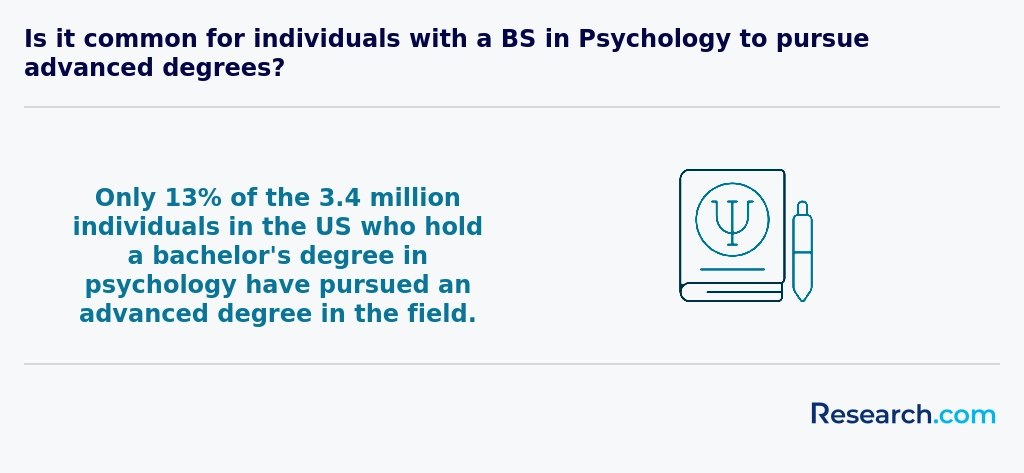
In Tennessee, earning a psychology degree is only the first step toward professional practice; graduates must also attend accredited programs and fulfill state licensure requirements to work as clinicians. Accreditation ensures your education meets rigorous standards set by the American Psychological Association (APA) or the Council for the Accreditation of Counseling and Related Educational Programs (CACREP), both of which are recognized by the Tennessee Board of Licensed Professional Counselors, Marital and Family Therapists, and Clinical Pastoral Therapists (LBPL). Key Accreditation Bodies:
- APA (American Psychological Association): Required for doctoral programs in clinical, counseling, and school psychology.
- CACREP: Preferred for master’s-level counseling degrees.
- SACSCOC (Southern Association of Colleges and Schools Commission on Colleges): Regional accreditation for colleges and universities. State Licensure Pathway: 1. Graduate from an APA- or CACREP-accredited program. 2. Complete supervised clinical experience (1,500–3,000 hours) under a licensed psychologist or counselor. 3. Pass the Examination for Professional Practice in Psychology (EPPP) and any Tennessee-specific jurisprudence exam. 4. Apply to the LBPL for Licensed Psychologist, Licensed Professional Counselor (LPC), or Licensed Marital and Family Therapist (LMFT) credentials. Expedited Pathways: For students seeking to accelerate their training, exploring an accelerated psychology bachelor’s degree online can reduce time to graduation while maintaining accreditation standards, provided the program is regionally accredited and recognized by Tennessee licensing boards. Continuing Education and Renewal: Licensed professionals must complete 30 hours of continuing education every two years, including ethics and cultural competence. Many accredited universities and professional bodies offer online CEU courses, ensuring you stay current with best practices and maintain compliance with Tennessee regulations.
Psychology degree programs in Memphis typically feature a blend of foundational and specialized courses designed to equip students with both theoretical knowledge and practical skills. Core courses such as General Psychology, Developmental Psychology, and Biological Psychology provide essential understanding of human behavior, growth, and neurological functions. Graduates from institutions like the University of Memphis often recall how these subjects helped them relate complex theories to everyday experiences, such as understanding behavioral changes during childhood or the biological basis of stress.
Research training is integral, with courses like Research Methods in Psychology and Statistics for Behavioral Sciences honing analytical abilities. Students appreciate how these classes prepare them for designing studies and interpreting data, skills valued in both academic and clinical settings.
Additional courses include Abnormal Psychology, Cognitive Psychology, Social Psychology, and Personality Psychology, addressing mental health disorders, perception, social influences, and individual differences. At Memphis colleges, community-focused topics also engage students in real local issues such as urban health disparities, making their learning meaningful and connected to the city's unique context.
Psychology degree specializations in Memphis cover a broad spectrum tailored to diverse career goals. Graduates from popular universities often highlight clinical psychology, a field emphasizing diagnosis and treatment of mental health disorders, as a deeply rewarding path due to increasing demand for such professionals. Counseling psychology is another common concentration that equips students with therapeutic skills crucial for licensure and effective client support in real-world settings.
Memphis psychology program concentration options also include cognitive and experimental psychology, appealing to those drawn to research and academia. Students frequently engage in hands-on projects that explore memory, perception, and learning processes, fostering a strong foundation for scientific inquiry. Additionally, industrial-organizational psychology attracts many students interested in applying psychology to improve workplace behavior and satisfaction, offering promising salary prospects.
Specializations such as developmental and forensic psychology provide unique opportunities through focused coursework and field experiences, enriching student understanding of lifespan development and legal systems. For those seeking flexibility, some graduates pursue an online master's in psychology texas, opening doors to broader options beyond Memphis.
To choose the best psychology degree in Memphis, start by assessing your career goals, whether you aim to become a licensed therapist, counselor, or researcher. Graduates from well-known programs like those at the University of Memphis often emphasize the importance of accredited degrees, which maintain high academic standards and facilitate licensure. Many Memphis students appreciate the affordability of local public universities, which offer competitive tuition rates compared to private colleges; this highlights the appeal of affordable psychology colleges in Memphis.
Examining curriculum focus is crucial. Some programs emphasize clinical work through partnerships with Memphis hospitals, providing hands-on practicum opportunities that former students found invaluable for real-world experience. Others focus on experimental or counseling psychology. Prospective students should also consider programs' graduation and licensure success rates, as these reflect strong outcomes and professional readiness.
Exploring flexible options like an accelerated psychology bachelor's degree online can also benefit those balancing work or personal commitments while pursuing their degree in Memphis.
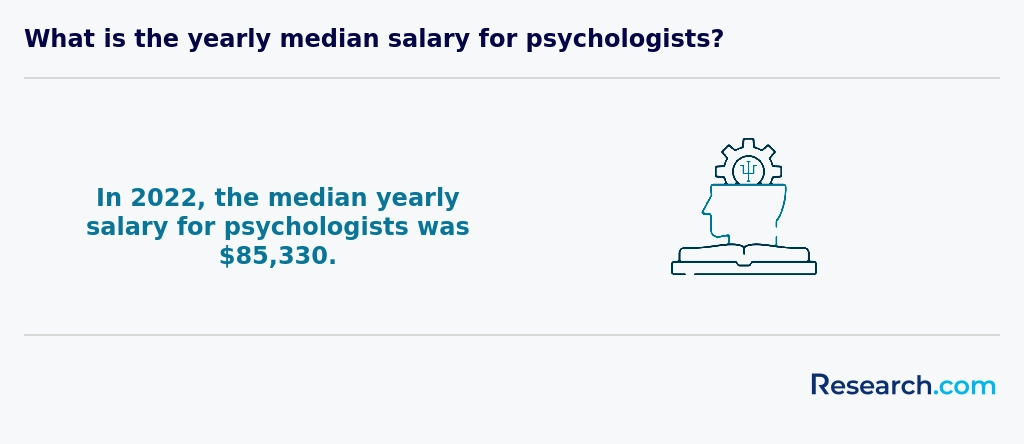
Graduates holding a psychology degree in Memphis encounter a wide array of career paths tailored to diverse professional interests. Many pursue clinical and counseling roles, working in hospitals, private practices, or community health centers after obtaining licensure like Licensed Professional Counselor (LPC) or Licensed Clinical Social Worker (LCSW). This pathway aligns well with the growing demand for mental health counselors in Tennessee, which outpaces the national average.
Others explore job opportunities with psychology degree Memphis, serving as school psychologists or counselors in local educational institutions, where they actively support student development and wellbeing. Industrial-organizational psychology is another notable route, with graduates applying their expertise to improve workplace productivity and employee satisfaction within Memphis-area companies.
Research and academic instruction at Memphis colleges remain attractive for graduates driven by advancing psychological science and mentoring students. Additionally, human services roles in nonprofits addressing substance abuse and family issues provide fulfilling careers. Prospective students should consider financial aspects carefully; comprehensive information is available in the Inexpensive Psychology Degree Programs Ranking in Pennsylvania to help guide informed decisions.
The job market for psychology degree holders in Memphis is robust, supported by diverse sectors such as healthcare, education, and social services. Graduates from institutions like the University of Memphis regularly find opportunities in clinical psychology roles within major healthcare systems, including Methodist Le Bonheur Healthcare. The demand for specialists in school psychology is also significant within Memphis-Shelby County Schools, where graduates play a vital role in supporting student mental health and development. Many psychology degree holders also pursue industrial-organizational psychology positions in local corporations, contributing to employee wellness programs.
Those interested in research contribute to ongoing projects at Memphis universities, gaining valuable experience that enhances their qualifications. The psychology degree job outlook Memphis reflects a steady growth aligned with national trends, though competition remains strong. Graduates often express satisfaction with the meaningful impact of their work and the achievable balance between salary and cost of living in Memphis.
For students weighing educational paths, understanding how long does it take to get an associate degree can help plan entry into this dynamic job market efficiently.
2027 Most Popular Psychology Degree Programs Ranking in Memphis
Investing in your education is a significant decision that can greatly impact your career and personal growth, and the Research.com team is dedicated to helping you make well-informed choices. To support prospective students in Memphis, we have carefully developed the "2027 Most Popular Psychology Degree Programs Ranking in Memphis." Our commitment to quality, credibility, and accuracy is demonstrated through rigorous research and analysis.
We utilized the following reputable data sources to ensure a thorough evaluation of psychology degree programs:
By reviewing this ranking, readers will gain valuable insights into the top psychology programs available in Memphis, empowering them to select the best program suited to their goals. For a deeper understanding of how this ranking was created, please visit our Research.com methodology page.


Frequently Asked Questions About psychology
Psychology degree students in Memphis can maximize their learning by engaging with local practicum and internship opportunities. Institutions like the University of Memphis offer partnerships with Memphis-area hospitals and counseling centers, providing hands-on experience essential for applied psychology careers.
Joining psychology clubs and research groups allows students to collaborate on studies and attend seminars, enriching their academic experience. Memphis is home to various psychology-focused organizations that host events tailored to students' interests.
Additionally, students should leverage digital resources like the American Psychological Association's online databases for up-to-date research materials. Staying informed about Tennessee's licensure requirements early can help align coursework with professional goals. According to the Tennessee Higher Education Commission, Memphis has seen a 12% growth in psychology-related employment from 2020 to 2023, reflecting increasing local demand.
The field of psychology is evolving rapidly, with several emerging niches gaining prominence for students pursuing psychology degrees in Memphis. One growing area is neuropsychology, which focuses on the relationship between brain function and behavior. This specialty has increasing demand due to advances in brain imaging technologies.
Another notable niche is health psychology, especially relevant in Memphis given regional health challenges like diabetes and obesity. Health psychologists work on behavioral approaches to improve patient outcomes.
Additionally, forensic psychology is expanding, reflecting Memphis's growing need for mental health expertise in legal settings. These niches offer diverse career paths beyond traditional clinical roles.
After earning a psychology degree in Memphis, preparing for the job market involves multiple strategic steps. First, gaining practical experience through internships or volunteer positions within Memphis's healthcare facilities, schools, or community centers is essential. Employers often look for hands-on skills alongside academic achievement.
Networking also plays a crucial role. Join local professional groups such as the Memphis Psychological Association to connect with practicing psychologists and access job leads. According to the Bureau of Labor Statistics, Memphis's psychology job market is expected to grow by 7% through 2030, emphasizing demand for well-prepared graduates.
Additionally, consider advanced certifications or graduate education to improve competitiveness, since many roles require more than a bachelor's degree. Utilizing Memphis-based career services and attending job fairs can further aid job placement.
Employers in Memphis prioritize several key skills when hiring psychology degree graduates. Critical thinking tops the list, enabling graduates to analyze behavior and mental processes effectively. Communication skills, both written and verbal, are essential for working with clients and healthcare teams. According to the U.S. Bureau of Labor Statistics, emphasis on interpersonal skills is growing in Memphis's mental health sector due to diverse patient populations.
Data analysis and research methods proficiency also stand out, as many roles require interpreting psychological data accurately. Additionally, cultural competence is increasingly important in Memphis, reflecting the city's varied demographics. These skills, combined with ethical judgment and problem-solving abilities, make graduates attractive to local employers in clinical, educational, and social service settings.
Finding internships in Memphis relevant to a psychology degree involves exploring diverse local opportunities. Students should begin by contacting university career centers such as those at the University of Memphis, which often provide lists of approved internship sites in clinical, counseling, and research settings.
Healthcare facilities like Methodist Le Bonheur Healthcare and community organizations offer practical experience for psychology students. These internships can focus on mental health, developmental psychology, or neuropsychology fields.
Additionally, joining professional associations such as the Tennessee Psychological Association can expand networking opportunities, leading to internships and mentorships.
Online platforms like Handshake and the American Psychological Association's internship database are also essential tools when searching specifically within Memphis.
A psychology degree in Memphis can significantly enhance career mobility and advancement opportunities. According to the U.S. Bureau of Labor Statistics, jobs in psychology-related fields are expected to grow about 8% nationally by 2031, comparable to the average for all occupations. In Memphis, graduates with psychology credentials benefit from the city's growing healthcare and educational sectors, which frequently seek qualified professionals for clinical, counseling, and human services roles.
The University of Memphis and other local institutions offer accredited psychology programs that open paths to licensure and specialization. These credentials often lead to higher salaries and leadership positions in social services and mental health agencies.
Additionally, holding an advanced psychology degree in Memphis may facilitate transitions into related fields like business consulting and human resources, given the strong local demand for skills in behavioral analysis and interpersonal communication.
Studying for a psychology degree in Memphis provides strong preparation for interdisciplinary roles by combining foundational psychology knowledge with practical collaboration skills. Many Memphis programs emphasize working alongside fields like social work, healthcare, and education, reflecting the city's diverse professional environment.
Students engage in applied research projects often connected to local community health initiatives, fostering real-world problem solving. According to the University of Memphis and Rhodes College, curricula include courses in behavioral science, counseling, and research methods that support work with multidisciplinary teams.
This approach equips graduates to contribute effectively in settings such as hospitals, schools, and nonprofit organizations where psychological insights intersect with various professional disciplines.
Choosing between a thesis and a non-thesis psychology degree program in Memphis depends on your career goals and interests. A thesis option involves conducting original research, which can prepare you for doctoral studies or research positions. The University of Memphis, for example, offers both tracks reflecting this distinction. According to the U.S. Department of Education, students pursuing research-intensive roles often prefer thesis programs.
Non-thesis programs focus more on coursework and practical skills, suitable for those targeting clinical or counseling careers that prioritize applied knowledge over research.
Your decision should consider factors like time commitment, the cost of extra semesters, and availability of faculty mentors for thesis supervision in Memphis institutions.
Students based in Memphis seeking to study psychology abroad have several pathways through U.S. universities with international partnerships. Many Memphis institutions, such as the University of Memphis, offer exchange programs allowing psychology majors to spend semesters in countries like the United Kingdom, Canada, or Australia. These programs provide exposure to diverse psychological frameworks and research methodologies.
Another option is enrolling in American universities abroad or accredited online programs with global faculty, blending convenience with international perspectives. The U.S. Department of Education reports that about 15% of psychology undergraduates nationally participate in study abroad activities, reflecting growing interest.
Financial aid and scholarship opportunities specific to psychology students can support these endeavors, but require early planning.
Students pursuing psychology degrees in Memphis have several part-time job options that can enhance their educational experience and build relevant skills. Many find opportunities as research assistants at institutions like the University of Memphis, where psychology departments frequently engage in behavioral studies and need support in data collection and analysis.
Additionally, Memphis offers part-time roles in mental health clinics and community centers, providing experience in client interaction and case documentation. According to the Bureau of Labor Statistics, positions such as psychiatric aides are expected to grow by 13% nationally, making such jobs valuable for gaining practical knowledge.
Other options include working as teaching assistants or tutors in psychology courses at local colleges, which reinforce academic concepts and communication abilities. These roles collectively prepare students for advanced degrees or careers in psychology.
Psychology students in Memphis have access to diverse networking opportunities that can enhance their academic and professional growth. Local universities such as the University of Memphis offer student organizations like the Psi Chi International Honor Society, which connects students with peers and professionals in psychology.
Additionally, Memphis is home to several psychology-related conferences and workshops sponsored by organizations like the Tennessee Psychological Association, providing valuable chances to meet experienced practitioners and researchers.
Students can also benefit from internships at local hospitals, community centers, and research facilities, fostering hands-on experience and professional contacts. According to the Bureau of Labor Statistics, Memphis has a growing demand for mental health professionals, making networking crucial for future job placement.
Alumni networks provide valuable support for psychology degree students in Memphis by connecting them with graduates who have firsthand experience in the field. These networks often offer mentorship opportunities, helping current students navigate career paths and academic challenges. According to the National Association of Colleges and Employers, 70% of job seekers find employment through networking, making these connections crucial.
Local Memphis universities, such as the University of Memphis, maintain active psychology alumni groups that organize events and workshops. This fosters professional development and introduces students to internships or research projects within Memphis's growing mental health sector.
Such engagement can enhance students' professional credibility and expand their access to job markets both locally and nationally.
Customizing a psychology degree program in Memphis allows students to align their education with specific career goals. Many local universities offer elective courses and specialization tracks, such as clinical, counseling, or industrial-organizational psychology. Students can enhance their learning by selecting internships with Memphis health centers or community organizations, gaining practical experience.
Additionally, Memphis schools often provide opportunities for research projects focused on regional issues, like trauma and substance abuse, relevant to local populations. According to the Tennessee Board of Regents, tailoring your coursework and hands-on experiences improves job readiness in competitive fields such as mental health counseling and social services.
Psychology students in Memphis often face several key challenges during their academic journey. One significant issue is balancing practical experience with theoretical learning. Memphis has numerous opportunities for internships, but securing placements can be competitive due to limited availability, which can delay graduation timelines.
Another challenge is the financial burden. According to the College Board, average tuition for in-state students in Tennessee public universities is approximately $10,000 per year, which may strain students without sufficient financial aid. This can lead to increased stress and the need to work part-time jobs.
Additionally, students frequently mention navigating the rigor of research requirements. Psychology programs demand proficiency in statistics and research methods, often cited as difficult areas in surveys by the American Psychological Association.
Lastly, mental health struggles are common, with around 60% of college students nationwide reporting anxiety or depression, a concern echoed by Memphis campuses supporting psychology students with counseling resources.
With a psychology degree in Memphis, graduates can pursue various professional certifications to enhance their career prospects. Common certifications include Licensed Professional Counselor (LPC), Licensed Clinical Social Worker (LCSW), and Certified Behavioral Health Technician (CBHT). These certifications require passing state exams and completing supervised experience hours. According to the Tennessee Department of Health, LPC certification is especially popular among Memphis psychology graduates, helping them work in mental health clinics and schools.
Other options include certifications in substance abuse counseling or school psychology, which can increase job opportunities. Some certifications may require graduate degrees, while others accept bachelor's degree holders with additional training.
Applying to a psychology program in Memphis requires careful preparation to stand out. Start by researching local schools like the University of Memphis, which is known for its comprehensive psychology curriculum and research opportunities. Strong academic records matter; aim for a competitive GPA, typically above 3.0, as reported by the National Center for Education Statistics. Highlight relevant experiences, such as internships or volunteer work in mental health settings, to demonstrate commitment.
Write a clear, focused personal statement that explains your interest in psychology and your career goals. Tailor it for Memphis programs by mentioning community-specific issues, such as urban mental health challenges, which local schools often prioritize in their research.
Finally, secure strong recommendation letters from professors or professionals familiar with your academic abilities. These components, combined with clear attention to Memphis' unique landscape, can create a compelling application.
Psychology careers offer diverse opportunities worldwide, with many countries emphasizing mental health and behavioral sciences. In the United States, including Memphis, psychology is a growing field projected to expand 8% from 2021 to 2031, according to the Bureau of Labor Statistics. Global perspectives highlight increasing collaboration across borders, especially in research and clinical practices to address universal issues like anxiety and depression.
Memphis benefits from local institutions such as the University of Memphis, which contributes to research aligned with global trends. Students pursuing psychology degrees here can access programs that incorporate international studies and culturally sensitive approaches.
Understanding cultural diversity and global mental health practices enhances career prospects and prepares graduates for work in various settings-from local clinics to international organizations.
Gaining practical experience while studying for a psychology degree in Memphis is vital to building skills and enhancing employability. Local universities often offer internship programs in partnership with hospitals, schools, and community centers. For example, students can intern at Memphis VA Medical Center or Shelby County Schools, gaining exposure to diverse populations and psychological practices.
Volunteer opportunities are also abundant, including mental health non-profits like Mental Health America of the MidSouth. These experiences allow students to apply classroom knowledge in real-world settings.
Additionally, research assistant positions at institutions like University of Memphis provide hands-on experience in psychological studies, which is crucial for those pursuing graduate education.
Choosing the right concentration within a psychology degree program in Memphis starts with understanding your career goals. Psychology offers various paths, such as clinical, counseling, industrial-organizational, and forensic psychology. Memphis institutions like the University of Memphis provide specialized tracks aligned with local workforce needs.
Consider job market demand: The Memphis metropolitan area expects a 12% growth in clinical and counseling psychologist roles through 2030, according to the U.S. Bureau of Labor Statistics. Researching these trends can guide your focus.
Additionally, evaluate faculty expertise and available internships. Strong connections with Memphis mental health centers or businesses enhance practical experience. This real-world exposure is critical for licensure and employment success within Tennessee.
- 2027 Most Popular Psychology Degree Programs Ranking in Birmingham
- 2027 Most Popular Psychology Degree Programs Ranking in Springfield
- 2027 Most Popular Psychology Degree Programs Ranking in Saint Louis
- 2027 Most Popular Psychology Degree Programs Ranking in Hattiesburg
- 2027 Most Popular Psychology Degree Programs Ranking in Montgomery
- 2027 Most Popular Psychology Degree Programs Ranking in Mobile
- 2027 Most Popular Psychology Degree Programs Ranking in Atlanta
- 2027 Most Popular Psychology Degree Programs Ranking in Tulsa
- 2027 Most Popular Psychology Degree Programs Ranking in Cincinnati
- 2027 Most Popular Psychology Degree Programs Ranking in Tallahassee
See What Experts Have To Say About Studying Psychology
Read our interview with Psychology experts

Catherine Caldwell-Harris, Ph.D.
Psychology Expert
Associate Professor of Psychology
Boston University

Robin M. Kowalski. Ph.D.
Psychology Expert
Professor of Psychology
Clemson University

Elizabeth L. Jeglic Ph.D.
Psychology Expert
Professor of Psychology
City University of New York

- BA in Psychology | Bachelor’s Degree in Psychology | Memphis https://www.cbu.edu/academics/undergraduate-programs/psychology/
- Call for papers https://www.hogrefe.com/us/journal/international-perspectives-in-psychology-research-practice-consultation
- Society for the Teaching of Psychology https://teachpsych.org/page-1784686/8675326
- Best Types Of Online Psychology Degrees 2025 https://www.psychology.org/degrees/
- Alumni Perspectives - Meet Our FPN Alumni https://www.aanmelder.nl/alumni-perspectives-june-2023
- Have You Found a Niche? https://www.apaservices.org/practice/business/marketing/building/niche
- Psychology - SWPS University https://english.swps.pl/academics/warsaw/ba-programs/psychology
- How to help students cope with mental health challenges https://www.eaie.org/resource/help-students-cope-mental-health-challenges.html
- University of Memphis https://mastersinpsychologyguide.com/schools/university-memphis/
- Why Get a Psychology Degree Online? | University of Bridgeport https://www.bridgeport.edu/news/reasons-to-get-your-psychology-degree-online/


