2027 Best Psychology Degree Programs Ranking in Nebraska

Co-Founder and Chief Data Scientist
If you're considering a psychology degree in Nebraska, this article is designed just for you. It introduces the 2027 Best Psychology Degree Programs Ranking in Nebraska, developed by the Research.com team of data scientists to guide students toward well-regarded programs.
Choosing the right program is a crucial step for your future career and personal growth. This ranking offers clear insights to help you make an informed decision with confidence.
Discover the opportunities that a psychology degree can bring and take a positive step toward your goals in this rewarding field.
Key benefits of getting psychology degree in Nebraska
- Psychology degree graduates in Nebraska can expect rewarding salaries such as $62,370 annually for Clinical Research Associates and Survey Researchers, and up to $76,060 for Human Resources Specialists, reflecting strong earning potential.
- Career paths for psychology graduates include roles in clinical research, marketing analysis, and human resources, offering diverse opportunities for meaningful work and personal growth.
- Obtaining a psychology degree online from Nebraska institutions provides flexibility and convenience, enabling students to balance studies with life, often leading to successful careers without sacrificing time or income.
- 2027 Best Psychology Degree Programs Ranking in Nebraska
- What can I expect from psychology degree in Nebraska?
- Where can I work with psychology degree in Nebraska?
What can I expect from psychology degree in Nebraska?
The average cost of pursuing a psychology degree in Nebraska typically hovers around $9,000 per year at public universities for in-state students. This is noticeably lower than the national average, making it a practical choice for many residents. Graduates from the University of Nebraska-Lincoln often share how this affordability allowed them to focus on coursework and internships rather than financial stress.
Private institutions like Creighton University do have higher tuition, but many students report securing scholarships or assistantships that ease the burden, especially in graduate programs. These funding options can make advanced degrees more accessible while providing valuable professional experience.
For someone planning their education, these costs align well with the quality of education and hands-on opportunities available, such as internships at local healthcare facilities or lab work tied to Nebraska's mental health research initiatives. This balance helps future psychologists enter the workforce with confidence and minimal debt worries.
Where can I work with psychology degree in Nebraska?
Graduates with a psychology degree in Nebraska commonly find roles in mental health services, working as counselors or therapists in hospitals, community clinics, and private practices. For example, a graduate from the University of Nebraska often begins their career as a mental health counselor, benefiting from the state's projected 22% job growth in this sector through 2030.
Those who studied at colleges like Creighton University may pursue positions as school psychologists or educational counselors in public school districts, helping students with behavioral challenges. These roles require certification supported by the Nebraska Association of School Psychologists.
Business sectors also welcome psychology graduates to improve workplace culture and recruitment; a student from the University of Nebraska at Omaha might start as a human resources specialist, applying their degree practically to enhance employee satisfaction.
Research opportunities at Nebraska's universities enable some graduates to assist in behavioral studies, while others find meaningful work in correctional facilities providing rehabilitation services, often needing clinical licensing.
Graduates from psychology programs at Nebraska's University of Nebraska-Lincoln or Creighton University typically find entry-level roles such as clinical research associates or survey researchers, where average salaries hover around $62,370 per year. These positions offer valuable experience in healthcare or social research settings, ideal for those eager to build a solid foundation.
For psychology graduates moving into human resources or marketing research within Nebraska's growing business sectors, the financial outlook improves. Human Resources Specialists earn about $76,060 annually, while Marketing Research Analysts make around $83,190. These roles often appeal to graduates who enjoy applying psychological principles to organizational behavior and market trends.
Many Nebraska graduates share that starting as a childcare worker with a salary near $32,070 helped them develop strong interpersonal skills, which led to advanced roles and higher wages. With Nebraska's relatively low cost of living, these salary levels provide a comfortable lifestyle for recent graduates planning their future careers in psychology-related fields.
- Psychology programs in Nebraska include accredited options at both undergraduate and graduate levels, with notable schools like the University of Nebraska-Lincoln and Creighton University.
- Annual tuition for public universities ranges from $9,000 to $11,000 for in-state students, while private institutions charge between $18,000 and $25,000.
- The average starting salary for psychology graduates in Nebraska is about $42,000 per year, with mid-career earnings rising to between $65,000 and $75,000.
- Employment growth for psychologists in Nebraska is projected at around 6% over the next decade, matching the national average.
- Licensure in Nebraska requires a doctoral degree for independent psychology practice, while master's graduates can work under supervision or in support roles.
Completing a psychology degree in Nebraska varies by the education level you choose. For a bachelor's degree, expect about four years of full-time study, which aligns well with graduates from the University of Nebraska-Lincoln who often share how a steady schedule helped them balance campus life and part-time work.
If you opt for an associate degree, typically offered at community colleges, plan on two years. Graduates from these programs mention how this route gave them solid basics and a smooth transfer to four-year schools.
Master's degrees generally take two to three years, depending on if you study full or part-time. At Creighton University, for example, students appreciate flexible tracks like clinical or counseling psychology, which fit around their personal and professional commitments.
Doctoral programs in Nebraska usually require five to seven years, combining research, coursework, and practicum experiences. Graduates highlight how these intensive years prepared them thoroughly for licensure and real-world practice, making the extended commitment worthwhile.
Prospective students can benefit from actionable advice and dedicated resources that go beyond program rankings and tuition details. As you explore these psychology programs, consider reaching out to current students and alumni through virtual campus tours, informational webinars, and social media groups to gain firsthand insights into campus culture and support systems. Establishing a clear understanding of available academic advising, career counseling, and mentorship programs can help smooth your transition into college life and ensure you make the most of your academic journey. Additionally, staying informed about upcoming admission events, scholarship deadlines, and internship opportunities can give you a competitive edge. For those looking to advance their academic trajectory quickly, exploring options like a master degree in psychology online can offer both flexibility and accelerated career progression. These insider tips and student resources are designed to empower you with the practical knowledge needed to navigate your educational path confidently and make informed decisions about your future in psychology.
Choosing between an online and on-campus psychology degree in Nebraska comes down to your lifestyle and hands-on learning needs. On-campus programs at schools like the University of Nebraska-Lincoln offer direct access to labs, counseling centers, and in-person internships. Graduates often appreciate the chance to build strong networks through student groups and face-to-face mentorship, which can be crucial when seeking local career opportunities.
Alternatively, online programs from institutions like Creighton University provide flexibility, ideal if you're juggling work or family. Many online students enjoy completing coursework at their own pace without the commute, though some encounter challenges securing local internships due to limited Nebraska placements. Still, tuition rates for either format are similar, with online students saving on housing and travel costs.
Ultimately, graduates from both paths recommend assessing whether you prefer the immersive campus experience or the convenience of remote learning, particularly considering Nebraska's emphasis on practical, supervised psychology training.
Accreditation is a crucial indicator of program quality and is often required for professional licensure. In Nebraska, the majority of top psychology programs hold regional accreditation from the Higher Learning Commission (HLC), ensuring they meet rigorous academic standards. For clinical and counseling tracks, look specifically for American Psychological Association (APA) accreditation, which validates training in ethics, research, and practical competencies. Before enrolling, verify that your chosen institution’s program aligns with Nebraska Board of Psychology standards. APA-accredited master’s and doctoral programs streamline the path to licensure by covering required coursework (e.g., ethics, assessment, intervention) and supervised practicum hours. Graduates of non-APA programs may need to complete additional coursework or supervised experience to qualify for state exams, potentially extending time to practice. Nebraska also mandates that all prospective licensed psychologists pass the Examination for Professional Practice in Psychology (EPPP) and fulfill a one-year supervised post-doctoral residency. Many universities facilitate this by offering partnerships with local clinics and hospitals, allowing students to accrue supervised hours before graduation. Confirm that your program provides clear pathways to practicum placements and post-doctoral internships. When weighing program affordability alongside accreditation, it can be helpful to compare offerings in other regions. For instance, the Cheapest Psychology Degree Programs Ranking in Buffalo, NY showcases cost-effective yet accredited options that may inspire alternative funding or transfer strategies. Understanding accreditation and licensing requirements upfront ensures you select a Nebraska psychology degree that not only fits your budget but also paves the fastest route to a successful, credentialed career.
For students seeking a psychology degree in Nebraska, understanding the average cost of psychology degree in Nebraska is crucial for making informed financial decisions. The median total cost for completing a psychology degree-including tuition, fees, and living expenses-averages around $37,778. However, in-state students benefit from significantly lower expenses, with the median in-state total cost closer to $10,434, making public universities an attractive option.
Graduates from institutions like the University of Nebraska-Lincoln often share how they managed tuition and living costs effectively, especially with access to financial aid and scholarships. At this university, yearly in-state tuition for psychology undergraduates hovers near $9,200, substantially easing budget planning. In contrast, psychology degree tuition and fees Nebraska at private colleges such as Nebraska Wesleyan University can reach upward of $32,000 annually, highlighting the value public options provide for cost-conscious students.
Beyond basic tuition, students must also consider textbooks, special materials, and occasionally training workshops, which can add thousands to annual expenses. Many Nebraska students find that assistantships and scholarships reduce out-of-pocket costs by 30% to 50%, creating more affordable pathways to degree completion.
To explore wider options for reducing costs and find personalized opportunities, prospective students should review affordable psychology schools in Nebraska for guidance tailored to their educational goals and budgets.

Pursuing a psychology degree in Nebraska is only the first step toward professional practice; obtaining state licensure ensures you can legally provide services and advance your career. In Nebraska, aspiring psychologists and counselors must navigate distinct pathways: 1. Doctoral-Level Psychologists - Accreditation: Graduate from an APA-accredited doctoral program. - Supervised Experience: Complete at least 2,000 hours of supervised professional practice under a licensed psychologist. - Examinations: Pass the Examination for Professional Practice in Psychology (EPPP) and a Nebraska jurisprudence exam. - Application: Submit official transcripts, supervisor evaluations, and fees to the Nebraska Board of Psychology. 2. Master’s-Level Counselors (LPC) - Education: Hold a master’s degree in counseling or a closely related field from a CACREP-accredited program. - Supervision: Acquire 3,000 hours of supervised clinical experience over no fewer than 24 months. - Exam: Pass the National Counselor Examination (NCE) or National Clinical Mental Health Counseling Examination (NCMHCE). - Licensing: Apply through the Nebraska Department of Health and Human Services with documentation of coursework, supervision logs, and exam results. 3. School Psychologists and Specialists - Certification: Obtain an institutional recommendation and complete the Praxis School Psychologist exam. - Endorsement: Apply for certification through the Nebraska Department of Education, detailing practicum and internship experiences. Understanding these licensure milestones early can guide your choice of program and timeline. When comparing program costs and certification prerequisites, you might also explore the Cheapest Psychology Degree Programs Ranking in Buffalo, NY to benchmark tuition rates and accreditation standards.
Psychology students in Nebraska can access several financial aid options that make studying more affordable. Federal aid is the cornerstone-many undergraduates receive Pell Grants, which don't require repayment, easing worries about debt. For example, a graduate from the University of Nebraska-Lincoln described how Pell Grants covered a significant portion of their tuition, allowing them to focus on research without financial stress. Additionally, low-interest federal student loans provide flexible repayment options when grants fall short.
State aid is equally important. The Nebraska Opportunity Grant (NOG) helps Nebraska residents with demonstrated financial need, reducing tuition especially at state schools like the University of Nebraska system. Some students also succeed by applying for the Access College Early Scholarship Program, which rewards steady academic progress alongside financial need.
Many universities offer psychology-specific scholarships. At UNL, departmental awards reward academic merit and research involvement, sometimes providing thousands annually. Graduates recall how these scholarships fueled their academic motivation and enriched their campus experiences.
Beyond campus, external scholarships from organizations like the American Psychological Association add valuable support, though competition is fierce. Additionally, work-study jobs linked to psychology departments or counseling centers allow students practical experience and extra income, easing financial burdens while building resumes.
When considering a psychology degree in Nebraska, it's essential to weigh various factors that can enhance your educational journey and future career prospects. One crucial aspect often overlooked is the cost of attending a psychology program, which can significantly impact your financial stability and career choices. For those looking for affordable options, exploring affordable psychology schools in Nebraska can be a beneficial step. This not only helps in managing tuition fees but also opens up opportunities for scholarships, grants, and assistantships that can further reduce the financial burden. By optimizing your psychology degree experience through careful planning and consideration of these factors, you can set yourself up for success in a field that is both rewarding and challenging.
To enroll in a psychology degree program in Nebraska, start by securing a high school diploma or GED with solid grades in English, math, science, and social studies. These courses build the critical thinking skills essential for success. For example, many students at the University of Nebraska appreciate how their strong foundation in these subjects helped them quickly grasp psychology concepts.
Next, prepare to submit standardized test scores like the SAT or ACT, though several Nebraska schools now accept test-optional applications, easing admission pressures. Graduates recall feeling relieved by this flexibility, especially at institutions following this approach.
If you're aiming for graduate study, gather your transcripts showing a bachelor's degree, maintain a GPA around 3.0 or higher, and complete key coursework like introductory psychology and statistics. Letters of recommendation and personal statements are crucial, anchoring your application in personal experience. Some Nebraska colleges may still ask for GRE scores, but fewer do each year.
Double-check specific program requirements by contacting admissions offices at schools like Creighton University or the University of Nebraska-Lincoln to ensure you meet all expectations without surprises.
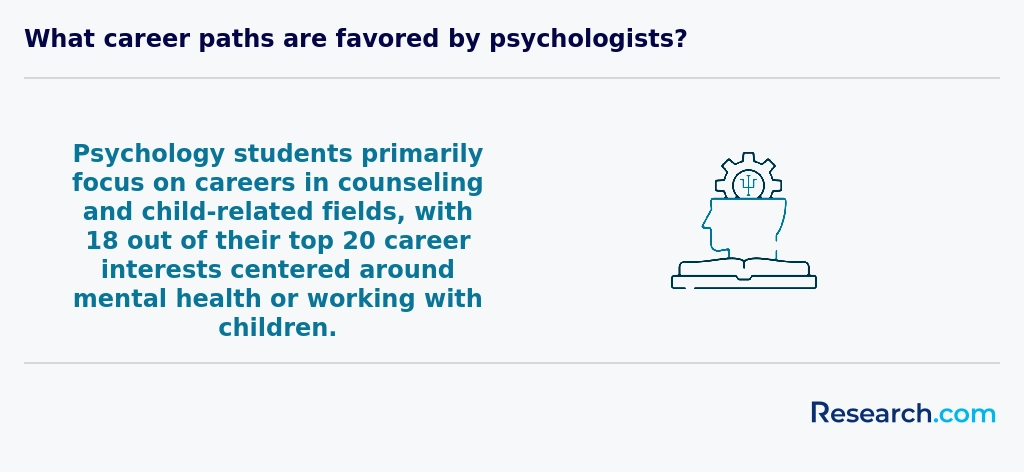
Navigating the path from graduation to professional practice requires a clear understanding of Nebraska’s licensure and certification landscape for psychology graduates. To become a licensed psychologist or counselor in Nebraska, you must: 1. Complete an APA-accredited doctoral program in psychology or a CACREP-accredited master’s program in counseling. 2. Accumulate a minimum of 3,200 supervised hours post-degree, including at least 2,000 practicum hours and 1,200 post-doctoral clinical experience under a licensed supervisor. 3. Pass the Examination for Professional Practice in Psychology (EPPP) and the Nebraska Psychology Law and Ethics Examination. 4. Submit an application and official academic transcripts to the Nebraska Board of Psychology, along with verification of supervised experience and exam scores. 5. Fulfill continuing education requirements-at least 40 hours every two years-to maintain active licensure, including ethics and cultural competency courses. For those considering specializing in behavior analysis, pursuing a bcba online certification can broaden your practice options and meet the state’s BACB supervision standards. Additionally, school psychologists must obtain certification through the Nebraska Department of Education, which involves: • A specialist-level degree in school psychology. • Completion of a 1,200-hour supervised internship in an educational setting. • Passing the Praxis II School Psychologist exam. Understanding these requirements early allows prospective students to tailor their academic plans, secure high-quality internships, and budget for exam fees and supervision costs-ensuring a smooth transition from student to practicing professional in Nebraska’s dynamic psychology field.
If you're aiming for a psychology degree in Nebraska, expect a curriculum with solid core courses designed to build a strong foundation. Graduates from popular schools like the University of Nebraska or Creighton University often highlight courses such as Introduction to Psychology, where you first grasp broad psychological concepts that set the stage for everything else. Imagine understanding how memory works or why people behave differently under social pressure through Cognitive and Social Psychology courses-these are common in Nebraska programs and really bring theories to life.
Additionally, you'll dive into Abnormal Psychology to learn about mental health disorders through real case studies, which many students find both challenging and rewarding. Developmental Psychology helps you track human growth from infancy to adulthood, giving you perspectives applicable in everyday life and future careers.
Nebraska institutions also emphasize practical skills via Research Methods and Psychological Statistics. Graduates often recall facing initial nerves, but mastering these courses gave them confidence to analyze data and conduct studies-crucial for internships or research jobs. Electives like Industrial-Organizational Psychology allow you to focus on specialties that match your passion and career goals.
Psychology degree specializations Nebraska students often consider include clinical, counseling, and school psychology, reflecting both local workforce needs and national trends. Clinical psychology, popular at universities like the University of Nebraska-Lincoln, prepares graduates for diagnosing and treating mental health issues-a critical skill in Nebraska's diverse communities. Counseling psychology, emphasized at Creighton University, trains students to support individuals in hospitals and counseling centers, offering rewarding, hands-on experiences.
Graduates frequently mention how school psychology programs helped them directly impact student well-being within Nebraska's educational system, matching the state's goal to advance mental health resources in schools. Other specialties like industrial-organizational, forensic, health, and developmental psychology appear in select colleges, offering varied career paths that align with personal interests and job markets. For a flexible option, many explore a master degree in psychology online, balancing work and study effectively while focusing on these best psychology programs Nebraska specialties.
To choose the best psychology degree in Nebraska, start by clearly defining your career goals, whether that's clinical practice, counseling, or research. Graduates from the University of Nebraska-Lincoln often highlight how reviewing curricula helped them focus on programs aligned with their professional interests. Check that programs are accredited by recognized bodies like the APA to ensure quality training, especially for clinical careers.
Cost is a practical factor. Public universities in Nebraska average about $9,400 per year for in-state tuition, while private institutions like Creighton University can exceed $30,000 annually. Many students found that leveraging scholarships and assistantships was essential for affordability. Exploring affordable psychology degrees Nebraska candidates often look for can make a big difference. Some students also benefit from flexible formats, including online or hybrid courses.
Programs offering internships and research opportunities tend to improve job prospects. For students balancing work and study, programs connected to local healthcare facilities provide valuable hands-on experience. If you are exploring credential options, consider bcba online certification as a complementary path enhancing your qualifications.
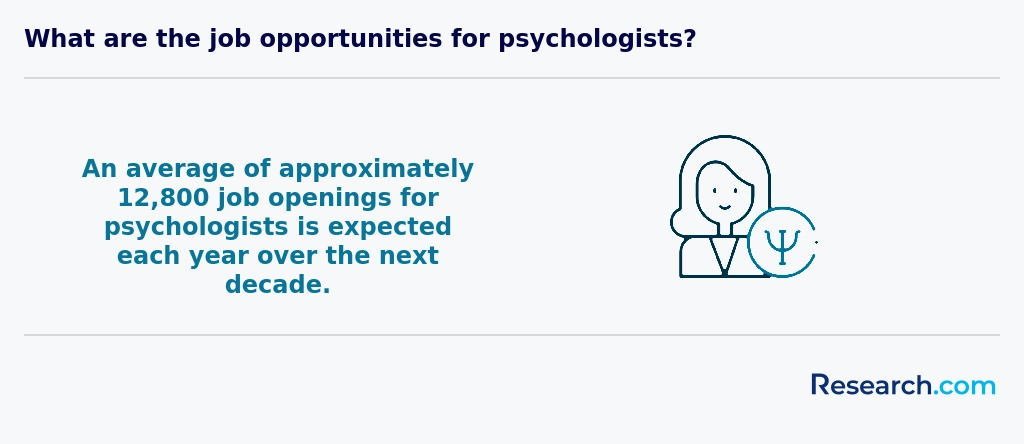
Graduates earning a psychology degree in Nebraska have clear paths to diverse careers, with options shaped by local demand and educational institutions like the University of Nebraska system. For those interested in clinical psychology, becoming licensed through the Nebraska Board of Psychology is essential - this involves completing doctoral training, supervised hours, and passing the EPPP. Many graduates find rewarding roles in hospitals and community health centers where their work makes a direct impact.
Jobs with a psychology degree Nebraska also include counseling psychology positions, which often require a master's degree. These roles often place graduates in schools or nonprofit programs, where they support emotional and social development. For students concerned about tuition costs while exploring these options, checking out schools highlighted in the Cheapest Psychology Degree Programs Ranking in Buffalo, NY can offer practical guidance on managing expenses.
Industrial-organizational psychology is another growing field in cities like Omaha and Lincoln, where businesses seek experts to enhance workplace dynamics. Salaries here range broadly, rewarding those with advanced degrees willing to apply psychology in business settings. Social services roles also provide meaningful employment, helping vulnerable populations through case management or behavioral health, often accessible to those with bachelor's degrees.
Graduates with a psychology degree in Nebraska encounter a steady job market, especially in healthcare, education, and government sectors. For those studying at popular institutions like the University of Nebraska or Creighton University, the roles often range from behavioral health technician positions to licensed clinical psychologists. Entry-level jobs may require additional certifications, which many graduates pursue to enhance their qualifications and earning potential. The Nebraska Department of Labor forecasts a 7% growth for counseling and clinical psychologist roles, reflecting expanding mental health awareness.
Psychology career opportunities in Nebraska are particularly accessible for those willing to work in rural or smaller communities where mental health services are in high demand. Graduates frequently find rewarding jobs in schools and hospitals, supporting special education and behavioral health programs. Many recent graduates emphasize how Nebraska's comparatively affordable tuition helps them manage education costs efficiently.
To improve your marketability, consider pursuing certifications for high paying jobs that align with Nebraska's job outlook for psychology graduates.
2027 Best Psychology Degree Programs Ranking in Nebraska
Investing in your education is a significant decision that can profoundly influence your future, and the Research.com team recognizes the importance of providing reliable guidance. To support prospective students in Nebraska, we have carefully developed the "2027 Best Psychology Degree Programs Ranking in Nebraska." Our dedication to quality, credibility, and accuracy is demonstrated through thorough research and detailed analysis conducted to produce this ranking.
We utilized the following reputable data sources to ensure a comprehensive evaluation of psychology programs:
By consulting this ranking, readers will gain valuable insights into the top psychology degree programs in Nebraska, helping them make informed and confident educational choices. For a detailed explanation of our ranking process, please visit our Research.com methodology page.


# 19 position
Wayne State College
Bachelor of Science in Psychology

# 20 position
Peru State College
Bachelor of Science in Psychology

Frequently Asked Questions About psychology
Psychology degree students in Nebraska can maximize their learning experience by engaging actively in both theoretical and practical opportunities. Many Nebraska universities, such as the University of Nebraska-Lincoln, offer research assistantships that allow students to participate in ongoing studies, deepening their understanding of psychological methods and applications. According to the Nebraska Department of Labor, gaining hands-on experience through internships in healthcare facilities or community programs increases employment prospects in the state's growing behavioral health sector.
Students should also connect with local psychology associations, including the Nebraska Psychological Association, to access workshops and networking events. Additionally, utilizing university resources like writing centers and faculty mentorship can enhance academic performance and professional development. These combined strategies help students build a robust skill set tailored to Nebraska's specific workforce needs.
The field of psychology is evolving rapidly, and several emerging niches offer promising career opportunities for students in Nebraska. One growing area is neuropsychology, which examines the connection between brain function and behavior. This field benefits from advances in neuroscience and growing demand for brain injury rehabilitation specialists. Another expanding niche is industrial-organizational psychology, focusing on improving workplace productivity and employee well-being. According to the U.S. Bureau of Labor Statistics, Nebraska expects a 10% growth in psychology-related jobs by 2030, particularly in these specialized areas.
Additionally, health psychology is gaining traction, driven by increasing awareness of mental health's impact on physical wellness. Rural mental health is a significant concern in Nebraska, creating opportunities for psychologists trained to address community-specific needs. These niches reflect broader trends and offer diverse pathways for students pursuing psychology degrees in the state.
After completing a psychology degree in Nebraska, preparing for the job market involves several key steps. Graduates should seek internships or practicum experiences during their studies to gain practical skills, as Nebraska employers value hands-on experience. According to the Nebraska Department of Labor, jobs for psychologists and counselors are expected to grow by about 10% through 2028, highlighting emerging opportunities.
Networking with local professionals through organizations like the Nebraska Psychological Association can provide valuable job leads and mentorship. Additionally, obtaining relevant licensure is essential for clinical roles; the Nebraska Board of Psychology requires specific supervised hours and exams.
Further education, such as a master's or doctorate, can enhance career prospects, especially in specialized fields. Familiarity with Nebraska's mental health regulations and community resources also benefits job seekers in this state.
Employers in Nebraska seek psychology graduates with strong critical thinking and communication skills. The ability to analyze data and apply research findings to real-world problems is highly valued. According to the Nebraska Department of Labor, interpersonal skills and emotional intelligence are essential for roles in counseling, social services, and human resources.
Additionally, knowledge of ethical practices and cultural competence is crucial due to the state's diverse population. Familiarity with psychological assessment tools and proficiency in statistical software like SPSS or R also enhance employability, especially in research or clinical settings. Practical experience through internships is often favored by employers.
Finding internships in Nebraska related to a psychology degree involves exploring various local opportunities. Many universities, such as the University of Nebraska-Lincoln, collaborate with healthcare facilities, schools, and community organizations to offer internship placements. Students should contact their university's career services early to access listings tailored to psychology majors.
Additionally, Nebraska's Department of Health and Human Services provides internship and practicum opportunities in mental health, which are valuable for hands-on experience. Networking through professional associations like the Nebraska Psychological Association can also connect students with internship openings.
Online portals like Handshake and internships.com list Nebraska-specific internships and often include positions relevant to psychology studies. Starting your search six months before the intended internship is recommended to secure spots in competitive placements.
Obtaining a psychology degree in Nebraska can significantly enhance career mobility and advancement opportunities. Nebraska's growing mental health sector demands qualified professionals, making a degree valuable for roles in counseling, social services, and human resources. According to the U.S. Bureau of Labor Statistics, Nebraska's employment of psychologists is projected to grow by 8% through 2031, slightly above the national average.
A bachelor's degree opens entry-level positions, while a master's or doctoral degree is often required for clinical roles and higher salaries. Graduates may also benefit from Nebraska's licensure pathways, enabling practice across multiple counties, which supports regional career flexibility.
Networking through internships and Nebraska universities can further increase advancement prospects, particularly in urban centers like Omaha and Lincoln, where healthcare organizations are expanding.
Studying for a psychology degree in Nebraska equips students with interdisciplinary skills essential for various professional roles. Nebraska universities emphasize courses that integrate psychology with fields like sociology, education, and health sciences. This approach fosters critical thinking and collaboration skills, preparing graduates for work in diverse settings such as healthcare, social services, and education.
Many Nebraska programs offer hands-on experiences, including internships and research opportunities, which promote practical application across disciplines. According to the Nebraska Department of Labor, the state's demand for workers in interdisciplinary health and human services fields is expected to grow by 9% through 2028, reflecting strong job prospects for psychology graduates.
Additionally, students gain training in data analysis and communication, abilities highly valued in interdisciplinary teams. By blending theoretical knowledge with practical experiences, Nebraska's psychology degrees provide a solid foundation for roles that require understanding complex human behavior in various contexts.
When choosing between a thesis and a non-thesis psychology degree program in Nebraska, consider your career goals carefully. Thesis programs typically emphasize research skills and are ideal if you plan to pursue a PhD or work in research settings. Non-thesis programs often focus on practical training and coursework, suited for students aiming to enter professional roles quickly.
In Nebraska, several universities, including the University of Nebraska and Creighton University, offer both options. According to the National Center for Education Statistics, psychology graduates from Nebraska programs complete theses at a rate consistent with national averages-around 50% for master's degrees. This reflects balanced demand for both research and applied psychology roles.
Financial and time commitments differ: thesis tracks usually require more time to complete and additional mentoring, while non-thesis paths may allow earlier entry into the workforce. Consider local job market requirements, as many Nebraska employers value research experience but also prioritize applied skills, especially in clinical and counseling psychology.
Students based in Nebraska who wish to study psychology abroad have several pathways available through their home institutions and exchange programs. Many Nebraska universities, including the University of Nebraska system, participate in partnerships with international schools, enabling psychology majors to take coursework overseas while earning credits toward their degree.
Additionally, programs like the Fulbright Student Program and Education Abroad offer opportunities specifically for psychology students to gain global perspectives and research experience. According to the Nebraska Department of Education, about 15% of psychology undergraduates consider study abroad to enhance cultural understanding in their field.
These options provide valuable exposure to diverse psychological theories and practices beyond the US context.
Students pursuing psychology degrees in Nebraska can benefit from various part-time job opportunities that build practical experience. Many local mental health clinics and counseling centers offer roles such as behavioral health technicians or research assistants. These positions provide direct exposure to client care and data collection, complementing academic studies effectively.
Universities like the University of Nebraska and Creighton University often employ psychology students as lab assistants, enabling them to participate in ongoing research projects. According to the Nebraska Department of Labor, positions in social services and community support are expected to grow 10% by 2030, offering more chances for part-time engagement.
Psychology students in Nebraska have several valuable networking opportunities throughout their academic journey. Many universities, such as the University of Nebraska-Lincoln and Creighton University, host psychology clubs and honor societies like Psi Chi, offering events with guest speakers and professional workshops. These activities help students connect with peers and faculty actively engaged in research and practice.
Local chapters of the Nebraska Psychological Association provide networking for students aiming to advance professionally. Additionally, Nebraska's growing healthcare and counseling sectors create opportunities for internships and mentorships, crucial for career development. According to the Bureau of Labor Statistics, Nebraska employs over 2,300 psychologists, highlighting a strong local professional community.
Alumni networks in Nebraska offer valuable support to psychology degree students by connecting them with experienced professionals across the state. These networks often provide mentorship opportunities, career advice, and access to exclusive job openings in clinical, counseling, and research fields. According to the Nebraska Psychological Association, strong alumni connections can increase employment prospects after graduation by up to 20%.
Additionally, alumni events and online platforms encourage knowledge sharing and networking among recent graduates and established psychologists. This fosters collaboration and helps students stay informed about regional developments in mental health services.
Overall, alumni networks play a crucial role in enhancing career development and practical learning for psychology students in Nebraska.
Customizing a psychology degree program in Nebraska to align with your career goals involves selecting from various specializations offered by state institutions. For example, the University of Nebraska and Creighton University provide tracks in clinical, counseling, and industrial-organizational psychology. Students can tailor their coursework with electives focusing on areas like developmental psychology, neuropsychology, or forensic psychology.
In addition, Nebraska's colleges often offer flexible options such as internships, research projects, and practicum experiences. These hands-on opportunities help build practical skills relevant to your intended profession.
According to the Nebraska Department of Education, incorporating experiential learning boosts graduates' employment prospects within the local mental health and social services sectors, where demand is projected to grow by 8% through 2030.
Psychology students in Nebraska often face challenges related to limited in-state internships and research opportunities. While larger universities provide some clinical placements, the state's smaller population reduces the number of available sites compared to more populous states.
Another difficulty involves financial constraints. According to the National Center for Education Statistics, Nebraska students often depend on financial aid or loans, as psychology programs typically require extended study, especially for advanced degrees.
Additionally, Nebraska's licensure requirements can be rigorous. Students must complete a supervised internship and pass national exams, making time management and securing quality supervision critical hurdles.
Access to mental health resources during studies is also limited in rural areas, impacting students' practical exposure and networking.
With a psychology degree in Nebraska, graduates can pursue several professional certifications to enhance their career prospects. One popular path is becoming a Licensed Mental Health Practitioner (LMHP), which requires a master's or doctoral degree, supervised experience, and passing a state exam. This credential allows practice in counseling and therapy.
Another certification is becoming a Certified Substance Use Disorder Counselor (CSUDC), meeting Nebraska's Department of Health and Human Services standards. Additionally, some graduates may pursue the Board Certified Behavior Analyst (BCBA) credential, important for work with behavioral interventions.
These certifications align with Nebraska's growing demand for mental health professionals, where employment is projected to increase significantly through 2030, according to the U.S. Bureau of Labor Statistics.
Writing a winning application for a psychology program in Nebraska requires careful preparation and attention to detail. Start by researching the specific programs offered by Nebraska universities, such as the University of Nebraska-Lincoln, known for its strong psychology department. Admissions committees often look for a clear statement of purpose that demonstrates your passion for psychology and how Nebraska's program aligns with your career goals.
Highlight any relevant experience, including internships or undergraduate research, as Nebraska emphasizes practical skills. Also, maintain a competitive GPA; for example, the average GPA for admitted students at top Nebraska psychology programs hovers around 3.5.
Letters of recommendation should come from professors familiar with your academic strengths and research potential. Finally, prepare thoroughly for any required standardized tests, noting some Nebraska programs may waive GRE requirements depending on recent trends.
The field of psychology offers diverse career opportunities recognized worldwide. In the US, and Nebraska specifically, psychology careers are growing steadily, with the Bureau of Labor Statistics projecting a 8% job growth for psychologists from 2022 to 2032. Globally, psychology professionals often work in research, clinical settings, education, or organizational roles.
In Nebraska, the University of Nebraska system has programs aligned with national accreditation standards, preparing students for roles in counseling, therapy, and research. Graduates benefit from a strong network of institutions supporting mental health initiatives.
Internationally, psychology practices vary with cultural contexts, but evidence-based approaches dominate education and clinical work. US-trained psychologists, including those from Nebraska, are often sought after for their scientific rigor and ethical training.
Gaining practical experience while studying psychology in Nebraska is essential for career readiness. Many Nebraska universities encourage students to engage in internships and research assistant positions. These opportunities are often available through campus psychology departments or local mental health clinics.
For example, the University of Nebraska system offers partnerships with organizations such as the Nebraska Psychiatric Institute, providing hands-on clinical experience. According to the Nebraska Department of Labor, psychology internships can improve job prospects post-graduation, with some programs offering credit toward degree completion.
Additionally, joining psychology clubs and attending conferences hosted by the Nebraska Psychological Association can expand professional networks and practical knowledge.
Choosing the right concentration within a psychology degree program in Nebraska requires understanding your career goals and interests. Psychology offers diverse fields like clinical, counseling, forensic, and industrial-organizational psychology. Each concentration prepares students for different career paths, from therapy to research or human resources.
Research the concentrations available at Nebraska institutions, such as the University of Nebraska-Lincoln or Creighton University, which offer various specialized tracks. Consult the Nebraska Department of Labor for employment projections; for example, clinical psychologists in Nebraska earned an average annual wage of around $78,000 in 2023.
Consider internships and licensure requirements, as some fields demand specific credentials. Aligning personal interests with job market data helps to select a sustainable concentration.
- 2027 Best Psychology Degree Programs Ranking in Kansas
- 2027 Best Psychology Degree Programs Ranking in Iowa
- 2027 Best Psychology Degree Programs Ranking in Colorado
- 2027 Best Psychology Degree Programs Ranking in Illinois
- 2027 Best Psychology Degree Programs Ranking in Louisiana
- 2027 Best Psychology Degree Programs Ranking in Alabama
- 2027 Best Psychology Degree Programs Ranking in Georgia
- 2027 Best Psychology Degree Programs Ranking in Florida
- 2027 Best Psychology Degree Programs Ranking in Arizona
- 2027 Best Psychology Degree Programs Ranking in Idaho
See What Experts Have To Say About Studying Psychology
Read our interview with Psychology experts

Joann Farrell Quinn, Ph.D., MBA
Psychology Expert
Director at the College of Medicine Department of Medical Education
Morsani College of Medicine

Elizabeth L. Jeglic Ph.D.
Psychology Expert
Professor of Psychology
City University of New York

Catherine Caldwell-Harris, Ph.D.
Psychology Expert
Associate Professor of Psychology
Boston University

- Best Nebraska Psychology Degrees Updated for 2025, Online Included https://www.psychologydegrees.org/state/nebraska
- Why Get a Psychology Degree Online? | University of Bridgeport https://www.bridgeport.edu/news/reasons-to-get-your-psychology-degree-online/
- What can I do with a psychology degree? https://www.hull.ac.uk/study/undergraduate/courses/psychology-bsc-hons/what-can-i-do-with-a-psychology-degree
- 5 Best Places to Study Abroad for Psychology https://www.ciee.org/go-abroad/college-study-abroad/blog/5-best-places-study-abroad-psychology
- Psychology Degree Program https://www.unk.edu/academics/psychology/undergraduate-programs/psychology-b.a.b.s..php
- Society for the Teaching of Psychology https://teachpsych.org/page-1784686/8675326
- A Guide to Psychology Internships | Psychology Degree Guide https://psychologydegreeguide.org/resources/internships/
- Study Psychology Abroad https://astarfuture.co.uk/study_psychology_abroad.html
- Psychology Careers | NWU https://www.nebrwesleyan.edu/academics/majors-and-minors/psychology/psychology-careers
- Financial Aid For Psychology Students | Psychology.org https://www.psychology.org/resources/financial-aid/