2027 Most Popular Nursing Degree Programs Ranking in Tucson

Co-Founder and Chief Data Scientist
Choosing the right nursing degree program is an exciting step toward a rewarding and impactful career. For students in Tucson, finding a program that fits both your goals and lifestyle is essential.
This article features the 2027 Most Popular Nursing Degree Programs Ranking in Tucson, created by the Research.com team of data scientists. It's designed to help you make an informed choice by highlighting trusted programs worth considering.
By exploring this ranking, you'll gain clarity and confidence in your decision, setting you on the path to success in nursing.
Key benefits of getting nursing degree in Tucson
- The average annual salary for nursing degree graduates in Tucson ranges from $94,480 for Registered Nurses and Emergency Room Nurses to $128,490 for Operating Room Nurses, offering strong financial rewards.
- Nursing graduates from the University of Arizona enjoy diverse career paths, including clinical nursing, public health, and specialized roles in emergency and operating rooms, allowing for exciting and fulfilling job opportunities.
- Online nursing degrees from local institutions provide flexible schedules and allow working students to balance education with life, making it easier to advance their careers without sacrificing current responsibilities.
- 2027 Most Popular Nursing Degree Programs Ranking in Tucson
- What can I expect from nursing degree in Tucson?
- Where can I work with nursing degree in Tucson?
What can I expect from nursing degree in Tucson?
When considering the cost of a nursing degree in Tucson, it helps to know that prices vary depending on where you study and your residency status. For example, graduates from the University of Arizona's nursing program often mention that in-state tuition makes a real difference, keeping yearly costs manageable compared to private institutions. Many Tucson public schools offer ADN or BSN programs with tuition rates that are significantly lower for Arizona residents, sometimes about half the cost of private colleges.
It's common for students to share how financial aid, scholarships, and work-study opportunities helped ease the burden during their studies. Some accelerated BSN students highlight that while the upfront cost might feel high due to the program's intensity, the shorter 12- to 18-month timeline means getting into the workforce-and earning-faster, which balances out expenses.
Overall, the average cost for a full nursing degree in Tucson can range widely, but thoughtful planning and local resources make pursuing your dream achievable without undue stress.
Where can I work with nursing degree in Tucson?
Graduates from nursing programs at universities like the University of Arizona often find themselves stepping confidently into Tucson's vibrant healthcare landscape. Many secure roles in major hospitals such as Banner - University Medical Center Tucson, where the fast-paced environment allows them to develop specialties like critical care or emergency nursing. It's inspiring to hear how some alumni describe the fulfillment they get from being part of life-saving teams.
Others choose to work in outpatient clinics or primary care centers, providing personalized patient education and preventive care. Imagine supporting families through chronic disease management right in your own community-this is a rewarding path many nursing graduates pursue.
Long-term care facilities, such as those managed by local organizations like Sun Health, also offer meaningful careers, especially as you help elder patients with rehabilitation or palliative care. Graduates often mention the deep connections they build with patients and how this work shapes their compassion.
Community health roles in Pima County extend your impact even further, involving immunization drives and outreach programs where you can see the direct benefits of your efforts improving public health daily.
Graduates from nursing programs in Tucson, such as those at the University of Arizona or Pima Community College, often begin their careers earning competitive wages. Entry-level registered nurses typically see mean annual salaries around $94,480, which reflects roles like clinical nurse educators, public health nurses, and emergency room nurses. These positions provide a strong financial foundation while offering hands-on experience in varied healthcare settings.
For graduates eager to specialize, operating room nursing stands out, with mean annual wages near $128,490. Many Tucson nurses find this role rewarding-not only financially but also in the impact they have during critical surgical procedures. These figures emphasize how advancing your skills can directly increase earning potential.
Local graduates commonly share how Tucson's moderate cost of living combined with these salaries creates a comfortable lifestyle. Whether working in hospitals or community clinics, the steady demand for nursing professionals here ensures both job stability and growth. Pursuing higher degrees or certifications can open doors to even greater financial and professional rewards.
- Nursing programs in Tucson include ADN and BSN degrees offered by community colleges and universities.
- ADN tuition ranges from $5,000 to $15,000 for the entire program, while BSN in-state tuition is about $11,000 to $13,000 per year.
- Additional costs include books, uniforms, licensing exam fees, and clinical expenses.
- Registered nurse employment in Tucson is expected to grow by 9% through 2031, matching national trends.
- Entry-level RN salaries range from $65,000 to $75,000 annually, with experienced nurses earning between $80,000 and $95,000.
- Passing the NCLEX-RN exam is required for licensing and practice in Tucson.
Completing a nursing degree in Tucson is a journey that varies depending on your chosen path, but it's absolutely achievable with determination and focus. For many students, earning an Associate Degree in Nursing (ADN) through a community college like Pima Community College takes about two years of full-time study. Graduates often share how this timeline balanced their personal lives while providing hands-on clinical experience, preparing them confidently for the NCLEX-RN exam.
If you aim higher with a Bachelor of Science in Nursing (BSN), expect around four years of full-time study, as offered at the University of Arizona. Many recent graduates emphasize how this time deepened their skills in leadership and public health, making their nursing career more fulfilling. For those who already hold a bachelor's degree, accelerated BSN programs in Tucson, lasting just 12 to 18 months, provide an intense but rewarding route.
Lastly, advancing to a Master of Science in Nursing (MSN) journey adds roughly two more years post-BSN, opening doors to specialized roles. No matter which path you choose, Tucson's nursing schools support you practically and emotionally through this exciting transformation.
Accreditation and exam outcomes are critical when comparing nursing programs in Tucson.
- Accredited by reputable bodies such as CCNE or ACEN, ensuring curriculum meets national nursing education standards.
- University of Arizona College of Nursing NCLEX-RN pass rate: 95% (2025), well above the Arizona state average of 91%.
- Pima Community College ADN program NCLEX-RN pass rate: 88%, reflecting strong hands-on training and support.
- Consistently high pass rates demonstrate effective curriculum, quality faculty, and preparedness for clinical practice.
Graduates with strong NCLEX outcomes often leverage their success when pursuing advanced degrees like an online dnp.
Graduates from the University of Arizona's College of Nursing often share how choosing between online and on-campus formats shaped their journey. On-campus programs immerse you in a vibrant learning environment where face-to-face interactions create strong bonds with instructors and peers. Imagine hands-on practice in simulation labs on campus, making every clinical skill feel real and accessible. The close-knit setting offers immediate support, a boost many find invaluable when mastering complex nursing concepts.
Online programs, favored by working professionals and parents in Tucson, provide exceptional flexibility. Graduates appreciate balancing coursework with family or job duties, accessing lectures anytime without the commute. However, clinical hours remain in-person, typically arranged nearby at Tucson hospitals, grounding your learning in real-world experience despite the digital classroom.
Tuition at local programs usually ranges between $7,000 and $12,000 for public in-state students, and online learners may face additional tech fees. Both paths lead to the same accredited degrees, preparing you for the NCLEX-RN with equal rigor.
Upon completing your nursing degree, obtaining licensure is the critical next step. In Arizona, graduates must pass the NCLEX-RN exam and secure approval from the Arizona State Board of Nursing (AZBN). Here’s what you need to know: 1. NCLEX-RN Registration and Preparation • Register with Pearson VUE and submit your application to AZBN at least 30 days before your preferred exam date. • Leverage official NCLEX test plans and practice questions to boost your confidence and pass rates. 2. Application Requirements • Official transcripts from your accredited nursing program. • Fingerprint background check and criminal history disclosure. • Application fee payable to AZBN. 3. Timeline to Licensure • AZBN typically processes complete applications within 4–6 weeks. • Upon approval, you’ll receive an ATT (Authorization to Test) email, valid for 90 days. • Schedule and pass the NCLEX-RN exam during this window. 4. Post-Licensure Certification and Renewal • Renew your Arizona RN license every two years with 30 hours of continuing education. • Consider specialty certifications (e.g., Med-Surg, Pediatrics) through organizations like the American Nurses Credentialing Center to enhance your credentials and salary potential. Advance your career further by exploring how long does it take to become a nurse practitioner, which outlines accelerated pathways to the next level of practice and autonomy.
The average nursing degree cost Tucson students encounter varies widely depending on the program type and residency status. For those pursuing an in-state Bachelor of Science in Nursing (BSN) at universities like the University of Arizona, the median total cost hovers around $13,926. Graduates often recall balancing this investment with part-time work or financial aid, finding it rewarding to graduate with a prestigious degree that opens many doors in healthcare.
Out-of-state students face a steeper price, with total costs averaging $55,328, which includes tuition, fees, and other educational expenses. Many students weigh these costs carefully, seeking scholarships or grants to ease the financial burden while embracing the vibrant Tucson nursing community.
Community colleges offering Associate Degrees in Nursing (ADN) present an affordable alternative, allowing students to enter the workforce sooner and with less debt. Those who choose this path often highlight the practicality of starting their careers quickly while still providing compassionate care.
Remember that the total cost of nursing programs Tucson students face also includes necessary purchases such as uniforms, clinical supplies, and licensure exam fees. Graduates often describe the journey as challenging but immensely fulfilling, thanks to the strong support networks found at popular nursing colleges.
To explore options and find programs that fit your goals, check out popular nursing colleges in Tucson for current offerings and financial aid resources.
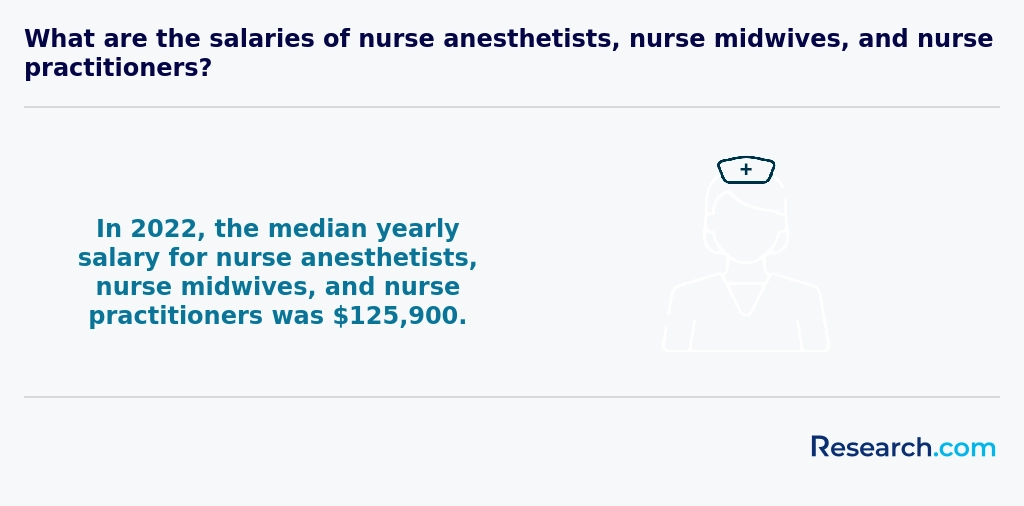
Passing the NCLEX-RN is a critical milestone for nursing graduates in Tucson, AZ, and a strategic study plan can make all the difference. First, establish a realistic study schedule that allocates daily time for content review, practice questions, and self-assessment. Utilize reputable question banks-like UWorld or Kaplan-to simulate exam conditions and identify weak areas. Complement these with targeted review courses offered by local institutions or online platforms, which often provide focused modules on pharmacology, health assessment, and clinical decision-making. Next, form or join a study group to stay motivated and clarify challenging topics; peers can share mnemonics and case studies that reinforce key concepts. Leverage free resources from the National Council of State Boards of Nursing (NCSBN), including the official NCLEX test plan, to align your preparation with exam blueprints. Practice time-management by taking full-length, timed exams, then analyze your performance to adjust your study plan. In addition to content mastery, develop test-taking strategies: learn to eliminate implausible options quickly, manage exam anxiety through mindfulness or brief breaks, and review rationales for both correct and incorrect responses to deepen clinical judgment. Many successful Tucson graduates also recommend mobile apps for on-the-go quizzes during commutes or breaks. Finally, once you’ve passed the NCLEX-RN and are ready to advance your career, consider exploring the best np programs in california to plan your next steps in advanced practice nursing.
Many nursing students in Tucson find relief through federal aid like Pell Grants and Direct Subsidized Loans, accessible via FAFSA. These grants don't require repayment, making tuition feel less daunting. One nursing graduate from the University of Arizona recalls how a Pell Grant covered nearly half of their tuition, allowing them to focus on studies without constant financial stress.
State programs, such as the Arizona Nursing Incentive Program (NIP), offer targeted support by awarding funds to those who commit to serving underserved Arizona communities after graduation. This can be a game-changer for students balancing passion with practical finances.
Local resources also shine: scholarships from Tucson institutions like the University of Arizona College of Nursing reward academic excellence and financial need, helping to ease the burden. Many graduates describe these opportunities as lifelines that kept their dreams alive.
Additionally, professional organizations and local healthcare employers often provide scholarships or tuition reimbursement, so reaching out and exploring these options can open doors you might not expect. Financing your nursing education in Tucson is truly achievable when you tap into these diverse sources of aid.
To enroll in a nursing degree program in Tucson, you'll need to meet some important prerequisites that set a solid foundation for your success. Graduates from the University of Arizona and Pima Community College often share how crucial it was to have completed a high school diploma or a GED before starting their nursing journey.
Core courses like biology with labs, chemistry, anatomy and physiology, English composition, and math-often algebra or statistics-are standard requirements. These classes build the scientific and communication skills essential for nursing, preparing you for hands-on patient care and clinical problem-solving.
Many programs also ask you to pass standardized entrance exams such as the TEAS, which tests reading, math, science, and English skills. This exam can feel challenging, but consider it your first step toward proving your readiness and determination.
Practical elements such as CPR certification, background checks, and proof of immunizations are also part of the process, especially before clinical placements. These requirements might seem demanding, but they ensure you're fully prepared to thrive in Tucson's healthcare settings.

When evaluating nursing degree programs in Tucson, AZ, understanding the financial investment alongside potential earnings is critical for informed decision-making. On average, an ADN in Tucson costs around $12,300 per year, while a BSN runs approximately $30,884 annually. By comparing these figures with starting salaries-$89,010 for RNs and $124,680 for Operating Room Nurses-you can estimate a typical payback period of 3–5 years, depending on specialization and workplace setting. Key factors influencing ROI:
- Tuition vs. Earnings: Graduates recoup ADN costs within 2–3 years at a local hospital, whereas BSN holders often see a faster return due to higher initial positions and leadership roles.
- Specialization Premium: Pursuing high-demand specializations (e.g., CRNA, Nurse Practitioner) can shorten ROI timelines, with APRNs earning upwards of $110,000 annually.
- Program Support: Schools offering robust career services and high NCLEX pass rates-around 93% for Tucson’s top programs-enhance employment prospects and reduce time to first paycheck.
- Loan Forgiveness & Scholarships: Participation in the Nursing Student Loan Program or state grants under the Arizona Nursing Inclusive Excellence initiative can significantly lower out-of-pocket expenses, accelerating ROI. For students weighing regional costs, it’s also worth exploring affordable nursing pathways elsewhere. For example, our Low Cost Nursing Degree Programs Ranking in the Northeast provides a comparative view of programs that balance minimal tuition with strong career outcomes, helping you maximize your investment regardless of location.
In Tucson, nursing degree programs at institutions like the University of Arizona offer a curriculum that blends foundational science with hands-on clinical practice. Graduates often recall how courses in anatomy, physiology, microbiology, and chemistry gave them deep insight into the human body-knowledge they applied directly during intense clinical rotations in local hospitals.
Core nursing classes include Medical-Surgical Nursing, Pediatric Nursing, Mental Health Nursing, Maternal and Newborn Nursing, and Pharmacology. These classes are more than theory; they build critical thinking and bedside skills through real-life patient care experiences. Many graduates describe moments in Tucson-area clinics where lessons from these courses came alive, boosting their confidence and competence.
Beyond technical skills, courses in nursing leadership, ethics, and community health prepare students to become compassionate leaders who understand Tucson's diverse population. This holistic approach ensures you develop the ability to provide culturally sensitive care, an essential skill praised by many who've thrived in Tucson's growing healthcare environment.
When considering a nursing degree in Tucson, you'll find an inspiring range of specializations designed to match your passion and career goals. Many students appreciate programs like Registered Nurse (RN) to Bachelor of Science in Nursing (BSN), which lays the foundation for leadership and advanced clinical skills. Graduates from local institutions often reflect on how focusing on Family Nurse Practitioner (FNP) tracks empowers them to take on autonomous roles in community healthcare.
In Tucson's best nursing programs Tucson specialties often include Acute Care Nursing for those drawn to fast-paced hospital environments, Pediatric Nursing devoted to young patients, and Geriatric Nursing, which addresses the specialized needs of aging populations. Mental Health Nursing and Community and Public Health Nursing remain vital, reflecting the city's diverse healthcare demands.
Many students benefit from clinical placements at Tucson-area hospitals, gaining firsthand experience that fuels their confidence and competence. For those aiming higher, exploring the best np programs in california can offer additional perspective on advanced practice roles.
Choosing the best nursing degree in Tucson means focusing on what fits your lifestyle and career dreams. Graduates from popular universities in Tucson often highlight how flexibility in class schedules helped them balance work and study, especially when pursuing affordable nursing degree programs Tucson offers. Look for programs with strong ties to local hospitals, ensuring valuable clinical experiences right in your community. Imagine gaining hands-on skills at a Tucson healthcare center that could lead to your first job-this real connection makes a huge difference.
Consider the full scope of tuition costs, but also research scholarships and financial aid available at the best nursing schools Tucson AZ provides. Many students feel empowered knowing their investment is manageable without sacrificing program quality. Accreditation is a must; programs recognized by ACEN or CCNE safeguard your path to licensure and a rewarding nursing career.
Finally, ask about NCLEX-RN pass rates. Graduates often share the pride of passing on their first try, thanks to strong preparation. If you're curious about advanced nursing roles, find out how long does it take to become a nurse practitioner, so you can plan your journey with confidence.
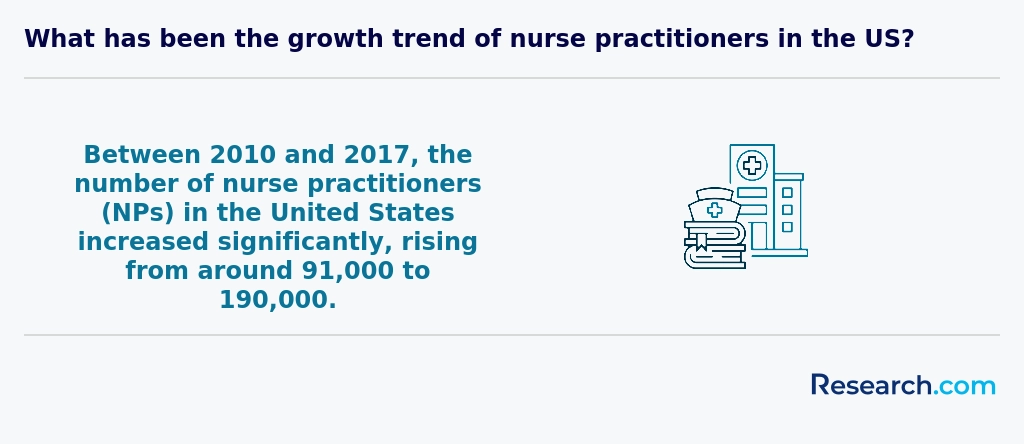
Graduates with a nursing degree in Tucson find themselves at the gateway to a world of rewarding career paths that reflect the vibrant healthcare landscape of the city. Many start as Registered Nurses after completing programs at well-known institutions like the University of Arizona or Pima Community College. These graduates experience firsthand the satisfaction of providing care in bustling hospital environments such as Banner - University Medical Center or Tucson Medical Center.
For those seeking to deepen their expertise, specializations like Critical Care Nursing or Pediatric Nursing offer fulfilling opportunities to work closely with vulnerable populations. Others choose Geriatric Nursing, responding to Tucson's growing senior community with compassion and skill. Ambitious graduates often pursue advanced degrees to become Nurse Midwives or Family Nurse Practitioners, roles that bring greater autonomy and salaries often exceeding $100,000.
Exploring nursing career opportunities in Tucson also means embracing diverse paths beyond bedside care. Public Health Nursing expands impact on community wellness, while some graduates transition into education or administration, leveraging their degree fully. If cost is a concern, students can consult the Low Cost Nursing Degree Programs Ranking in the Northeast to find affordable options that make advancing in this vital profession accessible.
The job market for nursing degrees in Tucson is vibrant and full of opportunity, driven by a growing population and expanding healthcare facilities. Graduates from well-regarded programs, such as those at the University of Arizona, find themselves in high demand as local hospitals and clinics increase staffing to meet community needs. Nursing students often share how their hands-on training in Tucson's diverse healthcare settings prepares them to excel, especially in geriatric care, which is a crucial area given the region's aging population.
For those interested in nursing degree job opportunities in Tucson, the average salary is competitive with the cost of living, and employers frequently offer benefits that support career growth. Graduates report feeling confident stepping into roles across hospitals, outpatient clinics, and long-term care facilities. Many also appreciate that Tucson's nursing market employment outlook is buoyed by state initiatives focused on workforce development, helping to ease concerns about job security.
When considering nursing education costs, students in Tucson find public universities more affordable than private institutions, making it easier to commit to their career goals without overwhelming debt. Exploring options like the easiest online masters degree programs can also be a strategic step for advancing in the field while balancing life's demands.
2027 Most Popular Nursing Degree Programs Ranking in Tucson
Investing in your education is a significant decision that can shape your future, and the Research.com team understands the importance of making informed choices. To assist prospective students in Tucson, we have meticulously crafted the "2027 Most Popular Nursing Degree Programs Ranking in Tucson." Our commitment to quality, credibility, and accuracy is reflected in the extensive research and analysis conducted to compile this ranking.
We utilized the following reputable data sources to ensure a comprehensive evaluation of nursing degree programs:
By exploring this ranking, readers will gain valuable insights into the most popular nursing degree programs available in Tucson, helping them make informed decisions about their educational paths. For more details on our methodology, please visit our Research.com methodology page.

# 4 position
Arizona College of Nursing-Tucson
Bachelor of Science in Nursing
# 5 position
Pima Medical Institute-Tucson
Bachelor of Science in Nursing

Frequently Asked Questions About nursing
Nursing degree students in Tucson can maximize their learning experience by actively engaging in clinical rotations offered through accredited programs. Tucson hosts several institutions with partnerships at major hospitals, such as Banner - University Medical Center, where students gain valuable hands-on experience. According to the Arizona Board of Nursing, clinical practice is essential for developing practical skills and critical thinking needed in healthcare settings.
Additionally, students should leverage tutoring and support services available on campus to strengthen their understanding of complex nursing concepts. Joining student nursing organizations and attending workshops or local conferences in Tucson can enhance networking and professional growth. Research shows that students involved in such activities report higher satisfaction and improved academic outcomes. Maintaining up-to-date knowledge of state licensing requirements through the Arizona State Board of Nursing is also crucial for successful degree completion and career advancement.
The nursing field in Tucson is expanding into several emerging niches that reflect broader healthcare trends. One growing area is geriatric nursing, driven by Arizona's aging population. According to the Arizona Department of Health Services, the state expects a 30% increase in residents aged 65 and over by 2030, emphasizing the need for specialists in elderly care.
Another niche gaining momentum is telehealth nursing. This field combines nursing skills with digital technology to provide remote patient care, a shift accelerated by the COVID-19 pandemic. Local healthcare providers in Tucson are investing more in telehealth services, creating demand for nurses trained in this specialty.
Behavioral health nursing is also on the rise due to increased awareness of mental health challenges. This niche involves providing support to patients with psychiatric conditions, substance abuse, and emotional disorders, particularly relevant in Tucson's diverse community. These emerging specializations offer promising career paths for nursing students in Tucson.
After completing a nursing degree in Tucson, preparing for the job market involves several strategic steps. First, obtaining licensure through the National Council Licensure Examination (NCLEX-RN) is essential. Passing this exam allows graduates to practice as registered nurses in Arizona. According to the Arizona State Board of Nursing, timely application and exam preparation increase success rates.
Tucson's growing healthcare sector, including major employers like Banner - University Medical Center, demands nurses with strong clinical skills and relevant experience. Graduates should seek internships or externships during their studies to build practical expertise.
Networking through local nursing associations such as the Arizona Nurses Association can provide job leads and professional development opportunities. Additionally, updating resumes to highlight specialized skills, such as geriatric or pediatric care, can improve employability in this competitive market.
Employers in Tucson highly value nursing degree graduates who demonstrate strong clinical skills and compassionate patient care. According to the Arizona State Board of Nursing, proficiency in patient assessment and medication administration is essential for entry-level nurses in the region.
Effective communication is another key skill, enabling nurses to interact clearly with patients and healthcare teams. Tucson's healthcare facilities, including Banner - University Medical Center, emphasize teamwork and adaptability in dynamic environments.
Additionally, critical thinking and problem-solving are crucial, as nurses must make timely decisions under pressure. Data from the U.S. Bureau of Labor Statistics indicates that nurses in Tucson consistently require these skills to meet rising patient care demands.
Finding nursing internships in Tucson involves leveraging local healthcare facilities and educational resources. Key hospitals like Banner - University Medical Center Tucson and Tucson Medical Center often partner with universities to offer clinical placements. Contacting your nursing program's career services is essential, as they maintain updated internship listings and connections.
Additionally, the Arizona Board of Nursing provides guidelines and resources for clinical experience requirements, ensuring internships meet state licensure standards. Networking through professional organizations such as the Arizona Nurses Association can also uncover opportunities not widely advertised.
Early application is advisable since competition for internships is high, given Tucson's growing healthcare sector and the increased demand for nurses. According to the U.S. Bureau of Labor Statistics, employment for registered nurses in Arizona is projected to grow 12% from 2022 to 2032, emphasizing internship availability as a critical step in career preparation.
Obtaining a nursing degree in Tucson significantly enhances career mobility and advancement opportunities. The city's healthcare sector is growing, with the Arizona Department of Economic Security projecting a 17% increase in nursing jobs by 2030, faster than the national average. A degree, especially a Bachelor of Science in Nursing (BSN), is often required for higher-paying roles and leadership positions in hospitals and clinics. Tucson's major employers, such as Banner Health and University of Arizona Medical Center, typically prefer or require degrees for specialized nursing roles. Additionally, a nursing degree facilitates eligibility for certifications that open doors to advanced practice and administrative careers.
Studying for a nursing degree in Tucson prepares students for interdisciplinary roles by emphasizing collaboration with diverse healthcare professionals. Local nursing programs incorporate courses in communication, ethics, and team-based care, reflecting standards recommended by the American Association of Colleges of Nursing (AACN). Tucson's healthcare facilities, like Banner - University Medical Center, provide clinical placements where nursing students work alongside physicians, social workers, and pharmacists, strengthening teamwork skills.
Data from the Arizona Board of Nursing shows that nearly 65% of Tucson nursing graduates enter settings that require interdisciplinary coordination. Programs also integrate evidence-based practice to enhance critical thinking across disciplines. These experiences ensure graduates can contribute effectively in complex healthcare environments.
When choosing between a thesis and a non-thesis nursing degree program in Tucson, prospective students should consider their career goals. Thesis programs typically involve research projects and are ideal for those aiming at advanced clinical roles or doctoral studies.
Non-thesis programs often focus on practical skills and coursework, appealing to students seeking immediate entry into nursing practice. According to the Arizona Board of Nursing, Tucson's healthcare sector has grown by 15% in the last five years, increasing the demand for practice-ready nurses.
Additionally, thesis tracks may take longer and require greater time commitment, while non-thesis programs usually allow faster completion. Reviewing program specifics at local institutions like the University of Arizona College of Nursing is recommended.
Students based in Tucson interested in studying nursing abroad have several pathways through established U.S. programs offering international experiences. Many nursing programs at institutions like the University of Arizona include study-abroad options or clinical placements overseas, enabling students to gain global healthcare perspectives while earning credits recognized domestically.
Programs often partner with hospitals and universities worldwide, focusing on countries with developed healthcare systems to ensure quality clinical training. According to the University of Arizona College of Nursing, about 10-15% of nursing students engage in international study or clinical rotations annually.
Additionally, organizations such as the American Association of Colleges of Nursing provide resources to find accredited global opportunities. Tucson-based students should also consider exchange programs affiliated with their universities, which offer structured curricula aligned with U.S. nursing education standards.
Students pursuing nursing degrees in Tucson can benefit from part-time jobs that offer hands-on healthcare experience while supporting their education. Local hospitals like Banner - University Medical Center Tucson and Tucson Medical Center often hire nursing assistants and patient care technicians, roles that provide practical exposure to medical settings. According to the Arizona Department of Health Services, such positions usually require certification but provide valuable clinical skills.
Another option includes working as a medical scribe or in healthcare administration at clinics or universities, allowing students to learn about patient documentation and healthcare operations. These jobs offer flexibility suitable for managing coursework.
Pharmacies and urgent care centers in Tucson also seek part-time staff, contributing to knowledge of medications and patient interaction, which complements nursing studies.
Nursing students in Tucson benefit from a variety of networking opportunities that can enhance their education and career prospects. Local universities such as the University of Arizona offer student nursing organizations where members connect with peers and healthcare professionals. These groups often host events, workshops, and guest lectures focused on current nursing practices. Additionally, Tucson's healthcare community includes renowned hospitals like Banner - University Medical Center, which provide clinical rotations and job fairs promoting student interaction with experienced nurses and recruiters. According to the Arizona Nurses Association, these engagements significantly improve job placement rates for recent graduates.
Professional conferences and seminars held in Tucson also serve as vital networking venues. They attract nurses from across the state to discuss innovations and challenges in healthcare. Nursing students can attend these meetings to meet mentors, learn about specialty fields, and gain insight into regional employment trends. Tucson's proximity to healthcare research centers adds value by offering collaborative opportunities. Overall, these structured and informal networking events support students in building professional relationships necessary for career development in nursing.
Alumni networks play a crucial role for nursing degree students in Tucson by offering valuable professional connections. These networks provide access to experienced nurses who can share job leads and career advice, helping students navigate Tucson's competitive healthcare market. According to the Arizona Nurses Association, networking increases employment opportunities by up to 30% for local nursing graduates.
In Tucson, many alumni remain active in regional hospitals and clinics, maintaining strong ties with educational institutions. This collaboration often leads to internships and clinical placements, vital for hands-on experience.
Additionally, alumni groups frequently offer workshops and mentorship programs tailored to nursing students, enhancing both skills and confidence before graduation.
Customizing your nursing degree program in Tucson allows you to align education with your unique career goals. Many local institutions, including the University of Arizona, offer various nursing tracks such as pediatrics, geriatrics, or family health. Tucson's programs often include elective courses and clinical rotations tailored to specialties that meet regional healthcare demands.
The city's proximity to diverse healthcare settings provides valuable hands-on experience, helping students refine interests before graduation. Additionally, certificate options in areas like nursing leadership or informatics enhance your resume. According to the Arizona Board of Nursing, Tucson's growing healthcare sector increasingly values specialized skills, making customization practical and career-focused.
Nursing students in Tucson face several common challenges during their education. One major difficulty is managing heavy coursework combined with clinical rotations, which are required to gain practical experience. According to the Arizona Board of Nursing, balancing study hours and hands-on training often causes stress and fatigue.
Additionally, financial strain is a concern for many. While some students benefit from scholarships or federal aid, tuition and living expenses in Tucson can still be burdensome. The U.S. Department of Education reports that Arizona's average nursing program tuition is slightly above the national mean, impacting students' ability to focus solely on their studies.
Lastly, adapting to fast-evolving healthcare technology and maintaining high academic standards present ongoing hurdles. Local nursing students must stay current with new protocols and clinical equipment to succeed in both school and future employment settings.
With a nursing degree, graduates in Tucson can pursue several professional certifications to enhance their careers. Common certifications include the Registered Nurse (RN) license, which is required nationwide and grants the ability to practice as a nurse after passing the NCLEX-RN exam.
Advanced certifications include Certified Nurse Practitioner (CNP), Certified Nurse Educator (CNE), and Certified Clinical Nurse Specialist (CNS). These often require additional education such as a master's or doctoral degree.
According to the Arizona Board of Nursing, over 10,000 registered nurses are currently licensed in the Tucson area, highlighting a strong local demand for certified professionals.
Specialty certifications like Critical Care Registered Nurse (CCRN) or Emergency Nurse Certified (ENC) are also popular, supporting career advancement in hospitals and clinics.
Writing a winning application for a nursing program in Tucson requires careful preparation and attention to detail. Applicants should highlight relevant academic achievements, especially in science courses such as biology and chemistry, which are crucial for nursing studies. Tucson programs often look for a strong GPA; for example, the average accepted GPA at the University of Arizona's School of Nursing is around 3.5.
In addition to grades, practical experience matters. Volunteer work or employment in healthcare settings can strengthen your application by demonstrating commitment to the profession. Tucson nursing programs also typically require a well-crafted personal statement outlining your motivations and career goals in nursing. Evidence of good communication skills and critical thinking will set you apart.
Finally, letters of recommendation are important. Select recommenders who know your academic and personal qualities well. Meeting all application deadlines and submitting all required documents in the proper format is essential to avoid disqualification.
Nursing as a profession is highly valued worldwide but has unique characteristics within the US education system. In Tucson, nursing degrees align with these global standards but carry a particular regional emphasis due to local healthcare needs. Globally, nursing offers diverse career paths, often requiring strong clinical skills and cultural competence.
According to the U.S. Bureau of Labor Statistics, registered nursing employment is expected to grow 7% from 2021 to 2031, reflecting ongoing demand.
In Tucson, nursing programs emphasize training for a growing and aging population, reflecting trends seen in many parts of the world where nursing shortages are common.
This creates opportunities for nurses to work not only locally but also internationally, as many countries recognize U.S. nursing qualifications with additional licensing steps.
Global nursing bodies stress the importance of continuing education, and this aligns with Tucson's degree programs which integrate lifelong learning and specialization options.
Gaining practical experience while studying for a nursing degree in Tucson is essential for building clinical skills. Many nursing programs in this city include supervised clinical rotations at local hospitals and healthcare facilities, such as Banner - University Medical Center Tucson. These placements provide hands-on experience with patient care in real-world settings.
Additionally, students often participate in simulation labs equipped with advanced technology to practice procedures safely. Tucson also offers opportunities for internships and volunteer work in community health centers, enhancing practical knowledge.
According to the Arizona Board of Nursing, completing at least 500 clinical hours is standard for most nursing degrees, ensuring students are well-prepared for licensure and employment.
Choosing the right concentration within a nursing degree program in Tucson requires understanding local healthcare demands and your career goals. Tucson's aging population, with 17% over age 65 according to the U.S. Census Bureau, creates strong demand for geriatric and chronic care nursing specialties. Additionally, Tucson hospitals emphasize community and public health due to regional health challenges like diabetes and respiratory illnesses.
Consider programs offering clinical experiences in these local specialties, as they boost employability. Reviewing employment rates for graduates from Tucson nursing schools can help gauge which concentrations are most practical. Connecting with academic advisors about certifications required in Arizona can also guide your decision.
- 2027 Most Popular Nursing Degree Programs Ranking in Tempe
- 2027 Most Popular Nursing Degree Programs Ranking in Phoenix
- 2027 Most Popular Nursing Degree Programs Ranking in Las Vegas
- 2027 Most Popular Nursing Degree Programs Ranking in San Diego
- 2027 Most Popular Nursing Degree Programs Ranking in Los Angeles
- 2027 Most Popular Nursing Degree Programs Ranking in Lubbock
- 2027 Most Popular Nursing Degree Programs Ranking in Colorado Springs
- 2027 Most Popular Nursing Degree Programs Ranking in Denver
- 2027 Most Popular Nursing Degree Programs Ranking in San Francisco
- 2027 Most Popular Nursing Degree Programs Ranking in Lincoln
See What Experts Have To Say About Studying Nursing
Read our interview with Nursing experts

Lisa Grubb
Nursing Expert
Assistant Professor
Johns Hopkins School of Nursing

- THE FIELD OF NURSING - FIRST-DEGREE OF STUDIES https://wnoz.wum.edu.pl/pl/content/field-nursing-first-degree-studies
- Interdisciplinary Education and Practice https://www.aacnnursing.org/news-data/position-statements-white-papers/interdisciplinary-education-and-practice
- The Nurses' Alumni Association https://giving.mainlinehealth.org/get-involved/auxiliaries-and-womens-boards/lankenau-medical-center-womens-board/the-nurses-alumni-association
- Work-life balance | Careers Crossroads | RCN Careers Resources | Royal College of Nursing https://www.rcn.org.uk/Professional-Development/Your-career/Nurse/Career-Crossroads/Career-Ideas-and-Inspiration/work-life-balance
- 10 Nursing Fields That Are Growing in Demand https://promedcert.com/blog/10-nursing-fields-that-are-growing-in-demand
- Nursing student engagement: Researching the journey and its potential impact on transitions to practice https://www.oatext.com/nursing-student-engagement-researching-the-journey-and-its-potential-impact-on-transitions-to-practice.php
- How Do Nurses Prepare to Work in a Multidisciplinary Team? | NursingEducation https://nursingeducation.org/insights/multidisciplinary-team/
- NURSING - University College of Enterprise and Administration https://en.wspa.pl/nursing-graduate-program/
- Nurse Salary https://nursinglicensemap.com/resources/nurse-salary/
- Do I Have to Write a Thesis to Complete a Master’s Degree in Nursing? https://www.bestmasterofscienceinnursing.com/faq/write-thesis-complete-masters-degree-nursing/