2027 Most Affordable Nursing Degree Programs Ranking in Boise

Co-Founder and Chief Data Scientist
Choosing the right nursing degree program in Boise can feel overwhelming. That's why the article offers the 2027 Most Affordable Nursing Degree Programs Ranking in Boise, created by the Research.com team of data scientists. This ranking helps you explore affordable options tailored for your goals.
Getting a nursing degree opens doors to a rewarding career with strong job prospects and personal fulfillment. Reading the article will guide you toward programs that fit your budget without compromising quality. It's a helpful step toward making an informed, confident decision about your future in healthcare.
Key benefits of getting nursing degree in Boise
- Graduates with a nursing degree in Boise can expect rewarding careers, with Registered Nurses earning a mean annual wage of $94,480 and Operating Room Nurses making up to $128,490, offering strong financial stability.
- Nursing degrees open doors to diverse roles such as Clinical Nurse Educator, Public Health Nurse, and Emergency Room Nurse, providing exciting paths to grow in healthcare locally.
- Online nursing degrees from Boise schools offer flexibility and convenience, helping graduates balance work and study while gaining the skills needed to secure high-paying nursing jobs.
- 2027 Most Affordable Nursing Degree Programs Ranking in Boise
- What can I expect from nursing degree in Boise?
- Where can I work with nursing degree in Boise?
What can I expect from nursing degree in Boise?
The average cost of obtaining a nursing degree in Boise varies but generally reflects the investment students expect for quality education paired with practical experience. Graduates from Boise State University recall balancing tuition fees-typically ranging from $7,500 to $9,500 per year for in-state students-with the invaluable exposure to clinical settings in local hospitals. This direct application of classroom knowledge to real patient care deeply resonates with many, making every dollar feel well spent.
Unlike purely theoretical programs elsewhere, Boise nursing students often describe how simulation labs and community health rotations transform abstract concepts into palpable skills. The hands-on experience isn't just preparation for passing the NCLEX-RN; it shapes confident nurses ready for the challenges of local healthcare.
While tuition may seem steep, many graduates emphasize how institutional support-like tutoring and advising-helps navigate both academic hurdles and financial planning. For those pursuing the Master of Science in Nursing at Boise State University, costs rise but so do opportunities to lead and educate within Boise's evolving healthcare system, making the financial commitment one layered with purpose and promise.
Where can I work with nursing degree in Boise?
Graduates from nursing programs in Boise often find themselves immersed in dynamic hospital environments, like those within St. Luke's Health System or Saint Alphonsus Regional Medical Center, where the fast pace and varied specialties-ranging from critical care to outpatient services-offer both challenge and fulfillment. These settings don't just provide jobs; they offer experiences that build confidence and deepen clinical expertise.
Many Boise nursing graduates reflect on their transition from classroom theory at institutions like Boise State University's School of Nursing to hands-on roles in outpatient clinics or physician offices, where they become vital players in patient management. The shift toward outpatient care means nurses are more engaged in direct, ongoing relationships with patients, bringing satisfaction through meaningful impact.
Others have found rewarding opportunities in elder care facilities such as Genesis HealthCare, where the growing demand due to Idaho's aging population creates positions centered on compassion and skilled caregiving. These roles deepen a nurse's sense of purpose, often sparking a commitment to lifelong service within the community.
Boise's growing home healthcare sector also attracts graduates who value autonomy and personalized care, walking alongside patients in their own homes. For those drawn to education or leadership, returning to teach or administrate at local colleges or hospital systems can offer fulfilling career paths beyond bedside care.
Graduates from nursing programs in Boise often face an exciting-but sometimes surprising-reality when it comes to earnings. While local data shows registered nurses typically earn around $76,500 annually, Bureau of Labor Statistics figures suggest that many specialized nurses, including clinical nurse educators and public health nurses, earn closer to $94,480 per year nationwide, a significant jump from typical entry salaries.
Imagine a recent Boise State nursing graduate starting at a hospital in the metropolitan area, excited that with experience and certifications, their salary can approach or even exceed the national average of about $94,000. Those stepping into specialized roles like an operating room nurse are rewarded even more, with mean annual wages reaching $128,490, reflecting the complexity and critical nature of their work.
Boise's growing healthcare sector means these salary opportunities aren't a distant dream but a tangible future. Many graduates from local colleges feel encouraged knowing their degree opens doors to competitive pay, continual advancement, and the possibility to make a profound community impact.
- A BSN from a public university in Boise costs between $7,000 and $12,000 per year for in-state students.
- Associate degree nursing programs in Boise typically range from $4,000 to $6,000 annually.
- Entry-level registered nurses in Boise earn about $55,000 to $65,000 per year.
- Experienced nurses can earn between $75,000 and $85,000 annually, with APRNs often making over $100,000.
- The nursing job market in Boise has a low unemployment rate under 3% and is expected to grow due to an aging population and healthcare expansion.
- Nursing programs in Boise often include clinical rotations with local healthcare employers, helping students gain practical experience and job opportunities.
Completing a nursing degree in Boise often surprises students who expect a one-size-fits-all timeline. For example, graduates from Boise State University recall how their Associate Degree in Nursing (ADN) wrapped up in about two years, combining intense classroom learning with hands-on clinical rotations. This route appeals to many who want to enter the workforce quickly and start making a difference.
On the other hand, those pursuing a Bachelor of Science in Nursing (BSN) at local colleges often describe a four-year journey filled with both rigorous academics and valuable life experiences. They emphasize how this path, while longer, unlocks leadership opportunities and a broader scope within healthcare settings.
RN-to-BSN bridge programs, popular among working nurses in Boise, add flexibility by taking just one to two years. Graduates share that balancing work and study during this period demands dedication but brings immense fulfillment as they advance their careers.
Choosing your pace in Boise means weighing your personal goals against these realistic timeframes-each with its own rewards and challenges.
Nursing students in Boise often find that on-campus programs at places like Boise State University immerse them in a vibrant, hands-on community. Being physically present means spontaneous study groups form in campus cafes, and quick questions for instructors get answered face-to-face. Graduates describe the comfort of walking through familiar labs and hospital rotations arranged directly by their school, fostering strong local healthcare connections.
Online nursing degrees challenge this traditional model by offering unmatched flexibility. Imagine balancing night shifts or family duties while completing coursework remotely, a reality many Boise students appreciate. These programs still require clinical hours, but students can arrange placements closer to home, avoiding daily commutes into town. One graduate recalls the relief of saving on housing costs, which offset technology fees often charged by online courses.
The emotional trade-off is clear: on-campus students thrive on community and structure, while online learners gain adaptability and convenience. Both share the same rigorous clinical standards and licensing exam success if accredited, proving quality transcends location.
The average cost of a nursing degree in Boise significantly reflects the city's balance between quality education and affordability. For many students pursuing their Bachelor of Science in Nursing (BSN) or associate degrees at institutions like Boise State University or the College of Western Idaho, the median in-state total cost hovers around $14,058. This figure offers a more accessible alternative to the national median total cost, which often surpasses $40,000 for similar programs elsewhere.
Graduates frequently share that while the tuition fees are manageable, the overall financial journey includes budgeting for additional expenses such as textbooks and licensing exams. These costs can spark a deeper appreciation for Boise affordable nursing programs tuition fees, encouraging students to plan smartly and seek out scholarships or grants. The real challenge lies not only in managing expenses but also in making sound decisions about financial aid-an area where local universities actively support candidates.
For those considering out-of-state options, or for individuals looking to expedite their education, exploring alternatives like accelerated online associate degrees can be a strategic move. These programs sometimes offer lower total costs and greater flexibility without sacrificing the quality needed to succeed in nursing.
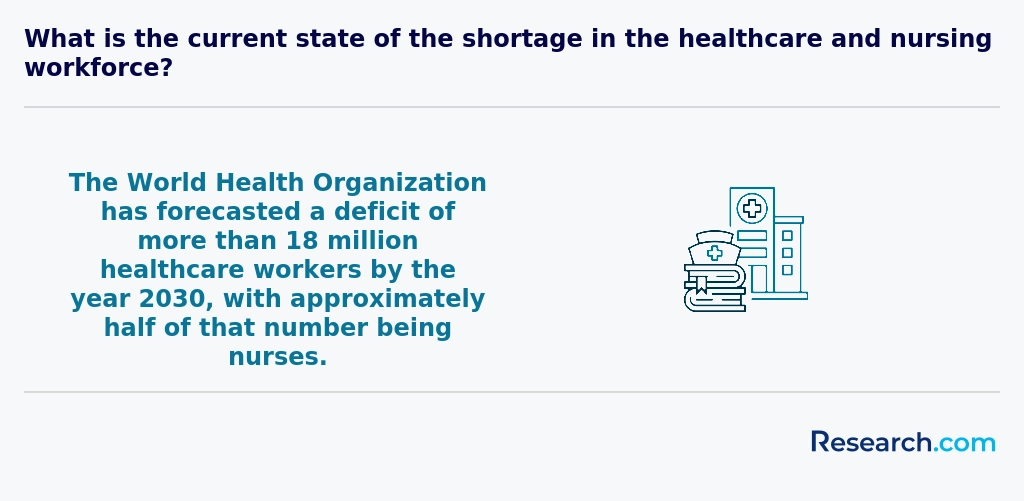
Many nursing students in Boise quickly realize that federal financial aid is a lifeline, especially Pell Grants, which can cover significant portions of tuition without the burden of repayment. Imagine a Boise State nursing graduate whose Pell Grant alleviated the anxiety of mounting fees, allowing focus on clinical rotations rather than finances. Alongside, the Idaho State Board of Nursing's loan programs offer a unique opportunity: low-interest loans that can be forgiven through service in local healthcare. Picture a College of Western Idaho student embracing this path, motivated not only by savings but by a commitment to serve Boise's communities facing nursing shortages.
Scholarships from local schools and professional groups often reward leadership and hard work, transforming the education journey from struggle to empowerment. Those balancing jobs find relief in work-study and employer tuition reimbursement, echoing the experiences of many who juggle the challenge of caring for patients while funding their studies.
Enrolling in a nursing degree program in Boise demands more than just ambition; it requires meeting specific prerequisites that shape your readiness for this challenging field. Graduates from Boise State University often recall how their solid high school foundation in biology, chemistry, and math made complex coursework manageable and fostered confidence from day one.
Beyond academics, many Boise nursing programs insist on standardized test scores like the ACT or SAT, reflecting the national emphasis on assessing critical thinking before admission. Some accelerated nursing tracks even require college-level classes in anatomy and microbiology, ensuring students come prepared to engage deeply with the material.
A vivid memory shared by local nursing graduates involves the background check and immunization proofs, which may feel tedious but ultimately reinforce a commitment to patient safety and trust-core to nursing's ethical backbone.
These prerequisites underscore that nursing in Boise is not just a course of study, but a deliberate, well-supported passage into a profession built on knowledge, responsibility, and compassion.
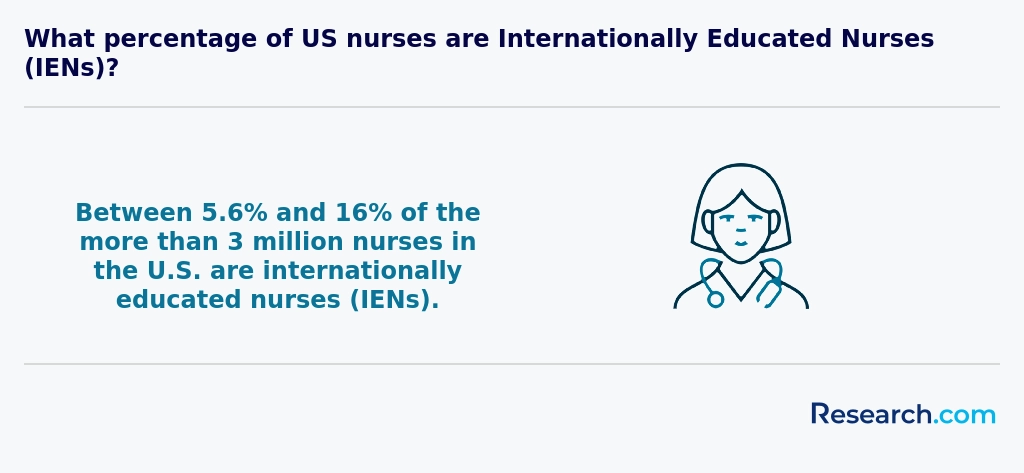
Nursing degree programs in Boise immerse students in a rigorous blend of foundational and specialized courses carefully crafted to transform learners into confident healthcare professionals. Graduates from Boise State University often reflect on how courses like Human Anatomy and Physiology and Microbiology laid the crucial groundwork, turning abstract textbook concepts into clear, tangible knowledge.
As students progress, the coursework challenges them with real-life clinical scenarios through classes such as Medical-Surgical Nursing and Mental Health Nursing, often accompanied by hands-on practicum experiences in local Boise hospitals and clinics. These moments spark a deep sense of purpose and readiness, as graduates recall the first time they applied pharmacology knowledge to patient care under nurse supervisors' guidance.
Boise nursing programs also include evolving fields like healthcare ethics and nursing leadership, encouraging reflective thinking about patient dignity and system improvements. This dynamic curriculum shapes not just skilled nurses but compassionate advocates, ready to excel on Idaho's NCLEX-RN and beyond.
Boise nursing programs with specialized tracks offer a range of focused nursing degree specializations in Boise that challenge the idea of a one-size-fits-all nursing education. Graduates from Boise State University and other local institutions often describe how their chosen paths, such as Family Nurse Practitioner or Psychiatric-Mental Health Nursing, allowed them to connect deeply with patients in ways general nursing degrees might not. Imagine training to provide expert mental health support in a community grappling with rising stress levels or developing geriatric nursing skills critical for Idaho's aging population-these real-life scenarios bring clarity to specialization choices.
Students navigating nursing degree specializations in Boise find clinical placements through partnerships between colleges and local healthcare facilities, which enhances hands-on learning. The practical experience gained reinforces why many opt for tracks like Pediatric or Public Health Nursing, preparing them for vital roles within their communities. For those considering alternative routes, Boise's affordability and respected programs may inspire exploration beyond traditional paths to include unanticipated career possibilities within nursing. Many have also benefited from studying at open admission colleges online, combining flexibility with quality education.
Choosing the best nursing degree in Boise means looking beyond just degrees and costs-it's about aligning your education with your real-life goals and the vibrant local healthcare scene. Graduates from Boise State University often reflect on how their BSN programs provided not just knowledge but meaningful clinical experiences through strong partnerships with local hospitals. These connections translate into confidence during practicums and offer a genuine glimpse into nursing roles.
While weighing options, consider the best affordable nursing programs Boise offers, especially how tuition at institutions here compares favorably to national averages. Many students find value in programs that combine quality with affordability without sacrificing flexibility, like evening or part-time courses that fit busy lives.
Don't overlook outcomes such as graduation and NCLEX-RN pass rates, as these indicators directly impact your chances of licensure and employment. Remember, deciding on a nursing degree also means balancing practical concerns with ambition; some students who chose ADN over BSN later realized the wider opportunities the latter provides. Reflect on your career path carefully, and explore resources about the best majors in college to make money to inform your decision.
Understanding nursing degree cost and value Boise can save you time and stress while setting a foundation for rewarding professional growth.
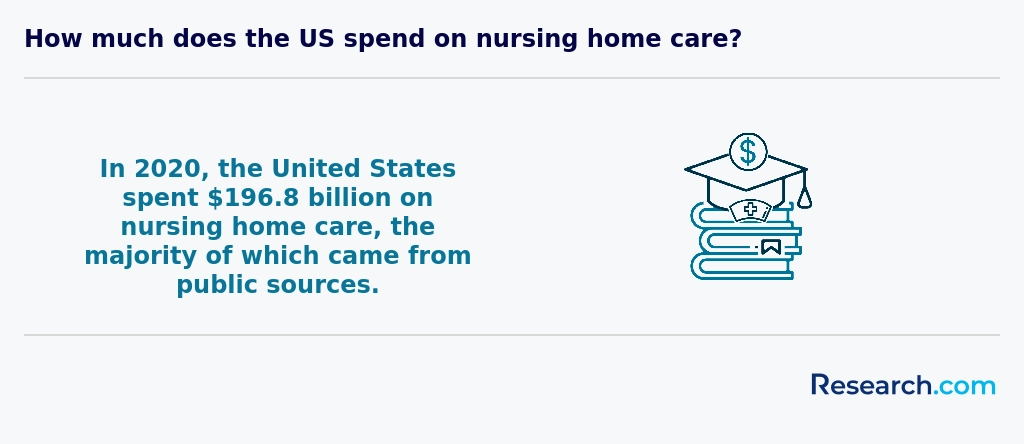
Graduates with a nursing degree in Boise find themselves welcomed by a broad spectrum of career paths that defy the traditional notion of nursing as a single-track profession. Many find rewarding roles as Registered Nurses within Boise's leading medical centers, where they experience firsthand the city's commitment to growing healthcare services. Others pursue advanced practice as Nurse Practitioners, especially eager to serve underserved rural communities, a path that graduates from Boise State University often describe as both challenging and deeply fulfilling.
Boise's nursing degree job prospects extend beyond clinical roles; those inspired by education take up positions as Clinical Nurse Specialists or educators, contributing to the next generation's growth at local colleges. Practical nursing careers also thrive here, with Licensed Practical Nurses supporting daily operations in diverse healthcare settings. Embracing public health roles within Idaho's Department of Health showcases yet another vital option that graduates appreciate for its community impact.
Many nursing students from Boise's popular institutions find that balancing cost and quality is crucial. For those seeking affordable paths to their goals, exploring free to apply accredited online colleges offers a surprising alternative that complements the cost-effectiveness of local options. These opportunities invite reflection on how versatile and attainable a nursing career can be in Boise's evolving healthcare landscape.
The nursing job outlook in Boise defies the notion that all healthcare fields face saturation. Graduates from local programs, such as Boise State University, often share how the city's status as Idaho's capital fuels diverse employment opportunities, from bustling hospital floors to specialized care in geriatrics. These real-life experiences reveal a career path filled with dynamic roles and steady demand.
Boise nursing degree employment opportunities stand out because salaries here tend to edge above the state average, reflecting the city's higher living costs and healthcare needs. Recent graduates report that this financial aspect, combined with hands-on training in prominent health systems, transforms their academic efforts into tangible, rewarding careers. Idaho's growing elderly population further intensifies the call for skills in long-term and mental health nursing.
For prospective students weighing cost against opportunity, Boise offers competitive tuition, especially at well-regarded institutions, alongside a promising job market. Exploring an affordable bachelor's degree online can also supplement flexible learning paths, ensuring you're prepared for this expanding workforce.
2027 Most Affordable Nursing Degree Programs Ranking in Boise
Investing in your education is a significant decision that can deeply impact your career and future. The Research.com team recognizes the importance of making well-informed choices and has carefully developed the "2027 Most Affordable Nursing Degree Programs Ranking in Boise" to guide prospective students. Our commitment to quality, credibility, and accuracy is demonstrated through rigorous research and data analysis. We utilized the following reputable data sources to ensure a comprehensive and trustworthy evaluation of nursing programs:
By consulting this ranking, readers will gain valuable insights into affordable nursing programs in Boise, empowering them to select education paths aligned with their goals and budgets. For a detailed explanation of how this ranking was created, please visit our Research.com methodology page.

# 3 position
Eagle Gate College-Boise Campus
Bachelor of Science in Nursing
# 4 position
Eagle Gate College-Boise Campus
Master of Science in Nursing
Frequently Asked Questions About nursing
Students pursuing nursing degrees in Boise can enhance their learning by actively engaging in clinical experiences offered through local healthcare facilities. Boise State University and other nearby institutions collaborate with hospitals like St. Luke's Regional Medical Center to provide hands-on training, which is essential for skill development.
Participating in study groups and seeking mentorship from experienced nursing professionals further supports academic success. According to the Idaho Board of Nursing, students who combine theoretical learning with practical application tend to perform better on the NCLEX-RN exam, with Boise's pass rates aligning closely to the national average of 85%.
Utilizing campus resources such as simulation labs and counseling services also fosters a well-rounded education. Additionally, pursuing internships or volunteer opportunities in Boise's growing healthcare sector helps students build professional networks and gain exposure to diverse medical settings.
The nursing field is rapidly evolving, with several emerging niches gaining attention in Boise and across the United States. One growing area is gerontological nursing, which focuses on caring for the aging population. Boise's demographic trends show a significant increase in residents over 65, highlighting the demand for specialists in elderly care. Another expanding niche is telehealth nursing, driven by advances in technology and the need for remote patient monitoring, especially in rural regions around Boise.
Additionally, psychiatric-mental health nursing is becoming vital due to rising awareness of mental health issues. Oncology nursing also continues to grow, reflecting ongoing healthcare needs related to cancer treatment. These specialties offer new career paths for nursing students considering degrees in Boise's educational institutions. Data from the Idaho Department of Labor supports strong employment prospects in these areas through 2030.
After completing a nursing degree in Boise, preparing for the job market involves several key steps. First, obtain your Registered Nurse (RN) license by passing the NCLEX-RN exam, which is required in Idaho and nationwide.
Networking with local healthcare providers in Boise, including St. Luke's Health System and Saint Alphonsus Health System, can increase job opportunities. Boise's healthcare sector is growing, with an expected 15% increase in nurse employment through 2030 according to the U.S. Bureau of Labor Statistics.
Gaining practical experience through internships or clinical rotations during your studies boosts your resume. Additionally, pursuing certifications like BLS or ACLS can make you a more competitive candidate in Boise's job market.
Employers in Boise seek nursing graduates with strong clinical skills and critical thinking abilities. According to the Idaho Board of Nursing, these skills are essential to ensure safe and effective patient care. Communication is equally important, as nurses must coordinate with doctors, patients, and families.
Boise healthcare employers also value technological proficiency due to the increasing use of electronic health records and modern medical equipment. Time management and adaptability are crucial in fast-paced hospital environments prevalent in Boise.
Finally, knowledge of Boise's community health needs, including rural healthcare challenges, improves a graduate's employability in the local job market.
Finding nursing internships in Boise involves leveraging local healthcare facilities and educational institutions. Start by exploring partnerships between Boise State University's School of Nursing and nearby hospitals, such as Saint Alphonsus Regional Medical Center and St. Luke's Boise Medical Center, which often offer clinical placement opportunities.
Many internships are part of degree programs, so inquire with academic advisors about structured clinical experiences. Additionally, the Idaho Board of Nursing provides resources and guidance on approved internship sites and state requirements for clinical hours.
Networking through local nursing associations, like the Idaho Nurses Association, can also connect students with valuable internships specific to Boise's healthcare landscape.
Obtaining a nursing degree in Boise significantly enhances career mobility and advancement opportunities within the local healthcare sector. Registered nurses (RNs) with degrees often qualify for higher-paying roles and leadership positions more quickly. According to the Idaho Department of Labor, Boise's healthcare employment has grown steadily at around 2% annually, reflecting expanding opportunities for nursing professionals.
Higher education credentials, such as a Bachelor of Science in Nursing (BSN), are increasingly preferred by employers like St. Luke's Health System, boosting chances for promotions. Additionally, specialized certifications supported by degree programs further open doors to advanced practice roles in Boise's hospitals and clinics.
Credentials also enable nurses to work in diverse settings, from acute care to public health. Overall, a nursing degree supports both vertical and lateral career growth in Boise's dynamic healthcare market.
Studying for a nursing degree in Boise equips students with essential skills to excel in interdisciplinary healthcare teams. Local programs emphasize collaboration with professionals such as physicians, pharmacists, and social workers to improve patient outcomes. Boise's healthcare facilities, including St. Luke's and Saint Alphonsus, actively partner with nursing schools to offer clinical experiences in diverse settings.
The curriculum often integrates communication, critical thinking, and cultural competency courses, tailored to navigate complex healthcare environments. According to the Idaho Department of Labor, nurses in Boise work closely with multiple disciplines, highlighting the demand for versatile teamwork skills.
Such preparation strengthens graduates' ability to coordinate care effectively, essential for modern healthcare systems.
Choosing between a thesis and a non-thesis nursing degree program in Boise depends largely on your career goals and learning preferences. Thesis programs typically focus on research and prepare students for doctoral studies or roles in academia. In contrast, non-thesis programs emphasize practical skills for immediate clinical or administrative work.
According to the Idaho State Board of Nursing, Boise has a growing healthcare job market, with nurses needed in diverse settings. If you aim to engage in nursing research or teaching, a thesis option might be more suitable. Otherwise, non-thesis paths can provide a faster, practice-oriented route to entering the workforce.
Cost and program length can also differ; thesis programs often require more time to complete. It's essential to review specific curricula and speak with advisors at Boise nursing schools to determine the best fit.
Students based in Boise interested in studying nursing abroad have several pathways to consider. Many US nursing programs, including those in Idaho, offer study abroad or exchange programs with partner institutions in countries such as Ireland, Australia, and Canada. These programs allow students to earn clinical experience in different healthcare settings while completing nursing coursework.
Additionally, Boise students can explore accredited international nursing schools that accept US credits, provided they meet state licensing requirements upon return. According to the Idaho Board of Nursing, foreign-trained nurses must pass the NCLEX to practice in the US.
Financial aid and scholarships specific to study abroad in nursing are also available through federal and state programs, helping to offset costs for Boise residents.
Boise offers several part-time job opportunities that align well with nursing degree education. Many students work as certified nurse assistants (CNAs) in local hospitals or long-term care facilities. This role provides hands-on patient care experience, valuable for nursing skills development. According to the Idaho Department of Labor, CNAs in Boise earn an average hourly wage of $14 to $17, supporting students financially while building relevant competencies.
Additionally, medical scribe positions at Boise clinics allow nursing students to observe physician-patient interactions, enhancing their clinical knowledge and documentation skills. Volunteer roles in community health centers also provide exposure to public health nursing. Such jobs complement coursework and improve practical understanding of healthcare environments.
Boise offers several valuable networking opportunities for nursing students aiming to build professional connections. Local nursing programs often collaborate with healthcare facilities like St. Luke's Health System and Saint Alphonsus Health System, allowing students to engage with experienced nurses through clinical rotations and internships. According to the Idaho Board of Nursing, these partnerships are crucial for hands-on learning and professional networking.
Additionally, Boise hosts chapters of national organizations such as the Idaho Nurses Association, which holds regular meetings and events. These gatherings enable students to meet practicing nurses and healthcare leaders, discuss current nursing trends, and explore job prospects.
Local health fairs and career expos also provide platforms for students to connect with employers and mentors. Nursing students in Boise benefit from a community supportive of their career growth and development.
Alumni networks offer nursing degree students in Boise valuable professional connections that can aid career advancement. These networks provide access to experienced graduates working in local hospitals, clinics, and healthcare organizations. This can increase job placement opportunities after graduation, especially important in Boise's growing healthcare market, which saw a 15% increase in nursing jobs from 2018 to 2023 according to Idaho Department of Labor data.
Additionally, alumni groups often share job openings, internships, and mentorship programs tailored to nursing students. Mentorship helps students navigate challenging coursework and clinical experiences, boosting confidence and skills.
Networking through alumni also allows sharing of continuing education resources, crucial for maintaining nursing licenses and certifications in Idaho.
Students pursuing nursing degrees in Boise can tailor their education to align with specific career goals through elective courses and specialization options. Many local programs offer tracks in areas such as pediatrics, geriatrics, or community health, allowing learners to focus on fields with growing demand. Clinical rotations are a key feature, giving hands-on experience that can be selected based on personal interests or target job markets. Boise State University, for example, provides pathways for both associate and bachelor's nursing degrees with options to pursue advanced practice nursing. Customizing coursework and practical experiences enhances readiness for roles in Boise's healthcare system.
Nursing students in Boise face several common challenges during their education. One major hurdle is balancing rigorous coursework with demanding clinical hours. Boise's healthcare facilities require hands-on practice, often leading to extended shifts that can be exhausting for students.
Financial strain is another concern. Although Boise offers some affordable programs compared to national averages, tuition, textbooks, and living expenses add up quickly. According to the Idaho State Board of Nursing, nearly 40% of nursing candidates report financial stress as a barrier to completing their degree.
Additionally, students must stay current with rapidly evolving medical technologies and protocols. This requires dedication to continuous learning beyond class time. Many also experience pressure adapting to high-stakes licensing exams like the NCLEX-RN, which has a national first-time pass rate of about 87%, making adequate preparation essential.
With a nursing degree in Boise, graduates can pursue several professional certifications to advance their careers and increase job opportunities. One popular option is becoming a Certified Nurse Assistant (CNA), which requires passing a state-approved exam. Many choose to become a Licensed Practical Nurse (LPN) or a Registered Nurse (RN) by completing the NCLEX-PN or NCLEX-RN exams, respectively.
Advanced certifications include the Certified Nurse Practitioner (CNP) and Certified Clinical Nurse Specialist (CNS), which require a master's or higher degree. The Idaho Board of Nursing offers clear guidelines on eligibility and certification processes for nurses in the state.
Boise's healthcare sector has grown by 12% in the last five years, increasing demand for certified nursing professionals. According to the U.S. Bureau of Labor Statistics, registered nurses in Idaho earned an average of $67,000 annually as of 2023, a figure that rises with advanced certifications.
Applying to a nursing program in Boise requires careful preparation and clear presentation of your qualifications. Start by researching local schools such as Boise State University, known for its accredited Bachelor of Science in Nursing (BSN) program. Admissions committees value strong academic records, especially in science courses like biology and anatomy. Include a well-crafted personal statement explaining your motivation for nursing and connection to community health in Boise.
Highlight any relevant experience, such as volunteering or work in healthcare settings, to demonstrate commitment. Many programs request letters of recommendation-choose individuals familiar with your abilities and work ethic. Finally, meet all deadlines and ensure your application is complete to improve your chances of acceptance.
The nursing profession is recognized globally as a vital component of healthcare systems. In the United States, including Boise, nursing offers diverse career opportunities ranging from clinical practice to research and education. According to the U.S. Bureau of Labor Statistics, registered nursing jobs are projected to grow 9% from 2020 to 2030, reflecting an increasing demand worldwide.
Internationally, nurses often participate in global health initiatives, fostering cross-cultural skills that enhance patient care. Boise's nursing programs emphasize such competencies, preparing students for domestic and global challenges. Furthermore, Boise's affordable degree options make it accessible for many aspiring nurses aiming to join this respected, expanding field.
Gaining practical experience while studying for a nursing degree in Boise is essential to build clinical skills and improve job prospects. Many local programs partner with medical centers such as St. Luke's Boise Medical Center and Saint Alphonsus Regional Medical Center to offer clinical rotations. These experiences allow students to work directly with patients under supervision, helping them apply theoretical knowledge in real-world settings.
Additionally, Boise nursing students can participate in simulation labs found at institutions like Boise State University, where advanced mannequins mimic patient scenarios. These controlled environments enhance critical thinking and hands-on skills. Volunteer opportunities at community health clinics also provide valuable exposure to diverse patient populations.
According to the Idaho Board of Nursing, over 85% of nursing students in Boise complete at least 500 clinical hours before graduation, meeting national standards. This practical involvement ensures graduates are well-prepared for licensure exams and the demands of nursing careers.
Choosing the right concentration within a nursing degree program in Boise depends on your career goals and interests. Common options include family nurse practitioner, gerontology, pediatrics, and psychiatric nursing, each preparing you for specific patient populations. Consider the local job market: Boise's growing healthcare sector, including St. Luke's Health System and Saint Alphonsus Health System, often seeks nurses with expertise in primary care and geriatric specialties, reflecting Idaho's aging population per the Idaho Department of Labor.
Evaluate the curriculum and clinical opportunities offered by Boise programs. Strong clinical partnerships can enhance hands-on experience, which is crucial in nursing education. Also, check if the concentration prepares you for certification exams relevant to your area of interest. Accreditation of the nursing program by the Commission on Collegiate Nursing Education (CCNE) or the Accreditation Commission for Education in Nursing (ACEN) is essential to ensure quality education.
Lastly, consider practical factors such as program length, cost, and flexibility. Boise offers various formats, including traditional and accelerated tracks, which might affect how quickly you enter the workforce.
- 2027 Most Affordable Nursing Degree Programs Ranking in Pullman
- 2027 Most Affordable Nursing Degree Programs Ranking in Spokane
- 2027 Most Affordable Nursing Degree Programs Ranking in Salt Lake City
- 2027 Most Affordable Nursing Degree Programs Ranking in Provo
- 2027 Most Affordable Nursing Degree Programs Ranking in Reno
- 2027 Most Affordable Nursing Degree Programs Ranking in Portland
- 2027 Most Affordable Nursing Degree Programs Ranking in Tacoma
- 2027 Most Affordable Nursing Degree Programs Ranking in Seattle
- 2027 Most Affordable Nursing Degree Programs Ranking in Fresno
- 2027 Most Affordable Nursing Degree Programs Ranking in Oakland
See What Experts Have To Say About Studying Nursing
Read our interview with Nursing experts

Lisa Grubb
Nursing Expert
Assistant Professor
Johns Hopkins School of Nursing

- Boise State Nursing Scholarships For Aspiring Nurses https://youko.temera.it/temera-news/boise-state-nursing-scholarships-for-aspiring-nurses-1767648178
- Know more about thesis vs non- thesis: what is the difference? https://studyfans.com/en/blogs/816
- Nursing Jobs https://www.saintalphonsus.org/careers/nursing-opportunities
- Top Skills Employers Want in Practical Nursing Graduates https://vervecollege.edu/what-employers-look-for-in-practical-nursing-graduates/
- How to Choose a Nursing Program | All Nursing Schools https://www.allnursingschools.com/how-to-get-into-nursing-school/choose-the-right-school/
- 10 Nursing Fields That Are Growing in Demand https://promedcert.com/blog/10-nursing-fields-that-are-growing-in-demand
- How to Choose the Right Nursing School for Your Career Goals | Archer Review https://www.archerreview.com/blog/how-to-choose-the-right-nursing-school-for-your-career-goals
- Online versus Face-to-Face Nursing Degrees: A Study of Recruiters’ Perceptions - OJDLA https://ojdla.com/articles/online-versus-face-to-face-nursing-degrees-a-study-of-recruiters-perceptions
- What Are the Best Jobs to Work While in Nursing School? https://www.dewv.edu/what-are-the-best-jobs-to-work-while-in-nursing-school/
- The Nurses' Alumni Association https://giving.mainlinehealth.org/get-involved/auxiliaries-and-womens-boards/lankenau-medical-center-womens-board/the-nurses-alumni-association