2027 Best Online Bachelor's in Nursing Degree Programs Ranking in Wisconsin

Co-Founder and Chief Data Scientist
Choosing the right nursing degree is an important step toward a fulfilling career in healthcare. This article introduces the 2027 Best Online Bachelor's in Nursing Degree Programs Ranking in Wisconsin, created by the Research.com team of data scientists to help students like you make an informed decision.
By exploring these top online nursing programs, you'll discover options that fit your goals and lifestyle. Earning a nursing degree opens doors to rewarding opportunities and personal growth, especially in a growing field with strong job prospects.
Let this guide support your journey toward a meaningful and successful nursing career.
Key benefits of getting online nursing degree in Wisconsin
- Graduates with a nursing degree in Wisconsin can earn competitive salaries, such as $94,480 annually for Registered Nurses, Clinical Nurse Educators, and Public Health Nurses, while Operating Room Nurses can make up to $128,490 per year.
- Caring for others leads to diverse career paths, including roles in hospitals, community health, and specialized areas, inspired by successful Wisconsin nursing graduates from universities like the University of Wisconsin-Madison.
- Online nursing programs offer flexible schedules and personalized learning, making it easier for busy students to balance work and study-proven beneficial by graduates from institutions like Concordia University Wisconsin.
- 2027 Best Online Bachelor's in Nursing Degree Programs Ranking in Wisconsin
- What can I expect from online nursing degree in Wisconsin?
- Where can I work with online nursing degree in Wisconsin?
What can I expect from online nursing degree in Wisconsin?
When diving into an online nursing degree in Wisconsin, the price tag dances around $10,000 to $30,000 for the entire program, depending on the school and whether you qualify for in-state tuition. Graduates from well-known institutions like the University of Wisconsin system often share stories of balancing shifts at local hospitals while keeping pace with courses, finding tuition manageable with scholarships and employer tuition assistance.
Imagine a nurse juggling clinical hours arranged near home, leveraging flexible schedules to reduce commuting costs - all while the tuition fees stay competitive compared to traditional campus programs. These financial realities turn the dream of a BSN into an achievable journey rather than a distant goal. The possibility of local clinical placements softens the burden, bringing the classroom and real world into reach without breaking the bank.
Where can I work with online nursing degree in Wisconsin?
Picture yourself stepping into UW Health's bustling emergency room, confidently applying what you learned through your online nursing degree. Graduates from programs at UW-Madison or Marquette University often find themselves thriving in these fast-paced hospital environments, with specialties ranging from pediatrics to intensive care. The thrill of making split-second decisions and the gratitude of patients create a rewarding career pathway.
Others choose the steady rhythm of long-term care facilities, where Wisconsin's aging population-nearly 18% over 65-needs compassionate caregivers. Imagine guiding an elderly patient through recovery, your online education empowering you as a skilled nurse or case manager in these close-knit communities.
Graduates also embrace roles in public health or telehealth, expanding their reach beyond city limits, sometimes working remotely. Collaborating with community centers and health departments, they champion disease prevention and vaccination drives, trading hospital halls for digital counseling sessions. The online nursing degree in Wisconsin turns your career into a versatile adventure, seamlessly blending heartfelt care with flexibility.
Graduates from online nursing programs in Wisconsin, such as those from Marquette University or University of Wisconsin-Madison, find themselves stepping into the workforce with a promising salary palette. The mean annual wage for registered nurses here is about $94,480, aligning closely with clinical nurse educators and public health nurses who share this earning benchmark.
Imagine completing your late-night study sessions online, then confidently walking into a hospital where emergency room nurses make the same solid $94,480 salary, turning those hours of dedication into real financial stability. For those who push further, specializing as operating room nurses can elevate earnings spectacularly to $128,490 annually-clearly a reward for the high-stakes skills learned during and beyond the BSN.
These figures reflect more than just numbers; they symbolize the fruit of perseverance from any Wisconsin nursing grad balancing family life, work, and online classes. With these roles in hospitals or public health settings around Milwaukee or Madison, graduates often feel a surge of pride knowing their expertise commands such respect and remuneration.
- Online nursing degrees in Wisconsin include ADN, BSN, and RN to BSN completion programs, with clinical hours required in-person.
- Tuition for a Bachelor's in Nursing at public universities ranges from $10,000 to $20,000 per year for residents, with private colleges generally charging more.
- Registered nursing jobs in Wisconsin are expected to grow by about 11% through 2028, which is faster than the average for all occupations.
- Starting salaries for new nursing graduates average around $58,000 annually, rising to $75,000 or more with experience.
- Programs should be accredited by CCNE or ACEN to meet professional and licensing standards in Wisconsin.
- Graduates must pass the NCLEX-RN exam to become licensed and legally practice as registered nurses in Wisconsin.
Imagine juggling a full-time job in Milwaukee while logging clinical hours coordinated by your UW-Milwaukee program-it's intense but exhilarating. For many Wisconsin students starting fresh in an online BSN, four years might stretch ahead like a scenic road trip, where foundational science and theory intermingle with hands-on practice in local clinics.
Then there's the faster lane: accelerated BSN options at institutions like Marquette University, turning months into a whirlwind 12 to 18. Graduates often recall this period as a challenging sprint where every week was packed with nursing theory, labs, and clinical shifts across the city, fueling excitement to join the workforce sooner.
For those working RNs stepping up from an associate degree via an RN-to-BSN, the journey can flex between 12 and 24 months. It's a balancing act felt deeply by many at colleges like Madison College, blending part-time courses with real-life nursing gigs, each clinical placement a meaningful bridge linking theory back to Wisconsin's healthcare frontline.
Graduates of online nursing programs in Wisconsin must apply for licensure through the Wisconsin Board of Nursing and successfully pass the NCLEX-RN exam to begin practicing. To be eligible, candidates need to submit official transcripts, complete a criminal background check, and meet all state‐mandated health requirements. The average NCLEX-RN first‐time pass rate for Wisconsin BSN graduates stands at 88%, surpassing the national average of 85%. Higher pass rates often correlate with programs that offer robust test review modules, simulated clinical scenarios, and dedicated exam preparation workshops. Many online programs partner with local healthcare facilities to ensure students gain hands‐on experience that directly aligns with NCLEX test plans. Prospective students should verify that their chosen program is accredited by the Commission on Collegiate Nursing Education (CCNE) or the Accreditation Commission for Education in Nursing (ACEN), as accreditation is a prerequisite for licensure and demonstrates adherence to rigorous educational standards. For those balancing budget and quality, explore our Affordable Online Nursing Degree Programs Ranking in Columbia, MO to compare programs that combine high NCLEX pass rates with cost‐effective tuition. Ensuring alignment between coursework, clinical rotations, and exam preparation is key to achieving licensure and launching a successful nursing career in Wisconsin.
Picture a nursing student at the University of Wisconsin-Madison juggling late-night shifts with family life, thriving within an online program's flexible orbit. They log in whenever inspiration strikes, sipping coffee at dawn while navigating lectures from their cozy kitchen nook. This freedom, a signature of online degrees in Wisconsin, offers a sanctuary for self-starters craving control over their pace and space.
Meanwhile, a traditional student at Marquette University walks through bustling campus halls, sinking into hands-on lab sessions and lively study groups-immersed in the tactile hum of in-person learning. Their days unfold with scheduled clinical rotations embedded deeply within Wisconsin's healthcare systems, fostering immediate feedback from seasoned instructors.
Both paths converge on the same crucible: supervised clinical hours in Wisconsin hospitals, stitching theory to reality. Online learners arrange local clinical placements, ensuring no compromise on the irreplaceable pulse of direct patient care. Whether behind a screen or in a scrubs-clad crowd, practical skills bloom-anchored firmly by the Wisconsin Board of Nursing's standards.
Technology is the online student's lifeline, a portal bridging virtual classrooms to real-world practice. On-campus peers exchange notes beside campus libraries and support services, their learning cocooned within rich communal resources.
- Online degrees fit self-disciplined learners craving flexibility and balance
- On-campus degrees offer structured schedules and in-person relational energy
- Clinical practice, a non-negotiable rite of passage for all
- Tuition varies, often lower for online public programs in Wisconsin
- Reliable tech is key for online success, while on-campus students enjoy direct resource access
Understanding NCLEX pass rates is critical when selecting an online BSN program, as they reflect how well a curriculum prepares students for licensure. In Wisconsin, top-ranked schools report first-time NCLEX-RN pass rates ranging from 85% to 98%, consistently outperforming the national average of 88%. Prospective students should evaluate each program’s historical pass rate data, available through state nursing boards and institutional reports, to gauge the effectiveness of their exam preparation resources. Leading online programs offer structured NCLEX review courses, simulated testing environments, and targeted study modules that reinforce clinical judgment and critical thinking skills. For example, many programs incorporate weekly practice questions, interactive virtual labs, and live Q&A sessions with faculty, ensuring that students develop confidence in pharmacology, medical-surgical nursing, and patient safety protocols. Additionally, peer-led study groups and mentorship from recent graduates can provide invaluable insights into exam strategies and time management techniques. After earning your RN license, advancing your practice often involves graduate education. Nurses aiming for advanced practice roles frequently seek accelerated pathways; for those exploring family nurse practitioner credentials, consider the shortest post master’s FNP program online, which can help bridge your BSN to specialized practice with minimal delay. By prioritizing strong NCLEX outcomes and seamless transition opportunities, you can ensure a smooth journey from student to licensed professional and beyond.
When pondering the average cost of an online nursing degree in Wisconsin, imagine a grad navigating the University of Wisconsin-Milwaukee's flexible RN-to-BSN program. They might pay between $450 and $600 per credit, turning the full 120-credit journey into a dance with figures ranging from $18,000 to $27,000. This reflects the average cost of online nursing degree Wisconsin seekers often encounter, shaped by the blend of tuition, technology fees, and the convenience of studying remotely.
A graduate from a private institution recalls tuition bills climbing beyond $30,000, yet these higher prices often come with gleaming scholarships and financial aid-softening the financial step. Public universities across Wisconsin typically offer more affordable tuition, around $10,000 to $12,000 annually for in-state students, balancing dreams and dollars in harmony.
Expenses ripple beyond tuition: textbooks, clinical placements, and tech fees can add up to $1,000 or more each year. Picture someone juggling family, work, and studies, finding solace in programs that arrange local clinical sessions, sparing them costly travel. For those scouting the cheapest nursing school in Wisconsin, these realities bring the numbers into sharper focus.
Many Wisconsin nursing students embrace these challenges joyfully, recognizing that the investment today can blossom into lifelong career rewards. The landscape of Wisconsin nursing degree tuition and fees is vast, but with thoughtful choices, the path to becoming a nurse can remain inspiring and economically viable.

When considering online nursing programs in Wisconsin, one of the most critical factors for prospective students is affordability. The cost of tuition, fees, and other expenses can significantly impact a student's decision. To make informed choices, it's essential to research and compare the costs of different programs. For those looking for the most budget-friendly option, finding the cheapest nursing school in Wisconsin can be a top priority. Understanding that the overall cost includes not just tuition but also expenses like textbooks, uniforms, and potential travel for clinical rotations, students can better plan their financial strategy. Additionally, exploring financial aid options, scholarships, and potential employer reimbursement programs can help mitigate the cost burden. By carefully evaluating these financial aspects and considering the long-term benefits of a nursing career, students can make a more informed decision about which online nursing program in Wisconsin best fits their budget and career aspirations.
Picture yourself logging into the online nursing program at the University of Wisconsin or Marquette University, feeling the weight of tuition on your mind-but then discovering a treasure trove of financial aid waiting to lighten that load. Federal Pell Grants can sprinkle up to $7,395 annually directly into your education fund, no repayment strings attached. Meanwhile, federal student loans offer a gentle financial cushion with low interest rates, making those hefty semesters feel manageable.
Imagine a graduate from a Wisconsin nursing program who used the Wisconsin Tuition Grant to attend a private nonprofit college nearby, turning what seemed like an impossible price tag into a doable dream. The Wisconsin HOPE Lab Workforce Training Grant often targets healthcare learners like you, boosting your wallet just when you need it most.
Employers in Wisconsin's bustling healthcare scene frequently extend tuition assistance-a perfect win-win for working nurses chasing advanced online degrees. Add to that scholarships from the Wisconsin Nurses Association and loan forgiveness programs that reward you for serving critical communities. These layered aids create a patchwork of support, stitching together your journey toward the nursing career you envision.
Accreditation confirms a program meets rigorous educational standards essential for nursing practice. In Wisconsin, ensure your online BSN has:
- Regional accreditation from the Higher Learning Commission (HLC)
- Nursing-specific accreditation from the Commission on Collegiate Nursing Education (CCNE) or Accreditation Commission for Education in Nursing (ACEN)
Graduating from an accredited program guarantees eligibility for the NCLEX-RN and smooth credit transfers into advanced practice pathways. For affordable NP options, explore our cheap np programs.
In Wisconsin, stepping into an online nursing degree feels like unlocking a new chapter fueled by clear, purposeful milestones. Imagine a graduate from a well-known university here laughing about how conquering human anatomy and microbiology felt like mastering the secret codes of the body-those prerequisite courses aren't just hoops to jump through; they're the keys to feeling confident in clinical settings.
Many programs require that you already have a high school diploma or GED, a humble but essential foundation. Beyond that, enrolling in colleges like those in Milwaukee or Madison means showing you've tackled vital subjects such as chemistry, statistics, and English composition before diving into nursing's more complex waters.
For the brave souls aiming for an RN to BSN online in Wisconsin, holding an active RN license issued by the state's Board of Nursing isn't just bureaucratic-it's a proud badge of clinical hustle and knowledge ready to level up.
Graduates often recall how submitting TEAS scores and personal statements wasn't a blockade but a moment to show passion. These steps emphasize Wisconsin's commitment to students who combine readiness with heart as they pursue nursing amid flexible online options.
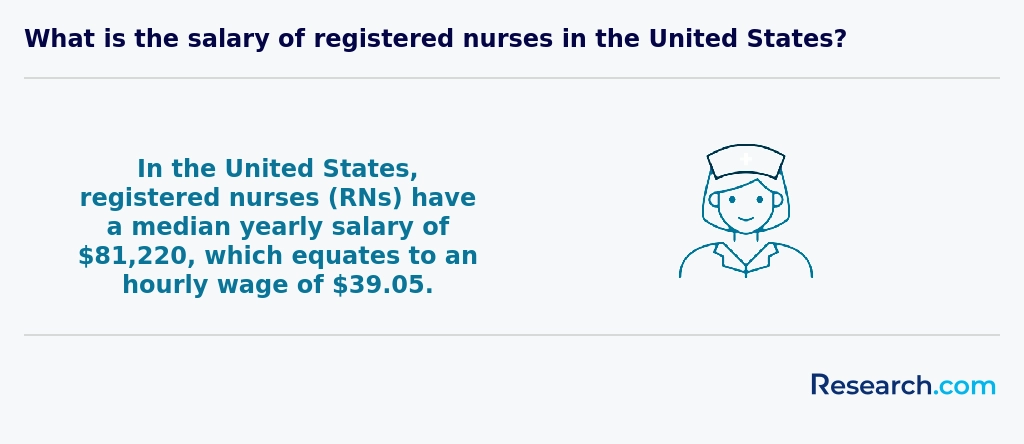
Earning your online nursing degree is only the first step-becoming a licensed nurse in Wisconsin requires meeting the state’s Board of Nursing criteria and passing the NCLEX-RN exam. To practice as a Registered Nurse (RN) in Wisconsin, graduates must:
- Graduate from a Board-approved nursing program (accredited by CCNE or ACEN).
- Submit an application and fee to the Wisconsin Board of Nursing, including a criminal background check and fingerprinting.
- Successfully pass the NCLEX-RN exam, with Wisconsin’s current first-time pass rate hovering around 88%.
- Complete any additional state-specific requirements, such as jurisprudence exams or continuing education hours, if already licensed in another state. Preparing for licensure also means gathering official transcripts, monitoring deadlines closely, and scheduling your NCLEX-RN through Pearson VUE. Many programs offer dedicated NCLEX prep courses, virtual study groups, and practice exams that mirror the format and difficulty of the actual test. For students exploring different entry points into nursing, comparing Registered Nurse pathways with Licensed Practical Nurse (LPN) programs can be invaluable-see our guide to best virginia lpn programs for insights on practical nursing training and licensure trends. By understanding and satisfying Wisconsin’s regulatory requirements, you’ll ensure a smooth transition from graduation to a rewarding nursing career.
Imagine diving into the vibrant world of nursing through an online program in Wisconsin, where courses feel like stepping stones across a flowing river of knowledge. At popular schools like the University of Wisconsin or Marquette University, graduates often recall how foundational science classes-anatomy, physiology, microbiology-felt like unlocking the mysteries of the human body, preparing them to understand the purpose behind every heartbeat and breath.
They describe pathophysiology and pharmacology as illuminating lenses, revealing how diseases wage their battles and how medications act as heroes in those stories. Nursing fundamentals turn theory into practice, introducing skills that graduates vividly remember using during their local clinical placements, transforming pixels on their screens into real-world patient interactions.
- Health assessment and promotion courses challenge students to think beyond the individual, envisioning healthier communities across Wisconsin's diverse populations.
- Clinical nursing modules-covering medical-surgical, maternal-child, mental health, and pediatric care-create confidence by blending science with empathy.
- Leadership classes spark ambition, empowering students to become tomorrow's healthcare innovators and compassionate managers.
Graduates from these programs often speak warmly of evidence-based practice and research courses, which sharpen their critical thinking and connect classroom knowledge with cutting-edge healthcare advances, all while ensuring they meet Wisconsin's RN licensure standards.
Wisconsin's online nursing degree specializations open doors to focused careers, from the dynamic RN to BSN track that's favored by graduates who cherish advancing clinical prowess and leadership. Imagine a UW-Madison graduate energized by sharpening evidence-based practice skills without leaving their family farm-they embody the spirit of Wisconsin's healthcare evolution.
Then there's the Family Nurse Practitioner and Psychiatric-Mental Health Nurse Practitioner pathways, perfect for those craving meaningful impact in rural clinics or urban centers. Graduates from Marquette University often share stories of early mornings diagnosing community patients, feeling pride in meeting real needs where help is scarce. These specializations are vivid examples of Wisconsin online nursing programs specializations aligning with local demands.
Don't overlook nurse educators, who spin knowledge webs for tomorrow's healers, or leadership-focused nurses from local colleges driving hospital reforms through savvy management. For those exploring options or needing guidance, checking the best virginia lpn programs helps compare pathways.
Choosing an online nursing degree in Wisconsin feels like mapping your own journey through the healthcare cosmos. Graduates from prominent state universities often share how accreditation was their compass-programs endorsed by bodies like CCNE or ACEN made their licenses shine when applying for jobs or state licensure. Imagine juggling a toddler's nap time while logging into asynchronous classes-this flexibility is the golden thread woven through many of Wisconsin's most respected nursing institutions.
One graduate recounted starting an RN-to-BSN track while working full-time, revealing how knowing the specific degree type aligned perfectly with career goals. Public universities here aren't just budget-friendly; they often keep tuition between $10,000 and $20,000, making affordable nursing degrees Wisconsin students rave about actually reachable. To those balancing cost and schedule, exploring shortest post master's FNP program online models might spark fresh inspiration.
When weighing options, think about clinical hands-on experience too-local practicums rooted in Wisconsin communities are key to turning theory into skilled care. Graduates endorse looking closely at NCLEX pass rates reported by Wisconsin colleges; it's the ultimate pulse check on program efficacy and a real predictor of success.
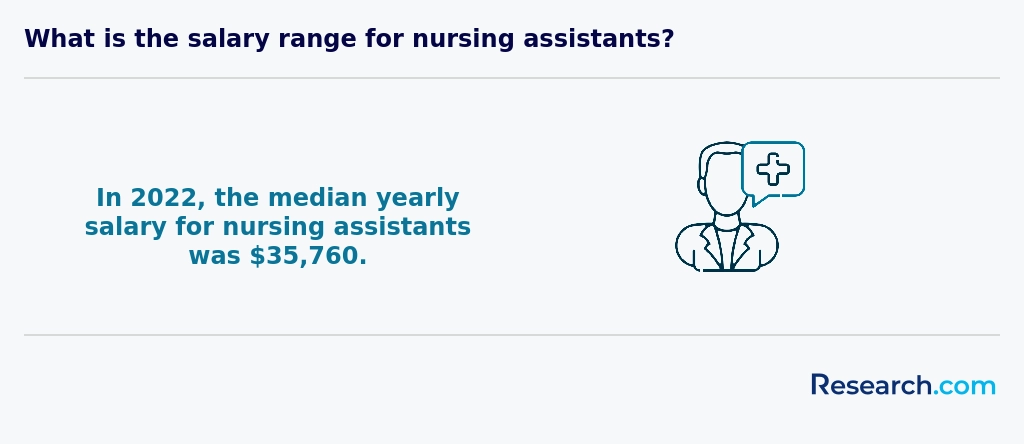
Graduates with an online nursing degree in Wisconsin find themselves stepping into a mosaic of vibrant career paths, each brimming with possibility. Picture a nurse navigating the bustling corridors of Milwaukee's hospital networks, delivering compassionate care while mastering complex patient coordination. Others embrace specialized roles-public health nursing weaving wellness into communities, school nursing shaping young lives in Madison classrooms, or home health nursing offering tender, personalized care amid Wisconsin's scenic neighborhoods. These options reflect not just jobs but stories of real impact donors at universities like University of Wisconsin-Milwaukee highlight with pride.
For those hungry to ascend, the journey can spiral upward toward nurse practitioners or healthcare educators, roles where leadership and advanced skills shine, echoing experiences of graduates who energized Wisconsin's healthcare evolution. The magic of an online nursing career options Wisconsin allows flexibility and growth, supported by bridge programs from respected institutions.
Curious about affordability? Many chase their dream without the stress of sky-high costs, learning that programs found through the Affordable Online Nursing Degree Programs Ranking in Columbia, MO provide a roadmap to success in this flourishing field.
The job market for online nursing jobs in Wisconsin hums with steady promise, especially for those graduating from well-known institutions like the University of Wisconsin or Marquette University. Many graduates share how their clinical placements at local hospitals or community clinics opened doors to diverse roles-from bustling urban centers like Milwaukee to quieter rural towns craving skilled nurses. The state's 8% projected growth for registered nurses means demand isn't just a statistic; it's reflected in personal stories of graduates swiftly landing positions and feeling valued for their commitment.
Wisconsin graduates often speak about the reassuring balance of earning a competitive wage, around $70,000 annually, combined with the palpable sense of community support. Consider the graduate who moved to a rural hospital, receiving relocation assistance-a touch that makes this career leap feel like a welcomed adventure rather than a gamble. For those eyeing advancement, many express excitement over opportunities to specialize, a journey often begun after completing the best accelerated online bachelor degree programs.
In this thriving landscape, the Wisconsin nursing degree employment outlook embraces not just steady jobs but fulfilling careers marked by growth, purpose, and connection to local healthcare ecosystems.
2027 Best Online Bachelor's in Nursing Degree Programs Ranking in Wisconsin
Investing in your education is a significant decision that can shape your future, and the Research.com team understands the importance of making informed choices. To assist prospective students in Wisconsin, we have meticulously crafted the "2027 Best Online Bachelor's in Nursing Degree Programs Ranking in Wisconsin." Our commitment to quality, credibility, and accuracy is reflected in the extensive research and analysis conducted to compile this ranking.
We utilized the following reputable data sources to ensure a comprehensive evaluation of nursing programs:
By exploring this ranking, readers will gain valuable insights into the best online nursing degree programs in Wisconsin, empowering them to make well-informed decisions about their educational and professional futures. For more details on how this ranking was created, please visit our Research.com methodology page.


Frequently Asked Questions About nursing
Online nursing degree students in Wisconsin can maximize their learning experience by actively engaging with both digital and local clinical opportunities. Wisconsin has a robust healthcare system, and many programs require clinical hours at approved local facilities, so students should seek placements early to gain hands-on experience.
Staying organized and managing time effectively is crucial, especially when balancing work or family commitments. Utilizing the state's resources, such as the Wisconsin Nurses Association, can provide networking, mentorship, and professional development.
Additionally, students should leverage interactive online tools and participate in virtual study groups to deepen understanding of coursework.
The nursing field in Wisconsin is evolving, with several emerging niches gaining importance. One key area is geriatric nursing, driven by the state's aging population. According to the Wisconsin Department of Health Services, adults aged 65 and older make up nearly 16% of the population, increasing demand for nurses specialized in elder care.
Another growing niche is telehealth nursing. The expansion of remote healthcare services, accelerated by the COVID-19 pandemic, has created new opportunities for nurses providing virtual patient monitoring and consultations.
Additionally, informatics nursing is developing rapidly. Nurses in this role integrate healthcare technology to improve patient outcomes and healthcare efficiency.
After earning an online nursing degree in Wisconsin, preparing for the job market is essential to launch a successful career. Start by obtaining licensure through the Wisconsin Board of Nursing, which requires passing the NCLEX-RN exam. This licensure is mandatory to practice as a registered nurse in the state.
Networking is important; joining professional organizations like the Wisconsin Nurses Association can provide valuable contacts and job leads. Additionally, practicing interview skills and building a detailed resume highlighting clinical experience will improve job prospects. According to the Wisconsin Department of Workforce Development, nursing positions are expected to grow by 12% from 2020 to 2030, increasing demand for qualified nurses.
Consider specializing in high-demand areas such as geriatric care or home health, which are expanding sectors in Wisconsin's healthcare system. Continuing education and certifications will also help maintain competitiveness in this evolving field.
Employers in Wisconsin highly value nursing graduates with strong clinical skills and critical thinking abilities. According to the Wisconsin Center for Nursing, nurses must demonstrate proficiency in patient assessment, medication administration, and care planning. Communication skills are also essential, as nurses often interact with diverse populations and healthcare teams.
Adaptability and teamwork are key in the state's evolving healthcare system, especially with the rise of telehealth services. The Wisconsin Department of Workforce Development highlights that employers expect entry-level nurses to be familiar with electronic health records (EHR) technology.
Finally, ethical judgment and cultural competence are increasingly important due to Wisconsin's diverse communities and regulatory standards.
Finding internships relevant to a nursing degree in Wisconsin involves several strategic steps. Start by exploring partnerships between your online nursing program and local healthcare facilities, as many schools collaborate with hospitals and clinics to place students.
The Wisconsin Center for Nursing reports that healthcare employers in the state often seek nursing interns to address ongoing workforce demands. Target large hospital systems like Aurora Health Care or UW Health, which offer structured internship programs.
Additionally, use the Wisconsin Association of Nurses website and state nursing boards for listings of approved clinical facilities. Networking through professional nursing organizations and attending local job fairs can also uncover internship opportunities.
Early application is essential since clinical placements can be competitive due to high demand in Wisconsin's healthcare sector.
An online nursing degree in Wisconsin can significantly enhance career mobility and advancement opportunities. With the state's healthcare sector growing steadily, nurses with a Bachelor of Science in Nursing (BSN) are increasingly favored for leadership roles and specialized positions. According to the Wisconsin Department of Workforce Development, registered nurses with a BSN tend to have higher earning potential and greater job security compared to those with an associate degree.
Online programs provide flexibility for working nurses to advance their education without relocating. This is vital in Wisconsin, where rural healthcare needs demand more skilled nursing professionals.
Employers, including large hospital systems like Aurora and Mayo Clinic Health System, often prefer or require a BSN for promotions, further enhancing upward mobility.
Studying for a nursing degree in Wisconsin equips students with skills to thrive in interdisciplinary healthcare teams. Wisconsin's nursing programs emphasize collaboration with professionals such as physicians, pharmacists, and social workers. This approach reflects the state's healthcare environment, where coordinated care improves patient outcomes.
Academic curricula often include courses on communication, ethics, and healthcare systems, preparing students to navigate complex roles. According to the Wisconsin Center for Nursing, 61% of nurses work in settings requiring teamwork across disciplines, highlighting the importance of such training.
Online nursing degrees in Wisconsin also integrate clinical experiences, allowing students to engage remotely with diverse healthcare teams. This practical focus helps graduates contribute effectively to patient-centered care models common in Wisconsin hospitals and clinics.
When choosing between a thesis and a non-thesis online nursing degree program in Wisconsin, consider your career goals and learning preferences. Thesis programs typically require conducting original research, ideal for students aiming at advanced practice roles or further graduate study. Non-thesis options focus more on practical skills and coursework, suitable for those planning to enter clinical work directly.
In Wisconsin, the demand for nurses with research skills is growing, especially in healthcare organizations partnering with academic institutions like UW-Madison, where nursing research influences policy. However, most registered nurses in the state prioritize hands-on experience.
Check program requirements, duration, and faculty expertise. Some Wisconsin nursing programs may offer flexibility in both formats online, allowing you to align study with your professional commitments.
Students based in Wisconsin seeking to study nursing abroad face limited direct options due to the regulatory nature of nursing education in the United States. Most online nursing degree programs offered to Wisconsin residents are provided by accredited U.S. institutions. However, some universities partner with international schools to offer global clinical experiences, usually requiring in-person practicum completion abroad.
Wisconsin nurses must pass the NCLEX-RN licensure exam, governed by the Wisconsin Board of Nursing, which emphasizes U.S.-based education standards. Programs abroad may not align with these requirements, posing challenges for licensure upon return.
According to the Wisconsin Department of Safety and Professional Services, there is no official pathway for foreign online nursing degrees to replace U.S. accreditation for licensure. Therefore, Wisconsin students often opt for U.S.-accredited online degrees with optional study abroad components rather than full foreign online degrees.
Part-time job opportunities in Wisconsin that complement nursing degree education often include roles such as certified nursing assistant (CNA), medical assistant, and home health aide. These positions provide practical experience and enhance clinical skills while students pursue their studies. According to the Wisconsin Department of Workforce Development, CNAs in Wisconsin earn an average hourly wage of around $14 to $16, making it a viable option for part-time work.
Medical assistants also gain exposure to patient care and administrative tasks, a helpful foundation for future nurses. Additionally, home health aides assist patients directly in their homes, offering valuable experience in community health settings.
Local healthcare facilities, such as hospitals and clinics in cities like Madison and Milwaukee, frequently offer flexible part-time roles tailored for students. This hands-on work aligns with Wisconsin's growing demand for healthcare professionals projected to increase by over 15% through 2030, per state labor forecasts.
Online nursing students in Wisconsin have several valuable networking opportunities through regional nursing associations and virtual events. The Wisconsin Nurses Association (WNA) offers membership benefits like online forums, webinars, and special interest groups that help students connect with practicing professionals across the state.
Many Wisconsin universities supporting online nursing degrees encourage participation in virtual career fairs and alumni networks, enhancing access to mentors and clinical placements. According to the Wisconsin Department of Workforce Development, the healthcare sector is one of the fastest growing in the state, increasing the potential for student networking in diverse care settings.
Moreover, students can engage in national organizations like the American Nurses Association, which provides online communities tailored to Wisconsin nurses. Such platforms are vital for building professional links despite distance learning.
Alumni networks offer significant benefits to online nursing degree students in Wisconsin by providing access to professional connections and career resources. According to the Wisconsin Center for Nursing, the state faces a steady demand for registered nurses, making networking essential for job placement.
These networks often facilitate mentorship opportunities, helping students navigate licensing exams like the NCLEX-RN and transition into clinical roles. Alumni connections can lead to job referrals within Wisconsin's large healthcare systems, such as UW Health and Aurora Health Care.
Additionally, engagement with alumni can keep students informed about continuing education and statewide nursing initiatives, boosting long-term career growth. Strong alumni relationships thus play a vital role in supporting online nursing students' success in Wisconsin's evolving healthcare environment.
Customizing an online nursing degree program in Wisconsin to align with your career goals involves several strategic choices. Many Wisconsin institutions offer flexible curricula, allowing students to select electives or specializations such as gerontology, pediatrics, or community health. This enables tailoring your education to specific nursing fields.
Clinical placement options in local healthcare settings can also be selected based on your desired work environment. Wisconsin's nursing programs often provide support for certifications like RN to BSN or advanced practice tracks.
According to the Wisconsin Board of Nursing, incorporating state-specific healthcare regulations and requirements into your program is essential for licensure and career advancement. Exploring schools accredited by the Commission on Collegiate Nursing Education (CCNE) ensures quality education aligned with Wisconsin's workforce needs.
Online nursing students in Wisconsin often face unique challenges that impact their academic progress. One major difficulty is managing clinical placement requirements. Due to state regulations, students must complete in-person clinical hours in approved healthcare settings, which can be limited and competitive within Wisconsin's healthcare system.
Another challenge is balancing coursework with work and family commitments. Many students pursuing online degrees are working professionals or parents, making time management critical. Additionally, some report limited access to face-to-face support from faculty and peers, which can affect learning and motivation.
Technical issues also arise, especially in rural parts of Wisconsin where reliable internet may be less accessible. This can hinder participation in virtual labs or live lectures.
According to the Wisconsin Board of Nursing, the demand for qualified nurses is rising, intensifying competition for clinical sites and job opportunities post-graduation.
With an online nursing degree in Wisconsin, graduates can pursue a variety of professional certifications to advance their careers. Common certifications include the Registered Nurse (RN) license, which requires passing the NCLEX-RN exam administered by the Wisconsin Board of Nursing.
Further specialization options include the Certified Nurse Practitioner (CNP) and Certified Nurse Educator (CNE) credentials. These certifications often require additional clinical experience or graduate study.
According to the Wisconsin Department of Safety and Professional Services, nearly 55,000 registered nurses practice statewide, highlighting strong demand for certified professionals. Certifications help nurses demonstrate expertise in areas such as pediatrics, geriatrics, or critical care, improving job opportunities and potential salary.
To write a winning application for an online nursing program in Wisconsin, start by carefully reviewing program requirements. Most schools require a minimum GPA of 3.0 and completion of prerequisite courses such as anatomy and physiology. Including a clear and concise personal statement helps demonstrate your passion for nursing and your commitment to patient care.
Highlight relevant work or volunteer experience in healthcare, which can distinguish your application. According to the Wisconsin Board of Nursing, the state has a growing demand for registered nurses, so emphasizing your readiness to meet workforce needs is advantageous. Finally, ensure all transcripts and documents are submitted on time to avoid delays.
The nursing profession holds significant global importance, reflecting diverse healthcare needs and systems. In the United States, including Wisconsin, nursing is recognized as a critical career with strong job growth. According to the Wisconsin Department of Workforce Development, nursing jobs are expected to grow by 15% through 2028, faster than many other occupations.
Internationally, nursing roles vary widely but share a common emphasis on patient care and health promotion. Countries with advanced healthcare systems, like the U.S., often require formal education such as a bachelor's degree in nursing to enter practice, which highlights the increasing value of accredited online nursing programs in Wisconsin.
Global perspectives also stress the versatility of nursing careers, offering opportunities in specialized fields and leadership. For Wisconsin students, pursuing an online nursing degree aligns well with these global trends, enabling access to education while preparing for licensure and practice in a robust healthcare market.
When pursuing an online nursing degree in Wisconsin, gaining practical experience is essential for licensure and skill development. Most accredited programs include clinical practicum hours, arranged with local hospitals, clinics, or healthcare facilities in Wisconsin. Students typically work alongside licensed nurses under supervision to apply their theoretical knowledge.
The Wisconsin Board of Nursing requires a minimum number of clinical hours for Registered Nurse (RN) licensure. Many schools help coordinate placements to meet this requirement. Additionally, some programs offer simulation labs or virtual clinical experiences to supplement hands-on learning.
Utilizing Wisconsin's healthcare network for internships can also enhance employment prospects after graduation, given the state's growing demand for qualified nurses reported by the Wisconsin Department of Workforce Development.
Choosing the right concentration within an online nursing degree program in Wisconsin involves considering your career goals and the state's healthcare demands. Wisconsin's nursing workforce is in high demand, especially in primary care, gerontology, and psychiatric nursing, according to the Wisconsin Department of Health Services (2023).
Identify which nursing roles appeal to you, such as family nurse practitioner, nurse educator, or nurse administrator. Research programs that offer specializations aligned with these careers.
Additionally, check that the concentration meets Wisconsin Board of Nursing licensing requirements and offers clinical placements within the state.
Cost, program length, and accreditation by the Commission on Collegiate Nursing Education (CCNE) or Accreditation Commission for Education in Nursing (ACEN) are also important factors.
- 2027 Best Online Bachelor's in Nursing Degree Programs Ranking in Iowa
- 2027 Best Online Bachelor's in Nursing Degree Programs Ranking in Illinois
- 2027 Best Online Bachelor's in Nursing Degree Programs Ranking in Michigan
- 2027 Best Online Bachelor's in Nursing Degree Programs Ranking in Indiana
- 2027 Best Online Bachelor's in Nursing Degree Programs Ranking in Missouri
- 2027 Best Online Bachelor's in Nursing Degree Programs Ranking in Ohio
- 2027 Best Online Bachelor's in Nursing Degree Programs Ranking in Kentucky
- 2027 Best Online Bachelor's in Nursing Degree Programs Ranking in North Dakota
- 2027 Best Online Bachelor's in Nursing Degree Programs Ranking in Kansas
- 2027 Best Online Bachelor's in Nursing Degree Programs Ranking in Tennessee
See What Experts Have To Say About Studying Nursing
Read our interview with Nursing experts


- BSN@Home: RN to BSN Program University of Wisconsin ... https://bsnathome.com/
- 7 Things to Consider When Getting a Nursing Degree Online https://onlinedegrees.elmhurst.edu/blog/seven-things-consider-when-picking-online-nursing-program
- Wisconsin's Accelerated Online Nursing Degrees 2025 https://racinecountyeye.com/2025/08/25/wisconsin-online-nursing-degrees/
- Wisconsin Nursing School Scholarships https://wicenterfornursing.org/wisconsin-nursing-school-scholarships/
- Online Nursing Schools in Wisconsin: Choosing a Program https://www.edumed.org/online-schools/nursing-rn-programs/wisconsin/
- Best Online Nursing Programs in Wisconsin https://www.onlineu.com/degrees/nursing/wisconsin
- 7 Nursing School Tips for Studying https://www.denvercollegeofnursing.edu/blog/nursing/7-Nursing-School-Tips-for-Studying.html
- Nursing https://www.westerntc.edu/programs-possibilities/explore-programs/nursing
- Can I Get a Nursing Degree Online? https://www.phoenix.edu/articles/nursing/can-i-get-a-nursing-degree-online.html
- Online Nursing Education (10 Important FAQs Answered) https://www.allnursingschools.com/how-to-get-into-nursing-school/online-programs/