
2027 Most Valuable MBA Degree Programs Ranking in Miami

Co-Founder and Chief Data Scientist
Choosing the right MBA program can shape your career and open doors to exciting opportunities. For Miami students considering their options, this article presents the 2027 Most Valuable MBA Degree Programs Ranking in Miami, crafted by the Research.com team of data scientists.
By exploring this ranking, you'll gain clear insights into which MBA programs deliver the best value and potential returns. Whether you're seeking career growth or new skills, this guide aims to help you make an informed decision with confidence and optimism.
Key benefits of getting MBA degree in Miami
- MBA graduates in Miami often pursue careers in management or business analysis, where the national average salary typically ranges from $70,000 to $120,000 annually, reflecting strong earning potential.
- Graduates from universities like the University of Miami can explore diverse career paths including finance, marketing, and entrepreneurship, opening doors to exciting and dynamic business roles.
- Obtaining an online MBA from schools such as FIU offers flexibility and convenience, allowing students to balance work and study while gaining valuable skills without relocating or interrupting their careers.
- 2027 Most Valuable MBA Degree Programs Ranking in Miami
- What can I expect from MBA degree in Miami?
- Where can I work with MBA degree in Miami?
What can I expect from MBA degree in Miami?
Paying for an MBA in Miami typically ranges from $30,000 to over $70,000, depending largely on the institution and program format. For many graduates from renowned Miami schools, this investment reflects more than just tuition-it's a gateway to vibrant professional networks and global career prospects. Imagine a part-time MBA student balancing work while attending classes in the evenings, leveraging flexible schedules offered by local universities to gain invaluable leadership skills without sacrificing current income.
These costs can feel daunting, but numerous students highlight employer sponsorships, scholarships, and assistantships as critical in easing financial burdens. One graduate from a prominent Miami business school recalls how receiving a scholarship enabled full engagement in experiential learning projects tied to Miami's booming international trade sector-an opportunity that may have otherwise been out of reach.
The value many find is not just in the numbers but in access to Miami's economic vibrancy, multicultural marketplace, and strong career placement services. Such context turns tuition into an investment rooted in real-world transformation and career momentum.
Where can I work with MBA degree in Miami?
Graduates from MBA programs at Miami's renowned universities find themselves stepping into vibrant career landscapes that defy simple categorization. Imagine joining the bustling financial district, where roles like financial analyst or portfolio manager are not just job titles but gateways to shaping global markets. Many graduates recall how their time at local business schools sharpened their expertise to thrive in Miami's finance hubs, home to private equity firms and wealth management companies demanding sharp minds with real-world savvy.
Others vividly describe transitioning into international trade, leveraging Miami's unique role as the U.S. gateway to Latin America. Here, MBA holders work in dynamic multinational corporations managing cross-border supply chains or crafting international marketing strategies, experiences shaped deeply by the city's multicultural pulse.
Healthcare administration offers yet another thriving path. Graduates often share how partnerships between Miami's top business colleges and major hospital systems like Jackson Health System helped them secure leadership roles managing complex healthcare operations, an emotionally rewarding sector where business acumen saves lives.
Some embrace Miami's booming real estate and hospitality sectors, taking on management roles in luxury properties or hotels, inspired by hands-on projects during their MBA. Others dive into the entrepreneurial ecosystem, where Miami's innovation surge fuels startups and venture capital avenues, giving graduates a thrilling chance to build tomorrow's businesses today.
Graduates from Miami's well-regarded MBA programs often find themselves stepping into roles that offer salaries ranging broadly from $70,000 to $130,000, a reflection of Miami's vibrant and diverse economy. Picture a recent MBA graduate from a leading Miami university landing a finance analyst position with a starting salary near $85,000, a figure that brings both promise and motivation to young professionals eager to thrive.
For those advancing into management or executive roles, salaries rise to between $100,000 and $130,000, with sectors like banking, international trade, and real estate paying premium wages. Imagine a graduate securing a director-level job in Miami's booming tourism industry, drawing a total package surpassing $150,000 when factoring in bonuses-proof that local industry connections and experience make a tangible difference.
While data from federal sources is limited for these roles, Miami's unique business environment, especially its Latin American ties, fosters higher earnings, especially in finance and international business, compared to national trends. Graduates often express a rewarding blend of challenge and cultural vibrancy as they navigate Miami's competitive market.
- The cost of an MBA in Miami ranges from $40,000 to $70,000, varying by institution and enrollment status.
- Entry-level MBA graduates typically earn between $70,000 and $85,000 annually, with experienced professionals making $110,000 to $140,000.
- Miami's economy supports strong job prospects in finance, international trade, hospitality, and real estate sectors for MBA holders.
- MBA programs in Miami offer full-time, part-time, and executive formats, often featuring AACSB accreditation and experiential learning.
- Local companies in finance, logistics, and tourism actively recruit MBA graduates, with networking via business associations aiding job placement.
In Miami, completing an MBA can feel like navigating a flexible timeline shaped by your lifestyle more than a fixed academic schedule. Graduates from the University of Miami recall choosing accelerated programs that wrapped up their degrees in just over a year, allowing them to leap back into the workforce with fresh energy. Meanwhile, part-time students at Florida International University often balance late-night study sessions with full-time jobs, extending their journey to two or three years but gaining invaluable real-world experience simultaneously.
This variability challenges the notion that an MBA in Miami strictly takes two years. Evening and weekend classes cater to working professionals yearning for growth without pausing their careers, often stretching the timeline but enriching the overall experience. Online options amplify this freedom, letting students reshape their pace depending on personal demands. Understanding these choices reveals a core truth: the MBA duration here isn't merely a countdown, but a deeply personal rhythm intertwined with ambition, setbacks, and breakthroughs.
Choosing between an online and on-campus MBA in Miami reshapes more than just your daily routine-it influences how you connect with the city's vibrant business pulse. Graduates from the University of Miami often recall the energizing buzz of face-to-face discussions, impromptu study sessions, and networking events that spark career-defining relationships.
In contrast, online MBA students at Florida International University embrace the freedom to learn on their schedule, juggling work and family without losing momentum. Their asynchronous classes fit into chaotic days, but some admit they occasionally miss the spontaneous collaboration that physical classrooms effortlessly provide.
Sitting in a Miami coffee shop might catapult an on-campus student into conversations about local startups or internships, while online students invest in digital platforms that strive to recreate this dynamic virtually. Cost-wise, both tracks hover around similar tuition, but online learners often save on commuting and housing-important considerations in Miami's fast-paced lifestyle.
Ultimately, the real difference lies in how you want to experience Miami's business ecosystem: immersed in-person or connected from anywhere.
The average MBA degree cost Miami residents face is surprisingly accessible compared to common perceptions of graduate education. Many public institutions and local colleges offer an in-state median total cost around $13,593, making an MBA attainable for students balancing family and work commitments. Graduates from these programs often share stories of both challenge and triumph, highlighting not just the financial investment but the tangible career growth they achieve in Miami's competitive business market.
However, the landscape changes considerably when including private and out-of-state tuition. With a median out-of-state total cost near $32,067, students explore diverse options that align with their professional goals and budgets. A graduate from a Miami private university noted how the higher costs reflected enhanced networking opportunities and access to top-tier faculty, illustrating that value often extends beyond straightforward tuition fees.
Living in Miami adds another layer to the financial equation, where housing and transportation costs must be weighed alongside tuition. For many, the vibrant city atmosphere and proximity to major industries provide intangible benefits that justify the expense. Consider the experiences of MBA students at well-regarded local institutions who emphasize that scholarships, employer sponsorships, and financial aid are common and crucial strategies to make pursuing an MBA more feasible.
Prospective students should also explore what distinguishes the most valuable mba school in florida, as program quality and career services profoundly impact long-term return on investment. It is this balance of cost and opportunity that shapes the true value of an MBA degree in Miami, encouraging critical reflection beyond just the price tag.

To make an informed decision, prospective students should research and evaluate various MBA programs in Miami, considering factors such as program format, duration, cost, and available specializations. When exploring options, it's essential to look for a valuable mba school in florida that aligns with your career goals and provides a comprehensive education. Key considerations include accreditation, curriculum alignment, and the availability of career development resources. By weighing these factors, students can navigate the competitive job market more effectively, equipping themselves with the skills and connections needed to thrive in their chosen fields.
Exploring financial aid for an MBA in Miami reveals a landscape richer and more varied than many expect. Graduates from Florida International University's College of Business often share how institutional scholarships-whether merit-based or targeted for specific communities-were pivotal in lightening their tuition burdens. These scholarships don't just reduce costs; they transform the daunting $60,000 average tuition into an achievable investment in their future.
Federal student aid stands as a cornerstone, with Direct Unsubsidized Loans and Grad PLUS Loans offering competitive interest rates and flexible repayment that ease the pressure. Miami's MBA candidates frequently find relief by submitting the FAFSA early, unlocking these opportunities that support tuition and living expenses alike.
Many working professionals in Miami also experience the unexpected boost of employer tuition reimbursement, especially in thriving sectors like finance and technology. This benefit often feels like a vote of confidence, affirming both the student's commitment and the employer's investment in their growth.
Beyond formal aid, the hustle of part-time jobs or internships becomes a meaningful part of the journey, blending financial necessity with invaluable experience. This multifaceted approach to funding an MBA in Miami reflects resilience, resourcefulness, and the vibrant community eager to support rising business leaders.
While Miami’s dynamic business scene offers unparalleled networking and career opportunities, its MBA programs often come with higher tuition and living expenses-averaging around $56,850 for a two-year degree. Budget-conscious candidates can enhance their return on investment by exploring more affordable markets, where program quality remains strong but overall costs are lower. For instance, prospective students may wish to consult the Cheapest MBA Degree Programs Ranking in Delaware, which highlights institutions with tuition rates up to 30% below national averages. Beyond regional comparisons, consider flexible formats-such as part-time or online MBAs-that can shave thousands off your total spend. Many programs offer scholarships, assistantships, or employer tuition reimbursement to further alleviate financial pressure. By juxtaposing Miami’s costs with those in states like Delaware and leveraging alternative learning models, you can craft an MBA path that balances affordability with the high-impact experiences Miami is known for.
To step into an MBA program in Miami, the journey begins with holding a bachelor's degree-whether it stems from business or an unrelated field. Graduates from the University of Miami's business school often recall how their diverse academic backgrounds prepared them uniquely, as many programs embrace variety over traditional focus. Yet, some schools gently nudge applicants toward foundational courses in economics or statistics to smooth this transition.
Standardized tests like the GMAT or GRE loom large. Miami MBA candidates typically face scores ranging from 580 to 620, reflecting a competitive but attainable benchmark. A recent graduate from Florida International University remembers the test as a moment of proving resilience and opening doors to a diverse cohort.
Work experience-usually two to three years-is more than a checkbox. It enriches peer learning, widely appreciated in Miami's vibrant sectors like international trade and tourism. Candidates share stories of how their real-world insights sparked dynamic class discussions, creating a learning environment that textbooks alone can't offer.
Letters of recommendation, personal essays, resumes, and sometimes interviews add layers to the application, revealing determination and vision beyond test scores and grades. At institutions such as Miami Herbert Business School, these elements are gateways to demonstrating character and fit, often remembered fondly by graduates as pivotal in their acceptance.

Investing in an MBA is as much about future earnings as it is about educational quality. A clear understanding of return on investment (ROI) helps prospective students assess program value and make data-driven decisions. Average Program Cost vs. Salary Gains • Average total cost (tuition, fees, living expenses): $85,000–$120,000 in Miami • Typical starting salary post-MBA: $75,000–$90,000 • Mid-career salary (5–7 years): $120,000–$150,000 Payback Period and Long-Term ROI • Estimated payback period: 2–4 years, depending on specialization and prior experience • Five-year ROI: 150%–200% average, driven by leadership and analytical skill premiums • Variance by industry: Consulting and finance deliver the fastest payback (2–3 years), while nonprofit and public sector roles may extend to 4–5 years Factors Influencing ROI 1. Specialization: Finance and consulting graduates often see higher immediate salary boosts. 2. Program Format: Accelerated one-year MBAs can shorten payback periods but may require upfront intensity. 3. Financial Aid: Scholarships and assistantships can reduce costs by up to 30%, dramatically improving ROI. 4. Networking Outcomes: Alumni networks and internship placements accelerate career progression and salary growth. For students prioritizing affordability alongside value, comparing costs across regions can provide perspective. You may also explore our Cheapest MBA Degree Programs Ranking in Delaware to benchmark tuition against Miami offerings and refine your investment strategy.
MBA programs in Miami challenge students to master core courses like Accounting, Marketing Management, and Corporate Finance, providing the backbone for savvy decision-making. Graduates from institutions such as the University of Miami often reflect on how these subjects, especially Strategic Management and Organizational Behavior, directly shaped their ability to lead diverse teams in real business environments.
The vibrant economic landscape of Miami offers a unique twist. Many MBA students find that courses in global business and international markets resonate deeply-given the city's pivotal role as Latin America's gateway. This global perspective transforms abstract theories into exciting, tangible opportunities.
For instance, a recent graduate recalls how their Operations and Supply Chain Management course became a game-changer during an internship with a local shipping firm, turning textbook strategies into practical improvements that impressed their mentors. The mix of rigorous academics and real-world application is what makes studying an MBA in Miami feel both demanding and exhilarating.
Exploring MBA specializations in Miami reveals a unique blend of opportunities that reflect the city's international flair and economic landscape. Graduates from leading Miami universities often highlight finance as a cornerstone specialization, capitalizing on the city's global financial hub status. Imagine navigating investment strategies with real-life case studies based on Miami's banking corridors, or managing brand campaigns that resonate with a culturally diverse population-these experiences shape perspectives far beyond textbooks.
International Business is another compelling focus, shaped by Miami's role as a gateway to Latin America, prompting students to master cross-cultural negotiation and global market dynamics. Marketing specializations immerse learners in digital and consumer trends directly connected to Miami's vibrant lifestyle, whereas Healthcare Management taps into the city's growing medical sector, preparing students to innovate in hospital administration and health policy.
Emerging fields like supply chain management and data analytics speak to Miami's evolving logistical needs and tech growth, offering career-ready skills. Prospective students aiming for flexibility and career alignment should consider options carefully, perhaps exploring mba easy paths to balance ambition with practicality.
Choosing the best MBA degree in Miami is less about chasing prestigious names and more about aligning a program with your personal ambitions and lifestyle. Graduates from the University of Miami often share how the AACSB accreditation gave their degree undeniable value, especially when navigating Miami's competitive job market tied to international trade and finance. For many, uncovering the top affordable MBA degrees Miami means balancing cost with flexibility-part-time or online options allow working professionals to pursue advancement without pausing their careers.
Imagine navigating tuition fees that range broadly, often between $30,000 and $70,000; understanding these numbers deeply impacts your decision. Schools that emphasize global business or entrepreneurship tap into Miami's unique economic fabric, making the program feel relevant and invigorating. One graduate reflected on how this focus gave their studies direct applications to real Miami business challenges.
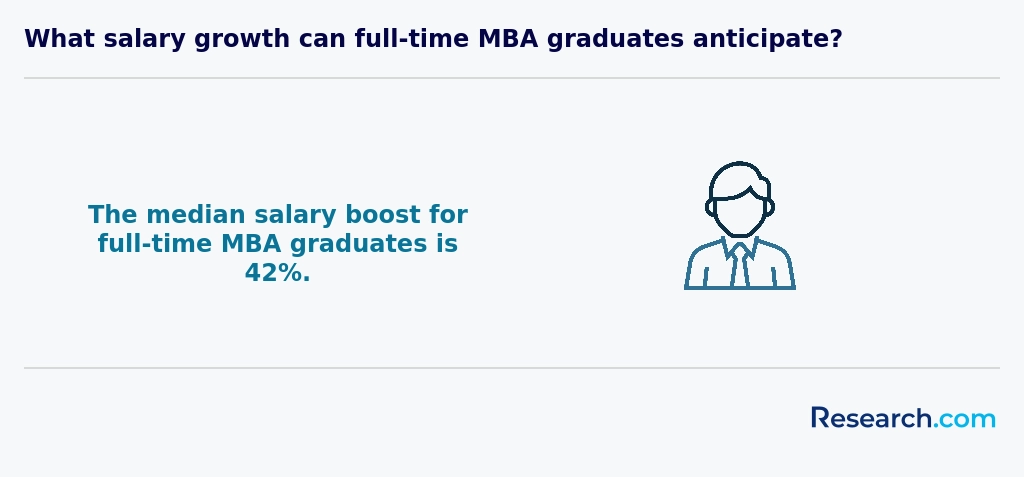
Students also benefit from exploring resources like the Cheapest MBA Degree Programs Ranking in Delaware for comparative insights, helping define what affordability truly means within different contexts. Remember, post-MBA salary boosts and career trajectories depend on tangible factors like alumni networks and career services-ingredients that transform education into opportunity.
MBA graduates in Miami find themselves at the crossroads of a thriving financial ecosystem and a dynamic multicultural market. Many leverage their degrees to enter high-stakes fields like investment banking and corporate finance, capitalizing on Miami's position as a gateway to Latin America. Graduates from top local universities often describe their transition from classroom theory to managing real-world international portfolios as both challenging and exhilarating, fueling their leadership aspirations within the finance sector. This is just one facet of the diverse MBA career opportunities in Miami.
Beyond finance, consulting beckons those with a knack for strategic problem solving and operational insight. Miami's fast-growing firms seek sharp minds to guide expansion efforts-a perfect fit for graduates eager to leave an immediate mark. Meanwhile, others embrace entrepreneurship, invigorated by the city's energetic startup culture and strong support networks. Their stories frequently highlight how Miami's access to Latin American markets transforms ambitious ideas into tangible ventures, reflecting a powerful synergy between education and opportunity.
Supply chain management and international trade careers also thrive here, thanks to Miami's status as a global port city, demanding professionals fluent in global commerce dynamics. Human resources and marketing remain vital fields as well, requiring MBA graduates to creatively engage Miami's diverse workforce and multicultural consumers. For students weighing their options, reviewing the college majors list can provide valuable direction for matching passions to Miami's expanding job landscape.
The job market for MBA degree holders in Miami defies the one-size-fits-all narrative often heard about business careers. Graduates from top universities report how Miami's unique position as a gateway to Latin America offers unparalleled access to industries like financial services, logistics, and healthcare administration. These are not just abstract sectors; they represent daily opportunities to engage with multinational firms right in the city's vibrant corporate centers.
Networking is more than a buzzword here-MBA graduates frequently share stories of how local business events and university-sponsored internships propelled them into roles that align closely with Miami's economic strengths. Such real-life connections highlight why the Miami MBA degree employment outlook remains robust, especially in areas tied to the city's tourism and supply chain hubs.
Reflecting on the costs and rewards of an MBA in Miami, many find programs that offer specialized tracks make a significant difference in landing sought-after jobs. For those weighing options, considering the easiest online masters degree paths might be an effective strategy to balance investment with career outcomes.
2027 Most Valuable MBA Degree Programs Ranking in Miami
Investing in your education is a significant decision that can profoundly impact your career and personal growth, and the Research.com team is fully aware of the importance of making well-informed choices. To aid prospective students in Miami, we have carefully developed the "2027 Most Valuable MBA Degree Programs Ranking in Miami." This ranking reflects our dedication to quality, credibility, and accuracy through rigorous research and analysis.
We utilized the following reputable data sources to ensure a comprehensive evaluation of MBA programs:
By reviewing this ranking, readers will gain valuable insights into the most valuable MBA programs in Miami, enabling them to make confident decisions tailored to their professional ambitions. For more information on how this ranking was developed, please visit our Research.com methodology page.


# 3 position
Atlantis University
Master in Business Administration

# 4 position
Polytechnic University of Puerto Rico-Miami
Master of Business Administration

Frequently Asked Questions About MBA
MBA students in Miami can maximize their learning by engaging actively in both academic and practical opportunities. Miami offers diverse industries such as finance, tourism, and international trade, allowing students to apply classroom knowledge to local business challenges. According to the Graduate Management Admission Council, experiential learning programs like internships and consulting projects improve job placement rates by over 20% for MBA graduates nationwide.
Networking is another key strategy. Miami's business events and alumni groups provide valuable connections that enhance learning and career prospects. Students should also take advantage of Miami's multicultural environment to develop global leadership skills, often emphasized by top regional MBA programs.
Lastly, utilizing campus resources such as career services and leadership workshops is essential for academic success and professional growth in a competitive market.
The MBA field in Miami is evolving with several emerging niches that reflect both local economic trends and global business shifts. One notable area is healthcare management, driven by Miami's expanding medical sector and aging population. Universities in Miami have begun offering specialized MBA tracks focusing on healthcare administration and policy.
Data analytics and artificial intelligence are also gaining momentum within MBA programs. Miami's growing tech scene demands managers skilled in data-driven decision-making, as highlighted by recent reports from the Greater Miami Chamber of Commerce.
Additionally, sustainability and green business are becoming important MBA concentrations, reflecting Miami's vulnerability to climate change and increasing corporate responsibility. Schools integrate environmental strategy into their curricula to prepare leaders for sustainable business practices.
Finally, international business remains strong in Miami's MBA programs, benefiting from the city's status as a gateway to Latin America.
After completing an MBA degree in Miami, graduates should focus on building a strong professional network. Miami's diverse business environment includes finance, international trade, and tourism sectors offering various opportunities. Attending local industry events, joining alumni groups, and leveraging university career services can help access job openings tailored to MBA skills. According to the Graduate Management Admission Council (GMAC), 87% of MBA graduates in the U.S. find employment within three months of graduation, highlighting the importance of proactive job search strategies. Miami's growing economy also favors candidates with bilingual abilities, especially in Spanish and English.
Internships and practical experience gained during the program enhance employability. Students should develop leadership skills and stay updated on industry trends through continuous learning. Additionally, customizing resumes and preparing for behavioral interviews are critical steps toward success in Miami's competitive job market.
Employers in Miami highly value MBA graduates who possess strong leadership and strategic thinking skills. According to a 2023 report by the Graduate Management Admission Council (GMAC), over 75% of hiring managers in the U.S. prioritize candidates with the ability to lead diverse teams and make data-driven decisions. Communication skills are also crucial, as Miami's multicultural business environment requires clear and effective interaction across different industries.
Financial acumen remains in demand, especially given Miami's role as a financial and trade hub. Additionally, digital literacy, including proficiency in analytics and technology, ranks among the top skills for MBA graduates seeking positions in dynamic sectors such as finance, healthcare, and international business.
Finding internships in Miami relevant to an MBA degree involves leveraging local business connections and university resources. Miami hosts numerous multinational companies and a growing financial sector, which creates abundant internship opportunities for MBA students. Universities like the University of Miami and Florida International University offer dedicated career centers that connect students to internships.
Networking is crucial. Attending industry events, MBA alumni meetings, and job fairs can significantly increase the chances of securing internships. According to the Miami-Dade Beacon Council, over 310,000 jobs belong to sectors valuable for MBA students, such as finance, consulting, and international trade.
Online platforms like Handshake and LinkedIn also list local MBA internships. Additionally, students should explore internships through Miami's Chamber of Commerce and relevant professional associations tailored to business fields.
An MBA degree in Miami significantly enhances career mobility and advancement opportunities. Miami's diverse economy, with strong sectors like finance, international trade, and tourism, rewards MBA graduates with expanded leadership roles. According to the Graduate Management Admission Council (GMAC), 84% of MBA holders in the U.S. reported salary increases post-degree, a trend reflected in Miami's competitive job market.
Locally, MBA graduates often move into mid-to-senior management positions within two to five years of graduation. Networking through Miami's numerous business events and alumni groups also facilitates job transitions and promotions. Additionally, employers in Miami increasingly value the strategic thinking and global business skills that MBA programs provide, fostering career growth.
Studying for an MBA degree in Miami equips students with skills necessary for interdisciplinary roles by emphasizing diverse business disciplines such as finance, marketing, and operations. Miami's universities often integrate courses that combine business acumen with technology, healthcare, and international trade strategies, reflecting the city's global and multicultural environment.
The exposure to Miami's dynamic market, including its role as a gateway to Latin America, helps MBA students develop cross-sector collaboration and cultural competence. According to the Graduate Management Admission Council, 68% of Miami MBA programs report curricula that encourage teamwork across disciplines, preparing graduates for complex problem-solving in varied industries.
Additionally, local internship opportunities in sectors like tourism, finance, and technology enable practical interdisciplinary experience, aligning academic knowledge with real-world business challenges. This approach makes Miami's MBA graduates adaptable and valuable in multidisciplinary roles.
When choosing between a thesis and a non-thesis MBA program in Miami, consider your career goals and learning preferences. Thesis programs typically require original research and a detailed paper, ideal for students interested in academic or research-oriented careers. Non-thesis options focus more on coursework and practical experience, appealing to professionals aiming to enter or advance within the business sector quickly.
According to recent data from the Graduate Management Admission Council, nearly 60% of MBA candidates in the U.S. prefer non-thesis formats due to their flexibility. Miami programs often emphasize networking and internships, linking students directly to the local business community.
Factors such as time commitment also matter: thesis programs generally take longer to complete due to research requirements. A non-thesis MBA might be better if you want to finish faster or balance work and study. Check specific Miami universities for program details and outcomes to make an informed choice.
Students based in Miami who wish to study for an MBA abroad have several possibilities within the US higher education framework. Many American universities offer international study programs or global MBA tracks, allowing Miami residents to experience foreign campuses temporarily while earning a US degree. Additionally, Miami's strong international connections facilitate access to partner schools worldwide through exchange programs.
Institutions such as the University of Miami and Florida International University provide study abroad opportunities that include countries like Spain, China, and Latin America, reflecting Miami's multicultural ties. According to the Association to Advance Collegiate Schools of Business (AACSB), about 40% of Miami-area MBA programs incorporate global immersion experiences, enhancing cross-cultural business skills.
Furthermore, prospective students can opt for dual-degree programs combining an MBA from a US institution with a degree from a foreign university. This flexibility helps Miami-based students tailor international education to their career goals while remaining compliant with US educational standards.
Miami's dynamic economy offers numerous part-time job opportunities that complement MBA education. Popular roles include internships or assistant positions in finance, marketing, and consulting firms, which are abundant due to Miami's status as a financial hub with over 150 banking institutions, according to the Miami Downtown Development Authority.
Working part-time in local startups or real estate agencies provides hands-on experience in business strategy and operations, vital for MBA students. Additionally, many MBA candidates find roles as data analysts or project coordinators in healthcare and tourism sectors, aligning with Miami's key industries.
Such positions help develop practical skills alongside academic learning, boosting career prospects post-graduation.
MBA students in Miami benefit from diverse networking opportunities due to the city's strong business environment and multicultural population. Miami's role as a gateway to Latin America attracts many international firms, providing students access to global business leaders and cross-border ventures.
Prominent universities such as the University of Miami and Florida International University host numerous events, including industry panels and alumni mixers, fostering connections among students, faculty, and local executives. The Greater Miami Chamber of Commerce and professional organizations like the Miami Urban League also offer regular networking events tailored for emerging business professionals.
According to the Miami Today Research Group, over 75% of MBA students find internships or job leads through school-sponsored networking. These connections can be vital for career advancement in sectors like finance, real estate, and international trade.
Alumni networks provide significant advantages to MBA students in Miami by offering valuable connections within the local and national business communities. In Miami, where industries like finance, international trade, and tourism dominate, strong alumni links can open doors to internships, jobs, and mentorship opportunities tailored to the city's unique economic landscape.
According to the Miami Herald's 2023 report, schools with active alumni networks see up to 30% higher job placement rates for MBA graduates locally. These networks also facilitate professional growth through exclusive events, workshops, and industry panels held in the Miami area.
For MBA students, access to alumni insights can ease the transition from study to career by providing real-world advice and guidance. The support from graduates who understand Miami's market nuances strengthens career development and entrepreneurial efforts within the region.
Miami offers a variety of MBA programs that allow students to tailor their studies to specific career goals. Many schools provide concentrations such as finance, marketing, entrepreneurship, or healthcare management, enabling focused expertise. Customizing your MBA often involves selecting electives aligned with your industry interests and participating in specialized workshops or internships.
Additionally, Miami's strong connections to international business, especially Latin American markets, provide unique networking opportunities suited for careers in global trade and finance. According to the Graduate Management Admission Council, over 60% of MBA programs in the U.S. now offer flexible curriculum options to enhance career alignment.
Students should consider programs that also emphasize experiential learning and leadership development, which are key for career advancement.
MBA students in Miami commonly face challenges related to balancing work, study, and personal commitments. According to a 2023 survey by the Graduate Management Admission Council, over 60% of MBA students nationwide struggle with time management, a figure reflected in Miami due to its diverse professional population. High living costs also impact local students, with Miami's average rent around 25% higher than the national average, creating financial pressure alongside tuition expenses.
Another challenge is adapting to the competitive job market. Miami's economy, while growing in sectors like finance and international trade, demands strong networking and practical experience, which some students find difficult to acquire during studies. Additionally, the multicultural environment requires MBA candidates to develop cross-cultural communication skills, critical for success but sometimes challenging for those new to the region.
With an MBA degree from a Miami institution, graduates can pursue various professional certifications to enhance their career prospects. Popular options include the Project Management Professional (PMP) certification, valued across industries for leadership and organizational skills. Many MBA graduates also aim for the Certified Public Accountant (CPA) credential if they have an accounting background, especially given Miami's strong financial sector.
The Certified Financial Planner (CFP) designation is another choice, suited for those interested in wealth management and financial advising. Additionally, certifications like the Certified Management Accountant (CMA) are respected for strategic finance roles.
According to the Miami Association of Business Professionals, about 40% of MBA holders in the area pursue at least one certification within three years post-graduation, signaling their importance.
Writing a winning application for an MBA program in Miami requires careful preparation and a clear presentation of your qualifications. Admissions committees in Miami schools, such as the University of Miami or Florida International University, emphasize professional experience and leadership potential. Highlight your career achievements and how an MBA aligns with your goals. Miami programs often receive thousands of applications annually, so a strong, personalized essay demonstrating knowledge of the local business environment can set you apart.
Be sure to prepare for the GMAT or GRE by aiming for scores above the Miami average, typically around 600-650. Letters of recommendation should come from supervisors who can attest to your management skills. Finally, tailor your resume to emphasize skills relevant to Miami's diverse economic sectors, including finance, international trade, and tourism.
The global perspective on an MBA career emphasizes versatility and leadership in various industries. Graduates with MBAs from Miami institutions often find themselves well-prepared for roles not only in the U.S. but also in international markets. According to the Graduate Management Admission Council (GMAC), 83% of MBA grads secure employment within three months of graduation, with many companies valuing the cross-cultural skills developed through Miami's diverse business environment.
Miami's strategic position as a gateway to Latin America enhances global business opportunities for MBA holders. Networking and internships through local Miami business hubs often connect students to multinational corporations. Institutions like the University of Miami and Florida International University provide programs focusing on global business trends, which are crucial for success in today's interconnected markets.
Gaining practical experience during an MBA program in Miami can significantly enhance your career prospects. Many Miami business schools offer internship opportunities with local companies, allowing students to apply their classroom knowledge in real-world settings. According to the Graduate Management Admission Council, about 60% of MBA students in the U.S. complete internships, and Miami's strong connections to industries like finance, tourism, and technology create ample opportunities.
Additionally, some programs incorporate consulting projects or practicum courses where students work directly with businesses on strategic challenges. Networking events, career fairs, and partnerships with Miami-based firms also help students build professional relationships. For working professionals, part-time and executive MBA formats often support experiential learning through workplace projects.
Choosing the right concentration within an MBA program in Miami requires understanding your career goals and the local job market. Popular concentrations include Finance, Marketing, Healthcare Management, and International Business, reflecting Miami's strong financial sector and its role as a global trade hub.
Data from the U.S. Bureau of Labor Statistics shows that financial and business management jobs in Miami are projected to grow by 7% through 2030, slightly above the national average. This suggests strong demand for specialized skills in these fields.
Consider programs offering strong industry connections or internships in Miami's diverse economy. Local business trends, such as growth in tourism and healthcare, may also influence your decision. Research the curriculum and alumni outcomes to ensure alignment with your aspirations.
- 2027 Most Valuable MBA Degree Programs Ranking in Miami Gardens
- 2027 Most Valuable MBA Degree Programs Ranking in Fort Lauderdale
- 2027 Most Valuable MBA Degree Programs Ranking in Boca Raton
- 2027 Most Valuable MBA Degree Programs Ranking in Melbourne
- 2027 Most Valuable MBA Degree Programs Ranking in Lakeland
- 2027 Most Valuable MBA Degree Programs Ranking in Orlando
- 2027 Most Valuable MBA Degree Programs Ranking in Tampa
- 2027 Most Valuable MBA Degree Programs Ranking in Winter Park
- 2027 Most Valuable MBA Degree Programs Ranking in Daytona Beach
- 2027 Most Valuable MBA Degree Programs Ranking in Jacksonville
- How an MBA gives you an international vision and helps you make smart decisions - AEEN https://www.aeen.org/how-an-mba-gives-you-an-international-vision-and-helps-you-make-smart-decisions/
- MBA Internships: Find 5400 MBA Intern Jobs https://internshala.com/internships/mba-internship/
- Follow These 10 Steps To Write Your MBA Application Essays - ApplicantLab https://www.applicantlab.com/blog/10-steps-to-write-your-mba-application-essay/
- Tips for Maximizing Your MBA Experience - ELFI https://www.elfi.com/how-to-maximize-your-mba-get-the-most-value-from-your-business-degree/
- The Growing Demand for Niche Jobs and MBA Specializations https://www.clearadmit.com/2025/05/the-growing-demand-for-niche-jobs-and-mba-specializations/
- Know more about thesis vs non- thesis: what is the difference? https://studyfans.com/en/blogs/816
- How an MBA contributes to career advancement https://online.wlv.ac.uk/blog/how-an-mba-contributes-to-career-advancement/
- How Long Does It Take to Get an MBA? 9 Key Factors https://www.miamiherald.com/careers-education/how-long-does-it-take-to-get-an-mba/
- How to Choose an MBA Program That Fits Your Career Goals https://www.mobileviewer.io/blog/how-to-choose-an-mba-program-that-fits-your-career-goals
- Lessons learned: one year into pursuing an MBA while balancing full-time work - Franz Vitulli https://franzvitulli.com/mba-work/


