2027 Best MBA Degree Programs Ranking in Minneapolis

Co-Founder and Chief Data Scientist
Choosing the right MBA program is a big step toward advancing your career and personal growth. This article introduces the 2027 Best MBA Degree Programs Ranking in Minneapolis, created by the Research.com team of data scientists to help you find the most valuable options available.
By exploring this ranking, you'll gain clear insight into which programs align with your goals and lifestyle. Earning an MBA can open doors, boost confidence, and expand your professional network. Let this guide support your journey toward a rewarding future.
Key benefits of getting MBA degree in Minneapolis
- While specific salary data for MBA-related jobs in Minneapolis is unavailable, MBA graduates in the US typically earn competitive salaries ranging from $70,000 to over $120,000 annually, depending on their industry and experience.
- A graduate from a well-known Minneapolis university often pursues diverse career paths such as management consulting, finance, or entrepreneurship, reflecting the strong local business environment.
- Completing an MBA degree online from a reputable Minneapolis institution offers flexibility and time savings, allowing graduates to balance work and study while gaining valuable skills that meet today's dynamic job market needs.
- 2027 Best MBA Degree Programs Ranking in Minneapolis
- What can I expect from MBA degree in Minneapolis?
- Where can I work with MBA degree in Minneapolis?
What can I expect from MBA degree in Minneapolis?
The average cost of pursuing an MBA in Minneapolis varies significantly based on the institution and program format. Graduates from the University of Minnesota's Carlson School, a leading business school in the area, often note that tuition tends to be more affordable for in-state students, especially in full-time or part-time tracks. However, executive MBA options and private institutions generally come with higher price tags, reflecting their specialized curricula and flexible schedules.
Many students share stories of balancing work and study to manage these costs, taking advantage of employer tuition assistance or scholarships. One graduate mentioned how the availability of financial aid at Carlson made the program feasible without incurring overwhelming debt. Others point out that while sticker prices can seem daunting, the potential for internships or consulting projects with Minneapolis's major corporations often helps justify the investment.
Still, it's important to recognize that exact costs depend on choices like program length, credit load, and residency status. Prospective students should carefully consider their financial circumstances in the context of the local job market and educational offerings to find the best fit.
Where can I work with MBA degree in Minneapolis?
Graduates from MBA programs at institutions like the University of Minnesota's Carlson School of Management often find themselves drawn to Minneapolis's diverse industries. Many report securing roles in the financial sector, joining companies such as U.S. Bank or Wells Fargo, where they apply skills in corporate finance and risk management. This aligns with the city's reputation as a financial hub, offering meaningful career paths for MBA holders.
Others have leveraged their degrees in healthcare, working with organizations like UnitedHealth Group or Medtronic. These graduates share experiences of contributing to strategic initiatives and operational leadership, benefiting from the steady growth in healthcare management jobs the region offers.
Manufacturing, particularly in medical devices and consumer goods, provides another tangible pathway, where MBA students with a focus on supply chain or operations report engaging roles improving business processes. Additionally, the technology and startup scene, with companies such as Target and General Mills, attracts MBAs interested in marketing, digital innovation, or strategy.
Consulting is also a notable choice, with firms like Deloitte and Accenture valuing MBAs for their analytical and leadership abilities. While opportunities abound, it is important for prospective students to consider how their individual backgrounds and career goals align with these sectors to maximize success in Minneapolis's robust job market.
Graduates with an MBA from institutions like the University of St. Thomas in Minneapolis often find themselves entering a job market with competitive salary prospects. While specific wage data for MBA-related roles in Minneapolis is limited, national trends and regional reports suggest typical earnings ranging from $75,000 to $140,000 annually, depending on experience and role. For example, many recent graduates working in finance or operations start near $75,000 to $90,000, gaining valuable experience that quickly raises their compensation.
Experienced professionals, especially those pursuing careers in consulting or financial management within Minneapolis's strong corporate environment, frequently report salaries closer to $110,000 or higher. Graduates from the Carlson School of Management have shared enthusiasm for this upward trajectory, appreciating how an MBA opens doors for leadership positions that command salaries exceeding $125,000. Marketing managers with MBAs in the area typically earn around $105,000, which aligns with the regional demand for skilled business strategists.
Though local data remains sparse, the presence of Fortune 500 firms such as Target and 3M creates promising, real-world opportunities for graduates. This dynamic offers tangible financial rewards and a sense of accomplishment for those navigating Minneapolis's vibrant business landscape after earning an MBA.
- The average total cost for completing an MBA in Minneapolis ranges from $50,000 to $75,000, including tuition, fees, and materials.
- MBA graduates can expect an average starting salary between $75,000 and $85,000 per year.
- Employment rates for MBA graduates are high, with 85% to 90% finding jobs within six months of graduation.
- Full-time MBA programs usually take two years, but accelerated options can reduce this to one year.
- Many programs offer part-time or online formats to provide flexibility and reduce costs.
- Mid-career MBA alumni often earn salaries exceeding $120,000 annually.
Completing an MBA degree in Minneapolis typically takes about two years for full-time students, a standard reflected by programs like those at the University of Minnesota's Carlson School of Management. Graduates often describe this traditional timeline as a balanced journey-intensive enough to gain deep expertise without overwhelming other life priorities.
For working professionals, part-time options are popular, extending the completion time to three or four years. One graduate recalled how evening classes allowed steady progress while maintaining a full-time job, making the extended duration feel manageable rather than burdensome.
Meanwhile, accelerated one-year MBA programs cater to those eager to fast-track their careers, though they demand strong prior business knowledge and intense commitment. Many alumni appreciate the energy of this focused pace but caution that it's not for everyone.
Online MBA programs add further flexibility, varying between 18 months to three years depending on course load. Minneapolis-based students juggling family or employment find this format rewarding, as it fits real-life demands without sacrificing educational quality.
When evaluating MBA programs in Minneapolis, MN, accreditation serves as a key indicator of academic rigor and institutional credibility. The Association to Advance Collegiate Schools of Business (AACSB) is widely regarded as the gold standard, and institutions like the University of Minnesota’s Carlson School of Management proudly hold this distinction. AACSB accreditation ensures a continuous process of quality improvement, faculty qualifications, and curriculum relevance. Beyond AACSB, look for program-specific endorsements such as CFA Institute partnerships for finance concentrations or PMI-approved coursework for project management specializations-each seal of approval signals alignment with industry standards and enhances your resume in a competitive job market. For students balancing budget constraints with quality, it’s worth exploring online options that combine affordability with accredited excellence. Our Low Cost Online Master's in MBA Degree Programs Ranking in Washington, DC showcases programs that maintain accreditation while offering streamlined tuition. By prioritizing accredited offerings-whether on-campus or online-you protect the value of your MBA investment and position yourself for leadership roles across Minneapolis’s dynamic business sectors.
Choosing between an online and on-campus MBA in Minneapolis often comes down to learning style and lifestyle needs. On-campus programs like those at the University of Minnesota's Carlson School offer rich face-to-face interaction, which many graduates recall fondly for fostering genuine connections and spontaneous conversations that boosted their career networks.
Conversely, online MBAs provide flexibility highly valued by working professionals juggling jobs and family. Graduates appreciate being able to study on their own schedule without the commute, making it easier to maintain work-life balance while earning the same credential from familiar Minnesota institutions.
Cost differences also matter. On-campus tuitions hover around $30,000 to $60,000, while online options, such as Carlson's, tend to be modestly less expensive. Some students find this more manageable alongside employer tuition assistance.
Resources vary too: on-campus learners often enjoy easier access to libraries and career services, while online students benefit from digital platforms but might miss out on impromptu networking moments. Each path offers unique advantages suited to different personal and professional circumstances.
Minneapolis isn’t just home to top MBA programs-it’s a thriving business hub that offers an exceptional blend of academic rigor, professional networking, and a vibrant urban lifestyle. The city’s dynamic economy, characterized by innovation in finance, healthcare, and technology, creates an environment where MBA graduates can immediately apply their skills and make impactful contributions. Local businesses, startup incubators, and regular networking events foster a collaborative community that nurtures both personal and professional growth. Moreover, the city’s affordable cost of living and rich cultural scene provide a well-rounded experience that extends beyond classroom learning. For those who prefer a flexible approach to their education, the availability of programs like the best online self paced mba programs offers tailored options to balance career, family, and studies. Embracing both traditional and modern learning avenues, Minneapolis stands out as an ideal destination for aspiring MBA students who are ready to build strong connections and leverage local opportunities for long-term career success.
The average cost of earning an MBA degree in Minneapolis typically centers around a median total of $49,481, with in-state students often paying about half that amount, roughly $24,717. These figures highlight a significant difference in cost depending on residency status, which many graduates have found crucial to consider when planning their finances for an MBA program. For instance, students attending the University of Minnesota's Carlson School of Management often experience this split, as in-state tuition remains more affordable compared to out-of-state rates.
Many prospective students weigh these costs alongside the realities of additional expenses such as textbooks, fees, and living costs, which can add several thousand dollars throughout the course of study. Graduates from Minneapolis MBA programs frequently recall balancing part-time studies with employment to manage these financial pressures without sacrificing the quality of their education. This strategy helps to mitigate overall total MBA program expenses Minneapolis candidates face.
It's also worth noting that while tuition is a major factor, the perceived value of the MBA can hinge on less tangible benefits like networking and career growth-elements often highlighted by Minneapolis alumni who describe their experiences positively. For those exploring options, reviewing the cheapest mba schools in minnesota can provide useful insights into where to find more budget-friendly programs without compromising educational outcomes.
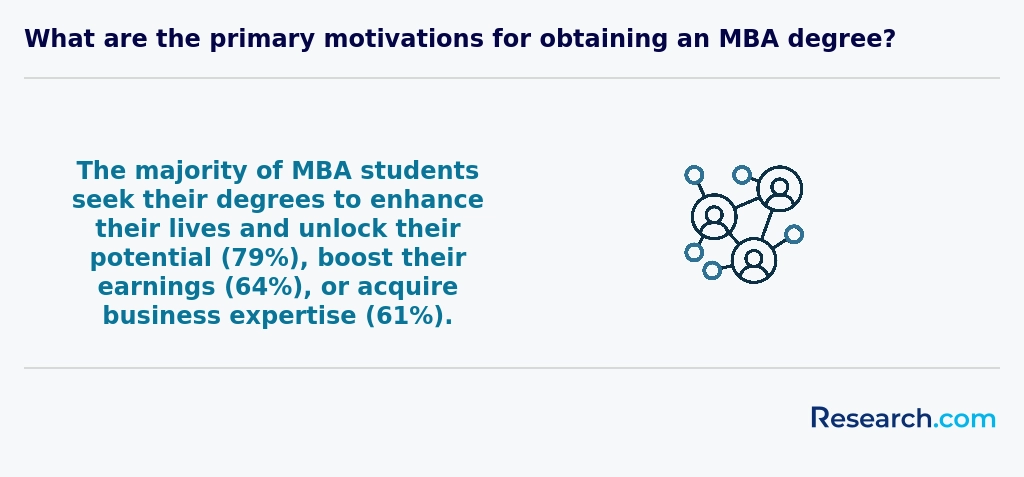
For those interested in pursuing an MBA in Minneapolis without breaking the bank, it's essential to explore the cheapest MBA schools in Minnesota, which can be found at cheapest mba schools in minnesota. Understanding the financial implications of an MBA program is crucial, as it can significantly impact one's career trajectory and personal financial situation. Many institutions in Minneapolis offer affordable MBA options, with some programs providing scholarships, grants, and assistantships to help reduce the financial burden. By researching these options thoroughly, prospective students can make informed decisions that align with their career aspirations and financial capabilities, ultimately setting themselves up for success in the vibrant business landscape of Minneapolis.
Financial aid options for MBA students in Minneapolis are varied but require careful navigation. Many graduates from the University of Minnesota's Carlson School of Management recall receiving merit-based scholarships that covered a significant portion-sometimes up to half-of their tuition, rewarding strong academic records or leadership experience. These scholarships ease the financial burden but often depend on competitive criteria and available funding.
Federal loans, accessed via FAFSA, offer another path, with reasonable interest rates and flexible repayments. However, some Minneapolis MBA students advise cautious borrowing since the average graduate debt nationally hovers around $66,000, making financial discipline essential to avoid long-term strain.
Employer tuition reimbursement is a practical option frequently utilized by local professionals juggling work and study. Companies in Minneapolis often support employees pursuing MBAs that align with their roles, providing relief and motivation for those balancing career and education.
Local nonprofits and business associations also award grants and fellowships. Though competitive, these non-repayable aids bring relief and validation to deserving candidates aiming to enhance their careers through Minneapolis business programs.
When evaluating MBA programs, understanding the return on investment is essential. On average, completing an MBA in Minneapolis incurs total costs-tuition, fees, and living expenses-ranging from $80,000 to $120,000. Graduates report average post-MBA salaries of $115,000 compared to pre-MBA earnings of $80,000, delivering a first‐year salary increase of roughly $35,000. Using the simple ROI formula: (Net Salary Gain − Total Program Cost) ÷ Total Program Cost × 100%, a graduate investing $100,000 and earning a $35,000 boost achieves a 35% ROI in year one, with cumulative ROI surpassing 150% over five years (assuming 5% salary growth and a 3% discount rate). Beyond pure salary metrics, factor in intangible gains-expanded professional network, enhanced leadership skills, and brand prestige from institutions like Carlson or Augsburg. These assets often accelerate career progression, shorten job search cycles, and unlock C-suite opportunities. A typical break-even point for Minneapolis MBA grads is 2–3 years, after which accelerated earning potential continues to compound. For those prioritizing cost-effectiveness, online programs can offer comparable outcomes at a fraction of the cost. Explore our Low Cost Online Master's in MBA Degree Programs Ranking in Washington, DC to identify programs that optimize ROI through reduced tuition and flexible study options. By quantifying both financial returns and career‐enhancing benefits, prospective students can make an informed, data‐driven decision aligned with their long‐term goals.
To enroll in an MBA program in Minneapolis, candidates generally need a bachelor's degree from an accredited institution, though the specific field of study can vary. Graduates from the University of Minnesota's Carlson School of Management often mention that foundational courses in economics or statistics helped bridge gaps when their undergraduate degrees were outside business. Such prerequisites address diverse academic backgrounds while ensuring students can handle rigorous coursework.
Work experience is another key requirement, with most programs valuing two to five years of professional practice. Many local graduates reflect on how their real-world insights enriched classroom discussions, making lessons more tangible. Employers in Minneapolis's vibrant business environment frequently encourage employees to pursue MBA degrees to advance leadership skills, which aligns with admissions preferences.
Standardized tests like the GMAT remain common, but some programs in Minneapolis have adapted, accepting GRE scores or waiving tests for experienced applicants. This flexibility acknowledges the varied journeys students take and the evolving educational landscape accelerated by COVID-19 disruptions.
Letters of recommendation, personal statements, and well-crafted resumes highlight applicants' leadership potential and communication skills-qualities that local MBA graduates recall as vital for standing out during admissions and thriving professionally afterwards.
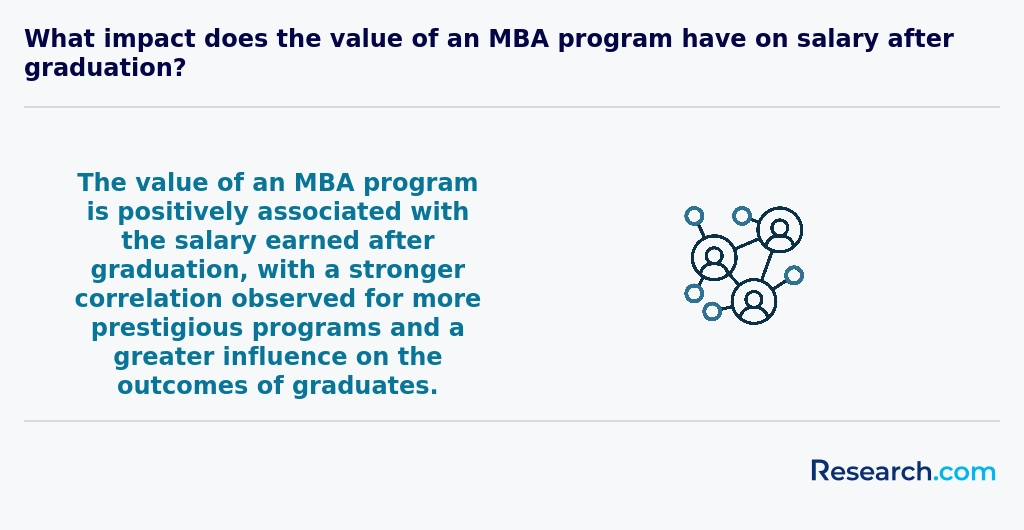
MBA programs in Minneapolis typically include core courses designed to build strong business foundations while reflecting the local economic landscape. Graduates from popular schools like the University of St. Thomas or the Carlson School of Management often highlight courses in financial accounting and managerial finance, which prepare them to analyze company performance and allocate resources effectively-skills they used immediately in internships or entry-level roles.
Marketing management classes are another cornerstone, teaching consumer behavior and digital marketing strategies, with students enjoying hands-on projects that simulate real Minneapolis retail market challenges. Operations management courses focus on supply chain and process optimization, reflecting feedback from alumni who appreciated how this prepared them for roles in healthcare or manufacturing firms based locally.
Organizational behavior and leadership are also central, emphasizing interpersonal skills and team management, often practiced through group work that graduates recall as both challenging and rewarding in networking. Meanwhile, strategic management integrates various fields, helping students to develop competitive business strategies in settings inspired by Minneapolis's diverse corporate sector.
Students pursuing an MBA in Minneapolis often encounter a range of specializations tailored to local industry strengths, reflecting the city's diverse economy. Typical MBA specializations in Minneapolis programs include Finance, Healthcare Management, Marketing, Supply Chain and Operations Management, and Technology Management. Graduates frequently describe their Finance specialization experience as invaluable, given the proximity to major financial institutions, which allows them to apply classroom knowledge directly to real-world banking scenarios.
Healthcare Management is another popular choice, especially considering the influence of renowned healthcare organizations in the region. Many students find this concentration energizing, as it prepares them for leadership in complex healthcare systems. Marketing and Technology Management tracks attract those excited by Minneapolis's tech growth, often referred to as the "Silicon Prairie," joining classmates eager to innovate and influence. Supply Chain specialization resonates for those interested in manufacturing and logistics, connecting academic concepts with partnerships involving companies like 3M.
Minneapolis MBA degree concentration options enable students to shape their studies around tangible career paths, often shared through alumni reflections at institutions like the University of Minnesota's Carlson School of Management. For those seeking flexibility, exploring best online self paced mba programs remains a practical alternative.
Choosing the best MBA degree in Minneapolis means weighing several critical factors beyond just reputation. Graduates from the University of Minnesota's Carlson School of Management often highlight the value of AACSB accreditation and the school's diverse MBA formats-full-time, part-time, and executive-that cater to varied schedules. For working professionals, part-time programs offer flexibility, evening classes, and networking opportunities that fit alongside demanding careers.
Cost plays a significant role in decision-making. While the Carlson School's full-time tuition exceeds $40,000 annually for residents, other options may offer more affordable MBA degrees Minneapolis without sacrificing quality. Graduates frequently advise budgeting carefully for living expenses and materials. For those seeking cost-effective alternatives, exploring rankings like the Low Cost Online Master's in MBA Degree Programs Ranking in Washington, DC can open doors to respected programs outside the immediate area.
Curriculum relevance and strong alumni networks in Minneapolis' dynamic industries-healthcare, technology, finance-are often cited by alumni as key to post-MBA success. Prospective students should consider how a program's specializations and experiential learning match their career goals, ensuring an investment that feels personally meaningful and professionally rewarding.
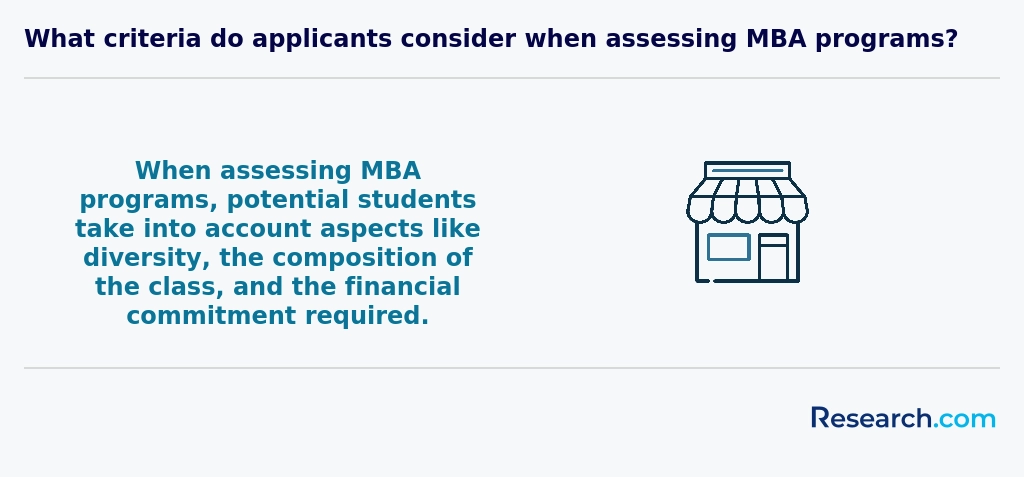
Minnesota MBA career opportunities in Minneapolis extend across diverse sectors, each offering unique prospects. Graduates from popular institutions such as the University of Minnesota's Carlson School of Management often find themselves drawn to leadership roles within the city's dominant financial services firms like U.S. Bancorp. These roles include investment banking and risk management, where analytical acumen and strategic thinking are prized. However, it's important to recognize that competition for these positions can be intense, and practical experience matters greatly alongside an MBA.
Healthcare administration also represents a significant path. Many MBA graduates gain positive, real-world insights working with organizations such as Mayo Clinic or HealthPartners. These roles require blending healthcare knowledge with business strategy, which can be both rewarding and challenging, especially given the sector's regulatory complexities. For those weighing options, this highlights how Minneapolis MBA degree job prospects are not limited to traditional business roles.
Retail and technology sectors in Minneapolis offer vibrant opportunities as well. For instance, Target Corporation demands MBA holders skilled in supply chain management and marketing. Meanwhile, the expanding tech startup scene allows graduates to innovate or join consulting firms. Students navigating these alternatives might benefit from exploring what certificate programs make the most money to complement their degree and increase employability in this competitive market.
The job market for MBA graduates in Minneapolis reflects a dynamic and diverse economic environment shaped by the city's status as a regional business hub. Graduates from respected institutions in the Twin Cities often find promising Minneapolis MBA career opportunities across finance, healthcare, retail, and emerging tech sectors. For example, many graduates recall securing internships or positions with major companies headquartered locally, such as Target or U.S. Bancorp, which strengthen practical experience and professional networks.
While salary expectations align closely with national averages, the competitive nature of employers here means graduates must balance their ambitions with the realities of local demand. Several MBA students express optimism about the entrepreneurial climate, which encourages innovation beyond traditional corporate roles. Considering tuition investments at local universities, it's prudent to explore options like online certificates that pay well to supplement skills and enhance employability.
Overall, the Minneapolis MBA graduate job outlook Minneapolis is favorable but requires active engagement with the city's multifaceted industries to maximize opportunities and ensure meaningful career growth.
2027 Best MBA Degree Programs Ranking in Minneapolis
Investing in your education is a significant decision that can shape your future, and the Research.com team understands the importance of making informed choices. To assist prospective students, we have meticulously crafted the "2027 Best MBA Degree Programs Ranking in Minneapolis." Our commitment to quality, credibility, and accuracy is reflected in the extensive research and analysis conducted to compile this ranking.
We utilized the following reputable data sources to ensure a comprehensive evaluation of MBA programs:
By exploring this ranking, readers will gain valuable insights into the best MBA degree programs available in Minneapolis, enabling them to make well-informed decisions about their educational and professional futures. For more details on our methodology, please visit our Research.com methodology page.


# 4 position
Capella University
Master of Business Administration

# 5 position
Walden University
Master of Business Administration

Frequently Asked Questions About MBA
Students pursuing an MBA degree in Minneapolis can enhance their learning by engaging actively in local business networks and internships. Minneapolis hosts a vibrant corporate environment, including Fortune 500 companies like Target and 3M, offering practical exposure. Complementing coursework with real-world projects strengthens skills and professional connections.
Utilizing resources at Minneapolis's top business schools, such as the Carlson School of Management at the University of Minnesota, is key. These schools offer career services, mentorship programs, and leadership workshops that support experiential learning.
Joining student organizations and attending industry events can expand a student's network, which is crucial for career advancement.
According to the Graduate Management Admission Council, hands-on learning improves job placement rates by up to 25%, a valuable statistic for Minneapolis MBA candidates.
The MBA field is evolving with new specialized niches that reflect the changing business landscape. In Minneapolis, a growing trend is seen in sustainability and social impact MBAs, which prepare students to lead environmentally sustainable and socially responsible companies. According to the University of Minnesota's Carlson School of Management, enrollment in sustainability-focused MBA courses increased by 25% from 2020 to 2023.
Another emerging niche is in data analytics and business intelligence. Minneapolis MBA programs increasingly integrate data-driven decision-making skills to equip graduates for tech-savvy leadership roles. This aligns with the city's expanding tech sector, which reported a 15% job growth in analytics roles between 2021 and 2023, as reported by the Minneapolis Regional Chamber of Commerce.
Health care management is also gaining traction within MBA specializations due to the region's robust medical industry. Programs emphasize strategic management in health systems, addressing demand for leaders who understand complex health care environments.
Preparing for the job market after completing an MBA degree in Minneapolis involves strategic planning and leveraging local resources. Graduates should begin by utilizing career services offered by institutions such as the University of Minnesota's Carlson School of Management, which reported over 90% employment within six months of graduation in 2023.
Networking is crucial. Minneapolis hosts numerous business events and professional groups, including the Minnesota Business Partnership. Connecting with alumni and attending local industry meetups can open doors to job opportunities.
Additionally, developing skills in data analytics and digital marketing can enhance employability, as companies in the Twin Cities increasingly value tech-savvy managers. Internships and part-time roles during study also provide practical experience relevant to the local job market.
Employers in Minneapolis highly value MBA graduates who demonstrate strong leadership and strategic thinking skills. According to a 2023 survey by the Minneapolis Business Journal, 78% of local employers prioritize candidates with proven abilities in project management and teamwork.
Analytical and data-driven decision-making skills are also critical. Businesses increasingly rely on MBA graduates to interpret complex financial data and market trends, enabling informed strategies. The Minnesota Private College Council highlights financial acumen as a top skill for MBA hires.
Communication skills remain essential. Effective presentation and negotiation abilities help graduates secure stakeholder buy-in and manage diverse teams. Regional recruiters emphasize adaptability and problem-solving as traits that distinguish successful MBA candidates in Minneapolis's competitive market.
Finding internships in Minneapolis relevant to an MBA degree involves leveraging local business networks and university career resources. Minneapolis hosts numerous Fortune 500 companies, especially in finance, healthcare, and retail sectors, providing diverse internship opportunities for MBA students. For example, firms like Target and U.S. Bank frequently offer MBA internships.
Many Minneapolis universities, such as the University of Minnesota's Carlson School of Management, maintain strong employer connections, aiding MBA candidates in securing practical work experience.
Additionally, utilizing online platforms like Handshake and LinkedIn tailored to the Minneapolis job market can increase visibility to local recruiters.
Engaging in professional organizations such as the Minneapolis-Saint Paul Chapter of the Graduate Management Admission Council (GMAC) is another effective approach.
In Minneapolis, obtaining an MBA degree significantly enhances career mobility and advancement opportunities. The Twin Cities host a vibrant business community, including headquarters for major corporations like Target and US Bank, where employers often prioritize MBA graduates for leadership roles. According to the Graduate Management Admission Council (GMAC), MBA holders in the U.S. report a median salary increase of about 50% post-degree, a trend reflected in Minneapolis's competitive job market. Additionally, local MBA programs emphasize networking, connecting students with industry professionals and alumni, which facilitates job placement and promotions within regional companies.
Employers in Minneapolis value MBA graduates for their strategic thinking and management skills, often leading to roles in finance, marketing, and operations. Data from the Minneapolis Regional Chamber shows that professionals with MBAs experience faster career progression and higher job stability compared to non-MBA counterparts. Furthermore, the city's strong economy and diverse sectors provide ample avenues for MBA alumni to pivot into new industries, improving long-term career flexibility.
Studying for an MBA degree in Minneapolis equips students with skills suited for interdisciplinary roles by blending core business knowledge with practical exposure to diverse industries. Many Minneapolis MBA programs emphasize teamwork, leadership, and strategic thinking across various sectors such as healthcare, finance, and technology. According to the University of Minnesota's Carlson School of Management, nearly 40% of MBA graduates engage in roles requiring cross-functional expertise.
Local businesses often collaborate with MBA programs, offering real-world projects that enhance problem-solving abilities across fields. Students also benefit from networking opportunities within Minneapolis's thriving corporate and startup communities.
By focusing on analytics, communication, and innovation, Minneapolis MBA programs prepare graduates to lead and adapt in complex, multifaceted environments.
When choosing between a thesis and a non-thesis MBA program in Minneapolis, consider your career goals and learning preferences. Thesis programs emphasize research and require a substantial written project, often appealing to students aiming for academic, consulting, or analytical careers. Non-thesis programs focus on coursework and practical skills, better suited for those seeking immediate managerial roles.
Local institutions like the University of Minnesota's Carlson School offer both formats, with the thesis option less common, aligning with national trends where only about 20% of MBAs include a thesis. According to the National Center for Education Statistics, most MBA students prefer non-thesis paths for flexibility and faster completion.
Cost and duration also vary; thesis programs may extend study time but provide deeper expertise. Evaluate faculty expertise, resources, and internship opportunities within Minneapolis to make an informed choice.
Students based in Minneapolis who wish to study for an MBA abroad have several pathways through US higher education institutions. Many Minneapolis universities, such as the University of Minnesota's Carlson School of Management, offer exchange programs and partnerships with international business schools in Europe, Asia, and Latin America. These programs allow students to earn credits toward their MBA while gaining global exposure.
Additionally, some Minneapolis-based students choose to enroll directly in foreign MBA programs, leveraging online or hybrid formats that accommodate US schedules. According to the Graduate Management Admission Council (GMAC), nearly 25% of US MBA candidates express interest in international study options, reflecting a growing trend.
Minneapolis offers a variety of part-time job opportunities that complement MBA studies, allowing students to apply classroom knowledge in real-world settings. Roles in finance, marketing, business consulting, and project management are particularly relevant.
Many local businesses and startups seek interns or part-time analysts, providing hands-on experience in data analysis, budgeting, and strategic planning. According to the Minneapolis-St. Paul Business Journal, internships and part-time roles in these sectors have increased by 12% over the past three years, reflecting growing demand for MBA skill sets.
Additionally, the city's strong healthcare and manufacturing industries offer roles in operations management and supply chain coordination, broadening career prospects for MBA candidates.
Minneapolis offers robust networking opportunities for MBA students through its diverse business community and active professional organizations. The city is home to several Fortune 500 companies, including Target and U.S. Bancorp, providing students chances to connect with industry leaders via internships and corporate events.
Local universities with MBA programs often host networking mixers, career fairs, and guest lectures featuring prominent business professionals. For example, the University of Minnesota's Carlson School of Management organizes numerous industry-specific events each year.
Moreover, Minneapolis supports vibrant alumni networks that facilitate mentorship and job placement. Organizations like the Minneapolis/St. Paul Chapter of the Graduate Management Admission Council provide additional resources tailored to MBA candidates.
Alumni networks offer significant advantages to MBA students in Minneapolis, providing access to experienced professionals and local business leaders. These connections enhance career opportunities through mentoring, job referrals, and industry insights-particularly valuable in a competitive job market like Minneapolis-St. Paul, which hosts headquarters for companies such as Target and UnitedHealth Group.
According to the Graduate Management Admission Council, 85% of MBA graduates leverage their alumni networks for career advancement. Minneapolis-based MBA programs often maintain active alumni chapters organizing networking events and workshops tailored to regional industries.
Such networks also support entrepreneurship by connecting students with investors and advisors versed in Minnesota's business environment, fostering local startup growth and innovation.
Customizing an MBA degree program in Minneapolis allows students to tailor their education to specific career goals. Many local universities offer flexible curricula with concentrations such as finance, marketing, or healthcare management. This enables students to develop expertise aligned with industry demands.
Students can often choose between full-time, part-time, and online formats to balance work and study. Additionally, practical experiences like internships and consulting projects with Minneapolis-based companies help bridge theory and real-world application. According to the University of Minnesota's Carlson School of Management, over 70% of MBA students engage in experiential learning, boosting employability.
Furthermore, networking opportunities with Minneapolis's strong business community enhance career prospects.
MBA students in Minneapolis often face challenges balancing rigorous coursework with work and personal commitments. Many programs attract working professionals, making time management a primary struggle. According to the Minneapolis College Access Network, about 60% of business graduate students in the city are part-time, highlighting this balance issue.
Another challenge is the rising cost of tuition. The average MBA tuition in Minneapolis ranges from $30,000 to over $60,000 depending on the institution, which can create financial strain. Additionally, networking opportunities, while available, may not be as abundant as in larger markets like New York or San Francisco, affecting career advancement possibilities.
An MBA degree in Minneapolis opens doors to various respected professional certifications that can enhance career prospects. Common certifications pursued by MBA graduates include the Certified Management Accountant (CMA), which focuses on financial management and accounting skills. Another popular option is the Project Management Professional (PMP) certification, highly recognized for project leadership roles in the business sector.
Additionally, many Minneapolis MBA holders seek the Certified Financial Planner (CFP) credential to advance in financial advising careers. The Chartered Financial Analyst (CFA) is also a valuable certification for those concentrating on investment management. Data from the Graduate Management Admission Council highlights increasing demand for these certifications among MBA graduates nationwide, including those in Minneapolis.
To write a winning application for an MBA program in Minneapolis, start by thoroughly researching schools like the University of Minnesota's Carlson School of Management, which is highly regarded regionally. Highlight your professional achievements clearly, focusing on leadership and problem-solving skills. Craft a compelling personal statement that explains your career goals and why Minneapolis is the right place to study.
Strong GMAT or GRE scores remain important; the average GMAT score at Carlson is around 670. Include impactful letters of recommendation from supervisors who know your work well. Finally, tailor each application to reflect your understanding of the program's values and culture.
The global perspective on an MBA career reflects strong, ongoing demand for business leaders with versatile skills. In the United States, particularly in Minneapolis, MBA graduates benefit from the region's diverse economy that includes finance, healthcare, and manufacturing sectors. According to the Graduate Management Admission Council (GMAC) 2023 report, 87% of MBA alumni in the U.S. secured employment within three months after graduation, highlighting robust career prospects.
Minneapolis-based MBA graduates often engage with multinational corporations and startups alike, gaining exposure to global markets. This experience enhances leadership skills valued worldwide. Moreover, networking opportunities with local Fortune 500 companies, such as Target and 3M, provide a competitive edge.
The evolving global economy continues to emphasize data analytics, sustainability, and innovation, areas increasingly integrated into MBA curricula in Minneapolis programs. This prepares graduates to meet international business challenges effectively.
Gaining practical experience while pursuing an MBA in Minneapolis is essential for career advancement. Many local programs integrate internships, allowing students to work with companies like Target and 3M, which are headquartered in the area. These internships provide real-world business exposure alongside academic studies. Additionally, Minneapolis MBA programs often include consulting projects where students address actual business challenges faced by regional firms. According to the University of Minnesota's Carlson School of Management, about 70% of MBA students complete internships during their studies. Networking events and career fairs in Minneapolis also facilitate hands-on opportunities and connections with industry professionals.
Choosing the right concentration within an MBA program in Minneapolis depends largely on your career goals and the local economic landscape. Minneapolis is known for strong industries such as finance, healthcare, and manufacturing, so concentrations like Finance, Healthcare Management, and Operations Management are popular. Data from the University of Minnesota's Carlson School, a top choice locally, shows that over 40% of MBA graduates pursue Finance or Strategy tracks.
Consider labor market demands in Minneapolis and surrounding areas. The Bureau of Labor Statistics reports consistent growth in healthcare administration and supply chain management, suggesting these areas offer robust job prospects.
Assess your skills and interests carefully. Many programs offer specializations like Marketing, Entrepreneurship, or Technology Management, aligning with Minneapolis's expanding tech scene.
Speak with admissions counselors and alumni to understand how each concentration fits industry needs and career pathways. This research will help ensure your MBA investment matches your ambitions.
- 2027 Best MBA Degree Programs Ranking in Saint Paul
- 2027 Best MBA Degree Programs Ranking in Dubuque
- 2027 Best MBA Degree Programs Ranking in Omaha
- 2027 Best MBA Degree Programs Ranking in River Forest
- 2027 Best MBA Degree Programs Ranking in Chicago
- 2027 Best MBA Degree Programs Ranking in Grand Rapids
- 2027 Best MBA Degree Programs Ranking in Kansas City
- 2027 Best MBA Degree Programs Ranking in Saint Louis
- 2027 Best MBA Degree Programs Ranking in Fort Wayne
- 2027 Best MBA Degree Programs Ranking in Indianapolis
- Know more about thesis vs non- thesis: what is the difference? https://studyfans.com/en/blogs/816
- 6 Tips to Make the Most of Your MBA Experience https://mbaschooled.com/2020/01/14/6-tips-to-make-the-most-of-your-mba-experience/
- Why Employers Prize a Global Perspective from MBA Graduates | WU Executive Academy https://executiveacademy.at/en/knowledge/career/why-employers-prize-a-global-perspective-from-mba-graduates
- How much does an MBA vs. an MS cost in the USA, and what funding options exist? https://mentr-me.com/question/how-much-does-an-mba-vs-an-ms-cost-in-the-usa-and-what-fu
- Verifying that you are not a robot... https://krea.edu.in/ifmrgsb/top-5-emerging-career-paths-for-mba-graduates/
- Top MBA programs with the best alumni networks in the world - MBA Crystal Ball https://www.mbacrystalball.com/blog/2025/07/07/top-mba-programs-with-the-best-alumni-network-in-the-world/
- MBA Internships: Find 5400 MBA Intern Jobs https://internshala.com/internships/mba-internship/
- MBA Requirements https://www.collegeessayguy.com/blog/mba-requirements
- Top Hiring MBA Companies: Minneapolis https://www.metromba.com/2019/10/top-hiring-mba-companies-minneapolis/
- Financial Aid for MBAs | OnlineMBA.com https://www.onlinemba.com/resources/fafsa-guide/