
2027 Most Popular MBA Degree Programs Ranking in Charleston

Co-Founder and Chief Data Scientist
Choosing the right MBA program can shape your future, especially in a vibrant city like Charleston. This article introduces the 2027 Most Popular MBA Degree Programs Ranking in Charleston, created by the Research.com team of data scientists to guide you through the best options available.*
Whether you're looking to advance your career or switch fields, understanding which programs stand out can save time and effort. Reading this ranking will help you make an informed choice based on reliable data, so you can confidently invest in your education and personal growth.
Key benefits of getting MBA degree in Charleston
- Many MBA graduates in the US earn an average annual salary of around $90,000 to $110,000, offering strong financial rewards and growth opportunities for those in Charleston.
- An MBA from a Charleston institution opens doors to diverse careers such as marketing management, financial analysis, or business consulting, providing flexibility and exciting professional paths.
- Completing an MBA degree online from a Charleston university allows for a balanced lifestyle with the ability to work while studying, making it an excellent choice for busy professionals seeking convenience and quality education.
- 2027 Most Popular MBA Degree Programs Ranking in Charleston
- What can I expect from MBA degree in Charleston?
- Where can I work with MBA degree in Charleston?
What can I expect from MBA degree in Charleston?
The average cost of pursuing an MBA degree in Charleston is around $25,000 per year for in-state students, making it an accessible investment for many eager to advance their careers. Imagine a graduate from the College of Charleston, balancing evening classes with a new job, appreciating a tuition that feels fair and manageable. At The Citadel, another hotspot for MBA aspirants, students often share how this financial feasibility lets them focus more on diving into local industries rather than stressing over steep tuition bills.
Many Charleston MBA students are drawn by the blend of affordability and vibrant business opportunities, like internships with thriving tech firms or networking events near the bustling port. This approachable cost doesn't just ease financial worries - it fuels excitement and confidence, empowering students to chase leadership roles in sectors from finance to healthcare.
So, while these MBA programs open doors to new skills and connections, they also keep wallets in mind, creating a nurturing space for growth both personally and professionally.
Where can I work with MBA degree in Charleston?
With an MBA from a Charleston university, graduates find themselves stepping into vibrant career landscapes that feel alive with possibility. Imagine joining the bustling operations at the Port of Charleston, where logistics experts orchestrate the flow of goods across the nation. Many MBA holders from popular Charleston colleges dive into roles in supply chain management or strategic planning here, fueled by a sense of impact and fast-paced problem-solving.
Others discover themselves navigating the dynamic world of financial services, working with banks or investment firms that line Charleston's growing business districts. With an MBA's toolkit, managing risk or crafting growth strategies feels both challenging and rewarding.
Graduates also tell stories of finding their stride in healthcare administration, supporting major hospital systems like the Medical University of South Carolina. Here, leadership rings true in budgeting and streamlining operations, transforming patient care behind the scenes.
For those drawn to creativity and hospitality, Charleston's thriving tourism industry offers roles where an MBA empowers you to innovate in hotel management or event planning, blending business savvy with local culture.
Finally, Charleston's buzzing startup scene energizes entrepreneurial spirits, where MBA grads push boundaries in marketing and business development, inspired by the city's bold Digital Corridor movement.
In Charleston, MBA graduates often find themselves stepping into exciting roles with salaries that reflect the city's dynamic business landscape. Many grads from popular local schools report starting salaries between $65,000 and $85,000, a rewarding leap from earlier career stages. Imagine a fresh MBA entering the bustling financial services sector downtown, earning a paycheck that mirrors their hard work and local demand.
As these professionals gain experience, the adventure in earnings grows. Mid-career MBAs often see their salaries climb to between $90,000 and $120,000, especially in thriving industries like healthcare management or technology. Picture a graduate navigating strategic roles in a Charleston-based tech firm, inspired by the growth potential around them, with a compensation package to match.
Senior leaders and executives, many with ties to Charleston's vibrant universities, command salaries exceeding $130,000. This level of accomplishment echoes the city's appreciation for leadership and innovation-qualities nurtured throughout an MBA journey in Charleston's unique environment.
- The average tuition for an MBA program in Charleston ranges from $30,000 to $45,000 depending on the school and format.
- MBA graduates in Charleston earn an average starting salary between $65,000 and $75,000 within their first year after graduation.
- Mid-career MBA holders typically have salaries ranging from $90,000 to $110,000 annually.
- Part-time and online MBA options are available to accommodate working professionals seeking flexibility.
- Admissions usually require a bachelor's degree, competitive GPA, and sometimes GMAT or GRE scores, although some programs waive tests for experienced applicants.
In Charleston, completing an MBA can be an exciting journey that varies widely depending on your pace and lifestyle. Some graduates from popular institutions like the College of Charleston or The Citadel find the traditional full-time route captivating, diving into 36 to 48 credit hours over 18 to 24 months and soaking up campus energy without pause. Imagine the thrill of back-to-back semesters, schedules packed, classmates bustling with shared ambitions, all racing toward a two-year finish line.
Others balance their studies with careers, opting for part-time programs that stretch over three to four years. This slower rhythm fits perfectly for those who want steady progress without sacrificing work or family life. Picture leisurely weekend classes or evening sessions offering just enough challenge to keep the mindset sharp while still enjoying life outside the classroom.
For the adventurous spirit, accelerated or "fast-track" MBAs beckon, compressing the experience into as little as 12 to 18 months through intense, focused bursts - a path revered by those with prior business savvy eager for a swift leap forward. Hybrid and online options add even more flexibility, blending virtual lessons with rare on-campus meetups, inviting learners to tailor their own expedition through Charleston's vibrant academic landscape.
Choosing between online and on-campus MBA programs in Charleston feels like embarking on two very different adventures. Imagine attending The Citadel's bustling campus, where graduates recall the energizing buzz of face-to-face discussions, spontaneous hallway debates, and the rich networking opportunities during career fairs. Thestructured schedule and direct access to professors make it easy to stay motivated and connected to the local business scene.
On the other hand, online MBA students from the College of Charleston often share stories of balancing late-night study sessions with family time, or completing assignments during lunch breaks at work. This flexible approach removes commuting hassles and fits perfectly into busy lives, especially for those juggling multiple responsibilities. Though remote, these students appreciate that the curriculum mirrors the on-campus rigor, ensuring a respected degree.
Both paths open doors but offer unique experiences: one thrives on vibrant campus energy, the other on adaptable, self-driven learning. Picking between them depends on how you see your Charleston MBA journey unfolding.
To maximize the benefits of an MBA degree in Charleston, SC, it's essential to understand the local job market and the skills in demand. Pursuing a degree from a reputable institution, such as those ranked in the best popular mba degree programs, can significantly enhance one's career prospects. By focusing on specializations like finance, marketing, or entrepreneurship, graduates can position themselves for success in Charleston's thriving economy. Moreover, leveraging networking opportunities, internships, and career support services provided by local universities can lead to meaningful connections and job placements. As the business landscape continues to evolve, the value of an MBA in Charleston, SC, lies not only in its academic rigor but also in its ability to foster a community of innovative and strategic thinkers ready to make their mark on the world.
Exploring the average MBA degree cost in Charleston reveals a surprisingly accessible investment compared to national levels. Graduates from well-known programs like the College of Charleston often share how their tuition, typically around $12,978 for in-state students according to recent data, made pursuing this advanced degree feel within reach. Out-of-state students may face higher fees, with median totals near $53,917, but many find the quality and local support worth the expense.
Imagine walking across the scenic campuses where these numbers come to life: young professionals balancing work, family, and study without the crushing financial pressure that sometimes deters potential MBA candidates elsewhere. This moderate cost, paired with Charleston's vibrant business ecosystem, creates fertile ground for growth and networking.
Looking at the total MBA program expenses Charleston 2027 forecasts, it's clear that careful budgeting can ease the journey. Many find that the value of a Charleston MBA compounds beyond tuition-for example, connections made during classes or internships at regional firms enrich the experience in ways that dollars alone can't capture. Those curious about finance might also explore Charleston's connection to the Georgia accounting and finance industry, opening doors to new career paths.

Understanding the ROI of an MBA in Charleston, SC, involves comparing total program costs with average post‐graduation earnings and career advancement. On average, tuition and fees for local MBA programs range from $30,000 at public institutions to $100,000 at private universities, with additional living and material expenses totaling roughly $15,000 per year. Recent alumni data indicate first‐year post‐MBA salaries between $80,000 and $120,000, depending on industry and specialization. By factoring in salary uplift and accelerated career progression, most graduates recoup their full investment within 2 to 4 years. For example, a $60,000 tuition investment offset by a $30,000 annual salary increase yields breakeven in two years, after which all additional earnings constitute net gain. Beyond direct financial returns, ROI also includes intangible benefits such as expanded professional networks, access to leadership opportunities, and personal development. To compare cost‐effective programs and projected ROI in other regions, explore our Affordable MBA Degree Programs Ranking in Rhode Island, which highlights low‐tuition options that maximize return on investment.
Diving into the financial aid scene for an MBA in Charleston, you'll find a treasure trove of options that make this journey not just a dream but a welcoming reality. Imagine a graduate from the College of Charleston sharing how merit-based scholarships lifted a weight off their shoulders, turning what seemed like a daunting bill into an achievable investment in their future.
Federal aid also plays a starring role here. By filling out the FAFSA, many Charleston MBA students unlock access to Direct Unsubsidized Loans or Grad PLUS Loans, which offer reasonable interest rates and repayment flexibility-perfect for balancing study and life.
Picture someone enrolled part-time at The Citadel, encouraged by their employer's tuition assistance in Charleston's thriving tech sector. This support often covers a significant chunk of tuition, fueling ambition without financial strain.
Beyond institutional aid, local business groups and national organizations like the National Black MBA Association extend private scholarships, celebrating diversity and leadership in Charleston's vibrant community.
Exploring these aid pathways alongside your studies can turn challenges into victories, crafting a personalized support system as rich as Charleston's history itself.
When evaluating an MBA in Charleston, SC, understanding the return on investment (ROI) is crucial for making a data-driven decision. On average, graduates from local programs report salary increases ranging from 30% to 60% within two years of graduation, which can translate into recouping tuition costs in as little as three to five years. Factoring in additional expenses-such as living costs, textbooks, and fees-is equally important; these can add 15%–25% to the overall program price. To calculate your personalized break-even point, compare the total cost of attendance (tuition plus living expenses) against projected post-MBA earnings in your target industry. For example, a graduate entering healthcare management might expect a starting base salary of $95,000, whereas those in consulting could see starting salaries near $105,000. By dividing total program costs by the annual salary uplift, prospective students can determine how long it will take to recoup their investment. Scholarships, assistantships, and employer sponsorships can significantly shorten this timeline. Exploring options beyond Charleston may also reveal more budget-friendly pathways; for instance, you can review our Affordable MBA Degree Programs Ranking in Rhode Island to compare tuition rates and financial aid structures in other regions. Ultimately, a robust ROI analysis-combining clear cost projections with realistic salary estimates-empowers applicants to choose the MBA program that aligns best with their financial goals and career aspirations.
Diving into an MBA program in Charleston means stepping into a world that values both your academic background and real-world experience. Most local programs expect you to hold a bachelor's degree, but it doesn't have to be business-focused. Graduates from the College of Charleston often share how their diverse degrees in arts or sciences became a strong foundation when paired with practical skills like statistics or economics.
Work experience truly comes alive here-many programs favor candidates with two to five years in the workforce. Picture this: a graduate from The Citadel recalls how their hands-on leadership in a nonprofit added depth to classroom debates, making learning feel immediate and relevant. The blend of experience and study energizes discussions and builds confidence for future careers.
Standardized tests like the GMAT or GRE still play a role but flexibility is growing. Some institutions in Charleston have embraced test-optional policies, welcoming applicants eager to demonstrate their potential beyond scores. Personal statements and recommendation letters bring your unique story forward, reflecting your ambition and readiness for this exciting journey.

Diving into an MBA in Charleston means immersing yourself in courses that build a strong business foundation while sparking curiosity for real-world application. Imagine sitting in a class at a well-known Charleston university, discussing Financial Accounting strategies one day and dissecting Marketing Strategy the next, all fueled by engaging professors who bring these concepts to life.
Graduates often share how hands-on leadership lessons in Organizational Behavior and immersive case studies in Corporate Finance helped them connect theory with the dynamic Charleston business scene. You might find yourself collaborating on projects that explore Supply Chain Management challenges faced by local companies, sharpening problem-solving skills that are essential in the region's vibrant economy.
Courses on Business Ethics and Strategic Management don't just fill textbooks-they inspire future leaders ready to navigate complex decisions with integrity. Charleston's MBA programs truly encourage adventurous learners to explore, adapt, and lead, blending core studies with electives aligned to the city's growing sectors like healthcare and technology.
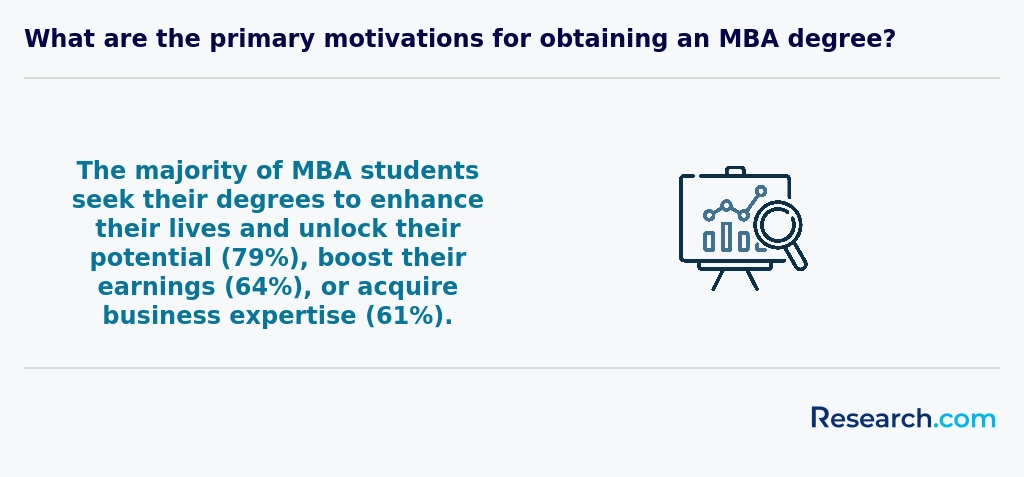
Exploring MBA specializations in Charleston reveals exciting opportunities tailored to the city's unique economic landscape. Graduates from the University of Charleston and The College of Charleston often recount how diving into Finance or Marketing gave them a competitive edge, whether analyzing investment strategies or crafting innovative campaigns. The Charleston MBA degree concentration options extend to Healthcare Management, reflecting the area's booming healthcare sector, where students gain hands-on insights into hospital administration and policy.
Others thrill at the prospect of mastering Project Management, perfect for navigating complex operations in sectors like IT and construction. Entrepreneurship attracts those eager to launch startups, learning to blend creativity with business acumen. These specializations transform classroom lessons into real-world readiness, making each day an adventure in problem-solving and career shaping.
For students curious about career pathways beyond business, exploring becoming a CPA in Oklahoma through local programs can complement your CFO ambitions, demonstrating the diverse options available after completing your MBA journey in Charleston.
When choosing the best MBA programs in Charleston, envision yourself juggling classes, networking events, and real-life projects with local businesses. Graduates from popular Charleston universities often highlight the value of AACSB accreditation-this ensures you're learning from top-tier faculty while building a resume that employers respect nationwide. Imagine attending night classes after work or diving into a full-time program with hands-on internships in the city's buzzing finance or real estate sectors. Affordable MBA degrees Charleston options often come from public institutions where in-state tuition discounts can ease your financial journey without sacrificing quality.
Consider how program specializations, like healthcare management or supply chain logistics, align with your ambitions. Many students find themselves immersed in thriving courses that connect directly to Charleston's growing industries. The network you build here rivals those in bigger cities, offering local career services that open doors after graduation. If you want to explore further education opportunities nearby, check out business degree programs Virginia as an intriguing option to expand your horizons beyond Charleston.

Exploring MBA career opportunities in Charleston reveals a vibrant landscape where graduates frequently find themselves stepping into roles that challenge and excite. Graduates from popular universities in Charleston often share how their education sparked adventures in healthcare administration, managing bustling hospital systems or innovating patient services in a city witnessing rapid healthcare growth. Financial services beckon those who enjoy navigating complex investment strategies and banking operations, with many MBA holders landing positions that pay handsomely and reward sharp financial acumen.
Charleston's strategic port location invites MBA graduates to dive into logistics and supply chain management, where real-world puzzles of shipping and transportation ignite curiosity and tactical thinking. The city's lively tech startup scene also serves as a playground for entrepreneurial spirits, offering hands-on roles in product development and business leadership. Students balancing their studies with work appreciate how flexible MBA programs in Charleston prepare them for such dynamic careers. Those curious about specific programs can check out the best popular mba degree available locally, opening doors to even more exciting job prospects. This mix of paths reflects the rich variety of Charleston MBA degree job prospects that invite you to carve out your unique journey.
The MBA job market in Charleston is vibrant and full of opportunity, thanks to the city's diverse economy spanning manufacturing, healthcare, finance, and technology. Graduates from popular institutions like the College of Charleston and The Citadel often find themselves stepping into roles that allow them to apply leadership and strategic thinking skills right away. Imagine a graduate coordinating supply chains for a local manufacturing firm or managing healthcare operations at one of Charleston's well-regarded hospitals-these scenarios showcase how an MBA opens doors in the region.
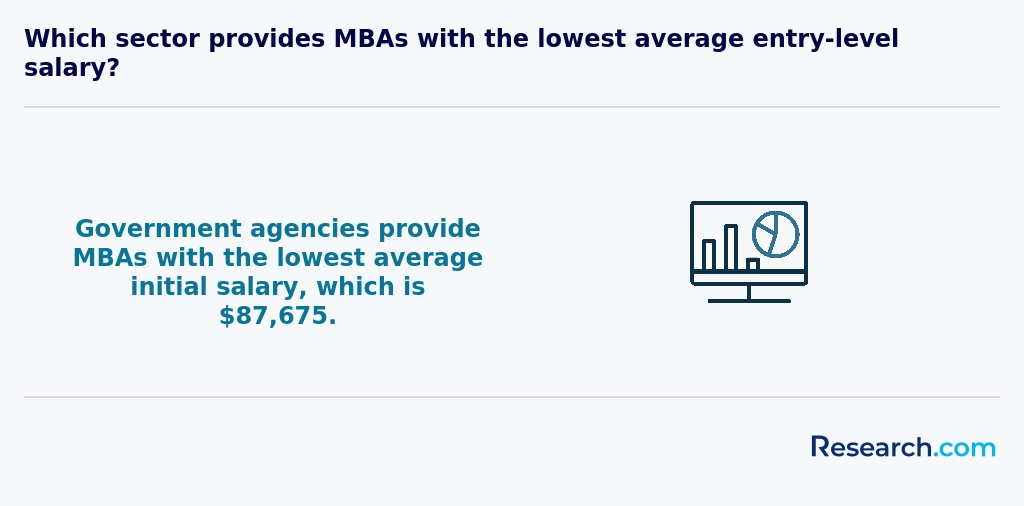
Many Charleston-based MBA entrants discover rewarding careers in consulting for startups or established companies, benefiting from the city's growing entrepreneurial scene. Networking with local business leaders through university programs often becomes a game-changer, helping graduates translate knowledge into career advancement. The Charleston MBA career opportunities are diverse and promising, with entry-level salaries ranging between $75,000 and $85,000, which encourages graduates to explore their options confidently.
For those seeking affordable study options that align with these career goals, consulting a list of affordable mba online programs under 10000 per year can be a practical step toward balancing quality education with manageable tuition.
2027 Most Popular MBA Degree Programs Ranking in Charleston
Investing in your education is a significant decision that can shape your future, and the Research.com team understands the importance of making informed choices. To assist prospective students in Charleston, we have meticulously developed the "2027 Most Popular MBA Degree Programs Ranking in Charleston." Our commitment to quality, credibility, and accuracy is demonstrated through the thorough research and analysis undertaken to produce this ranking.
We utilized the following reputable data sources to ensure a comprehensive evaluation of MBA programs:
By exploring this ranking, readers will gain valuable insights into the most popular MBA programs available in Charleston, empowering them to make well-informed decisions about their educational journey. For more details on our approach, please visit our Research.com methodology page.


Frequently Asked Questions About MBA
MBA students in Charleston can maximize their learning experience by actively engaging with local business communities. Charleston's diverse economy offers numerous internship and networking opportunities in sectors like logistics, tourism, and technology. According to the Charleston Metro Chamber of Commerce, over 85% of local MBA graduates find employment within six months, making practical connections essential.
Students should also leverage resources offered by Charleston's universities, such as workshops, mentorship programs, and career services. Participating in case competitions and consulting projects enhances real-world problem-solving skills.
Additionally, joining professional organizations like the Charleston Chapter of the Association of MBAs can expand networks and provide access to industry leaders. Combining classroom study with practical experience equips students for success in Charleston's competitive business landscape.
The field of MBA degrees in Charleston is experiencing growth in several emerging niches, reflecting broader economic trends and local industry needs. One fast-growing area is healthcare management, driven by Charleston's expanding medical sector, including institutions like the Medical University of South Carolina. Programs in this niche often focus on hospital administration and healthcare policy, responding to a 15% projected job growth nationally through 2030 according to the U.S. Bureau of Labor Statistics.
Another emerging specialization is sustainable business, attracting students interested in environmental impact and corporate responsibility. Charleston's commitment to green initiatives enhances the appeal of MBA tracks that integrate sustainability with business strategy.
Additionally, technology and innovation management MBAs are gaining popularity as Charleston's tech startups flourish. These programs teach skills essential for digital transformation and entrepreneurship in a competitive market.
Students considering an MBA in Charleston should explore these evolving niches to align their education with future career opportunities and local industry demands.
After completing an MBA degree in Charleston, preparing for the job market involves strategic planning and active networking. Charleston's growing economy, particularly in finance, manufacturing, and healthcare, offers diverse opportunities for MBA graduates.
Start by engaging with local professional organizations such as the Charleston Regional Business Journal and networking events hosted by universities. According to the U.S. Bureau of Labor Statistics, MBA holders see a 10% higher employment rate compared to non-MBA graduates.
Additionally, utilize on-campus career services and alumni networks. Gaining internships or project experience during the MBA program increases employability significantly. Finally, tailor your resume and LinkedIn profile to the Charleston market, emphasizing skills in leadership, analytics, and strategic management.
Employers in Charleston highly value MBA graduates who demonstrate strong leadership capabilities. According to data from the Charleston Metro Chamber, effective team management and strategic decision-making are essential skills sought by local businesses. Analytical thinking also ranks prominently, with employers expecting graduates to interpret financial data and market trends accurately.
Communication skills are critical, especially the ability to present ideas clearly and negotiate effectively in diverse corporate settings. Additionally, adaptability and technological proficiency in tools like data analytics and project management software are increasingly important. The Charleston business landscape favors MBAs who combine these skills with a solid understanding of ethical business practices and community engagement.
Finding internships in Charleston relevant to an MBA degree involves leveraging local resources and networking opportunities. The Charleston Metro Chamber of Commerce regularly posts internship openings and hosts business events that facilitate connections between MBA students and local companies. Organizations like the Charleston Regional Business Alliance also support student engagement with industries such as finance, marketing, and supply chain management.
Many MBA programs in Charleston, including those at the College of Charleston, offer career services that help students secure internships through on-campus recruitment and alumni networks. Additionally, platforms like Handshake and LinkedIn frequently list internships with Charleston-based firms.
According to the U.S. Bureau of Labor Statistics, internships significantly increase job prospects; in Charleston, MBA students have access to roles in sectors such as tourism, technology, and healthcare administration. Engaging early with professors and career advisors can boost chances of competitive internships tailored to business graduate students.
In Charleston, earning an MBA degree significantly enhances career mobility and advancement opportunities. According to the U.S. Bureau of Labor Statistics, professionals with an MBA tend to see higher promotion rates in management and business-related fields. Charleston's growing industries, such as finance, healthcare, and technology, increasingly value the advanced skills and leadership abilities developed through MBA programs.
Local employers often prioritize MBA graduates for leadership roles, contributing to salary increases and broader career options. Data from the Charleston Metro Chamber of Commerce highlights that MBA holders in the region experience a 15% higher median income compared to those with only a bachelor's degree.
Additionally, networking opportunities provided by Charleston's MBA programs connect students with key industry players, facilitating job placement and career advancement. This professional network is a crucial asset for long-term career growth in Charleston's competitive business environment.
Studying for an MBA degree in Charleston equips students with skills essential for interdisciplinary roles by blending core business knowledge with diverse practical applications. Charleston's MBA programs emphasize teamwork, leadership, and communication, vital for navigating multiple fields effectively. According to the Charleston Metro Chamber of Commerce, over 60% of local businesses seek managers comfortable collaborating across departments such as marketing, finance, and operations.
Local universities often integrate case studies and projects that simulate real-world challenges involving technology, healthcare, and logistics sectors prominent in Charleston's economy. This experiential learning fosters adaptability and broad problem-solving abilities.
The curriculum typically includes courses in data analytics, strategy, and organizational behavior, preparing graduates to thrive in complex environments where interdisciplinary coordination is key.
Choosing between a thesis and a non-thesis MBA program in Charleston depends on your career goals and learning preferences. A thesis MBA requires conducting original research and writing a substantial paper, which suits students aiming for academic or research-oriented careers. Non-thesis MBAs focus more on coursework and practical skills, often preferred by professionals seeking immediate application in business roles.
In Charleston, most MBA programs offer flexibility, but data from the Graduate School at College of Charleston shows that fewer than 30% of MBA students opt for a thesis. This trend reflects a strong industry demand for practical experience over research.
Consider your future plans: if you want to pursue a PhD or specialize in a niche area, a thesis might be beneficial. Otherwise, a non-thesis MBA could provide broader business knowledge and quicker completion times.
Students based in Charleston seeking to study for an MBA abroad have several pathways to consider. Many Charleston MBA candidates opt for exchange programs or partnerships that local institutions maintain with international business schools, allowing them to gain global experience while earning credits applicable to their degree.
According to the Association to Advance Collegiate Schools of Business (AACSB), over 50 percent of accredited U.S. business schools, including those near Charleston, offer dual-degree or study-abroad options. These programs often last from a few weeks to a full semester.
Additionally, some Charleston-based universities provide guidance for students interested in enrolling directly at foreign institutions, where they can pursue full MBA programs under various visa options.
Charleston offers a range of part-time job opportunities well-suited for MBA students seeking real-world experience alongside their studies. Many local businesses and startups in the growing tech and finance sectors provide roles in project management, financial analysis, and marketing, which align with core MBA competencies.
Additionally, Charleston's robust tourism and hospitality industries create openings in management trainee positions, allowing MBA candidates to develop leadership and operational skills. According to the Charleston Regional Development Alliance, professional services and financial activities accounted for 15% of local employment in 2023, indicating strong demand for business-savvy talent.
Internships and consulting roles with firms specializing in supply chain and logistics also complement MBA coursework, offering insight into strategic decision-making in a live environment.
Charleston offers MBA students a variety of strong networking opportunities through its dynamic business community and educational institutions. Local universities hosting MBA programs often organize events such as career fairs, guest speaker sessions, and alumni mixers, facilitating direct interaction with industry professionals. According to the Charleston Metro Chamber of Commerce, over 50 business networking events are held annually, many of which welcome MBA students.
The city's growing sectors, including tech, healthcare, and logistics, provide rich grounds for forming professional connections. Additionally, Charleston MBA students benefit from access to organizations like the Charleston Young Professionals and industry-specific groups, enhancing real-world engagement and mentorship possibilities.
Alumni networks offer significant advantages to MBA students in Charleston by providing extensive professional connections. Graduates from local business schools often engage in networking events, mentorship programs, and career workshops organized through these networks.
These connections can lead to job opportunities within Charleston's growing economy, which includes sectors like finance, logistics, and technology. According to the Charleston Metro Chamber of Commerce, strong local alumni engagement has boosted employment outcomes for MBA graduates by 15% over recent years.
Additionally, alumni networks facilitate access to insider industry knowledge and exclusive internships, helping students gain practical experience before graduation.
Participation in such networks also enhances leadership development and encourages lifelong learning through continuous interaction with successful professionals in the region.
Customizing an MBA degree program in Charleston allows students to align their studies with specific career aspirations. Many Charleston institutions offer concentrations such as finance, marketing, healthcare management, or entrepreneurship, enabling focused skill development. Students can typically choose electives that complement their professional goals or pursue dual degrees to expand expertise.
Internships and networking opportunities within Charleston's growing business community also enhance practical experience. Additionally, some programs provide flexible scheduling options including part-time or evening classes to accommodate working professionals. According to the Charleston Metro Chamber of Commerce, local MBA graduates often benefit from strong ties to industries like logistics and technology.
Many MBA students in Charleston face the challenge of balancing academic responsibilities with work and personal commitments. Given the city's growing business environment, many students pursue their degrees part-time while working full-time, which can lead to significant time management pressures.
Financial concerns also rank high, with tuition fees for local MBA programs typically ranging from $30,000 to $50,000, according to data from Peterson's. Students often need to secure loans or scholarships to afford these costs.
Another common challenge involves adapting to rigorous coursework that demands strong quantitative and analytical skills, especially for students coming from non-business backgrounds. Additionally, networking in a mid-sized city like Charleston can be limited compared to larger metropolitan areas, potentially affecting internship and job placement opportunities.
An MBA degree from a Charleston institution opens doors to various professional certifications that can enhance career prospects. Common certifications include the Certified Public Accountant (CPA) for those focused on finance and accounting. MBA graduates often pursue the Project Management Professional (PMP) credential, which is highly respected in operations and management roles.
Additionally, many MBA holders obtain the Certified Management Accountant (CMA) designation to demonstrate expertise in financial management. The Chartered Financial Analyst (CFA) is another option, especially relevant in investment and financial analysis roles. These certifications complement MBA studies by deepening specialized skills and increasing employability in Charleston's competitive job market.
Writing a winning application for an MBA program in Charleston requires careful preparation and attention to detail. Begin by thoroughly researching programs such as the College of Charleston's School of Business, which is well-regarded for its emphasis on ethical leadership and community engagement. Highlight your professional achievements and leadership experiences clearly, as these are highly valued by admissions committees.
Strong standardized test scores, like the GMAT or GRE, remain important, with average GMAT scores around 600 for local programs according to U.S. News data. Craft a compelling personal statement that connects your goals with the program's strengths and Charleston's unique business environment.
Additionally, secure recommendations from supervisors who can attest to your skills and potential. Lastly, consider the importance of extracurricular activities and volunteer work, which reflect well-rounded candidates in Charleston's collaborative business culture.
Globally, an MBA degree is seen as a strong pathway to leadership roles and international business careers. In the United States, including Charleston, MBA graduates often benefit from a versatile skill set recognized worldwide. According to the Graduate Management Admission Council (GMAC), nearly 70% of MBA graduates find work internationally within three years of completing their degree.
Charleston's growing business hub offers MBA students exposure to industries like logistics, finance, and technology, which have global connections. This local-global linkage enhances career prospects abroad and at home. Employers value MBA graduates for their strategic thinking and adaptability in diverse environments.
Data from the U.S. Bureau of Labor Statistics also shows that MBA holders typically earn 20% higher salaries than those with only a bachelor's degree, reinforcing the degree's value in a competitive market.
Gaining practical experience while studying for an MBA in Charleston is achievable through several avenues. Many local universities, such as the College of Charleston, offer internship programs that connect students with businesses in sectors like finance, tech, and hospitality. According to the U.S. Bureau of Labor Statistics, internships greatly enhance employment prospects post-graduation.
Additionally, MBA students can participate in consulting projects, where they work directly with Charleston-based companies to solve real business challenges. Networking events and career fairs hosted by local business schools provide further opportunities to engage with industry professionals.
Some programs also support part-time or cooperative education options, allowing for work-study balance. These experiences develop practical skills and improve marketability in Charleston's competitive job market.
Choosing the right concentration within an MBA program in Charleston involves assessing your career goals and local market demand. Popular concentrations include finance, marketing, and healthcare management, as these sectors show strong growth in Charleston's economy, according to the Charleston Metro Chamber of Commerce. Consider which industries are expanding locally and which skills employers value most. For example, Charleston's growing tech and logistics sectors may influence a student to focus on supply chain or information technology management.
Research each program's course offerings and alumni outcomes to ensure alignment with your aspirations. Networking opportunities in Charleston's business community are also important when selecting a specialization.
- 2027 Most Popular MBA Degree Programs Ranking in Savannah
- 2027 Most Popular MBA Degree Programs Ranking in Columbia
- 2027 Most Popular MBA Degree Programs Ranking in Fayetteville
- 2027 Most Popular MBA Degree Programs Ranking in Charlotte
- 2027 Most Popular MBA Degree Programs Ranking in Jacksonville
- 2027 Most Popular MBA Degree Programs Ranking in Macon
- 2027 Most Popular MBA Degree Programs Ranking in Raleigh
- 2027 Most Popular MBA Degree Programs Ranking in Greensboro
- 2027 Most Popular MBA Degree Programs Ranking in Durham
- 2027 Most Popular MBA Degree Programs Ranking in Winston-Salem
- How an MBA gives you an international vision and helps you make smart decisions - AEEN https://www.aeen.org/how-an-mba-gives-you-an-international-vision-and-helps-you-make-smart-decisions/
- 6 Tips to Make the Most of Your MBA Experience https://mbaschooled.com/2020/01/14/6-tips-to-make-the-most-of-your-mba-experience/
- 5 Tips on How to Choose the Best MBA Concentration https://www.pointloma.edu/resources/business-leadership/5-tips-how-choose-best-mba-concentration
- Verifying that you are not a robot... https://krea.edu.in/ifmrgsb/top-5-emerging-career-paths-for-mba-graduates/
- Admission Requirements https://www.citadel.edu/mba/admission-requirements/
- How an MBA contributes to career advancement https://online.wlv.ac.uk/blog/how-an-mba-contributes-to-career-advancement/
- Hire an MBA https://charleston.edu/mba/one-year/employers-recruiters/hire-mba.php
- Why MBA Graduates Embrace Global Perspectives for Career Growth https://www.thehighereducationreview.com/editors-guest/why-mba-graduates-embrace-global-perspectives-for-career-growth-nid-6271.html
- CofC MBA Program Ranked No. 1 in Nation for Job Placement https://today.cofc.edu/2018/04/27/cofc-mba-ranked-no-1-in-the-nation-in-job-placement-us-news-world-report/
- Future-Proof Your Career with an MBA in India : MIT-WPU Blog https://mitwpu.edu.in/blog/emerging-specialisations-in-mba---how-to-future-proof-your-business-career-in-india


