
2027 Best MBA Degree Programs Ranking in Tucson

Co-Founder and Chief Data Scientist
Choosing the right MBA program in Tucson can be a game-changer for your career and personal growth. This article presents the 2027 Best MBA Degree Programs Ranking in Tucson, created by the Research.com team of data scientists to help you make an informed decision.
By exploring this ranking, you'll gain valuable insights into the top programs worth considering. Pursuing an MBA opens doors to new opportunities, enhances your skills, and boosts your confidence.
Take the first step toward a brighter future with guidance you can trust.
Key benefits of getting MBA degree in Tucson
- Although specific salary data is unavailable for Tucson, MBA graduates in the US typically enjoy competitive salaries, often ranging from $70,000 to over $120,000 annually depending on the industry and experience, offering strong financial rewards.
- Graduates with an MBA from the University of Arizona, Tucson, can pursue diverse careers such as management, consulting, or entrepreneurship, opening doors to leadership roles that match their personal ambitions and strengths.
- Completing an MBA online through the University of Arizona offers flexibility for working professionals in Tucson, allowing them to balance education and life while still gaining valuable networking opportunities and real-world skills.
- 2027 Best MBA Degree Programs Ranking in Tucson
- What can I expect from MBA degree in Tucson?
- Where can I work with MBA degree in Tucson?
What can I expect from MBA degree in Tucson?
The average cost of pursuing an MBA degree in Tucson, particularly at the University of Arizona's Eller College of Management, ranges from approximately $30,000 to $40,000 for in-state students. Out-of-state students typically face higher tuition fees, excluding additional expenses such as books, fees, and living costs. Many graduates recall balancing these costs with available financial aid, scholarships, and employer sponsorships, which significantly alleviated their financial burden during the program.
Students frequently emphasize the value of the Eller MBA's approach, where experiential learning and leadership development translate into rewarding career outcomes, justifying the investment. The focus on hands-on internships and consulting projects allows students to apply knowledge in real business settings, making the tuition a worthwhile expense for career advancement within Tucson's growing economic sectors.
Graduates often describe a sense of accomplishment and increased confidence in their professional skills, reflecting on the cost as an investment that opened doors to roles in aerospace, healthcare, finance, and technology companies locally.
Where can I work with MBA degree in Tucson?
Graduates with an MBA degree from institutions like the University of Arizona often secure positions in Tucson's expanding healthcare industry, including roles in hospital administration and healthcare consulting at leading organizations such as Banner Health and Tucson Medical Center. These positions allow MBAs to apply strategic leadership skills to improve patient services and operational efficiency.
The finance sector also presents diverse opportunities for MBA holders in Tucson. Many find fulfilling careers in financial analysis, investment management, or risk management with major banks like Wells Fargo and Bank of America, as well as regional firms. The City's robust finance landscape makes these roles both accessible and rewarding.
Additionally, Tucson's growing tech scene, supported by the University of Arizona's Tech Parks, attracts MBAs into project management and product development roles at companies like Raytheon Missile Systems or innovative startups. Graduates appreciate the dynamic environment, where their strategic insight drives business growth.
Beyond these industries, Tucson MBA alumni frequently excel in consulting, sales management, human resources, and supply chain roles-areas where advanced business acumen and leadership are highly valued, often leading to higher median earnings and career satisfaction.
An MBA degree from institutions like the University of Arizona in Tucson can substantially boost your earning potential. Graduates frequently report starting salaries ranging from $70,000 to $80,000, particularly when entering fields such as healthcare administration, financial services, or technology. These figures reflect the robust regional demand for skilled managers and leaders.
With experience, MBA holders in Tucson often advance into mid-level management roles, earning between $90,000 and $110,000 annually. Many recall their roles in aerospace or education sectors where their leadership directly contributed to sustained salary growth. Senior executives and directors report salaries surpassing $120,000, highlighting the financial advantages of obtaining an MBA locally.
Graduates emphasize the value of Tucson's MBA programs in equipping them with practical skills that local employers seek, enhancing both their professional development and income trajectory. This combination of education quality and a stable job market makes Tucson a promising environment for MBA graduates aiming for attractive compensation packages.
- The average total cost of an MBA program in Tucson ranges from $25,000 to $50,000, with lower tuition for in-state public university students.
- MBA graduates in Tucson can expect starting salaries between $65,000 and $75,000 annually.
- Mid-career MBA holders often earn well over $100,000, reflecting increased responsibilities and leadership roles.
- Flexible MBA program options are available, including evening and online classes for working professionals.
- Admissions typically require a bachelor's degree, GMAT or GRE scores (with possible waivers), work experience, letters of recommendation, and a personal statement.
Completing an MBA degree in Tucson typically ranges from one to three years, depending on the program format and the student's schedule. Full-time MBA students at institutions like the University of Arizona often finish in about two years, balancing rigorous coursework with opportunities to explore leadership, finance, and entrepreneurship. Many graduates recall the rewarding challenge of managing a full course load while building strong professional networks.
For those working professionals seeking flexibility, part-time MBA programs extend study periods to up to three years. Evening and weekend classes enable these students to maintain their careers while progressing steadily toward their degree. Graduates appreciate this balance, often highlighting how manageable pacing reduces stress and enriches their learning experience.
Accelerated MBA options, such as the track offered by the Eller College of Management, allow completion within 12 to 18 months. This intensive path demands commitment but offers a fast, immersive journey that many find energizing and career-transformative.
Prospective students often weigh the cost of an MBA against its long-term financial benefits. In Tucson, AZ, the average MBA graduate sees a salary boost of over 50% within three years of graduation, with a median starting salary of $80,000 rising to $120,000 after five years. This return on investment is influenced by factors such as program affordability, financial aid availability, and career support services. Key ROI metrics for Tucson MBA programs include:
- Average Debt Burden: Graduates report an average student loan balance of $45,000, significantly lower than the national average of $60,000, thanks to in-state tuition rates and scholarships.
- Payback Period: Most alumni recoup tuition costs within 3–4 years through increased earnings and career advancement.
- Employment Rate: Within six months of graduation, 92% of Tucson MBA holders secure full-time positions, with roles spanning finance, consulting, and technology.
- Salary Growth: Alumni experience an average annual salary increase of 8–10%, driven by promotions and leadership opportunities. For those prioritizing affordability, Tucson’s programs compare favorably to other regions-many students explore additional low-cost options, such as the Inexpensive MBA Degree Programs Ranking in Worcester, MA, to ensure they choose the best value for their investment.
Online and on-campus MBA programs in Tucson differ primarily in structure, interaction, and scheduling flexibility. On-campus MBAs, such as those offered by the University of Arizona, immerse students in a traditional classroom environment where they engage directly with professors and peers. Graduates often recall the vibrant campus life and the invaluable networking opportunities forged during in-person study, which many find essential for building professional relationships.
Conversely, online MBAs cater to working professionals balancing careers and family commitments. Programs from Tucson-area institutions provide accredited curricula through digital platforms, enabling students to study remotely at their own pace. Alumni frequently highlight the convenience and adaptability of this format, describing how it allowed them to pursue their degrees without sacrificing work or personal time.
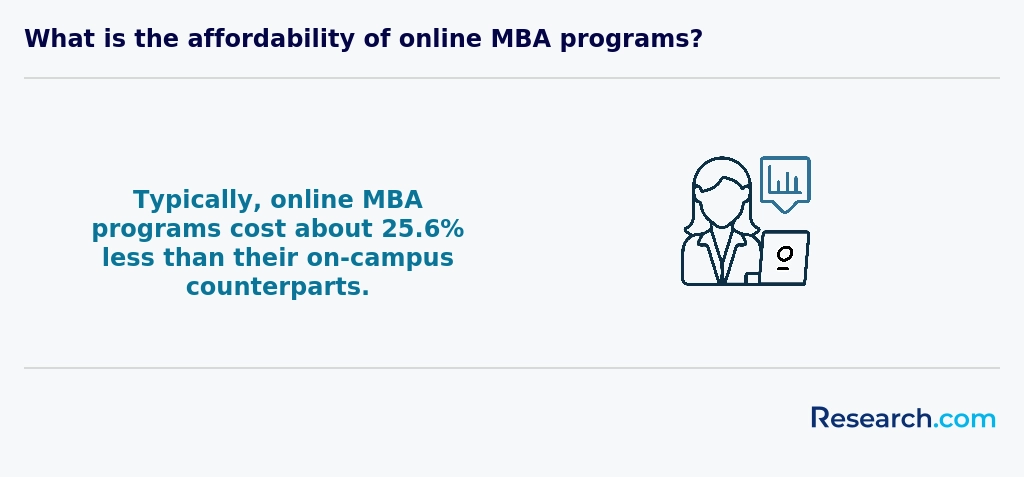
Cost is another distinguishing factor. On-campus programs typically range between $40,000 and $60,000 nationwide, with Tucson universities often offering competitive rates. Online MBAs generally come at a lower price point, reflecting reduced campus overhead, which adds financial appeal without compromising accreditation standards or curriculum quality.
Navigating the MBA application process for Tucson programs requires careful planning to meet deadlines and submit a competitive package. Below is a recommended timeline and key steps to help you stay on track: • 9–12 Months Before Enrollment – Research MBA programs in Tucson, focusing on curriculum, faculty expertise, and career outcomes. – Begin GMAT/GRE preparation or gather documentation for potential test waivers. – Attend virtual or in-person info sessions and campus tours to compare offerings. • 6–9 Months Before Enrollment – Request official transcripts from all post-secondary institutions. – Reach out to potential recommenders-managers, professors, or mentors-and provide them with your résumé and draft personal statement. – Draft, revise, and proofread your personal essay, highlighting career goals, leadership experiences, and Tucson-specific research or internships. • 3–6 Months Before Enrollment – Complete and submit applications through each program’s portal, ensuring essays, recommendations, and test scores are uploaded correctly. – Monitor application status and respond promptly to any additional requests, such as supplemental essays or portfolio materials. • 1–2 Months Before Enrollment – Prepare for admissions interviews by practicing common MBA questions and presenting your Tucson business insights. – Compare admission offers, financial aid packages, and scholarship deadlines. – Confirm your enrollment decision, submit deposits, and arrange housing in Tucson. Throughout this process, consider cost-saving strategies and compare out-of-state options. For a broader perspective on affordable MBA pathways, explore our Inexpensive MBA Degree Programs Ranking in Worcester, MA, which can inform your budgeting and scholarship search.
The average cost of an MBA degree in Tucson varies notably between resident and non-resident students. According to recent data, the median total tuition and fees for an MBA program in Tucson stand around $13,926 for in-state students. Out-of-state students face a median total cost of approximately $55,328, reflecting the significant premium charged for non-resident enrollment. This pricing is representative of prominent institutions like the University of Arizona's Eller College of Management, which remains the leading school for MBA education in the region.
Graduates often recall the relief of accessing in-state tuition rates that made the rigorous MBA curriculum more attainable. The financial investment, though substantial, is balanced by extensive career opportunities and networking experiences cultivated during the program. Part-time or online MBA formats sometimes offer alternative tuition structures, helping students customize payment plans to fit personal budgets. When estimating the average cost of an MBA degree in Tucson, students should also account for additional expenses such as textbooks, technology fees, and day-to-day living costs, all of which can add several thousand dollars to the overall investment.
Prospective students weighing their options might benefit from comparing local totals with national benchmarks. While the median total cost in Tucson is below many private university fees, many still seek affordable pathways. Those interested can explore opportunities like scholarships or employer sponsorships to reduce their financial burden. For flexibility, some look into affordable online MBA Ohio programs, which may complement their Tucson studies or offer other budget-friendly alternatives in budgeting their MBA journey.

Accelerated MBA programs offer a concise, intensive route for professionals eager to advance their careers without the extended time commitment of traditional programs. These programs are designed to deliver comprehensive business education in a shorter timespan, often allowing graduates to re-enter the workforce faster while reducing overall tuition costs. In addition to a streamlined curriculum, many accelerated MBA offerings emphasize real-world applications, practical projects, and high-impact networking opportunities, ensuring that students not only learn essential leadership and management skills but also quickly gain exposure to key industry trends. This fast-paced format is especially appealing for those looking to pivot into higher-level roles rapidly-learn more about your options through fast mba programs. By choosing an accelerated MBA, prospective students can maximize their return on investment and position themselves at the forefront of business innovation and strategy.
MBA students studying in Tucson have access to a variety of financial aid options that help manage the significant investment required for their degree. Federal aid is a primary resource; by completing the FAFSA, candidates can secure Direct Unsubsidized Loans or Grad PLUS Loans with fixed interest rates and flexible repayment plans. Many graduates from the University of Arizona's Eller College of Management share how these loans eased their financial burden, allowing them to focus fully on their studies.
Merit-based scholarships are another key avenue, often awarded based on academic achievement or professional experience. For example, several MBA candidates at Eller successfully obtained scholarships that covered portions of their tuition, motivating them throughout their program.
Employer tuition assistance is common among working professionals in Tucson pursuing an MBA, providing substantial out-of-pocket savings when companies reimburse tuition fees. Additionally, graduate assistantships at local institutions offer stipends or tuition waivers in exchange for research or teaching duties, a route some MBA students have found beneficial.
State-specific grants and loan repayment programs targeting community service further support Tucson business students post-graduation, illustrating the diverse financial pathways available.
Enrolling in an MBA program in Tucson typically requires applicants to hold a bachelor's degree from an accredited institution, which can be from any field. Graduates often recall how this foundational education helped them quickly adapt to rigorous business coursework at institutions like the University of Arizona's Eller College of Management.
Most Tucson MBA programs expect competitive GMAT or GRE scores; however, some students have shared positive experiences of leveraging their professional background to secure test waivers. For example, candidates with substantial work experience found that Eller College's policy of waiving GMAT requirements provided a valuable opportunity to pursue advanced studies without the stress of additional exams.
Work experience ranging from two to five years is commonly preferred, enhancing classroom engagement and practical learning. Alumni frequently describe how their professional insights enriched discussions and networking at local MBA programs.
Applicants also submit letters of recommendation, statements of purpose, and resumes, which help admissions committees gauge leadership potential and career ambitions. Some schools may conduct interviews, offering candidates a chance to express their enthusiasm and fit for the program face-to-face.
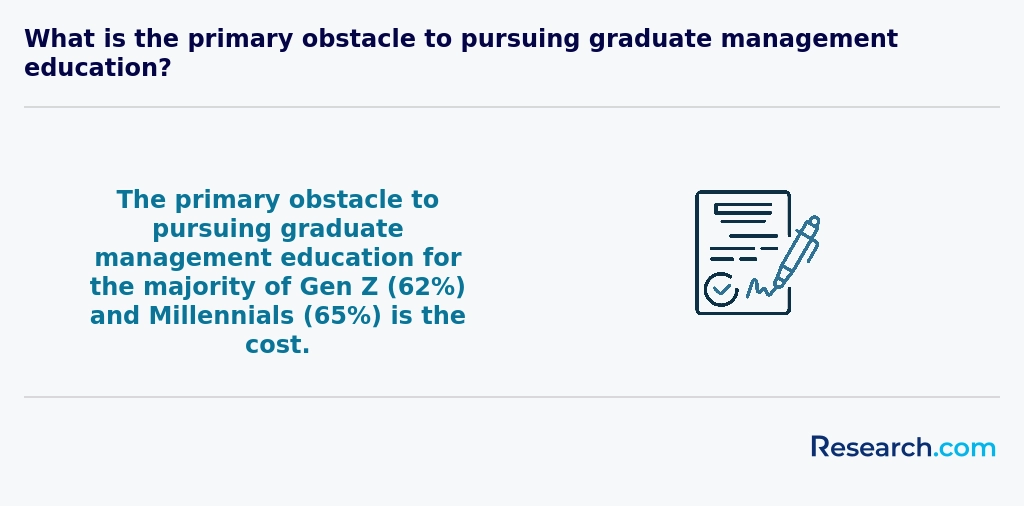
When considering an MBA program in Tucson, AZ, one crucial factor to weigh is the cost and the potential return on investment. As tuition fees for MBA programs can vary significantly, understanding the financial landscape is essential for making an informed decision. For instance, prospective students can explore options for affordable mba programs in arizona to find a program that fits their budget and career aspirations. Moreover, many institutions offer financial aid, scholarships, and assistantships to help offset the costs, making it more accessible for a diverse range of students to pursue their MBA goals in Tucson. By carefully evaluating the costs, potential financial aid, and the earning potential after graduation, individuals can make a more informed decision about which MBA program in Tucson, AZ, best aligns with their financial situation and career objectives.
MBA programs in Tucson typically include core courses such as financial accounting, managerial finance, marketing management, operations and supply chain management, organizational behavior, and strategic management. These foundational subjects equip students with essential business acumen necessary for leadership roles. Graduates from institutions like the University of Arizona often highlight how these courses enabled them to confidently analyze financial statements or develop marketing campaigns in real-world business settings.
Beyond core subjects, Tucson's MBA offerings frequently integrate data analytics, business ethics, economics, and leadership development. This blend prepares students to navigate complex challenges faced by modern organizations. Many students share that hands-on group projects and case studies mirror actual business scenarios they encountered during internships or early career roles, boosting their practical skills and teamwork abilities.
Elective options allow for personalization, with popular focuses including entrepreneurship, healthcare management, technology management, and international business. Such choices align well with Tucson's expanding tech and healthcare sectors, providing graduates with relevant expertise to thrive locally and nationally.

MBA specializations in Tucson are thoughtfully designed to meet the growing demands of the region's economy. Typical concentrations include Healthcare Management, leveraging Tucson's extensive healthcare network; Entrepreneurship, which aligns with the city's vibrant startup culture; Finance, emphasizing investment and corporate financial strategies; Marketing, focusing on digital trends and consumer insights; and Information Technology Management, catering to the area's expanding tech industry. Graduates often share how these areas enhanced their career prospects, especially those from the University of Arizona's Eller College of Management, known for integrating local industry insights into coursework.
For those seeking to diversify their business expertise, top MBA concentrations Tucson AZ offer practical learning through projects and internships with area companies, fostering strong professional connections. The choice of specialization can be as strategic as financial, especially considering tuition ranges and the tangible career impact experienced by recent alumni. Interested students may also consider foundational business education options such as the best online associate degree in accounting to complement their MBA studies.
Choosing the best MBA degree in Tucson involves evaluating key factors that align with your professional aspirations. Graduates from the University of Arizona's Eller College of Management often emphasize the value of its AACSB accreditation, ensuring rigorous academic standards that resonate well with employers locally and beyond. For students considering affordable MBA degrees Tucson 2027 options, tuition and living costs are crucial; current in-state tuition at Eller is around $40,000, significantly lower than national averages, making it an attractive investment without sacrificing quality.
Program format plays a vital role as well. Many working professionals appreciate the flexibility of part-time or online options offered by Tucson's programs, which accommodate career and family commitments. Graduates frequently highlight how curricula focused on entrepreneurship or technology prepare them effectively for Tucson's growing industries. To further refine your choice, assess how the program aligns with your goals and explore alumni outcomes such as job placement rates.
Finally, consider Tucson's expanding economy in aerospace and defense sectors when selecting programs, as local connections can enhance internship and employment prospects. For guidance on building a career with high-income potential college majors, tailor your MBA focus accordingly to maximize returns in this dynamic market.
Graduates of MBA programs in Tucson find themselves well-positioned across a diverse range of career paths that leverage the city's expanding economic sectors. Many alumni from popular institutions report advancing quickly into general management roles within regional offices, thriving manufacturing firms, or project leadership positions. Tucson's dynamic environment also fosters opportunities in finance and accounting, where MBA holders contribute to investment management and corporate financial planning, reflecting one of the best MBA career opportunities in Tucson.
Marketing and business development are robust fields too, especially in sectors like retail and health services, allowing graduates to craft and execute impactful campaigns. Healthcare administration is another vital path, with major health systems providing significant demand for MBA skills in strategic healthcare management. Entrepreneurship thrives as a pathway, with Tucson's supportive startup culture inspiring graduates to launch ventures or innovate within existing companies. Many students benefit from exploring specialized programs and gaining hands-on experience, increasing their competitiveness in top business jobs for MBA graduates Tucson. Detailed insights on program strengths and career alignments can be found here.

The job market for MBA graduates in Tucson is shaped by the city's expanding economy and thriving sectors such as healthcare, technology, and finance. Many graduates from prominent institutions like the University of Arizona find rewarding opportunities in management and strategic roles within leading local organizations. These roles often involve healthcare administration at Banner - University Medical Center Tucson or financial leadership in regional banks and credit unions. Tucson's relatively low unemployment rate further supports a positive job outlook for MBA graduates Tucson.
Graduates often share that gaining hands-on experience through internships and networking in Tucson's vibrant startup environment significantly enhances career prospects. The city's lower cost of living, combined with competitive starting salaries ranging from $70,000 to $95,000, creates an encouraging environment for recent MBA holders. For students contemplating their future, understanding the benefits of a finance career locally is crucial in navigating Tucson's diverse opportunities.
2027 Best MBA Degree Programs Ranking in Tucson
Investing in your education is a significant decision that can shape your future, and the Research.com team understands the importance of making informed choices. To assist prospective students in Tucson, we have meticulously crafted the "2027 Best MBA Degree Programs Ranking in Tucson." Our commitment to quality, credibility, and accuracy is reflected in the extensive research and analysis conducted to compile this ranking.
We utilized the following reputable data sources to ensure a comprehensive evaluation of MBA programs:
By exploring this ranking, readers will gain valuable insights into the best MBA degree programs available in Tucson, helping them make well-informed decisions about their educational paths. For more details on our methodology, please visit our Research.com methodology page.

# 2 position
Pima Medical Institute-Tucson
Master of Business Administration

Frequently Asked Questions About MBA
Students pursuing an MBA degree in Tucson can maximize their learning experience by actively engaging with local business networks and internships. Tucson's economy, with its strong sectors in technology and healthcare, offers rich opportunities for practical experience that complements classroom learning.
Many MBA programs in Tucson emphasize experiential learning through case studies and group projects, which help develop critical thinking and teamwork skills. Taking advantage of these interactive components can greatly enhance understanding.
Additionally, connecting with the University of Arizona's Eller College of Management alumni network provides valuable mentorship and career advice. Research from the National Center for Education Statistics highlights that students involved in internships and networking have a 20% higher job placement rate after graduation.
Balancing coursework with participation in business clubs and local workshops sharpens leadership and communication abilities essential for future managers.
The MBA field in Tucson is evolving, with several emerging niches gaining attention among students and employers. One prominent area is sustainability and green business management, reflecting growing regional and national concerns over environmental impact. Local programs increasingly integrate courses on corporate social responsibility and sustainable practices.
Another expanding niche is technology management, driven by Tucson's growing tech sector. MBA students now focus on data analytics, cybersecurity, and digital innovation to meet demand for managers skilled in tech-driven environments.
Health care management is also a key focus, aligning with Tucson's significant medical and biotech industries. According to the Bureau of Labor Statistics, healthcare management jobs are expected to grow 32% nationally through 2030, influencing MBA curricula locally.
These niches reflect broader market trends and provide specialized skills relevant to Tucson's economic landscape.
Preparing for the job market after completing an MBA degree in Tucson involves several key steps. Graduates should leverage the University of Arizona's Career Services, which reports that around 85% of MBA students secure employment within six months. Building a professional network is crucial; Tucson's business community, including sectors like technology and healthcare, offers numerous networking events and internships. Developing practical skills in data analytics and leadership, often emphasized in local MBA curricula, increases employability. Tailoring resumes to highlight Tucson-specific industry knowledge and using local job boards can also give graduates an advantage in the competitive market.
Employers in Tucson highly value MBA graduates who demonstrate strong leadership and strategic thinking skills. According to data from the Arizona Commerce Authority, local businesses prioritize graduates who can effectively manage teams and drive organizational growth. Analytical abilities and data-driven decision-making are also crucial, as many Tucson employers seek candidates capable of interpreting complex financial and market data.
Communication skills remain a top priority, with emphasis on both written and oral proficiency. The dynamic Tucson market, including industries like aerospace and healthcare, demands managers who can collaborate across departments and convey ideas clearly.
Finally, adaptability and innovation are essential skills for MBA graduates in Tucson. The region's growing tech sector favors professionals who embrace change and foster creative problem-solving.
Finding internships in Tucson relevant to an MBA degree involves leveraging local business networks and university resources. The University of Arizona, a key institution in Tucson, offers career services connecting MBA students with top employers in sectors like finance, technology, and healthcare. According to NACE's 2023 report, 65% of MBA students secure internships through university-sponsored programs.
Beyond university support, utilizing platforms such as Handshake and LinkedIn tailored to Tucson's job market can reveal internships from companies in the region. Additionally, attending networking events hosted by the Tucson Metro Chamber of Commerce can provide direct contact with potential internship providers.
In Tucson, earning an MBA degree significantly enhances career mobility and advancement opportunities across various industries. According to data from the Bureau of Labor Statistics and local employment reports, MBA graduates in Tucson typically see salary increases averaging 20-30% compared to those holding only a bachelor's degree. This degree equips professionals with leadership, finance, and strategic management skills highly valued by employers.
Local companies in sectors like healthcare, technology, and finance actively seek MBA holders to fill managerial roles, accelerating career growth. Additionally, Tucson's growing business environment offers networking opportunities through university alumni and professional organizations, further boosting advancement chances.
Studying for an MBA degree in Tucson offers students a strong foundation for interdisciplinary roles by integrating diverse business disciplines such as finance, marketing, management, and technology. Tucson's universities often emphasize collaborative learning and real-world projects that encourage students to apply concepts across various fields.
Local MBA programs frequently include courses on data analytics, entrepreneurship, and organizational leadership, which prepare graduates to work effectively with professionals from different backgrounds. According to the University of Arizona's Eller College of Management, 85% of MBA graduates report improved cross-functional collaboration skills.
This interdisciplinary approach is essential in today's dynamic job market, where businesses seek versatile leaders able to navigate complex challenges.
When choosing between a thesis and a non-thesis MBA program in Tucson, consider your career goals and learning style. Thesis programs typically involve conducting original research, which is ideal if you plan to pursue a PhD or a career in academia. According to the National Center for Education Statistics, only about 20% of MBA students nationwide opt for thesis tracks, reflecting this specialized focus.
Non-thesis MBA programs emphasize practical skills through coursework and internships, which suit professionals aiming for immediate industry roles. Local Tucson universities, including the University of Arizona, offer both options with flexible formats. Research published by the Graduate Management Admission Council highlights that non-thesis MBAs generally have higher employment rates post-graduation. Cost and time commitments also differ; thesis programs may require more time, potentially impacting your schedule.
Students in Tucson interested in studying an MBA abroad have several pathways to consider. Although Tucson itself hosts reputable programs like those at the University of Arizona, those seeking international options often explore partnerships between local universities and foreign institutions. These joint or dual-degree programs enable students to earn credits abroad while remaining enrolled in a Tucson-based school.
Additionally, many MBA students opt for online or hybrid programs offered by top global universities, allowing them to study internationally without relocating. According to the Graduate Management Admission Council (GMAC), nearly 40% of MBA candidates consider international study increasingly important for global career prospects. Tucson students can leverage these options to gain global experience and exposure while benefiting from U.S. accreditation standards.
In Tucson, part-time job opportunities that align well with MBA studies often focus on business, finance, and management sectors. Roles such as financial analyst assistants, marketing coordinators, and administrative support in local firms provide practical experience complementary to coursework. The Tucson metro area hosts diverse industries, including healthcare, technology, and manufacturing, which frequently seek MBA interns or part-time workers.
According to the Arizona Office of Economic Opportunity, the professional and business services sector in Tucson grew by 3.5% in 2023, indicating expanding job options for MBA students seeking relevant experience. Additionally, several local startups and nonprofits offer flexible roles valuable for leadership and project management skills development.
Part-time positions at the University of Arizona's business school research centers also present opportunities for MBA students, combining academic insights with practical application. These roles enhance understanding of market analysis and strategic planning, core subjects in MBA curricula.
The Tucson area offers robust networking opportunities for MBA students through local universities such as the University of Arizona. Its Eller College of Management hosts various events, including industry panels and career fairs, that connect students with business leaders in sectors like technology, healthcare, and finance. According to the university's 2023 employment report, 85% of Eller MBA graduates secure jobs within six months, often aided by these networking activities.
Beyond campus, Tucson's active Chamber of Commerce and professional groups such as the Southern Arizona Business Roundtable provide additional platforms for MBA students to build contacts. These events often feature guest speakers and workshops focused on regional economic trends.
Alumni networks play a vital role for MBA students in Tucson by offering valuable professional connections. These networks often include graduates working locally and nationally, creating opportunities for mentorship, internships, and job placements.
According to recent data from the University of Arizona's Eller College of Management, over 50,000 alumni form a diverse community that supports current students through events and career services. This extensive network helps students understand industry trends and gain access to Tucson's growing business landscape.
Engaging with alumni also fosters collaboration, enabling students to build lasting relationships that extend beyond graduation. Such networks frequently provide exclusive workshops and networking events, essential for career advancement.
Customizing an MBA degree program in Tucson allows students to align their education with specific career goals. Many Tucson universities offer flexible MBA options, including concentrations in fields such as finance, marketing, technology management, and healthcare. For example, the University of Arizona provides the option to choose electives that build expertise tailored to industry demands.
Part-time and online MBA programs enable working professionals to balance studies with career commitments while selecting courses that match their professional ambitions. According to U.S. News & World Report, MBA students in Tucson benefit from small class sizes and personalized advising, enhancing program customization.
Internships and experiential learning opportunities also help students apply their skills in local industries such as aerospace and biotech. These options support MBA candidates in gaining relevant experience aligned with their future career paths.
MBA students in Tucson commonly face challenges related to balancing academic, professional, and personal commitments. Many pursue their degrees part-time while working, which can lead to time management difficulties. According to the University of Arizona Eller College of Management, over 60% of its MBA students work full-time jobs during the program.
Financial burden is also a concern; tuition costs for MBA programs in Tucson can range from $30,000 to $60,000, pushing some students to rely on loans or employer sponsorship. Additionally, networking opportunities may be limited compared to larger metropolitan areas, which can impact career advancement.
With an MBA degree obtained in Tucson, graduates can pursue various professional certifications to enhance their career prospects. Popular choices include the Project Management Professional (PMP) certification, which is highly regarded in business management and operations.
Another common certification is the Certified Management Accountant (CMA), which focuses on financial management and strategic analysis. Tucson's growing business landscape provides opportunities for CMAs in corporate finance and accounting roles.
Additionally, the Certified Financial Planner (CFP) credential is a strong option for MBAs interested in personal finance and wealth management. Tucson programs often integrate elements that prepare students for these certifications.
Obtaining credentials such as these can improve job opportunities and salary potential in the competitive Tucson market.
Writing a winning application for an MBA program in Tucson begins with understanding the specific expectations of local universities, such as the University of Arizona. Admissions committees typically look for a strong academic record, professional experience, and clear career goals. Tucson MBA programs often emphasize leadership potential and community engagement, so highlight these aspects in your essays and interviews.
Applicants should prepare a competitive GMAT or GRE score; the average GMAT at the University of Arizona's Eller College of Management is around 600. Strong letters of recommendation from supervisors or professors who can attest to your skills and work ethic are also valuable.
Clearly articulating your motivations for pursuing an MBA and how you plan to contribute to Tucson's business community enhances your application. According to U.S. News & World Report, experiential learning opportunities in Tucson's growing industries-like technology and healthcare-are highly regarded; demonstrating awareness of these trends can set you apart.
The global perspective on an MBA career highlights its value as a versatile and internationally recognized qualification. Graduates with an MBA from U.S. institutions, including those in Tucson, often benefit from strong networks and opportunities in multinational corporations. According to the Graduate Management Admission Council (GMAC), 89% of MBA graduates report career progress globally within three years of graduation.
In Tucson, MBA programs emphasize skills relevant to global business trends, such as cross-cultural communication and international finance. This aligns well with the growing demand for leaders fluent in global markets. Additionally, the U.S. remains a top destination for international business education, reinforcing the MBA's worldwide credibility.
Employers often seek MBA holders for strategic roles requiring analytical skills and leadership, valuable in diverse economic contexts. This global applicability explains why many Tucson MBA graduates find diverse career paths not only across the U.S. but also internationally.
Gaining practical experience while studying for an MBA degree in Tucson is essential for applying classroom knowledge to real-world business challenges. Many Tucson universities offer internships and cooperative education programs, connecting students with companies in industries like technology, healthcare, and finance.
Participating in local business competitions and consulting projects is another effective way to build experience. According to the University of Arizona Eller College of Management, nearly 70% of MBA students complete internships during their studies, enhancing their career prospects.
Additionally, networking events and professional organizations in Tucson provide access to mentors and industry leaders. Students can also engage in part-time roles or freelance consulting within the Tucson business community to strengthen practical skills while earning credit.
Choosing the right concentration within an MBA program in Tucson involves aligning your career goals with local economic opportunities. Tucson's economy thrives in sectors like aerospace, healthcare, and renewable energy, so concentrations such as Supply Chain Management, Healthcare Administration, or Sustainability Management may offer strong job prospects after graduation.
Research shows that the University of Arizona's Eller College of Management, a leading Tucson institution, emphasizes data analytics and entrepreneurship, reflecting regional business trends (UArizona Data, 2023). Additionally, consider your previous experience and interests, as well as the program's faculty expertise and internship opportunities.
Visiting schools' websites and attending local MBA fairs can provide insight into which concentration best fits your aspirations.
- 2027 Best MBA Degree Programs Ranking in Phoenix
- 2027 Best MBA Degree Programs Ranking in El Paso
- 2027 Best MBA Degree Programs Ranking in Riverside
- 2027 Best MBA Degree Programs Ranking in San Diego
- 2027 Best MBA Degree Programs Ranking in Irvine
- 2027 Best MBA Degree Programs Ranking in Fullerton
- 2027 Best MBA Degree Programs Ranking in Pasadena
- 2027 Best MBA Degree Programs Ranking in Los Angeles
- 2027 Best MBA Degree Programs Ranking in Colorado Springs
- 2027 Best MBA Degree Programs Ranking in Fresno
- How to Use Your MBA for Career Growth While You’re Still Studying - International Career Institute USA https://icieducation.com/blog/how-to-use-your-mba-for-career-growth-while-youre-still-studying/
- Financial Aid and Scholarships | Pima Community College, Tucson, Arizona https://www.pima.edu/paying-for-college/financial-aid/index.html
- Top MBA programs with the best alumni networks in the world - MBA Crystal Ball https://www.mbacrystalball.com/blog/2025/07/07/top-mba-programs-with-the-best-alumni-network-in-the-world/
- What Work Experience Do You Need For an MBA? | Articles | Unimy https://www.unimy.com/article/blog-mba-preparation-admissions-mba-work-experience
- Tips for Writing an MBA Program Essay - GMAT Ninja https://www.gmatninja.com/articles/mba-admissions/essays-and-applications/minimizing-mba-application-essay-agony/
- Lessons learned: one year into pursuing an MBA while balancing full-time work - Franz Vitulli https://franzvitulli.com/mba-work/
- 5 Tips on How to Choose the Best MBA Concentration https://www.pointloma.edu/resources/business-leadership/5-tips-how-choose-best-mba-concentration
- How Long Does It Take to Get an MBA? | University of Bridgeport https://www.bridgeport.edu/news/how-long-does-it-take-to-get-mba-degree/
- Top Challenges for MBA Students in 2025: Placements and Career Growth in India | BeJobbed.com https://bejobbed.com/challenges-mba-students-placements-career-growth-india/
- MBA Scholarships & Financial Aid: A Comprehensive Guide https://www.collegeadvisor.com/resources/mba-scholarships/


