2027 Most Valuable Marketing Degree Programs Ranking in District of Columbia

Co-Founder and Chief Data Scientist
Choosing the right marketing degree program can shape your future career in exciting ways. This article introduces the 2027 Most Valuable Marketing Degree Programs Ranking in District of Columbia, developed by the Research.com team of data scientists. It offers clear insights to help you find programs that stand out based on real data.
Reading this guide will empower you to make informed decisions and discover opportunities that align with your goals. Earning a marketing degree opens doors to creative and strategic roles where your talents truly matter.
Key benefits of getting marketing degree in District of Columbia
- A marketing degree in District of Columbia can lead to well-paying jobs like Public Relations Specialist with a mean annual wage of $159,420 or Digital Marketing Specialist earning around $83,190 annually.
- Graduates from local universities often find diverse career opportunities in advertising, sales, and media planning, offering exciting paths to grow in dynamic industries.
- Completing a marketing degree online from a reputable DC school provides flexibility and the same valuable skills as traditional programs, ideal for balancing work and study.
- 2027 Most Valuable Marketing Degree Programs Ranking in District of Columbia
- What can I expect from marketing degree in District of Columbia?
- Where can I work with marketing degree in District of Columbia?
What can I expect from marketing degree in District of Columbia?
The average cost of a marketing degree in the District of Columbia varies widely, often influenced by the reputation and resources of institutions such as Georgetown University or American University. Graduates frequently recount managing tuition that ranges from $50,000 to $70,000 per year, a significant investment compared to other regions. While this cost reflects the concentration of government and nonprofit opportunities in D.C., it can pose financial challenges for many students.
Some graduates emphasize that the higher expense is balanced by unparalleled access to internships with federal agencies or leading firms, which often lead to valuable networking and job prospects. However, others caution that not every marketing student may secure these opportunities, thereby questioning whether the steep cost always guarantees proportional returns.
Students at well-known local colleges often share stories of balancing part-time work or scholarships to manage expenses, illustrating the financial commitment required. This reality prompts prospective students to carefully weigh program costs against potential career advantages specific to D.C.'s unique marketing landscape, including its focus on public affairs and digital analytics.
Where can I work with marketing degree in District of Columbia?
Graduates with a marketing degree in the District of Columbia often find themselves navigating a vibrant job market rich with opportunities. Many alumni from universities such as George Washington University and American University report securing positions in government agencies, where they contribute to public affairs and communications campaigns that shape national policies. This real-world application of their skills adds a sense of purpose and excitement to their careers.
At the same time, some graduates choose to join nonprofit organizations, where marketing strategies directly support meaningful causes, creating rewarding experiences. Others dive into the tech sector, where marketing roles involve crafting digital campaigns and analyzing consumer trends for dynamic startups and established firms. The fast pace of D.C.'s tech scene challenges graduates to continuously innovate.
Media and advertising agencies in the capital offer varied roles, from brand management to digital marketing, often emphasizing public sector clients. Graduates appreciate the unique blend of creativity and strategy required, fostering job satisfaction. Yet, career paths can vary widely depending on one's interests and the chosen sector's demands, highlighting the value of practical internships and networking during studies in D.C.
Graduates with marketing degrees in the District of Columbia often find themselves positioned to earn competitive wages reflective of the area's dynamic economy. For example, marketing assistants typically earn around $83,190 annually, which provides a solid starting point for those entering the workforce. Many graduates from prominent institutions like Georgetown University or George Washington University share experiences of securing roles as digital marketing specialists or media planners, both averaging similar salaries near $83,190.
Those pursuing public relations as a focus might expect higher compensation, with PR specialists earning an average of $159,420 per year in the region. This premium reflects the demand within government agencies and private sector firms headquartered in D.C. Sales associates with marketing knowledge, meanwhile, make around $53,280, illustrating how specialized skills and employer type impact earnings.
While these figures are encouraging, individual outcomes vary depending on factors like experience, networking, and additional training. Graduates often emphasize the importance of leveraging internships and local connections to boost earning potential in this competitive market.
- Annual tuition for marketing bachelor's programs in DC ranges from $8,000 to $15,000 at public institutions and $30,000 to $50,000 at private schools.
- Entry-level marketing salaries in DC average between $50,000 and $60,000 per year, with mid-career professionals earning $75,000 to $90,000 or more.
- The job market is strong with opportunities in digital marketing, brand management, market research, and public sector communications.
- DC has many colleges offering marketing programs that provide valuable internships and networking chances.
- Flexible program formats such as evening and online classes are available to support working professionals.
Completing a marketing degree in the District of Columbia generally requires about four years for a traditional bachelor's program when attending full-time, similar to popular institutions like American University or George Washington University. Graduates often reflect positively on this duration, appreciating the balance it offers between foundational coursework and immersive marketing projects that prepare them for real-world challenges.
For those pursuing advanced skills, master's degrees typically take around two years full-time but can extend to three or four years with part-time study, which suits working professionals aiming to advance without pausing their careers. Some students at schools like Howard University find accelerated combined bachelor's and master's programs appealing, completing both degrees in about five years-saving time and tuition while still gaining comprehensive expertise.
Meanwhile, associate degrees or certification programs available locally provide quicker entry points-two years or less-for individuals prioritizing fast skill acquisition. These flexible options demonstrate that marketing education timelines in D.C. cater to diverse student needs, emphasizing both quality and adaptability.
Investing in a marketing degree demands a clear understanding of both upfront costs and long-term earnings. On average, students in D.C. accrue $38,070 per year in tuition and fees at private institutions, while public universities range from $10,000 to $30,000 annually. Against this investment, graduates report entry‐level salaries of $50,000 and mid-career wages up to $150,030. Here’s how to evaluate your ROI: • Breakeven Analysis: – With an average starting salary of $78,880 for marketing assistants, most students recoup tuition costs within 3–4 years post‐graduation. – Advancing to roles like Public Relations Specialist ($150,030) or Marketing Manager ($140,040) accelerates repayment and builds net lifetime earnings. • Debt Management Strategies: – Leverage federal and DCTAG grants to lower principal balances. – Target programs with strong internship pipelines, as early employment can shorten payback periods. • Cost-Effective Alternatives: – Online and in-state programs often reduce expenses without sacrificing quality. For students seeking lower tuition costs and quicker ROI, consider exploring the Cheapest Online Marketing Degree Programs Ranking in Michigan for insights into affordable, high-value curricula. • Lifetime Value Metrics: – Factoring a 6% industry growth rate and continual skill upgrades, marketing graduates can expect a 20–30% increase in earnings over a decade. – Networking in D.C.’s vibrant market further amplifies opportunities, translating education into tangible career advancement. By weighing tuition against expected salary trajectories and tapping into financial aid, marketing students in the District of Columbia can maximize their return on investment and make informed choices that align with both their budgets and career goals.
Online and on-campus marketing degrees in the District of Columbia differ notably in experience and cost. Graduates from George Washington University's on-campus program often emphasize the energizing face-to-face interactions with professors and peers, which foster spontaneous discussions and networking essential in DC's competitive marketing scene. Conversely, online students appreciate the flexibility to balance studies with work or family, highlighting that being able to access courses anytime suits their busy lives.
Cost is another clear distinction. On-campus marketing programs in DC commonly exceed $1,600 per credit hour, reflecting access to career centers and internships embedded in the local business ecosystem. Online degrees, usually priced between $300 and $600 per credit hour, reduce commuting and housing expenses but may require students to be more self-disciplined due to less immediate supervision.
One graduate from American University found on-campus group projects fostered strong collaborations, while an online counterpart valued managing their time but missed the local DC networking events. Both paths have their merits, depending on personal circumstances and learning preferences.
Choosing a Marketing degree in the District of Columbia means investing in a program that not only delivers cutting-edge curriculum but also holds rigorous accreditation and strong industry ties. Regional accreditation from bodies like the Middle States Commission on Higher Education ensures that credits transfer smoothly and degrees meet national quality standards, while specialized accreditation from AACSB or ACBSP highlights programs that excel in business and marketing education. Many D.C. institutions maintain formal partnerships with leading agencies-such as Ogilvy, Edelman, and local government communications offices-to deliver real-world projects and co-op placements. These collaborations enable students to apply classroom theories to live campaigns, build portfolios under professional guidance, and secure internships that often convert into full-time roles upon graduation. Industry advisory boards, composed of seasoned marketing executives and alumni, regularly review and update course content to reflect emerging trends in digital analytics, ethical marketing, and multicultural engagement. This feedback loop ensures graduates are armed with the latest tools and methodologies companies demand in an evolving marketplace. For those starting their marketing education or seeking a foundational credential before transferring to a four-year institution, explore our list of the best online associate in marketing programs to discover accredited, flexible pathways that align with professional goals and regional accreditation standards.
The average marketing degree cost in District of Columbia reflects a balance between public and private education options. For many students, public institutions such as the University of the District of Columbia offer more affordable pathways, with median in-state total costs around $67,710. This makes pursuing a degree here a more feasible option financially, especially for local residents who benefit from reduced tuition rates. Graduates from these programs often express satisfaction with the value they received, appreciating the opportunity to build their careers without overwhelming debt.
Conversely, private universities like Georgetown University and George Washington University present a different financial picture, with median total costs reaching close to $82,593 for both in-state and out-of-state students. While these programs can be costly, they offer extensive resources, networking opportunities, and robust reputations, which many graduates find instrumental in their early marketing careers. Prospective students reveal that the investment feels justified by the comprehensive education and connections gained.
Understanding the total cost of marketing degree DC involves factoring in expenses beyond tuition, including fees, textbooks, and living costs, which tend to be higher in the District. Despite this, some graduates highlight that the vibrant city environment and access to internships enhance their educational experience significantly. For those exploring economical options, consulting rankings of the cheapest marketing schools in district of columbia can provide helpful guidance tailored to budget-conscious students.

Navigating the application process for marketing degree programs in the District of Columbia can be both exciting and challenging. To set yourself up for success, begin by thoroughly researching each institution’s specific admissions requirements and deadlines. Many schools value not just academic performance but also professional experience, internship participation, and extracurricular involvement that demonstrates a passion for marketing. Preparing a compelling personal statement that highlights your unique experiences, future marketing aspirations, and a clear understanding of the industry can make your application stand out. Additionally, ensure that your letters of recommendation come from professionals or educators who can speak to your analytical skills and creative potential. It’s also advisable to maintain up-to-date portfolios or project summaries, especially for digital marketing, which showcase your hands-on experience with campaign development or market research. For prospective students looking for affordable options, insights on cost-effective programs can be found by exploring the cheapest marketing schools in district of columbia. Lastly, attending virtual or in-person information sessions and connecting with current students or alumni can provide valuable insider tips on refining your application and preparing for interviews. This proactive approach not only enhances your readiness but also demonstrates your genuine commitment to succeeding in the competitive world of marketing.
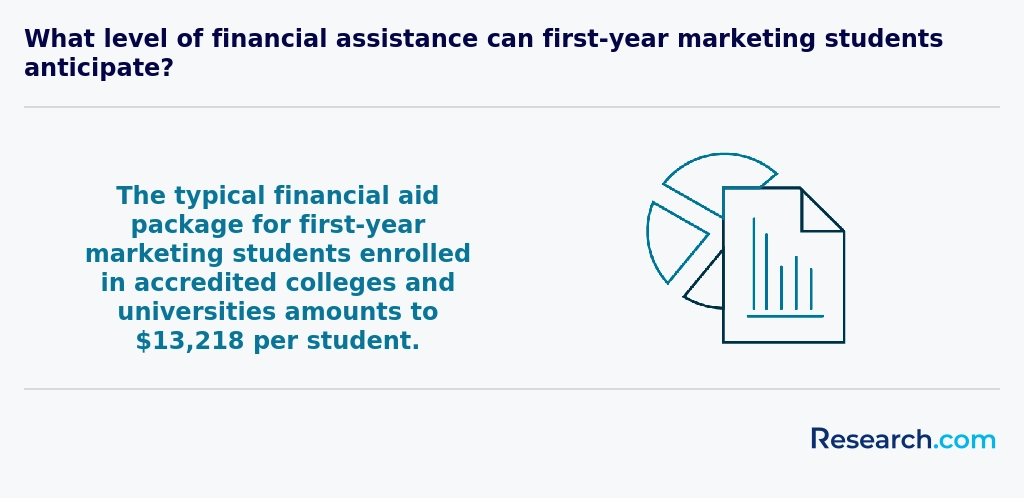
Financial aid for marketing degrees in the District of Columbia includes a mix of federal, local, institutional, and private resources that students actively leverage to manage education costs. For many, completing the FAFSA unlocks access to federal grants like the Pell Grant, which provides about $4,400 annually without requiring repayment-an essential relief for undergraduates balancing tuition fees that can reach up to $20,000 yearly.
Local aid like the D.C. Tuition Assistance Grant (TAG) further alleviates financial pressures by partially covering in-state tuition at accredited institutions. Graduates recall how TAG helped them afford programs at universities such as George Washington University or American University, where merit scholarships boosted their confidence and academic journey.
Work-study programs and part-time campus jobs enable students to combine practical experience with income, creating a sustainable balance between earning and learning. Some students have even reported employer tuition assistance, which supports those working while studying, highlighting the diverse pathways to fund their marketing education.
Lastly, private scholarships, including those from associations promoting diversity in marketing, provide additional avenues of support. These multifaceted aid opportunities reflect a complex but navigable landscape, encouraging students to proactively seek and combine funding tailored to their unique circumstances.
Enrolling in a marketing degree program in the District of Columbia usually begins with having a high school diploma or equivalent, such as a GED. Graduates from institutions like American University often highlight that a strong academic record in communication and math significantly eased their admission process. Although many programs still request SAT or ACT scores, test-optional policies at some D.C. colleges have made the path more accessible, reflecting a shift toward valuing diverse educational backgrounds.
Prospective students benefit from taking high school courses in English, algebra, and social studies, which form a foundation for marketing studies. Additionally, graduates frequently mention how introductory business or economics classes helped them grasp marketing concepts early on, making their transition smoother. Familiarity with digital tools is increasingly important, as marketing today revolves heavily around online platforms, a reality reinforced by many faculty at George Washington University.
Besides academic prerequisites, personal statements and letters of recommendation allow applicants to demonstrate passion and potential, offering admissions committees a clearer view of their commitment to marketing careers. For MBA candidates focusing on marketing in D.C., completion of an undergraduate degree and a competitive GPA remain critical, often complemented by practical business experience.

Marketing degree programs in the District of Columbia commonly include courses that blend both foundational theories and practical skills, aimed at preparing students for real-world challenges. Graduates from institutions like George Washington University or American University often highlight courses such as Introduction to Marketing, which breaks down core concepts like market segmentation and the marketing mix through case studies relevant to DC's diverse economic landscape.
Consumer Behavior classes delve into factors influencing purchasing choices, drawing on examples from the city's vibrant non-profit and federal sectors. Students appreciate Marketing Research courses where they learn to analyze local market data, sometimes working on projects for nearby businesses or agencies, enhancing their confidence in data-driven decision-making.
Digital Marketing and Advertising courses stand out as particularly engaging, with many students enthusiastically recalling hands-on experiences managing social media campaigns tailored to DC's unique demographics. These programs often incorporate Strategic Marketing Planning, encouraging students to design campaigns that address real challenges faced by local organizations, fostering both creativity and analytical thinking.
While these courses form the core, many students value electives in data analytics or international marketing, acknowledging the importance of versatility in today's globalized marketing environment. The combination of rigorous academics and practical application in DC's dynamic market creates an empowering educational experience.
Marketing degree specializations in District of Columbia programs often reflect the dynamic nature of the industry, offering focused tracks like Digital Marketing, Brand Management, and Market Research and Analytics. Graduates from respected institutions in DC frequently express enthusiasm about hands-on experiences, such as crafting social media campaigns or analyzing consumer data, which prepare them for real-world challenges. For example, students at popular universities in the area appreciate how courses integrate local businesses into projects, giving a tangible feel to otherwise theoretical concepts.
Other specializations include Advertising, Sales Management, and International Marketing, each addressing different career ambitions and market demands. Some graduates report that the international marketing focus proved invaluable for understanding cross-cultural communication, especially given DC's global business environment. While these specializations enhance employability, prospective students should critically assess how well their chosen program aligns with their personal goals and the specific job market realities in DC.
Those exploring the best marketing concentrations in District of Columbia colleges might also consider affordability and course flexibility, details well covered in a convenient list of the best online associate in marketing programs to complement on-campus studies.
Choosing the best marketing degree in District of Columbia involves balancing accreditation, curriculum, and practical opportunities. Graduates from popular local universities often praise programs accredited by recognized bodies, noting how this legitimacy helped when applying for marketing roles in D.C.'s competitive job market. However, some question whether a program's reputation outweighs curriculum relevance, especially if it lacks real-world connections. Many find value in courses emphasizing digital marketing, consumer behavior, and strategic brand management combined with internships at government agencies or nonprofits nearby, which enrich learning through hands-on experience.
Prospective students considering affordable marketing colleges in District of Columbia should also factor in tuition and financial aid. While costs tend to be higher in D.C. due to private institutions, exploring scholarships can ease the burden. Smaller class sizes and faculty engagement with local businesses often foster strong mentorship, elevating confidence and professional growth in graduates. For those prioritizing cost alongside quality, the Cheapest Online Marketing Degree Programs Ranking in Michigan might offer insights on more budget-conscious options.
Graduates with a marketing degree in the District of Columbia often enter diverse fields reflecting the city's unique economic landscape. Many find fulfilling roles in digital marketing and social media management, thriving in positions such as SEO specialists or content strategists, especially reported by students from Georgetown University. These roles match the growing demand for online presence and data-driven decision-making, aligning well with job prospects for marketing graduates in District of Columbia.
Others capitalize on the proximity to federal agencies by focusing on government relations and public affairs. Graduates from the University of the District of Columbia frequently share experiences of crafting campaigns that engage citizens and influence public policy. Similarly, careers in nonprofit fundraising and outreach allow marketing graduates to apply their skills in mission-driven environments, a path supported by the city's large nonprofit community.
Brand and product management positions at private corporations also attract many, demanding a solid understanding of consumer behavior and market research. For those seeking alternative routes, exploring a fast track degree can accelerate entry into these competitive roles, balancing costs with career ambition.
The marketing degree job outlook in District of Columbia remains promising, driven by a unique job market that blends government, nonprofit, and private sectors. Graduates from local universities often find themselves working alongside federal agencies or advocacy groups, applying sophisticated digital marketing strategies tailored to public policy and social impact. While salaries for marketing managers in D.C. hover around the national average, the diversity of roles-from tech-driven digital analytics to brand management-creates a dynamic environment for career growth.
Career opportunities for marketing graduates DC are enhanced by the proximity to high-profile organizations and government contractors that demand versatile marketing skills. Students from well-known D.C.-area colleges report positive experiences securing internships that transition into roles with nonprofits or consultancies. However, education costs can be significant, ranging broadly depending on the institution, so prospective students should consider options like easy associate degrees as alternative pathways to enter this competitive market.
2027 Most Valuable Marketing Degree Programs Ranking in District of Columbia
Investing in your education is a significant decision that can profoundly impact your future, and the Research.com team is keenly aware of the importance of making well-informed choices. To support prospective students in the District of Columbia, we have carefully developed the "2027 Most Valuable Marketing Degree Programs Ranking in District of Columbia." Our dedication to quality, credibility, and accuracy is evident through the rigorous research and analysis undertaken to produce this ranking.
We utilized the following reputable data sources to ensure a comprehensive evaluation of marketing degree programs:
Reading this ranking will provide valuable insights that empower you to identify the best marketing degree programs in the region, enabling you to make a confident and informed investment in your educational journey. For a detailed explanation of how the ranking was created, please visit our Research.com methodology page.


Frequently Asked Questions About marketing
Marketing degree students in District of Columbia can maximize their learning by combining academic studies with real-world experience. The region hosts a diverse range of marketing agencies, government communications offices, and nonprofits, offering plentiful internship opportunities. According to the U.S. Bureau of Labor Statistics, internships significantly boost job prospects for marketing graduates nationwide.
Students should also engage with professional organizations like the American Marketing Association's DC chapter, which provides networking events and workshops. Participating in case competitions and attending industry conferences held in Washington, D.C. can deepen practical knowledge.
Finally, leveraging access to local universities' career centers and utilizing online marketing tools prepares students for the evolving digital marketing landscape.
The marketing field is rapidly evolving, with several emerging niches gaining importance, especially in the District of Columbia. One prominent area is digital and social media marketing, driven by the high concentration of tech-savvy consumers and businesses in the city. According to the U.S. Bureau of Labor Statistics, District of Columbia shows a 12% growth rate in marketing specialist roles from 2022 to 2032.
Another niche gaining traction is data analytics and consumer insights. This reflects Washington's strong presence of research firms and government agencies that rely heavily on data-driven strategies. Careers in content marketing and influencer marketing are also expanding, as companies increasingly prioritize personalized customer engagement.
Understanding emerging green marketing is vital, given the city's focus on sustainability initiatives. Students pursuing marketing degrees here benefit from exposure to these specialties through internships with local firms and nonprofits.
Graduates with marketing degrees in the District of Columbia can enhance their job market readiness by gaining practical experience through internships and cooperative education programs. The region hosts numerous federal agencies, non-profits, and private companies, offering a rich variety of internships focused on digital marketing, public relations, and brand management.
Networking is essential in D.C.'s competitive marketing sector. Joining professional organizations like the American Marketing Association's D.C. chapter provides valuable connections and access to job listings tailored to local opportunities.
Additionally, staying current with marketing trends, such as data analytics and social media strategies, is crucial. According to the U.S. Bureau of Labor Statistics, marketing manager roles in the D.C. metropolitan area grew by 7% from 2019 to 2021, reflecting a strong regional demand for skilled marketers.
Employers in the District of Columbia seek marketing graduates with a strong mix of technical and interpersonal skills. According to the U.S. Bureau of Labor Statistics and local job market analyses, proficiency in digital marketing tools such as Google Analytics, SEO, and social media management is highly valued. Additionally, data analysis skills are essential, helping graduates interpret consumer behavior and campaign performance effectively.
Communication remains a top priority. Employers look for candidates who can craft clear, compelling messages across multiple platforms. Creativity and adaptability to fast-changing market trends are also crucial in DC's competitive environment. Project management and teamwork abilities further enhance a graduate's employability in this region.
Finding internships in District of Columbia relevant to a marketing degree involves strategic use of local resources and networking opportunities. The DC area hosts a diverse range of businesses, including government agencies, nonprofits, and private marketing firms, offering rich internship prospects. According to the DC Department of Employment Services, marketing internships are often posted on official job portals and university career centers, making these platforms essential for students to check regularly.
Students should leverage university partnerships with DC employers, as many institutions collaborate directly with companies to provide internship openings. Additionally, attending industry networking events and joining marketing associations like the American Marketing Association's DC chapter can increase access to opportunities.
Online platforms such as Handshake, LinkedIn, and internships.com also feature numerous marketing roles specifically in the DC area. Embassies and international organizations based in DC sometimes offer internships focused on marketing communications, useful for students interested in global marketing.
According to the National Association of Colleges and Employers, internships completed during study increase job offer probability by over 50%, underlining the importance of securing relevant experience locally.
A marketing degree significantly enhances career mobility and advancement opportunities in the District of Columbia. The region's strong concentration of federal agencies, nonprofit organizations, and private firms creates a diverse job market valuing marketing expertise. According to the U.S. Bureau of Labor Statistics, marketing managers in D.C. earn a median annual wage above the national average, reflecting local demand for skilled professionals.
Graduates with marketing degrees often advance faster due to their understanding of digital strategies, consumer behavior, and data analytics, which are critical in the competitive D.C. market. The area's networking opportunities and internships further support career growth.
Employers increasingly prioritize candidates with formal marketing credentials, increasing upward mobility. This trend aligns with reports from the Georgetown University Center on Education and the Workforce, highlighting the importance of specialized degrees for leadership roles in metropolitan areas.
Studying for a marketing degree in the District of Columbia offers students a strong foundation to excel in interdisciplinary roles. D.C.'s universities often incorporate coursework in areas such as economics, psychology, data analytics, and communications, reflecting the diverse skills required in modern marketing careers. This approach prepares students to collaborate across departments and industries effectively.
Local institutions leverage their proximity to government agencies, nonprofits, and global organizations, providing real-world case studies and internships. According to the Georgetown University Center on Education and the Workforce, interdisciplinary skills increase employability by up to 30% in marketing-related fields.
Data-driven decision-making and strategic communication skills taught locally meet the needs of D.C.'s competitive job market in marketing and beyond.
When choosing between a thesis and a non-thesis marketing degree program in District of Columbia, consider your career goals. A thesis option focuses on research and can prepare students for doctoral studies or research-intensive roles. This pathway usually requires completing a substantial research project and defending it before a faculty committee. In contrast, the non-thesis option emphasizes practical skills and coursework, often including internships or capstone projects, ideal for those aiming for immediate industry employment.
Local universities often offer both options, reflecting the DC market's demand for digital marketing and data analytics skills, as noted by the U.S. Bureau of Labor Statistics. Research shows about 30% of marketing graduates in this area pursue research roles, supporting the thesis track's relevance.
Choosing depends on whether you prefer academic research or practical application in marketing careers.
Students based in the District of Columbia who are interested in studying marketing abroad have several pathways through U.S. universities offering international exchange programs. Many institutions in D.C. maintain partnerships with global universities, allowing marketing majors to spend a semester or year overseas while earning credits toward their degree. Popular destinations often include European business hubs like London and Paris, known for strong marketing curricula.
According to the Institute of International Education, approximately 15% of U.S. students pursuing business-related fields participate in study abroad programs. Marketing students benefit from exposure to diverse markets and consumer behaviors, which enhances their global perspective. D.C. universities often provide tailored advising to help students select programs aligned with their marketing interests and career goals.
Students pursuing marketing degrees in the District of Columbia can enhance their education by engaging in part-time jobs related to marketing and communications. Popular roles include social media coordinator, market research assistant, and digital marketing intern. These positions provide valuable hands-on experience with digital campaigns and consumer data analysis, essential skills in today's marketing field.
According to the U.S. Bureau of Labor Statistics, marketing and advertising jobs in the DC metro area are projected to grow by 7% between 2022 and 2032, supporting opportunities for students seeking practical work experience.
Local businesses, government agencies, and non-profits frequently offer internships or temporary roles that help build client relations and branding skills.
Marketing students in District of Columbia benefit from a wealth of networking opportunities tied to the area's role as a political and economic hub. The city hosts numerous professional organizations such as the American Marketing Association (AMA) Washington Chapter, which offers regular events, workshops, and conferences fostering connections among students and industry professionals. According to the AMA Washington Chapter, attendance at their networking events increased by 15% in 2023, reflecting growing engagement. Local universities also run career fairs and alumni networking programs specifically targeting marketing fields, providing access to internships and job placements. Additionally, proximity to federal agencies and major corporations creates unique opportunities for marketing students to build valuable industry contacts.
Alumni networks play a significant role in supporting marketing degree students in the District of Columbia. These networks connect students with graduates working in local industries, offering valuable mentorship and career advice. According to the Georgetown University Center on Education and the Workforce, strong alumni connections can increase job placement rates by up to 30% for marketing graduates.
District-based marketing programs often benefit from alumni employed in the city's robust government, nonprofit, and corporate sectors. Networking events and online platforms provide students direct access to job openings and internships not publicly advertised.
This engagement helps students build professional relationships early, which is crucial in a competitive market like D.C.
Customizing a marketing degree program in District of Columbia allows students to tailor their education to match specific career goals. Many universities within the district offer elective courses in areas like digital marketing, consumer behavior, and brand management. Choosing specialized classes helps build expertise aligned with roles in advertising, market research, or sales management.
Students can also consider internships with Washington, D.C.-based firms, which are abundant due to the city's status as a political and commercial hub. Hands-on experience gained locally supports career readiness and networking.
Additionally, some programs provide opportunities for certificate add-ons in data analytics or social media strategy. According to the National Center for Education Statistics, nearly 30% of marketing graduates in the district pursue such certificates to stand out in a competitive job market.
Marketing students in the District of Columbia face several notable challenges as they pursue their degrees. One significant issue is the high cost of living and tuition in Washington, DC, which can strain student budgets. According to the College Board, average tuition and fees in the area are among the highest nationwide, impacting students' financial stability.
Another challenge is the competitive job market. With many federal agencies and private firms headquartered in DC, students must develop strong practical skills and internships to stand out. Gaining real-world marketing experience is essential but can be difficult due to limited internship availability and high competition.
Additionally, students often struggle with balancing rigorous coursework in digital marketing, analytics, and traditional marketing theories alongside part-time jobs or internships. This workload demands effective time management and resilience. Sources such as the National Center for Education Statistics highlight these academic and economic pressures common to DC-area marketing students.
A marketing degree from a school in the District of Columbia opens doors to various professional certifications that enhance career prospects. Popular certifications include the Certified Marketing Management Professional (CMMP) and Professional Certified Marketer (PCM) offered by the American Marketing Association. These credentials validate expertise in marketing strategy, digital tools, and ethical practices.
Another valuable certification is the Google Analytics Individual Qualification (GAIQ), which is highly regarded for digital marketing roles, especially relevant given D.C.'s growing tech and government contract sectors. Local professionals benefit from certifications like HubSpot Content Marketing that emphasize inbound marketing skills.
The District's proximity to federal agencies also creates demand for certifications in marketing analytics and market research methodologies, reflecting trends reported by the Bureau of Labor Statistics and Georgetown University's Center for Education and the Workforce.
Applying to a marketing degree program in the District of Columbia requires a clear and focused approach. Start by carefully researching each institution's requirements, as most DC schools value a strong undergraduate record and relevant experience. For example, George Washington University emphasizes analytical skills and creativity in their application review.
Highlight any marketing-related work, internships, or projects to demonstrate practical knowledge. According to the U.S. Bureau of Labor Statistics, the DC metro area has a growing demand for marketing professionals, making relevant experience an important asset.
Craft a compelling personal statement that explains your motivation and career goals, linking them to the unique opportunities available in DC's diverse market environment.
Marketing careers are increasingly global in scope, reflecting the interconnected nature of today's business world. Professionals with marketing degrees in the District of Columbia benefit from a strong foundation to engage with international markets, as many firms in the region have global operations or partnerships. According to the U.S. Bureau of Labor Statistics, marketing managers in metropolitan areas like Washington, D.C. earn a median annual wage significantly above the national average, which aligns with the demand for global marketing expertise.
A global perspective in marketing involves understanding diverse consumer behaviors, cross-cultural communication, and international regulations. D.C. students gain unique insights due to the city's role as a hub for global policy and commerce, offering practical experiences through internships with multinational organizations and government agencies.
Moreover, marketing fields such as digital marketing and data analytics emphasize global trends and technologies, preparing graduates to compete internationally. The DC Economic Partnership reports steady growth in marketing-related services tied to global trade, underscoring the career's expanding worldwide opportunities.
Gaining practical experience while studying for a marketing degree in the District of Columbia is essential for career readiness. Many local universities offer internship programs that connect students with top marketing firms, government agencies, and nonprofit organizations in the area. According to the U.S. Bureau of Labor Statistics, internships in D.C. often lead to higher employment rates after graduation.
Additionally, students can join campus marketing clubs or participate in case competitions that simulate real-world business challenges. The city's dynamic market enables access to networking events and workshops focused on digital marketing trends. These opportunities build skills and expand professional contacts crucial in the competitive marketing field.
When choosing a concentration within a marketing degree program in the District of Columbia, consider your career goals alongside the strengths of local industries. DC's economy is heavily influenced by government agencies, nonprofits, and consulting firms, making concentrations like digital marketing, public relations, or marketing analytics particularly relevant. According to the Bureau of Labor Statistics, marketing analyst roles in the DC area have seen growth rates above the national average, reflecting strong demand for data-driven marketing skills.
Evaluate program offerings at local universities, looking for courses aligned with industry trends such as social media strategy or consumer behavior. Internships and connections to DC's vibrant job market can also guide your choice toward concentrations with practical experience opportunities.
- 2027 Most Valuable Marketing Degree Programs Ranking in Idaho
- 2027 Most Valuable Marketing Degree Programs Ranking in California
- 2027 Most Valuable Marketing Degree Programs Ranking in Arizona
- 2027 Most Valuable Marketing Degree Programs Ranking in Colorado
- 2027 Most Valuable Marketing Degree Programs Ranking in Kansas
- 2027 Most Valuable Marketing Degree Programs Ranking in Minnesota
- 2027 Most Valuable Marketing Degree Programs Ranking in Iowa
- 2027 Most Valuable Marketing Degree Programs Ranking in Missouri
- 2027 Most Valuable Marketing Degree Programs Ranking in Arkansas
- 2027 Most Valuable Marketing Degree Programs Ranking in Louisiana
See What Experts Have To Say About Studying Marketing
Read our interview with Marketing experts

Sonya A. Grier, Ph.D.
Marketing Expert
Professor, Department of Marketing
American University

John R. Meindl
Marketing Expert
Adjunct Assistant Professor of Marketing
Hofstra University

- Marketing https://www.columbiastate.edu/academics/business-and-technology/marketing.html
- What Jobs Can You Get with a Marketing Degree? https://www.global-business-school.org/content-type/blog/what-jobs-can-get-marketing-degree/
- Digital Marketing https://www.columbiabasin.edu/learn/discover-your-path/business/digital-marketing/index.html
- 4 tips for leveraging alumni networks for recruitment https://www.eaie.org/resource/leveraging-alumni-networks-recruitment.html
- Top 5 marketing skills employers are looking for in 2025 https://www.konkergroup.com/top-5-marketing-skills-employers-are-looking-for-in-2025/
- Marketing (Content Creation) | Columbia College https://www.columbiasc.edu/academics/undergraduate/marketing-content-creation
- Marketing Assistant Cover Letter Sample https://www.kickresume.com/en/help-center/marketing-assistant-1-cover-letter-sample/
- Career Goals: 17 Inspirational Examples for you in 2026 https://www.imd.org/blog/learning-and-development/career-goals/
- Best Marketing colleges in District of Columbia 2026 https://www.universities.com/find/district-of-columbia/best/marketing-degrees
- Who Can Be an International Marketer? https://www.spencerstuart.com/research-and-insight/who-can-be-an-international-marketer