2027 Most Valuable Marketing Degree Programs Ranking in California

Co-Founder and Chief Data Scientist
Choosing the right marketing degree program can shape your future career and open exciting opportunities in California's dynamic job market.
This article presents the 2027 Most Valuable Marketing Degree Programs Ranking in California, created by the Research.com team of data scientists to help you make an informed decision.
By exploring this ranking, you'll discover programs that combine quality education with strong career prospects.
Investing in a marketing degree can be a rewarding step toward personal growth and professional success.
Key benefits of getting marketing degree in California
- Marketing degree graduates in California can expect strong earning potential, with roles like Public Relations Specialists earning a mean annual wage of $159,420 and Marketing Assistants around $83,190, offering financial stability from the start.
- Career paths are diverse, including positions such as Sales Associate, Digital Marketing Specialist, and Media Planner, allowing graduates from California universities to find roles that match their passions and skills in dynamic industries.
- Online marketing degrees provide flexibility and accessibility, empowering students from California to balance work and study effectively while gaining the same valuable skills and knowledge as traditional programs.
- 2027 Most Valuable Marketing Degree Programs Ranking in California
- What can I expect from marketing degree in California?
- Where can I work with marketing degree in California?
What can I expect from marketing degree in California?
If you're thinking about getting a marketing degree in California, you're probably wondering about the cost. On average, completing a marketing degree here can range anywhere from about $15,000 a year at a public university to over $50,000 a year at some private colleges. For example, graduates from well-known schools like those in the University of California system often find the in-state tuition more manageable, while private institutions tend to have higher price tags but might offer more specialized marketing programs.
Many marketing students share that what makes the expense worth it is the hands-on experience they get. Imagine working on digital campaigns or SEO projects during your studies-stuff that you can really add to your resume. Plus, the connections you build in places like Los Angeles or Silicon Valley open doors that feel priceless, even if the tuition is a bit steep.
Some grads say borrowing to invest in their education felt totally worth it because they lined up solid internships and a job right after finishing, often with salaries above $55,000 a year. So while the price might seem high upfront, the value often shows up quickly in real career opportunities.
Where can I work with marketing degree in California?
Graduates with a marketing degree from California schools like UCLA or San Diego State often find themselves spoiled for choice when it comes to job options. Many jump straight into the tech world around Silicon Valley or San Francisco, working as digital marketing specialists or product marketing managers, helping cool new apps or gadgets get noticed. It's exciting to be part of that fast-paced innovation scene!
Others head to Los Angeles, diving into the entertainment industry. Think advertising gigs with film studios or social media campaigns for big music festivals-plenty of chances to get creative and flexible.
Those who love connecting with people might lean toward retail or e-commerce jobs sprinkled across major cities. Managing marketing campaigns for big brands, or analyzing customer trends feels rewarding when you see sales spike.
Healthcare marketing roles also pop up in California's hospitals and agencies, touching on meaningful campaigns about wellness and public health.
And if finance sounds more your style, places in San Francisco and LA are hiring marketing pros to build strong client relationships and branding strategies.
With a marketing degree here, you're basically opening doors across tons of cool industries that keep California buzzing.
Graduates with a marketing degree in California can expect some pretty solid earnings right out of the gate. For example, many fresh grads from schools like UCLA or San Diego State start in roles such as Marketing Assistant or Digital Marketing Specialist, where the average salary sits around $83,190 a year. Not bad for entry-level! If you lean toward Public Relations, you might find yourself earning significantly more-as PR Specialists average about $159,420 annually in California, which is a huge plus.
Sales Associate positions, often an entry step too, bring in about $53,280 yearly, which can add up nicely once you build your experience. Media Planners and Digital Marketing Specialists often share similar pay averages near $83,190, making these roles great options for graduates looking to dive into the tech-savvy marketing scene around the Bay Area or Los Angeles.
Many grads feel excited seeing these numbers, especially considering bonuses and commissions that can boost total pay. Imagine landing a tech marketing gig in San Francisco with a starting salary plus bonuses that really reflect your hustle. It's definitely encouraging for anyone launching their marketing career in California.
- Annual tuition at California public universities for marketing degrees ranges from $7,000 to $9,000 for in-state students.
- Private institutions often charge over $30,000 per year, excluding additional costs like books and living expenses.
- Starting salaries for marketing graduates in California average between $50,000 and $60,000 annually.
- Mid-career marketing professionals typically earn $80,000 to $100,000, while senior roles can exceed $120,000 per year.
- California's marketing job market has a 6% expected growth rate through 2030, supported by strong demand in technology, entertainment, and retail sectors.
- Internships and certifications in digital marketing and data analytics are common methods to improve job prospects for marketing graduates.
If you're wondering how long it takes to finish a marketing degree in California, it really depends on what path you choose. Most folks going for a Bachelor's at popular schools like USC or within the UC system usually spend about four years if they're full-time students. That's around 120 to 130 semester units, which feels like a solid investment of time but totally doable when you're juggling classes, internships, and maybe even some on-campus events.
Some graduates share how community colleges gave them a faster start with associate degrees, finishing in about two years before transferring to a four-year university. It's a smart move if you're eager to jump into marketing jobs or want to save some money upfront.
For those eyeing graduate degrees like an MBA with a marketing focus, it can be one to two years-sometimes longer if you're working and studying part-time. Plenty of grads say the flexibility of online or hybrid programs in Cali makes balancing work and school feel a lot less stressful.
After a thorough review, several important insights emerge to help you make the best decision when selecting a marketing degree program in California. Overall, the article emphasizes the transformative journey that a marketing education provides, from the diversity of career opportunities and the strength of real-world experiences to the strategic insights gained through hands-on projects and internships. Here are the key findings: • A strong marketing education in California leverages practical experience, such as internships and capstone projects, to bridge theoretical knowledge with real-world application. • Graduates are equipped with diverse career paths-from digital marketing and brand management to market research and public relations-each offering varied salary potentials and growth opportunities. • Financial planning remains a pivotal part of the decision-making process; understanding tuition costs, available financial aid, and scholarships ensures that your educational investment is sustainable. • The evolution of marketing strategies, particularly in digital and social media fields, highlights the need for programs that continuously integrate emerging technologies and trends into their curricula. For prospective students working within a limited budget, it’s essential to explore programs that balance cost and quality. For instance, if you are looking for options that offer significant value without compromising on educational outcomes, consider checking out an affordable marketing school in california. These institutions often provide a blend of quality instruction, networking opportunities, and hands-on learning experiences at competitive tuition rates. In summary, when evaluating marketing degree programs, focus on institution reputation, program curriculum, hands-on opportunities, and financial accessibility. This integrated approach will not only help you navigate the complexities of higher education but also empower you to launch a successful career in the evolving field of marketing.
Choosing between online and on-campus marketing degrees in California really comes down to your lifestyle and learning preferences. For example, students attending schools like California State University or UCLA enjoy the buzz of in-person classes where you can chat face-to-face with professors and classmates-plus, there's the bonus of networking events nearby in LA or Silicon Valley. It's a great way to build connections and get hands-on through internships.
On the flip side, online degrees offer a ton of flexibility. Graduates from programs at places like California State University Long Beach often mention how convenient it was to study from home or while juggling a job, thanks to video lectures and online discussions. You avoid the cost and hassle of commuting; that means more time for family or work. Plus, respected California universities provide the same strong curriculum online, so employers don't usually see a difference when hiring.
Tuition can vary-online programs sometimes save you money by cutting out some campus fees, but not always. Either way, Californians appreciate having options that fit their unique lives and career goals.
An associate degree in marketing offers a fast-tracked, cost-effective way to build foundational skills and launch your career. In just two years, you can master core concepts like consumer behavior, digital advertising, and market research-preparing you for entry-level roles or a smooth transfer to a bachelor’s program. This option is especially appealing for students balancing work or family commitments, as many institutions in California provide flexible schedules and robust online coursework. Key advantages of an associate marketing credential:
- Accelerated timeline: Complete your degree in approximately two years, entering the workforce sooner.
- Lower tuition costs: Benefit from significantly reduced tuition compared to four-year programs, often with generous financial aid.
- Transfer pathways: Seamlessly move into a bachelor’s program at leading California universities, leveraging credits earned.
- Practical focus: Gain hands-on experience through internships and project-based courses that mirror real-world marketing challenges. Whether you aim to step directly into roles such as marketing coordinator or plan to continue toward a bachelor’s, an associate degree can be your strategic first move. For a curated list of the best rated online associate in marketing programs, explore our comprehensive guide and take the next step in your marketing journey.
The average marketing degree cost in California usually lands around $45,354 for in-state students, which feels pretty reasonable when you consider all the options out there. For example, many graduates from California State University campuses remember how their tuition hovered near this mark, and they appreciated the balance of quality and affordability. In contrast, out-of-state students typically face a higher bill, often closer to $68,504 in total, reflecting the premium for attending as a non-resident.
Community colleges often offer a smart way to start your marketing journey without burning a hole in your wallet. Lots of students begin at a local college, paying far less before transferring to a four-year university. This path helps keep the total cost of marketing degree programs California-friendly and manageable. Plus, living expenses, books, and fees add up, so it's good to budget around an extra $20,000 a year if you're at a public four-year school.
Many grads from the University of California system find value in the mix of strong marketing programs and the campus vibe, even though tuition for in-staters is higher, about $14,300 annually. If you're hunting for choices, check out options at affordable marketing school in california, where schools often have scholarships and aid that can ease costs and make your experience more enjoyable.
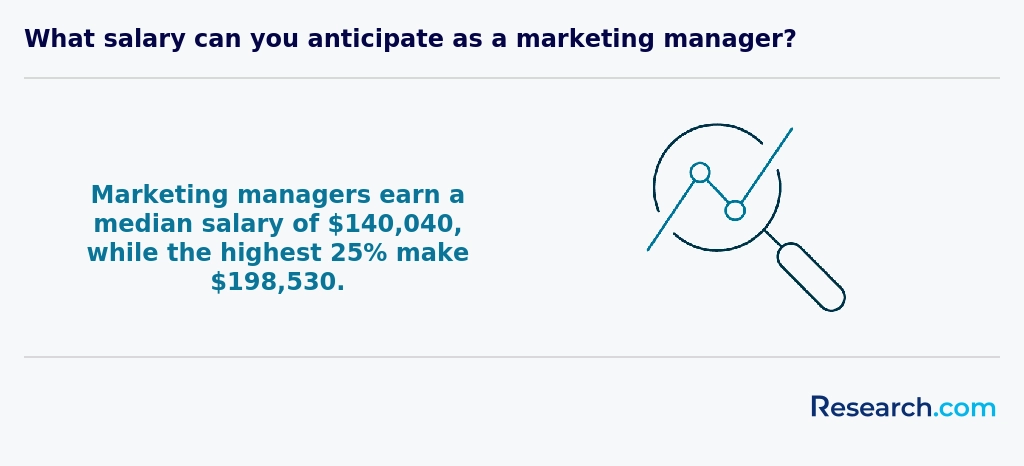
Investing in a marketing degree requires careful consideration of both costs and long-term earnings. In California, the average annual tuition for public universities ranges from $10,000 to $30,000, while private institutions can reach $60,000 per year. Yet, graduates report median starting salaries of $78,880 for marketing assistants and up to $150,030 for public relations specialists, suggesting a payback period of just 2–4 years for many top programs. When calculating your potential return on investment (ROI), factor in not only tuition but also living expenses, internship opportunities, and networking benefits that can accelerate career advancement. Key ROI metrics to consider:
- Estimated Total Tuition vs. Average First-Year Salary: Compare program costs to entry-level wages to gauge payback timelines.
- Alumni Earnings Growth Rate: Track salary progression over 5–10 years to assess income trajectory post-graduation.
- Internship-to-Hire Conversion Rate: Programs with strong employer partnerships often boast higher placement rates and quicker ROI.
- Financial Aid Leverage: Utilize grants, scholarships, and work-study options to reduce out-of-pocket expenses. For cost-conscious students seeking maximum ROI, it’s worth exploring programs with lower tuition outlays that still deliver strong career outcomes. For instance, our sister ranking on the Most Affordable Marketing Degree Programs Ranking in Cincinnati, OH highlights institutions where graduates achieve competitive salaries while minimizing debt-an approach that can be mirrored in select California campuses. By balancing cost, earnings potential, and experiential learning, prospective marketers can make data-driven decisions that lead to both personal and financial success.
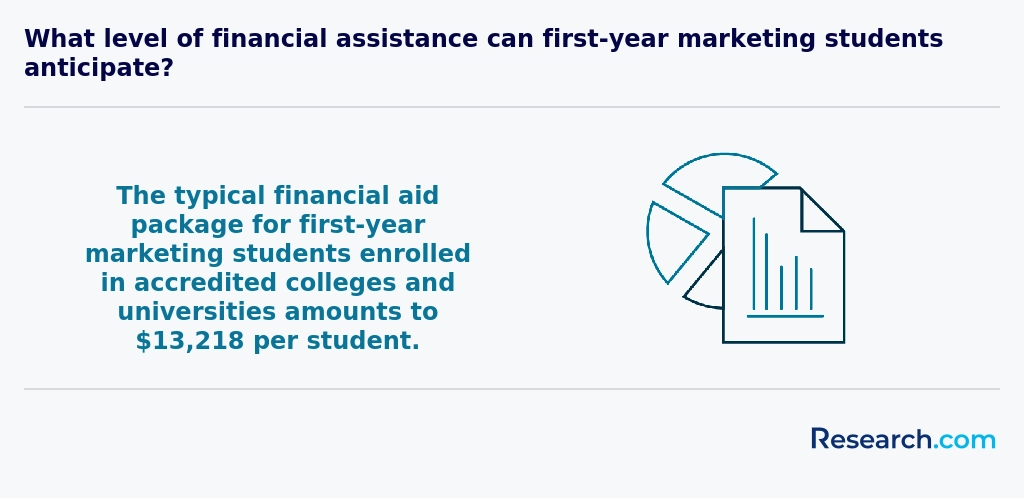
Getting financial aid as a marketing student in California can really make a difference, especially with tuition costs at places like UCLA or San Diego State University. Many grads recall filling out the FAFSA to unlock federal aid like the Pell Grant, which doesn't need to be paid back and can give you up to $7,395 a year-pretty clutch when budgeting for books and living expenses.
State-specific help through the Cal Grant is a game-changer, too. For example, if you're at a University of California campus studying marketing, you might snag up to $12,630 annually, which has helped lots of grads keep their focus on classes instead of cash worries.
On top of grants, scholarships from campus groups or local AMA chapters often boost students' wallets, rewarding everything from grades to marketing hustle. Some grads also love combining work-study gigs tied to their marketing programs, gaining real-world experience while earning extra cash.
And if you're working, don't forget to check out employer tuition assistance-many California companies in marketing industries happily chip in to support your growth.
If you're aiming to enroll in a marketing degree program in California, the basics start with having your high school diploma or GED ready to go. Many students applying to schools like UCLA or San Diego State mention how those solid grades in English and math really helped them breeze through the admission process. While some places still ask for SAT or ACT scores, a good number, including the University of California system, have moved to test-optional policies, making it easier to apply if you're not a big fan of standardized tests.
Community colleges here are pretty laid-back with admissions-you just need your diploma, and you can often get started with placement tests to get into marketing classes. Graduate programs, like an MBA with marketing focus, usually require a bachelor's degree and sometimes even work experience, which graduates find boosts their confidence in real-world marketing scenarios.
Aside from academics, students often get a leg up by taking business basics like economics or crunching numbers in stats classes before starting. Plus, being comfortable with marketing tools and writing clearly can really make your application shine.

When you dive into a marketing degree in California, expect to get a solid mix of classes that cover everything from the basics to the latest trends. At popular schools like UCLA or San Diego State, students often start with Principles of Marketing, which breaks down the classic 4 Ps: product, price, place, and promotion. It's like learning the groundwork of how brands catch your eye in a store or online.
Next up, you'll explore Consumer Behavior, where you really get into the minds of buyers-understanding why your favorite sneaker brand feels like a must-have. Plus, Marketing Research teaches you how to gather and decode data, like figuring out if a new campaign is actually making waves.
California grads often rave about hands-on courses like Digital Marketing. With the state's tech scene booming, learning social media ads and SEO can feel exciting and super relevant. Electives like international marketing or brand management help round out the experience, making the whole journey practical and fun.
If you're diving into marketing degrees in California, you'll find a bunch of cool specializations to choose from that really match what the state's industries need. Graduates from popular schools around Los Angeles or the Bay Area often rave about focusing on Digital Marketing, where they get to play with SEO, social media campaigns, and online ads-thanks to tech giants and startups nearby. Another popular track is Brand Management, super relevant if you're dreaming of working with California's entertainment or consumer goods brands.
There's also Market Research and Analytics, where students learn how to turn data into smart business moves-perfect in a state where companies love data-driven decisions. Advertising is a favorite too, especially for those who want hands-on experience with creative campaigns in cities like San Francisco. And with California's strong ties to the Pacific Rim, International Marketing is a great fit for understanding global markets.
If you want a sneak peek into some of the best options out there, check out the best rated online associate in marketing programs to get a feel for the variety you can explore in California marketing degree program options.
Picking the best marketing degree programs in California really comes down to what fits your vibe and goals. Some graduates from top schools near Los Angeles rave about how up-to-date their courses were, mixing in digital marketing, social media strategies, and real-world projects that gave them a leg up when job hunting. Others at Bay Area colleges highlight the perks of being close to tech hubs and big marketing firms - it's perfect for networking and grabbing internships that actually pay.
Don't forget to check if the program is AACSB-accredited, as employers here take that seriously. Tuition costs can vary big time too; public universities in California usually run around $7,000 a year for in-state, while private ones can be way pricier. Luckily, there are ways to keep it affordable. You can even peek at the Most Affordable Marketing Degree Programs Ranking in Cincinnati, OH for some inspiration on budget-friendly options.
Flexibility is another must - a lot of folks working full-time appreciate online or part-time degrees that let them study without dropping their day job. At the end of the day, choosing one that blends solid curriculum, connections, and cost, all tailored to California's vibrant market, sets you up for a rewarding career.
Graduates with a marketing degree in California find themselves with a bunch of exciting career options. Many start out as Marketing Coordinators or Specialists, where they get hands-on experience crafting campaigns and digging into market research. Others jump into roles like Digital Marketing Manager, handling everything from social media to SEO - especially in bustling tech hubs like Silicon Valley. It's common to see graduates from schools like UCLA or San Diego State thriving in these roles because they combine creativity with data skills.
Jobs with a marketing degree in California often include Brand Manager positions, where you shape how products or companies are seen by the public. Many alumni land gigs as Market Research Analysts too, turning consumer data into smart marketing moves. And with the state's dynamic economy, Sales Manager and Advertising Account Executive roles are popular for those who enjoy mixing strategy with direct client work.
For those wondering how to get started quickly, California students often explore options like how fast can you get an associate's degree to jumpstart their marketing career journeys.
Graduates with a marketing degree in California are stepping into a lively job market full of opportunities. Big cities like Los Angeles, San Francisco, and San Diego are buzzing with companies eager to hire fresh talent for roles in brand management, digital marketing, and market research. Many graduates from well-known schools such as those in the University of California system share how internships and connections they built during their studies helped land their first exciting gigs. The California marketing degree salary outlook is promising too, with many positions paying well above the national average.
With digital skills in social media, SEO, and data analytics becoming popular, graduates who combine these tech-savvy talents with classic marketing know-how find themselves in high demand. Plus, if you're thinking about related paths like becoming a market research analyst or sales manager, California's healthy growth projections add to the appeal. For those curious about education options or balancing studies with life, exploring the best programs for older adults online can be a smart move.
2027 Most Valuable Marketing Degree Programs Ranking in California
Investing in your education is a significant decision that can shape your professional future, and the Research.com team is committed to helping you make well-informed choices. To guide prospective students in California, we have carefully developed the "2027 Most Valuable Marketing Degree Programs Ranking in California." Our dedication to quality, credibility, and accuracy is demonstrated through thorough research and analysis. We utilized the following reputable data sources to ensure a comprehensive assessment of marketing degree programs:
By reviewing this ranking, readers will gain valuable insights into the most valuable marketing degree programs in California, enabling them to choose the option that aligns best with their career goals. For more details on our methodology, please visit our Research.com methodology page.
# 1 position
Ashford University
Bachelor of Arts in Marketing


# 8 position
FIDM-Fashion Institute of Design & Merchandising
Bachelor of Science in Fashion Merchandising and Marketing



Frequently Asked Questions About marketing
Marketing degree students in California can enhance their learning by combining academic study with hands-on experience. California's diverse economy, including tech hubs like Silicon Valley and entertainment centers in Los Angeles, offers abundant internship opportunities. Engaging in internships helps students apply theory in real-world contexts and build professional networks.
Participating in campus clubs and marketing competitions is valuable. These activities develop practical skills like teamwork, communication, and strategic thinking. According to the National Association of Colleges and Employers, students with internships secure jobs 15% faster after graduation.
Students should also leverage California's professional marketing associations and events, such as the American Marketing Association's local chapters. These provide access to workshops and industry insights from experienced practitioners.
Emerging niches within the marketing field in California reflect rapid technological advancement and changing consumer behaviors. One key area gaining momentum is digital analytics, where professionals use data to fine-tune campaigns and improve return on investment. According to the California Employment Development Department, demand for marketing analysts is projected to grow by 13% through 2030, outpacing many other marketing roles.
Another rapidly evolving niche is influencer and social media marketing. California's large entertainment and tech industries provide fertile ground for influencers to drive brand engagement, especially on platforms like Instagram and TikTok.
Sustainability marketing is also expanding as more companies in California align with environmental values to meet consumer demand. This niche focuses on promoting eco-friendly products and corporate social responsibility initiatives.
Preparing for the job market after earning a marketing degree in California requires strategic planning. Graduates should focus on building practical experience through internships, which are common in California's competitive marketing sector. According to the California Employment Development Department, marketing roles are expected to grow 10% from 2022 to 2032, faster than the national average.
Networking is crucial; engaging with local marketing groups and attending industry events helps connect students with potential employers in hubs like Los Angeles and San Francisco. Additionally, proficiency in digital marketing tools and data analysis is highly valued.
California's diverse economy offers opportunities in tech, entertainment, and retail industries, making adaptability and continuous learning essential for success.
Employers in California prioritize a combination of technical and interpersonal skills when hiring marketing degree graduates. According to the California Employment Development Department, proficiency in digital marketing tools, such as social media management and analytics platforms, is essential due to the state's tech-driven economy.
Strong communication skills rank highly, enabling graduates to create compelling content and engage diverse audiences effectively. Additionally, analytical skills are critical for interpreting market data and consumer behavior trends, helping companies make informed decisions.
Creativity and adaptability also remain top traits, as the fast-paced marketing landscape in California demands innovative strategies and quick responses to industry changes. Teamwork and project management abilities are valuable for coordinating campaigns across departments.
Finding internships in California relevant to a marketing degree involves several strategic steps. Start by leveraging college career centers, which often have partnerships with local businesses in cities like Los Angeles and San Francisco. The California Employment Development Department reports that marketing roles in these regions are growing at about 8% annually, emphasizing the demand for interns.
Online platforms such as Handshake and LinkedIn are valuable resources for locating internships specifically tailored to marketing students. Additionally, attending industry conferences and networking events in California can connect students directly with marketing professionals.
Students should also consider internships with digital marketing firms, given California's prominence in tech and media sectors. Local chambers of commerce and professional marketing associations provide internship listings and mentorship opportunities.
In California, earning a marketing degree significantly enhances career mobility and advancement opportunities. The state's diverse economy, home to major industries like tech, entertainment, and retail, demands skilled marketing professionals. According to the U.S. Bureau of Labor Statistics (2023), marketing managers in California earn a median annual wage of over $135,000, well above the national average. A degree provides foundational skills valued by employers, such as data analytics, digital marketing, and consumer behavior analysis.
Graduates often find accelerated career growth in metropolitan areas like Los Angeles and San Francisco, where competition fuels demand for innovative marketing expertise. Additionally, many California universities offer strong internship programs, improving job placement rates.
Studying for a marketing degree in California equips students with skills that extend beyond traditional marketing. Many programs integrate courses in data analytics, digital media, business strategy, and consumer psychology, preparing graduates for interdisciplinary roles. California's dynamic economy, driven by tech, entertainment, and entrepreneurship, demands marketers who understand diverse industries and technologies.
According to the California Chamber of Commerce, marketing roles increasingly require collaboration with IT, sales, and product development teams. Universities like USC and UCLA emphasize experiential learning, combining marketing knowledge with real-world application in sectors such as technology and healthcare.
Such a comprehensive approach ensures graduates are versatile, adaptable, and ready for multifaceted careers.
When choosing between a thesis and a non-thesis marketing degree program in California, consider your career goals and learning preferences. A thesis option typically suits students aiming for research roles or doctoral studies, as it involves conducting original research and writing a detailed paper.
The non-thesis path usually focuses more on practical skills and coursework, appealing to those targeting immediate entry into marketing positions in California's dynamic economy. The state hosts over 200,000 marketing professionals, with many seeking hands-on experience.
Programs accredited by organizations like AACSB ensure quality and often offer both options. According to the California Department of Education, thesis students often take longer to graduate, so consider timing.
Students in California interested in studying marketing abroad have several viable options. Many California universities with marketing programs, such as the University of Southern California and California State University, offer study abroad partnerships. These programs provide opportunities to study marketing concepts in diverse international markets, often in Europe, Asia, or Latin America.
According to the Institute of International Education, nearly 20% of U.S. students who study abroad pursue business-related fields, including marketing. California students can benefit from these programs by gaining global perspectives highly valued in the marketing sector.
California's proximity to global business hubs also facilitates internships abroad, enriching academic study with practical experience. Students should consult their university's international office for specific marketing-focused programs available in upcoming semesters.
Part-time job opportunities in California can significantly enhance the practical experience of marketing degree students. Roles such as social media coordinator, marketing assistant, or content creator allow students to apply classroom knowledge in real-world settings. According to the U.S. Bureau of Labor Statistics, marketing-related employment in California is projected to grow about 8% from 2022 to 2032, creating numerous entry-level opportunities.
Students can also explore internships with local companies or startups, especially in regions like Silicon Valley and Los Angeles, which are hubs for tech and entertainment marketing. These roles help develop skills in data analysis, campaign management, and branding while earning income.
Marketing students in California have access to numerous networking opportunities that can enhance their careers. Many universities host marketing clubs and student organizations, offering events that connect students with industry professionals. For example, the American Marketing Association (AMA) chapters on various campuses provide workshops, guest lectures, and competitions.
Additionally, California's large economy includes marketing-focused job fairs and conferences, especially in major cities like Los Angeles and San Francisco. These events often feature companies from the tech, entertainment, and retail sectors, which dominate the state's market.
The Silicon Valley region offers invaluable access to marketing professionals working in innovative startups and established firms alike. According to the Bureau of Labor Statistics, California employs over 250,000 marketing managers, creating a robust network for aspiring marketers.
Alumni networks play a crucial role for marketing degree students in California by offering valuable professional connections in a competitive job market. Many California universities with marketing programs maintain active alumni communities that facilitate mentorship, internships, and job referrals. According to the National Association of Colleges and Employers (NACE), strong alumni networks increase job placement rates by up to 25% for marketing graduates.
These networks provide access to experienced professionals in major California markets such as Los Angeles and San Francisco, where marketing expertise is in high demand. Students can attend exclusive events, workshops, and networking sessions that boost real-world insights and career opportunities.
In addition, alumnus connections often help current students navigate industry trends and employer expectations, which is particularly beneficial given California's dynamic marketing landscape influenced by tech and entertainment sectors.
Customizing a marketing degree in California allows students to align their education with specific career aspirations. Many universities offer elective courses such as digital marketing, consumer behavior, or data analytics, enabling focus on emerging industry trends. According to the National Center for Education Statistics, California hosts over 50 institutions with marketing programs, providing diverse specialization options.
Internships and cooperative education programs available through California universities give practical experience, crucial in the state's competitive market, especially in hubs like Los Angeles and San Francisco.
Students can also tailor their learning by choosing certificate programs in areas like social media marketing or brand management, often recognized by employers.
The flexibility in course selection and real-world opportunities helps students prepare for roles in California's $350 billion advertising and marketing sector, as reported by the U.S. Bureau of Labor Statistics.
Marketing students in California face several common challenges throughout their academic journey. One primary difficulty involves keeping up with the fast-paced changes in digital marketing technologies and platforms. The state's dynamic tech environment demands students constantly update their skills to remain competitive.
Additionally, California's high cost of living can pose financial stress, especially since many students balance part-time work with rigorous coursework. According to the College Board, average in-state tuition and fees for public universities in California still leave substantial living expenses unmet.
Another challenge is gaining practical experience. While internships are crucial, students often compete for limited spots in California's crowded job market, particularly in cities like Los Angeles and San Francisco, hubs for advertising and media.
Finally, integrating diverse consumer behavior insights into coursework can be complex, as California's varied population requires tailored marketing strategies rather than generic approaches.
With a marketing degree in California, you can pursue several professional certifications to enhance your career prospects. Popular options include the Certified Marketing Professional (CMP) and the Digital Marketing Institute's certifications, which focus on digital marketing skills vital in California's tech-driven market.
Additionally, certifications like Google Ads and HubSpot Inbound Marketing are widely recognized and valued. The American Marketing Association (AMA) offers the Professional Certified Marketer (PCM) credential, which covers key areas such as marketing management and data analysis.
These certifications help demonstrate expertise and can increase job opportunities, with California's marketing sector expected to grow 10% by 2030, according to the U.S. Bureau of Labor Statistics.
Writing a winning application for a marketing program in California requires careful preparation. Start by highlighting your academic achievements, especially in business or communication courses. Admissions officers value a strong GPA, ideally above 3.0, according to the National Center for Education Statistics.
Demonstrate your passion for marketing through a well-crafted personal statement. Explain why California's dynamic market, home to major firms in Silicon Valley and Los Angeles, inspires your career goals. The Bureau of Labor Statistics reports California employs the highest number of marketing specialists nationwide, which shows promising job prospects.
Include relevant internships or work experience to strengthen your application. Also, secure letters of recommendation from professionals familiar with your skills.
The global perspective on a marketing career highlights increasing demand for professionals skilled in digital marketing, data analysis, and cross-cultural communication. In California, marketing graduates benefit from proximity to major technology firms and entertainment industries that shape global marketing trends. According to the U.S. Bureau of Labor Statistics, marketing manager roles are projected to grow 10% nationwide from 2022 to 2032, faster than the average for all occupations.
Internationally, marketers must understand diverse consumer behaviors and adapt strategies to global markets. California-based programs often emphasize these skills, reflecting the state's role as a hub for global commerce.
Gaining practical experience while studying for a marketing degree in California is crucial for career readiness. Many universities encourage internships, which allow students to work with local businesses or major companies in Silicon Valley and Los Angeles. According to the National Association of Colleges and Employers (NACE), internship participation increases job offers by 60%. Students can also join marketing clubs or participate in case competitions to develop real-world skills. California's vibrant startup culture offers additional opportunities through networking events and freelance projects. Additionally, some programs include cooperative education (co-op) options, integrating paid work terms with academic study.
Choosing the right concentration within a marketing degree program in California involves evaluating your career goals and the industry demands. Popular concentrations include digital marketing, brand management, market research, and sales strategy. Digital marketing is especially prominent given California's leadership in tech and innovation, with over 70% of marketing roles requiring digital skills, according to the Bureau of Labor Statistics.
Consider internships and job placements offered by programs, as connections in California's diverse economy can be essential. Also, review curriculum specifics-some schools emphasize data analytics while others focus on creative advertising.
Research California-specific salary trends: marketing analysts earn a median annual wage of $76,000, as per the U.S. Department of Labor. Balancing your interests with market realities helps in selecting a fitting concentration.
- 2027 Most Valuable Marketing Degree Programs Ranking in Arizona
- 2027 Most Valuable Marketing Degree Programs Ranking in Idaho
- 2027 Most Valuable Marketing Degree Programs Ranking in Washington
- 2027 Most Valuable Marketing Degree Programs Ranking in Colorado
- 2027 Most Valuable Marketing Degree Programs Ranking in Kansas
- 2027 Most Valuable Marketing Degree Programs Ranking in Minnesota
- 2027 Most Valuable Marketing Degree Programs Ranking in Iowa
- 2027 Most Valuable Marketing Degree Programs Ranking in Missouri
- 2027 Most Valuable Marketing Degree Programs Ranking in Arkansas
- 2027 Most Valuable Marketing Degree Programs Ranking in Louisiana
See What Experts Have To Say About Studying Marketing
Read our interview with Marketing experts

Aidin Namin, Ph.D.
Marketing Expert
Associate Professor of Marketing Analytics
Loyola Marymount University

Sonya A. Grier, Ph.D.
Marketing Expert
Professor, Department of Marketing
American University

- Most Affordable Online Business Degrees in California https://www.onlineu.com/degrees/business/california
- What Jobs Can You Get with a Marketing Degree? https://www.global-business-school.org/content-type/blog/what-jobs-can-get-marketing-degree/
- The skills that will get you a graduate job in marketing https://targetjobs.co.uk/careers-advice/marketing-advertising-and-pr/skills-will-get-you-graduate-job-marketing
- Traditional Marketing vs. Digital Marketing: What's the Difference? https://online.champlain.edu/blog/traditional-marketing-vs-digital-marketing
- Who Can Be an International Marketer? https://www.spencerstuart.com/research-and-insight/who-can-be-an-international-marketer
- 8 Top Marketing Certification Programs That Will Advance Your Career in 2026 | Modern Marketing Institute https://www.modernmarketinginstitute.com/blog/8-top-marketing-certification-programs-that-will-advance-your-career-in-2026
- What is a niche market? Types and 26 untapped niches https://clientify.com/en/blog/marketing/what-is-a-niche-market-types-and-examples
- How to Set Your Marketing Career Goals (and Actually Achieve Them) - Odeo Academy https://odeoacademy.com/how-to-set-your-marketing-career-goals-and-actually-achieve-them/
- Business and Marketing Programs https://www.isepstudyabroad.org/programs/by-field-of-study/business-and-marketing-programs
- Best Marketing Certifications for Your Marketing Career https://www.business.com/articles/guide-to-marketing-certifications/