2027 Most Valuable Marketing Degree Programs Ranking in Michigan

Co-Founder and Chief Data Scientist
If you're a student in Michigan considering a future in marketing, this article is here to guide you. It features the 2027 Most Valuable Marketing Degree Programs Ranking in Michigan, created by the Research.com team of data scientists. This ranking is designed to help you make an informed choice about which marketing programs offer the best value and opportunities.
Exploring marketing degrees can open doors to creative and rewarding careers. By reading this article, you'll gain clear insights into top programs that align with your goals and aspirations.
Key benefits of getting marketing degree in Michigan
- Marketing degree graduates in Michigan can expect competitive salaries, such as marketing assistants earning around $83,190 annually, and public relations specialists making up to $159,420 per year, offering strong financial motivation.
- Graduates from popular Michigan universities often pursue diverse careers including digital marketing specialist, media planner, or sales associate, reflecting the versatile opportunities a marketing degree provides.
- Completing a marketing degree online from a reputable Michigan college allows flexible scheduling and work-life balance, empowering students to gain skills without interrupting their careers.
- 2027 Most Valuable Marketing Degree Programs Ranking in Michigan
- What can I expect from marketing degree in Michigan?
- Where can I work with marketing degree in Michigan?
What can I expect from marketing degree in Michigan?
Determining the average cost of a marketing degree in Michigan involves several factors, including the type of institution and residency status. Graduates from universities like Michigan State University or the University of Michigan often recall tuition fees ranging from $15,000 to $30,000 per year for in-state students, though private colleges and out-of-state fees can push costs higher. Many students find that this investment feels reasonable given the strong business connections and internship opportunities available in metropolitan areas such as Detroit.
Some marketing students share that financial aid and scholarships helped reduce their burden, making the cost more manageable. Others mention balancing part-time work with studies, emphasizing that practical experience gained locally often justifies the overall expense. While the price tag may initially feel daunting, the robust networking, hands-on learning, and exposure to Michigan's diverse industries provide tangible benefits that resonate long after graduation.
Still, potential students must critically assess their own financial situations and long-term goals, as not every experience in Michigan's varied educational landscape offers the same return on investment.
Where can I work with marketing degree in Michigan?
Graduates with marketing degrees from Michigan institutions like the University of Michigan or Michigan State University often find themselves drawn to strong local industries such as automotive, healthcare, and retail. For example, many alumni have landed roles at major automotive companies like General Motors or Ford, where they contribute to branding and advertising campaigns that shape the state's economic identity. This real-world connection between education and employment offers both motivation and validation for students.
Others eager to apply creative digital skills have found opportunities in Detroit's growing tech and startup scenes, managing social media or content creation. Those from schools in Grand Rapids or Ann Arbor frequently highlight how their internships at regional healthcare systems, such as Beaumont Health, provided practical experience in patient outreach and navigating healthcare marketing regulations. This balance between traditional and emerging sectors gives graduates flexible career paths based on personal interests.
While some alumni land marketing positions in government or nonprofit organizations promoting community initiatives, the variety of industries means success depends on adaptability and networking. A marketing degree in Michigan opens doors-but real progress comes from leveraging local connections and continuously developing skills aligned with the state's evolving market demands.
Graduates with marketing degrees from institutions like the University of Michigan or Michigan State University can expect varying salaries depending on their chosen career path and experience. For entry-level roles such as Marketing Assistant, data shows a mean annual wage around $83,190, which is notably higher than some general estimates cited in local reporting. This demonstrates a positive earning potential even for those just starting, especially in urban hubs like Ann Arbor or Detroit, where many students find internship opportunities that lead to well-paying positions.
Specialized roles such as Digital Marketing Specialist or Media Planner also report similar mean salaries near $83,190 annually. These figures reflect the growing demand for digital skills in Michigan's evolving marketplace, giving recent graduates a competitive advantage. Sales Associates, another possible role for marketing grads, earn a median of $53,280, which highlights that job choice significantly impacts earning potential.
Interestingly, Public Relations Specialists command a much higher mean annual wage at $159,420, indicating that careers requiring strong communication skills and strategic thinking can be especially lucrative. These diverse salary outcomes emphasize the importance of selecting a career aligned with one's strengths and the state's dynamic industries.
- Marketing degrees in Michigan are available at public universities, private colleges, and community colleges, offering options that fit different budgets.
- In-state tuition at public universities ranges from $12,000 to $15,000 per year, while private schools charge between $30,000 and $45,000 annually.
- Community colleges offer more affordable marketing associate degrees, costing approximately $5,000 to $8,000 per year.
- Entry-level marketing jobs in Michigan pay around $45,000 to $50,000 annually, with experienced managers earning over $80,000 per year.
- Key job markets include Detroit, Grand Rapids, and Ann Arbor, with steady demand and projected growth slightly above the national average through 2030.
Completing a marketing degree in Michigan typically takes about four years for full-time students pursuing a bachelor's degree, mirroring the usual timeframe at universities like the University of Michigan or Michigan State University. Graduates often share how immersing themselves in campus life and internships accelerated their learning and kept motivation high. However, the experience differs for part-time students balancing jobs or family commitments at institutions such as Wayne State University, where flexible online and evening courses extend completion times beyond four years but offer valuable adaptability.
Associate degrees offered at community colleges across Michigan, like those at Macomb Community College, usually require two years of full-time study, allowing graduates to enter the workforce or transfer to four-year programs. For those pursuing graduate marketing degrees such as an MBA at Michigan's top schools, completion can span around two years, though accelerated paths exist, enabling ambitious students with prior experience to finish in 12 to 18 months.
Factors like credit load, financial pressures, and curriculum demands influence each student's timeline, making it important to reflect on personal goals and circumstances when mapping out a marketing education in Michigan.
As the marketing industry undergoes rapid digital transformation, Michigan’s educational landscape is evolving to meet these emerging trends. Universities are revamping curricula to include advanced digital strategies, artificial intelligence in market analytics, and immersive technologies such as augmented reality for enhanced consumer engagement. These innovative approaches not only prepare students for the shifting demands of the global marketplace but also open up access to valuable experiential learning opportunities. Additionally, many institutions are expanding partnerships with local industries to facilitate real-time projects, mentorship programs, and internship placements-factors that are essential for shaping future-ready marketers. For those looking to balance high-quality education with affordability, exploring the cheapest marketing programs in michigan provides useful insights into programs that combine cutting-edge teaching with practical career benefits. This forward-thinking approach in Michigan positions graduates to thrive in an increasingly competitive and technology-driven market, ensuring they remain at the forefront of marketing innovation.
Choosing between online and on-campus marketing degrees in Michigan involves weighing differences in learning environment and experience. Graduates from Western Michigan University's online program often praise the flexibility that lets them balance work and family commitments, studying at their own pace without sacrificing income. Yet, they sometimes miss the immediate feedback and lively discussions found in traditional settings.
Conversely, students attending the University of Michigan on campus benefit from face-to-face interaction in classrooms and group projects, which many credit for sharpening communication skills vital for marketing careers. These students enjoy access to campus resources like marketing labs and career counseling, making networking with peers and professors more straightforward.
Both pathways aim to deliver core marketing skills; however, the on-campus experience tends to foster personal connections that online formats may lack. Cost considerations also differ: while public universities charge roughly $15,000 per year for in-state students, online programs may reduce some expenses but add technology fees. Ultimately, the decision depends on whether flexibility or immersive interaction better suits one's lifestyle and goals.
Calculating the return on investment (ROI) for a Marketing degree in Michigan involves weighing tuition and fees against post-graduation earnings and career advancement. On average, in-state students at public universities invest between $10,000 and $15,000 per year in tuition, while private institution attendees may pay upwards of $38,000 annually. With entry-level Marketing Assistants earning a mean annual wage of $78,880 and mid-career professionals averaging $75,557, most graduates recoup their educational costs within 4–6 years, depending on scholarship support and program duration. Beyond raw salary figures, ROI is also measured by career growth and industry demand. The U.S. Bureau of Labor Statistics projects 6% growth in marketing roles through 2032, indicating sustained opportunity. Additionally, graduates who pursue specialized concentrations-such as digital marketing or brand management-often experience faster salary escalation, with managerial positions commanding median wages near $89,000. Factoring in federal aid, scholarships, and work-study options can further shorten the payback period. For students seeking to maximize ROI while minimizing debt, exploring affordable alternatives is essential. Reviewing Low Cost Marketing Degree Programs can reveal hidden gems that balance cost-effectiveness with strong academic reputations. Leveraging internships, campus employer partnerships, and graduate assistantships also enhances real-world skills without compromising financial health. Ultimately, a high ROI Marketing degree combines rigorous curriculum, strategic specializations, and prudent financial planning. Prospective students should analyze total cost of attendance alongside placement rates and average graduate earnings to make data-driven decisions that yield both professional growth and long-term financial stability.
The average marketing degree cost Michigan students face varies significantly depending on their residency and choice of institution. According to recent median figures, an in-state student pursuing a marketing degree in Michigan typically pays around $16,458 total, making public universities like Michigan State University or the University of Michigan more affordable options. Graduates often recall managing these costs with a sense of accomplishment, recognizing the value of studying locally where tuition rates are lower and support services are readily available.
For those coming from out of state, the median total cost rises sharply to about $45,437, reflecting the premium charged to non-residents at public universities. This difference can feel daunting but often motivates students to seek scholarships or consider community colleges for initial coursework to alleviate expenses. A common approach is starting at a Michigan community college, where tuition can be as low as $4,000 to $6,000 annually, before transferring credits to a four-year institution, a strategy praised by many recent marketing graduates for balancing cost with educational quality.
Private colleges, including Hope College and Kalamazoo College, present another path, often exceeding $160,000 for a four-year marketing degree. While pricier, these schools frequently offer substantial financial aid. For students weighing their options, exploring the cheapest marketing programs in michigan can provide invaluable guidance on costs and aid availability. Many graduates highlight the personalized attention and vibrant campus life at private colleges as rewarding despite the higher price.
Considering all expenses, including fees, housing, and supplies, understanding Michigan marketing degree tuition and fees is crucial. Transparent knowledge of these costs empowers students to plan better and pursue their marketing ambitions with confidence.
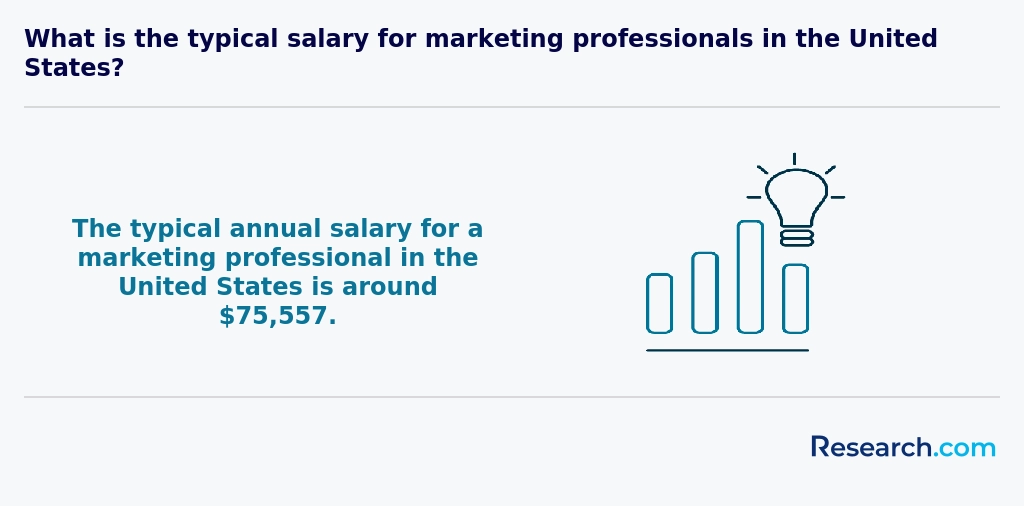
Marketing students in Michigan often rely on a combination of financial aid sources to manage tuition, which at state universities can range from $15,000 to $17,000 annually for in-state students. Many graduates recall how completing the FAFSA early unlocked access to Pell Grants, providing up to $7,395 per year without the burden of repayment. At institutions like the University of Michigan or Michigan State University, this federal aid proved crucial in easing financial pressure during their studies.
Federal student loans, such as Direct Subsidized and Unsubsidized Loans, also provide flexible borrowing options. Graduates note that understanding the difference-subsidized loans not accruing interest while in school versus unsubsidized loans charging interest immediately-helped them make informed decisions tailored to their financial situations.
State programs like the Michigan Competitive Scholarship add targeted support, rewarding academic achievement and need for residents. Students at schools like Wayne State University have described these awards as affirmations of their dedication, boosting both morale and resources.
- Merit scholarships specific to marketing or business colleges offer competitive but rewarding opportunities, encouraging students to maintain strong GPAs and leadership roles.
- Work-study programs provide hands-on marketing experience alongside earnings, making education feel both practical and empowering.
- Private scholarships from groups such as local American Marketing Association chapters can supplement aid and foster early professional networks.
Finally, employer tuition assistance is a growing resource for adult learners balancing work and study, helping them pursue marketing degrees without sacrificing income. These varied aids, when strategically combined, transform what can seem a daunting investment into an attainable goal.
Deciding whether to advance your credentials with an MBA in Marketing requires balancing career aspirations, time commitment, and financial investment. An MBA not only deepens your grasp of strategic marketing principles but also hones leadership and analytical skills that are highly valued in senior roles. If you’re evaluating your options, you may wish to explore what is an mba in marketing to understand program structures, typical coursework, and post-graduate outcomes. Advantages of an MBA in Marketing:
- Accelerated Career Trajectory: Graduates often move into director or VP positions within three to five years post-degree, leveraging advanced case studies and capstone projects to solve real-world marketing challenges.
- Expanded Network: Cohort-based learning, alumni events, and corporate partnerships provide access to senior executives and recruiters, enhancing job placement in competitive industries like automotive and tech.
- Strategic Skill Set: Core modules in market analytics, brand management, and consumer insight equip you to lead cross-functional teams and shape high-impact campaigns. When an MBA Makes Sense:
- Mid-Career Professionals: If you have 3–5 years of marketing experience and aim for managerial or C-suite roles, an MBA can bridge the gap between tactical execution and strategic leadership.
- Career Changers: Those transitioning from roles such as sales, market research, or operations can benefit from the MBA’s broad business curriculum to gain credibility and versatility.
- ROI-Focused Candidates: While tuition ranges from $30,000 to $70,000 annually, many programs report salary increases of 30–50% within two years of graduation, often offsetting debt through accelerated earning potential. Alternatives and Considerations:
- Specialized Master’s Degrees: If your goal is deep technical expertise-such as in digital analytics or consumer neuroscience-a specialized master’s may offer more targeted coursework at lower cost.
- Program Format: Part-time and online MBAs deliver flexibility for working professionals, while full-time, on-campus formats provide immersive experiences and stronger peer collaboration.
- Financial Aid and Employer Sponsorship: Explore scholarships, graduate assistantships, and tuition reimbursement plans to mitigate out-of-pocket expenses. By weighing these factors against your long-term objectives and current market trends, you can determine if pursuing an MBA in Marketing will deliver the strategic insight, professional network, and leadership opportunities necessary to elevate your career.
To enroll in a marketing degree in Michigan, prospective students generally need a high school diploma or GED, with a solid foundation in core subjects like English and math. For example, graduates from Michigan State University's Broad College of Business often highlight how their strong high school preparation eased their transition into marketing coursework.
Though standardized tests like the SAT or ACT were once a staple, many Michigan institutions now adopt test-optional policies. Students who chose to submit scores found that it could complement their applications, but those relying on holistic reviews without test scores still gained admission successfully.
Applications often require letters of recommendation and personal statements. Graduates recall how articulating their passion for marketing and sharing relevant volunteer or work experience in these essays helped demonstrate their readiness beyond academics.
For those pursuing graduate marketing degrees, having a bachelor's in business or related fields with a GPA around 3.0 is typical. Many students appreciate programs at universities where GMAT or GRE scores may be waived, reducing stress and focusing on overall potential.

Marketing degree programs in Michigan generally include a range of courses designed to build practical and strategic skills. Graduates from institutions like the University of Michigan and Michigan State University often recall how courses such as Principles of Marketing provided a solid foundation by introducing essential concepts through case studies based on local businesses. This helped them visualize how marketing strategies play out in real-world settings.
Other key classes include Consumer Behavior, where students analyze why people make certain purchasing decisions, often relating theory to familiar Michigan markets or regional consumer trends. Marketing Research equips students with the ability to gather and interpret data, skills that many found invaluable when working on projects tied to automotive or healthcare companies in the state.
Digital Marketing classes are particularly appreciated for their emphasis on current tools like SEO and social media, offering hands-on experience that students from these universities describe as energizing and immediately applicable. Courses such as Advertising and Promotion and Sales Management round out the curriculum, helping students understand brand messaging and client interactions in competitive environments.
Marketing degrees in Michigan typically offer specializations that reflect both national trends and the state's unique economic landscape. Common tracks include Digital Marketing, which appeals to students eager to master social media and online advertising-skills in high demand among Detroit's innovative startups. Another popular option is Marketing Analytics, prized in Michigan for its strong automotive and manufacturing presence, where data-driven decision-making helps graduates thrive in local market research roles.
Other specializations like Brand Management and Sales Management cater to Michigan's diverse retail and healthcare sectors, enabling graduates from institutions like the University of Michigan and Michigan State University to connect theory with real-world sales and branding strategies developed in nearby corporate partnerships. International Marketing, meanwhile, prepares students to handle cross-cultural challenges often faced by Michigan-based exporters. These varied options mean students must carefully weigh how each specialization aligns with their career goals, especially in the context of the best marketing programs Michigan specializations offer.
Graduates often reflect positively on internships and capstone projects that bring classroom concepts to life in cities such as Ann Arbor and Grand Rapids, fostering excitement and confidence about their professional futures. Those reconsidering their path might find it helpful to explore what is an mba in marketing for further specialization insights.
Choosing the best marketing degree programs in Michigan requires more than just considering reputation; you must weigh accreditation, curriculum relevance, and industry connections. Graduates from universities in Detroit and Ann Arbor often highlight how the AACSB accreditation assured them rigorous standards and facilitated credit transfers when they pursued advanced studies.
Students who focused on digital marketing or consumer behavior found programs in Grand Rapids particularly engaging, thanks to tailored courses aligned with local job markets. However, affordability cannot be overlooked. Many find that affordable marketing colleges in Michigan still offer strong faculty and practical internships, especially those with ties to automotive giants or tech startups.
One effective approach is to explore financial aid and scholarship options early to offset the average annual costs, which differ markedly between public and private institutions. For prospective students aiming to balance quality and cost, consulting Low Cost Marketing Degree Programs can provide valuable guidance. Emulating alumni experiences who secured internships at major companies also helps clarify which programs translate academic knowledge into rewarding careers.
Graduates with a marketing degree in Michigan often find themselves drawn to diverse career paths shaped by the state's economic landscape. Many secure roles in brand management, especially around university hubs like Ann Arbor or Detroit, where companies prioritize strong brand identities to compete globally. These positions involve managing campaigns and analyzing consumer trends, offering practical challenges that graduates appreciate as they apply classroom theories.
Digital marketing is another vibrant area attracting graduates, particularly those who studied at prominent Michigan institutions. Roles in social media strategy and SEO tap into the growing tech sectors nearby and align with the demand for skills grounded in real-world consumer behavior. This career option underscores robust marketing degree job opportunities in Michigan, reflecting a blend of creativity and data analysis that graduates find rewarding.
Some graduates pursue market research analyst roles, benefiting from Michigan's automotive and healthcare industries that rely heavily on consumer insights. Others move toward sales management, which provides leadership opportunities and competitive salaries, vital for those weighing career options with marketing degree Michigan offers. For students exploring these paths, resources like the best college degrees to get can offer further guidance to match ambitions with viable career options.
The marketing job outlook in Michigan reflects a promising yet competitive environment, especially for graduates from well-known institutions such as the University of Michigan and Michigan State University. Graduates often share how internships integrated into their curriculum provided crucial hands-on experience, helping them stand out in a job market where digital marketing, SEO, and data analytics skills are increasingly valued. Despite a mean annual wage for marketing managers around $128,500-slightly below some coastal cities-regional economic diversity offers various sectors like manufacturing and automotive that actively seek marketing expertise.
Recent graduates highlight that Michigan's marketing degree employment prospects improve when combining academic knowledge with real-world projects and cooperative education. For many, the investment into a degree costing between $14,000 to over $35,000 annually pays off quickly, as most find relevant roles within six months. Those unsure about commitment might explore options like the easiest online bachelor's degree to begin building credentials while considering their next steps.
2027 Most Valuable Marketing Degree Programs Ranking in Michigan
Investing in your education is a significant decision that requires careful consideration, and the Research.com team is committed to supporting you in making well-informed choices. To provide a reliable guide for prospective students, we have developed the "2027 Most Valuable Marketing Degree Programs Ranking in Michigan" with a focus on quality, credibility, and accuracy. Our analysis is grounded in thorough research using multiple trusted data sources.
We utilized the following reputable data sources to ensure a comprehensive evaluation of marketing degree programs:
By exploring this ranking, readers will gain valuable insights into the most valuable marketing programs in Michigan, empowering them to choose a program that aligns with their goals and aspirations. For a detailed explanation of our ranking process, please visit our Research.com methodology page.


# 6 position
Ferris State University
Bachelor of Business, Management, Marketing, and Technology Education


# 20 position
Walsh College
Bachelor of Science in Marketing

Frequently Asked Questions About marketing
Marketing degree students in Michigan can maximize their learning experience by engaging in internships with local businesses and major companies such as General Motors or Ford, which frequently seek marketing interns. Practical experience complements academic knowledge and improves job prospects. Additionally, joining student chapters of professional organizations like the American Marketing Association offers networking opportunities and access to workshops tailored to current industry trends.
Taking advantage of Michigan's diverse economy, students should explore courses focusing on digital marketing, analytics, and consumer behavior, fields known for growth nationwide. According to the Bureau of Labor Statistics, Michigan's marketing job market is expected to grow by 6% through 2030, underscoring the importance of gaining relevant skills now.
The marketing field is evolving quickly, and several emerging niches are gaining traction in Michigan. Digital marketing remains dominant, but specialties like data analytics and consumer behavior modeling are growing fast. According to the U.S. Bureau of Labor Statistics, roles in marketing analytics are expected to grow 23% nationally through 2032, with Michigan showing increased demand in urban centers like Detroit and Ann Arbor.
Another emerging niche is social media strategy, focusing on platforms like TikTok and Instagram to reach younger audiences. Additionally, sustainable and ethical marketing is becoming important, driven by Michigan's strong automotive and manufacturing industries adapting to green policies.
Neuromarketing, which studies consumer brain responses, is also gaining interest, especially within research hubs around Michigan universities.
After earning a marketing degree in Michigan, preparing for the job market involves strategic steps to increase employability. Michigan's economy supports diverse marketing roles, especially in Detroit's expanding tech and automotive sectors. Graduates should leverage internships, which 60% of Michigan marketing students reportedly complete, to gain practical experience (Michigan Department of Labor, 2023).
Building a strong professional network is essential. Joining local chapters of organizations like the American Marketing Association provides valuable connections. Additionally, keeping skills current with digital marketing trends is crucial, as 75% of Michigan marketing employers seek expertise in data analytics and social media management (Bureau of Labor Statistics, 2023).
Certifications such as Google Analytics or HubSpot can further enhance resumes and demonstrate specialized knowledge to potential employers.
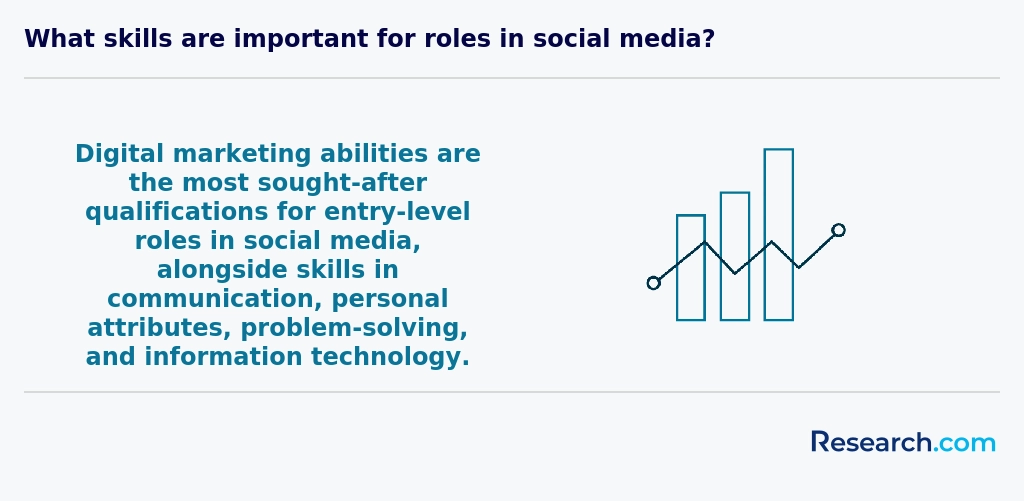
Employers in Michigan increasingly seek marketing graduates who possess strong digital marketing skills. According to the Michigan Department of Labor, proficiency in social media strategy, SEO, and data analytics ranks high among job requirements. These skills enable students to navigate the evolving online marketplace effectively.
Communication is another critical skill. Marketing professionals must craft clear, persuasive messages tailored to diverse audiences. Employers also value teamwork and project management abilities, reflecting the collaborative nature of modern marketing campaigns.
Analytical thinking stands out as well. The ability to interpret market research and consumer data helps graduates make informed decisions. Michigan's competitive business environment demands candidates who combine creativity with data-driven insights.
Finding marketing internships in Michigan involves a strategic approach combining school resources and local industry engagement. Universities like the University of Michigan and Michigan State University offer dedicated career centers that list internships tailored for marketing students.
Networking events and job fairs in Michigan's major cities, such as Detroit and Grand Rapids, provide opportunities to connect with marketing professionals. The state's diverse economy includes automotive, technology, and healthcare sectors, all actively hiring marketing interns.
Online platforms like Handshake and LinkedIn also feature Michigan-based internships. According to the Michigan Department of Labor, marketing-related positions have grown 5% annually, indicating healthy demand for interns.
Engaging with Michigan Marketing Association chapters can increase exposure to internship openings often not publicly advertised.
A marketing degree in Michigan significantly enhances career mobility and advancement opportunities. According to the Bureau of Labor Statistics, Michigan's marketing manager roles are projected to grow 10% from 2021 to 2031, which is faster than the average for all occupations. This growth is driven by increasing demand in industries like automotive, technology, and healthcare, all prominent in Michigan's economy.
Graduates with marketing degrees gain critical skills in data analysis, digital marketing, and consumer behavior, which employers highly value.
Additionally, many Michigan companies prefer candidates with formal marketing education for leadership roles, often offering higher salaries and faster promotion paths to degree holders.
The state's multiple accredited universities provide networking and internship opportunities that further support career advancement.
Studying for a marketing degree in Michigan equips students with skills beyond traditional marketing through interdisciplinary coursework. Many programs integrate studies in business analytics, communication, psychology, and digital technology, reflecting the diverse demands of the marketing field.
Michigan's economy, strong in automotive, healthcare, and tech industries, encourages marketing students to collaborate across sectors. For example, courses often emphasize data-driven decision-making learned from business analytics programs, as reported by Michigan Economic Development Corporation.
Universities also promote experiential learning, linking marketing studies with finance, IT, and management, preparing graduates to function effectively in cross-disciplinary teams. This approach aligns with job trends by the Bureau of Labor Statistics, which highlights increasing demand for versatile marketing professionals able to interpret data and collaborate broadly.
When choosing between a thesis and a non-thesis marketing degree program in Michigan, consider your career goals and learning preferences. Thesis programs typically involve conducting original research and writing a formal thesis, which can benefit students aiming for research roles or doctoral studies. Non-thesis programs focus more on practical skills and coursework, suitable for those targeting immediate employment in Michigan's robust marketing sector.
Michigan hosts several universities where marketing graduates find opportunities in automotive, tech, and retail industries, with a reported 6.2% job growth in marketing positions by 2028 (U.S. Bureau of Labor Statistics). Understanding these paths can help align your degree choice with local market demands.
Students based in Michigan who want to study marketing abroad have several pathways through their home institutions. Many Michigan universities with marketing programs, such as the University of Michigan and Michigan State University, offer study abroad options in business hubs like London, Paris, and Singapore. These programs often focus on international business and marketing strategies, providing valuable global perspectives.
Some students may also take advantage of exchange programs or short-term summer courses designed to fit within their degree timelines. These options are beneficial since they often provide credit transfer agreements, ensuring students stay on track for graduation.
According to the Institute of International Education, nearly 12% of U.S. business undergraduates participate in study abroad programs, highlighting the growing importance of global exposure in marketing education.
Students pursuing marketing degrees in Michigan can find several part-time job opportunities that enhance their education and practical skills. Roles such as social media coordinators, content creators, and marketing assistants are common in cities like Detroit and Grand Rapids. These positions allow students to apply classroom theories to real-world campaigns and gain experience in digital marketing, SEO, and consumer behavior.
According to the Michigan Department of Labor and Economic Opportunity, marketing-related jobs are expected to grow by 8% through 2030, reflecting expanding opportunities for students.
Internships at local advertising agencies or retail companies also provide valuable insights into market research and strategy development. Working part-time in these fields can significantly strengthen a resume for future full-time roles in marketing.
Marketing students in Michigan have access to numerous networking opportunities that can enhance their career prospects. Many universities in the state, such as the University of Michigan and Michigan State University, host marketing clubs and student organizations that connect students with industry professionals through workshops, guest lectures, and career fairs.
The Michigan Marketing Association (MMA) is a key resource that offers events, conferences, and mentorship programs specifically aimed at marketing students and young professionals within the state.
Additionally, Michigan's diverse economy, including automotive and technology sectors, creates numerous internship possibilities that facilitate real-world connections. According to the Bureau of Labor Statistics, marketing job growth in Michigan is steady, increasing demand for skilled graduates.
Alumni networks play a significant role in supporting marketing degree students in Michigan. These networks provide valuable opportunities for mentorship, internships, and job placements by connecting current students with graduates working in the marketing field. For example, Michigan's strong corporate presence, including companies like General Motors and Kellogg, offers diverse prospects through alumni connections.
According to a 2023 report by the Michigan Economic Development Corporation, 68% of marketing graduates found jobs through networking opportunities, including alumni referrals. Active alumni organizations also host events that help students build professional relationships and stay updated with industry trends.
Such networks enhance career readiness by offering guidance on resume building, interview preparation, and professional development, which benefits students navigating the competitive marketing job market in Michigan.
To customize a marketing degree program in Michigan, students should explore electives aligned with their career goals, such as digital marketing, consumer analytics, or branding. Many universities in Michigan offer flexible curricula allowing concentration choices that reflect industry demands. For example, data from the U.S. Bureau of Labor Statistics shows a 9% growth in marketing analyst roles statewide through 2030, highlighting the value of analytic-focused studies.
Internships with Michigan-based companies can provide practical experience and networking opportunities. Additionally, selecting courses emphasizing emerging technologies or sustainability marketing can set students apart in the competitive Detroit and Grand Rapids job markets. Consulting academic advisors can help tailor a program to specific ambitions.
Marketing students in Michigan often face challenges related to rapidly changing digital trends and technologies. Keeping up with tools like SEO, social media algorithms, and data analytics requires continuous learning and adaptability. According to the Bureau of Labor Statistics, Michigan's marketing sector is expected to grow only modestly, which can limit local internship and job opportunities for graduates.
Additionally, competition among students is high due to multiple strong universities offering marketing programs, such as the University of Michigan and Michigan State University. This intensifies the pressure to gain practical experience alongside classroom learning.
Another common challenge is balancing theoretical knowledge with real-world application, as students must often seek external internships or freelance projects to build portfolios valued by employers in Michigan's diverse economy.
With a marketing degree in Michigan, many graduates enhance their careers by pursuing recognized professional certifications. Popular certifications include the American Marketing Association's Professional Certified Marketer (PCM), highly regarded nationwide for validating expertise in marketing strategy and management.
Additionally, digital marketing credentials such as the Google Analytics Individual Qualification and HubSpot Inbound Marketing Certification are valuable. These certifications align well with Michigan's growing digital marketing sector, particularly in metro areas like Detroit and Grand Rapids.
According to the Bureau of Labor Statistics, Michigan had over 14,000 marketing specialists in 2023, showing demand for skilled professionals with advanced credentials. Earned certifications can improve job prospects and salary potential in the competitive Michigan market.
To write a winning application for a marketing program in Michigan, begin by highlighting relevant academic achievements, such as strong grades in business and communications courses. Many Michigan universities, like Michigan State University, value applicants who demonstrate both analytical and creative skills.
Craft a compelling personal statement that clearly explains your motivation for studying marketing. Mention your career goals and how the program aligns with the evolving Michigan job market, where marketing roles are projected to grow by 7% between 2022 and 2032 according to the U.S. Bureau of Labor Statistics.
Include any marketing-related internships or projects to show practical experience. Finally, secure strong recommendations from professionals or instructors familiar with your skills to strengthen your application.
Marketing careers in Michigan reflect broader global trends emphasizing digital skills and data analysis. According to the U.S. Bureau of Labor Statistics, marketing manager jobs are expected to grow about 10% nationwide from 2022 to 2032, aligning with growing business needs for global outreach. Michigan's diverse economy, including automotive and tech industries, offers marketing professionals unique chances to engage with international markets.
Globally, marketing roles increasingly demand cultural awareness and adaptability. A 2023 report by the American Marketing Association highlights that professionals with global marketing expertise are 30% more likely to be hired for leadership roles. Students in Michigan can build this competitive edge through courses focusing on international marketing strategies and digital communication.
Gaining practical experience is essential when pursuing a marketing degree in Michigan. Many universities encourage students to participate in internships with local businesses, agencies, and corporations, which provide real-world exposure to marketing strategies and campaigns. According to the Michigan Economic Development Corporation, internships in marketing-related fields are growing at a rate of 4.8% annually statewide.
Students can also join university-sponsored marketing clubs and case competitions, allowing them to apply theoretical knowledge in team environments. Additionally, cooperative education programs (co-ops) offer paid, semester-long opportunities combining coursework with professional work experience.
These options help build valuable skills and strengthen resumes for Michigan's competitive job market.
Choosing the right concentration within a marketing degree program in Michigan involves evaluating your career goals and local market trends. Popular concentrations include digital marketing, market research, and brand management, each aligning with different industry demands. For instance, Michigan's growing automotive and technology sectors often seek expertise in digital and data-driven marketing. According to the U.S. Bureau of Labor Statistics, employment for marketing managers in Michigan is projected to grow about 6% through 2030, highlighting opportunities in strategic marketing roles.
Consider programs offering internships or partnerships with Michigan businesses to gain practical experience. Researching faculty expertise and alumni outcomes in specific concentrations can also guide your choice.
- 2027 Most Valuable Marketing Degree Programs Ranking in Indiana
- 2027 Most Valuable Marketing Degree Programs Ranking in Illinois
- 2027 Most Valuable Marketing Degree Programs Ranking in Minnesota
- 2027 Most Valuable Marketing Degree Programs Ranking in Iowa
- 2027 Most Valuable Marketing Degree Programs Ranking in Missouri
- 2027 Most Valuable Marketing Degree Programs Ranking in Maryland
- 2027 Most Valuable Marketing Degree Programs Ranking in Connecticut
- 2027 Most Valuable Marketing Degree Programs Ranking in Arkansas
- 2027 Most Valuable Marketing Degree Programs Ranking in Georgia
- 2027 Most Valuable Marketing Degree Programs Ranking in Alabama
See What Experts Have To Say About Studying Marketing
Read our interview with Marketing experts

Sonya A. Grier, Ph.D.
Marketing Expert
Professor, Department of Marketing
American University

John R. Meindl
Marketing Expert
Adjunct Assistant Professor of Marketing
Hofstra University

- Empowering Michigan's Future: A Community College Success Story - Advance Education https://www.advanceeducation.com/case-study/empowering-michigans-future-a-community-college-success-story/
- Top 5 marketing skills employers are looking for in 2025 https://www.konkergroup.com/top-5-marketing-skills-employers-are-looking-for-in-2025/
- Student Jobs and Networking: Unlock Career Success Early https://ydiak.hu/en/student-jobs-why-is-networking-important
- How to Get a Summer Internship in Marketing in 2026 (Agency, In-House, and Startup) https://whali.co.uk/blog/summer-internship-marketing-guide
- Marketing Assistant Cover Letter Sample https://www.kickresume.com/en/help-center/marketing-assistant-1-cover-letter-sample/
- A Sample of Personal Career Goals and Career Strategy for Marketing Manager https://research-methodology.net/a-sample-of-personal-career-goals-and-career-strategy-for-marketing-manager/
- The Importance of Networking for Students Entering the Marketing Industry https://moviamedia.com/moving-billboard-blog/the-importance-of-networking-for-students-entering-the-marketing-industry/
- 8 Top Marketing Certification Programs That Will Advance Your Career in 2026 | Modern Marketing Institute https://www.modernmarketinginstitute.com/blog/8-top-marketing-certification-programs-that-will-advance-your-career-in-2026
- Marketing Manager Salaries State-by-State https://www.allbusinessschools.com/marketing/salary/
- Career Goals: 17 Inspirational Examples for you in 2026 https://www.imd.org/blog/learning-and-development/career-goals/