2027 Library Science Degree Specialization Pay Report: Which Academic Tracks Lead to the Highest Earnings

Co-Founder and Chief Data Scientist
Choosing a Library Science specialization can shape the jobs you qualify for, the industries you can enter, and how quickly your degree pays off. The U. S. Bureau of Labor Statistics reported a $64,320 median annual wage for librarians and media collections specialists in May 2024, but pay varies widely by setting, technology skills, management scope, and credentials. This guide is for students comparing MLIS, school library, archives, data curation, health sciences, law, and public service tracks. You will learn which paths show stronger earning signals and how to balance salary potential with cost, fit, and long-term mobility.
Key Things You Should Know
- The highest-earning Library Science tracks are usually technology- and organization-facing: data curation, information architecture, taxonomy, knowledge management, library systems, law librarianship, and corporate information roles tend to have stronger pay upside than general public-service tracks.
- Degree level matters: many professional librarian roles prefer or require an ALA-accredited master's degree, while bachelor's-level library jobs often start in support roles and doctoral study is usually most valuable for research, teaching, or senior academic leadership.
- Use salary data carefully: the May 2024 BLS median for librarians and media collections specialists was $64,320, but specialization pay depends heavily on employer type, region, technical skills, union rules, school certification, and management responsibility.
- Which Library Science Degree Specializations Lead to the Highest Earnings?
- How Does Library Science Specialization Pay Vary by Degree Level?
Which Library Science Degree Specializations Lead to the Highest Earnings?
The Library Science specializations with the strongest earning potential are generally those that connect information organization to high-value employer problems: legal research, health information access, data governance, digital collections, user experience, records strategy, and enterprise knowledge management. A general MLIS can still lead to stable careers, but tracks with technical, regulatory, or business-facing skills often open a wider salary range.
The table below compares common academic tracks by their typical pay signal and career fit. Because the federal government does not publish salary data by every Library Science concentration, use these as evidence-based indicators rather than guaranteed outcomes.
| Library Science specialization | Common roles | Earning signal | Best fit |
| Data curation, informatics, and digital stewardship | Data curator, digital scholarship specialist, research data librarian, metadata strategist | High when paired with data management, repositories, coding, or research computing | Students who like structured data, research support, and technical workflows |
| Information architecture, taxonomy, and knowledge management | Taxonomist, knowledge manager, content strategist, ontology specialist | High in corporate, software, consulting, and regulated industries | Students who want library skills outside traditional library settings |
| Law librarianship and legal information | Law librarian, legal research specialist, competitive intelligence analyst | High in law firms, courts, corporate legal departments, and specialized academic law libraries | Students comfortable with legal databases, advanced research, and client-facing work |
| Health sciences and medical librarianship | Medical librarian, evidence synthesis specialist, clinical informationist | Moderate to high, especially in hospitals, universities, and research organizations | Students interested in healthcare research, systematic reviews, and evidence-based practice |
| Library systems, UX, and digital services | Systems librarian, discovery services librarian, web services librarian, UX librarian | High when the role includes platforms, analytics, accessibility, or vendor systems | Students who enjoy troubleshooting, user behavior, and technology implementation |
| Archives, preservation, and special collections | Archivist, digital archivist, preservation specialist, records archivist | Variable; stronger in digital archives, government records, and institutional collections | Students focused on history, records, cultural heritage, and long-term access |
| School library media | School librarian, media specialist, instructional technology librarian | Stable where state certification and district salary schedules support advancement | Students who want teaching, literacy, curriculum, and K-12 student engagement |
| Public librarianship, youth services, and community engagement | Reference librarian, children's librarian, outreach librarian, branch manager | Moderate; advancement often depends on management responsibility and municipal budgets | Students who prioritize public service, literacy, access, and community programming |
A practical way to read this table is to separate specialization name from labor-market function. "Archives" may sound niche, but digital records management can be marketable; "data curation" may sound technical, but it still relies on classic Library Science strengths such as metadata, preservation, discovery, and ethical access.
How Does Library Science Specialization Pay Vary by Degree Level?
Library Science pay varies by degree level because employers use credentials to screen for different responsibilities. A bachelor's degree may qualify someone for library assistant, records, publishing, or information support roles, while many librarian, archivist, and academic library positions prefer an MLIS or equivalent graduate degree. Senior leadership roles may also reward management experience more than the specialization title itself.
The table below shows how degree level usually changes the opportunity set. It is especially useful if you are deciding whether a higher-cost graduate program is necessary for the track you want.
| Degree level | Typical Library Science pathway | Pay implications | Important caution |
| Associate or certificate | Library technician, circulation, records support, paraprofessional roles | Often the lowest-cost entry path, but advancement may be limited without additional credentials | May not meet requirements for professional librarian roles |
| Bachelor's degree | Information studies, archives support, publishing, public service, digital content support | Can lead to early experience, especially in systems or records roles | Some employers still require a master's for librarian title and salary bands |
| Master of Library and Information Science | Professional librarian, archivist, data services, school library, academic library, law or health sciences track | Often the main credential for stronger professional mobility | ROI depends on tuition, scholarships, assistantships, and whether the curriculum matches target roles |
| Doctorate or second graduate degree | Faculty, research leadership, senior administration, specialized law or health information roles | Can improve advancement in selected academic, research, or executive settings | Not always necessary for higher pay; experience and management scope may matter more |
Students should also compare Library Science with other fields where degree level directly changes licensure or clinical scope. For example, an online exercise physiology degree may lead to a different credentialing and labor-market structure than an MLIS, even if both programs are marketed as flexible online degrees.
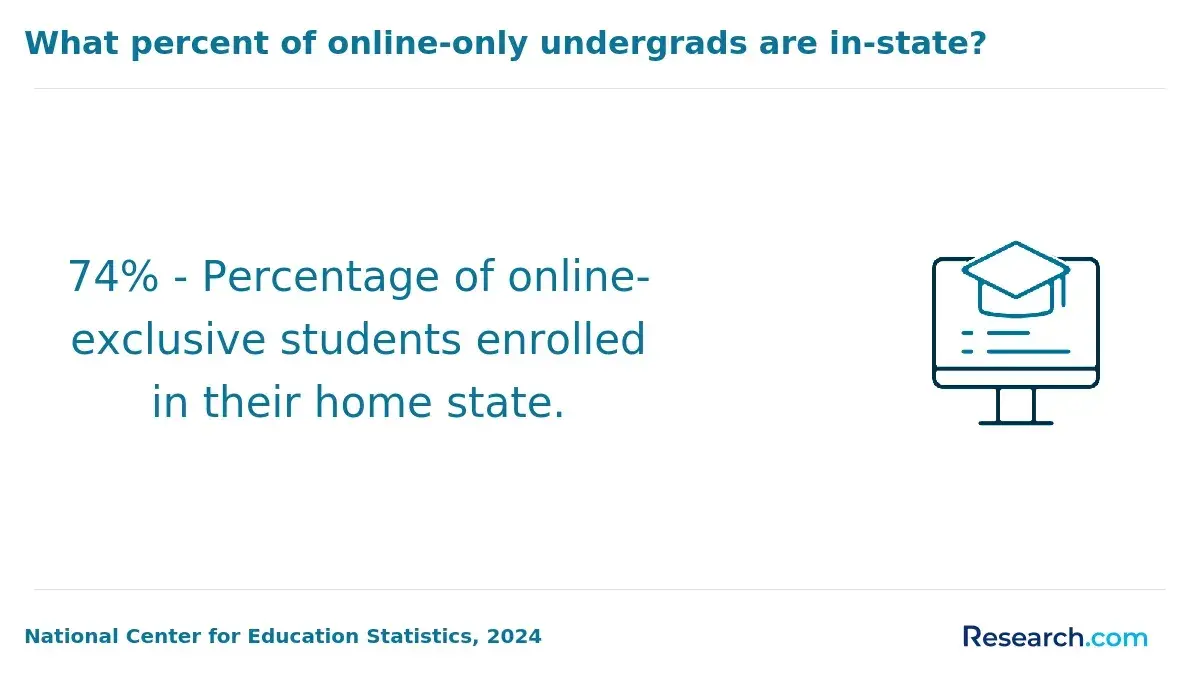
Industry can matter as much as specialization. The same Library Science skill set may be paid differently in a public library, law firm, research university, federal agency, hospital, technology company, or consulting environment because each employer values information work in a different way.
The following comparison explains which industries tend to reward specific academic tracks. Use it to test whether a specialization aligns with the employers you actually want to work for.
| Industry or employer setting | Library Science tracks with stronger fit | Why pay may be stronger | Trade-off to consider |
| Corporate knowledge management and technology | Taxonomy, information architecture, UX, data curation, content strategy | Information organization supports search, product content, compliance, analytics, and customer experience | Job titles may not include "librarian," so students must market transferable skills clearly |
| Law firms and legal departments | Law librarianship, legal research, competitive intelligence, records management | Specialized research can directly support billable work, litigation, and business development | Employers may prefer legal database expertise or prior law library experience |
| Hospitals, medical schools, and research centers | Health sciences librarianship, evidence synthesis, data services | Roles support clinical decisions, systematic reviews, grant-funded research, and scholarly communication | Students may need comfort with biomedical databases and research methods |
| Federal, state, and local government | Records management, archives, digital preservation, public information, data governance | Public agencies need defensible records, long-term access, and compliance-based information systems | Hiring may be slow and tied to civil-service rules or budget cycles |
| Colleges and universities | Academic librarianship, digital scholarship, data services, archives, scholarly communication | Advanced roles may combine teaching, research support, technology, and faculty collaboration | Some positions require a second subject master's or scholarship expectations |
| K-12 education | School library media, instructional technology, literacy leadership | Pay follows district salary schedules and may improve with certification, tenure, and graduate credits | State requirements vary, and school librarian jobs are not equally funded in every district |
For readers focused on earnings, the key question is not only "Which specialization pays most?" but "Which employers pay for this expertise?" A data curation concentration may have strong upside if it leads to research data services or enterprise information roles, but it may not deliver the same return if the local market has few technical library positions.
The strongest long-term advancement potential usually comes from tracks that can grow into management, strategy, technology ownership, or cross-functional leadership. In Library Science, pay often rises when a professional moves from service delivery to system ownership, budget responsibility, staff supervision, data governance, or institutional strategy.
These advancement pathways are especially important because the BLS projected employment for librarians and library media specialists to grow about 3% from 2023 to 2033, which is a modest outlook. In a slower-growth field, specialization, leadership skills, and mobility across industries can matter more than simply holding the degree.
| Academic track | Long-term advancement path | Why it can improve earning potential | Possible ceiling |
| Data curation and digital scholarship | Research data services lead, digital scholarship director, repository manager | Combines library expertise with research infrastructure and institutional data needs | May require ongoing technical training and grant experience |
| Information architecture and knowledge management | Senior taxonomist, knowledge management director, content operations lead | Transfers well to corporate, consulting, software, and compliance environments | Requires business communication and measurable impact beyond library terminology |
| Library systems and technology | Systems manager, head of digital services, technology strategy lead | Employers often pay more for professionals who manage platforms, integrations, and vendor relationships | Technical change is constant, so skills can become outdated without practice |
| Law or health sciences librarianship | Special collections lead, evidence synthesis manager, firm library director, clinical information leader | Specialized research can support high-stakes decisions in regulated or expert-driven fields | Career mobility may depend on subject expertise and employer networks |
| Public or academic library management | Branch manager, department head, dean or director of libraries | Leadership roles add budget, staff, policy, and community responsibility | Promotion may depend on openings, union rules, and institutional budgets |
Students who want maximum flexibility should consider a "T-shaped" strategy: build broad MLIS foundations, then add one deep specialization in data, systems, law, health, archives, or management. This approach reduces the risk of becoming too narrow while still signaling a marketable direction.
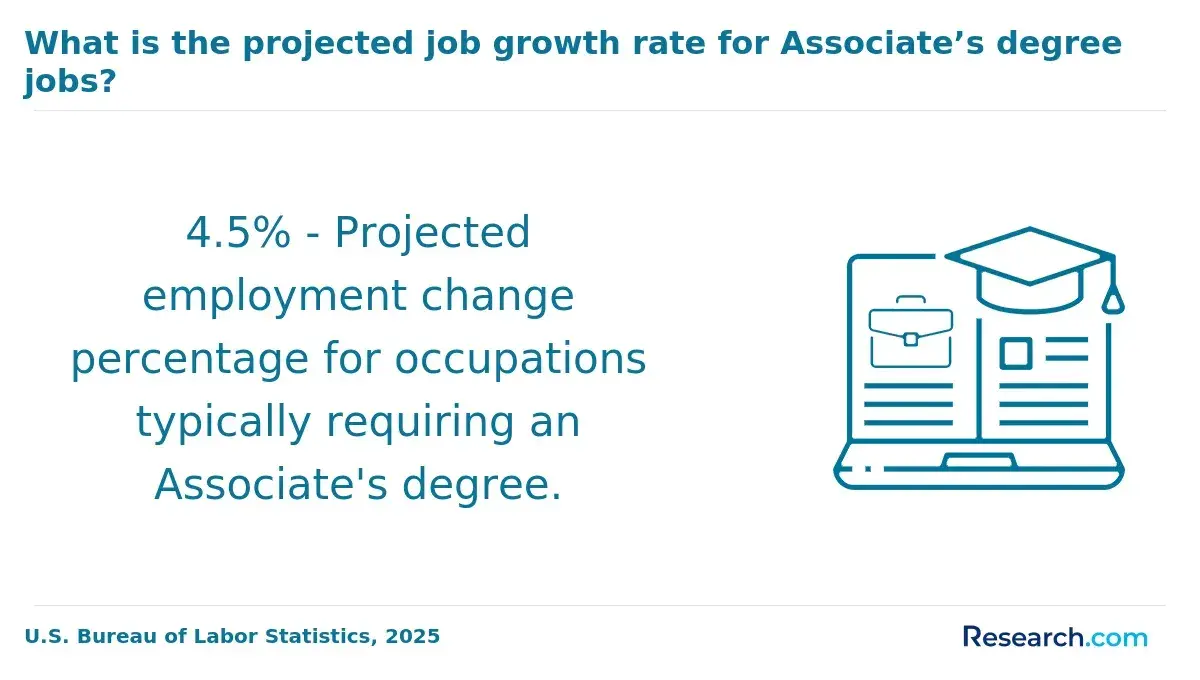
Location affects Library Science specialization pay because many library jobs are tied to local government, school districts, universities, hospitals, or public agencies. A specialization that pays well in a major research corridor may have fewer openings in a rural market, while a public library management path may be more realistic for someone committed to a specific city or county.
Remote work has changed the equation, but unevenly. Taxonomy, metadata, digital asset management, knowledge management, content operations, and some research data roles are more likely to offer hybrid or remote options than children's services, circulation-heavy public roles, physical archives processing, or school library media positions.
When comparing locations, students should evaluate the job market in a practical sequence rather than relying on national salary medians alone.
- Search recent job postings in the region where you plan to live and record the exact titles used for your target specialization.
- Compare posted salary bands against local cost of living, commuting costs, union schedules, and public-sector pay steps.
- Check whether employers require an ALA-accredited MLIS, school certification, subject master's, language skills, technology experience, or previous library work.
- Look for hybrid or remote-friendly employers in adjacent sectors such as edtech, publishing, legal services, healthcare research, government contracting, and software content operations.
- Ask programs for placement examples by specialization and region, not just overall employment outcomes for the whole MLIS cohort.
The main red flag is choosing a specialization because it appears high-paying nationally without confirming that employers in your preferred location hire for it. If you are location-bound, a slightly lower-paid but locally abundant track may produce a better return than a high-upside niche with few nearby openings.
The most marketable Library Science specializations combine information ethics, user service, metadata, technology, and domain knowledge. AI has increased the value of professionals who can evaluate sources, structure knowledge, manage taxonomies, improve search, and explain how information systems should work for real users.
Students comparing tracks should look for courses and projects that produce concrete evidence of skill. The following skill clusters are especially useful when pay potential is part of the decision.
- Metadata and standards: Dublin Core, MARC, BIBFRAME, linked data, controlled vocabularies, authority control, archival description, and schema design.
- Data and digital stewardship: research data management, repository workflows, data documentation, digital preservation, open access, and reproducibility practices.
- Technology and systems: integrated library systems, discovery platforms, APIs, scripting basics, authentication, accessibility, analytics, and vendor management.
- Specialized research: legal research, biomedical databases, systematic review methods, government information, patent searching, competitive intelligence, and scholarly communication.
- Management and communication: project management, budgeting, staff supervision, change management, grant writing, assessment, and stakeholder communication.
Data-intensive Library Science tracks increasingly overlap with adjacent fields that organize biological, clinical, and research information. Students interested in that direction may find it useful to compare MLIS data curation coursework with careers with a bioinformatics degree, especially if they are deciding between information management and computational science pathways.
Salary potential only matters if it makes sense relative to program cost, debt, opportunity cost, and the likelihood that you will enter the roles you are targeting. A lower-cost MLIS with strong internships and relevant electives may outperform a more expensive program if both lead to the same employer network.
One useful cost benchmark is the federal graduate Direct Unsubsidized Loan limit, which allows eligible students to borrow up to $20,500 per academic year. That figure does not represent what you should borrow, but it helps show how quickly graduate debt can rise if tuition, fees, living costs, and unpaid internships are not planned carefully.
Before choosing a specialization, compare return on investment using a structured process.
- Estimate total program cost, including tuition, fees, books, technology, travel, residency requirements, and lost work hours.
- Identify the specific job titles connected to the specialization and collect real salary ranges from current postings.
- Ask whether the program offers assistantships, paid practicums, scholarships, employer partnerships, or tuition discounts for online students.
- Check whether required internships are paid, remote-friendly, or located near employers that hire in your target track.
- Compare the specialization's salary upside with its risk: narrow job market, relocation needs, extra certification, or longer time to promotion.
- Choose the lowest-cost credible route that still gives you the coursework, accreditation, portfolio, and network your target employers expect.
This same ROI logic applies across professional degrees. A student comparing an MLIS with a healthcare pathway such as the best online pharmacy school should remember that tuition, licensure, clinical requirements, and salary structures are very different, so headline wages alone are not a fair comparison.
Credentials can change Library Science earnings, but their value depends on the role. Some credentials are essential because employers or states require them, while others are optional signals that help candidates compete for specialized jobs.
The most important credential decision is whether the target role requires an ALA-accredited MLIS, a state school library license, a teaching credential, subject expertise, or technical proof of competency. The list below shows how credentials usually affect specialization value.
- ALA-accredited MLIS: often preferred or required for professional librarian roles, especially in academic, public, and some specialized libraries.
- School library certification: commonly required for K-12 school librarian or media specialist roles, with exact rules varying by state.
- Archives and records credentials: may strengthen applications for archives, preservation, and records management roles, particularly when paired with practical collections experience.
- Health sciences training: systematic review methods, medical database searching, and evidence synthesis experience can improve competitiveness for hospital and academic medical library roles.
- Technology certificates: coursework or certificates in data analytics, UX, project management, accessibility, coding, or cloud platforms may help systems, taxonomy, and digital services candidates.
Library Science differs from many licensed clinical or vocational programs because the MLIS is often a professional hiring credential rather than a state practice license. For contrast, a healthcare route such as an LPN fast track program is more directly tied to licensure requirements, clinical training, and state board rules.
The best Library Science specialization is not automatically the one with the highest salary ceiling. It is the track that connects your strengths, preferred work setting, geographic flexibility, program cost, and long-term advancement plan to real employer demand.
Use the following decision framework before committing to a concentration. It helps prevent common mistakes such as choosing based only on advertised salary, ignoring degree requirements, or overlooking the difference between entry-level access and long-term pay growth.
- Start with target roles, not course titles: choose three to five job titles you would actually want, then work backward to the specialization, skills, and credentials those postings request.
- Check employer demand: compare public libraries, universities, schools, law firms, hospitals, government agencies, and corporate information teams in your preferred region.
- Separate salary ceiling from probability: a high-upside corporate taxonomy role may be attractive, but a school library or public library management path may be more accessible depending on your background and location.
- Evaluate curriculum depth: make sure the program offers advanced electives, practicum options, faculty expertise, and portfolio projects in the track, not just one introductory course.
- Confirm accreditation and licensure needs: verify ALA accreditation, state school library requirements, teaching credentials, or employer-specific preferences before enrolling.
- Plan for evidence of skill: graduate with work samples such as metadata records, finding aids, data management plans, UX reports, research guides, digital exhibits, or systems documentation.
- Recalculate ROI before enrollment: compare total cost with likely salary bands, time to completion, paid experience opportunities, and whether relocation or remote work is realistic.
If you are still choosing between broad professional directions, compare Library Science against fields with different labor-market structures, such as an online exercise physiology degree. The right choice depends on whether you prefer information systems, research support, public service, education, healthcare, technology, or direct client-facing practice.
Entry-level earnings in Library Science are strongest when students graduate with job-ready evidence of specialized ability, not just a concentration name on a transcript. Early-career candidates often compete for roles where employers want practical experience with cataloging systems, metadata standards, reference interviews, archives platforms, data repositories, accessibility, or vendor tools.
The best entry-level pay signals usually appear in tracks that let students build a portfolio, practicum record, or technical sample. The list below summarizes where new graduates may have a stronger first-job advantage.
- Library systems and digital services: entry-level candidates who can troubleshoot discovery layers, integrated library systems, authentication tools, accessibility issues, or analytics dashboards may stand out quickly.
- Data curation and research data services: students who understand metadata, repository workflows, data management plans, and open science practices can compete for research-support roles earlier.
- Law and health sciences librarianship: specialized database searching, citation management, evidence review support, and subject familiarity can improve competitiveness for assistant or associate professional roles.
- Archives with digital skills: candidates with experience in digital preservation, born-digital processing, digitization workflows, and records metadata often have a stronger profile than those with only general archival coursework.
- School library media: entry-level outcomes can be more predictable when the candidate has the exact state certification, teaching requirements, and district qualifications needed for school librarian roles.
A common mistake is assuming the highest long-term track is also the easiest entry-level track. Corporate taxonomy or knowledge management may pay well, but new graduates may need internships, content strategy samples, domain knowledge, or analytics experience before they can compete outside traditional libraries.
Other Things You Should Know About Library Science
Technology- and business-facing tracks often show the strongest earning potential, especially data curation, information architecture, taxonomy, knowledge management, library systems, law librarianship, and specialized health sciences roles. Pay still depends on employer, location, experience, and whether the role includes management or technical responsibility.
An MLIS is often worth considering if your target jobs require or strongly prefer it, especially in academic, public, school, archives, law, or health sciences library settings. It is less clear if your goal is a corporate information role where employers may value portfolio evidence, analytics, content strategy, or technical experience as much as the degree.
Yes, some graduates earn more in adjacent roles such as taxonomy, knowledge management, digital asset management, records strategy, UX research support, content operations, and data stewardship. These roles may not use the title "librarian," so students need to translate MLIS skills into employer language.
The biggest mistake is choosing a track based only on a high salary claim without checking local demand, degree requirements, internship access, program cost, and personal fit. A specialization should match both the labor market and the kind of work you can see yourself doing for years.
See What Experts Have To Say About Studying Library Science
Read our interview with Library Science experts

Edward Benoit III
Library Science Expert
Associate Director, School of Information Studies
Louisiana State University

Maura Madigan
Library Science Expert
School Librarian
Book Author
Book Author

Beatrice C. Baaden
Library Science Expert
Associate Professor
Long Island University

- Alternative Career Paths Utilizing Library Science Skills https://www.librariancertification.com/alternative-career-paths-utilizing-library-science-skills/
- Expected Salaries for Library & Information Science Careers by State https://www.mastersinlibraryscience.org/careers/salary-by-state/
- 5 Concentrations For A Master’s In Library Science Degree - GradSchoolHub.com https://www.gradschoolhub.com/lists/5-concentrations-masters-library-science-degree/
- Library Science Salary with Masters Degree - MLS, MLIS, MSLS https://www.mastersinlibraryscience.net/salary-outlook-masters-librarian-degree/
- Explore Librarian Salary, Jobs, and Careers in Library Science https://teach.com/online-ed/education-degrees/online-masters-library-science/librarian-careers/